Is dark roast coffee less acidic? Sometimes—in taste. But if you mean “easier on my stomach,” roast level is only one piece of the puzzle.
Here’s the weird truth: a dark roast can taste smoother and still not be “less acidic” in the way your stomach cares about. Roast level changes flavor chemistry, but your brewing method and bean choice often move the needle more than “light vs. dark.” If you’re chasing a gentler cup, think like a barista: lower the sharp-tasting acids, keep the sweetness, and control extraction.
TL;DR: Dark roast often tastes less “bright,” but it isn’t automatically lower-acid coffee. For the gentlest cup, pair a low-acid bean (often Brazilian or Sumatran), a forgiving brew method (cold brew, AeroPress, or paper-filter drip), and a not-too-fine grind.
Short answer: it can taste less acidic, but that’s not the whole story
Most people use “acidic” to mean that sharp, citrusy sparkle that pops on the sides of your tongue. Dark roasts usually have more caramelized, bittersweet notes that mask that brightness, so they can feel smoother—even when the actual acid situation in the cup isn’t dramatically different.
If your goal is fewer sour notes, dark roast can help. If your goal is less heartburn or less stomach irritation, your results will depend more on how you brew, how strong you drink it, and what you put in it (milk can blunt perceived bite for many people).
What coffee “acidity” really means
Acid content vs. pH vs. taste
Coffee acidity has three “layers” that don’t always match up:
- Taste acidity — the bright, tangy flavors that feel like citrus or green apple.
- Measured acidity — the chemical acids present (and how concentrated they are).
- pH — the “how acidic is it?” number; brewed coffee often lands around pH ~4.8–5.1, depending on lots of variables.coffee pH range
- Titratable acidity — how much alkaline it takes to neutralize the acids (often tracks “sourness” better than pH).
Translation: coffee can taste less acidic even if its pH barely changes. That’s why two cups can “hit” your palate (and your stomach) completely differently.

The acids that show up in your cup
Several natural acids contribute to coffee’s character—like chlorogenic acids (often linked to astringency/bitterness), plus fruity acids like citric and malic. Roasting reduces some compounds and transforms others, which is why dark roast tastes deeper and less “zingy.” The key is that flavor balance shifts even when acidity doesn’t vanish.
Does roasting make coffee less acidic?
Roasting does change coffee’s acid profile—especially the chlorogenic family that’s common in lighter roasts. As heat climbs, some of those acids break down and convert into other compounds, which can reduce sharpness and increase “roasty” bitterness and chocolatey tones.chlorogenic acids 2024
What roasting really changes
Think of roasting like turning the “brightness” knob down while turning the “toastiness” knob up. Dark roast often tastes smoother because:
- Caramelization — more browning reactions push sweetness and cocoa-like notes forward.
- Bitterness — a little bitterness can cover sourness (even if acids are still present).
- Aroma shift — smoky/roasty aromatics change how your brain interprets the sip.
This is why “less acidic” usually means “less bright-tasting,” not “acid-free.” If you’ve ever had a dark roast that still felt harsh, you’ve met the other half of the equation: extraction.
Why some dark roasts still taste sharp
Even with a dark roast, you can extract a sour, edgy cup if the brew is under-extracted (too coarse, too cool, too fast) or oddly imbalanced. On the flip side, over-extraction (too fine, too long) can add bitterness that feels “acidic” to some drinkers. Roast level sets the ingredients—brewing decides what you pull out.
Roast influences flavor… but brewing controls the “punch.” If you want a gentler cup, tweak the method before you swear off light roast forever.
Food chemistry reviews also point out that roasting creates a cascade of new compounds (aromas, melanoidins, bitter notes), which can reshape perceived acidity without simply “lowering” it.roasting chemistry 2024
Roast level vs. brewing method: what matters most
If you’re trying to reduce acidity in the way you feel it, brew method often matters more than roast. Temperature, contact time, and filtration can change which compounds end up in your cup—and how intense they taste.
A simple rule: “hotter + longer + finer” tends to taste sharper or harsher. “Cooler + shorter + paper-filtered” tends to taste cleaner and softer.
Usually gentler
- Cold brew — mellow, chocolatey; often easiest for “acid” sensitivity.
- Paper-filter drip — clean finish, less oily heaviness.
- AeroPress — flexible and forgiving if you avoid ultra-fine grinds.
Can feel punchier
- Espresso — concentrated; tiny volume, big impact.
- French press — heavier body; can read “intense” on the stomach.
- Percolator — easy to over-extract and taste harsh.
Quick win: If dark roast still bothers you, try cold brew or a paper-filtered brew before changing beans again. Many guides emphasize how brewing choices change perceived acidity and balance.brewing affects acidity
| What you change | What usually happens | Why it helps (or hurts) |
|---|---|---|
| Roast level (darker) | Smoother taste, less “sparkle” | Roasty/bitter notes can mask brightness |
| Lower temp (a bit) | Less sharpness | Extracts fewer punchy acids early on |
| Paper filtration | Cleaner finish | Less oil/heavy body that can feel intense |
| Over-extraction | Harsh, bitter, “burny” | Too many bitter compounds + dryness |
Practical tweaks for a gentler cup (without giving up coffee)
You don’t have to pick one magic bean and hope. The most reliable approach is stacking a few small “comfort upgrades” that add up fast.
Start with brew tweaks first—then change roast if you still need to. Here are the changes that tend to deliver the biggest difference with the least drama.
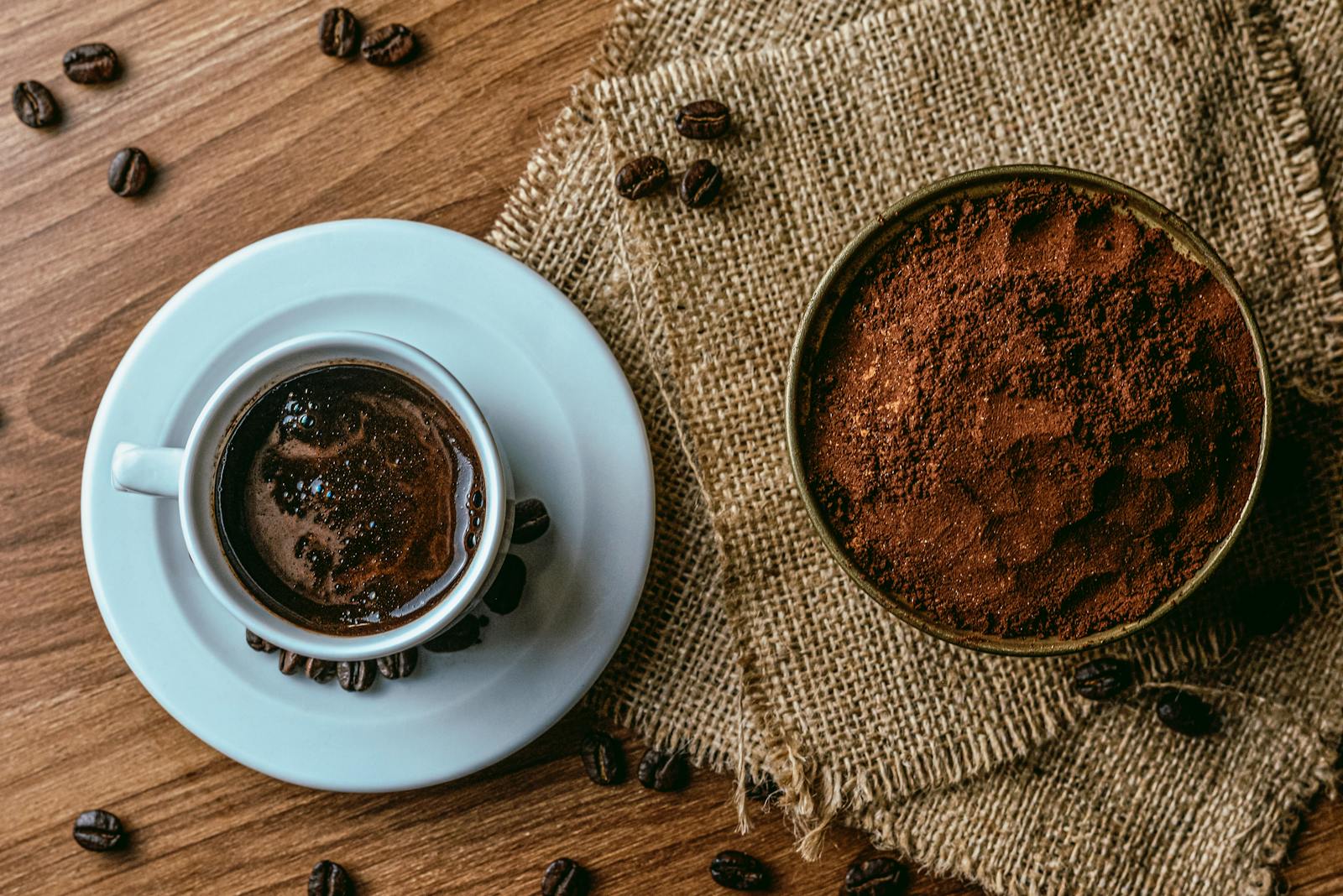
1) Ease back on strength. If you’re brewing very strong coffee, try dropping your dose slightly (or adding a splash of hot water after brewing). A “normal-strength” cup can taste smoother even with the same beans.
2) Use a paper filter. Paper-filter drip or pour-over usually feels cleaner and less heavy than metal-filter methods. If French press is your love language, consider filtering it through paper once as an experiment.
3) Don’t grind too fine. Fine grinds can push bitterness and harshness fast. Aim for “medium” on drip and “medium-fine” for AeroPress—then adjust one notch at a time.
Small tweaks that help
- Temperature — brew slightly cooler (think “hot,” not “scalding”).
- Time — avoid extreme contact times; don’t let drip stall.
- Water — very hard water can taste harsh; try filtered water.
Bean choices that help
- Origin — many people find Brazilian, Sumatran, or low-elevation blends gentler.
- Process — natural/“dry” processed coffees can taste fruitier (sometimes brighter).
- Roast — medium-dark is often the sweet spot: smooth but not ashy.
If you want the easiest “acid dial-down,” cold brew is the simplest experiment. Brew it once, taste it black, then decide if you still need to switch roasts.
For sensitive stomachs: when to switch strategies
If coffee makes you feel burny, nauseous, or reflux-y, it may not be just the acids. Coffee can stimulate gastric activity and can be a trigger for some people—especially on an empty stomach. That doesn’t mean you’re doomed; it means you should test smarter variables than “dark roast vs. light roast.”coffee and reflux
Comfort note: If you have frequent reflux, ulcers, or persistent stomach pain, treat coffee tweaks as “nice to try,” not a substitute for medical advice. If symptoms are new or worsening, check in with a clinician.
Quick troubleshooting (60 seconds)
If it burns fast: Try drinking after food, reducing strength, or switching to cold brew.
If it feels “heavy”: Try paper-filter drip instead of French press.
If it’s sour + sharp: Brew a little hotter/longer (under-extraction can taste sour).
If it’s bitter + harsh: Grind coarser or shorten time (over-extraction can taste harsh).
The goal is to reduce triggers one at a time so you can keep what you love. Most people get a meaningful improvement from just two changes: stop drinking coffee on an empty stomach and switch the brew method.
Acidity Comfort Picker (printable decision matrix)
Use this quick matrix to pick your next “test cup” without overthinking it. Choose the row that matches what you’re trying to fix, then run that experiment for 2–3 days before switching again.
Tip: change one variable per test (bean, roast, or method)—not all three at once.
Editable worksheet: click any cell to type your notes.
| Your goal | Best first test | If that helps, then try… |
|---|---|---|
| Less bright/sour taste | Medium-dark roast + paper-filter drip | Switch origin to Brazil/Sumatra; slightly cooler brew |
| Gentler on stomach | Cold brew (dilute to taste) | Drink after food; reduce dose/strength |
| Less harsh bitterness | Coarser grind + shorter brew time | Try a medium roast; avoid very dark “ashy” profiles |
| Keep flavor but calm the bite | AeroPress + paper filter + medium roast | Slightly lower brew temp; shorten steep time |
| My notes / what I’ll try next |
Reminder: If you’re changing methods, keep everything else the same for a fair test—same mug size, same add-ins, same time of day.
Bottom line: Dark roast can be a smart move if you want a smoother-tasting cup, but it’s not a guaranteed “low-acid” fix. Your best bet is pairing a comfort-friendly method (often cold brew or paper-filter drip) with a bean profile you already tolerate.