Yes—cold brew is often “less acidic” in the way people experience it (smoother, less sharp), and it’s often lower in total acids. The catch is that “acidity” can mean different things: the pH of cold brew coffee (acid strength) might only shift a little, while titratable acidity (total acid load) can change more.
Also, coffee is still coffee: does coffee have acid? Yes—by definition, it’s acidic. The pH of coffee (including black coffee pH) is below 7, so despite the hype there isn’t truly “alkaline cold brew.” What cold brew can change is how that acidity tastes and how it lands for you.
Is cold brew less acidic? The short answer (and the one caveat)
Short answer: cold brew is usually “gentler” tasting, and it’s often lower in total acids—but it isn’t guaranteed to have a dramatically higher pH. That’s why two people can make the same swap and get different outcomes: one person notices less “lemony snap,” while another still feels symptoms because their trigger isn’t the acid level in the cup.
What most people mean by “acidic”
- Sour bite: a bright, citrusy snap on your tongue
- Rough finish: a drying edge after you swallow
- Stomach “sting”: discomfort that shows up quickly
What coffee science can measure
- pH: acid strength in the liquid
- Titratable acidity: total acid load
- Extraction: which compounds you pulled (and how much)
If you’re searching for low acid cold brew, you’re usually looking for a cup that’s less sharp and/or lower in total acids—not a coffee that’s chemically “non-acidic.” The one caveat: you can make cold brew that still feels intense. Example: if you steep a very strong concentrate and drink it straight, it may taste “powerful” and feel rough simply because it’s concentrated. A practical starting point is to dilute concentrate first (often around 1:1 with water or milk), then judge taste and comfort from that baseline.
What’s the difference between pH and titratable acidity?
Think of pH as “acid strength,” and titratable acidity as “total acid load.” They’re related, but not identical—so two people can cite different numbers and both be describing real (but different) parts of “acidity.”
pH: how “strong” the acids are
pH reflects how acidic a liquid is on a logarithmic scale. It’s useful context, but it doesn’t perfectly predict sourness or symptoms. A cup can show a small pH change that looks meaningful on paper while tasting nearly the same to many people.
Titratable acidity: how much acid is present overall
Titratable acidity (TA/TTA) estimates the total acids by measuring how much base it takes to neutralize the drink to a set point. In everyday terms: it’s closer to “how much acid is there to taste,” which is why it often tracks better with that sharp, tangy bite people complain about.
Mobile note: The table below is wide—scroll sideways if you’re on a phone.
| Measure | What it tells you | What you might notice |
|---|---|---|
| pH | Acid “strength” in solution | Not a perfect predictor of sourness or reflux triggers |
| Titratable acidity | Total acids present | Often tracks better with “sharp” or “tangy” taste |
| Extraction | How much (and which) compounds were pulled | Can shift bitterness, aroma, and perceived smoothness |
Two cups can share a similar pH, yet still differ in how “sharp” they taste—because the total acids can be different.
This is why research that reports lower titratable acidity for cold brew can coexist with other summaries showing only modest pH changes: they’re describing different measurements of “acidity.”
What does research say about cold brew acidity?
Most evidence lands in the middle: cold brew can reduce total acids, but the result depends on the coffee and the recipe. Treat cold brew as a helpful lever—not a guaranteed label.
Cold vs hot with similar recipes
When researchers compare cold and hot brewing, temperature changes what gets extracted—and how fast. Some work suggests the “just steep it longer” idea is overstated, with temperature influencing extraction patterns and acidity measures (including both pH and titratable acidity) in the UC Davis cold-brew study.
What’s often consistent
- Smoother profile: less perceived bite for many drinkers
- Dilution matters: ready-to-drink strength feels gentler
- Recipe sensitivity: small changes can shift the cup quickly
What varies a lot
- Bean chemistry: origin/processing shifts acids at the source
- Roast impact: light vs dark can swing “brightness” noticeably
- Strength: heavy concentrates can override “cold brew” benefits
Why roast can matter more than brew temperature
If you keep a very bright, light-roast coffee and brew it strong, you may not get the result you want. A research review comparing brewing variables notes that bean selection and roast degree can shift acidity metrics—and the “feel” of acidity—at least as much as brew temperature in many setups, which is a big part of the roast vs brew acidity takeaway.
Why does cold brew taste smoother?
“Smoother” is often a perception story: temperature, dilution, and bitterness balance can matter as much as the acid numbers. Cold brew can feel rounder because it avoids some sharp edges your palate notices first.
Cooler extraction, different balance
Hot water extracts quickly and can pull more bitterness/astringency if the brew runs long or the grind is too fine. Cold water extracts more slowly and often emphasizes cocoa-like, nutty notes when the recipe is balanced. That shift in balance can make acidity feel lower—even if pH is only slightly different.
Dilution, caffeine, and heat change the experience
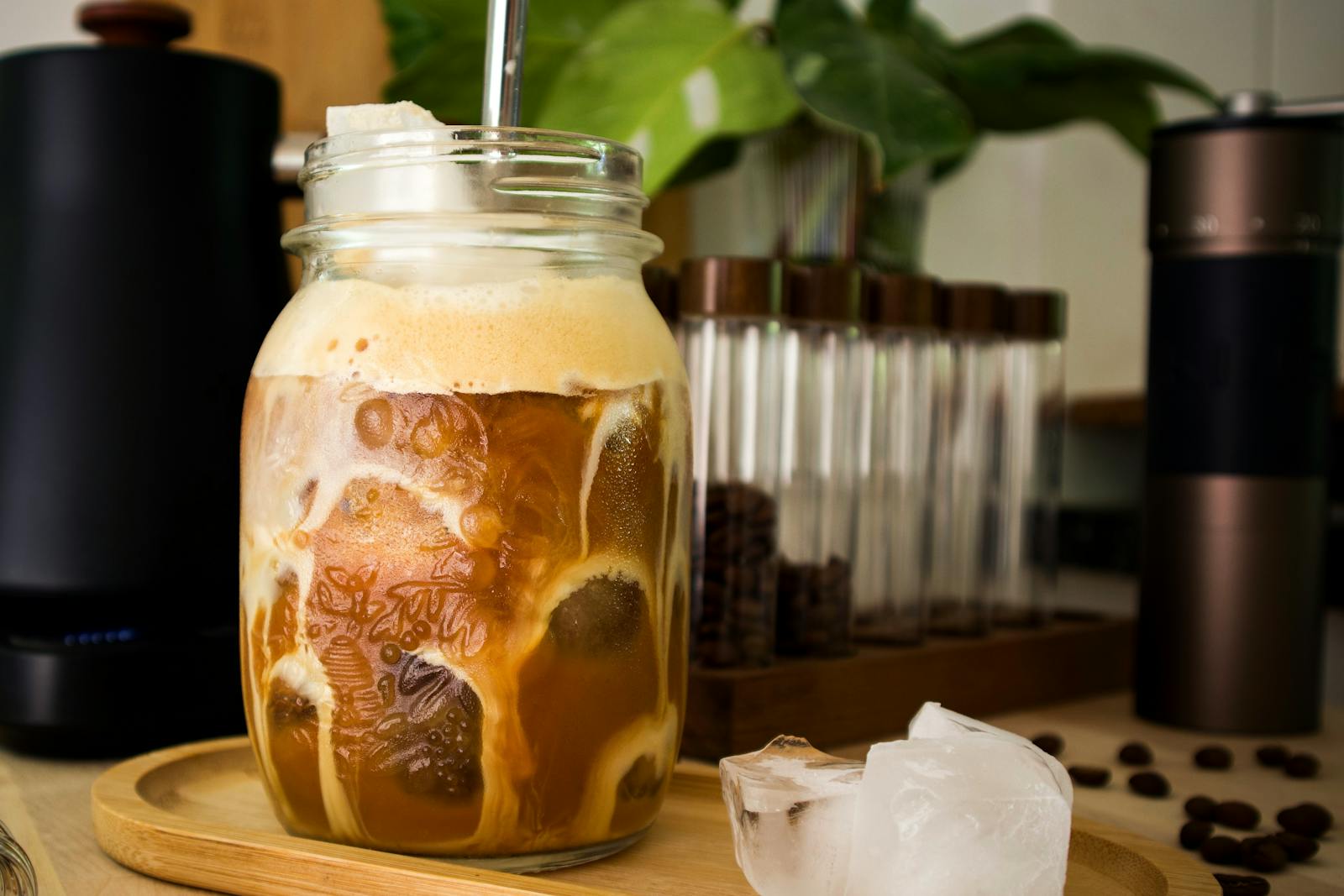
Does cold brew have less caffeine? Not automatically. Ready-to-drink cold brew can be similar to hot coffee, but a concentrate can deliver more caffeine per ounce if you drink it straight. If you’re sensitive, start with a smaller serving and dilute before you decide it’s “too much.”
Can cold brewed coffee be heated? Yes—warm it gently (think “heat and sip,” not a rolling boil). Heating tends to change aroma and flavor more than it changes acidity, so if you’re chasing smoothness, keep it mild and don’t scorch it.
Is cold brew easier on acid reflux or a sensitive stomach?
Cold brew for acid reflux can help some people—but reflux triggers aren’t only about acidity. The most useful approach is a gentle, controlled self-test (and a quick exit plan if symptoms flare).
Triggers beyond acidity
Even when the drink itself isn’t extremely acidic, coffee may irritate the upper GI tract or relax the lower esophageal sphincter (LES), which can allow reflux to happen more easily. That’s why the Cleveland Clinic’s overview of coffee and acid reflux focuses on more than just the pH of the beverage.
Will coffee help heartburn? Usually not—coffee is more likely to trigger heartburn than relieve it. If heartburn is frequent or severe, treat coffee as a variable to manage, not a remedy.
Quick safety note: If you have frequent reflux, chest pain, trouble swallowing, vomiting, black stools, or unexplained weight loss, don’t “experiment” your way through it—check in with a clinician.
How to drink coffee without acid reflux (practical defaults)
- Smaller dose: start with a smaller cup before changing everything else
- Food first: avoid coffee on an empty stomach when you can
- Earlier timing: skip late-night coffee if symptoms show up at bedtime
- Dilute concentrate: treat cold brew concentrate like a base, not a ready-to-drink
- Try half-caf/decaf: caffeine can be a trigger even when acidity isn’t
- Track triggers: run a 7-day test so you’re not guessing
A practical 7-day “try it safely” experiment
Change one variable at a time. Keep your portion steady, drink it at the same time of day, and note what else is in play (empty stomach, late-night timing, stress, spicy food). Start with diluted cold brew, then adjust either caffeine (smaller portion or half-caf) or roast (one step darker) before you change everything at once.
Printable 7-Day Coffee Tolerance Tracker (click any cell to type)
How to use it: score symptoms from 0 (none) to 5 (stop + reset). If you hit 4–5 more than once, reduce portion size, dilute more, or pause the test.
| Day | Time | Drink | Recipe notes | Portion | Food first? | Symptoms (0–5) | Notes |
|---|---|---|---|---|---|---|---|
| 1 | Diluted cold brew | Bean/roast + dilution ratio | Y/N | ||||
| 2 | Y/N | ||||||
| 3 | Y/N | ||||||
| 4 | Y/N | ||||||
| 5 | Y/N | ||||||
| 6 | Y/N | ||||||
| 7 | Y/N |
What changes make coffee less acidic?
If you want to know how to make coffee less acidic, change your beans and strength before you obsess over steep time. Those two levers tend to create the biggest difference the fastest—without turning your kitchen into a lab.
People often ask for the least acidic coffee, but “least” depends on whether you mean taste, measured acidity, or symptoms. As a starting point, many people do best with a coffee that’s brewed a bit weaker, not overly bright, and easy to dilute (including cold brew). For some, tea can be a gentler swap too—is coffee more acidic than tea? Often yes, though tea varies by type and strength.
Bean and roast levers
Common “least acidic” questions, answered simply: Is light roast coffee less acidic? Light roasts often taste brighter. Is decaf coffee less acidic than regular? Decaf isn’t automatically lower-acid, but it can be easier if caffeine is your trigger.
- Roast level: try one step darker if “bright” coffees bother you
- Flavor profile: avoid very citrus-forward tasting notes at first
- Processing: if one bag bothers you, don’t assume all cold brew will
- Rest time: extremely fresh coffee can taste sharper; give it a few days

Recipe and serving levers
- Strength first: dilute concentrate before judging results
- Grind size: go coarse; fine grinds can taste harsh
- Steep time: start moderate, then adjust in small steps
- Filter: paper can clean up grit and soften the finish
- Temperature: room-temp steeps can taste more intense than fridge
- Water: extremes (very hard/very soft) can taste harsh or flat
- Add-ins: a small splash of milk may blunt sharpness for some
- Timing: coffee on an empty stomach is a common “worse day” pattern
Brand and product notes (optional)
STōK cold brew acidity: bottled cold brew varies by recipe and strength. Treat it like any concentrate: check ingredients, then dilute and test. If you’re shopping “low-acid,” products marketed as low-acid (for example, HealthWise low acid coffee) can be one option to compare—but your tracker will tell you more than a label.
Espresso questions: Is espresso less acidic than coffee? Espresso isn’t “acid-free,” but the smaller volume can feel easier for some people. If you use a home machine or brewer with a TrueBrew espresso setting, start by lowering dose/strength first and avoid stacking intensity (extra-fine grind + long extraction).
Which should you choose: cold brew, iced coffee, or hot coffee?
For the easiest “smoother cup,” start with diluted cold brew—then adjust beans and portion size. If you simply want a cold coffee fast, iced coffee may be convenient, but it can keep more of that bright, hot-brew character; that’s the basic distinction highlighted in cold brew vs iced coffee comparisons.
Is iced coffee less acidic? Not automatically—iced coffee is usually hot coffee cooled down, so it often keeps that brighter bite. And does coffee become more acidic as it cools? Usually no; cooling tends to change perceived acidity and sweetness more than the drink’s underlying chemistry.
Least acidic Starbucks coffee: in a café, “least acidic” is often the one you make gentler—smaller size, a darker roast profile (if bright coffees bother you), decaf/half-caf if caffeine is a trigger, and enough milk or water to reduce intensity.
Mobile note: The table below is wide—scroll sideways if you’re on a phone.
| Option | Best for | Watch-outs | Easy tweak |
|---|---|---|---|
| Cold brew | Smooth, low-bite flavor; make-ahead convenience | Can be too strong if you drink concentrate straight | Dilute first, then judge |
| Iced coffee | Fast “cold coffee” without planning | Can taste brighter/sharper, depending on recipe | Use a slightly darker roast or brew a touch weaker |
| Hot coffee | Aroma, warmth, and quick routine | Over-extraction can amplify harshness | Coarsen grind or shorten brew time |
If you only remember one thing: “Less acidic” can mean lower total acids (often true for cold brew) or higher pH (sometimes only a small change). For comfort, start by lowering strength and choosing a less-bright bean—then let your tracker decide what actually helps you.
One last practical tip: if symptoms are your main concern, don’t focus only on acidity. Track caffeine dose, timing, and whether you’re drinking on an empty stomach. Those three factors can outweigh “cold vs hot” for a lot of people.