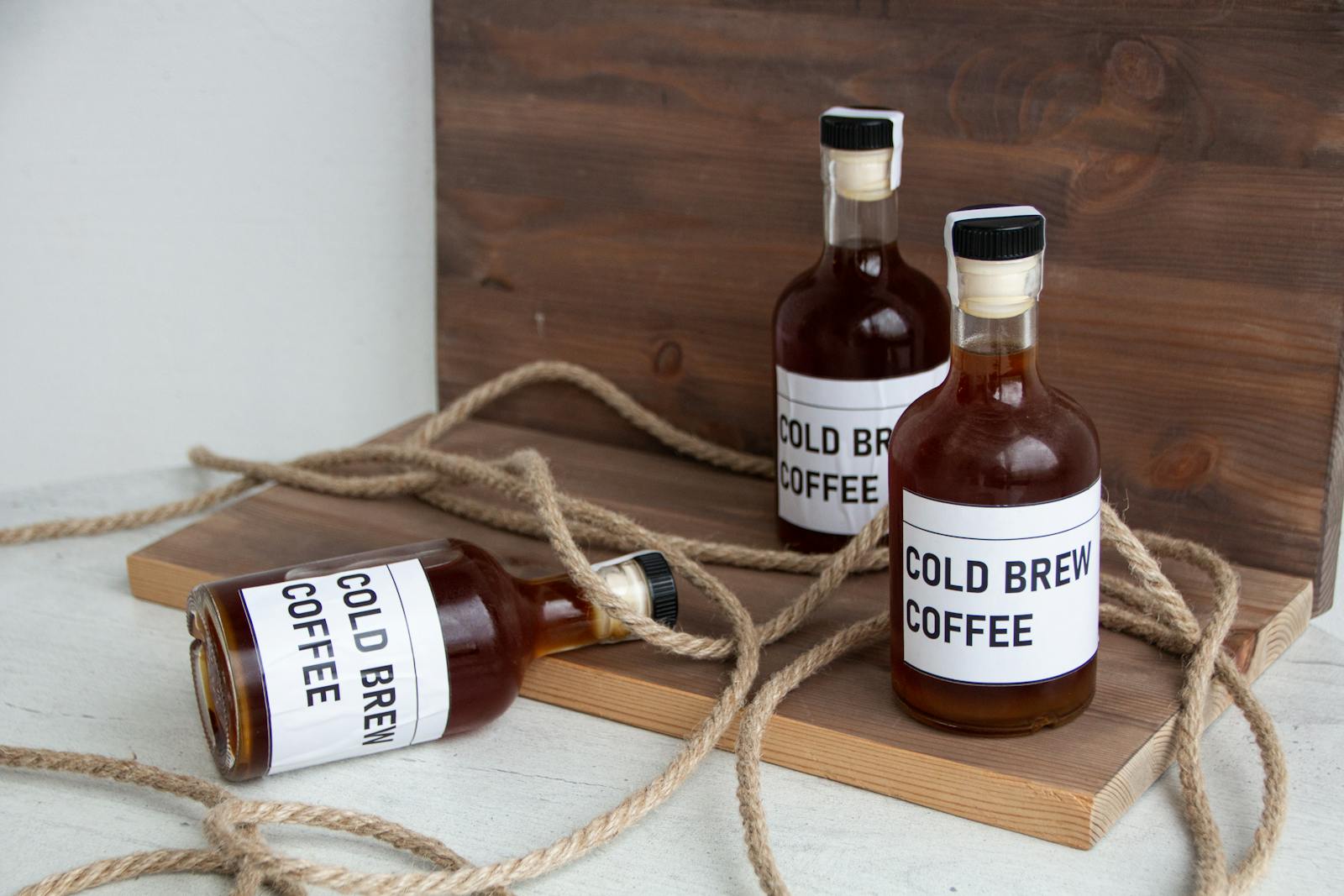
Cold Brew Concentrate Recipe
Make a smooth, strong coffee base you can keep in the fridge and turn into iced coffee in minutes. You’ll get: a reliable concentrate ratio, a low-mess method, and a quick dilution guide for water or milk.
The first time you make cold brew concentrate, it feels like cheating: you do five minutes of setup, go to bed, and wake up to a jar that can power a week of iced coffees. The trick isn’t fancy gear—it’s picking a repeatable ratio, filtering without drama, and diluting the same way every time. Get those three right, and your ‘coffee shop’ glass becomes a Tuesday-morning default.
This cold brew concentrate recipe is built for consistency: brew strong (1:4 by weight), strain cleanly, then dilute to your preferred strength. If you’re chasing your best cold brew recipe for busy mornings, “repeatable” beats “fancy.”
Concentrate basics: what it is and why it’s useful
Cold brew concentrate is simply cold brew made stronger than ready-to-drink, so you can dilute it later. That “brew now, dilute later” approach is what makes concentrate so handy: you can pour a little for a strong glass, pour more for a lighter one, or use it as an ingredient in lattes, shakes, and even baking.
In other words, it’s a type of coffee concentrate: a concentrated coffee liquid meant to be mixed with water or milk before you drink it. Your brewed coffee ingredients stay refreshingly simple—just coffee + water—and the “mixing” happens at the end instead of at the beginning.
Think of concentrate as a coffee base—like a syrup, but unsweetened. It’s also easier to store: you keep one jar, then mix each drink fresh so it tastes brighter instead of “day-two flat.”
Cold brew concentrate
- Purpose: make once, dilute per glass
- Flavor: intense, needs water/milk
- Best for: batch prep + flexible strength
Ready-to-drink cold brew
- Purpose: pour and sip as-is
- Flavor: already “finished” strength
- Best for: grab-and-go convenience
If you’re unsure which you want, this quick explainer on concentrate vs RTD helps set expectations before you start brewing.
Quick note on naming: Some people say “cold press coffee” when they mean cold brew. This guide is a cold press coffee recipe in the everyday sense—coffee steeped in cool water, then strained—rather than a special pressed extraction method.
Cold brew vs cold brew concentrate: same technique, different strength. And no, cold brew concentrate is not the same as espresso—espresso is hot, pressurized extraction with its own flavor profile; concentrate is slow-steeped and designed to be diluted.
The core ratio (by weight) and how to scale it
For concentrate that still tastes smooth, a solid starting point is 1 part coffee to 4 parts water by weight (1:4). This cold brew coffee ratio brews strong enough to dilute, without turning harsh. Many coffee pros and specialty roasters frame cold brew ratios in this “pick a brew strength, then adjust” way; see this cold brew ratio guide for the broader context.
Once you choose a ratio, don’t touch it for a week—change only one variable at a time. That’s how you land on a concentrate that’s repeatable, not a weekly mystery.
Simple scaling math: decide your water first, then do coffee grams = water grams ÷ 4 for a 1:4 concentrate. This is your cold brew mix: coffee + water, combined once, then left alone.
No scale? You can still get close. As a rough rule, 1 cup of coarsely ground coffee often lands around 80–90 grams, but it varies by bean density and grind size—treat it as a starting estimate, not a law.
| Batch size (water) | Coffee (1:4 by weight) | Great container |
|---|---|---|
| 4 cups (32 fl oz) | ~200 g coffee | 2-quart jar or pitcher |
| 6 cups (48 fl oz) | ~300 g coffee | Large French press |
| 8 cups (64 fl oz) | ~400 g coffee | 1-gallon jar (half-full) |
Small batch cold brew tip: If you want freshness over volume, brew smaller and more often. For a truly single serve cold brew approach, try 30 g coffee + 120 g water (1:4) in a small jar—enough concentrate for 1–2 drinks once strained and diluted.
Example (weekday batch): If you want two iced coffees a day for four days, brewing around 6 cups of water (48 fl oz) is a sweet spot. It’s big enough to feel like meal prep, small enough to stay fresh.
Grind, water, and steep time: the three levers
Cold brew is forgiving, but concentrate magnifies mistakes. If your batch tastes bitter, thin, or muddy, you usually don’t need a new recipe—just a small tweak to one lever.
The goal is “chocolatey and smooth,” not “burnt and gritty.” Use the rules below like a quick diagnosis chart.
- Grind: Go coarse (like sea salt). Finer grinds extract faster and can taste sharp.
- Water: Use cold or cool filtered water. Strong-smelling tap water shows up in the cup.
- Time: Start at 16 hours (overnight). Shorter can taste weak; longer can taste woody.
- Too bitter: grind a touch coarser or steep 2 hours less.
- Too weak: steep 2–4 hours longer or tighten ratio slightly (more coffee).
- Too cloudy: filter twice and avoid shaking the jar at the end.
If you keep getting murky or harsh results, these cloudy brew fixes are a practical checklist for what to adjust first.
Step-by-step cold brew concentrate recipe
This is the “no drama” workflow: mix, wait, filter, then filter again. You’ll get a cleaner concentrate that dilutes smoothly—especially if you’re adding milk.
The only moment you can really mess up is the end—don’t squeeze the grounds like a sponge. Gentle filtering keeps the brew smooth.
Recipe at a glance
- Ratio: 1:4 coffee:water (by weight)
- Steep: 14–18 hours
- Filter: mesh → paper (optional second paper)
- Dilute: start 1:1 (strong) or 1:2 (standard)
- Ice: melts = extra dilution
- Tip: stop pouring when sediment reaches the neck

You’ll need: coarsely ground coffee, cold water, a large jar or French press, and a filter setup (paper filter, fine-mesh strainer, or nut milk bag). Optional but helpful: a funnel and a second container for cleaner pouring.
Base recipe: 200 g coffee + 800 g water (makes a small batch of concentrate). Multiply up using the table above if you want a week’s worth.
Jar method
- Combine: Add coffee to the jar, pour in water, and stir until every dry pocket disappears.
- Steep: Cover and leave at room temp or in the fridge for 14–18 hours. (Room temp extracts a bit faster; fridge is slower but tidy.)
- Settle: Let the jar sit 5 minutes so the heaviest grounds drop before you pour.
Low-mess filtering
This is the simplest way to strain cold brew at home: pour through a fine-mesh strainer first to catch the big stuff, then run it through a paper filter (or clean cloth) into a pitcher. If your filter clogs, don’t fight it—swap the filter and keep going. Small pours help the filter keep up.
Second-pass clarity
For a smoother concentrate, do a quick second pass through a fresh paper filter. Skip squeezing; pressing grounds forces bitter fines into the liquid. A gentle drip takes a few extra minutes and pays you back in a cleaner, less gritty glass.
French press method
- Mix: Add coffee and water to the press, stir well, and cover (don’t press yet).
- Steep: Leave for 14–18 hours.
- Press: Push the plunger down slowly—think “steady pressure,” not “slam.”
Press gently
Fast plunging stirs up fines and can make the last cups gritty. If you feel resistance, pause for a second and continue. You’re trying to separate, not pulverize.
Finish with paper
Even after pressing, a paper filter step improves clarity (especially for milk drinks). This “press then paper” combo is common in concentrate workflows like this barista concentrate method, and it’s a great way to reduce sludge without fancy gear.
Dilution: how to turn concentrate into a great glass
Dilution is where concentrate becomes “your” drink. Start with a simple baseline, then tweak like you would salt in soup: small changes, big difference. If you’re adding ice, remember it melts and quietly dilutes over time.
Start at 1:1 (concentrate:water) for “strong,” then move toward 1:2 for “standard.”
Use milk instead of water for a fast “cold brew latte.”
If you want a quick mental shortcut, start with 6 fl oz concentrate and add 6–12 fl oz water depending on your taste. For milk drinks, begin at 1:1 and adjust—milk softens the punch, so you can often go a bit stronger without it tasting harsh.
Using coffee concentrate for hot coffee: yes, it works. Treat it like a base—add hot water (start around 1:2), taste, then adjust. It’s a simple way to get a quick mug without re-brewing.
Because it’s strong, concentrate also shows up in cocktails—an espresso martini with cold brew concentrate can be great when you want coffee flavor without pulling shots. (Just remember: caffeine + alcohol hits differently, so keep it balanced.)
Storage and food-safety common sense
Keep concentrate in a clean, sealed container in the fridge. Most people find it tastes best in the first few days; after that, it can start to lose sparkle and smell a little “stale,” even if it still looks fine.
Store it plain, and add milk/syrup only to the glass you’re drinking. Add-ins change how fast flavors drift. For best taste, plan to finish your jar within about a week and brew smaller batches if needed.
Can you freeze cold brew? You can—especially concentrate. Pour it into an ice cube tray for frozen coffee concentrate cubes, then thaw in the fridge or drop a cube or two into milk for an easy iced drink. Freezing can slightly mute aromatics, but it’s a solid “save the batch” move.
When to toss it: If it smells “off,” looks unusually foamy, or tastes sharply sour beyond normal coffee acidity, don’t overthink it—dump it and make a fresh batch.
Advanced notes: labeling + fridge workflow
Label: Put a piece of tape on the jar with “Brewed on” and the date. It sounds extra… until you’ve got two mystery jars and zero memory.
Don’t shake at the end: If there’s sediment, leave it behind. Pour gently, and stop when you see sludge creeping toward the neck of the jar.
Small-batch win: If you only drink 2–3 iced coffees a week, scale down. Freshness is a flavor ingredient—and it’s one of the easiest “best homemade coffee” upgrades.
FAQ
Most concentrate “problems” are fixable with filtration, dilution, or a tiny time tweak. Use the Q&A below as quick troubleshooting, not a reason to start over.
How much caffeine is in cold brew concentrate?
It varies a lot by bean, ratio, steep time, and—most importantly—how you dilute it. Concentrate generally has more caffeine per ounce than ready-to-drink cold brew, but your finished glass can land in a similar range once diluted. If you’re caffeine-sensitive, treat concentrate like you would a strong brewed coffee: measure your concentrate and your final drink size, and start with a lighter dilution (1:2 or 1:3) before dialing stronger.
Why is my concentrate cloudy (and how do I strain cold brew better)?
Cloudiness usually comes from fine coffee particles slipping through. Use a two-step filter (mesh first, paper second), avoid squeezing, and let the jar settle before pouring. If you want a cleaner result, do a second paper-filter pass—especially for milk drinks—then stop pouring when sediment approaches the spout.
Is cold brew concentrate the same as espresso (or “espresso concentrate”)?
No. Espresso is brewed hot under pressure and is ready to drink immediately; cold brew concentrate is steeped cold and designed to be diluted. You’ll sometimes see phrases like cold brew espresso concentrate or cold brew espresso recipe, but they’re typically describing an extra-strong cold brew—not true espresso. Likewise, an espresso concentrate recipe (when people use that phrase) is usually a strong espresso base or reduction, which tastes different and behaves differently in milk.
Where to buy cold brew concentrate (and what to look for)
You can usually find iced coffee concentrate or cold brew concentrate in grocery stores (coffee aisle or refrigerated case), coffee shops, and online. If you’re comparing options—whether you call it the best cold brew concentrate, a premium cold brew, or simply the best coffee concentrate for your taste—start with the label: fewer add-ins typically makes it easier to control sweetness and strength at home.
How do I use store-bought concentrates (Starbucks, Javy-style, and bottled brands)?
Start with the label’s serving guidance, then adjust like you would homemade: mix a little strong first, taste, and dilute. “Drop-style” products (people often ask how to make coffee concentrate like Javy or how to use Javy coffee concentrate) are usually designed to be stirred into water or milk; bottled products are often meant to be poured and diluted. The same idea applies to popular bottles you might see—Folgers coffee concentrate, Pop & Bottle concentrate, Black Rifle cold brew concentrate, or Maven cold brew—so follow the package, then tweak to preference.
For Starbucks cold brew and concentrates: Starbucks cold brew is a smooth, long-steeped coffee served over ice; Starbucks cold brew concentrate is typically meant to be diluted at home (often sold as a Starbucks cold brew bottle/can or a Starbucks Signature Black cold brew concentrate / multi serve concentrate in some markets). If you’re trying to make Starbucks cold brew at home, use a coarse grind, a steady ratio, and clean filtering—then adjust dilution until it matches what you like. When ordering cold brew from Starbucks and you want the least sugar, ask for cold brew unsweetened and add milk to taste; flavored syrups (including “cold brew syrup” add-ins) change sweetness fast, while some locations may offer sugar-free vanilla. Also note: Starbucks refresher concentrate is a different product category, not cold brew. For crowdsourced opinions, searching “cold brew recipe reddit” or “best coffee concentrate reddit” can be useful—just treat it as taste preference, not a standard.