What if the biggest difference is that cold brew isn’t really “brewed” the way coffee usually is? Traditional brewing uses hot water to extract flavor quickly. Cold brew is more like an infusion: coffee grounds sit in cool water for hours. That slower extraction changes what ends up in your cup—especially perceived acidity and bitterness—and it’s why “which has more caffeine” is a trick question unless you know whether you’re drinking concentrate or ready-to-drink.
TL;DR
- Method — Cold brew is steeped cold for hours; iced coffee is brewed hot, then chilled.
- Flavor — Cold brew reads smoother; iced coffee stays brighter and more aromatic.
- “Strength” — Cold brew can hit harder, but concentrate vs dilution decides it.
- Watery risk — Iced coffee dilutes fast; cold brew is often built to handle ice.
- Best pick — Choose by taste first, then time, caffeine needs, and sensitivity.
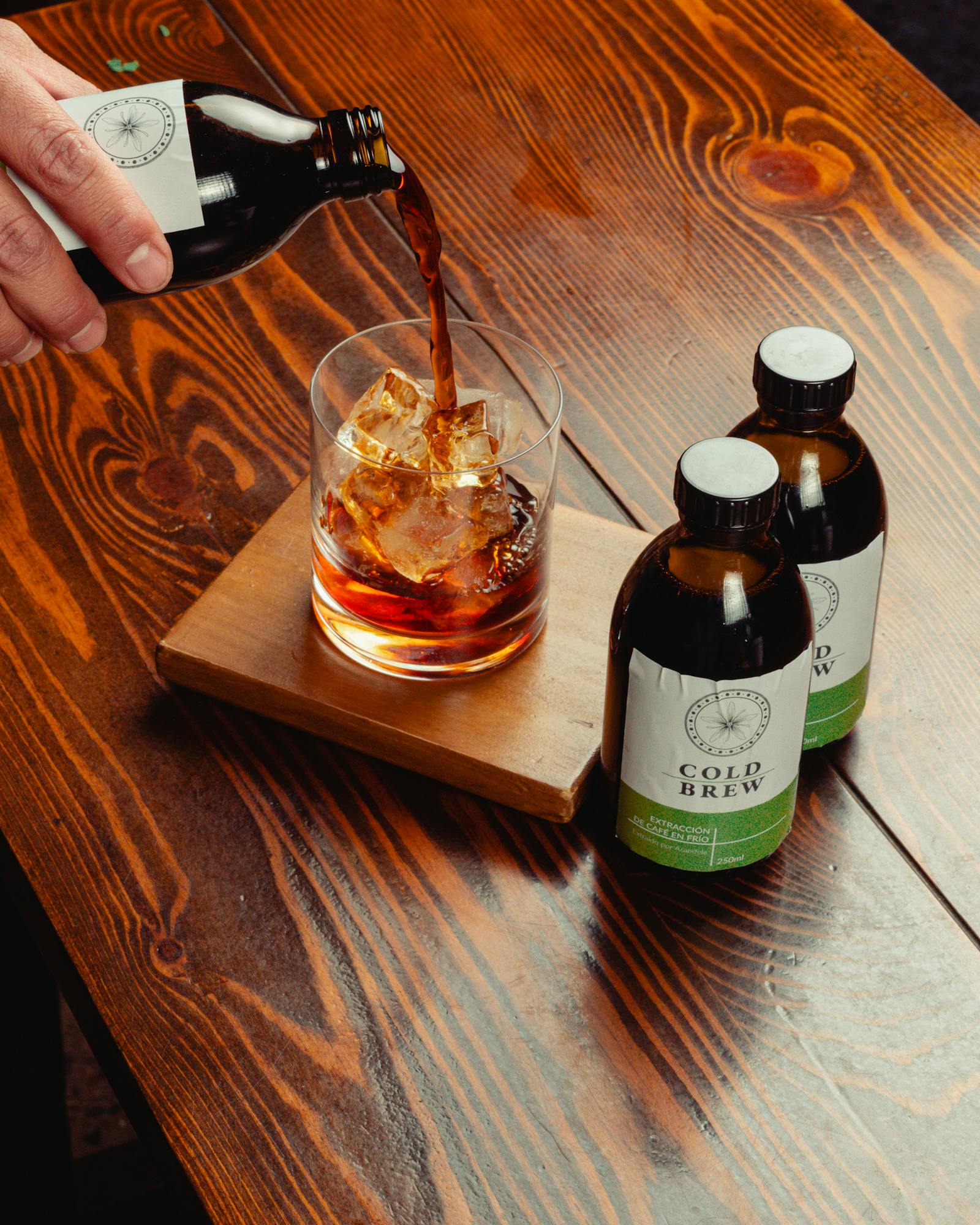
The difference in one line: it’s the brewing temperature
The difference between cold brew and iced coffee starts with temperature: cold brew is extracted with cool water, iced coffee is extracted with hot water. That one choice changes what gets pulled from the grounds, how fast it happens, and how the drink tastes after ten minutes over ice.
What is cold brew? It’s coffee made by soaking grounds in cool water for hours, then straining. It’s not just hot coffee that turned cold. What is iced coffee? It’s coffee brewed hot first, then chilled and served over ice—sometimes as simply as coffee plus ice, but the best versions account for melting ice so it doesn’t taste thin. Simply Recipes’ expert breakdown is a handy baseline for how cafés typically define both drinks (expert cold-brew vs iced).
| Factor | Cold Brew | Iced Coffee (incl. flash brew) |
|---|---|---|
| Water temp | Cool/room temp | Hot, then cooled |
| Time | Hours (often overnight) | Minutes |
| Typical format | Often a concentrate | Ready-to-drink coffee over ice |
| Aroma | Usually softer, rounder | Usually more “fresh-brew” |
| Dilution risk | Lower (you can dilute on purpose) | Higher (melting ice changes it fast) |
| Flavor vibe | Smooth, mellow, chocolatey | Bright, crisp, aromatic |
| Best for | Make-ahead, low-fuss mornings | Fast refreshment, “hot coffee flavor” on ice |
What’s in plain cold brew?
- Base — coffee + water (steeped, then strained)
- Ice — optional; often served over ice but not required
- Black coffee? — it can be black; “cold brew” is the method
- Espresso? — traditional cold brew has no espresso unless added as a recipe twist
What’s in plain iced coffee?
- Base — hot-brewed coffee cooled down
- Ice — usually yes (that’s the point)
- Milk/sugar — optional add-ins, not required
- “Just coffee with ice?” — it can be, but brewing stronger (or flash brewing) keeps it from tasting watery
Cold brew: steeped cold (often as a concentrate)
Cold brew is immersion-style: grounds sit in water for a long time, then you strain. Many shops brew it as a concentrate so they can serve it over ice without it turning watery—and so they can dial in the final cup by adding water or milk.
Types of cold brew you’ll see: ready-to-drink cold brew, cold brew concentrate, nitro cold brew (infused with nitrogen for a creamy texture), and bottled cold brew. You might also see cold drip coffee: it’s made by slowly dripping cold water through grounds (often in a tower), while classic cold brew is steeped, then strained.
Iced coffee: brewed hot, then chilled (including flash brew)
Iced coffee is brewed with hot water first—drip, pour-over, AeroPress, espresso—then cooled down. “Flash brew” (sometimes called Japanese iced coffee) is a popular approach: brew hot coffee directly onto a measured amount of ice so it chills instantly while keeping more aroma intact.
Types of iced coffee include classic iced drip coffee, flash brew, and espresso-based iced drinks that people often lump together: iced Americano (espresso + water + ice), iced latte (espresso + milk + ice), and even an iced long black style (espresso + water, then chilled) depending on the café.
Taste and acidity: why one feels smooth and the other feels bright
This is where most people “feel” the difference. Cold extraction tends to read as smoother and less sharp, while hot-brewed coffee on ice keeps more of the familiar brightness and top-note aroma you’d expect from a hot cup.
“Acidity” in coffee usually means liveliness—think citrusy sparkle—not “bad” or unsafe.
Stumptown’s explanation of why cold brew often tastes less acidic is a solid plain-English read (why cold brew feels smoother). Practical takeaway: if you want “refreshing and crisp,” iced coffee is often the easier match; if you want “round and mellow,” cold brew is usually the safer bet.
People sometimes ask, “Is cold brew sweet?” It can taste naturally sweeter (more chocolatey/caramel-like), but plain cold brew has no sugar unless you add it. The same is true for iced coffee: sweetness comes from syrups, sweet cream, condensed milk, or flavored add-ins—not from the method itself.
Cold brew flavors that show up often
- Chocolate — cocoa, brownie, mocha
- Caramel — toffee, brown sugar
- Nut — almond, hazelnut
- Body — thicker, “silkier” mouthfeel
Iced coffee flavors that pop
- Citrus — lemon, orange, grapefruit
- Fruit — berry, stone fruit
- Floral — jasmine, tea-like notes
- Aroma — more “fresh-brew” smell
What cold extraction emphasizes
Cold brew is great at smoothing edges. If you’re adding milk, cold foam, or flavored syrup, cold brew tends to stay “coffee-forward” instead of turning harsh—especially after the ice has been sitting for a while. That’s why flavored cold brew coffee (vanilla, sweet cream, mocha) often tastes balanced even when served strong.
What hot extraction preserves (and ice can mute)
Iced coffee’s biggest strength is that it still tastes like coffee that was brewed hot—because it was. The tradeoff is dilution: as ice melts, it can flatten flavors quickly. If your iced coffee tastes weak, it’s often a ratio problem, not a bean problem.
Caffeine and strength: the part that depends on dilution
People ask “Which is stronger—cold brew or iced coffee?” but the honest answer is: it depends on how it was brewed, served, and diluted. Cold brew is frequently made as a concentrate, so a “small” cold brew can hit harder than a “large” iced coffee—unless the shop is serving ready-to-drink cold brew at a lighter ratio.
How much caffeine is in cold brew (or iced coffee) varies a lot by recipe and serving size. Think in ounces first: iced coffee and hot drip coffee can be similar per ounce, while cold brew can end up higher per serving if it’s concentrated. Espresso is usually higher caffeine per ounce, but the serving is smaller—so an espresso drink isn’t automatically “more caffeine” than a big cold brew.
Caffeine note: If you’re sensitive to caffeine or managing reflux, ask whether the cold brew is concentrate or ready-to-drink, and what size you’re getting. Verywell Health breaks down why caffeine and perceived acidity vary so much between drinks (caffeine and acidity basics).
Cold brew usually feels “strong” when…
- Concentrate — it’s brewed strong and lightly diluted (or not diluted at all).
- Serving — you get a larger cup than you think.
- Ice — you drink it fast before the melt balances it out.
Quick comparisons people ask about
- Espresso vs cold brew caffeine — espresso is potent per ounce; cold brew can win per serving.
- Cold brew vs latte — a latte’s caffeine comes from espresso shots; milk changes the feel, not the caffeine source.
- Does cold brew have less caffeine? — sometimes, if it’s ready-to-drink at a light ratio.
Why cold brew often lands higher per serving
Cold brew concentrate is the big wild card. If a café uses concentrate, they can serve a smaller drink that’s still intense after ice. If you’re comparing caffeine in cold brew vs regular coffee, compare like-for-like: same ounces, same dilution, same base (cold brew vs drip coffee), and ideally the same bean and roast.
How to compare sizes and ratios in the real world
Use this quick script at the counter: “Is this cold brew concentrate or ready-to-drink? And is the iced coffee brewed fresh today?” That one question usually tells you whether you’re about to get a mellow sipper or a strong, punchy cup.
Making both at home (without a watery cup)
If you’ve ever made iced coffee at home and thought “why does this taste like coffee-flavored water?”, you’re not alone. The fix is almost always controlling dilution: either brew stronger up front or design the method so the ice is “part of the recipe.”

Two anti-watery tricks that work for both drinks
- Coffee ice — freeze leftover coffee in an ice tray; use those cubes in iced coffee.
- Measured ice — measure the ice you’ll brew onto so you know the final strength.
- Fast chill — if you brew hot, cool it quickly (ice bath or flash brew) to protect aroma.
KitchenAid’s guide is handy for the home basics—especially the idea that cold brew is often made stronger first, then adjusted to taste (home method and ratios).
Basic cold brew concentrate (12–24 hours)
- Grind — use a coarse grind (think raw sugar) to avoid sludge.
- Mix — combine grounds and cool water in a jar or French press; stir until fully wet.
- Steep — cover and steep 12–24 hours (room temp or fridge).
- Strain — pour through a fine mesh + paper filter if you want it extra clean.
- Dilute — start at 1:1 (cold brew to water or milk), then adjust by taste.
Best coffee to make cold brew is the coffee you actually enjoy. Medium roasts are forgiving, darker roasts lean chocolatey, and lighter roasts can taste tea-like and delicate. Can you use regular ground coffee for cold brew? Yes—but coarse grind is easier to strain; pre-ground can leave more sediment and taste stronger or muddier.
Flash-brew iced coffee in ~10 minutes
- Measure ice — put ice in your carafe or mug (this is your “cooling water”).
- Brew strong — brew hot coffee directly onto the ice (pour-over works great).
- Swirl — swirl to melt and chill quickly; taste and add a small splash of cold water only if needed.
- Finish — add fresh ice for serving if you want it colder.
Can you make iced coffee with regular coffee? Absolutely—just brew it stronger than you would for hot coffee. If you use a machine like some Ninja brewers with an “over ice” mode, that setting is designed to account for dilution. Want a shortcut? How to make iced coffee with cold brew: pour ready-to-drink cold brew over ice (or dilute concentrate first), then add milk or sweetener if you like.
Which should you choose today? A 60-second decision
If you’re still torn, make it a quick preference call. Pick what matters most right now—smoothness, brightness, caffeine, speed, or cost—and let that decide the drink, not the label.
| Drink | What it is | Closest to |
|---|---|---|
| Nitro cold brew | Cold brew infused with nitrogen for a creamy texture | Cold brew, smoother feel |
| Iced Americano | Espresso + water + ice | Iced coffee vibe, espresso base |
| Iced latte | Espresso + milk + ice | Creamy espresso drink |
| Cold brew + milk | Cold brew (often concentrate) diluted with milk | Smooth, dessert-leaning |
| Shaken espresso | Espresso shaken with ice (often sweetened), then topped | Bright, punchy espresso |
| Frappe / coffee slushie | Blended iced coffee-style drink (dessert) | Not the same as iced coffee |
Quick picker: set priorities from 0–5.
Tip: 0 = don’t care, 5 = very important. (Keyboard: Tab to a slider, then use arrow keys.)
Recommendation:
Advanced notes (quick fixes + common questions)
Cold brew tastes weak: steep longer (up to your sweet spot), use a slightly finer grind, or reduce dilution. Also check ice: a full cup of ice can quietly cut the drink in half.
Iced coffee tastes bitter: brew a little cooler (avoid over-hot water), shorten brew time, or try flash brew so it chills immediately. Over-extraction shows up faster when coffee is cooled down.
Cold brew vs regular coffee (and black coffee): “Black coffee” just means no milk or sugar—cold brew can be black, and drip coffee can be black. The bigger difference is hot extraction (drip coffee) versus cold steeping (cold brewed coffee), which is why cold brewed coffee acidity often feels gentler to many people.
Starbucks/Dunkin/bottled coffee tip: Whether you’re ordering a Starbucks cold brew, Starbucks iced coffee, or deciding between Dunkin cold brew vs iced coffee, the same rule applies: ask if it’s concentrate or ready-to-drink and whether it’s sweetened by default. For bottled cold brew coffee or bottled iced coffee from the grocery store, check the label for serving size, sweeteners, and caffeine—bottles often contain more than one serving.
“Is iced coffee good for you?” / “Is cold brew better for you?” Neither drink is automatically “healthier”—it depends on caffeine tolerance and what you add (syrups, sweet cream, extra shots). If you’re sensitive, start with smaller sizes and stay hydrated.
Brew vs steep meaning: to “brew coffee” usually means extracting flavors with hot water (drip, pour-over). “Steeping” means soaking grounds in water over time, then straining—this is the basic cold brew method.
History (quick reality check): There isn’t a single confirmed answer to “when was iced coffee invented?” or “who invented cold brew.” Cold coffee traditions show up in different places and eras; what’s new is how widely available they are—and how standardized recipes have become.
Coffee when sick: If you have a cold, coffee won’t cure it. Many people can still drink coffee if they stay hydrated and keep caffeine moderate, but if caffeine worsens sleep, stomach symptoms, or dehydration for you, skip it and prioritize rest.