In this De’Longhi coffee machine review, we’ll cut through model names and focus on what it’s actually like to live with one—workflow, taste, milk, and upkeep—so you can buy the right machine the first time.
What if the “best De’Longhi” isn’t the newest one—it’s the one you’ll actually keep clean? Most people don’t quit on flavor; they quit on friction: milk residue, descaling alerts, confusing drink menus, and a machine that’s too big for the counter. This review is built around the boring stuff that decides whether you’ll still use your machine six months from now—then it matches the right De’Longhi line to your habits.
TL;DR — Choose in this order: milk system (auto froth vs steam wand), workflow (super-automatic vs manual), then space/noise. Only after that should you compare drink menus and “smart” extras. For category-style recommendations, see tested picks for 2026.
Who it’s for
- Routine-first: you want good drinks on autopilot most mornings.
- Milk-drink heavy: cappuccinos and lattes are your default order.
- “Good enough” espresso: you want tasty, repeatable, not perfect.
- One-machine household: different people want different buttons.
Who should skip
- Hobby-level espresso: you want maximum control and love tinkering.
- Zero-maintenance: you’ll resent milk rinses and descaling.
- Ultra-quiet kitchens: grinders are inherently noisy.
- Very tight space: super-automatics need clearance.
The De’Longhi lineup in plain English
You’re not buying “a brand”—you’re buying a daily workflow. De’Longhi’s biggest split is simple: do you want a machine that grinds beans, doses, and brews automatically (super-automatic), or do you want to do some of the barista steps yourself (manual or semi-auto)? Once you pick that, the remaining differences mostly come down to milk method, drink shortcuts, and how much maintenance you’ll tolerate.

De’Longhi family cheat sheet
| Family | Best for | What you trade off |
|---|---|---|
| Super-automatic (Magnifica / Dinamica / Eletta / Rivelia) | Fast, consistent espresso + milk drinks with minimal skill | Less control; grinder noise; cleaning/descale is mandatory |
| Manual / compact (Dedica / entry manual models) | Small footprint and more hands-on control | Learning curve; milk wand skill; more “barista steps” |
| Semi-auto espresso (La Specialista lines) | More espresso control without a full prosumer setup | Still work-intensive; takes space; results depend on you |
| Pods / capsule (some De’Longhi co-branded systems) | Maximum convenience, minimal cleanup | Ongoing pod cost; less flexibility; taste ceiling vs fresh beans |
- Cabinet clearance: can you lift the bean-hopper lid easily?
- Morning noise: is grinder noise a deal-breaker in your home?
- Milk cleanup: are you willing to rinse milk parts after use?
- Water hardness: hard water means more frequent descaling.
Popular models people compare (quick “mini review” context)
| Model / query people type | What it is | Natural expectations (price + dimensions + use) |
|---|---|---|
| De’Longhi Rivelia (DeLonghi Rivelia review) | DeLonghi Rivelia bean to cup coffee machine (super-automatic) | De’Longhi Rivelia price typically sits above entry Magnifica models; DeLonghi Rivelia dimensions are “counter-appliance” sized—plan for hopper-lid clearance and front access. |
| De’Longhi Magnifica Start (DeLonghi Magnifica Start review) | Entry super-automatic; common SKUs include DeLonghi Magnifica Start ECAM220.80.SB and other trims | DeLonghi Magnifica Start price is usually value-leaning; Magnifica Start dimensions fit many counters, but still measure height with the lid open. Some variants are marketed as Magnifica Start with milk frother; you’ll see trims like Magnifica Start white in certain retailers/markets. |
| DeLonghi Magnifica Plus (Magnifica Plus reviews) | Mid-range super-automatic; often searched as DeLonghi Magnifica Plus ECAM32070SB | Usually priced between entry and premium; size is closer to other full super-automatics than slim manuals. If you’re comparing DeLonghi Rivelia vs Magnifica Plus, you’re usually deciding on interface/features vs value and simplicity. |
| DeLonghi Magnifica Evo (Magnifica Start vs Evo) | Super-automatic with more drink shortcuts than Start in many trims | Evo often feels more “guided” day-to-day. When you’re choosing Magnifica Start vs Evo, weigh drink buttons and milk-system convenience against cost and parts to clean. |
| Magnifica S (Magnifica Start vs Magnifica S) | Older/established super-automatic family; commonly searched as DeLonghi Magnifica ECAM 22.110 | If you’re reading DeLonghi Magnifica S coffee machine reviews, you’ll see a theme: it’s straightforward and durable-feeling when maintained, but it won’t be as “hands-off” as newer milk-carafe variants. |
| Magnifica XS (DeLonghi Magnifica XS review) | Compact-ish super-automatic family in some markets | Often chosen when space matters; still measure clearance—compact doesn’t mean “tiny.” |
| De’Longhi Stilosa EC260 (DeLonghi Stilosa review) | Manual pump espresso machine; commonly searched as DeLonghi EC260BK / DeLonghi EC260-265 | If you’re shopping “best 51mm espresso machine,” many entry De’Longhi manuals are in that smaller-portafilter class—verify DeLonghi Stilosa portafilter size in your model’s manual before buying accessories like a Stilosa bottomless portafilter. Some buyers also search for DeLonghi Stilosa white color variants. |
| Linea Classic (DeLonghi Linea Classic espresso machine review) | Manual-style espresso line in some markets | Expect a traditional pump workflow (dose/tamp/steam). It’s a better fit for hands-on buyers than one-touch latte seekers. |
Super-automatics are the weekday heroes: push a button, get a consistent drink. The “line names” help you estimate the experience: Magnifica is typically value and straightforward operation, Dinamica often adds refinement and drink options, and Eletta tends to push further into customization and specialty drinks (you’ll even see searches like DeLonghi Eletta Explore ECAM 450.55.G reviews). Category-based guides lean on this split; you’ll see it in expert-tested De’Longhi picks.
Manual and semi-auto machines are about control and footprint. A slim machine like Dedica-style designs can fit where a super-automatic can’t, while a manual like Stilosa is even more “do it yourself.” If you’re searching how to use DeLonghi Stilosa or “how to use a DeLonghi espresso machine,” you’re in this hands-on lane: warm up, prep the basket, brew, then steam and clean immediately.
Manual pump espresso (15-bar class) — what the model numbers usually mean
If you’re Googling models like De’Longhi ECP3220 15-bar pump espresso and cappuccino machine, DeLonghi ECP3630 reviews, De’Longhi EC155 15 bar espresso and cappuccino machine, DeLonghi EC702 review, or De Longhi EC885M, you’re shopping the “manual pump” family. These can be great DeLonghi budget espresso machine options—just expect more technique and cleanup than a super-automatic. Searches like “DeLonghi stainless steel pump espresso maker” and “DeLonghi espresso machine 15 bar” usually land here too.
One last clarity point: De’Longhi also sells non-espresso machines. If you’re actually looking for a DeLonghi coffee maker (or DeLonghi coffee maker review / DeLonghi coffee maker price), a DeLonghi touch screen coffee machine, a DeLonghi single cup coffee machine, or even a DeLonghi coffee mill, those behave differently than espresso machines. You’ll also see Spanish searches like cafeteras DeLonghi—same idea, different product lanes. This article stays espresso-first.
Super-automatic, manual, or pods—how to decide fast
Choose super-automatic if you want reliable drinks with minimal steps. You’ll spend your energy on beans, grind setting, and cleaning—less on technique. Choose manual/semi-auto if you want to tinker and you care about espresso craft. Choose pods if convenience is king and you accept a lower taste ceiling plus ongoing pod cost.
The line names that actually matter
If you’re comparing within super-automatics, focus on milk system (auto froth container vs steam wand), drink menu (how many shortcuts you’ll truly use), and serviceability (how easy it is to clean the milk path and empty/rinse components). If you’re comparing manual machines, focus on heat stability, steam power, and whether you’ll use pre-ground coffee or buy a burr grinder.
Quick verdict: which De’Longhi type fits you best
If you make milk drinks most days, pick milk method first—everything else is secondary. People often shop by price or “number of drinks,” then get annoyed by the part they touch every day: milk setup and cleanup. The good news: you can pick the right bucket fast by being honest about your mornings.
Common comparison: Rivelia vs Magnifica Plus vs Magnifica Start
| If you care most about… | Pick this | Why it’s the clean fit |
|---|---|---|
| Premium feel (interface + features) | De’Longhi Rivelia | If your “DeLonghi Rivelia review” search is about a modern experience, it’s typically positioned more premium than entry models. Confirm De’Longhi Rivelia USA naming/availability in your market before you buy. |
| Value + convenience (still very automatic) | DeLonghi Magnifica Plus | If you’re comparing DeLonghi Rivelia vs Magnifica Plus, this is often the “smart value” pick when you want automation without paying for every extra mode. |
| Simple entry (bean-to-cup basics) | De’Longhi Magnifica Start | Best when you want straightforward bean-to-cup and don’t need a long drink menu. If you’re deciding Magnifica Start vs Evo or Magnifica Start vs Magnifica S, Start usually wins on simplicity while the others may win on shortcuts or legacy familiarity. |
If you want lattes fast every day
Go super-automatic with an automatic milk system if you want “press cappuccino, walk away.” You’ll usually get consistent foam and a predictable drink in the cup. The cost you pay is cleaning: the more automatic the milk pathway, the more important it is to rinse and run cleaning cycles so old milk doesn’t become tomorrow’s problem.
If you want to learn espresso without going full hobbyist
Go manual or semi-auto if you like a repeatable routine. The reward is flexibility: you can push shots stronger, change brew ratios, and steam milk the way you like. The cost is time: you’ll be measuring, warming cups, dialing shot volume, and cleaning the portafilter. It’s fun—if you have the bandwidth.
If you want pod convenience (and what you give up)
Pods win on speed and predictability, but you give up the most important flavor lever: bean freshness. If you like “always fine” coffee and zero mess, they’re a legit choice. If you’re chasing café-level espresso depth, you’ll likely outgrow pods quickly and wish you’d gone beans.
Check boxes that match what you care about. The column with the most checks is your best-fit De’Longhi type. (Then shop models inside that type.)
| Priority | Super-automatic | Manual / compact | Semi-auto espresso | Pods |
|---|---|---|---|---|
| Speed (drink in minutes, minimal steps) | ||||
| Milk drinks (lattes/cappuccinos most days) | ||||
| Control (dialing flavor, learning technique) | ||||
| Cleanup tolerance (you don’t mind daily rinses) | ||||
| Counter space (small footprint matters) |
Notes: Write the one thing you refuse to compromise on (example: “one-touch cappuccino” or “fits under cabinets”) and shop only the type that matches it.
Brew quality: espresso, “coffee,” and what to expect from crema
The tastiest upgrade is usually better beans—before a fancier machine. De’Longhi machines can make a satisfying espresso-style drink, but the ceiling depends on the same variables any espresso depends on: fresh beans, appropriate grind size, correct dose, stable water temperature, and enough pressure through an evenly packed coffee bed. If one variable is off, you’ll taste it as sour (under-extracted) or bitter/dry (over-extracted).
On super-automatics, you control fewer variables, so bean quality matters even more. A small grind adjustment can swing flavor dramatically because the machine doses and tamps internally. Change one thing at a time: grind first, then strength/aroma, then cup size. If you change everything at once, you’ll never know what actually helped.
A quick taste fix you can try today: if shots taste sharp-sour, make the grind slightly finer (one step) and reduce the cup size a bit. If shots taste dry-bitter, go slightly coarser and reduce strength before you reduce volume. You’re steering extraction without turning breakfast into a science project.
The “coffee” or “long” button is best thought of as a different brewing program (often a longer extraction or an americano-style approach), not the same thing as drip coffee. If you want a mug-sized drink, many people get a cleaner result by pulling espresso (or a “coffee” program) then adding hot water to taste—especially with medium roasts that can turn ashy when over-extracted.
Why bean freshness shows up fast
Crema isn’t a “quality badge” by itself, but it’s a useful signal. Very old beans often produce thin crema and muted aromatics. If your shot tastes flat, try a bag that’s been roasted recently, store it airtight, and keep the hopper topped with only what you’ll use in about a week.
A practical baseline for “good espresso” at home
Even without weighing every shot, you can chase the right direction: a steady flow that isn’t gushing or dripping, a balanced taste (not sharp-sour, not burnt-bitter), and enough body to stand up to milk. If you’re shopping specifically within Magnifica models (including “DeLonghi Magnifica super automatic espresso maker” searches), some hands-on reviews call out how grind and dose limits affect perceived strength—see Magnifica Start deep dive for the kind of detail that helps you set expectations.
Milk drinks: LatteCrema-style systems vs steam wands
Milk is where “convenience” turns into “cleanup,” so pick the system you won’t resent. The dream is a glossy cappuccino whenever you want. The reality is that milk is perishable, sticky, and quick to smell “off” if you leave residue in the path. De’Longhi’s automatic milk systems can be wonderfully consistent—if you’re consistent, too.
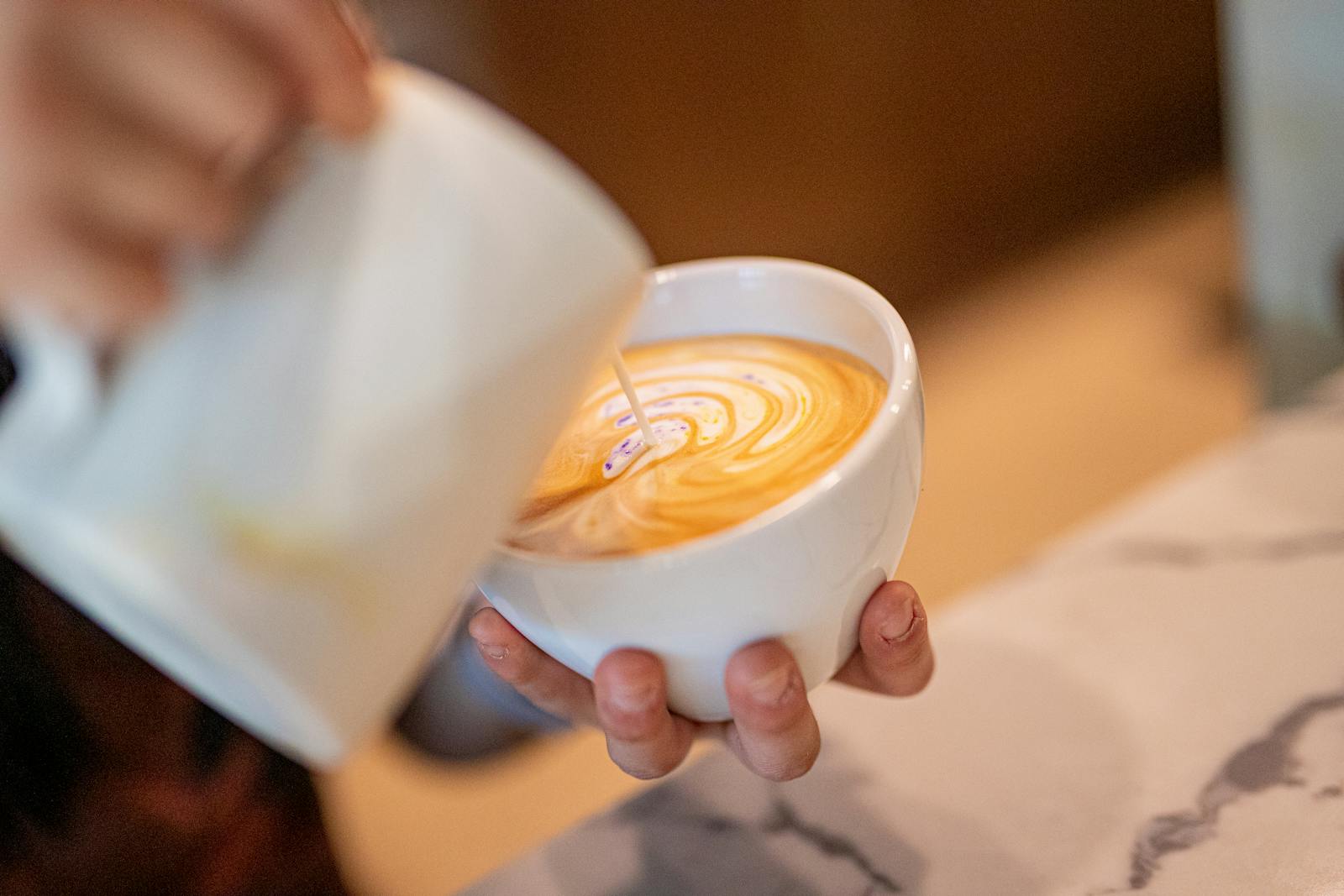
Automatic froth: consistency vs cleaning steps
Automatic systems (often a milk container with a frothing dial and rinse function) are built for repeatability: you’ll get similar foam each morning without practice. The biggest “gotcha” is the milk path: quick rinse after each use, deeper clean on schedule, and refrigerate the container if it’s not going right back on the machine. Depending on the Magnifica Start trim, you may see a manual frother or a LatteCrema-style carafe (people search “DeLonghi Magnifica Start LatteCrema” for exactly this reason). When reviewers compare variants within the Magnifica Evo line, they often point out how the “milk” vs “steam” versions change the daily routine; see Magnifica Evo hands-on for a clear walkthrough of those tradeoffs.
Manual steaming: flexibility vs learning curve
A steam wand can make better texture once you learn it—especially if you like microfoam for latte art—but it’s a skill. Expect a short learning phase where you get big bubbles (too much air) or flat milk (not enough air). The upside is control: you decide foam level and temperature, and you can adapt to different milks once you learn the rhythm.
Safety note: Steam wands and metal tips get hot fast. Purge steam into a drip tray before and after steaming, keep fingers off the tip, and don’t wipe-clean with a bare hand—use a damp cloth and move away from the wand’s line of fire.
Milk comparison at a glance
- Texture: auto = consistent; wand = best potential
- Speed: auto = fastest; wand = slower
- Cleanup: auto = more parts; wand = fewer parts
- Skill: auto = minimal; wand = learnable
Rule of thumb: If you want milk drinks on weekdays without thinking, go automatic. If you enjoy the craft (or you’re picky about texture), go wand. If you’re unsure, picture yourself cleaning the milk setup on a busy morning—your honest answer is usually the correct one.
Everyday usability: controls, drink menus, and customization
The best interface is the one you understand half-awake. Specs and drink counts look impressive, but daily usability comes down to: how quickly you can make your drink, whether the machine remembers your preferred size/strength, and how annoying it is to adjust after someone else used it. A simpler panel that you use confidently can beat a richer menu you never explore.
Drink icons, profiles, and the shortcuts that matter
Look for shortcuts you’ll actually use: espresso, lungo/coffee, americano, cappuccino/latte, and hot water. Everything else is a nice-to-have. If profiles are available, they’re worth it in multi-person homes because they reduce the “why is my latte tiny today?” problem. If profiles aren’t available, pick one default drink and teach everyone the same one-button routine.
Grinder settings and dose limits (why strength feels different)
De’Longhi super-automatics often offer multiple grinder steps and a strength/aroma setting. Grind matters first; strength matters second. If a drink tastes weak, many people jump to the largest cup size—then wonder why it’s watery. Instead, shrink the drink volume and increase strength so the machine uses more coffee per ounce. If you want a bigger mug, add hot water after the shot rather than pushing a long extraction.
The best De’Longhi is the one you’ll clean.
One practical usability test: imagine you’re hosting. Can a guest make an espresso without a tutorial? If yes, you’ll probably love the machine. If no, you may still love it—but only if you’re comfortable being the operator.
Maintenance and ownership: cleaning, descaling, and longevity
Maintenance isn’t optional—it’s the price of consistent taste. The good news is that most upkeep is quick when you do it on schedule. Skipping it compounds: coffee oils go rancid, milk residue turns into stubborn buildup, and scale can reduce heat performance or trigger alerts. If you’re buying a machine you’ll keep for years, you’re also buying a small set of habits.
The “two-minute close-down” that keeps machines happy: empty the drip tray/grounds bin before they overflow, wipe the spouts, and run the milk rinse (or wipe/purge the steam wand) right after use. It’s faster than scrubbing dried milk later—and it keeps today’s latte from ruining tomorrow’s.
Descaling signals + water filters (what to do, how often, why)
Hard water is the silent troublemaker. If your area has mineral-heavy water, descaling is what keeps brew temperature and flow where they should be. Many machines guide you through a descaling cycle and prompt you when it’s time. Follow your specific model’s instructions (they can differ by line), and don’t guess on products or steps—De’Longhi’s support & warranty FAQs are the right starting point for model-specific manuals and guidance.
If you’re searching “DeLonghi Magnifica Start descaler,” treat that as a cue to do two things: (1) follow the exact on-screen cycle for your model, and (2) match the descaling product to the manufacturer guidance. The same approach applies if you’re looking for DeLonghi caffe espresso manual or instructions for DeLonghi coffee maker: find the model number, pull the correct manual, then follow the steps in order.
Milk system cleaning: the non-negotiables
Milk residue is where “my machine is fine” turns into “why does this taste weird?” Fast rinse cycles help, but most automatic systems also need periodic deeper cleaning of the parts that touch milk. If your machine uses a milk container, refrigerate it between uses, and give the whole assembly a proper wash on schedule. For steam wands, wipe immediately after steaming and purge steam to clear the tip—doing it right away is dramatically easier than doing it later.
Print-friendly maintenance cadence
| Weekly | Monthly | As needed |
|---|---|---|
| Wipe spouts and exterior; rinse removable brew parts you can access; keep drip tray from “overflow surprises.” | Deep-clean milk components; check for coffee oil buildup near spouts; refresh your default drink settings if taste drifted. | Descale when prompted (or sooner if water is hard); replace filters per guidance; troubleshoot odd taste before assuming the machine is “bad.” |
Longevity reality check: A De’Longhi can last years, but reliability is tied to two things you control: water quality and cleaning consistency. If you know you’re not a maintenance person, choose the simplest milk setup you’ll still use—and avoid paying extra for features that add parts you won’t maintain.
FAQ (common De’Longhi questions people actually ask)
Most buyers are balancing convenience, milk quality, and upkeep—so the “right” answer is personal. These are the questions that come up most often when people narrow from “any De’Longhi” to the model that makes sense at home.
How long should a De’Longhi coffee machine last?
With consistent cleaning and the right descaling cadence for your water, many owners keep De’Longhi machines for years. The parts that tend to make a machine feel “old” first are the ones you touch daily: milk components, seals, and any areas that collect coffee oils. If you want the longest practical lifespan, prioritize easy cleaning over maximum features—and keep the machine in a stable, dry spot with airflow.
How much should I spend to get “worth it” results?
Spend enough to match your habits, not your aspirations. If you’ll make espresso a few times a week, a compact manual machine can be worth it at a lower price—especially if you already have a burr grinder. If you’ll make milk drinks daily, paying for an automatic milk system can be worth it because it reduces friction (and friction is what kills consistency). The “De’Longhi Rivelia price” tier is usually for people who want premium convenience and interface polish; the “DeLonghi Magnifica Start price” tier is typically for simple bean-to-cup basics; and the “DeLonghi Magnifica Plus price” tier often sits between them.
What’s the difference between Magnifica Start and Magnifica Evo?
Think “core convenience” vs “more guided variety.” Magnifica Start models often target straightforward bean-to-cup operation at a value price, while Magnifica Evo variants commonly add more drink options and, in some versions, integrated automatic milk systems. Your best move is to compare the exact variant: milk vs steam, number of dedicated drink buttons, and how the machine handles cleaning prompts. If your household is mostly espresso and americanos, Start can be plenty. If your household is latte-heavy, the Evo-style milk convenience tends to matter more than extra coffee programs.
If your search is more specific—Magnifica Start vs Magnifica S—the decision is usually about “old-school straightforward” (Magnifica S, often searched as DeLonghi Magnifica ECAM 22.110) versus “newer entry layout and trims” (Start, including queries like DeLonghi Magnifica Start ECAM220.80.SB or Magnifica Start white). Either way, the best DeLonghi Magnifica review takeaway is the same: buy the model you’ll actually clean.