Single-serve coffee makers, decoded.
A single serve coffee maker is any brewer designed to make one cup at a time—usually with pods or capsules, sometimes with your own grounds. If you’re shopping for a coffee maker for one (or the best coffee maker for one person), single-serve is usually the simplest path—as long as you pick the right system for what you actually drink.
Here’s the dirty secret: most “best single-serve” lists are really lists of ecosystems. Pick the system wrong, and even a great machine turns into regret—because you’ll hate the pods (taste), the pod prices (budget), or the refill hassle (availability, recycling, cleanup). Pick the system right, and the best single serve coffee maker is the one that fits your habits day after day.
If you’re comparing single serve coffee maker reviews or searching phrases like best single serve coffee maker consumer reports, coffee maker ratings consumer reports, or consumer reports best drip coffee maker, use a two-step filter: choose your system first, then choose the features that reduce daily friction (refills, noise, cleaning).
TL;DR (30 seconds): Choose your “coffee lane,” then shop features.
- Everyday mug coffee: pod systems win on speed and variety; brew smaller + strong/bold for better flavor.
- Espresso-style drinks: capsule systems are the easiest path to lattes/cappuccinos without learning espresso skills.
- Best taste per dollar: grounds-capable (podless) modes lower long-term cost—especially if you drink multiple cups daily.
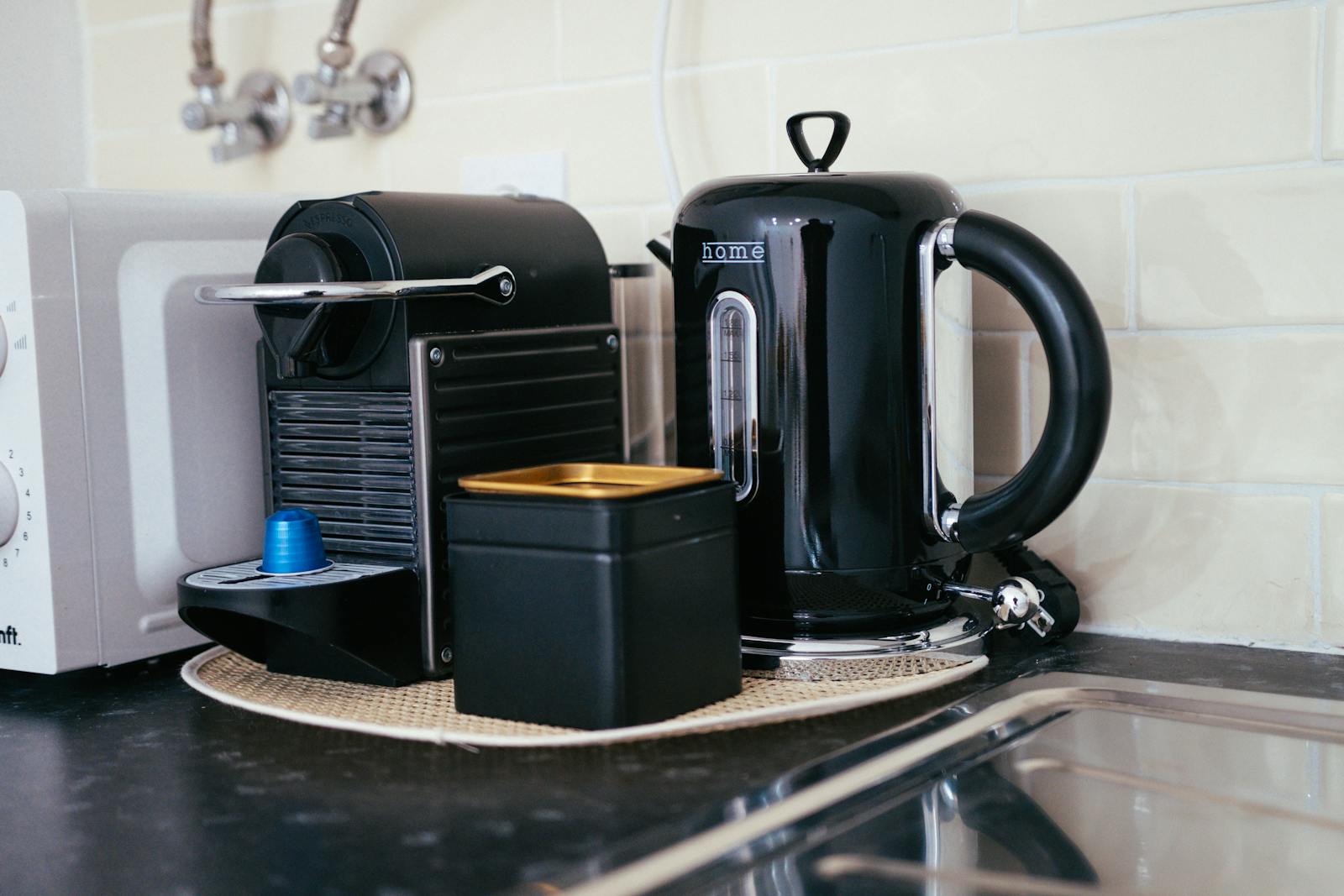
How to use this guide: First, pick your system (pods/capsules/grounds). Then narrow to a brewer that fits your counter space, cup sizes, and cleaning tolerance.
If you like sanity-checking your decision against major lab-style roundups, skim a consensus list or two—then come back here for the “what matters in real life” framework. One example: GH tested single-serve picks.
Quick picks by “coffee person” type
Pick your type first; features come second. If you’re trying to choose in one sitting, start with: “What do I actually drink most days?” A machine that nails your default drink will get used; the one that’s “technically better” but fights your routine becomes a dusty countertop ornament.
If you need a compact single serve coffee maker (or the best coffee maker for small space), measure cabinet height and mug clearance before anything else. People hunting the smallest single serve coffee maker often end up happier with a front-loading reservoir than with a “tiny” machine that’s awkward to refill.
Best for variety and speed (classic pod brewer)
You want a straightforward, no-drama cup in under two minutes, and you like having a dozen options on hand for guests. This is the lane for a k cup coffee maker, a k cup compatible coffee maker, and what most people mean when they compare the best k cup coffee maker or the best coffee maker that uses k cups.
Micro-case: If you brew a quick cup before school drop-off, the “best” machine is the one that lets you fill the reservoir once and forget it for a day or two—because a constant refill routine is the first thing people abandon.
Best for lattes and espresso-style drinks (espresso-focused capsule)
You want crema, short shots, and coffeehouse-style drinks (hot or iced) without learning espresso grind settings. If your search looks like single serve coffee and espresso maker, best single serve coffee and espresso maker, or single serve cappuccino maker, prioritize the milk workflow you’ll actually clean—not the machine with the most modes.
Best for lowering long-term cost (pods + grounds flexibility)
If you drink two or more cups a day, cost becomes a bigger deal than the machine price. A brewer that can handle pods for convenience and grounds for budget (and flavor) gives you an “easy mode” and a “value mode.” That flexibility is the difference between feeling locked into pod pricing and feeling in control.
Micro-case: In a two-person household where one wants pods and the other prefers fresh grounds, a combo approach prevents the “why are we spending this much?” conversation that shows up a few months later.
Popular models people cross-shop (examples, not endorsements):
- K-Cup lane: keurig k-mini single serve coffee maker, keurig k-slim single serve coffee maker, keurig k-elite single serve coffee maker
- Cuisinart lane: cuisinart single serve coffee maker, cuisinart ss-10, cuisinart ss-15, cuisinart ss-700
- Budget lane: black decker single serve coffee maker, chefman instacoffee single serve coffee maker
- Combo lane: ninja dualbrew single serve coffee maker, hamilton beach flexbrew trio
- Multi-function: instant pot solo coffee maker, bunn mycafe mcu
- Carafe + podless angle: oxo brew 12-cup with podless single-serve function
Choose your system first
Your “best” machine is the one with refills you’ll happily repurchase. Before you compare reservoirs or shiny finishes, decide what you’re willing to stock: pods, capsules, proprietary capsules, or ground coffee. If you’re reading pod coffee maker roundups, searching for the best pod coffee maker, scanning pod coffee maker reviews, or typing best pod coffee makers 2025, this is the decision that actually prevents buyer’s remorse.
Decision path (quick): (1) Pick your default drink (mug coffee vs espresso drinks). (2) Choose variety-first vs espresso-style richness. (3) Decide if you want a grounds-capable mode. (4) Measure counter space and mug clearance. (5) Choose a cleaning routine you’ll really do.

| System | Best for | Tradeoffs | Quick tip |
|---|---|---|---|
| K-Cup pods | Variety, speed, easy refills | Can taste light if brewed too large | Brew smaller + strong mode |
| Capsules | Espresso-style drinks, crema, milk drinks | Usually higher per-serving cost | Pick milk workflow you’ll clean |
| Grounds (pod-free) | Best value, freshness, less packaging | More steps, more cleanup | Pre-measure grounds to keep it easy |
| Single-serve + carafe | Households that want both | Bigger footprint | Measure height + clearance first |
Pod ecosystems: what you’re really buying
K-Cup style pods win on variety and grocery-store availability. Capsule systems tend to deliver richer small drinks by design. If you’re considering a nespresso machine (or comparing the best nespresso machine), you’re really choosing a capsule coffee machine experience—if you want the best alternative to nespresso, look for a capsule ecosystem with easy refills and a milk setup you’ll actually keep clean.
If you want a taste-first perspective on how these systems compare (and what’s worth paying for), it helps to cross-check a review that focuses on drink quality, not just features—like Bon Appétit pod picks.
Podless options (no pods) and when they’re worth it
If you want a single serve coffee maker without pods, you’re usually looking for a single serve ground coffee maker or a brewer that supports a reusable insert. The best single serve coffee maker without pods is the one you’ll actually use on busy mornings—because podless saves money and waste only if it doesn’t feel like a chore. If your priority is simply “best coffee maker without pods,” be realistic about steps and cleanup.
Drink style: match your default order
Be honest about your default. The goal is to pick the system that makes your “normal” drink feel effortless—and that includes deciding whether you want a single serve coffee maker with carafe (a coffee maker with pot and single serve) when you sometimes need a full pot. Shoppers comparing the best single serve and carafe coffee maker usually want weekday single cups and weekend “make a pot” simplicity.
Rule of thumb: If you wouldn’t reorder the refills without thinking, you picked the wrong system.
Feature checklist that actually changes your day
The best features reduce friction, not add buttons. Specs are easy to compare; daily annoyances are harder to spot. This checklist focuses on what matters after the “new appliance glow” fades—mug clearance, refill frequency, and how annoying cleaning feels on a Tuesday night.
Temperature and strength controls
For many pod brewers, flavor improves when you use a smaller brew size and a strong/bold option (if available). If you routinely brew big mugs and everything tastes watery, your ratio is probably off. A machine that offers smaller or “concentrated” settings fixes that without fancy technique.
Shoppers also look for very specific conveniences: a coffee maker with removable water reservoir, a coffee maker with large water reservoir, a low watt coffee maker for limited circuits, a self cleaning coffee maker (descale alerts/cycles), a coffee maker with travel mug clearance, or simply a coffee maker without a carafe for zero-pot clutter.
Grinder, combo, and portability realities
If your search is single serve coffee maker with grinder, best single serve coffee maker with grinder, or grind and brew single cup coffee maker, expect better freshness potential—but also more noise and more maintenance (oils and grounds build up). For true travel use, a countertop machine won’t scratch the itch of a portable single cup coffee maker or a travel k cup coffee maker; and if you specifically want the best portable coffee maker that heats water, treat that as a separate category from kitchen brewers.
Comparison table (use it like a scorecard): Circle the column that matches your habits, not the one that sounds impressive.
| What you care about | Look for | Avoid |
|---|---|---|
| Stronger flavor | Strong/bold mode, smaller cup sizes, consistent output | Only large brew sizes, no strength control |
| Travel mug use | Tall clearance, removable drip tray, splash control | Fixed tray, low clearance, narrow spout placement |
| Low hassle | Easy-to-rinse parts, clear descale alerts, simple workflow | Multiple tiny pieces, hard-to-reach corners |
| Shared household | Simple buttons, quick refills, predictable cleanup | Confusing menus, finicky parts |
| Small kitchen | Compact footprint, front-loading reservoir | Rear-loading tank that forces you to pull it forward |
Cost and convenience: what you’ll pay per cup
Machine price is a one-time hit; pods are the subscription you didn’t ask for. The fastest way to feel good about your choice is to estimate your real cost per cup. Even small differences add up if you brew daily—especially if you add milk, syrups, or you brew multiple cups a day.
Cost-per-cup + annual spend estimator
For a practical checklist of value tradeoffs reviewers often flag (space, sustainability, pricing), compare a roundup like Food Network buying questions—then use the estimator below to make it personal.
Deal hunting can help, but the real budget lever is your refill habit. People searching single serve coffee maker deals often focus on the machine price and forget the ongoing cost. If you’re checking single serve coffee maker near me inventory or comparing single serve coffee maker amazon, single serve coffee maker at walmart, or single serve coffee maker at target, compare refill availability and typical prices at the same time.
Taste and performance: how to get a better cup from any single-serve
Most “bad single-serve” is fixable with two settings and one habit. Even great machines can make disappointing coffee if the brew size is too large for the pod or if the machine isn’t clean. If you’re chasing richer flavor, focus on: brew size, strength mode, and fresh water + regular descaling.
Dial in strength without overthinking it
Try this “two-step fix” before you blame the machine: (1) brew the next cup one size smaller, and (2) turn on strong/bold if you have it. If that improves flavor, you weren’t “picky”—you were just diluting your coffee. For iced coffee, this matters even more: small strong brew first, then ice.
Consistency matters more than hype features
Daily satisfaction usually comes from repeatability: the same cup, every morning, without fiddling. Reviews that test multiple brews often highlight this consistency (and note which brewers stay reliable across cup sizes), like Tom’s Guide Keurig tests.
Note: That testing is Keurig-focused, but the takeaway travels: choose the system you like, then pick a model that stays consistent at the cup sizes you’ll actually brew.
Sustainability and waste without the guilt spiral
The best low-waste setup is the one you’ll stick with. Single-serve can create more packaging, but you can reduce waste in ways that don’t wreck your routine. If your priority is an eco friendly single serve coffee maker, start with the lowest-friction changes first.
Recycling reality check
Some programs are straightforward; some are a chore. If recycling requires you to disassemble every pod daily, you’ll stop. Instead, choose one step you can reliably do: switching to a reusable option some of the time, using a mail-back bag if your brand offers it, or consolidating orders to reduce packaging. (This is where Food Network’s buyer tips are especially practical.)
Eco choices that won’t break your routine
If you’re searching for a non toxic single serve coffee maker or a more plastic free single serve coffee maker, focus on the parts that touch hot water and coffee. In practice, many people get the best balance by brewing podless with grounds a few times a week, then using pods/capsules when speed matters.
Setup, cleaning, and maintenance you’ll actually do
A low-maintenance machine beats a “better” machine you won’t clean. Maintenance is what separates “great for years” from “why does this taste weird now.” If you can stick to a light weekly routine, you’ll keep flavor steady and reduce clogs and slow brews.
Safety note: Hot water + electricity + steam can burn. Let parts cool before rinsing, keep cords dry, and don’t descale with the machine under upper cabinets where steam can condense and drip.
Weekly routine (5 minutes)
Once a week (or every 20–30 cups if you’re a heavy user): empty and rinse the drip tray, wipe the pod/capsule area, rinse removable brew parts, and refill the reservoir with fresh water. If your machine has a needle or puncture area, keep it free of grounds and foil fragments—that’s where clogs start.
Descaling without drama
Descale on schedule—especially if you have hard water. Scale changes flow and heat transfer, which shows up as weaker coffee, slower brews, or odd tastes. If your machine has an alert, treat it like “change oil,” not “ignore until it complains louder.” Good Housekeeping’s testing discussions often reinforce that maintenance is part of long-term performance.
Advanced notes (if your coffee tastes “off”)
Watery coffee: brew smaller, use strong mode, and check refill freshness.
Slow brew: descale and clear residue in the pod/capsule area.
Drips/splashes: center the mug and seat the drip tray; residue can prevent parts from fitting flush.
FAQs
Quick answers to common “right before checkout” questions.
Pods, capsules, and podless: what should you buy?
“Pod” often means K-Cup style; “capsule” often means espresso-style. The important part is ecosystem compatibility. If your real goal is podless, a single cup pour over coffee maker, the best single serve french press style setup, or a coffee percolator for one can beat machines on cost and packaging—at the expense of speed. Reusable inserts can also work, as long as you’re willing to rinse them regularly.
Keurig basics: setup, water filters, and descaling
If you’re searching how to use a keurig, start simple: choose a smaller brew size, turn on strong/bold, and keep water fresh. For how to descale a keurig, follow the machine’s descale cycle and repeat until flow and flavor normalize. People also ask do all keurigs have water filters—some accept them and some don’t; the practical takeaway is to use good-tasting water and descale on schedule.
Carafes, espresso combos, and cleaning oddities
Combo machines can be great if you truly use both modes; otherwise they’re just bigger. If you have a combo unit and need how to clean a glass coffee pot, wash promptly and avoid baking-on residue that makes future coffee taste stale. For espresso-style milk drinks, remember: the “best” cappuccino experience usually comes from a milk workflow you’ll rinse every time—not the fanciest button set.