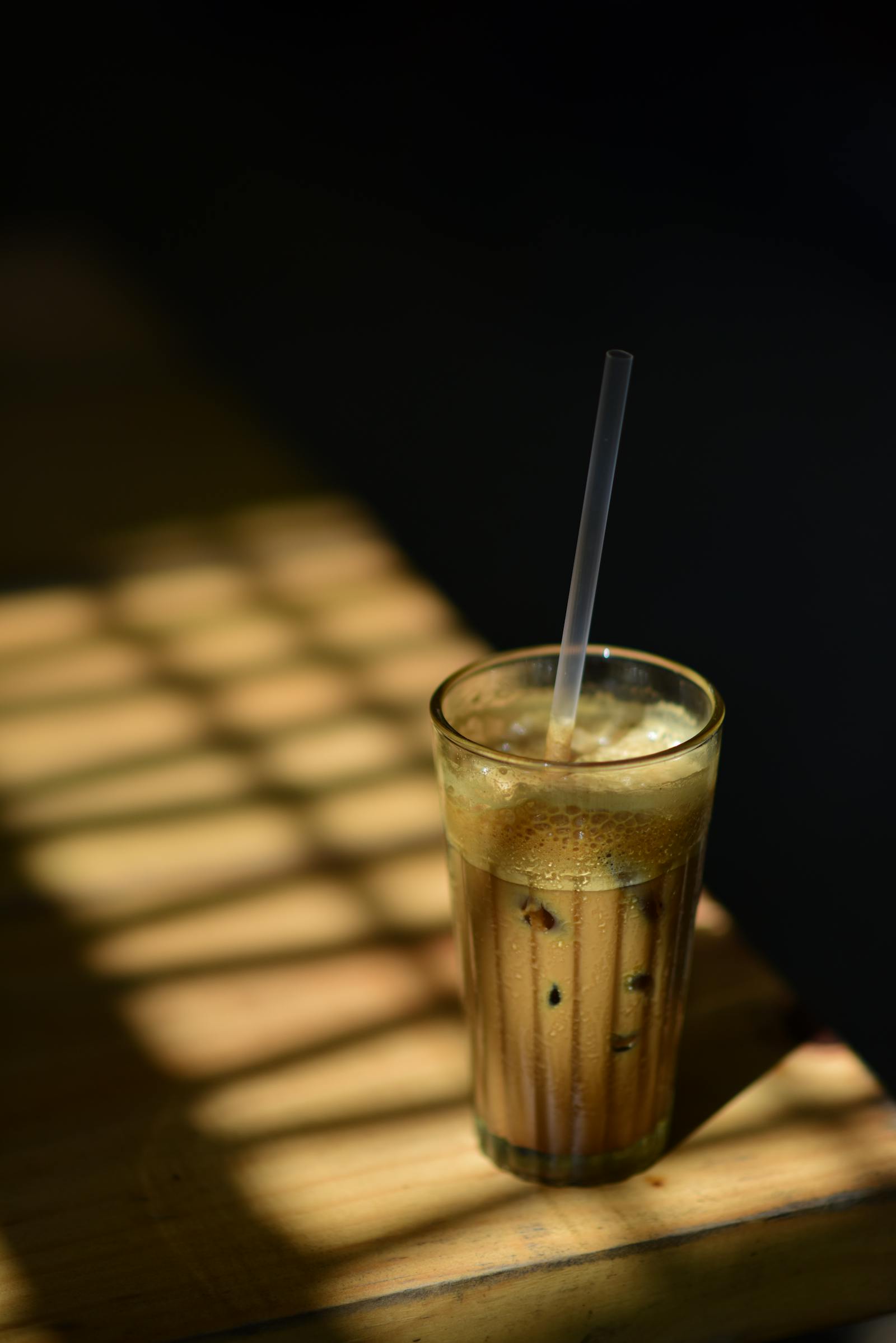
Best Roast for Cold Brew
Pick a roast that still tastes great cold, over ice, and (maybe) with milk—without guessing or wasting a whole bag.
A good roast tastes different once it’s chilled and diluted.
Across current cold-brew advice, the repeatable pattern is simple: medium roast tends to land the smoothest balance for most people, while very dark roasts can taste one-note and lighter roasts can extract more slowly. The winning move is treating roast as a tool: go medium for everyday sweetness, go darker when you’ll add milk, and go lighter only when you want fruit-forward cold brew you’ll drink black.
Quick answer: If you’re buying one bag for “most days,” choose medium roast. If you’re building milk-forward drinks, lean dark. If you want crisp fruit notes you’ll sip black, try light—often sold as a “blonde” roast; blonde roast cold brew can be fantastic, but it rewards a more intentional brew.
The “best roast” answer (and when it changes)
If you just want the default: start with a medium roast. It’s the most forgiving when cold brew gets diluted by ice, and it tends to keep a “round” sweetness even after sitting in the fridge. Lots of tasting-roundups land on that medium-roast sweet spot for exactly that reason: it’s balanced enough for black cold brew, and still shows up when you add milk. And if you’re comparing a bottled option like La Colombe cold brew to a local-roaster batch (for example, Roos Roast cold brew), this same “black vs milk” rule still makes the decision simple.
If you remember one thing: choose roast by how you’ll drink it—black vs milk—then tune strength.
If you drink it black…
- Everyday smooth — Medium roast, “cocoa/nut/caramel” notes.
- Bright & juicy — Light roast (only if you’ll dial it in).
- Extra mellow — Medium-dark (avoid “ashy” descriptors).
If you add milk/cream…
- Latte-style — Dark roast or medium-dark; chocolatey profiles pop.
- Sweetened — Dark roast handles sugar without tasting thin.
- Over lots of ice — Medium roast stays balanced as it melts.
60-second roast picker (printable) — Type a “✓” in the boxes that fit you (or print and check them by hand). Then tally each roast column. Highest score = your best roast for right now.
| Your preference | Light | Medium | Dark |
|---|---|---|---|
| I drink it mostly black | ☐ | ☐ | ☐ |
| I want fruit/floral notes to show up | ☐ | ☐ | ☐ |
| I want chocolate/caramel and a heavier body | ☐ | ☐ | ☐ |
| I add milk/cream most days | ☐ | ☐ | ☐ |
| I want it to taste good even when the ice melts | ☐ | ☐ | ☐ |
| Score (count your ✓ marks) | __ | __ | __ |
What roast level actually does in cold brew
Cold brew is a slower, gentler extraction than hot coffee, so roast level shows up a little differently. You’ll usually taste sweetness and body first, while sharp acidity can feel muted—especially once you pour it over ice. That’s why “delicate” coffees can come off quieter than expected, and why bold, familiar notes (cocoa, toasted nuts, caramel) can feel extra satisfying.
What coffee is used for cold brew? Any coffee can work, but the most consistent results usually come from coffees with big, readable flavors (think cocoa, caramel, toasted nuts) that stay present when chilled and diluted. If you’re new to cold brew, start there—then experiment with brighter coffees once you’ve nailed your basic method.
Practically, roast level changes what you should expect in the cup: light can lean crisp and tea-like, medium tends to land balanced and sweet, and dark often reads deep and chocolatey—with a higher risk of “roasty” flavors if you push it too hard. A quick scan of cold brew roast levels lines up with that flavor arc.
Cold brew rewards big, round flavors. If you want subtle fruit and florals, you have to brew on purpose—not autopilot.
Starting steep windows (adjust to taste): Light roast often needs a longer pull (think 18–24 hours), medium usually lands in the middle (14–20 hours), and dark can taste best on the shorter side (12–18 hours). If you’re unsure, taste a small sample first—then decide whether to keep steeping.
Roast is a flavor dial: turn it toward “bright” (light) or “bold” (dark), but adjust brew strength to match.
Medium roast: the most reliable daily-driver

Medium roast is the “yes” answer because it survives real-life cold brew: fridge storage, ice melt, and the occasional splash of milk. Aim for tasting notes like chocolate, caramel, toasted nuts, or nougat. Those flavors stay readable when cold, even if your grind or timing isn’t perfect.
Mini example: If your go-to order is an iced Americano or plain iced coffee, medium roast usually nails that “clean, coffee-forward” vibe—without tasting thin once the ice starts melting.
Medium roast wins because it stays sweet and coffee-forward even after chilling and dilution.
Best for
- Batch brewing — It holds flavor after 2–4 days in the fridge.
- Ice-first cups — Sweetness sticks around as it dilutes.
- House coffee — Works for most palates without drama.
Watch for
- “Bright citrus” labels — Can fade in cold brew unless brewed carefully.
- Too-coarse grinds — Under-extracted cold brew reads watery, not smooth.
- Over-dilution — Taste first, then add ice or water slowly.
If your medium roast cold brew tastes bland, it’s usually not the roast—it’s the build. Tighten one variable next batch (slightly more coffee or a slightly finer coarse grind), then taste again the next day before switching bags.
Dark roast: best for milk, mocha vibes, and forgiveness
Dark roast shines when you want cold brew to punch through milk, ice, and sweeteners. Think dark chocolate, cocoa powder, and toasted sugar. If you’re making “coffee-shop style” drinks at home—ice, milk, maybe vanilla—dark roast can feel like the easiest win.
The catch is that dark roast can go from bold to flat if you brew it too strong for too long. If you like making concentrate, use a clear concentrate-vs-ready-to-drink approach (and don’t guess): cold brew ratio basics are helpful for choosing a strength that matches how you’ll serve it.
Quick safety rail: If your dark-roast cold brew tastes ashy or burnt, don’t “fix” it with extra steep time. Shorten the steep or dilute earlier; over-extraction is the usual culprit.
Advanced: fixing flat or ashy notes
Flat often means the final cup is too diluted. Try serving it as a slightly stronger ready-to-drink brew (not concentrate), or reduce ice volume.
Ashy can mean the steep went long, the grind was too fine, or you used very dark beans that taste smoky even when hot. Shorten steep time first, then adjust grind.
Muddy is usually grind-related. Coarsen the grind and filter more patiently (mesh first, paper finish if needed).
Mini example: If you order iced mochas or sweetened iced lattes, dark roast tends to stay coffee-tasting after milk and ice—where lighter roasts can disappear.
Dark roast is the milk-drink roast—keep it bold, but don’t over-steep.
Light roast: how to make it taste intentional (not sour)
Light roast cold brew can be fantastic—refreshing, fruit-forward, almost iced-tea-like—but it’s less forgiving. If you under-extract, it won’t taste smooth; it’ll taste sharp, thin, or oddly sour. The goal is to pull enough sweetness and aroma to balance the brightness without turning it bitter.
Two easy wins: (1) brew light roast as ready-to-drink (not super-strong concentrate) so you don’t dilute away delicate flavors, and (2) dial your dilution on purpose. A practical range of concentrate dilution ratios makes it easier to keep the finished cup tasting lively instead of watery.
| Problem | Likely cause | Fix (no drama) |
|---|---|---|
| Sour / sharp | Under-extracted | Steep longer within your window, or go slightly finer (still “coarse”). |
| Watery | Too weak or over-diluted | Increase coffee dose next batch; taste before adding ice. |
| Bitter edge | Too fine, too long, or aggressive agitation | Coarsen grind, reduce steep time, and stir only once at the start. |
Mini example: If you love sparkling water and citrusy drinks, light roast cold brew can be your lane—just taste before you dilute, so you don’t wash out the fruit notes.
Light roast cold brew works when you protect sweetness: brew ready-to-drink and taste before diluting.
Bean/origin shortcuts that beat “roast labels”
Roast labels are broad. Two “medium roasts” can taste wildly different depending on origin and blend. If you want to shop smarter, pick beans by the flavor you want in a cold cup—then use roast level as the volume knob.
When people ask for the best coffee beans for cold brew, they usually mean beans that stay flavorful when chilled and diluted. That’s why medium roasts with cocoa, caramel, and toasted nut notes are such a safe starting point. Bonus: those same profiles are often a smart pick if you’re hunting for the best iced coffee beans (hot-brewed, then chilled), because they keep their sweetness when cold.
Flavor goal
- Chocolatey — cozy, dessert-like, easy to drink.
- Nutty — peanut brittle, almond, toasted vibes.
- Fruity — berry, stone fruit, citrus lift.
- Floral — jasmine, tea-like aromatics.
What to buy
- Latin America (Brazil/Colombia) — cocoa + nut notes that stay strong cold.
- Balanced blends — built for consistency; great “house” cold brew.
- East Africa (Ethiopia/Kenya) — fruit/floral potential; best brewed with intent.
- Low-acid labels — often read smoother when sipped black over ice.
If you’re stuck between two bags, use this tie-breaker: choose the one whose tasting notes you’d happily eat as dessert. Cold brew tends to magnify “big” flavors (cocoa, caramel) and quiet whispery ones (delicate florals) unless you brew carefully.
When in doubt, buy for flavor notes first—then pick medium roast as the default.
FAQ
Most people love medium roast—but your best roast is the one that fits your cup.
Is light roast or dark roast better for cold brew?
Neither is better universally. Light roast is best when you want fruit/floral notes and you’ll drink it mostly black. Dark roast is best when you want bold chocolatey flavor and you’ll add milk or sweetener. If you want a safe first pick, medium roast is the easiest all-around choice.
What grind size is best for cold brew?
Start coarse—think chunky sea salt. Too fine can turn bitter or muddy and makes filtering annoying. If your cold brew tastes weak or sour, go only a touch finer next batch (still coarse), or increase the coffee dose before you overhaul everything. If you also brew hot and drink it black, the best coffee maker for black coffee is the one that keeps extraction consistent—so your chosen roast tastes like itself, not like guesswork.
How long should I steep, and what ratio should I use?
A common window is 12–24 hours in the fridge, depending on roast and grind. For ratio, decide your end goal: ready-to-drink needs little to no dilution later; concentrate needs dilution by design (the Seven Miles guide above explains the logic clearly). Taste your brew before adding ice, then dilute slowly until it hits “wow.” If it’s flat, it’s usually too weak; if it’s harsh or ashy, it usually brewed too strong for too long.