Safety note (quick): If coffee consistently triggers chest burning, regurgitation, chronic cough, or you’re using reflux meds often, it’s worth checking in with a clinician. “Low-acid” coffee can feel gentler for some people—but it’s not a guaranteed fix, and it isn’t a regulated label.
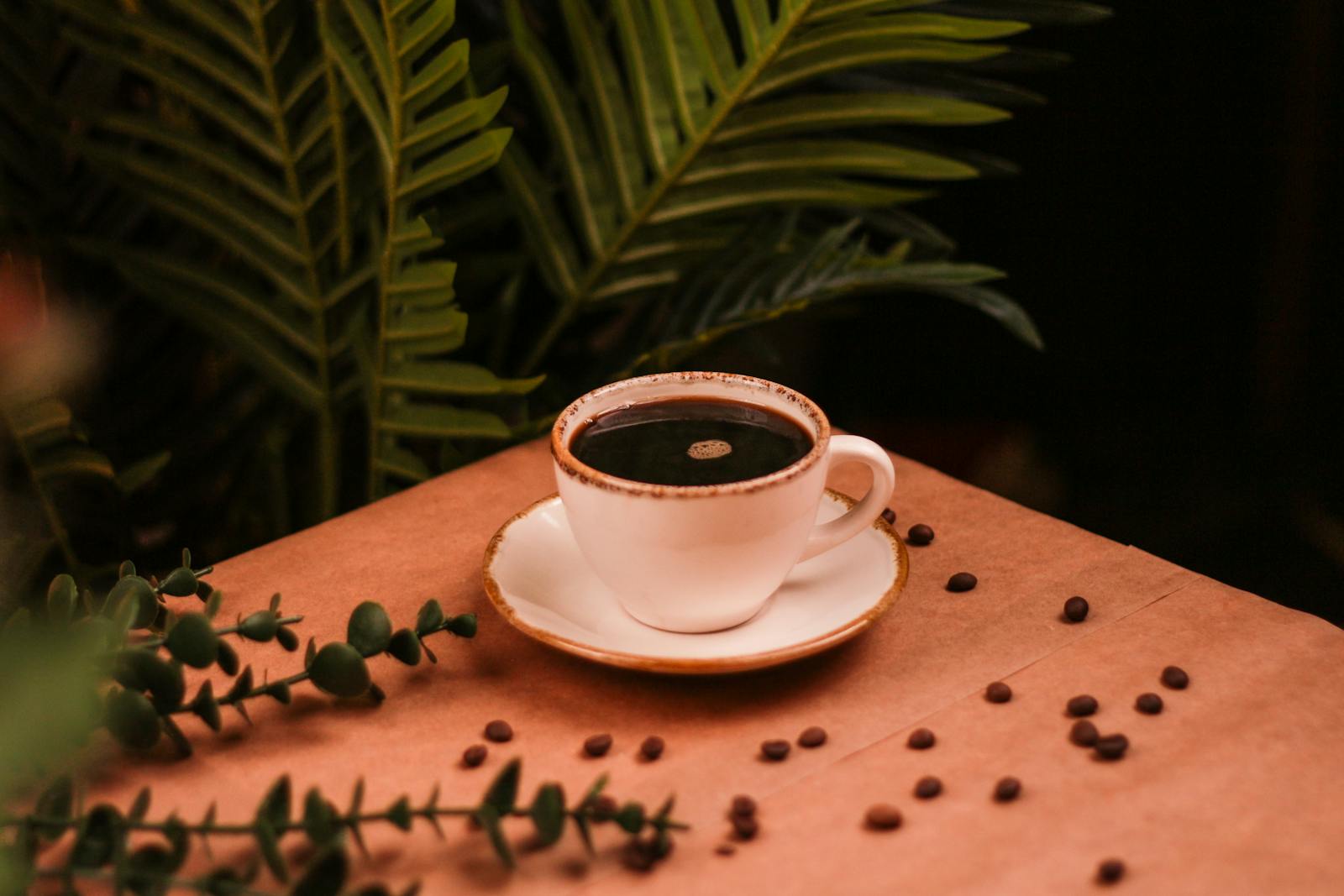
What if the secret to “low-acid coffee” isn’t a magical bean—it’s avoiding the traps that make any coffee feel harsh? Labels can be vague, and acidity is more complex than a single pH number. So instead of chasing hype, we’ll do two things: (1) list the brands that consistently appear in updated “gentler coffee” roundups, and (2) show the brew and timing changes that clinicians and coffee pros say often reduce reflux flare-ups.
Quick answer: If you want a low-acid starting point, most people do best testing Lifeboost or Puroast first, then switching to cold brew or paper-filtered drip before buying a fourth bag. If you shop by format, the same strategy works for low acid whole bean coffee and low acid ground coffee—and it can also guide you when you’re browsing low acid coffee pods or low acid coffee K cups.
- Brands: a short list that’s easy to shop
- Triggers: how to pick based on your pattern
- Taste: how to stay smooth without “burnt”
- Brewing: small tweaks that often help
- Decaf: when it’s the real lever
- Buying: where to find it (online or stores)
What “low-acid coffee” really means
“Low-acid” usually means a smoother, less tangy cup—not a medically defined number. Coffee naturally contains multiple acids, and the “bright” flavor you taste isn’t always a direct match for what happens in your stomach. That’s why one person can tolerate a citrusy light roast just fine, while another gets heartburn from a mellow dark roast.
Two helpful translations: (1) pH is a chemistry measure, and (2) perceived acidity is a flavor sensation. The Specialty Coffee Association’s discussion of coffee acids highlights how complex this is—sensory “acidity” is influenced by origin, roast, and extraction, not a single compound (SCA acidity research).
And yes—coffee has acid. In everyday terms, coffee is acidic (not alkaline), and it’s not basic or neutral. That’s true for whole beans, ground coffee, espresso, iced coffee, and black coffee; what changes is how “acidic” it tastes and how your body reacts to the drink.
Fast signals (usually useful)
- Roast level: medium-dark to dark often tastes less “sharp.”
- Origin cues: Brazil/Sumatra-style profiles often read as chocolatey/nutty.
- Decaf option: caffeine can be the bigger trigger than “acid.”
- Brewing fit: a bean that’s smooth as cold brew may taste harsh as espresso.
Marketing signals (take with a grain of salt)
- Vague claims: “gentle” or “stomach friendly” without specifics.
- Cherry-picked numbers: one lab result, no method, no context.
- “Acid-neutralized” talk: sounds official, but details matter.
- Slow-roasted claims: can be real, can be hype—taste and tolerance decide.
For reference, coffee is commonly described as mildly acidic (often around pH ~5, depending on bean and brew) (average coffee pH). If you’ve ever searched for a “coffee acidity chart,” the key takeaway is the same: numbers vary, but extraction choices and caffeine load often explain more than the label.
Best low-acid coffee brands (quick picks)
Start with a brand that matches your biggest trigger—then change brew method before you keep buying new bags. Here’s the 20-second approach: choose two brands max, brew both with the same recipe for a week, and only then decide what’s “better.”
These brands show up repeatedly in current “low-acid coffee” lists and buyer’s guides (low-acid brand roundup). Treat the label as a starting point, and let your taste + symptoms be the tie-breaker.
| Brand | Best for | Roast vibe | Formats | Decaf? |
|---|---|---|---|---|
| Lifeboost | “Gentle” positioning + everyday drip | Medium to dark options | Whole/ground | Often available |
| Puroast | Dark-roast smoothness seekers | Darker, low-bite profile | Whole/ground | Sometimes |
| Volcanica (low-acid blends) | Variety + trying different profiles | Blend-dependent | Whole/ground | Varies |
| Tyler’s (acid-free style) | People who want the lowest “bite” possible | Typically smooth/dark-leaning | Whole/ground | Varies |
| HealthWise | Convenience + familiar “classic” taste | Classic medium/dark | Ground/pods (line-dependent) | Often available |
| Purity Coffee (Ease-style) | Wellness-leaning drinkers | Often darker-leaning | Whole/ground | Varies |
| Java Planet (low-acid options) | Budget-aware, smooth flavor fans | Medium-dark friendly | Whole/ground | Varies |
Format note (so you don’t get stuck shopping): Some “low-acid” lines are easiest to find as low acid coffee beans (whole bean) or low acid ground coffee. If you need convenience, you’ll also see searches for low acid coffee pods, low acid coffee K cups, low acid Nespresso pods, low acid instant coffee, and even low acid espresso beans—but availability varies by brand and by retailer, so always confirm the exact product page before you buy.
How to use the table: pick two brands max, then keep everything else (grind, water, brew style) the same for a fair comparison. If you change beans and brewing on the same day, you’ll never know what helped.
Tap a box to mark it. The brand with the most marked boxes is your first buy. (If it’s tied, choose the one you’re more excited to drink.)
| Your priorities | Lifeboost | Puroast | HealthWise | Tyler’s |
|---|---|---|---|---|
| Reflux sensitivity: I need the gentlest-feeling cup | □ | □ | □ | □ |
| Taste goal: I want smooth chocolate/nutty notes | □ | □ | □ | □ |
| Convenience: I need fast, consistent, no-fuss | □ | □ | □ | □ |
| Caffeine plan: I’ll choose decaf if needed | □ | □ | □ | □ |
| Budget: I’m watching price per cup | □ | □ | □ | □ |
Brand-by-brand notes (who each fits best)
Pick a “lane” first—wellness-focused, dark-roast smoothness, or budget convenience—then choose one brand to test for seven days. The simplest experiment is also the fairest: one bag, one brew method, one consistent routine.
Mini-test that actually works: Brew your first cup at a slightly weaker strength than usual, drink it after food, and keep the serving size modest (think 6–10 oz). If that already helps, you’ll know your next improvement should focus on brewing and timing—not a different “magic” brand.
Wellness-positioned picks
Lifeboost and Purity Coffee (Ease-style options) are popular with drinkers who want a “gentler” daily cup without giving up real coffee flavor. If you’re sensitive, start with a medium-dark option and brew it a touch shorter (or slightly coarser) before you decide you “need” the darkest roast available.
Fabula (when available in your market) tends to appeal to people who like the idea of a focused, curated lineup. The practical move: match the roast to your brew—drip and pour-over often taste best with medium to medium-dark, while cold brew and French press can handle darker profiles without turning as bitter.
Dark-roast smooth operators
Puroast and some Volcanica low-acid blends fit people who already prefer a deeper roast and want to minimize “bite.” The upside is a mellow, cocoa-leaning vibe; the downside is that ultra-dark coffee can taste flat if your grind is too fine or your water runs too hot. If your cup tastes “ashy,” try a slightly coarser grind and shorten contact time before you blame the beans.
Budget & easy-to-find options
HealthWise, Tyler’s, and Java Planet are often chosen for convenience: familiar taste, easier availability, and straightforward brewing. If your main issue is morning sensitivity, these are good candidates for a two-week “reset” routine: smaller serving size, paper-filtered drip, and coffee after breakfast. (If you’re specifically searching for HealthWise low acid coffee K cups or other pod formats, double-check the exact product line—brands often sell both “regular” and “gentle” variations.)
If you’re comparing specific names: People also search for Lucy Jo’s low acid coffee, Simpatico low acid coffee, and “gentle on your stomach” blends like Folgers. Use the same method to judge any brand: keep your brew constant, keep your serving modest, and track symptoms for a week—because the “least acidic coffee” is often the one you tolerate best, not the one with the boldest label.
Best for: budget
Choose: Java Planet or HealthWise
Shortcut: medium-dark + paper filter
Best for: reflux-prone
Choose: Tyler’s acid-free style or a well-reviewed low-acid dark roast
Shortcut: cold brew test week
How to choose a low-acid coffee that actually tastes good
The goal isn’t “zero acidity”—it’s a cup that’s smooth and something you’ll happily finish. Many people overshoot into the darkest roast they can find, then wonder why the coffee tastes burnt. If you like nuance, start one notch lighter than you think and adjust brew variables first.
People ask this a lot: is dark roast coffee less acidic, and which coffee roast is the least acidic? In practice, dark roast low acid coffee often tastes less bright, but tolerance depends on bean + brew + caffeine. If you love a light roast, you don’t have to avoid it forever—just know that light roast coffee can taste more acidic to some palates, so you may do better starting with a medium or medium-dark first.
Practical selection rules that keep flavor in the picture: choose a medium-dark baseline, look for tasting notes like chocolate, nut, caramel, and prioritize freshness. If a brand offers both regular and decaf, you also get a clean test: if decaf feels dramatically better, caffeine—not “acid”—may be the main trigger. (And if you’re wondering what has more caffeine, dark roast or light roast: the difference is usually small, and serving size matters more than roast name.)
Myth check: “low-acid” isn’t a flavor guarantee. A smoother cup often comes from roast + brew choices you control.
- Roast level: medium-dark is a strong starting point.
- Espresso plan: choose low acid espresso beans by taste (less bright), then avoid over-extraction.
- Grind size: too fine can amplify harshness.
- Serving size: smaller cup, slower sip, clearer signal.
- Food timing: coffee after breakfast is often easier.
- Flavor add-ons: if flavored coffee (like hazelnut) bothers you, go unflavored.
Brew methods that often feel gentler (without changing beans)
Before you buy your third “special” bag, try one brewing change for five days—you may get the relief you want with the coffee you already like. A lot of “harshness” comes from extraction (temperature, contact time, grind), not just the bean.
Clinician-friendly tips for reducing reflux triggers often include avoiding coffee on an empty stomach, trying smaller servings, and experimenting with brew choices like paper-filtered coffee or cold brew (coffee reflux guidance). If you’ve already tried “low-acid” beans and still flare up, it’s a strong hint that timing, dose, or caffeine is doing the heavy lifting.
Café ordering shortcut: If you’re searching for the least acidic coffee at Starbucks, many people find a smaller cold brew or a decaf drink feels gentler than a large hot coffee. At Panera (or anywhere), apply the same rule: smaller size, sip slower, and avoid drinking it on an empty stomach.

Try-this-first ladder (simple → strong)
- Paper filter drip: medium-dark, slightly coarser grind, 195–200°F water.
- Cold brew test: start around 1:8 coffee-to-water (by weight), steep 12–16 hours, then dilute to taste.
- Half-caf: mix regular + decaf to reduce caffeine load without losing flavor.
- Instant/iced check: if instant or iced coffee bothers you, test the same bean as cold brew once.
Reduce-acidity reality check: If you’re searching “how to make coffee less acidic,” focus on brew temperature, contact time, and serving size first. Some people add milk or try cinnamon for flavor, but think of those as taste tweaks—not a reliable way to “neutralize coffee acid.”
A realistic expectations checklist
Low-acid coffee can reduce “bite,” but reflux symptoms may still happen if caffeine, volume, or timing is the real trigger. Think of low-acid brands as one tool—useful, but not magical.
Most common triggers to watch: caffeine, how much you drink, and when you drink it. If you’re asking “is decaf coffee ok for GERD,” a decaf week is a clean test—many people find it’s easier to tolerate when timing and serving size are controlled. You can also use half-caf as a low caffeine coffee option if you don’t want to go fully decaf.
Non-acidic alternatives (if you want a break): If you’re looking for non acidic coffee alternatives, some people rotate in tea, matcha, chicory-based “coffee” drinks, or lower-acid caffeine options. Mushroom coffee blends vary—some contain real coffee—so treat “is mushroom coffee acidic?” as a product-by-product question, not a guarantee.
If you’re tracking symptoms (a simple 7-day log)
Goal: isolate what changed. Keep everything else the same for a week.
| Day | Brand + brew method | Time + food? | Serving size | Symptoms (0–10) |
|---|---|---|---|---|
| Mon | ||||
| Tue | ||||
| Wed | ||||
| Thu | ||||
| Fri | ||||
| Sat | ||||
| Sun |
Buying + storage tips for smoother cups
A “gentle” coffee can still taste harsh if it’s stale, ground too fine, or brewed inconsistently. Your best upgrade might be boring: fresher beans, better storage, and a repeatable recipe.
Where to buy (online or stores): You can often find low acid coffee in grocery stores, and sometimes at big retailers like Walmart or natural grocers like Whole Foods. If you’re searching “low acid coffee near me” or “low acid coffee pods in grocery stores,” the fastest move is to use your store’s app/site search to check in-stock items before you drive. Availability for Trader Joe’s low acid coffee can change by location and season.
Buying: choose whole bean when you can, look for a roast date (or at least a recent “best by”), and avoid huge bags if you sip slowly. If you’re looking for organic coffee or certified organic coffee, prioritize verifiable labels (like USDA Organic) first—then apply the same low-acid picking rules (roast level + brew fit). Organic low-acid decaf exists, but certification is the part you can confirm.
Clean/non-toxic reality check: If you’re shopping “clean coffee brands” or “best mold free coffee brands,” look for brands that publish recent third-party results (or COAs) for things like mycotoxins/mold, heavy metals, and pesticide residues. Coffee is naturally gluten-free, but flavored blends and pods can include additives—so if you’re picky about “non toxic” or low-histamine claims, let documentation (not marketing) guide you.
Storage: keep beans in an airtight container away from heat and sunlight; skip the fridge door (temperature swings). Grinding: grind right before brewing if possible—pre-ground coffee tends to lose aroma and can drift toward a flatter, sharper taste over time.
If you want the simplest “gentler cup” routine: medium-dark beans, paper-filtered drip, smaller serving, and coffee after food. Once that feels stable, you can dial flavor back in—one notch at a time—without guessing.