Best French Press Coffee Maker
Find the right press for your taste (clean vs bold), your routine (one mug vs a full pot), and your tolerance for cleanup.
Tip: If you hate gritty “last sips,” choose a tighter filter—or change one small brewing step (you’ll see it below).
Also called: A French press is often labeled a cafetiere in product listings.
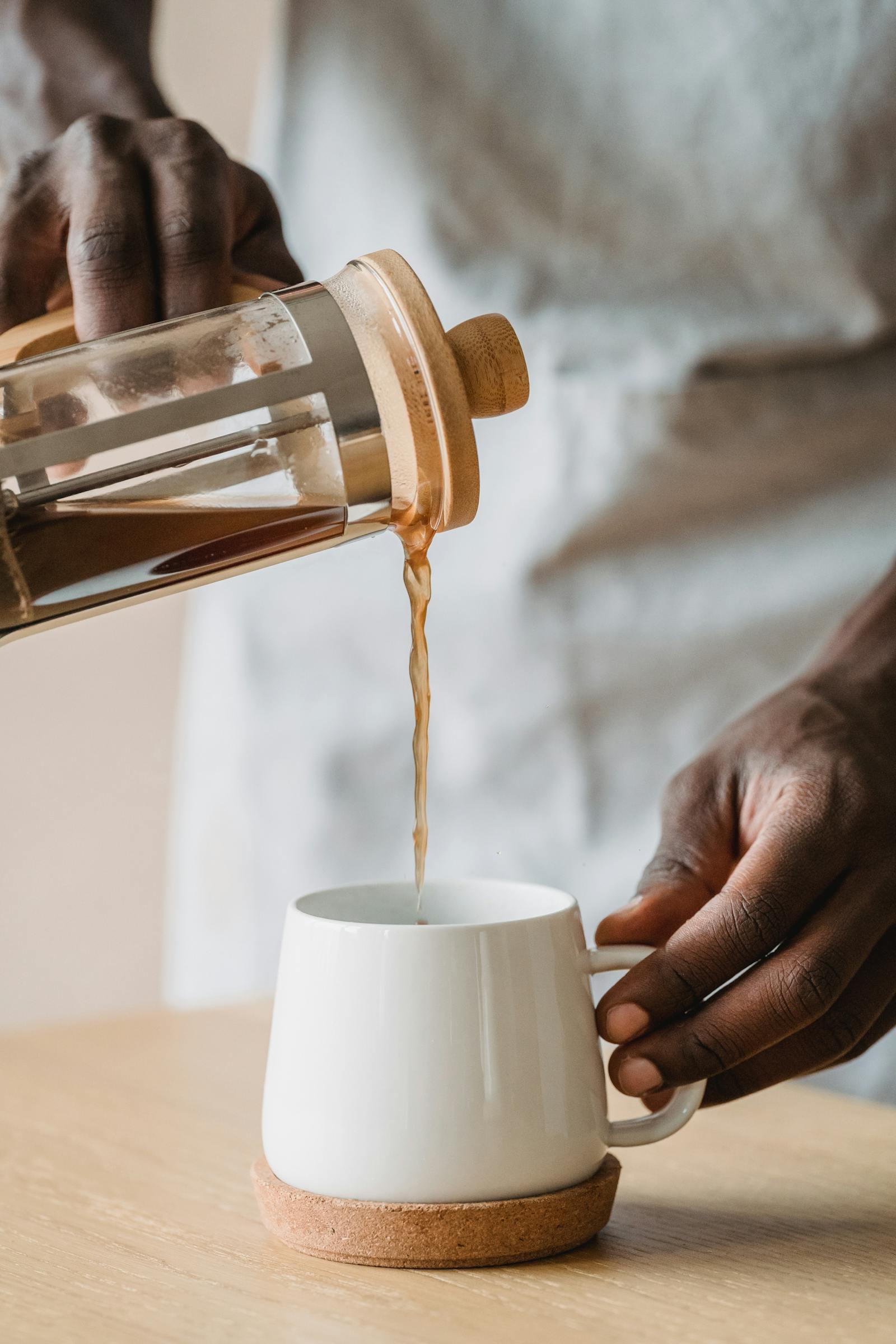
Most French presses look the same, but small design choices decide whether your coffee is rich and clean—or a sludgy mess. Serious Eats tested 17 models and found that filtration, heat retention, and pour control matter more than gimmicks. The best presses also make brewing repeatable: think a consistent steep (around four minutes) and a coarse grind that keeps fine particles out of your cup. Here’s how to choose the best French press for 2025 buying habits in minutes.
TL;DR: Buy based on filtration (clean vs bold), material (glass ritual vs stainless durability), and size (one mug vs a pot). If you’re sensitive to grit, prioritize a tighter screen or dual filter. If you drink slowly, choose insulated stainless so the last cup still tastes fresh.
Quick Picks: The Best French Press Coffee Makers Right Now
The “best” French press coffee maker is the one that matches your habits—especially how picky you are about sediment. Some people love that thick, textured body a French press creates. Others want the flavor without the grit. Start here, then use the buyer checklist to confirm your match.
If you only trust lists that show real evaluation, look for guides built on hands-on testing (not just specs), like testing 17 French presses.
Choose in 60 seconds: (1) decide how much grit you’ll tolerate, (2) pick a size that fits your everyday cup, (3) choose a material you won’t baby, and (4) make sure the filter stack comes apart quickly. If you do those four things, most “best-of” options will land in the right neighborhood.
| Best for… | What to choose | Why it wins | Watch-outs |
|---|---|---|---|
| Best affordable | Classic glass press | Simple, proven, and easy to keep using | Heat loss if you sip slowly; glass can break |
| Best single-serve | 12–17 oz compact | One mug, quick brew, minimal cleanup | Easy to outgrow if you share coffee |
| Best large | 40–51 oz “family” size | Great for groups, refills, and brunch | More grounds to rinse; heavier to pour |
| Best stainless steel | Durable steel body | Survives daily use and busy counters | Harder to see brew level |
| Best insulated | Double-wall stainless | Stays hot longer; better “last cup” flavor | Costs more; slightly bulkier |
| Best travel/camping | Rugged plastic or steel | Lightweight, less breakable, easy pack-in | Plastic can hold odors if not washed well |
Brand note (without the hype): If you’re reading French press reviews, you’ll keep seeing Bodum, Espro, Frieling, Fellow, Secura, Mueller, Stanley, YETI, IKEA, and Le Creuset. People also compare models like Espro P3 vs P5 and Espro P6 vs P7—and the most useful difference is usually filtration style, build durability, and how easily parts can be replaced.
You might also have seen the Wirecutter best French press conversation floating around online. The logic stays the same: prioritize filtration, durability, and parts support first—then pick the size you’ll actually use.
Best fit signals
- Routine: You brew at least 3–4 times per week.
- Taste: You like a fuller, more “coffee-forward” cup.
- Cleanup: You’ll rinse immediately after brewing.
- Space: You have room for a press to air-dry.
Deal-breaker signals
- Grit tolerance: Sediment ruins the cup for you.
- Time: You need a quick rinse-and-go setup.
- Fragility: You’ve broken glass gear before.
- Sipping pace: You nurse coffee for 30+ minutes.
Where to buy (real-life options): You can grab a French press on Amazon, at Target, at Walmart, or from kitchen stores near you. If you’re hunting “the best French press on Amazon,” treat it like a parts purchase: choose something with easy filter replacements and a return policy that won’t make you miserable during a French press sale week.
Quick reality check: If you want push-button convenience, you may be happier with an electric French press-style immersion brewer (it won’t be identical, but it’s closer than drip). If you want the classic experience, a simple glass cafetiere is often all you need.
The “Grit Factor”: Filters, Sediment, and What It Means for Taste
Sediment isn’t always “bad”—but too much fine silt can make coffee taste muddy, bitter, or dusty. A French press works by steeping grounds directly in water, then separating them with a metal filter. That’s why the last ounce can taste different than the first: fine particles keep extracting while the coffee sits.
It helps to know what you’re fighting. Fines are tiny dust-like particles created during grinding; they slip through screens easily. Sediment is what you feel on your tongue: a mix of fines plus micro-particles that settle at the bottom. You can’t eliminate it completely in a classic press, but you can reduce it enough that the cup tastes cleaner from top to bottom.
Here’s the honest tradeoff: tighter filtration usually means a cleaner cup, but it can slightly reduce that thick mouthfeel French press fans love. The best choice depends on what annoys you more: a little sludge, or a cup that feels “thinner” than expected.
Single mesh vs micro-filter (and who should care)
Single mesh is the classic setup: one metal screen that blocks the big grounds but lets some fines slip through. It’s easy to clean, it’s affordable, and it preserves the most body—great if you drink the whole cup quickly.
Micro-filter or dual filter presses add a second barrier (or a tighter weave) that catches more fines. If you’re the person who takes one sip and immediately notices grit, this is the upgrade that actually changes your day-to-day experience.

What you’re seeing: That spiral edge helps the screen seal against the glass (or steel) walls. A better seal usually means fewer floating grounds and a more consistent plunge. If the filter feels loose or wobbly, you’ll often notice more grit—especially with finer grinds.
Quick read: If the filter assembly looks flimsy, it’s rarely “just cosmetic.” It changes how clean your cup tastes.
The 3 simplest ways to reduce silt
- Grind: Go coarser than you think. Fine grounds slip through almost any screen.
- Plunge: Press slowly and steadily. A fast plunge kicks up fines like a snow globe.
- Decant: Pour all coffee out after brewing. Leaving it in the carafe keeps extraction going.
Micro-example: Same beans, same amount, same steep. Brew A gets a quick plunge and sits in the carafe while you answer a text. Brew B gets a slow plunge and is poured out right away. Brew B almost always tastes sweeter and cleaner—even though nothing “fancy” changed.
Small change, big payoff: Decanting turns “bold” into “clean and bold.” Leaving coffee sitting in the press turns it bitter fast.
Glass vs Stainless vs Plastic: What You Gain (and Give Up)
Material isn’t just about looks—it changes heat retention, durability, and how “annoying” the press feels to own. If you’re trying to pick one French press to use for years, this is where regret usually happens: people buy the prettiest press, then hate using it.
Safety note: French press brewing involves near-boiling water. If you choose glass, pre-warm it with hot tap water first, set it on a stable surface, and keep kids/pets away while you pour. A spill is annoying—hot coffee on skin is worse.
You’ll also see ceramic French presses (great heat retention, but breakable) and copper French presses (usually bought for looks; quality varies). If your priority is “best plastic-free French press,” stainless and glass are the easiest route—just check the lid and plunger pieces, since small plastic parts can still appear.
Made in USA / made in France / not made in China: If country of origin matters to you, look for it explicitly on the listing. Some brands state it clearly, others don’t—so treat it like a filter you verify, not a guess you hope is true.
Style matters (a little): Glass can feel vintage, stainless tends to look modern, and premium finishes read luxury. If “cute French press” is your vibe, go for it—just don’t trade away easy cleanup and solid filtration.
Glass: ritual + visibility, but fragile
Glass is the classic French press experience: you can see the bloom, the swirl, and the steep color. If you’re learning, that visibility helps. It’s also easier to confirm you’re not overfilling or leaving too much coffee behind.
Best for: careful home brewers who rinse quickly and don’t mind replacing a beaker if it breaks.
Stainless: durability + heat hold, usually pricier
Stainless presses are the “buy once, cry once” option. Double-wall versions keep coffee hot longer and tend to feel sturdier on the counter. If you drink slowly, this matters more than you think—lukewarm coffee tastes flatter and less sweet.
Best for: households, busy mornings, and anyone tired of babying glass.
Plastic: travel-friendly, but not “forever gear”
Plastic (especially BPA-free) presses are lightweight and surprisingly tough. They’re great for camping, dorms, and “I need coffee at my desk” life. The tradeoff is longevity and odor retention: coffee oils can cling if you don’t wash thoroughly, and the plunge can feel less smooth over time.
If you go plastic: prioritize easy disassembly and a filter you can replace without hunting for obscure parts.
Size, Capacity, and Pour Control (The Part People Regret)
Capacity regret usually looks like this: “It’s too big to clean,” or “It barely makes one real cup.” The sweet spot is the smallest size that still fits your normal routine—because the easiest press to clean is the one you don’t dread using.
One-person vs household sizing guide
- 12–17 oz: one mug, strong and fast, minimal cleanup.
- 24–34 oz: two mugs (or one big travel cup), most versatile size.
- 40–51 oz (often called “12 cup”): 3–4 mugs, best for groups.
- 64 oz extra-large: best for gatherings, but heavier and messier to rinse.
A good reality check: French press “cups” are often smaller than a typical 12–16 oz mug. If your daily cup is truly large, a 34 oz press is usually the least annoying option—enough volume to feel satisfying without turning cleanup into a project.
Common scenario: Two people want coffee on weekdays. A 24–34 oz press gives you two solid mugs with room for a tiny bit of “oops, I poured heavy.” A larger press can feel tempting, but it also means more grounds stuck to the bottom and more filter rinsing—every single time.
Handles, plungers, and drip-free pouring
Pour control sounds boring until you’ve wiped coffee off your counter for the tenth time. Look for a spout that gives a clean stream (not a wide lip that dribbles). A comfortable handle matters too—especially with larger presses where a full pot feels surprisingly heavy.
Pour-friendly features
- Spout: defined lip for a narrow, clean stream.
- Handle: stays cool and feels secure with wet hands.
- Fit: lid seats firmly so it doesn’t rotate mid-pour.
- Balance: stable base that won’t tip on a busy counter.
Plunge-friendly features
- Smoothness: consistent resistance (not jerky or sticky).
- Seal: tight edge contact reduces floating grounds.
- Rod: straight and sturdy so it doesn’t wobble.
- Knob: comfortable grip—your wrist will notice.
My Buyer Checklist: What to Look For Before You Click “Add to Cart”
Your “perfect press” is the one that wins on the boring stuff: cleaning, parts, filtration, and the way it pours. Most disappointments come from ownership friction—not flavor. If a press is annoying to take apart, you’ll use it less… and that’s the worst outcome.
Food & Wine’s buying advice aligns with what most people discover the hard way: filtration style, materials, capacity, and ease of cleaning beat flashy extras when choosing the right press for daily use (French press factors).
Cleaning and disassembly (fast wins)
The fastest-clean press is the one that comes apart in seconds. Ideally, you can remove the filter stack without tools, rinse it, and reassemble it without guessing which direction pieces face. If you have to “fight” the filter every morning, the press will slowly stop being your go-to.
Fast cleanup routine (30 seconds): dump grounds, rinse the beaker, rinse the filter stack, then plunge clean water once to flush any trapped fines. Let parts air-dry separately. That tiny habit prevents stale oils from building up and makes tomorrow’s cup taste fresher.
Accessories that actually help: an extra filter screen, a backup plunger assembly, and a replacement beaker (for glass models). If those items are easy to find, that’s a strong sign the press will be easy to live with long-term.
- Disassembly: filter stack twists on/off easily.
- Rinsing: mesh doesn’t trap grounds in corners.
- Dishwasher: safe parts are clearly stated and realistic.
Replacement parts and long-term value
Parts availability matters more than brand hype. Screens wear, glass breaks, and plungers loosen. A press with readily available replacement screens, a French press plunger replacement option, or a replacement glass beaker can outlive a “premium” press that becomes impossible to maintain after a year.
Quick gut-check: If you can’t easily find a replacement screen with a normal search, assume it’s a short-term relationship.
Heat retention (when it matters—and when it doesn’t)
If you drink quickly, heat retention is a nice-to-have. If you sip slowly, it’s a must-have. Coffee that cools down fast tends to taste sharper and less sweet. Double-wall stainless doesn’t just keep the drink hot—it makes the last cup taste closer to the first.
Decision Matrix (printable, no-JS): Score each press from 0–5 per row, then add totals. Don’t overthink it—your top score is your best match.
| Criteria | Press A (name) | Press B (name) | Press C (name) |
|---|---|---|---|
| Filtration How clean does the cup taste? |
|||
| Cleanup How fast can you rinse it? |
|||
| Heat retention Does it stay hot long enough? |
|||
| Durability Will it survive real life? |
|||
| Parts support Are screens/beakers easy to replace? |
|||
| Comfort Handle + plunge feel |
|||
| Total (add manually) |
How to use it: If two presses tie, choose the one with the higher Cleanup score. That’s the one you’ll actually keep using.
Brew Better French Press Coffee in 6 Minutes (No Fancy Gear)
A great French press isn’t “hard”—it’s just consistent: coarse grind, hot water, four-minute steep, slow plunge, then decant. A French press is a full-immersion brewer: coffee steeps directly in hot water, then gets separated by a metal filter. The goal is a cup that tastes bold and sweet, not harsh or dusty.
The baseline recipe (ratio, time, temp)
Use water just off boiling (about 195–205°F) and a coarse grind. Start around a 1:15 coffee-to-water ratio, then tweak strength by changing coffee amount (not steep time). This is the simplest recipe that produces repeatable results:
| Step | What to do | Why it helps |
|---|---|---|
| Measure | Start around 1:15 coffee-to-water (by weight if possible) | Balanced strength without over-extraction |
| Bloom | Add a little water, stir once, wait ~30 seconds | Wets grounds evenly for cleaner flavor |
| Steep | Fill to your line, cover, steep ~4 minutes | Consistent extraction and body |
| Plunge | Press slowly for 15–20 seconds | Less agitation = less grit |
| Decant | Pour all coffee out right away | Stops extraction before bitterness |
If you’re unsure where to start, follow a straightforward “what to look for + how to brew” guide once, then lock it in as your routine (The Spruce Eats calls out the common buying factors and practical use tips in its roundup of best French presses tested).
Beans + roast (easy win): Medium to medium-dark roasts often taste best in a French press because they lean sweet and chocolatey without turning sharp. French press coffee can feel stronger than drip because it’s fuller-bodied, but “strength” is mostly your ratio and how much you pour into the cup.
Worth it? If you like a rich, textured cup and don’t mind a quick rinse, it’s one of the best value coffee tools you can own. If you want paper-filter clarity, drip or pour-over may be a better fit. And if you’re sensitive to coffee oils, talk to your clinician about what’s best for you.
The #1 bitterness fix: when to stop extraction
Bitterness is usually a timing problem, not a “bad beans” problem. In a French press, grounds continue extracting as long as they’re sitting in hot water. That’s why the carafe tastes great at minute four…and harsh at minute twelve.
The fix: decant everything after plunging. If you want to drink slowly, pour into an insulated mug. This single habit keeps your coffee tasting sweeter and more “finished,” instead of drying and sharp.
Can you use fine ground coffee in a French press? You can, but expect more sediment. The best workaround is a slower plunge and immediate decanting. If you do it often, a tighter filter style is usually a better long-term solution.
Quick comparisons: You can’t truly make espresso with a French press, but you can make a concentrated coffee for milk drinks. If you prefer cleaner cups, French press vs drip is mostly “body vs clarity.” A percolator can stay hotter longer, but French press tends to taste smoother when brewed and decanted on time.
Common mistakes (and the quick fix):
- Too fine: If it tastes dusty, grind coarser next brew.
- Too aggressive: If it’s silty, plunge slower and pour gently.
- Too long: If it’s bitter, decant immediately and shorten steep slightly.
- Too lazy to rinse: If it tastes “stale,” clean the filter stack fully after use.
FAQ: French Press Answers (Fast + Practical)
Most French press “problems” are either grind size, plunge speed, or leaving coffee in the carafe too long. Start with those three before you blame the press itself.
Why is my coffee gritty?
Quick fix
Go coarser, plunge slower, and pour gently. If you shake the press or slam the plunger down, you kick fines into suspension. If you’re already coarse, consider a tighter filter style (micro-filter/dual filter) for a cleaner cup.
Should I stir or not?
Best practice
Stir once right after you pour water (to wet grounds evenly), then leave it alone. Repeated stirring increases agitation and can make the cup taste harsher or more silty. If your brew tastes weak, adjust ratio or steep time—not stirring frequency.
Can I make cold brew in a French press?
Yes—here’s the simple method
Use coarse grounds, add cool water, stir once, and refrigerate 12–18 hours. Plunge slowly and decant. Cold brew is forgiving, but it’s easy to over-concentrate—start mild, then adjust next batch by adding more grounds or steeping longer.
Bonus use: You can also use a French press for tea (especially loose leaf). Just rinse well after so coffee oils don’t linger.
Final recap: Pick filtration first (clean vs bold), then choose a size you’ll actually use, and favor the press that’s easiest to rinse. Do that, and you’ll end up with the best French press for your mornings—not just the prettiest one on the shelf.