Buying a drip coffee maker shouldn’t feel like comparing smartphones. If you know what to prioritize (and what to ignore), you can get café-tasting coffee with one button and zero fuss.
If you’re searching for the best coffee maker—especially the best coffee maker for home—drip is still the easiest way to get a consistently good cup without turning your kitchen into a science fair.
Most “best drip coffee maker” lists are really lists of features. But your coffee doesn’t care about Wi-Fi or a fancy screen—it cares about brew temperature, water flow, and how evenly those grounds get soaked. We built this guide around the same real-world filters you see in drip coffee maker reviews: taste, reliability, and daily convenience.
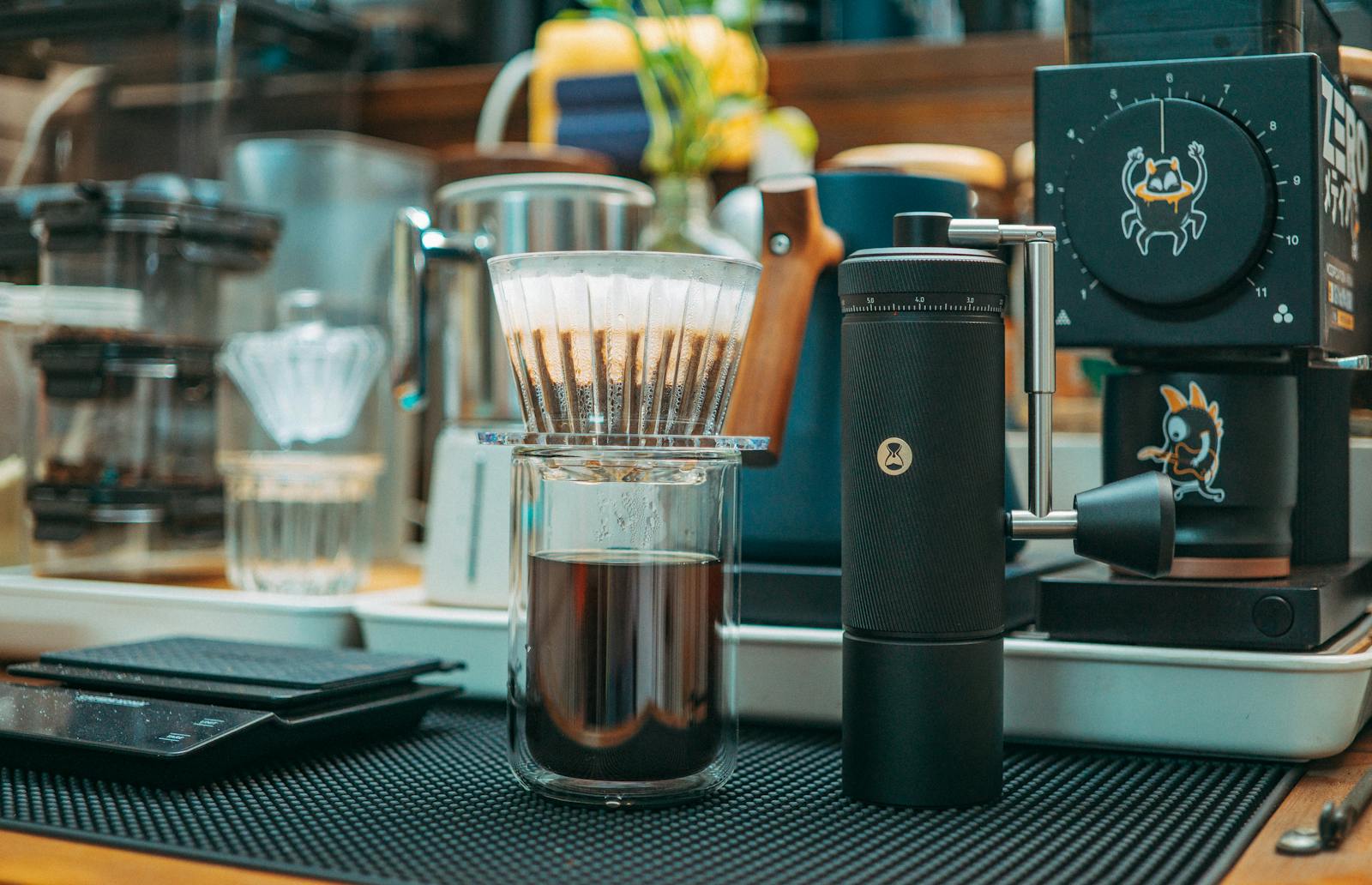
Quick reality check: If you only ever make one mug, a huge 12-cup brewer will feel like overkill (and it can taste worse when it’s half-filled). Capacity matters as much as “quality.”
What if the “best drip coffee maker” isn’t the one with the most settings—or the highest price tag? For most people, the real win is simpler: a machine that hits the right brewing temperature, wets the grounds evenly, and keeps coffee hot without turning it bitter. In this guide, we’ll match top-rated brewers to how you actually drink coffee (solo cup, family pot, set-it-and-forget-it, or full-on coffee hobbyist) so you get a better cup on a normal Tuesday.
How to choose the best drip coffee maker
The best drip coffee maker is the one that keeps your routine consistent. That means it brews hot enough, wets grounds evenly, and fits the way you actually drink coffee—weekday chaos and all.
Nail the brew temperature and extraction
Great drip coffee needs water that’s hot (but not scalding), plus a showerhead/dispersion pattern that soaks all the grounds evenly. When that part is right, your cup tastes sweeter, less bitter, and you stop “fixing” it with extra cream and sugar.
Quick taste check: If your coffee tastes sharp and lemony, it’s usually under-extracted (grind a touch finer or add a little more coffee). If it tastes harsh and drying, it’s often over-extracted (grind a bit coarser or slightly reduce dose). It’s a tiny adjustment that saves you from blaming the machine.
Match capacity to your mornings
Buy for your most common day, not your most aspirational day. If you brew 2–4 cups most mornings, prioritize brewers that do small batches well (or have a half-pot setting). If you brew for a household, look for an 8–10 cup machine with a thermal carafe so the last cup still tastes fresh.
Also, “cups” are sneaky. Many brands count a “cup” as about 5 ounces (not a big 10–12 ounce mug). So a “12-cup” drip coffee maker often holds about 60 ounces. If that number feels huge for your kitchen life, size down—you’ll waste less coffee and get a fresher pot more often.
Decide whether features make your life easier
Extras are only “worth it” if they remove friction. A programmable coffee maker with a reliable timer can be amazing. A fussy touchscreen that needs babysitting? Not so much. Think in terms of effort saved per week, not specs.
And yes, a smart coffee maker can be useful—if it genuinely removes steps (like remembering a brew schedule), not just adds notifications.
Must-have fundamentals
- Temperature: reliably hot brewing water
- Showerhead: even saturation across the bed
- Carafe: thermal if you sip slowly
- Basket: easy-access, no-mess loading
Nice-to-have upgrades
- Bloom/pause: better flavor from fresh beans
- Strong mode: higher extraction without “burnt” taste
- Single cup: smaller brews without watering down
- Water tank: removable for fast refills
Quick comparison: top picks at a glance
If you want the shortest path to “great,” start here. These picks cover the most common needs—family brews, small kitchens, tight budgets, and feature-hungry coffee nerds.
Many expert roundups converge on a similar short list of reliable brewers and the core criteria they test for—temperature stability, consistency, and usability—so the trick is choosing the one that matches your routine. automatic drip maker tests
If you’re shopping for a shared space, the best office coffee maker is usually the one that’s fast, simple, and tough enough to run daily—without turning into a sticky mess.
When you’re browsing drip coffee pots for sale, don’t get hypnotized by buzzwords. Across major coffee maker brands, the best value comes from simple controls, easy cleaning, and consistent brewing.
Price key: $ = budget • $$ = midrange • $$$ = premium • $$$$ = splurge
| Pick | Best for | Why it wins | Typical price |
|---|---|---|---|
| OXO Brew 9 Cup | Most homes | Balanced flavor + easy daily use | $$$ |
| BUNN Velocity Brew | Fast weekday coffee | Quick brews with minimal waiting | $$ |
| Mr. Coffee 5-Cup Mini | Small spaces | Tiny footprint + simple controls | $ |
| Black+Decker 12-Cup | Budget under $120 | Solid basics with fewer headaches | $ |
| Breville Precision Brewer | Control & special features | More settings without sacrificing taste | $$$$ |
If you like a “top picks” style roundup before you commit, this approach matches how many mainstream editors summarize winners and runners-up. editor-tested drip picks
Best overall: an SCA-certified 8–10 cup brewer
This is the safest choice if you want consistently good coffee with minimal tinkering. A sca certified coffee maker is designed to hit the basic targets that make drip coffee taste clean and sweet—so even “normal” supermarket beans come out better.
Think of it as a gold cup coffee maker baseline: it’s built to avoid the two most common failures—lukewarm water and uneven saturation. For most people, this category is the closest thing to the best tasting drip coffee maker without extra steps.
What to buy: The OXO Brew 9 Cup is a standout because it’s easy to live with: intuitive controls, a thermal carafe that doesn’t cook your coffee, and repeatable results once you find your favorite ratio.
Who should skip it: If you only ever brew one small mug, or you love constant experimentation, you might be happier with a smaller brewer or a high-control model. This one is about reliable excellence, not endless customization.
“Consistency beats complexity.” If the machine nails the fundamentals, your beans get to be the main character.
If you’re curious what “certified” actually means, the Specialty Coffee Association explains the program and the performance standards they evaluate. Certified Home Brewer criteria
Who this pick is for
You want a machine that “just works” Monday through Friday, but still makes a noticeably better cup than the cheapest big-box brewer. You brew anywhere from two generous mugs to a full pot for friends.
How to get the best cup on day one
Start with a simple baseline: medium grind, paper filters, and a 1:16 coffee-to-water ratio (about 1 gram coffee per 16 grams water). If it tastes thin, tighten the ratio slightly. If it tastes harsh, grind a touch coarser or use a little less coffee.
Best for speed: a high-flow brewer that finishes fast
If mornings are a sprint, “fast enough” is a feature. Speed-focused machines can be great when your priority is getting hot coffee into a mug before the rest of your brain boots up.
What to buy: BUNN’s Velocity Brew style machines are popular because they brew quickly (thanks to a ready-to-go hot water system) and feel basically indestructible.
When speed helps (and when it hurts)
Speed helps when you’re brewing medium-to-dark roasts and drinking immediately. It can hurt if you’re trying to coax delicate flavors from light roasts—those usually benefit from a more controlled brew and steadier saturation.
Make fast coffee taste less “flat”
Use fresher beans than you think you need, and grind right before brewing if you can. Even a small upgrade—like a basic burr grinder—often improves the cup more than swapping machines.
Best for small spaces: a compact 4–5 cup coffee maker
A small brewer can be a quality upgrade if it fits how you drink coffee. The goal here isn’t “tiny and cheap”—it’s “tiny and consistent,” with fewer stale half-pots.
What to buy: A simple Mr. Coffee 5-Cup Mini-style brewer is a good baseline for dorms, offices, and studio kitchens. It’s not a flavor laboratory—it’s a reliable habit builder.
If counter aesthetics matter, a white coffee maker can look surprisingly clean in small kitchens (and it’s easier to spot splashes, so you wipe them sooner).
Small-space tip: Don’t buy bigger “just in case.” If your brewer spends most of its life half-full, you’ll waste filters, coffee, and counter space—plus your last cup will taste like it’s been punished.
Thermal carafe not required in this category. If you drink the whole batch within 15–20 minutes, a simple glass carafe is fine.

Best budget drip coffee maker under $120
Budget machines can be totally fine—if you choose simplicity over gimmicks. In this tier, prioritize easy controls, predictable brewing, and parts you won’t hate cleaning.
If you want the best cheap drip coffee maker: focus on the basics (hot coffee, no leaks, easy basket access) and skip anything that feels fragile or overly complicated.
What to buy: A straightforward Black+Decker 12-Cup-style brewer is often the most painless pick. It’s common, replaceable, and gets the “hot coffee, now” job done. A farberware coffee maker can also be perfectly fine in this lane if you keep expectations realistic and stay on top of cleaning.
What to look for
- Basket access: no awkward tilting
- Filter fit: standard shapes, not proprietary
- Controls: one or two buttons max
- Carafe pour: doesn’t drip down the side
What to avoid
- Hot plate “cooking”: bitter aftertaste
- Hard-to-read tanks: sloppy measuring
- Too many modes: more ways to break
- Weird plastics: smells that linger
Hot-plate warning: If your budget brewer uses a warming plate, don’t leave it “on” for hours. Pour what you want, then turn it off—the flavor stays sweeter and less burnt.
If your goal is the cheapest sca certified coffee maker, watch for seasonal discounts—certified models occasionally dip into midrange pricing, and that’s when they’re the best value.
Best for control: settings that actually improve the cup
Control matters when your beans change week to week. This is the right lane if you want a high end coffee maker that can adapt to different roasts and moods without sacrificing consistency.
What to buy: The Breville Precision Brewer is a classic choice for controllable drip. A true high end drip coffee maker isn’t just fancy—it gives you useful controls (bloom, flow, batch options) that actually change extraction.
Newer premium brewers keep pushing this idea—high-quality fundamentals plus smart conveniences—like the kind of usability-focused upgrades highlighted in tech-forward reviews. premium brewer review
Who should skip it: If you know you’ll never touch the settings, save your money and buy a simpler certified brewer instead. Paying for control you won’t use is the fastest way to feel buyer’s remorse.
Features worth paying for
Choose features that change extraction, not just the interface. Bloom control, smaller batch modes, and adjustable flow tend to improve taste. “App control” mostly improves… your phone’s sense of purpose.
Features that sound great but don’t move the needle
If a feature doesn’t change how water hits coffee, it probably won’t change flavor. Think: clocks, bright screens, complicated presets. If you’ll end up using “normal mode” anyway, keep your money for beans.
Best for “set it and forget it”: thermal carafe convenience
If you sip for an hour, skip the hot plate. A drip coffee maker with thermal carafe keeps coffee warm without baking it into bitterness. It’s the simplest upgrade for people who take meetings, wrangle kids, or just drink slowly.
Many shoppers prefer a stainless steel coffee maker in this category because it tends to pair with thermal designs and holds up well to daily use. A glass coffee maker can still be a great choice if you finish the pot quickly and like seeing exactly how much is left.
Real-life win: If your morning includes distractions (emails, kids, the dog, your own brain), a thermal carafe is basically a safety net. You can pour cup one, walk away, and come back to something that still tastes like coffee—not a scorched reminder of time passing.
What to check before you buy
Pour design matters. Look for a lid that pours cleanly without needing a perfect wrist angle. If you constantly drip coffee down the side, you’ll dread using it—and convenience is the whole point.
How to make any drip coffee taste better
You don’t need a perfect machine—you need a repeatable process. The goal is to remove the little inconsistencies that compound into “meh” coffee.
Do this once, then stop thinking about it: Pick one filter type, one coffee dose, and one grind setting—and keep them steady for a week. Consistency gives your taste buds a fair test.
Flavor consistency: grind and ratio over everything
Your drip machine can’t out-brew stale coffee. If you want a noticeably better cup this week—not after a long research spiral—put your effort into two things: grind consistency and a repeatable coffee-to-water ratio.
If you’re debating a drip coffee maker with grinder, the big benefit is convenience—fresh grounds on autopilot. Just remember: grind quality varies, so “all-in-one” doesn’t automatically mean “best tasting.”
For most people, the best coffee for drip coffee maker brewing is a fresh medium roast with a clean finish—especially if you drink it black. If you like cream and sugar, a medium-dark roast can taste richer without getting smoky.
Here’s the fastest “upgrade path” that works with almost any machine:
- Freshness: buy smaller bags more often
- Grind: burr grinder beats blade every day
- Water: filtered if your tap tastes chlorinated
- Ratio: start 1:16, then adjust by taste
That “boring” approach is why specialty coffee guides obsess over fundamentals. Even when reviewers compare high-end machines, the best results still come back to hot water, even saturation, and good inputs. specialty drip brewer guide
A simple troubleshooting map
If it tastes sour: grind slightly finer or use more coffee. If it tastes bitter: grind slightly coarser or use less coffee. If it tastes watery: tighten your ratio before changing anything else.
Five-minute upgrade checklist
- Rinse filter: removes papery taste
- Warm carafe: prevents heat loss
- Weigh once: lock your favorite dose
- Clean monthly: old oils ruin flavor
If you only adopt one habit, make it cleaning. Old coffee oils go rancid and can make even expensive beans taste stale.
Decision scorecard (printable): Use this when you’re stuck between two machines. Rate each option 1–5, then total your columns. (Tip: if a category is a dealbreaker, write “0” to force the decision.)
| Criteria | Option A | Option B | Notes |
|---|---|---|---|
| Brew quality (hot + even) | |||
| Capacity fit (your daily batch) | |||
| Speed (weekdays) | |||
| Ease of cleaning | |||
| Noise + footprint | |||
| Total (add it up) |
Shortcut: If both totals are close, pick the one you’ll clean more willingly.
FAQ
Do I really need an SCA-certified drip coffee maker?
No—but it’s a strong shortcut if you don’t want to guess. Certification doesn’t guarantee you’ll love every cup, but it often signals that a brewer can hit the baseline targets for a clean, balanced extraction. What it doesn’t guarantee: that you’ll love the workflow, the footprint, or the cleaning routine.
What’s better: thermal carafe or glass carafe?
Thermal is better if you sip slowly or want coffee to stay pleasant for an hour. Glass is fine if you drink the batch quickly and prefer being able to see how much is left.
Should I prioritize a better machine or a better grinder?
If your current machine is functional, a burr grinder often improves flavor more than a new brewer. But if your machine brews lukewarm coffee or saturates unevenly, upgrading the brewer becomes worth it.
How often should I descale my drip coffee maker?
A good rule of thumb is every 1–3 months, depending on how hard your water is and how often you brew. If coffee starts tasting dull or the machine slows down, that’s your cue.
Any tips for shopping outside the US?
If you’re researching the best drip coffee maker canada, prioritize easy-to-find filters and replacement parts (carafes, lids, baskets). Also, if you’re reading a smeg coffee machine review, treat it as a design-first choice—then double-check the daily batch size and cleanup routine still fit your life.