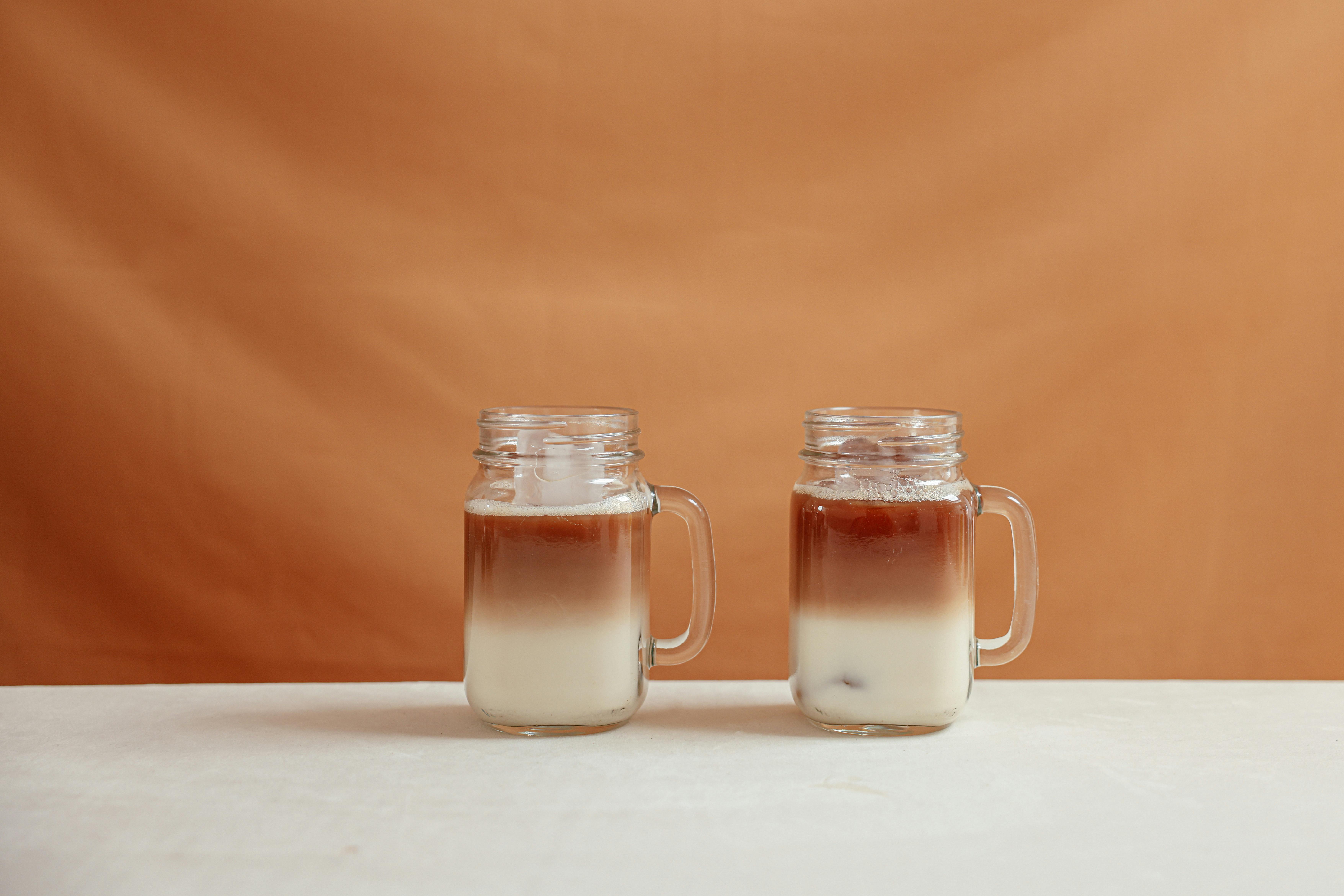
Flavor Cold Brew, Without Losing the Coffee
A practical framework for cold brew flavors—infusions, syrups, spices, and creamy finishes—with starter amounts you can repeat.
What if the best flavored cold brew isn’t the one with the fanciest syrup—it’s the one where you can still taste the coffee? Most “flavor hacks” fail because they add sweetness before aroma, or they steep the wrong ingredients long enough to turn bitter. Instead, treat flavor like seasoning: one main note, one supporting note, and a controlled sweetener. This is how to flavor cold brew coffee as a repeatable system—basically a flavored cold brew recipe framework you can tweak without guessing.
Start with a clean, balanced base
If your cold brew is too strong, flavors can taste blunt and “perfume-y.” If it’s too weak, you’ll keep adding stuff until it turns sugary or chalky. And if you’re wondering what does cold brew taste like when it’s dialed in: it’s usually smoother and less sharp than hot coffee, with chocolatey or nutty notes that make flavor add-ins feel more “blended.” This is the foundation for any cold brew coffee drink you want to build.
Before you flavor anything, do a 2-sip test: one sip plain, one sip over ice—then decide if you need dilution or sweetness first.
Quick base checklist
- Water: Use cold, filtered water so flavors don’t pick up “tap” notes.
- Grind: Go coarse (sea-salt vibe) to reduce harshness and sludge.
- Time: Steep in the fridge, not on the counter, for cleaner flavor.
- Strain: Filter twice if needed—grit makes spices taste dusty.
How to drink cold brew coffee (simple order)
- Dilute: If you made concentrate, cut it with water or milk first.
- Sweeten: Add a small syrup dose, then taste.
- Finish: Add milk/foam, then any aromatic (zest, spice, extract).
Keep it fridge-cold and clean
Cold brew can hide mistakes at first, then taste stale later. Keep everything cold, rinse jars well, and avoid storing near strong-smelling foods. If you’re making a concentrate, label the jar with the brew date and your starting dilution so you don’t have to guess later.
Decide: ready-to-drink vs concentrate
If you’re unsure what you made, pour 2 oz into a glass and add 2 oz water. If it tastes right, you likely have a concentrate; if it tastes thin, you’re closer to ready-to-drink. For a dependable baseline on steeping and dilution (not flavoring), use cold brew ratio basics.
You’ll also hear people talk about cold brew types: ready-to-drink, concentrate, and nitro. The kind of cold brew coffee with bubbles is usually nitro (infused with nitrogen for a creamy texture). Nitro tends to taste “softer,” so flavor it lightly and let foam do the sweetening.
Choose when to add flavor
Timing is the whole game. Some flavors bloom slowly and love long contact (think cinnamon sticks). Others go dull or bitter if they sit (think fresh citrus and many fruits). So pick a method: infuse during the steep for gentle aroma, or mix after brewing for bright, controllable flavor. This is the easiest way to decide what to add to cold brew without overcomplicating it.
In practice: use cold brew infusions for sturdy aromatics (spices, zest), and add everything “fresh” (syrup, dairy, fruit) right before you drink.
If you’re curious about flavored coffee in general: how is flavored coffee made commercially? Often by coating roasted beans with flavoring oils. That’s different from how do you make flavored coffee at home, where you flavor the brewed drink—especially easy with cold brew because it’s smooth and forgiving.
Flavor-by-Method Matrix (printable + editable)
Tip: click into any cell to tweak amounts for your taste. Keyboard users: Tab into the table, then type to edit. These are safe “start small” doses for 12 oz of ready-to-drink cold brew.
Infuse during steep (best for spices/zest)
Infusion is for flavors that release slowly and stay stable: whole spices, gentle herbs, and small amounts of zest. Add your infuser to the grounds, steep cold, then strain. If you’re experimenting, infuse half the batch so you can compare side-by-side.
Mix after brewing (best for syrups/dairy/fruit)
Fruit and citrus can turn harsh if they sit too long—especially if there’s pith, peel, or bruised bits. If you love orange or lemon notes, use zest (no white pith), or add a quick squeeze right before drinking; a good reminder on citrus bitterness is avoid bitter citrus steep.
If you’re hunting for things to put in coffee (aka coffee mix ins) that don’t fight the flavor, start with syrup + one aromatic, then add milk or foam. You’ll get clearer results than tossing in five add-ins at once.
Sweeten without muting the coffee
Cold brew is smooth, which means sweetness can sneak up on you. If you dump in sugar, you’ll often taste graininess and then over-correct with more. Syrups (including simple syrup) dissolve cleanly in cold liquid and let you dial in “just enough” without hiding the bean’s natural chocolate, nut, or fruit notes.
To how to sweeten cold brew coffee: start with 1 tsp syrup per 12 oz, then move in ½–1 tsp steps until it tastes “round,” not candy-like.
For most people, the best sweetener for cold brew is simple syrup because it dissolves instantly and tastes consistent from sip one to sip last. If you’re looking for healthier ways to flavor coffee, keep sweetness low and lean more on aroma (spice, zest, vanilla) instead of more sugar.
Build a fast simple syrup
Simple syrup is the quiet hero: it sweetens without adding competing flavors. Make it 1:1 (equal parts sugar and hot water), stir until clear, cool, and refrigerate. For a deeper sweetness that leans caramel-like, use brown sugar or a splash of maple syrup.
Want to go beyond plain? Use homemade coffee syrup recipes as a framework, then keep your first batch mild so it complements (not dominates) cold brew.
Add flavored syrups strategically
Think in layers: base (coffee), main note (vanilla, hazelnut, caramel), then a supporting note (cinnamon, cocoa, orange zest). Start with the main note syrup, taste, then add the supporting note at half strength. If you’re using store-bought syrup, begin at 1 tsp per 12 oz and stop at 1 tbsp unless you truly want dessert.
Shortcut: If you’re adding dairy, sweeten first, then add milk/cream. Sweetness often reads lower once you add fat.
Use spices, extracts, and cocoa like a pro
This is where cold brew shines: aroma-forward add-ins can make your drink feel crafted with almost no extra sugar. The pro move is restraint—go for a clear, recognizable note, not a spice-cabinet medley. When you can name the flavor after one sip, you nailed it.
For spices and extracts, aim for “you notice it” rather than “it announces itself.” Add less than you think, then build.

Spices that play well with cold brew
Start with whole cinnamon, cardamom, or a single clove for a cozy note. Whole spices are easier to strain and less likely to make your drink gritty. If you prefer ground cinnamon, shake it with a tablespoon of milk first (mini “spice slurry”), then stir it into the coffee.
Extracts: vanilla, almond, peppermint
Extracts are strong in cold drinks because they don’t need heat to dissolve—so the line between “perfect” and “too much” is thin. Start with 6–10 drops per 12 oz, stir, taste, and only then add more. For a health-leaning perspective on flavoring with spices and extracts (often with less sugar), see healthier flavor ideas 2025.
Cocoa tip: For a mocha vibe without clumps, mix 1 tsp cocoa with 1 tsp warm water, stir into a paste, then add to cold brew. If you want it ultra-smooth, strain through a fine mesh after mixing.
Flavor is seasoning. Pick one main note, one supporting note, then sweeten only as needed.
Add dairy, foam, and “dessert” texture
Texture changes everything. A small amount of milk can make cold brew taste smoother and sweeter without adding more sugar. Foam adds a café feel and turns simple flavorings (vanilla, caramel, cinnamon) into something that feels intentional. If you’ve ever ordered nitro cold brew with sweet cream, you’ve felt how texture can do half the “flavoring” work for you.
If you want café vibes fast, add flavor to the foam—not the coffee—so the first sip is aromatic and the finish stays coffee-forward.
Sweet cream cold foam starter
In a jar, combine 2 tbsp half-and-half (or heavy cream + milk), 2 tbsp milk, and 1–2 tsp simple syrup. Froth with a handheld frother for 10–20 seconds, then spoon it on top. Add a pinch of cinnamon or a few drops of vanilla to the foam for extra aroma. This “sweetness-on-top” approach is also the easiest way to mimic popular cold brew drinks at Starbucks without making the coffee itself too sweet.
Milk for cold brew tip: start with 1–2 tbsp, then adjust. A little dairy changes sweetness perception fast.
Non-dairy options that still foam
Barista-style oat milk usually foams best, followed by some “extra creamy” almond blends. For more body, add 1 tsp syrup to the drink first, then pour the non-dairy milk slowly down the side of the glass for a layered look. If it tastes thin, add a tiny pinch of salt to make sweetness feel rounder.
Try 10 reliable flavor combos
These cold brew flavor ideas follow the same blueprint: main note + supporting note + controlled sweetener. Think of them as quick cold brew drink recipes—repeatable builds that showcase flavors that go with coffee without drowning it. If you’re searching for “cold brew recipes” or “best cold brew coffee recipes,” this section is the flavor-forward shortcut: you can keep your base method the same and rotate the add-ins.
Pick one combo, make it twice, then tweak only one variable (sweetness, spice, or dairy) so you learn what your palate likes.
- Vanilla + cinnamon: 6–10 drops vanilla extract + 1 tsp syrup + pinch cinnamon (in foam if possible).
- Salted caramel: 2 tsp caramel syrup + tiny pinch salt + 1–2 tbsp cream.
- Mocha-lite: 1 tsp cocoa slurry + 1 tsp syrup + splash milk.
- Orange-chocolate: 2 strips orange zest (stir in, 2 minutes) + 1 tsp cocoa slurry + 1 tsp syrup.
- Maple-cardamom: 1 tsp maple syrup + 2 crushed cardamom pods (brief infuse or shake and strain).
- Coconut-vanilla: 1 tbsp coconut milk + 6 drops vanilla + 1 tsp syrup.
- Hazelnut + cocoa: 2 tsp hazelnut syrup + ½ tsp cocoa slurry + milk to taste.
- Brown sugar latte: 2 tsp brown sugar syrup + oat milk + cinnamon dust on foam.
- Berry-cream: 1 tbsp berry syrup + 1–2 tbsp cream (stir well; taste before adding more).
- Mint mocha: 1 tsp cocoa slurry + 4–6 drops peppermint extract + 1 tsp syrup.
If you want more mix-and-match directions for coffee flavors to try, skim 15 cold brew flavor ideas and use the matrix above to translate “ideas” into repeatable amounts.
Store, serve, and troubleshoot fast
Flavored cold brew is best when you control the moment of flavor. Store the base coffee plain when you can, then add syrups, dairy, and extracts per glass. That keeps aromatics brighter and helps you avoid unwanted fridge odors creeping in. It’s also the easiest way to make premade cold brew coffee taste better without piling on sugar.
Best practice: store cold brew plain, store syrup separately, and add dairy/extracts right before drinking.
If you’re using cold brew coffee products from the store—especially premade cold brew coffee—start with an unsweetened base when possible. You’ll have more control over flavor, and you won’t end up fighting sweetness that’s already baked in.
Food safety note: If you add dairy directly to a batch, keep it refrigerated and treat it like a perishable drink. When in doubt (odd smell, separation that won’t remix, or it’s been sitting out), toss it.
Storage and make-ahead rules
Plain cold brew: keep it sealed and cold; it typically holds up for several days. Flavored batches: make smaller quantities—aroma fades faster, and some add-ins (like citrus) can turn sharp. For grab-and-go, pre-mix syrup into individual bottles, then add coffee in the morning.
Common problems and quick saves
Quick fixes (no new ingredients required)
- Too bitter: dilute first, then add 1 tsp syrup; finish with a splash of milk to soften edges.
- Too sweet: add more plain cold brew (or ice) and a tiny pinch of salt to rebalance.
- Tastes flat: add aroma (zest strip for 1–2 minutes, or a few drops of extract), not more sugar.
- Gritty spices: strain through a fine mesh; next time use whole spices or a slurry.
Advanced tweaks (brands, warming, and cocktails)
Can you warm up cold brew? Yes. Dilute first (if it’s concentrate), then warm gently—short microwave bursts or low heat on the stovetop. High heat can flatten the aromatics you worked to build.
Brand-style notes (not official recipes): If you’re searching “blue bottle coffee cold brew recipe” or “stok cold brew recipes,” use this guide as the flavor layer: keep the base plain, then add syrup/foam per glass so you can control sweetness. The same approach works if you want flavored cold brew coffee Starbucks-style—sweeten the foam, not the whole batch.
Optional cocktails: If you’re looking for a cold brew cocktail recipe, keep it simple: cold brew + a spirit + a small syrup dose + (optional) cream. For Jameson cold brew cocktails, whiskey pairs well with vanilla or brown sugar notes; for cold drip coffee cocktails, use lighter aromatics like orange zest. If you drink alcohol, keep it moderate and never drive.
If you want a simple next step: choose one syrup (or simple syrup), one aromatic (cinnamon, vanilla, or zest), and commit to small, measured increments. That’s the fastest way to find coffee flavors to try that actually taste good—and it’s often the answer to what to add to coffee to make it taste better.