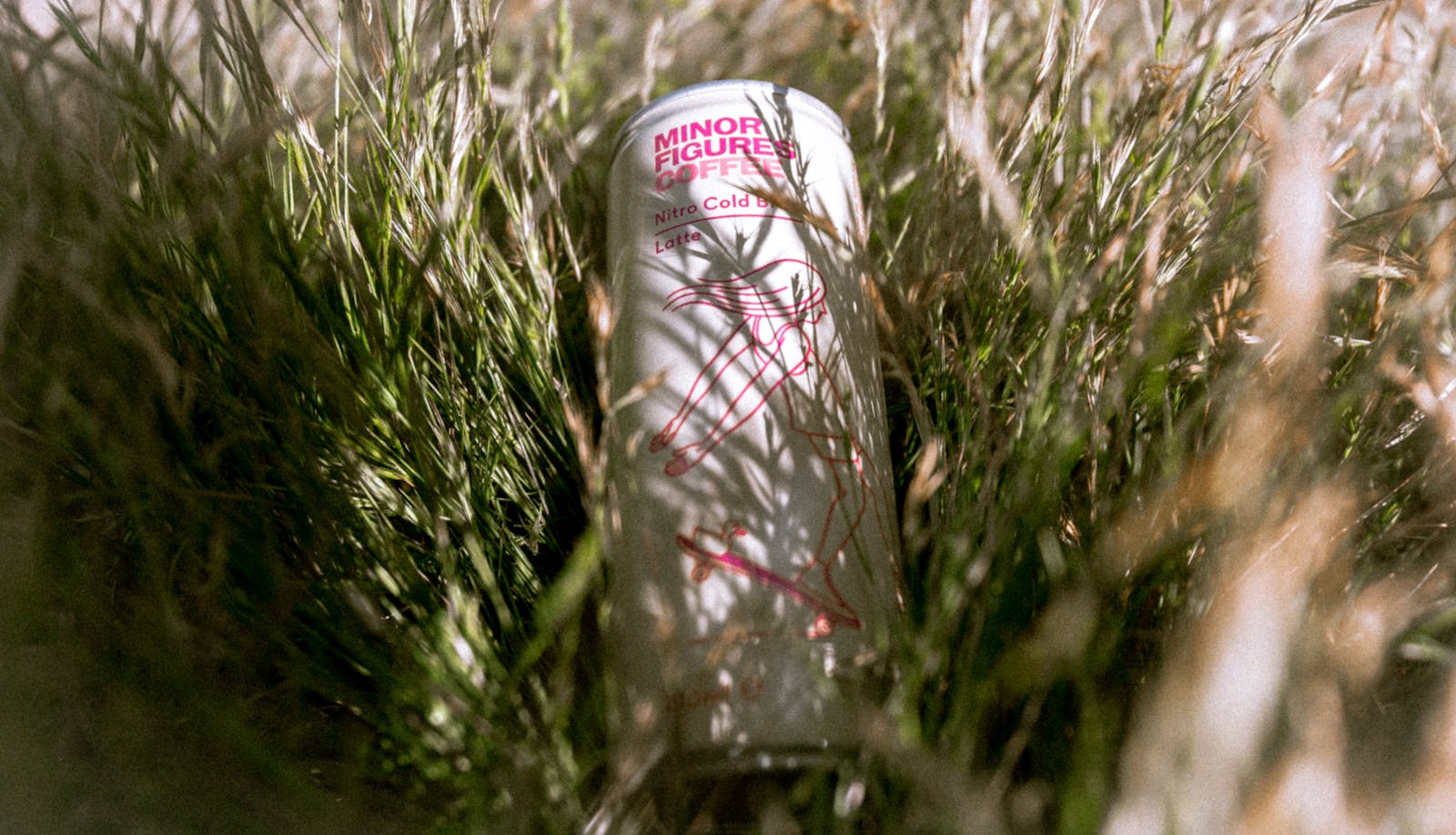
What if the “best” canned cold brew isn’t the boldest—or even the one you drink black? For cans, the winning move is matching the brew to how you’ll actually use it: straight-from-the-can convenience, over-ice sipping, or as a fast base for a milk drink. Nitro can be incredible (or just foamy), unsweetened can be clean (or harsh), and “lightly sweet” can sneak into dessert territory. Let’s pick a can that fits your morning, not someone else’s.
If you’re searching for the best canned cold brew, you’re really shopping for the best cold brew cans (and the best canned coffee) for your routine—black, over ice, or with milk. You’ll also see ready to drink cold brew coffee in cold brew bottles and concentrates in the same aisle, so I’ll show you how to choose without turning it into a guessing game.
What “best” means for canned cold brew
The best canned cold brew is the one that tastes right in the way you actually drink it. Cold brew is typically made by steeping coffee in room-temp water for hours, which can produce a smoother, less sharp cup than hot-brewed iced coffee—at least when the product is well made and served cold. cold brew steeping method
Use this quick “three-sip test” to tell whether a can is an all-rounder or a specialist—and to predict what it’ll taste like once ice and milk enter the chat:
- Straight: sip it fridge-cold from a glass (this is the “cold brew black coffee” baseline).
- Over ice: pour on fresh ice, wait 2 minutes, then sip again (dilution reveals weakness fast).
- With milk: add 1 tablespoon of milk (or oat milk) and taste once more (mixing is a different sport).
In simple terms: cold brew should taste round and coffee-forward. If it’s harsh, you’ll read it as “bitter.” If it’s sweetened, you’ll notice whether it’s just balanced or drifting into dessert territory—yes, cold brew can taste sweeter than you expect when it’s made (or flavored) to be easy-drinking.
Straight-can drinkers:
Look for “black” or “unsweetened,” and a clean ingredient list (often coffee + water).
Over-ice sippers:
Choose a can that’s slightly stronger than your ideal—ice will tame it.
Milk-mix people:
Nitro often reads creamier; medium roasts tend to stay “coffee-forward” with dairy or oat milk.
Advanced label reads (optional, but useful)
- Serving size: If it says “2 servings,” multiply sugar and caffeine before you decide.
- Added sugar: Many people ask “does cold brew have sugar?” Only if it’s added—check grams, not vibes.
- Flavor add-ins: “Sweet cream,” “mocha,” or “vanilla” usually means flavored cold brew coffee (a coffee drink), not plain cold brew.
- Format flag: Bottles are often multi-serve; concentrates are meant to dilute. Don’t compare them to cans ounce-for-ounce without adjusting.
Best canned cold brew picks (the short list)
These picks cover three common “jobs”: classic black, nitro texture, and stock-up value. They’re also useful “anchors” if you’re comparing other cold brew brands in stores—like illy cold brew cans, Stōk, or bottled options—because you’ll know what “good” tastes like for your preferences.
Best overall canned cold brew: La Colombe Coffee Cold Brew
As a dependable all-rounder, La Colombe is a strong default: it’s designed to taste “complete” without needing syrup, foam, or a ton of doctoring. Food Network’s 2026 roundup called out a La Colombe canned cold brew multipack as café-quality and smooth—exactly what you want when you’re buying the “daily driver” can. Food Network 2026 picks
Best nitro texture: Starbucks Nitro Cold Brew (best as a treat)
Nitro cold brew cans are about mouthfeel: tiny bubbles that make coffee feel creamy even when it isn’t sweet. Sporked’s taste test named Starbucks Nitro Cold Brew its “Best Canned,” praising the smooth texture while noting it can read a bit “metal-can” for some palates. Translation: it shines when you want texture—especially poured hard into a glass. best canned nitro
Best value multipack: the “finishable” can that survives ice
Value is less about the cheapest can and more about the one you’ll actually finish. Do one quick check: price per ounce = pack price ÷ total ounces. If you’re eyeing a cold brew coffee 12 pack, this math makes it instantly comparable to 4-packs and 8-packs. Then do the real-world test: if it turns watery after 2 minutes on ice, it’s not a bargain—it’s a compromise you’ll regret.
| Pick | Best for | What it’s like | Skip if… |
|---|---|---|---|
| La Colombe canned cold brew | Classic cold brew | Smooth, café-leaning flavor; easy grab-and-go | You want sweet/creamy built-in |
| Starbucks Nitro Cold Brew | Nitro texture | Velvety, foamy feel; reads “richer” than it is | You hate any “tinny” note |
| Any multipack you’ll finish | Stocking up | Best when you control dilution (fresh ice + timing) | You need it perfect straight from the can |
Best canned cold brew for specific needs
Pick by constraint first—then by taste profile—so you don’t fight the can. Most “this is awful” moments come from mismatch: a dessert-leaning can when you wanted black coffee energy, or a super-lean unsweetened can when you wanted something latte-adjacent.
Best unsweetened: “black” cans with short ingredient lists
Unsweetened cold brew should taste clean, not hollow. A smart way to judge is to taste it plain and then with a small amount of milk—because many cans change dramatically once you dilute them. Allrecipes’ approach of tasting multiple brands and checking performance plain and with milk mirrors what most people do at home. 10-brand taste test
Best with milk: cans that keep their flavor after dilution
If you add milk, you’re diluting twice: once with milk and often again with ice. Choose a can with a touch more roast presence than you’d pick for black coffee. Nitro can help here too—its texture tricks your brain into reading “creamier” before you add anything.
Best low-sugar: avoid “lightly sweet” ambiguity
“Lightly sweet” can mean anything from a hint of sugar to dessert-in-a-can. If you’re watching sugar, start with unsweetened and sweeten yourself (a teaspoon of maple, a measured flavored creamer, or a dash of vanilla). You’ll get control—and usually a cleaner coffee finish.
For health-specific shopping, the “best” depends on your goal: the healthiest cold brew coffee is usually the one with no added sugar; low caffeine cold brew is often a smaller can (or decaf); and if you need low acid cold brew coffee, expect to test a few cold coffee brands because acidity can vary by roast and recipe. If you need the best decaf cold brew, look for “decaf” clearly stated and treat it like its own category.
Best for
- Unsweetened: “black/unsweetened” on the front label
- Milk drinks: “bold” or nitro versions
- Low sugar: DIY sweetness (measured, not mysterious)
Skip if
- Watery: it disappears with a splash of milk
- Perfume-y: the aroma feels more like flavoring than coffee
- Sticky sweet: it tastes like dessert first, coffee second
Quick safety note: Caffeine and sugar vary a lot across canned cold brews and “sweet cream” nitro drinks. If you’re caffeine-sensitive, check the label before making it your daily can—especially if you’re aiming for the strongest cold brew or comparing products by “energy.”
How to choose in the store (labels, sweetness, caffeine, cost)
You can pick a great can in under a minute if you follow a tiny checklist. Decide the job first (black, milk-mixed, nitro treat, or stock-up), then use label cues to avoid hidden servings and surprise sweetness.
If you’re searching for the best store bought cold brew or the best cold brew coffee to buy, remember that “store-bought” includes cans, bottles, and concentrates. Delish’s taste test framed “best” by use case—like on-the-go convenience and how it plays with milk—which is exactly how you should shop when you’re facing a wall of cold brew coffee in stores. on-the-go cold brew
Where to buy matters less than format: you’ll find grocery store cold brew in the coffee aisle, the refrigerated section, or both. If you’re wondering where to buy cold brew coffee in the USA, big retailers (including Target cold brew coffee shelves) usually stock all three formats: cold brew cans, bottled cold brew (ready-to-drink bottles), and concentrate. If your goal is “grab-and-go,” cans win; if you want multiple servings, bottles win; and if you want the best value per ounce, concentrate often wins.
Quick, non-fussy brand guidance: the “best cold brew brands” are the ones that match your drink style consistently. In practice, that means you’ll see roaster-led brands and mass-market cold coffee brands sitting side-by-side—so don’t assume “top rated cold brew coffee” online will taste best for you at home.
Printable decision matrix: Rate each can from 1 (no) to 5 (yes). The winner is the can that fits your routine.
| Criteria | Can A | Can B | Can C |
|---|---|---|---|
| Can name | |||
| Flavor (black) | |||
| Texture (nitro/feel) | |||
| With milk (stays “coffee”) | |||
| Sweetness (matches your goal) | |||
| Value (price per ounce) |
Tie-breaker: If two cans tie, pick the one that tastes better over ice—that’s your everyday winner.
Reality check: If you’ve been doom-scrolling “best canned coffee reddit” opinions, this table keeps you honest by scoring what you actually taste.
| Label clue | What it usually means | Quick decision |
|---|---|---|
| “Black / Unsweetened” | Cleanest coffee flavor; no built-in sweetness | Best for: black drinkers + DIY sweetening |
| “Nitro” | Creamier mouthfeel; often best poured hard | Best for: texture lovers + milk-mixers |
| “Bottle” | Often multi-serve ready-to-drink bottled coffee | Best for: “best bottled cold brew” shoppers and meal-prep |
| “Concentrate” | Dilute at home; strongest value per ounce | Best for: “best cold brew concentrate” and budget routines |
| “Sweet cream / Mocha / Vanilla” | More like a coffee drink than plain cold brew | Best for: cold brew flavors, not daily black |
| “2 servings” | Nutrition numbers may be “per half” | Multiply before you commit |
Two common grocery-store comparisons: if you’re weighing best bottled cold brew coffee versus cans, bottles can taste smoother simply because they’re often made for slower sipping. And if you’re comparing concentrate—like browsing “best cold brew coffee concentrate”—look for products labeled concentrate and treat them as a different category (examples people see in stores include Stok cold brew concentrate and La Colombe cold brew concentrate). The best ready to drink bottled coffee is the one that tastes right after it’s been open in your fridge for a day, so test that if you’re a bottle person.
Brand reality checks, without the hype: if you’re Googling “stok cold brew review” or “is stok cold brew good,” use the three-sip test before you buy a big pack. If you’re asking “which stok cold brew has the most caffeine,” compare caffeine per bottle (or per serving) on the label—sizes and serving counts vary. And if you’re deciding between cold brew and something labeled stok iced coffee, remember: iced coffee is often hot-brewed then chilled, so it can taste sharper than cold brew.
Nitro vs. regular cans (and why it changes everything)
Nitro changes the experience more than roast level—because it changes texture. Regular canned cold brew is flavor-first, with whatever body the brew naturally has. Nitro adds nitrogen for tiny bubbles and a creamy-seeming feel, which is why it can taste “richer” even without sugar—and why pouring technique matters.
One Starbucks-specific nuance: “best cold brew at Starbucks” usually refers to the café draft drink (freshly served), not the packaged products. In grocery stores you’ll see canned nitro and sometimes a starbucks cold brew coffee bottle in the refrigerated case. If you’re wondering “is starbucks cold brew good,” judge the packaged version like any other store-bought cold brew—by how it performs straight, over ice, and with milk.
Serve tip: If it’s nitro, pour it hard into a glass. If it’s regular, pour it gently over fresh ice.
Two small moves help almost every can: re-chill it (coffee that’s merely “cool” tastes flatter), then control dilution. If you like stronger coffee, sip around the 60–90 second mark; if you want smoother coffee, give it 2–3 minutes on ice.
Make any canned cold brew taste better (fast upgrades)
Control dilution first—then make one tiny, intentional add-in. Most canned cold brew fails in predictable ways (too sharp, too flat, too sweet), and the fixes are simple—similar to how you’d rescue a bland iced coffee, but with less bitterness to fight.

Upgrade #1 (zero effort): Use fresh ice. Half-melted freezer ice is the fastest route to watery, stale-tasting coffee.
Upgrade #2 (smoother): Add a pinch of salt (a few grains). It can soften bitterness the way salt softens dark chocolate.
Upgrade #3 (latte energy): Try a 3:1 ratio: 9 ounces cold brew to 3 ounces milk (or oat milk) to keep the coffee present.
“Café-ish” iced cold brew
Pour over ice, wait 90 seconds, then add one: a teaspoon maple syrup, a dash of vanilla, or a strip of orange peel for 10 seconds (then remove).
“Fast latte” (no machine)
Add milk first, then cold brew, then ice. This reduces harshness and keeps the drink from tasting separated.
Want the best cold brew at home without buying ready-to-drink every week? Start simple: a medium roast that tastes good as iced coffee usually works as the best coffee for cold brew too. If you’re choosing the best cold brew coffee beans or the best cold brew coffee grounds, prioritize chocolatey/nutty notes over super-bright fruit—those tend to read smoother once chilled.
Troubleshooting: bitter, flat, too sweet, too weak
Fix the cup you have before you swear off the brand forever. Start with temperature and dilution, then make one small adjustment. This is also how you separate “best tasting cold brew coffee” from “fine, but not for me” quickly.
- If it’s bitter: Add a splash of milk or a few grains of salt, and avoid aggressive stirring.
- If it’s flat: Re-chill it harder, then pour into a glass to wake up aroma.
- If it’s too sweet: Cut it with plain cold brew or cold water, then add fresh ice and wait 2 minutes.
- If it’s too weak: Use less ice, or drink it straight chilled next time—look for “black/bold.”
- If it tastes metallic: Pour into glass and add a citrus peel twist for 10 seconds (then remove).
- If it turns watery with milk: Reduce milk to “just a splash,” or choose a stronger can for mixing.
Final sanity check: if your goal is “top rated,” “strongest,” or “best overall,” decide what that means for you—caffeine, sweetness, texture, or price—then test one can and one bottle side-by-side. You’ll instantly learn whether your “best” lives in cans, bottled cold brew, or a concentrate you dilute at home.