“100% Arabica” gets tossed around like a premium badge. And yes—Arabica often tastes better. But the real value of Arabica coffee benefits is less about hype and more about how the cup fits your day: smoother flavor, easier moderation, and fewer “fix-it-with-sugar” habits.
What if the “biggest benefit” of Arabica coffee isn’t a nutrient at all—but simple drinkability? A smoother, more balanced cup can keep you in the sweet spot: enough coffee to enjoy the upsides, not so much that you get jitters or wreck your sleep. Let’s cut through the marketing, compare Arabica to Robusta, and make your daily cup taste better and work better.
- What’s Arabica-specific (and what’s just coffee-wide)
- How to brew for fewer tradeoffs (less harshness, fewer jitters)
- How to buy better beans fast (freshness > fancy labels)
One helpful baseline: the two most common coffee beans are Arabica and Robusta. So when people search what is arabica coffee or what is robusta coffee, they’re really asking which bean type best matches their taste, caffeine tolerance, and daily routine.
What makes Arabica different (and what “benefits” really means)
Arabica is the species Coffea arabica. It’s often grown at higher elevations, matures more slowly, and is prized for aroma and layered flavors. And just to demystify it: what are arabica coffee beans? They’re the roasted seeds from coffee cherries (the fruit on the plant).
The simplest definition of “benefits”: Arabica often makes it easier to enjoy coffee in a balanced, consistent way. That can mean fewer add-ins, fewer refills chasing satisfaction, and a routine you can keep without feeling wired.
If you’ve ever wondered where do arabica coffee beans come from, the short answer is: Arabica is grown worldwide today, but it’s most associated with cooler, higher-elevation growing regions—one reason it’s often prized for smoother flavor and fragrance.
Arabica-specific advantages
- Smoother flavor profile that many people tolerate better without masking.
- Often lower caffeine than Robusta, which can feel calmer for some drinkers.
- Less harsh bitterness when brewed well, so you can keep your cup simpler.
- More aroma complexity (floral, fruit, chocolate notes) that makes “one good cup” satisfying.
Benefits most coffee can provide
- Focus and alertness from caffeine (dose matters more than bean type).
- Antioxidant compounds that vary by roast and brew method.
- Ritual + routine that can strengthen morning consistency.
- Performance boost for some workouts when timed well.

A smoother cup can be a real advantage (flavor + comfort wins)
Arabica’s most noticeable benefit is how it tastes: generally more sweetness, more aroma, and less aggressive bitterness. In plain English? It’s easier to enjoy without turning it into a sugar project. If your usual cup requires two pumps of syrup just to be tolerable, a fresher Arabica can make “coffee” taste like coffee again.
In terms of arabica coffee taste, you’ll often hear words like smooth, bright, and fragrant. If you’re asking is arabica coffee strong, it can be—but “strong” usually comes from brew concentration (how much coffee you use) more than harshness.
A coffee you genuinely like makes it easier to stop at one satisfying cup. That’s the under-rated win: fewer refills chasing “finally tastes good,” and fewer extras that quietly turn coffee into dessert.
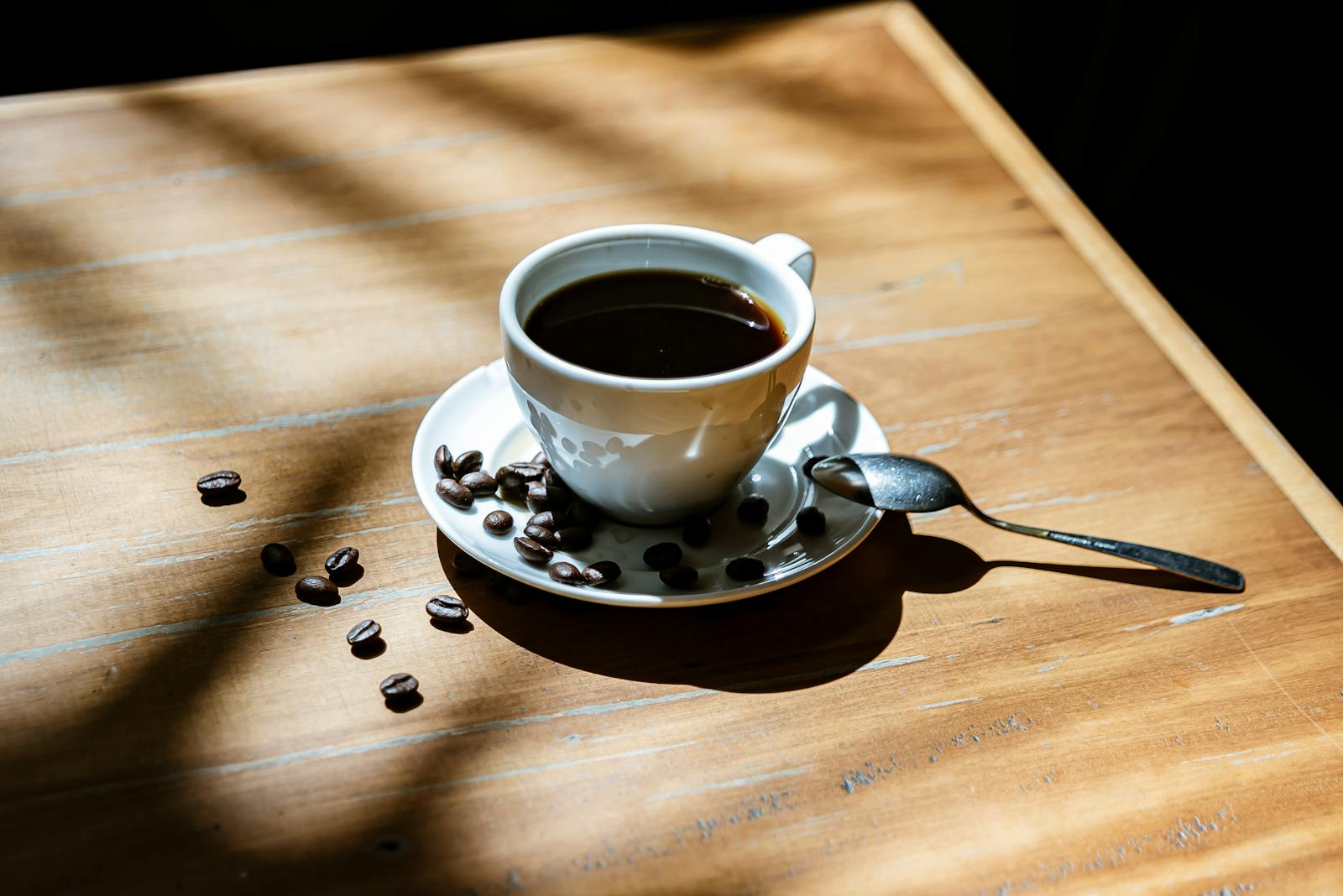
Quick comfort tip: If coffee sometimes feels “sharp,” start with a medium roast Arabica and a paper-filter method (like drip or pour-over). That combo often tastes cleaner and can feel gentler than very dark, oily brews.
Good Arabica is also great for sipping. If you drink slowly while working, smoother flavor can keep the last sip enjoyable—no frantic “reheat and regret” cycle.
The realistic health upside (mostly coffee-wide, still worth it)
Most of coffee’s “big” health headlines apply to coffee in general—not just Arabica. Research summaries commonly point to moderate coffee intake being associated with benefits like lower risk of certain chronic diseases for many adults (while still emphasizing individual tolerance and moderation). A solid overview from Harvard T.H. Chan explains the balance well in their piece on coffee good or bad.
If Arabica helps you drink coffee more moderately (and with fewer add-ins), it supports the habits most linked to upside. Think: one to three cups, earlier in the day, not as a substitute for sleep, and not paired with a mountain of sugar.
So yes—if you’re asking is arabica coffee good for health, the most honest answer is: it can be a great fit when it helps you keep coffee moderate and simple. And if you’re wondering is arabica coffee the best, it’s often the best match for people who want the best coffee beans for black coffee—smooth enough to enjoy without “fixing” it.
Habit beats hype. The “best” coffee is the one you can drink comfortably, consistently, and in an amount that fits your day.
Here’s the grounded expectation-setting: coffee isn’t a multivitamin, and it won’t cancel out a chaotic sleep schedule. But as a daily ritual—especially when it replaces a sugary energy drink or a 600-calorie café treat—Arabica can be a smart upgrade simply because it makes “plain coffee” more appealing.
Arabica vs. Robusta: caffeine, antioxidants, and who should pick what
If you’ve ever had an espresso that felt like a rocket launch, there’s a decent chance Robusta played a role. Robusta is a different coffee bean type (for people searching what is robusta coffee), and it’s commonly more bitter and higher in caffeine than Arabica. Food & Wine breaks down the difference between arabica and robusta coffee in a way that’s easy to apply at the grocery store: Arabica vs. Robusta differences.
Arabica is usually the “easy yes” if you want flavor, balance, and a calmer caffeine feel. Just remember: caffeine varies by serving size, roast, and blend—so treat “lower caffeine” as a tendency, not a guarantee.
If you’re comparing arabica vs robusta caffeine, think of Arabica as the smoother baseline and Robusta as the higher-octane option—then adjust with cup size and how “strong” you brew it.
To be fair, robusta coffee benefits exist too: it can deliver a bigger caffeine kick per sip, bold intensity that holds up in milk drinks, and often a more budget-friendly way to get extra punch.
| Quick comparison | Arabica | Robusta |
|---|---|---|
| Typical taste | Smoother, sweeter, more aromatic | Bolder, more bitter, more “punchy” |
| Caffeine feel | Often calmer for sensitive drinkers | Often stronger and sharper |
| Best for | Black coffee, pour-over, drip, nuanced espresso | Budget blends, high-caffeine needs, heavy milk drinks |
| If you get jitters… | Usually the safer starting point | May hit too hard unless diluted or reduced |
| What to look for | “100% Arabica” + roast date | Blend details (how much Robusta) + your tolerance |
You’ll also see arabica robusta blend coffee all the time. Most blends are trying to balance flavor (Arabica) with extra punch, crema, or cost efficiency (Robusta)—which can be perfect if you like milk drinks or want a bolder profile without going full-throttle.
Brew it like you mean it: getting more benefit with fewer tradeoffs
Two people can drink the same Arabica bean and have totally different experiences—because roast level, grind size, water temperature, and brew time change what ends up in your cup. Even antioxidant activity can shift depending on roast conditions and coffee type, which research reviews discuss when describing how roasting affects antioxidants.
Your “best” Arabica brew is the one that tastes great without pushing you into jitters, heartburn, or a 3 p.m. crash. If you want more upside with fewer tradeoffs, focus on consistency more than perfection.
Fast taste troubleshooting: If your coffee tastes sour, go slightly finer or brew a bit longer. If it tastes bitter, go slightly coarser or shorten brew time. Tiny changes beat big overhauls.
Do more of this
- Choose medium roast when in doubt (balanced flavor, fewer “burnt” notes).
- Use filtered methods (drip/pour-over) for a cleaner, lighter cup.
- Dial in grind size so it tastes sweet, not sour or bitter.
- Measure coffee + water for repeatable results (even a simple scoop helps).
- Drink a glass of water alongside your cup to stay steady.
Avoid this trap
- Over-extracting (too fine + too long) and calling it “strong.”
- Going ultra-dark if you’re sensitive to bitterness or stomach irritation.
- Chasing intensity with huge servings instead of better technique.
- Turning coffee into dessert with heavy syrups and toppings daily.
- Reheating endlessly until it’s harsh and unpleasant.
“Sweet spot” baseline (start here): Medium roast 100% Arabica + paper filter + a cup you’d drink black (or with just a splash of milk). Once that tastes good, you can experiment—because now you’re adjusting for preference, not covering flaws.
Timing + add-ins: small choices that change the whole day
If coffee “works” for you, timing is usually why. Try to drink your first cup after you’ve been awake a bit (not the second your eyes open), and keep your last cup early enough that you’re not negotiating with your pillow at midnight.
The best benefit of Arabica might be that it’s enjoyable enough to keep your coffee routine smaller and earlier. That’s how you get the focus without the sleep tax.
Caffeine safety note: If caffeine worsens anxiety, reflux, heart rhythm symptoms, or sleep—or if you’re pregnant—keep portions smaller and earlier, and consider talking with a clinician about what’s right for you.
Advanced notes (sleep, jitters, and “why does my stomach hate coffee?”)
If sleep matters most: set a caffeine cutoff and treat it like a meeting. You can still enjoy decaf Arabica later if you love the ritual.
If you’re jitter-prone: downshift dose first (smaller cup) before you change beans. Then choose Arabica-only and avoid highly caffeinated blends.
If your stomach gets angry: try a paper-filter brew, skip ultra-dark roasts, and avoid drinking coffee on an empty stomach. Many people feel a difference with those three changes alone.
Better add-ins (that don’t wreck the cup)
- Milk or half-and-half — softens sharpness without overpowering flavor.
- Cinnamon — warm aroma boost with zero sweetness needed.
- Unsweetened cocoa — “mocha vibes” without turning it into candy.
- A pinch of salt — can reduce perceived bitterness in a harsh brew.
Buying better Arabica (without getting scammed by labels)
Not all “100% Arabica” is created equal. The biggest quality divider is freshness. If you’re buying whole beans, look for a roast date (not just a “best by” date), store them away from heat and sunlight, and grind right before brewing when you can.
If your Arabica tastes flat, the fix is usually freshness and grind—not a fancier bag. If you buy in bulk, freezing beans in small airtight portions can help keep flavor alive longer.
Quick quality checklist
- Roast date present (ideal) or at least a clear freshness window.
- Whole bean if you want the best flavor and aroma.
- Origin details (country/region) instead of vague “premium blend.”
- Roast level matches your goal: medium for balance; light for brightness; darker for boldness.
- Packaging protects freshness (one-way valve and resealable bag helps).
If you’re choosing beans from a major chain and searching best coffee beans at Starbucks or Starbucks Arabica, use the same logic: pick a roast level you actually enjoy, then focus on flavor notes you’ll drink without loading it with sugar.
For convenience formats like arabica coffee k cups, look for “100% Arabica” labeling and start with variety packs. Your goal is simple: find an option that tastes good enough that you don’t need to turn it into a dessert drink.
And if you’re evaluating a specific product like Atomy Cafe Arabica, treat it like any coffee choice: check ingredients, note how it feels on your stomach and sleep, and keep the “benefits” tied to a routine you can actually maintain.
Decision matrix: pick your best Arabica setup (printable)
Tap/click the cells to edit. Score each option from 1 (not a fit) to 5 (perfect), then add your totals. For the simplest print option: use your browser’s print function.
| Option | Taste | Caffeine comfort | Stomach-friendly | Budget | Total |
|---|---|---|---|---|---|
| Medium roast + drip/pour-over | 4 | 4 | 4 | 4 | 16 |
| Light roast + pour-over | 3 | 3 | 3 | 3 | 12 |
| Espresso (100% Arabica) | 4 | 3 | 3 | 2 | 12 |
| Cold brew (Arabica) | 4 | 3 | 4 | 3 | 14 |
| Your custom setup |