Excelsa coffee is a rare, hard-to-find coffee known for a high-contrast flavor: bright and tart up front, then deeper and darker on the finish. You’ll sometimes see it treated as its own coffee type, and other times described as part of the Liberica family—either way, it’s one of the most distinctive cups to try if you’re bored of the usual Arabica-vs-Robusta debate.
What if the “weirdest” coffee bean is the one that makes the most sense long-term? Excelsa is rare, easy to misunderstand, and often blended instead of sold solo—yet it keeps popping up in climate-resilience research and specialty circles. If you’ve ever wondered why it tastes bright and smoky, why it’s hard to buy, or whether it’s actually a separate species, this guide will make Excelsa finally feel straightforward.
Excelsa at a glance
- Flavor vibe: tart fruit → cocoa/spice finish
- Body: medium to full, often “rustic”
- Best for: adventurous drip, pour-over, blends
- Hardest part: sourcing consistent lots
How it shows up in the wild
- On bags: “Excelsa” single origin (rare)
- In blends: added for lift and complexity
- At cafés: most likely as a limited pour-over at an excelsa cafe feature
- In tasting notes: fruit + cocoa, spice, smoke
Excelsa Coffee, Explained in Plain English
In one line: Excelsa is a rare coffee with a bright, tangy top note and a deeper cocoa-spice finish—often used in blends because it adds character without making the cup feel thin.
Excelsa meaning: in coffee terms, it usually points to that signature contrast—juicy brightness up front, then a darker, more rustic finish that lingers.
Here’s the not-confusing version of the naming debate: Excelsa is closely related to Liberica coffee. Liberica definition (or liberica meaning in plain English) is essentially “a rarer coffee family with bold, distinctive character,” often described as woody or big-bodied compared to Arabica. Some references treat Excelsa like its own species, while many modern sources group it within the Liberica complex (you’ll see names like Coffea liberica and “dewevrei” in botanical contexts). A 2025 genomic paper explores how Liberica coffee may actually include multiple distinct species—one reason real-world labeling can vary by country, exporter, or roaster. 2025 genomic taxonomy study
For you as a drinker, the label matters less than the cup. Excelsa tends to taste more high-contrast than most coffees—like two flavor tracks playing at once. That’s also why it’s frequently used in blends: it can add brightness and aroma without stripping away body.
If Arabica feels “smooth” and Robusta feels “strong,” Excelsa is the one that tastes like a plot twist.
Where Excelsa Grows (and Why It’s So Hardy)

You’ll most often hear about Excelsa in parts of Southeast Asia and East/Central Africa, depending on the source and how it’s being classified. What’s consistent across most coverage is the “tough plant” reputation: Excelsa is frequently described as better able to handle tougher conditions than the coffees that dominate the market. In many growing regions, the excelsa tree can be taller and more tree-like than the compact shrubs people picture when they hear “coffee plant.”
That resilience angle isn’t just coffee folklore—Kew Gardens’ work on Excelsa and Liberica is explicitly framed around climate resilience and long-term sustainability. Kew climate-resilient coffee
Why that matters: when people say “coffee is getting harder to grow,” Excelsa is one of the names that shows up in discussions about diversifying future coffee supply. It’s sometimes framed as a more resistant coffee option in challenging conditions, especially compared to more sensitive crops.
One of the most talked-about origins right now is South Sudan, where Excelsa is often described as native and increasingly viewed as a potential economic lifeline for farmers. South Sudan’s rare coffee
Excelsa is rare partly because it’s rarely scaled—yet it keeps reappearing in “future of coffee” conversations.
What Excelsa Tastes Like
Excelsa is famous for being hard to summarize in one adjective. If you’re expecting a single clean flavor lane, it can feel confusing. If you like coffees with contrast, it can feel ridiculously interesting—especially once you learn what “balanced” Excelsa is supposed to taste like.
Bright & fruit-forward notes
- Berry-tart pop: cranberry, red grape, dried cherry
- Citrus snap: orange peel, lemon zest, marmalade
- Juicy lift: tangy acidity that reads “wine-like”
Dark & rustic finish
- Cocoa depth: dark chocolate, walnut skin
- Spice warmth: clove, cedar, subtle pepper
- Smoky edge: a hint of roast even at lighter levels
Quick reality check: Under-extracted Excelsa can taste sharp and sour. Over-extracted Excelsa can swing dry, ashy, or “too roasty.” A calmer brew approach usually lands the sweet spot faster.
The signature Excelsa experience is contrast: bright fruit on top, darker depth underneath.
Excelsa vs. Arabica, Robusta, and Liberica
If you’re deciding what to buy, the most helpful question isn’t “which one is better?” It’s: what kind of cup do you want on a normal Tuesday? Here’s how Excelsa typically compares in everyday terms.
| Type | Most common taste | What it’s great for | Common downside |
|---|---|---|---|
| Excelsa | Tart fruit + deep cocoa/spice | Adventurous brews, adding lift in blends | Hard to find; can taste “odd” if brewed off |
| Arabica | Smooth sweetness, fruit/floral notes | Everyday specialty coffee, espresso | Can feel light if you want punch |
| Robusta | Earthy, bold, bitter-leaning | Crema-heavy espresso blends, caffeine kick | Less nuanced aromatics |
| Liberica | Bold, woody, sometimes jackfruit-like | Big personality cups, regional specialties | Polarizing “funk” for some palates |
Here’s a simple way to choose: if you love clean washed coffees and tea-like profiles, Excelsa may feel chaotic. If you love naturals, funky ferments, or “I can’t stop sniffing this” aromatics, Excelsa is a great rabbit hole.
Excelsa isn’t a “replacement” for Arabica—it’s a different style of pleasure.
How to Buy and Brew Excelsa So It Doesn’t Taste Weird
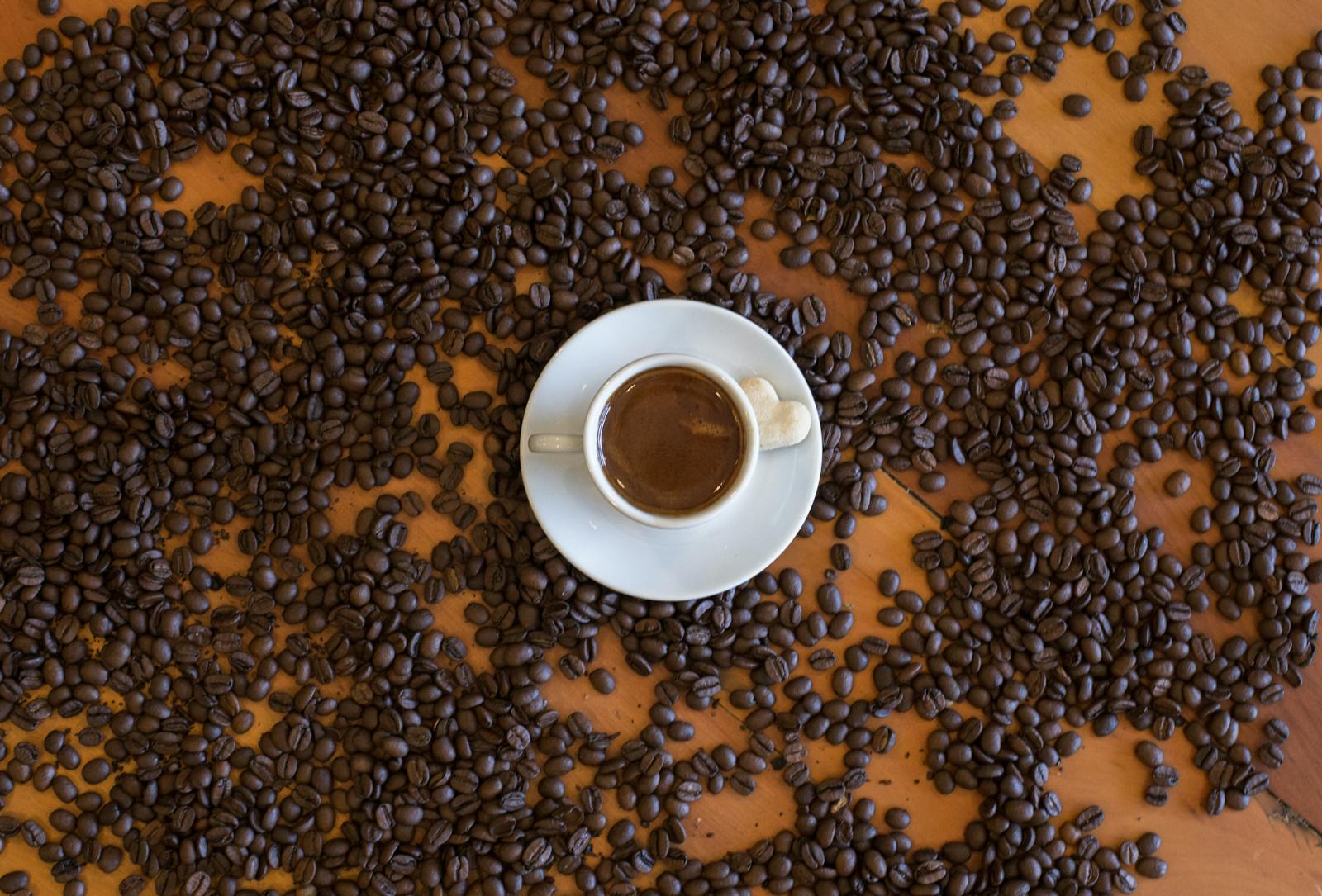
The biggest Excelsa disappointment is easy to avoid: buying it once, brewing it like your usual coffee, then deciding it’s “not for you.” Excelsa can be incredible—but it rewards a slightly gentler hand.
Think of Excelsa like a bright fruit + dark cocoa duet. Your job is keeping both voices balanced.
Buying tips that actually help
Because Excelsa isn’t widely available, excelsa coffee brands can vary a lot lot-to-lot—so treat the roaster’s notes as your best clue for what you’ll taste.
- Excelsa coffee beans: prioritize clear descriptors (cherry, cocoa, spice) over vague words like “bold.”
- Process callout: If it’s a blend, check whether it’s there for lift (brighter) or weight (deeper).
- Freshness: Treat it like specialty coffee—aim for a recent roast date.
- Plan B: If you can’t find a single-origin, try a blend where Excelsa is highlighted (it’s often more forgiving).
Brew tweaks for a smoother cup
Most of the “why does this taste off?” moments come from extraction. Perfect Daily Grind notes Excelsa can behave differently in roasting and solubility, which shows up when you brew it. roasting and cupping notes
- Go a touch coarser: If it’s sharp and sour, try slightly coarser + a longer bloom before you go finer.
- Lower agitation: Swirl less, stir less—too much turbulence can pull out the dry edge.
- Moderate temperature: If you brew near boiling, try 200°F (about 93°C) to soften the bite.
- Open the ratio: Moving from 1:16 to 1:17 can brighten fruit without turning harsh.
Starter recipe (one reliable first try)
- Dose: 20g coffee
- Water: 340g at 200°F
- Ratio: 1:17
- Grind: medium-coarse
- Time: 3:00–3:30 total
- Goal: juicy fruit + cocoa finish, not sharp or dry
Printable Excelsa Tasting Notes (save your “would I rebuy?” answer)
Tip: Click into the table and type your notes. Then hit Print for a clean one-page log.
| Brew setup | What I tasted |
|---|---|
|
Method (drip / pour-over / French press) Dose + ratio Grind + time Water temp |
Bright notes (fruit/citrus) Dark notes (cocoa/spice) Sweetness level Finish (clean/dry/smoky) |
| What I changed next time (if anything) | Final verdict: Would I rebuy? Why/why not? |
If Excelsa tastes “weird,” it’s usually not the bean—it’s the brew dial.
Excelsa Coffee FAQ
Is Excelsa its own species?
It depends on the reference. In everyday coffee talk, “Excelsa” is treated like its own type. In research and taxonomy discussions, it’s often grouped within the Liberica complex, and the classification is actively studied. If you’re shopping, focus on taste notes and roast style more than the exact Latin label.
Why is Excelsa so hard to find?
Availability is the biggest hurdle. Excelsa is produced at small scale compared to Arabica and Robusta, and it’s commonly used in blends rather than sold as a single-origin. That means fewer consistent lots, fewer importers carrying it, and fewer roasters building it into a year-round offering.
Is Excelsa more caffeinated than Arabica?
Not reliably. Caffeine can vary by species, roast, and brew method, and Excelsa isn’t standardized the way mainstream coffees are. If caffeine is your main goal, pick based on brew strength and serving size instead of chasing a specific “Excelsa number.”
What’s the best brew method for Excelsa?
Start with drip or pour-over so you can taste the contrast clearly, then adjust for balance. If it’s too sharp, reduce agitation and nudge the grind coarser. If it’s too dry and roasty, shorten contact time slightly and lower temperature. Once you find the sweet spot, Excelsa can become a surprisingly repeatable daily cup.
If you want the “Excelsa moment,” aim for juicy brightness first—then let the cocoa finish arrive.