Colombian coffee shows up everywhere—from grocery shelves to third-wave cafés—but the label can mean a few different things depending on the bag. In plain terms: if you’ve ever asked what is Colombian coffee, it’s coffee grown in Colombia (usually Arabica) that’s known for a balanced, easy-to-like cup.
What if “Colombian coffee” isn’t a flavor… but a promise? Most people treat it like a guaranteed taste—smooth, chocolatey, easy to drink. But the truth is more useful: Colombian coffee is a reliable starting point for finding your ideal cup, because the country produces a wide range that still stays approachable. Once you know what to look for on the bag, it gets easy.
We’ll keep the jargon to a minimum, but you’ll still walk away knowing exactly what terms like “washed,” “single origin,” and “100% Colombian” really do (and don’t) guarantee.
What Colombian coffee actually is
Colombian coffee is coffee grown in Colombia—usually Arabica—sold as an origin label, not a roast level.
In everyday use, “Colombian” is shorthand for origin. It’s like seeing “Idaho” on a potato: it hints at reputation and consistency, but it doesn’t tell you everything about the specific farm, harvest, or flavor. Most Colombian coffee is Arabica, and it’s often processed in a way that emphasizes clarity and balance.
Where does Colombian coffee come from? It comes from farms across Colombia’s mountainous growing areas—especially along the Andes—where elevation and microclimates shape sweetness, body, and how “bright” the cup feels.
When a bag says “100% Colombian”, it means the beans are all from Colombia—not that the coffee is automatically premium, light roast, or super fresh. Some brands also use the phrase as part of a certification-style identity, tied to Colombian growers and national branding, like the story behind grower-owned Juan Valdez.
Is Colombian coffee good? For most people, yes—because the typical profile lands in the “middle” of the flavor spectrum: sweet, smooth, and friendly to a lot of brewing methods. And since it’s widely available, it’s easy to find Colombian coffee at different quality levels (from grocery to specialty).
Origin
Grown in Colombia’s coffee regions (often mountainous), then exported worldwide.
Bean type
Commonly Arabica, which tends to taste smoother and more aromatic than Robusta.
Typical profile
Balanced cup with gentle brightness, sweetness, and “comfort” notes.
Most Colombian coffee beans you’ll see on shelves are Arabica, and they’re often chosen because they deliver a reliable “crowd-pleaser” cup even if you’re not dialing in like a barista.
If you want a quick baseline definition and what most shoppers expect from the label, this 2025 Colombian coffee overview matches the “why it’s popular” summary: approachable flavor, consistent quality, and tons of options across price points.
Quick buy heuristic: if a bag shows a roast date, a region, and a process, you’re usually in better territory than a generic “Colombian” label with no details.
What it tastes like (and why it’s so balanced)
Expect sweetness + medium body + gentle acidity—so the cup feels “rounded,” not sharp.
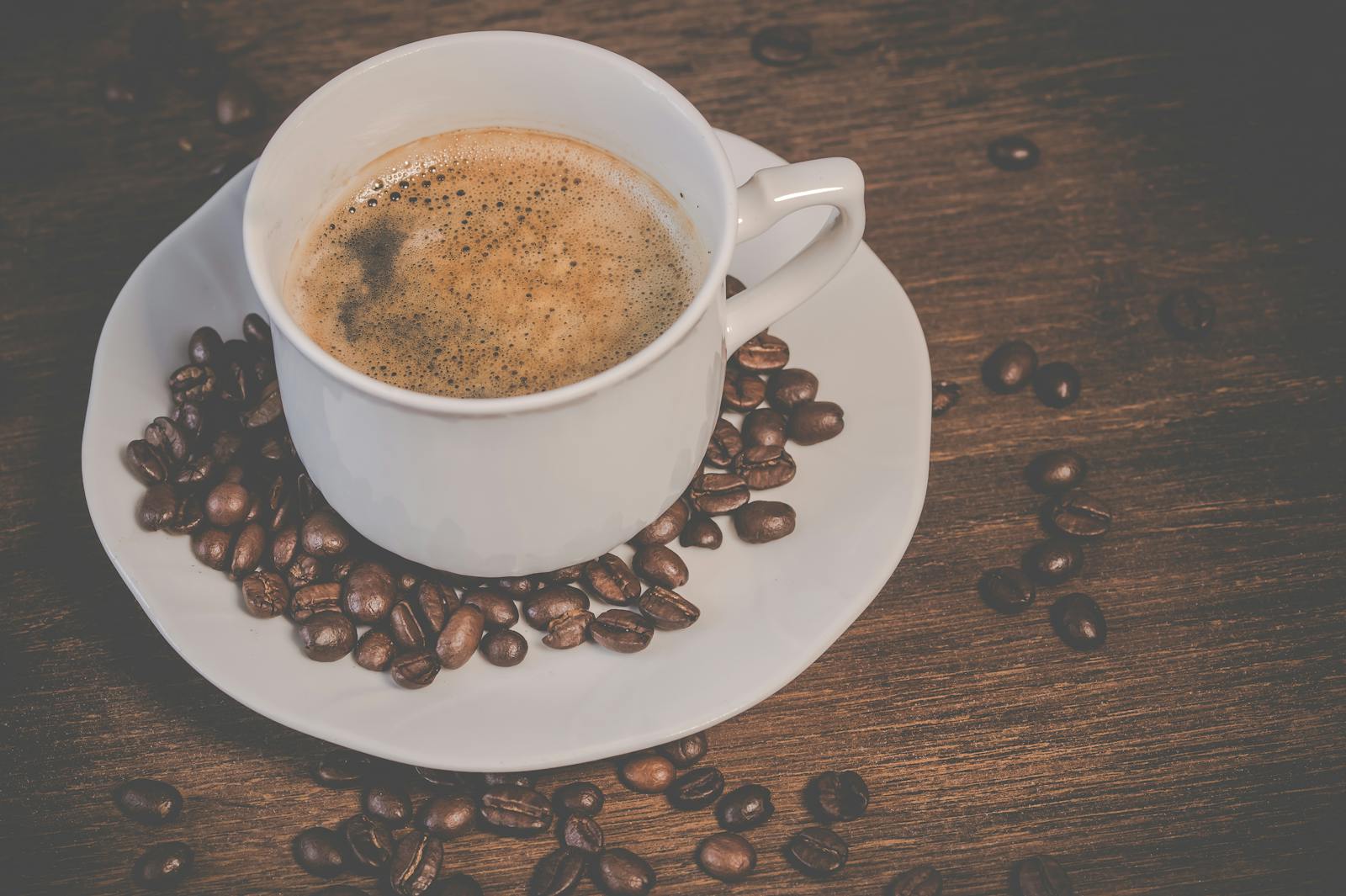
The classic Colombian coffee taste leans smooth and sweet: think cocoa, caramel, and a light pop of orange zest rather than big, funky fermentation notes. That’s why Colombian coffee is a go-to “safe bet” for households with mixed preferences—someone who drinks it black and someone who adds milk can both be happy with the same bag.
When people talk about Colombian coffee characteristics, they’re usually describing that sweet middle ground: enough brightness to feel lively, enough body to feel satisfying, and a clean finish that doesn’t get muddy.
- Sweetness: brown sugar, caramel, toffee
- Chocolate: cocoa powder, milk chocolate
- Fruit: red apple, orange, sometimes berry
- Body: smooth, medium, “round” mouthfeel
- Acidity: bright but typically not sour
- Finish: clean, lightly sweet, comforting
If your cup tastes thin or overly sour, it’s often not “the beans”—it’s grind size, water temp, or under-extraction. We’ll fix that in the brew section with a couple of tiny, repeatable adjustments.
Why Colombia can grow world-class coffee
Colombia’s superpower is consistency: mountain microclimates that produce lots of “clean, sweet” coffees.
Colombia sits along the Andes, which creates steep elevation changes and a huge range of microclimates. On one hillside you can get bright, citrusy coffees; a few miles away you might find rounder, chocolate-forward cups. That variety is a big reason Colombian coffee doesn’t feel one-note.
From a farming perspective, the Colombian coffee plant is typically Coffea arabica grown on slopes where careful picking matters. And because coffee production in Colombia often involves many smaller farms, quality tends to come from consistent, repeatable practices rather than a single “one-size-fits-all” approach.

When growing conditions are steady, good processing shows up in the cup as clarity—not confusion.
Another quiet factor: lots of Colombian coffee is picked in multiple passes (instead of stripping everything at once). That tends to keep under-ripe beans out of the mix—helping the cup taste sweeter and more “finished.” When people say Colombian coffee is “smooth,” they’re often tasting that careful sorting and clean processing.
Regions to know (a quick flavor map)
If you’re new to origin shopping, start with a region pick—then fine-tune roast and processing.
Colombia isn’t a single flavor. Regions can tilt the cup toward citrus-bright, chocolate-smooth, or floral and tea-like. Use this as a practical shortcut: match the region to the type of coffee you already like.
- Bright + crisp: try Nariño
- Classic balance: try Huila
- Chocolate + smooth: try Antioquia
- Cozy + spiced: try Sierra Nevada
| Region (starter picks) | Typical notes | Best brew match | Who it’s for |
|---|---|---|---|
| Huila | Caramel, citrus, cocoa | Pour-over, drip | “I want a classic, balanced cup.” |
| Nariño | Bright fruit, clean sweetness | Pour-over, AeroPress | “I like crisp, lively coffees.” |
| Antioquia | Chocolate, nuts, round body | French press, drip | “I want smooth and comforting.” |
| Tolima | Cocoa, panela-like sweetness, mild fruit | Drip, espresso | “I want balanced, not too bright.” |
| Sierra Nevada | Spice, cocoa, gentle fruit | French press, moka pot | “I want deeper, cozy flavors.” |
For a straightforward reference point on Colombia’s typical growing conditions and profile, see this overview of Colombian coffee basics. Once you’ve found a region you love, you can keep buying “Colombia” while still getting variety.
Processing and labels you’ll actually see on bags
Processing tells you how the fruit was removed—often predicting “clean” vs “funky” flavors.
If “region” is the big-picture map, processing is the fine print. It’s one of the fastest ways to predict how a coffee will taste before you brew it. The most common style for Colombian coffee is washed (clean, crisp, and balanced), but you’ll also see naturals and honey processes from producers experimenting with sweetness and fruit.
In other words, a lot of the “types of Colombian coffee” you’ll run into are really different processing styles and blends—same country, different vibe in the cup.
Here’s the no-stress translation guide (and why it matters):
- Clean + crisp: washed
- Fruitier + heavier: natural
- Sweet + balanced: honey
- Clear identity: single origin
- Steady consistency: blend
- Classic “Colombia” feel: medium roast
Advanced label glossary (optional nerdy stuff)
Excelso / Supremo: Often used as screen-size grading terms (bigger beans ≠ automatically better flavor).
Altitude: Higher elevation often means slower ripening and more sweetness/structure.
Variety names: Think of these like apple types—same fruit family, different traits.
If you want a deeper look at how Colombia’s processing and grading connect to flavor, this Colombian coffee guide lays out the moving parts in a way that’s surprisingly readable.
How to buy and brew Colombian coffee so it tastes “right”
The fastest win: buy freshly roasted, then grind a touch finer until the cup tastes sweet.
Most “bad Colombian coffee” experiences come from one of two things: stale beans or under-extraction. If the coffee tastes watery or oddly tart, don’t toss the bag yet—small tweaks usually bring out the chocolatey, balanced side Colombian coffee is known for.
Quick warning: “Sour” usually means under-extracted. Before blaming the coffee, try grinding a bit finer or brewing slightly longer. “Bitter and harsh” usually means you went too far—back off one step.
Buying checklist (quick and practical): choose a roast date you can find, stick to medium/medium-dark if you like classic flavors, and pick a region that matches your preference (bright vs smooth). If it’s pre-ground, aim for a grind that matches your brewer—too coarse is a common reason a cup tastes flat.
You’ll see these beans sold across all kinds of Colombian coffee brands—from specialty roasters to mass-market names. The best strategy is to judge the bag details (freshness + region + process) instead of assuming “Colombia” automatically means one exact taste.
If you’re searching for specifics like Nespresso Colombia caffeine content or Folgers Colombian coffee caffeine content, check the serving size and brew volume on the package. Caffeine can swing a lot based on how concentrated the drink is—even when the origin name stays the same.
| Method | Grind | Ratio | Time | Flavor outcome |
|---|---|---|---|---|
| Drip | Medium | 1:16 | 4–6 min | Balanced, everyday sweetness |
| Pour-over | Med-fine | 1:15 | 2:45–3:30 | More clarity, brighter finish |
| French press | Coarse | 1:14 | 4 min steep | Heavier body, chocolate notes pop |
| Espresso | Fine | 1:2 | 25–32 sec | Sweet crema, caramel-cocoa punch |
Micro-fix when it tastes “meh”: keep everything the same, then grind slightly finer on the next brew. If it becomes bitter or harsh, back off a step. That small dial-in is often the difference between “fine” and “wow.”
Printable tasting note tracker (edit-in-place)
Use this to compare bags, regions, and brews. Click a cell and type. Tip: use Tab to move cell to cell—then print if you want a paper copy.
Common myths (and quick fixes)
Most “myths” are really brewing or labeling misunderstandings—and they’re easy to fix.
Myth: Colombian coffee is “strong.”
Reality: Strength is mostly brew ratio and roast style.
Fix: Use a slightly tighter ratio (like 1:15 instead of 1:16) if you want a bolder cup.
Myth: Dark roast has more caffeine.
Reality: Caffeine changes less than people think; dose matters more.
Fix: If you want more caffeine, increase coffee amount—not darkness.
Myth: “100% Colombian” always means top quality.
Reality: It only confirms origin.
Fix: Prioritize roast date, region, and processing details for a better hit-rate.
Myth: If it tastes sour, it’s “bad beans.”
Reality: Sour often means under-extracted.
Fix: Grind finer or brew a bit longer until sweetness shows up.
Myth: The caffeine in Colombian coffee is higher than other coffees.
Reality: Caffeine in Colombian coffee depends more on dose and brew method than the country name.
Fix: For more caffeine, increase coffee amount or brew strength—not just roast darkness.
Myth: Colombian coffee is acidic in a harsh way.
Reality: Many cups are bright but smooth—so if you’re asking is Colombian coffee acidic, the answer is usually “gently.”
Fix: If it tastes sour, grind finer or extend brew time to pull more sweetness.
Quick comparisons (so you can choose faster)
- Colombian coffee vs Arabica: usually not a real “vs,” because Colombian coffee is often Arabica.
- Colombian coffee vs regular coffee: “regular” is often a blend; Colombia tastes more origin-forward and specific.
- Colombian vs Ethiopian coffee: Colombia leans cocoa/caramel balance; Ethiopia often leans floral/citrus aromatics.
- Easy rule: comfort + balance → Colombia; bright + floral → Ethiopia.
Bottom line: If you want a dependable coffee that can be both “easy” and “interesting,” Colombian is a great place to start. Choose a region that matches your taste, pick a process that fits your vibe, then dial your brew until the cup tastes sweet. After that, you’re not guessing—you’re building preferences on purpose.