“Types of coffee beans” usually means one of two things: the four main species (Arabica, Robusta, Liberica, and Excelsa), or the way a bag describes the coffee (like variety, roast level, or processing). This guide makes those labels predictable—so you can buy with intent instead of guessing.
Most of the coffee you’ll ever see comes from two plants—Arabica and Robusta—while the rarer names (Liberica and Excelsa) show up far less often. But “rare” doesn’t automatically mean “better,” and “Robusta” doesn’t automatically mean “bad.” This guide breaks down each bean type by taste, caffeine feel, and best uses—then gives you a quick framework to choose your next bag with confidence.
If you’re wondering how many types of coffee are there, the short answer is: four main bean types—but types of coffee drinks (espresso-based and brewed) can easily be dozens.
- Species: the plant (Arabica, Robusta, etc.)
- Variety: the sub-type (Bourbon, Caturra, Geisha…)
- Process: how it’s dried (washed, natural, honey)
- Roast: how dark it’s roasted (light–dark)
- Blend: multiple coffees combined for balance
- Use: espresso vs drip vs cold brew
Coffee bean “types” in plain English
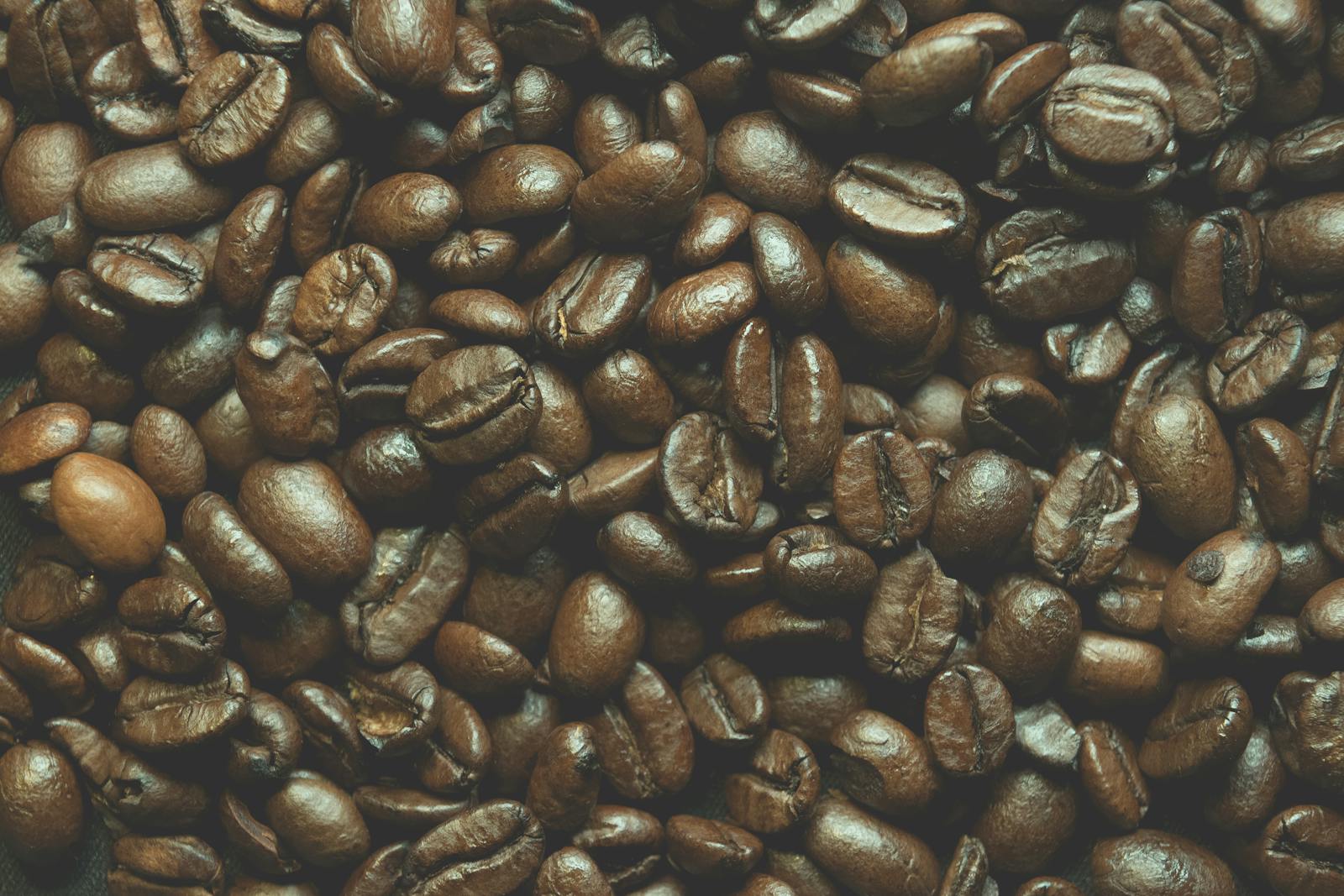
The fastest way to understand coffee bean types is to think in layers. Species is the “big bucket” (Arabica, Robusta, Liberica, Excelsa). Variety is the genetic sub-type inside a species. Then you’ve got process (how the fruit was dried) and roast (how much the bean was developed). Each layer nudges flavor in a different direction.
A quick “what is a coffee bean?” refresher: a coffee bean is the seed from inside a coffee cherry. Before roasting, they’re called green coffee beans (they look pale green and smell grassy). After roasting, you’ll see a range of coffee bean colors—from light tan to deep brown—depending on roast level and surface oils.
Species sets the baseline personality, while processing and roast control how loud that personality gets in your cup.
Quick reality check: the coffee world is dominated by Arabica and Robusta, with the other types showing up far less often in everyday buying. The National Coffee Association lays out the main coffee varieties here: NCA coffee varieties.
| Bean type (species) | What it tends to taste like | Where you’ll see it most | Best “starter” use |
|---|---|---|---|
| Arabica (Coffea arabica) | Sweeter, fruitier, more aromatic; lighter bitterness | Specialty coffee, single origins | Drip, pour-over, “black coffee” |
| Robusta (Coffea canephora) | Bolder, earthier; more bitterness; heavier body | Espresso blends, instant coffee | Milk drinks, strong iced coffee |
| Liberica (Coffea liberica) | Distinct, sometimes floral or smoky; “wild” aromatics | Harder to find; niche roasters | Pour-over for flavor exploration |
| Excelsa (often sold as “Excelsa”) | Tart fruit notes; layered sweetness; unusual finish | Limited availability; blends or special lots | Cupping flights, small-batch brews |
If you want the botanical version of that chart (without getting lost), the Specialty Coffee Association’s reference on types of coffee plants is a solid grounding point: SCA coffee plants guide.
Coffee drinks vs coffee bean types (fast clarity)
Espresso isn’t a type of bean—it’s a brewing method. That’s why “espresso beans” usually means a roast/blend designed for espresso (not a different species). In other words: are espresso beans different? Not genetically—just usually roasted and blended for a specific result.
- Espresso drinks: espresso, latte coffee, cappuccino, Americanos.
- Cappuccino vs coffee: cappuccino is espresso + milk foam; “coffee” is often brewed/filter coffee.
- Hot and cold coffee: hot drip, iced coffee, cold brew—same beans, different brewing styles.
Arabica: the crowd favorite (and why it tastes “sweet”)

Arabica is the “default” for many coffee lovers because it’s aromatic and tends to lean sweet. Think stone fruit, citrus, cocoa, honey, and florals—especially in lighter roasts. This is also the most common foundation for specialty coffee menus.
If you like coffee that’s fragrant and interesting black, Arabica is usually the safest first pick.
Flavor + mouthfeel you can expect
Arabica can be delicate or intensely fruity, depending on where it was grown and how it was processed. A washed Ethiopian might read like tea + lemon, while a natural Colombian can swing into berry + chocolate. If a coffee gets more interesting as it cools, that’s often an Arabica trait.
Where it grows (and why it costs more)
Arabica is pickier about where it thrives, and it’s often handled with more sorting and care. That extra attention (plus how specialty markets price quality) is part of why 100% Arabica bags typically cost more than vague, unlabeled blends.
Best match: brew methods + roast styles
- Drip coffee: Medium roasts highlight sweetness without losing clarity.
- Pour-over: Light roasts show the most origin character (fruit/floral).
- Cold brew: Medium-dark Arabica turns smooth and dessert-like.
- Espresso: Medium roasts are forgiving and still taste lively.
- French press: Medium to medium-dark adds body and comfort.
- Milk drinks: Arabica-forward espresso blends suit lattes and cappuccinos.
For a fresh, practical take on how Arabica typically differs from Robusta in taste and use, Food & Wine summarizes the key contrasts well: Arabica vs Robusta differences.
Robusta: bolder, punchier, built for crema
Robusta has a reputation because plenty of people have only tasted it in low-quality blends. When it’s solid and roasted well, it’s intensely chocolatey, nutty, and heavy-bodied—with a stronger caffeine hit than most Arabicas.
If you want a “strong coffee” feel (and a thicker espresso crema), Robusta can be exactly the right tool.
Taste profile and caffeine feel
Robusta tends to taste deeper and more bitter than Arabica, with less bright acidity. The texture often feels thicker, which is why it can work well in iced drinks and milk-heavy coffees.
Caffeine note: People sometimes say “types of caffeine,” but it’s usually about dose: regular, half-caf, or decaf. If caffeine makes you jittery, start with a smaller serving, drink it with food, or choose an Arabica-forward blend.
Where it shows up (espresso, instant, blends)
Robusta shows up a lot in espresso blend coffee beans because it’s reliable at producing crema and body. It’s also common in instant coffee types because the bold flavor holds up through processing. If you like punchy, sweet espresso-style drinks (including some Cuban coffee types like cafecito-style profiles), a body-forward blend can feel closer to that experience.
How to buy “better Robusta”
- Fresh roast date: Prefer clear roast dates over vague “best by.”
- Clean flavor notes: Cocoa, nut, caramel, spice are good signs.
- Blend ratio: If you’re unsure, start with 10–30% Robusta.
- Espresso intent: “Espresso blend” often means it brews smoothly under pressure.
- Milk pairing: Robusta can taste rounder with dairy.
- Grind consistency: A stable grind helps reduce harshness.
Robusta isn’t “bad coffee.” It’s a different coffee job: body, punch, and crema—especially for espresso and milk drinks.
Liberica and Excelsa: the rare, fascinating outliers
Liberica and Excelsa are the names that make curious people pause. They’re rarer in the U.S. market, and when you do find them, they often taste unexpected—not just “more intense Arabica.” Think bold aromatics, unusual fruit tones, and finishes that can linger in a tea-like way (or, depending on the roast, pleasantly smoky).
Chase these if you like discovery coffees—skip them if you’re still dialing in your daily go-to.
What to expect in the cup (big, distinct flavors)
Liberica can be polarizing in the best way: some cups read as floral + woody + ripe fruit, others lean dark chocolate + spice with a bold aroma. Excelsa is often described with tangier fruit notes that can brighten a blend.
Availability and why they’re uncommon
Part of the rarity is simple supply: fewer farms grow these coffees, fewer roasters source them, and fewer shops keep them on shelf. You’ll most often see them as limited releases or small experimental lots.
Why these beans are in the climate conversation
There’s growing interest in whether a more diverse coffee “toolbox” could help farming adapt over time. Daily Coffee News summarizes research discussion around Liberica and Excelsa here: 2025 Liberica/Excelsa study.
Advanced note (worth knowing, not worth stressing about)
In everyday shopping, “Excelsa” might be treated as its own type, or discussed in relation to Liberica depending on how a seller is labeling or sourcing it. If you love the flavor, you’re doing it right.
“Types” beyond species: varieties, processing, and roast
Here’s the part that saves you money: a bag can say “100% Arabica” and still taste totally different from another “100% Arabica.” That’s because coffee bean varieties, processing, and coffee roast types decide the flavor direction once the species sets the baseline.
If two coffees are both Arabica, your biggest flavor clues are usually process + roast—then origin and variety.
Variety/cultivar (the sub-type inside Arabica)
Varieties are like grape types in wine—still coffee, but genetically different. You’ll see names like Bourbon, Typica, Caturra, or Geisha. You don’t need to memorize them; treat variety as a bonus clue that explains why one coffee tastes super floral while another leans caramel-and-nutty.
Processing method (washed vs natural vs honey)
- Washed: Cleaner, brighter, more “sparkly” acidity.
- Natural: Fruitier, heavier, sometimes jammy or wine-like.
- Honey: In-between; sweet with rounded texture.
- Clue on the bag: “Natural” often means louder fruit notes.
- Espresso note: Washed coffees can taste sharper under pressure.
- Cold brew note: Naturals can taste like chocolate-covered fruit.
Roast level (light/medium/dark—what changes, what doesn’t)
Roast doesn’t change the species—but it changes what you notice. Light roasts highlight origin character (fruit/floral). Medium roasts balance sweetness and clarity. Dark roasts push smoky, bittersweet notes forward and can flatten subtle fruit.
| If the bag says… | It usually means… | Try it if you like… |
|---|---|---|
| Single origin | One region/farm/co-op focus; clearer origin character | Distinct flavors, “wow” cups |
| Espresso blend | Built for pressure; often sweeter and more forgiving | Lattes, cappuccinos, reliable shots |
| Natural process | Fruit-dried; often heavier and more aromatic | Berry notes, rich sweetness |
| Dark roast | Roast-driven flavor: bittersweet, smoky, bold | Classic, low-acid comfort |
Pick your next bag: a simple bean-matching framework
Whether you’re comparing types of coffee for daily sipping or hunting the best type of coffee for your setup, the goal is the same: match the bean to how you actually drink it. The “best” is the one that fits your taste, your brew method, and your caffeine comfort.
Choose the bean type first, then fine-tune with roast and processing after you’ve found your baseline.
If you like it bright and fruity…
Start with Arabica, then look for “washed” (crisp, clean) or a carefully done “natural” (fruit-forward). Brew it as pour-over or drip. If it tastes too sharp, move from light roast to medium.
If you like it deep and chocolatey…
Go medium to medium-dark Arabica for rich sweetness, or try a blend with some Robusta for extra body—especially for iced coffee and milk drinks. For cold brew, medium-dark profiles often taste like cocoa and caramel.
Printable decision matrix: Check what matters most to you, then see the “best match” column. Mobile tip: if the table feels tight, swipe sideways to view the full row. (Print tip: use Ctrl+P / Cmd+P and choose “Save as PDF.”)
| What you want | Your pick | Best match to try next |
|---|---|---|
| Sweet, aromatic, nuanced | Arabica (washed or balanced medium roast) | |
| Bold, heavy body, “strong coffee” feel | Robusta blend (10–30% to start) | |
| Milk drinks most days | Medium espresso blend (Arabica-forward) | |
| Adventure flavors (unusual, memorable) | Liberica/Excelsa (small-batch, brewed gently) | |
| Low bitterness, clean finish | Washed Arabica (light-to-medium roast) |
Quick tie-breaker: If you’re stuck between two choices, match your brew method first. Espresso and milk drinks reward body and sweetness; pour-over rewards aroma and clarity.
Buying and storing beans so they taste like you paid for them
Even the perfect bean type can taste flat if it’s old or stored poorly. You don’t need a lab setup—just a couple habits that protect aroma and keep bitterness from taking over.
Freshness and grind consistency usually matter more than chasing the “rarest” bean type.
Freshness signals on the bag
Look for a clear roast date (not just “best by”). Whole coffee beans typically taste best within a few weeks of roasting, depending on storage. If it smells faint or papery when you open the bag, it’s already fading.
Storage rules that actually help
| Do this | Avoid this |
|---|---|
| Keep beans airtight in a cool, dark cabinet | Leaving the bag open “for convenience” |
| Buy smaller amounts more often | Stockpiling a giant bag you can’t finish |
| Grind right before brewing when possible | Pre-grinding a week’s worth (aroma loss is fast) |
| Use consistent water temp (near off-boil for most brews) | Wild temp swings that create sour-then-bitter cups |
Where to buy coffee beans: local roasters and coffee shops usually have the freshest bags; grocery stores are convenient; and online roasters offer the widest selection. In the U.S., you’ll also see familiar brands like Starbucks coffee beans, Lavazza coffee types, and Folgers coffee types—great for consistency if you’re still finding your preferences.
If you’re choosing the best coffee beans for your taste, look for specific origin/process notes and a clear roast date. Organic coffee can be a plus, and you may see coffee quality grades or score language—use it as a hint, but trust your palate and brew results most.
One last buying gotcha: if you see “coffee bean seeds for sale,” roasted beans won’t sprout—you’d need viable unroasted seed or a seedling. And if you want instant convenience, Nescafe is a common option—but it’s not whole bean coffee; it’s ready-to-mix.
Instant coffee + grind types (quick guide)
Instant coffee types: freeze-dried is often more aromatic; spray-dried is typically cheaper and milder. At a high level, how to make instant coffee powder works like this: brew coffee, concentrate it, then dry it into granules.
Coffee grind types: coarse (French press), medium (drip), fine (espresso). Matching grind to brew method reduces sour, bitter, or watery cups.
Once you’ve dialed in buying and storage, the difference between coffee types becomes simple: Arabica for nuance, Robusta for punch, and Liberica/Excelsa for memorable, off-the-beaten-path flavors.