Robusta coffee benefits tend to show up the moment you stop expecting it to taste like arabica.
What if the “worst” coffee bean is only “worst” because we keep brewing it like arabica? Robusta gets labeled harsh, bitter, and low-quality—yet it’s the reason many espressos have that thick crema, and it’s the backbone of coffee cultures that prefer strength over floral notes. If you want upsides you can actually feel (and a price that doesn’t sting), robusta might be the underrated upgrade.
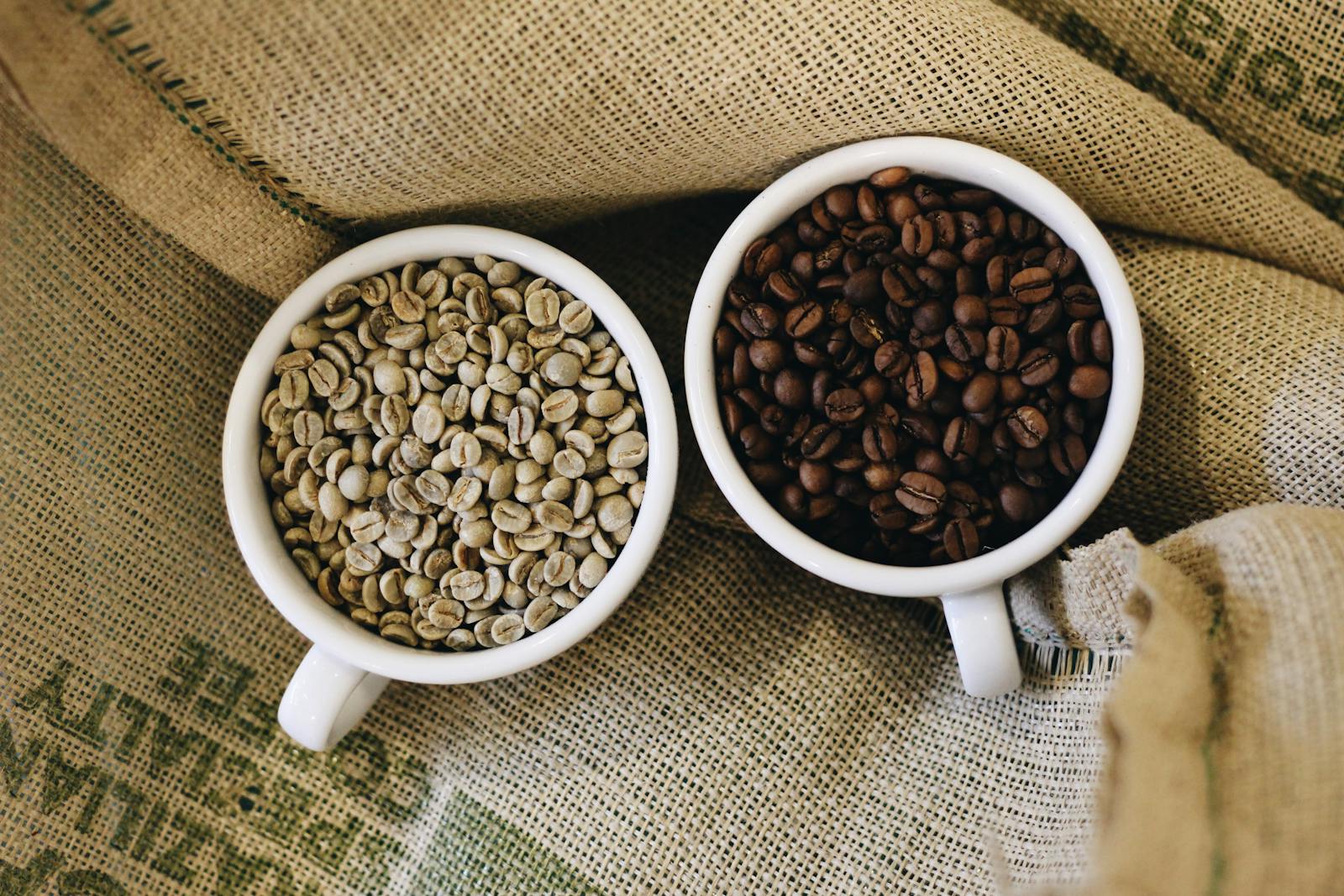
- Kick: More punch per sip, so you may need less volume.
- Body: Bold texture that holds up in milk and ice.
- Crema: A common reason espresso blends include robusta.
- Antioxidants: Rich in coffee polyphenols—context matters.
- Value: Often more affordable (and improving fast in “fine robusta”).
- Resilience: A hardier crop can support steadier supply.
What Makes Robusta “Different” (and why that matters)
Robusta isn’t “bad arabica.” It’s a different coffee species (Coffea canephora), and its chemistry pushes the cup toward more bitterness, heavier body, and higher perceived strength. Quick clarity: robust coffee meaning usually refers to a bold, full-bodied flavor profile—while robusta is the actual species name. Different species, different strengths is the simplest way to frame it—then you can choose it for the right jobs instead of forcing it into the wrong ones.
Robusta vs arabica in 60 seconds
If you’ve ever wondered why one coffee tastes floral and another tastes like straight-up cocoa and earth, this is usually the root of it: arabica tends to be sweeter and more aromatic, while robusta leans bold and intense—and it commonly carries significantly more caffeine. Many mainstream comparisons describe robusta as often higher, sometimes roughly double compared with arabica, which helps explain why it feels so direct and why it shows up in so many “strong coffee” styles (robusta vs arabica facts 2025).
Caffeine + compounds that shape the cup
That extra caffeine doesn’t just change how you feel—it changes how the cup behaves. More caffeine and different polyphenol levels can translate into a firmer, more bitter edge, but also a coffee that punches through milk, sugar, and ice without getting washed out. That’s why robusta is “at home” in espresso blends, Vietnamese-style coffee, and cold brew concentrates, where structure matters as much as aroma.
| Trait | Robusta | Arabica |
|---|---|---|
| Caffeine feel | Stronger “lift,” easier to overdo | Smoother for many people |
| Flavor lane | Earthy, nutty, dark chocolate | Fruity, floral, caramel |
| Best uses | Espresso blends, iced coffee, strong brews | Pour-over, lighter roasts, single-origin clarity |
| Typical perception | “Strong / bitter / bold” | “Sweet / complex / aromatic” |
Benefit #1 — More Kick per Sip (Energy, Focus, Less Coffee Needed)
The clearest robusta upside is efficiency. If your goal is alertness—early shifts, long drives, deadline days—robusta can get you to “awake and steady” with fewer ounces than a gentler cup. More kick per sip means you’re not chasing energy by mindlessly refilling your mug all morning.
When robusta helps (and when it doesn’t)
Robusta shines when you want your coffee to stay present in the background—clean energy, not a tasting flight. It’s a strong match for iced coffee, latte-style drinks, and any brew where you’re adding milk or sweetener. It’s less ideal when you’re already anxious, sensitive to stimulants, or trying to cut caffeine without cutting the ritual (in those cases, an arabica decaf or half-caff often behaves better).
The “less coffee, same lift” trick
Instead of brewing a bigger cup, try brewing a smaller one on purpose: use a normal-strength recipe, but reduce the serving size—or use robusta as a partial blend. In practice, this looks like a 50/50 blend for drip, or a small robusta addition for espresso drinks where you want the energy and body without turning the flavor into a blunt instrument.
More punch with fewer ounces—so your coffee can be a tool, not a habit.
Caffeine guardrail: For many healthy adults, an often-cited upper limit is 400 mg/day from all sources—coffee, energy drinks, tea, and supplements combined (FDA caffeine limit 2024). If you’re asking how much caffeine is in Starbucks coffee, the short answer is: it depends heavily on the drink and size—so the most reliable move is to check Starbucks’ nutrition for your exact order, then use that number in the Quick-Check below.
Daily Caffeine Quick-Check
Use this to sanity-check a “strong coffee” day. It’s an estimate—labels and café sizes vary.
Benefit #2 — Antioxidant Density (What’s Real vs What’s Marketing)
Robusta can be a solid “polyphenol coffee,” but the advantage is best understood as “supportive nutrients,” not a cure-all. Coffee’s antioxidants (including chlorogenic acids) show up across coffee types, and robusta often tests higher in certain compounds—yet the real-world impact depends on your overall diet, dose, and how the coffee is roasted and brewed. You’ll also see labels like robust wellness coffee on “functional” products; treat that as a separate category (added ingredients and marketing claims) rather than assuming “wellness” comes from the bean alone. Antioxidant density, not miracles is the mindset that keeps this benefit useful.
Chlorogenic acids, in human words
Chlorogenic acids are naturally occurring compounds in coffee that contribute to its antioxidant capacity and can influence flavor (they’re part of what reads as “bright” or “sharp” in some brews). Studies that compare coffee species often discuss robusta/arabica differences in these compounds, but the practical takeaway is simpler: if you like robusta, you’re still getting coffee’s antioxidant “package,” and you don’t need to chase obscure numbers to make it count (2019 robusta coffee study).
Roast level + brew method: what changes (and what doesn’t)
Myth framing
- “Dark roast has no antioxidants.” Roasting changes compounds, but it doesn’t turn coffee into “nothing.”
- “More bitterness = more benefits.” Bitterness can come from roast and extraction, not “health.”
- “One cup fixes inflammation.” Coffee can support habits; it’s not a medical treatment.
Better framing
- Roast choice: Pick the roast you’ll drink consistently (that’s the “benefit multiplier”).
- Brew control: Avoid over-extraction so flavor stays clean and drinkable.
- Habit fit: Pair coffee with food and hydration if your stomach is sensitive.
Benefit #3 — Big Body and Crema (Why Blends Use Robusta)
If you drink espresso drinks, robusta’s “benefit” is performance. It can add thickness, bitterness that reads like dark chocolate, and that foamy crema look people associate with espresso. Crema and body are the practical reasons it shows up in blends—even when the café doesn’t advertise it.
What crema signals (and what it doesn’t)
Crema is satisfying, but it’s not a purity test. It’s influenced by freshness, grind, pressure, and bean composition; more crema doesn’t automatically mean “better coffee,” and less crema doesn’t mean “weak.” The real win is mouthfeel: robusta can make an espresso drink feel fuller—especially in lattes and iced drinks where arabica aromatics can get muted.

Blend strategies that keep flavor clean
If you’re blending at home, start small. A little robusta can lift body and intensity without drowning everything in bitterness. For espresso drinks, many people like a 10–30% robusta starting range; for drip or cold brew concentrate, a 50/50 blend can work when you’re adding milk or sweetener. The best part is control: you get the strength and structure while choosing how much of the robusta edge you actually want.
Micro-adjustment that helps: If a robusta blend tastes harsh, don’t immediately blame the bean—first grind a touch coarser or shorten contact time. A cleaner extraction can turn “bitter” into pleasantly cocoa-like fast.
Benefit #4 — Resilient Crop, Often Better Value
Robusta’s advantages aren’t only personal—they’re agricultural. It’s generally a hardier plant, and that resilience can make supply steadier and pricing more accessible. Resilience can support value without turning into a “save the planet” slogan—especially when you buy from roasters who publish sourcing and processing details.
Hardier plants and what that means in your cup
One reason robusta holds its own in the real world is that higher caffeine in the plant can act as a natural defense, and robusta is often discussed as a more resilient crop in challenging growing conditions. That doesn’t automatically make every robusta “sustainable,” but it helps explain why robusta is central to big coffee cultures and to value-forward coffee products (robusta sustainability benefits).
Good fit
- Milk drinks: Lattes, iced coffee, condensed milk styles.
- Budget coffee: When you want strength without “specialty” pricing.
- Busy mornings: You want one cup that actually does the job.
Not a fit
- Light-roast lovers: You chase floral clarity and acidity.
- Caffeine-sensitive: You get jitters or sleep disruption easily.
- Empty-stomach drinkers: You’re prone to stomach upset.
How to Get Robusta’s Upside Without the Downsides
Robusta works best with a three-part plan: quality, timing, and extraction. Timing beats willpower—if you drink a high-caffeine coffee late, you’ll feel it whether you want to or not. Set the rules first, then enjoy the strength.
Buying cues for better-tasting robusta
“Robusta” doesn’t have to mean low quality. If you want the upsides without the rough edges, look for roasters who tell you where it’s grown, how it’s processed (washed, natural, honey), and when it was roasted. You may also see origin-forward labels like vietnam robusta hd03 on some listings—treat codes like that as a product or lot identifier and don’t hesitate to ask the roaster what it indicates. In general, fresher coffee with clearer sourcing tends to taste cleaner—even when the style is intentionally bold.
Jitters, reflux, and sleep: practical guardrails
If robusta makes you jittery, don’t jump straight to “I can’t handle coffee.” Try one adjustment at a time: reduce serving size, blend with arabica, drink it with food, or move it earlier. If sleep is the issue, create a hard cutoff time that gives you plenty of runway before bed and switch to decaf or herbal tea after. If your stomach is sensitive, avoid over-extraction (too fine / too long) and consider cold brew, which can taste smoother for some people.
Advanced notes (for caffeine-sensitive drinkers)
Start with a “training wheels” blend: 25% robusta + 75% arabica for a week, then adjust. Watch the pattern: if you feel great but sleep slips, it’s usually timing; if you feel shaky quickly, it’s usually dose. Remember other sources: pre-workout, soda, and chocolate add up—your coffee might not be the only culprit.
If you have medical considerations (pregnancy, arrhythmias, anxiety disorders, GERD, stimulant meds), the “best” robusta plan is the one your clinician agrees is safe for you. The goal is steady energy, not white-knuckling through side effects.