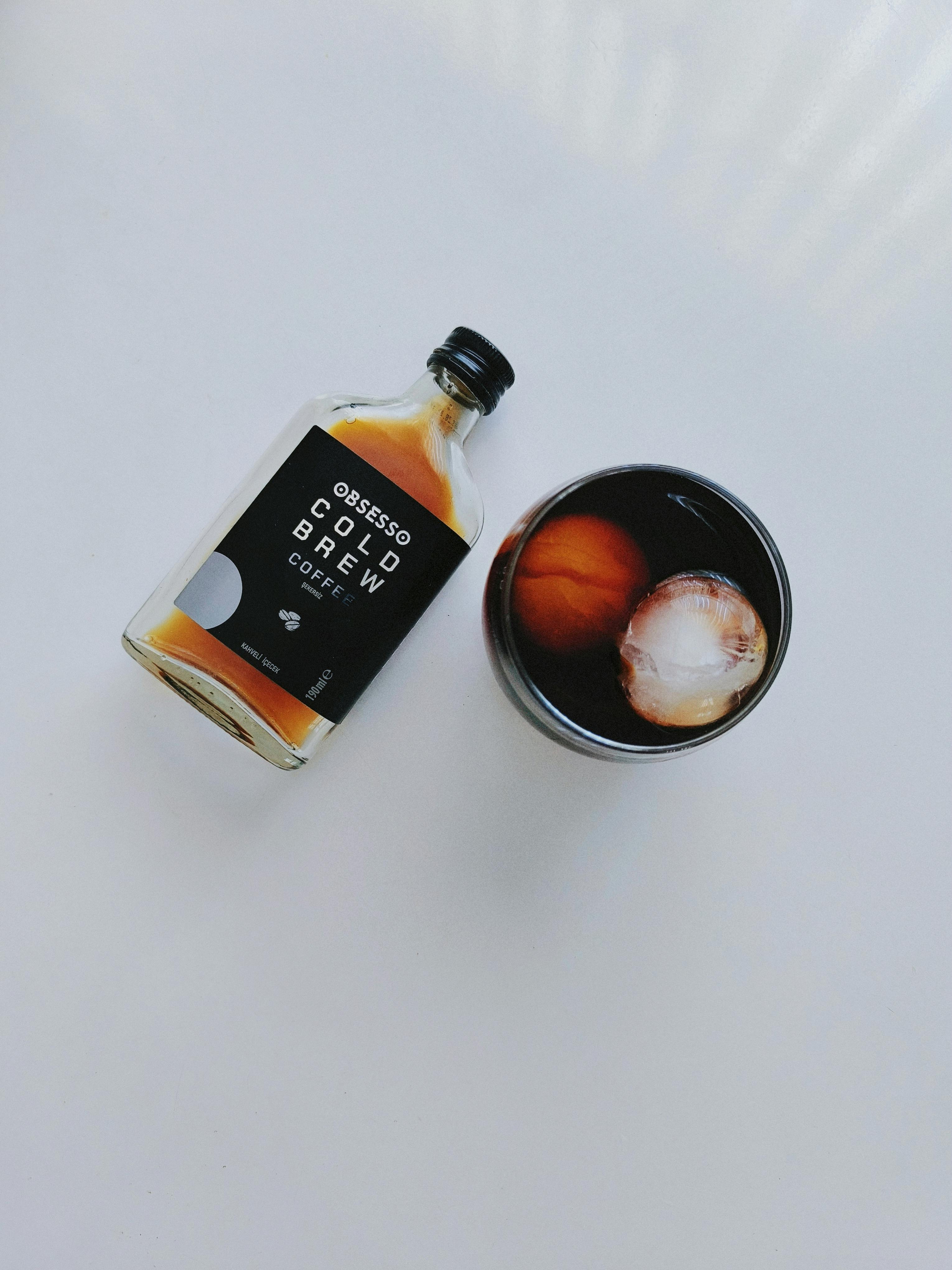
How to Make Cold Brew Coffee
Smooth, low-effort iced coffee you can batch once and sip all week.
Cold brew is the “set it and forget it” of coffee: combine coarse grounds with cool water, steep 12–18 hours, then strain. Because it’s brewed without heat, it tastes smoother and less bitter—and the concentrate keeps in your fridge for quick iced coffees all week. A basic 1:8 coffee-to-water ratio is a reliable starting point; go stronger (1:5) for café-style concentrate you can dilute.
If you want a one-line starter recipe: coarse grind + 1:8 ratio + 14–18 hours + double-strain. Once you lock that in, you can tweak strength like a dial instead of reinventing your batch every time.
TL;DR (the quickest path to a great batch)
- Grind — coarse, like raw sugar (avoid fine grounds).
- Ratio — start at 1:8 for ready-to-drink; use 1:5 for concentrate.
- Steep — 12–18 hours at room temp or in the fridge.
- Strain — sieve first, then paper filter for extra smoothness.
- Serve — over ice; dilute concentrate about 1:1 to taste.
Understand cold brew basics (and why it tastes smoother)
Cold brew is an immersion brew: coffee grounds sit in cool water for hours, then you filter out the solids. That slow, cool extraction tends to emphasize chocolatey, nutty, and caramel notes while dialing back sharp bitterness. It’s not “stronger coffee” by default—cold brew can be gentle or punchy depending on your ratio and how you dilute it.
So, what is cold brew coffee exactly? It’s cold-brewed coffee (sometimes typed as coldbrew) made by soaking grounds in cold water and straining. And no—cold brew isn’t just cold coffee; it’s brewed without heat, which changes what gets extracted and how it tastes. You’ll also hear it called “cold brewed” coffee or even “cold press coffee,” but most people mean the same smooth, slow-steeped drink.
This guide focuses on the easiest method—immersion—rather than cold drip (slow drip cold brew), where water drips through grounds over time using a tower-style setup.
Flavor shortcut: If your hot coffee tastes bitter when iced, cold brew is usually the easiest fix.
For a simple definition and how it differs from iced coffee, see cold brew brewing method.
Set your ratio and grind size (the two knobs that change everything)
Nail the grind and ratio, and the rest is easy. A coarse grind keeps your cold brew clean and less cloudy. The ratio decides whether you’re making something ready to drink immediately (lighter) or a concentrate you’ll dilute (stronger).
Important: ratios are most consistent by weight (grams), because “a cup of grounds” can vary a lot depending on the coffee and grind. If you don’t have a scale yet, don’t stress—use the same scoop every time and focus on repeatability.
And yes, you can make cold brew coffee with ground coffee—just aim for coarse ground coffee for cold brew. Very fine grounds (or “dust” from a grinder) are the usual reason a batch turns cloudy or gritty.
| Goal | Coffee : Water (by weight) | What it’s like | Best for |
|---|---|---|---|
| Ready-to-drink | 1 : 8 | Smooth, balanced, easy over ice | Everyday iced coffee |
| Concentrate | 1 : 5 | Bold and intense, meant to dilute | Lattes, batch prep, “café strength” |
| Extra-light | 1 : 10 | Gentle, tea-like coffee | High-caffeine sensitivity |
Those ranges line up with common café guidance for ideal cold brew ratios.
Bean shortcut: For the best coffee for cold brew, start with a medium or medium-dark roast you already enjoy. Lighter roasts can be great too, but they may taste sharper unless you steep a bit longer or use a slightly stronger ratio.
Quick ratio + dilution calculator
Scale a batch in seconds. (Cup/fl oz numbers are approximations.)
Gather your equipment (and keep it low-fuss)
You can make cold brew with basic kitchen gear. The “best” setup is the one you’ll actually use on a sleepy Tuesday night—because cold brew is all about repeatability.
Must-haves
- Container — a quart jar (mason jar), pitcher, or any lidded bowl.
- Filter — fine-mesh sieve, cheesecloth, or paper coffee filters.
- Stir tool — spoon or chopstick to wet the grounds evenly.
- Clean jar — coffee oils go rancid; start fresh each batch.
Nice-to-haves
- Burr grinder — more even extraction and fewer dusty fines.
- Kitchen scale — fast ratio math and consistent results.
- Cold brew maker — a Toddy-style brewer or Hario pitcher makes filtering easier.
- Funnel — cleaner transfer into bottles.
Make the batch (a no-fail jar method)
This method works for any batch size—just scale the ratio. I’ll describe a simple “100 grams coffee” batch because it’s easy to remember and fits nicely in a jar or pitcher. It’s also the classic mason jar cold brew approach: simple, cheap, and repeatable.
Quick example: If you want a smaller batch, try 50 g coffee at a 1:8 ratio (that’s 400 g water). Want concentrate? Use the same 50 g coffee with a 1:5 ratio (that’s 250 g water), then dilute per glass.
1) Measure and combine
Add your coarse coffee grounds to a jar. Pour in cool (not hot) water, then stir until every ground looks wet—no dry pockets clinging to the sides. If you see little “islands” of grounds floating, give it another gentle stir 30 seconds later.
2) Steep (and do a taste checkpoint)
Cover and steep for 12–18 hours. Shorter steeps lean brighter and lighter; longer steeps lean deeper and rounder. Many home-tested recipes recommend this range for cold brew steep times.
Taste checkpoint: At the 12-hour mark, dip a spoon in and taste a sip. If it’s already smooth and flavorful, strain now. If it tastes thin, give it a few more hours. You’re looking for “rich but not harsh.”
3) First strain
Pour the mixture through a fine-mesh sieve into a bowl or large measuring cup to catch the big grounds. This step prevents your paper filter from clogging instantly—especially if your grind had a bit of “dust.”
Strain it clean (without losing half your batch)
A double-strain gives you café-smooth texture. The first pass removes most grounds; the second pass removes the tiny fines that settle into that gritty layer at the bottom of your glass.

Second strain options (pick what you have):
- Paper filter — cleanest flavor; takes a few extra minutes.
- Cheesecloth — faster; slightly more body.
- Nut milk bag — reusable and tidy for big batches.
Tip: If your filter slows to a drip, don’t mash the grounds. Just let gravity work, or swap to a fresh filter—pressing forces bitterness and sediment through.
Serve it right (iced, latte-style, or straight)
How you serve cold brew is half the fun. Keep it simple over ice, or build a café drink in 20 seconds. The only real rule: taste as you go and adjust once, then repeat that combo next time.
Cold brew isn’t espresso, but if you want extra punch, add an espresso shot to a glass of cold brew (or to your latte-style version). Some menus call this “cold brew espresso,” but it’s usually just a strong cold brew plus espresso.
Ready-to-drink batch
- Ice first — fill the glass halfway so it stays cold.
- Cold brew — pour, then swirl once.
- Adjust — add 1–2 oz water if it’s too intense.
Concentrate (most popular)
- Base — start at equal parts concentrate + water.
- Latte — swap water for milk or oat milk.
- Sweeten — simple syrup dissolves instantly in cold drinks.
You can also drink cold brew warm: heat water or milk first, then add cold brew concentrate so it stays smooth and doesn’t taste “cooked.”
If you like having a “default” dilution that’s easy to remember, this dilution quick guide is a helpful reference point.
Store it safely (and keep it tasting fresh)
Cold brew keeps well in the fridge, but it’s not immortal. Flavor is best in the first week, then it slowly flattens out. If you made concentrate, you’ll usually notice it stays “snappy” a little longer than a ready-to-drink batch.
Safety check: If you see fuzz, smell anything “off,” or notice a weird fizzy taste, toss it. Also, keep your brewing container clean—old oils and residue can make even a fresh batch taste stale.
Easy habit: label your bottle with a piece of tape and a date (yes, even if you think you’ll remember). Your future self will appreciate it when there are three mystery jars in the fridge.
For cold brew to-go, portion it into a small bottle and keep it cold with an ice pack—then pour over fresh ice when you’re ready.
Fix common problems (so you don’t waste the batch)
Most cold brew issues have a simple cause. Use this as a quick diagnosis chart the next time your batch is “almost there” but not quite.
| Problem | Likely cause | Fast fix |
|---|---|---|
| Too bitter | Grind too fine or steeped too long | Go coarser; steep 12–16 hours next time |
| Too strong | Made concentrate but didn’t dilute enough | Add water or milk; try 1:1 dilution and adjust |
| Weak / watery | Too little coffee or steeped too short | Use 1:8 (or 1:5) and steep closer to 18 hours |
| Cloudy / gritty | Fines got through the filter | Double-strain with paper filter; avoid pressing |
| Sour / sharp | Under-extracted or very light roast | Steep longer; try a medium roast blend |
| Stale flavor | Old coffee or dirty container | Use fresher beans; wash jar with hot soapy water |
Level it up (without making it complicated)
Cold brew is a blank canvas. Once you’re happy with your base, these upgrades make it feel like a treat without turning it into a project.
- Vanilla syrup — warm 1 cup sugar + 1 cup water, cool, add 1 tsp vanilla.
- Cinnamon-mocha — stir 1 tsp cocoa + 1 tsp sugar into 1 tbsp hot water, then add cold brew.
- Citrus twist — a strip of orange peel steeped for 30 minutes adds a bright aroma.
- Salt pinch — a tiny pinch can soften harsh notes (start extremely small).
- Nitro-style vibe — pour cold brew hard over ice for a foamy top, or froth a splash of milk for a creamy finish.
Advanced notes for extra-smooth cold brew
French press cold brew (fast method): Add coarse grounds and water to the press, steep 12–18 hours, then press slowly. For an extra-clean cup, pour it through a paper filter after pressing.
Bloom trick (optional): Stir your grounds with a small splash of water first (just enough to wet them), wait 30 seconds, then add the rest. It helps prevent dry clumps that under-extract.
Water matters: If your tap water tastes “hard” or chlorinated, use filtered water. It’s one of the fastest quality upgrades you can taste immediately.
Use this starter recipe (it always works)
If you only want one default method, use this and tweak later. It’s designed to be forgiving and repeatable.
Starter batch (ready-to-drink, 1:8)
Coffee: 100 g (coarse)
Water: 800 g (cool)
Steep: 14–18 hours
Strain: sieve → paper filter
Serve: over ice