You hear the soft clink of cups before you even taste the coffee. Someone lifts a dallah, pours a thin stream into a small cup, and the room fills with cardamom—warm, citrusy, and unmistakably Arabic. The first sip is lighter than espresso, not sweet, and somehow cleaner than you expect. This guide shows you how to make that same golden, fragrant Arabic coffee at home—no special pot required—so it tastes traditional, not just “coffee with spices.”
Quick brew order: simmer coffee gently → bloom cardamom at the end → rest → strain → pour small.
What Arabic coffee tastes like (and why it’s different)
Think “golden cup,” not dark roast. Arabic coffee (often called qahwa or gahwa) is usually lighter in color and body than drip coffee, and it’s intentionally perfume-like. The signature note is cardamom—bright, citrusy, and warm—backed by toasted grain and gentle bitterness.
So what is Arabic coffee, really? It’s a lighter-bodied brew designed for small pours and refills, where aroma matters as much as taste. You may also see it written as Arabian coffee, or described as Bedouin coffee in Gulf traditions—especially when people mean the lighter, hospitality-style Saudi Arabic coffee you’ll find at gatherings.
The goal isn’t a heavy, syrupy brew. It’s a small, aromatic pour you can sip between conversations—often with dates or something sweet on the side. Many traditions use a lighter roast and a softer extraction, which is why the cup can taste delicate even when it’s served hot and frequent. If you want a quick cultural explainer alongside the “how,” this overview of what qahwa is is a helpful baseline.
Flavor notes to expect
- Cardamom: fresh, lemony-spiced aroma
- Body: light, not creamy
- Finish: clean, gently bitter (not burnt)
Turkish coffee vs Arabic coffee
- Grind: Turkish is very fine; Arabic is usually medium-coarse
- Body: Turkish is thicker; Arabic is lighter and more aromatic
- Spice: both can use cardamom, but Arabic leans perfume-like
Ingredients and tools (traditional + easy substitutions)
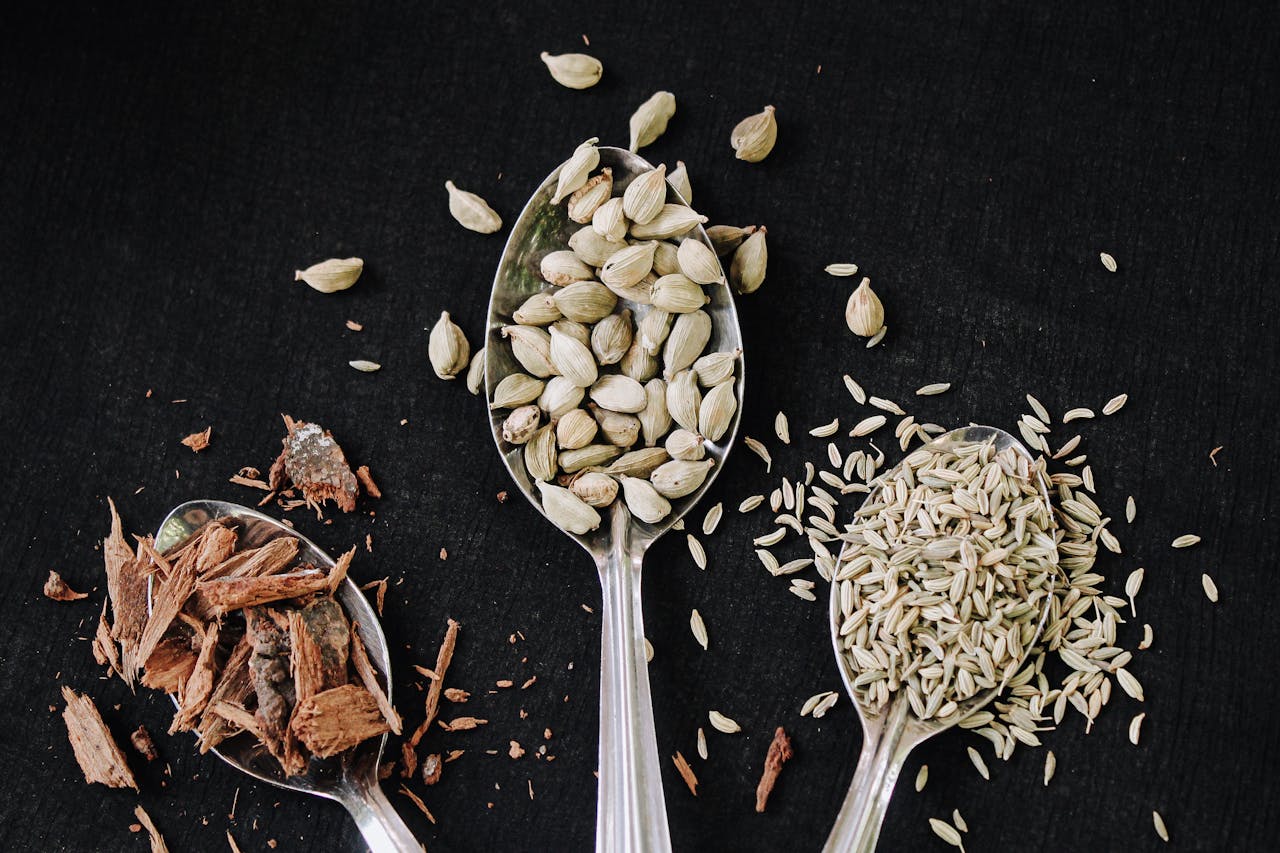
Cardamom does the heavy lifting. If you’re searching what is in Arabic coffee, it’s refreshingly simple: water, arab coffee beans (ground), and cardamom—plus optional saffron or cloves. The ingredient list is short, but a couple of choices make a huge difference, especially the coffee roast and the form of your cardamom.
Coffee choice: roast + grind that works
Roast: go lighter than your everyday coffee (think light to medium-light). A very dark roast can taste smoky and overwhelm the spices. Grind: medium-coarse is the sweet spot for most stovetop methods. If it’s too fine, the cup can turn dusty and bitter fast.
Spices: cardamom first, extras second
Cardamom: crushed pods or freshly ground seeds give the brightest aroma. Ground cardamom works in a pinch—just use less and strain carefully. Optional add-ins (use sparingly): saffron for floral warmth, a tiny pinch of cloves, or a drop of rose water right before serving.
Language note: “coffee in Arabic” is commonly said as qahwa (قهوة)—so if you’re wondering how to say coffee in Arabic, that’s the word you’ll hear most. And cardamom in Arabic is often heil/hayl (هيل).
Tools: dallah, small pot, fine strainer
A traditional dallah is beautiful, but a small saucepan (or even a milk pot) works perfectly. The dallah is also called a qahwa pot, and it’s one of the classic Middle Eastern coffee pots you’ll see in homes and cafés—sometimes as an antique Arabic coffee pot for display. For everyday brewing, an Arabic coffee maker can be convenient, but the real must-have is a fine mesh strainer so the cup stays clean and silky.
Small upgrade that matters: filtered water makes the aromas pop more clearly—especially when your cup is light and spice-forward.
Step-by-step: how to make Arabic coffee on the stovetop
Gentle simmer beats aggressive boiling. This Arabic coffee recipe (an Arabian coffee recipe style method) stays aromatic because it’s controlled: you simmer the coffee first, then bloom the spices at the end. If you’re teaching a friend how to make Arabic coffee for the first time, this is the most forgiving, authentic Arabic coffee flow to follow.
- Heat: bring water to a boil
- Brew: add coffee, drop to a gentle simmer
- Perfume: add cardamom near the end (not at the start)
- Rest: let grounds settle off-heat
- Strain: decant carefully for a clean, golden cup
Starting ratio (for ~4 small cups)
| Water | 2 cups (16 fl oz) |
| Ground coffee | 1½–2 tbsp (light to medium-light roast) |
| Crushed cardamom | 1–2 tsp (start low, add next batch if needed) |
| Optional | Pinch of saffron or 1–2 cloves (very small!) |
This is a flexible baseline inspired by classic qahwa ratios. Your perfect version is the one that tastes balanced to you—so don’t be shy about nudging the cardamom up in the next batch.
If you love coffee with cardamom, this is the clean, traditional approach: think “perfume,” not heavy spice. It’s basically a simple cardamom coffee recipe where the timing is what makes it taste bright instead of cooked.
The base brew (water + coffee simmer)
- Boil the water: Add water to a small pot and bring it just to a boil.
- Add coffee: Stir in the ground coffee, then drop the heat to low so it gently simmers.
- Simmer (don’t blast): Let it bubble softly for about 8–10 minutes. The surface should look active, but not violently churning.
If your coffee tastes sharp or harsh, it’s usually because the heat was too high or the simmer ran too long. This “stronger vs. longer” guidance lines up with practical gahwa simmer timing advice: aim for steady extraction, not a rolling boil that cooks the aroma out. (In other words: if it’s loud, it’s too hot.)
The spice finish (cardamom + optional saffron/rose water)
Once the base brew smells like toasted coffee (not burned), take the pot off the heat for a quick pause—about 30 seconds. Now add your crushed cardamom (and saffron if you’re using it). Put the pot back on very low heat for 1–2 minutes, just to warm and bloom the spices. You want a heady aroma, not another full boil.
Rest, strain, and keep it hot without cooking it
Turn off the heat and let the pot sit for 2 minutes so the grounds settle. Then strain into a dallah, a small serving pot, or a thermos. (If you don’t strain, pour slowly and stop early—those last drops hold the grit.) This “rest and decant” step is the easiest way to keep the cup clean and smooth.
How to serve Arabic coffee the traditional way
Small pours are the point. Arabic coffee is typically served in small handleless cups (finjan-style), filled only partway. That partial pour keeps it hot, encourages refills, and gives the host a chance to keep the rhythm of the gathering going without rushing anyone.
If you’re hosting, the tradition is simple: pour with your right hand, offer the first cup to the most senior guest, and keep the pot ready for refills. A gentle shake of the cup can signal “no more, thank you.” These customs show up again and again in discussions of Arabic coffee serving customs—UNESCO frames the drink as hospitality, not just a recipe.
The best Arabic coffee isn’t “perfect”—it’s the cup you can confidently pour again and again for your guests.
Serving do’s
- Warm cups: rinse with hot water first
- Pour low: about ¼–⅓ cup
- Refill often: keep it social, not rushed
Serving don’ts
- Overfill: it cools too fast and feels heavy
- Shake the pot: it stirs up sediment
- Overspice: cloves can take over fast
What to serve with it: dates are the classic pairing, because their sweetness balances the coffee’s gentle bitterness. If you want a bigger spread, think small bites: nuts, sesame cookies, or anything honey-forward that won’t overpower the cardamom.
Arabic coffee benefits: beyond the taste, the ritual is the point—small pours, big aroma, and a calm hosting rhythm that makes people linger. And while Arabic coffee caffeine can feel lighter per serving because the cups are small, refills add up fast—so pace yourself if you’re sensitive.
Troubleshooting and flavor variations
Fix bitterness fast. Arabic coffee is forgiving, but it’s sensitive to heat. When a batch tastes “wrong,” the cause is usually one of three things: the simmer was too aggressive, the grind was too fine, or the spices went in too early and got cooked instead of bloomed.
Across Middle Eastern coffee traditions, the same idea shows up in different outfits. Syrian coffee and Iraqi coffee often skew darker and stronger, while Gulf-style qahwa stays lighter and more aromatic. Lebanese coffee is commonly closer to Turkish-style (finer grind, thicker cup), and if you’re searching how to make Lebanese coffee, think “short, strong, and finely ground.” You might also hear about a Lebanese coffee pot for this style—usually a small long-handled pot used for stovetop brewing—while Lebanese white coffee is a separate drink entirely (warm, floral, and typically non-coffee).
Quick fixes
- Bitter or harsh: lower heat next time + shorten simmer by 1–2 minutes
- Too weak: add ½ tbsp coffee (or simmer 1 minute longer)
- Muddy cup: go coarser and rest longer before straining
Flavor dial
- More fragrant: crush cardamom fresh, add at the end
- More floral: pinch of saffron or 1 drop rose water
- More warming: 1 clove for the whole pot (max)
Advanced tweaks (when you want it extra “guest-ready”)
Pre-warm your serving pot: Swirl in hot water for 30 seconds, then discard. It keeps the aroma alive longer.
Strain twice for a cleaner cup: If you used a finer grind, run it through a second strainer or a paper filter (slow, but very smooth).
Make it ahead without losing the aroma: Brew as usual, then hold it in a thermos. Avoid leaving it on the burner—continued heat is what flattens the spices.
Yemeni + creamy variations: if you’re exploring how to make Yemeni coffee, you’ll often see warmer spices and sometimes milk for a richer cup. A popular example is a mofawar coffee recipe, which is creamier and more dessert-like than traditional Arabic qahwa.
Cardamom twists: you can make Turkish coffee with cardamom by adding just a pinch to the pot, but keep it subtle. For a sweeter café vibe, a cardamom syrup for coffee recipe can capture the aroma without simmering spices.
Quick safety note: Arabic coffee is served in small amounts for a reason—it can be easy to keep refilling without noticing. If you’re caffeine-sensitive, consider using half-caff beans or keeping the servings smaller.
If you’re craving a cup out instead of brewing at home, you might search things like Lebanese coffee near me or even specific listings such as coffee shop Lebanon TN, coffee shops Lebanon PA, Kahwa Coffee St Petersburg, or Kahwa Coffee Fort Worth. Those are “find a café” queries—use maps reviews for the most current hours and menus, then come back here when you want to recreate the flavor in your own kitchen.