If you’ve spotted “Ghana coffee beans” on a bag, a café menu, or an online drop, you’re probably trying to answer one question: what will this actually taste like in my cup?
What if the “espresso bean” you’ve been missing isn’t from a trendy microlot—it’s a Ghana-grown robusta that was simply roasted and brewed with the right guardrails? Ghana coffee beans aren’t always fruity or delicate. They’re often bold, heavy-bodied, and built for crema. That’s not a flaw—it’s a style. Let’s map what Ghana coffee typically is, how to buy it without guessing, and how to brew it so the cup comes out sweet, round, and surprisingly refined.
In one line: Ghana coffee beans are usually robusta-forward—best when you brew for chocolatey sweetness and controlled bitterness (and yes, they’re sometimes compared with Ivory Coast coffee in West African blend contexts).
What “Ghana coffee beans” usually means
In the US market, “Ghana coffee beans” most often points to robusta-forward coffee (sometimes a single-origin robusta, sometimes a blend that uses Ghana for body and crema). It’s a different promise than a bright, floral Ethiopian or a citrusy Kenya. Expect a sturdier cup—more cocoa and toasted nut than berries—especially if the roast leans medium or medium-dark.
In West Africa, you may also see Ivory Coast coffee (Côte d’Ivoire) show up in similar roles—robusta-forward lots used for structure, crema, and “base note” sweetness. If you’re new to the region, treat both origins the same way at first: prioritize freshness and transparency over vague “origin-only” labeling.
If you want quick context behind Ghana’s coffee sector—how it’s described, where it’s grown, and how it’s positioned today—this Ghana production overview is a useful baseline. After you read it once, you’ll spot when a listing is specific and credible versus when it’s just “origin-flavored” marketing.
Quick expectations
- Body: thick, coating, “espresso-friendly.”
- Crema: often generous, especially in espresso.
- Flavor: cocoa, nut, toast, spice; lower acidity.
- Energy: can feel more “punchy” than arabica.
Common surprises
- Bitterness: shows up fast if over-extracted.
- Roast swing: light robusta can taste grassy; dark can go ashy.
- Label gaps: “Ghana” alone isn’t enough—look for region, process, and roast date.
- Best match: shines with milk, moka pot, or “long black” style dilution.
Think of Ghana beans as a bold coffee style—then buy and brew them like you would any “big-body” espresso coffee.
Where coffee grows in Ghana (and when it’s harvested)

Harvest timing matters because coffee ages quietly in transit and storage. COCOBOD’s country overview notes a coffee season that spans much of the year, with harvesting starting around September in many areas—use that seasonality as a quick sanity check when you see “new crop” language (COCOBOD coffee season).
Region names can show up in different ways—sometimes as the farm area, sometimes as the nearest major market town, and sometimes as an administrative region. If a bag only says “Ghana” with no region, lot, or processing, treat it like a blend component rather than a transparent single-origin. The more specific the label, the easier it is to dial in the brew and repurchase what you loved.
| Region label you might see | What it can imply (buyer-friendly) | What to ask for next |
|---|---|---|
| Volta | Often highlighted in “emerging specialty” stories; can show cleaner, structured cups when well-processed. | Process (washed/natural), altitude range, and roast date. |
| Ashanti / Bono (Brong Ahafo) | Common growing areas; lots may be built for body and sweetness. | Lot separation (single lot vs. mixed), moisture control, and storage. |
| Eastern / Central / Western | Can be listed as origin coverage for larger aggregations. | Traceability level (farm/co-op/exporter) and processing station details. |
Use region + process + roast date as your “three-point check” before you buy a bag labeled Ghana.
Varieties and processing you’ll actually encounter
Most Ghana-labeled coffee you’ll find is robusta (or robusta-heavy). That doesn’t automatically mean “cheap”—it means the bean’s natural strengths are different: lower perceived acidity, thicker body, and a profile that can lean cocoa-forward when roasted with care. World Coffee Research’s explainer on the roots of robusta is a fast way to calibrate what robusta is built to do—especially if you’ve only met it through harsh diner coffee.
Processing is the other big lever. “Washed” lots often taste cleaner and less woody; “natural” or “dry-processed” lots can read fruitier or more fermenty—sometimes pleasantly jammy, sometimes a little wild. If the seller doesn’t list processing, assume it’s not being treated as a premium detail (fine for espresso blends, but a flag for single-origin pricing).
- Robusta: expect body/crema; manage bitterness with brew technique.
- Fine robusta: look for proof—process, lot detail, and a clear roast date.
- Washed: cleaner finish; easier to drink black.
- Natural: heavier sweetness; watch for over-ferment notes.
- Medium roast: keeps cocoa/nut sweetness without smoky edges.
- Dark roast: bigger chocolate/roast; risk of ash if pushed too far.
- Roast date: the best freshness signal you’ll actually get as a buyer.
- Lot info: farm/co-op/process station details usually = more traceability.
If you only remember one label rule: “washed” usually means cleaner, and a visible roast date usually means the seller cares.
Flavor profile: how Ghana coffee tends to show up in the cup
When Ghana beans are roasted well, the upside is obvious: a syrupy mouthfeel, cocoa-to-nut sweetness, and a comforting, “round” finish that plays nicely with milk. In espresso, that can mean thick crema and a big base note (think dark chocolate, toasted walnut, clove). In filter, it can read like cocoa nibs, peanut brittle, or graham cracker—especially at medium roast.
Some lots also show a gentle “dried-fruit” sweetness—use fruit from Ghana like mango or pineapple as a mental reference for the kind of sweetness you’re aiming for, not as a promise of literal fruit notes. If your cup tastes sharp or burnt, don’t blame the origin yet—change one variable and taste again. A slightly coarser grind, a slightly shorter brew, or a small dilution (americano/long black style) often reveals the sweetness that was hiding.
Expectation reset: Ghana coffee is rarely “bright.” Aim for sweet-and-bold, not sharp-and-loud.
Your goal isn’t maximum extraction—it’s a smooth, chocolatey cup with controlled bitterness.
Buying Ghana coffee beans in the US: a quick authenticity checklist
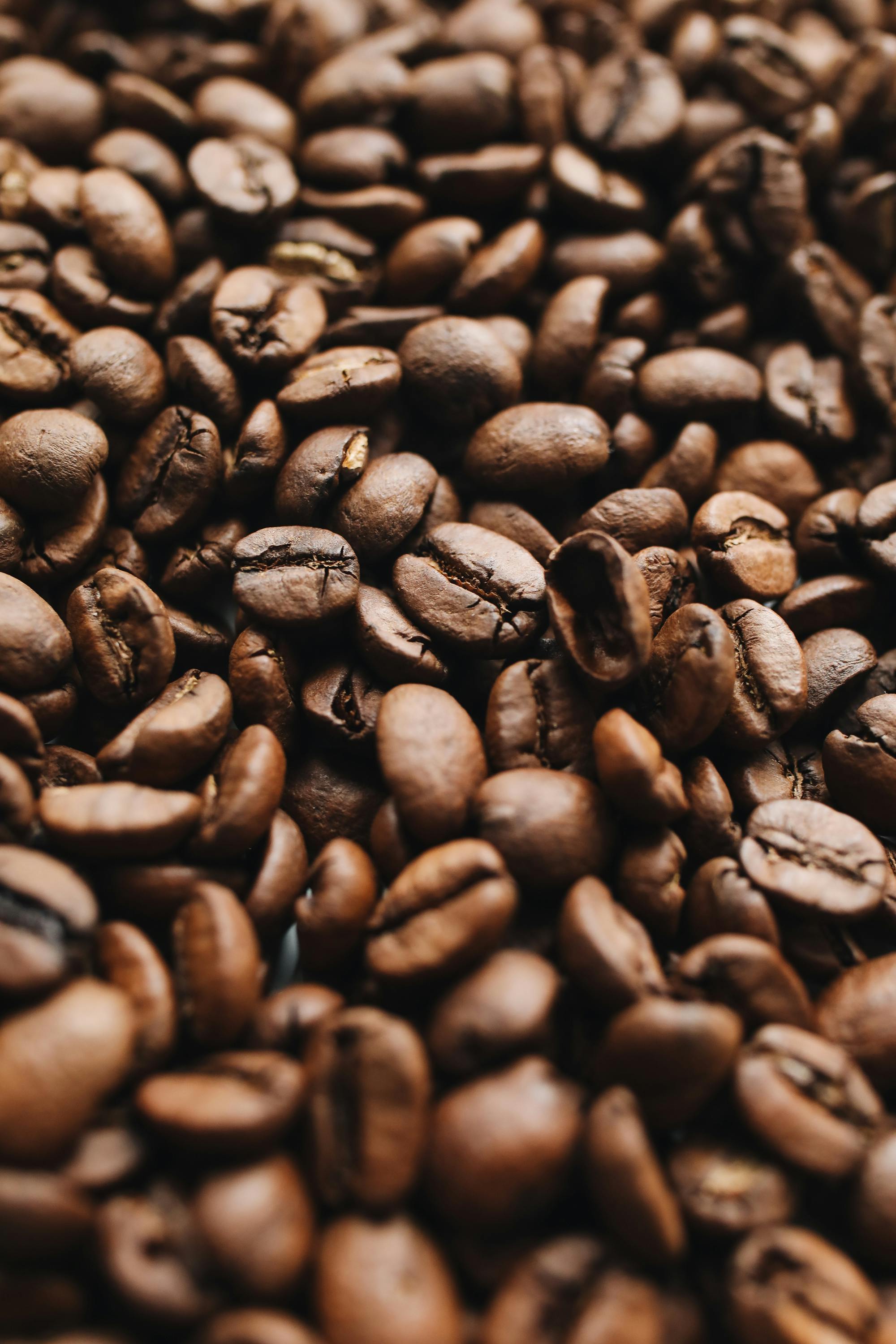
If you’re shopping online, your mission is simple: reduce “mystery coffee” risk. You don’t need a lab—just a few non-negotiables that good roasters and importers can answer quickly. Use the checklist below as a filter. If you can’t get any of these details, buy it as a curiosity—not as your next “house bean.”
- Roast date: listed clearly (not “best by”).
- Origin specificity: at least a region; better is district/co-op/farm.
- Process: washed/natural/honey and where it was done.
- Lot/traceability: lot code, exporter name, or sourcing notes that can be verified.
- Roast style: suggested brew method (espresso vs filter) and tasting notes that fit robusta reality.
- Storage/shipping: valve bag, sealed packaging, and a realistic delivery timeline.
If you’re deciding between Ghana coffee and an Ivory Coast coffee listing, apply the same standard: choose the seller who gives you the details that make repeatable brewing possible.
Paperwork is becoming a “real” coffee detail. Even if you’re just buying a bag, traceability language is showing up more often because big markets are tightening supply-chain expectations. If you’re comparing roasters, look for clear sourcing notes and documentation-ready language—especially when you’re paying a premium (EU deforestation timeline).
Advanced: questions to ask a roaster or seller (quick copy/paste)
Copy/paste one or two questions—good sellers answer quickly.
Traceability: “Can you share the exporter and whether this is a single lot or an aggregation?”
Processing: “Was this washed or natural—and was processing done at a station or on-farm?”
Freshness: “What’s the roast date, and what’s your recommended rest time before brewing espresso?”
Brewing target: “Is this developed for straight espresso, milk drinks, or filter?”
A bag that tells you roast date + region + process is usually a safer buy than a bag that only says “Ghana.”
Brewing Ghana beans so they taste smoother (espresso, moka, filter)
For robusta-forward coffees, the #1 trick is avoiding “over-pull.” Start by lowering intensity slightly—either by shortening contact time or by reducing brew temperature if your setup allows it. In espresso, don’t chase the longest shot in the world; in filter, don’t force a fine grind just to hit a higher extraction number. You’re aiming for sweet, heavy, and clean.
| Method | Starting point | If it tastes bitter/harsh… |
|---|---|---|
| Espresso | Classic “1:2-ish” and taste-first dialing | Shorten yield a little before grinding finer |
| Moka pot | Low heat; stop early to avoid burnt notes | Lower heat further and cool the base to stop the brew |
| Pour-over | Medium grind; steady pours | Coarsen slightly or lower water temp a touch |
| Cold brew | Chocolatey, smooth potential when steeped right | Steep shorter or dilute to reduce heavy bitterness |
Here’s a concrete espresso example: if your first shot tastes harsh, try changing only the finish. Keep the same dose and grind, but end the shot a little earlier (a slightly smaller yield). Taste again. If it’s still sharp, then go one step coarser. One small move at a time is how robusta-forward coffees become reliably sweet.
- Troubleshooting cue: If it tastes harsh, make the brew shorter or a touch cooler.
- Clarity cue: If it tastes “heavy,” a small dilution can reveal sweetness.
- Milk cue: Ghana-style body can shine in lattes and cappuccinos.
- Water cue: Very hard water can amplify harshness—try filtered.
Printable tasting notes + brew log (type right in the table; use “Print log” when you’re ready).
| Bean + roast date | Method + recipe | Taste notes (3 words) | Next tweak (one change) |
|---|---|---|---|
Smooth Ghana brews usually come from one small change at a time—coarser, cooler, shorter, or slightly diluted.
Sustainability and the “why now” of Ghana coffee
“Support” isn’t a vibe—it’s a receipt. The most meaningful purchases are the ones that pay for quality: clear roast dates, traceability notes, and pricing that’s consistent with careful processing and storage.
Ghana’s coffee story is still “emerging” in many specialty circles, which can be a good thing for buyers: you may find great value in coffees that aren’t yet priced like trophy microlots. The flip side is variability. Two bags labeled Ghana can be totally different depending on how they were processed, stored, and roasted. That’s why the boring details—process, freshness, and traceability—often matter more than big storytelling.
When you find a Ghana coffee you love, treat it like a repeatable recipe. Save the roast date, the brew settings, and what you tasted—then adjust with intention next time. That’s how robusta-forward coffees become consistently delicious instead of “sometimes great, sometimes harsh.”
The best way to “buy better” Ghana coffee is to reward sellers who prove freshness and traceability—not just an origin name.