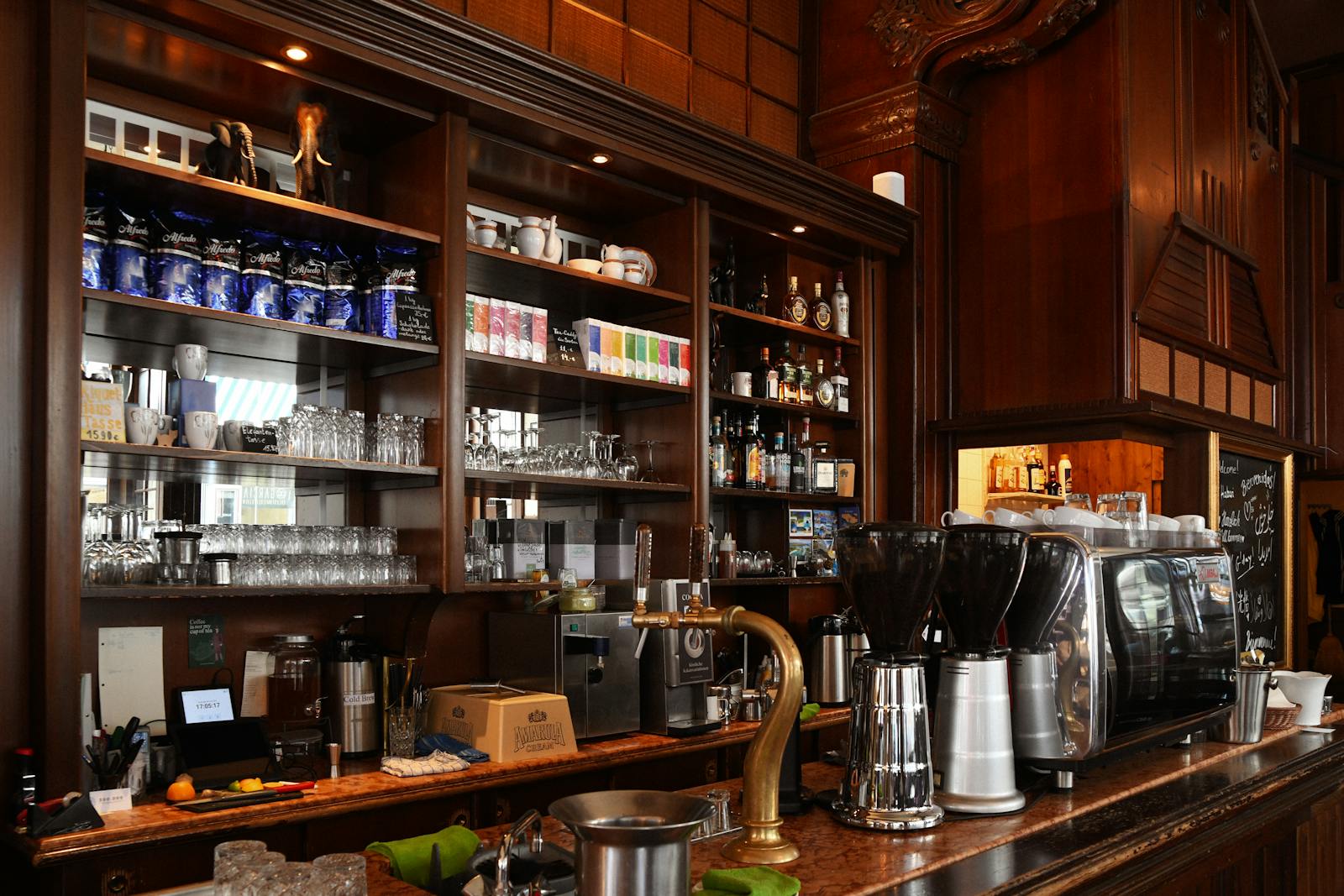
Most espresso drink recipes are templates—espresso + ratio.
You bought the beans, you’ve got the milk, and somehow the “latte at home” still tastes…flat. The good news: most espresso drinks aren’t complicated recipes—they’re ratios. Once you can pull a decent shot and control milk texture, a café menu turns into a handful of repeatable templates. This guide gives you the templates (and the small fixes) so you can stop guessing and start making drinks you’d actually pay for.
Menu-ready espresso description: Espresso is a small, concentrated coffee brewed under pressure, usually topped with crema. What makes espresso espresso is the pressurized extraction—not the bean—so the difference between espresso and coffee is mostly brewing method and concentration. Espresso can give a quick, focused lift (that “what does espresso do?” feeling), but a full cup of drip coffee often contains more total caffeine than a single shot—so is a shot of espresso the same as a cup of coffee? Not really.
Pick your drink in 10 seconds
- Strong & short: espresso, ristretto, macchiato.
- Soft & creamy: latte, flat white, cortado.
- Light & sippable: Americano, long black.
- Sweet treat: mocha, con panna, affogato.
Stock these once
- Milk: whole milk is easiest for microfoam; oat is a solid alt.
- Sweeteners: simple syrup, cocoa/chocolate syrup, vanilla.
- Cold drinks: a big ice tray + tonic for summer espresso drinks.
Start Here: Pull a Great Shot (Even on Basic Gear)
If your espresso is dialed in, every “recipe” gets easier—because you’re only changing one variable after that. A good baseline is a 1–2 oz espresso shot that tastes balanced and isn’t watery. You don’t need perfection; you need repeatability—same dose, similar yield, consistent workflow. For simple drink definitions and a baseline reference, see this beginner espresso drink guide.
Espresso shot sizes (oz + ml)
- Single / solo: about 1 oz (≈ 25–30 ml).
- Double / doppio: about 2 oz (≈ 50–60 ml).
- Triple / quad: café-size options that stack shots (your “espresso orders” menu shorthand).
How to make an espresso shot
- Grind: fine enough to slow the flow, not so fine it chokes.
- Tamp: level and firm (consistency beats “super hard”).
- Brew: stop at your target yield; don’t chase cup size with a thin, overlong pull.
Quick shot checklist
- Dose: Use the same basket and fill level every time (weighing helps, consistency matters most).
- Yield: Aim for similar volume each pull; drifting bigger usually means weaker flavor.
- Time: Keep a steady window pull-to-pull if your machine has a timer.
Sour vs. bitter fixes
- Sour: Slightly finer grind, a touch more yield, or longer pre-infusion if available.
- Bitter: Slightly coarser grind, a slightly smaller yield, or lower brew temp if adjustable.
- Watery: Stop earlier or use a smaller cup; don’t “save” it with extra milk.
No-machine methods (stovetop, instant, and quick buying options)
How to make espresso on the stove: A moka pot (often what people mean by a Spanish espresso maker or stovetop “cafetera”) makes espresso-style concentrated coffee—not true espresso pressure, but perfect for lattes, mochas, and iced espresso drinks. Fill the base with hot water to the valve, add medium-fine coffee to the basket (don’t pack it down), assemble, then brew on medium heat until the flow turns pale.
How to make espresso with instant coffee: For a fast “espresso-like” base, dissolve instant coffee in a small amount of hot water to make a strong concentrate. It won’t replicate crema, but it works surprisingly well in sweet drinks (mocha, con panna) and summer espresso drinks over ice.
Where can you buy espresso? If you don’t want to pull shots at home, you can buy espresso at cafés (shots to-go), use pods/capsules, or grab ready-to-drink options like espresso in a can. RTD canned espresso is best used like a shortcut ingredient—especially for iced drinks and dessert builds.
Coffee to use for espresso
Can you use any coffee for espresso? Technically yes—espresso is a brew method. In practice, many people prefer fresh beans with medium to medium-dark profiles for smoother espresso flavors. If you mainly drink milk drinks, “best espresso for lattes” usually means chocolatey, nutty notes that stay present under milk.
Machines, uses, and brand notes
- Types of espresso machines: manual/lever, semi-auto, automatic, super-auto, capsule systems, plus stovetop moka.
- Espresso machine uses: espresso, Americanos (coffee-style), hot water for tea, steaming milk for cocoa or chai, and warm milk for kid-friendly non coffee drinks to make with espresso machine.
- Brand reality: Whether it’s the KitchenAid espresso collection or you’re searching for Chefman espresso machine recipes or DeLonghi espresso machine recipes, the same ratios apply—the differences are shot size, temperature stability, and steam power.
Think in templates: espresso + dilution + texture + sweetness. Change one lever at a time.
Milk & Foam Fundamentals (Microfoam Without Mystery)
Milk texture is an ingredient—get it right and even “okay” espresso tastes smoother. Most café drinks rely on microfoam: tiny bubbles that look glossy, not stiff and dry. Aim for “hot but drinkable,” then fine-tune: silkier for lattes/flat whites, airier for cappuccinos. For a ratio-first way to think about strength and balance, Clive Coffee’s milk-to-espresso ratios are a useful reference.

Start with cold milk, purge the wand, add air only for the first couple seconds, then keep the tip just under the surface to create a whirlpool that “polishes” foam. No steam wand? A handheld frother works for latte-style drinks, but expect bigger bubbles—more “cappuccino-ish,” less true flat white.
Safety note: Steam wands and pitchers get burn-hot fast. Keep fingers off the wand tip, wipe it immediately after steaming, and don’t “test” temperature by touching the metal pitcher near the bottom.
| Drink style | Foam level | What you’re aiming for |
|---|---|---|
| Latte / Flat white | Low | Glossy, paint-like milk that pours smoothly |
| Cappuccino | Medium-high | Lighter body with a thicker foam cap |
| Cortado | Very low | Warm milk with just enough foam to soften edges |
Ingredients + flavor shortcuts: Espresso ingredients are simple (coffee + water + pressure), but drink ingredients are where espresso flavors change fast. To brighten a drink, try a splash of tonic or a citrus peel; to soften bitterness, try milk, a pinch of salt in chocolate, or a little simple syrup.
The Espresso Drinks Ratio Chart (Your One-Glance Map)
When you’re unsure what to make, decide first: milk, water, or dessert—and then pick the ratio. Names vary by shop and cup size, so treat these as starting ranges you can tune. For a mainstream “what is this drink?” chart view to cross-check, KitchenAid’s espresso drinks chart is handy.
Most popular espresso drinks in many U.S. cafés tend to be latte-style drinks, cappuccinos, Americanos, and mochas—because they’re easy espresso drinks to order and easy espresso drinks to recreate at home once your baseline is steady.
Rule of thumb: keep espresso constant, then scale milk or water to taste—don’t pull a giant, thin shot just to “fill the cup.”
Edit tip: Tap a cell to adjust amounts for your mug (then use “Print cheat sheet” to print only this table).
Classic Milk Drinks (Latte, Cappuccino, Flat White, Cortado)
These four drinks are the café “core”—same espresso, different milk volume and foam thickness. If you’re new, start with a latte (most forgiving), then a flat white (stronger, silkier), then a cappuccino (foam skill), then a cortado (precision). Base method: espresso first, then add milk with the foam level you want, finishing with a small swirl to integrate.
For a quick, classic ingredient-and-step reference you can compare your ratios against, Segafredo’s classic espresso recipes are a simple check—then come back here to tune cup size and texture.
Espresso latte
Ingredients: 1–2 oz espresso, 6–10 oz steamed milk, thin microfoam.
Method: Pull espresso into an 8–12 oz mug. Steam milk until glossy with light foam. Pour steadily; stop when the drink tastes balanced to you.
Flat white
Ingredients: 2 oz espresso (often), 4–6 oz silky milk, very thin foam.
Method: Keep the cup smaller so it stays punchy. Aerate less; focus on a glossy whirlpool. Pour close to the surface to integrate, not stack foam.
Espresso cappuccino
Ingredients: 1–2 oz espresso, 3–5 oz steamed milk, thicker foam cap.
Method: Add a bit more air early. Pour milk first to mix, then spoon or “hold back” foam to finish on top.
Cortado
Ingredients: 1–2 oz espresso, 1–2 oz warm milk, minimal foam.
Method: Steam just enough to warm and lightly texture. Pour gently to keep it integrated. If it tastes off, fix the shot first—this drink won’t hide it.
Quick milk-drink answers: Does a latte have espresso? Yes—by definition. How many shots of espresso in a latte? Often 1–2 (shops vary by size). What espresso drink has the least milk? Traditional espresso macchiato has just a small “mark” of foam; among milk drinks, cortado-style ratios keep milk low while still softening the shot.
Small-but-Mighty Drinks (Espresso, Ristretto, Lungo, Macchiato)
Short drinks magnify everything—so keep your cup small and your steps simple. Start with the “standard” espresso your machine reliably makes, then explore shorter and longer expressions. A ristretto is a shorter yield (often syrupier). A lungo is a longer yield (more volume, can turn harsh if pushed). These are classic “types of espresso” and espresso variations you’ll see on espresso orders when a shop lets you choose style.
- Espresso: 1–2 oz. Taste first; sweeten only if you want to.
- Ristretto: Stop earlier for a smaller, richer cup.
- Lungo: Let it run longer—but stop if it turns thin or harsh.
- What is an espresso macchiato? Espresso “marked” with a small dollop of foam.
Water + Espresso Drinks (Americano, Long Black, Espresso Tonic)
If your Americano tastes flat, it’s usually not the coffee—it’s the pour order and dilution. Start with hot water that’s not boiling and adjust dilution slowly. Americano and long black are close cousins—if you’re asking “espresso with water called?” the most common answer is Americano—and the main difference is how you combine water and espresso, which changes aroma and crema behavior.

| Drink | How to build it | Flavor note |
|---|---|---|
| Americano | Espresso + hot water, dilute to taste | Smoother, lighter body |
| Long black | Hot water first, espresso on top | Often more aromatic up front |
| Espresso tonic | Ice + tonic, then espresso floated on top | Bright, crisp “sparkle” vibe |
Ice strategy: For iced Americanos and espresso tonics, use more ice than you think. A few cubes melt fast and water everything down; a full glass of ice melts slower and stays crisp.
Espresso in coffee: If you add espresso to coffee, the common name is a red eye (two shots: “black eye”). It’s a simple way to turn regular brewed coffee into a stronger “coffee drink type” without changing your brew routine.
Iced latte (easy espresso drink)
How to make: Fill a glass with ice, add 6–10 oz milk, then pour 1–2 oz espresso over the top and stir. Want it sweeter? Add simple syrup first so it dissolves. This is one of the most flexible iced espresso drinks for beginners.
Iced shaken espresso
How to make: Add ice to a jar, pour in 1–2 oz espresso (plus syrup if using), seal, then shake hard for 10–15 seconds. Pour into a glass and top with a splash of milk if you want. It’s the home method behind “iced shaken espresso” drinks you’ll see at cafés.
Chain menu translator (Starbucks, Dunkin’, and other chains)
Starbucks espresso drinks change names over time, and the Starbucks espresso menu can look different by country (yes, even the Starbucks Saudi Arabia menu). Instead of memorizing every label, translate the order into a template: espresso + milk/water + sweetness + ice.
- Starbucks iced Americano → Americano template + ice; adjust dilution to taste.
- Starbucks iced white mocha / Starbucks white chocolate mocha → mocha template, but use a white-chocolate sauce (your “white mocha Starbucks syrup” equivalent) and milk.
- Starbucks cold espresso drinks like iced shaken espresso → shake espresso with ice (and syrup), then add milk if desired.
- Search terms like Starbucks Doubleshot espresso, Starbucks Doubleshot caramel, or Starbucks caramel espresso usually map to a shaken espresso concept with caramel flavoring.
- Starbucks extra shot just means adding another espresso shot (often called an “extra shot” at many cafés).
Pricing note: If you’re wondering “how much is a shot of espresso at Starbucks,” it varies by location and time—check the local app/menu for the current add-shot cost.
Other chain espresso: “dunkin espresso drinks Dunkin’” typically means espresso-based lattes/Americanos built from these same ratios. And if you see wording like “dua shot iced shaken Kopi Kenangan,” it’s essentially a double-shot shaken espresso-style drink—use the iced shaken espresso template above as your home version.
Sweet & Dessert Espresso Drinks (Mocha, Con Panna, Affogato)
Dessert drinks taste best when sweetness supports espresso—so add less than you think, then adjust. The easiest way to avoid a cloying mocha is to treat chocolate like seasoning: start with 1 Tbsp, taste, then add more only if you need it. For whipped-cream drinks, let espresso hit the cream so aroma shows up on the first sip.
Mocha
Ingredients: 1–2 oz espresso, 1 Tbsp chocolate syrup (or cocoa + sugar), 6–10 oz milk, optional whipped cream.
Method: Dissolve chocolate into hot espresso first. Add steamed milk. Taste, then sweeten again only if needed.
Espresso con panna
Ingredients: 1–2 oz espresso, 2–3 Tbsp lightly sweetened whipped cream.
Method: Pull espresso into a demitasse. Spoon cream on top. Stir a little—or sip through both layers.
Affogato (espresso over ice cream)
Ingredients: 1–2 oz espresso, 1 scoop vanilla gelato/ice cream.
Method: Scoop into a small glass. Pull espresso and pour immediately over the top. Eat fast for hot-bitter + cold-sweet contrast.
What to add to espresso: vanilla syrup, caramel, cocoa, cinnamon, a tiny pinch of salt (especially with chocolate), whipped cream, or even tonic over ice for a bright twist. Start small—espresso flavors get overwhelmed fast.
Espresso cocktails (including espresso martini variations)
If you want espresso cocktails, keep your espresso strong and your ice cold. An espresso martini is basically espresso + spirits + sweetness, shaken hard for a foamy top.
- Espresso martini (base): 1–2 oz espresso + vodka + coffee liqueur + simple syrup to taste; shake with ice, strain.
- Vanilla variation: add a small splash of vanilla syrup (tastes like a dessert latte in a glass).
- Salted caramel variation: caramel syrup + a pinch of salt (balances sweetness and brings out roast notes).