Espresso is tiny, bold, and weirdly powerful—like a “focus button” you can sip. But the real espresso benefits aren’t about toughness or hustle culture. They’re about precision: a small serving you can dose intentionally, keep low-calorie, and time around your day.
So, is espresso good for you? For many people, yes—especially when you keep it simple. The health benefits of espresso come from getting a measurable boost without turning your drink into a sugar bomb.
Espresso gets a reputation for being “too strong,” but the numbers tell a calmer story: a standard 1-ounce shot is often around the mid-60 mg range of caffeine (and can vary by beans, machine, and recipe). Most healthy adults can handle up to 400 mg per day depending on sensitivity. The real advantage isn’t just caffeine—it’s efficiency: a small serving that can deliver noticeable alertness, plus coffee’s antioxidant compounds, without requiring a giant drink. The key is how you dose it.
One quick mindset shift: espresso feels intense because it’s concentrated per ounce, not because it’s automatically “more caffeine” than every other coffee drink. If you’ve ever asked is espresso healthier than coffee or searched espresso vs coffee health, the most useful comparison is serving size, add-ins, and your personal sensitivity. Here’s a clear overview of is coffee or espresso better for you in real-life portions: espresso vs black coffee.
Quick take: If you’re wondering is drinking espresso healthy, it often is when you stick to 1–2 shots, drink it earlier in the day, and keep it mostly plain.
In this guide, you’ll learn:
- Dose: how many shots is “worth it”
- Timing: when espresso helps (and when it backfires)
- Focus: how to avoid jitters and crashes
- Antioxidants: what you actually get beyond caffeine
- Workout use: a simple “pre-lift” strategy
- Add-ins: what keeps the benefits intact
What espresso really is (and why the “small shot” matters)
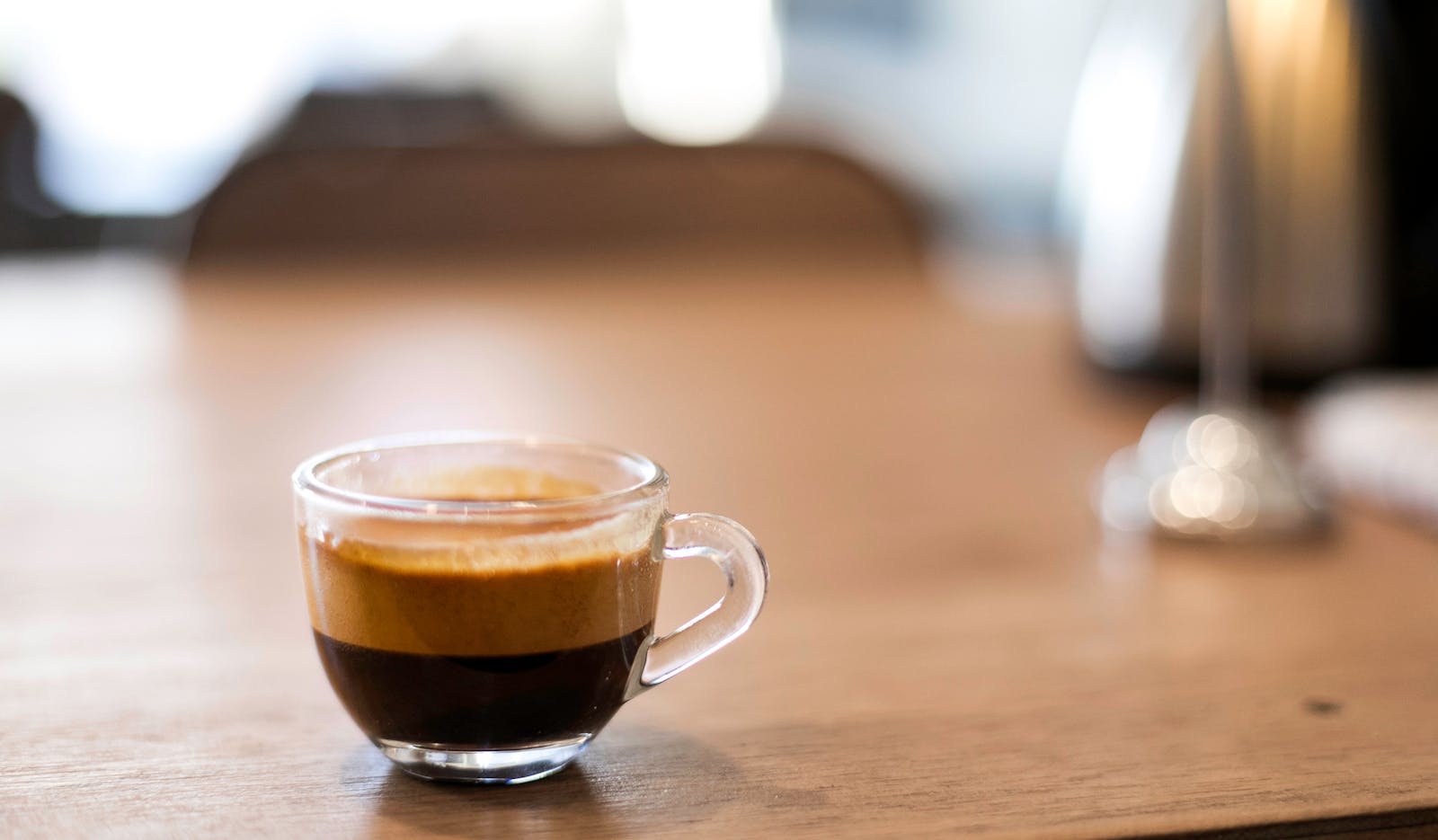
Espresso isn’t a “type of bean.” It’s a brew method: finely ground coffee + hot water pushed through under pressure. The basic espresso ingredients are simple—coffee and water—but the pressure and fine grind create a short, intense drink with crema on top.
The biggest espresso benefit might be the simplest: you get a measurable boost without accidentally sipping a 24-ounce caffeine marathon.
For quick mental math, think: a single is about 1 oz, a double is about 2 oz. A double shot espresso is basically two shots of espresso combined into one stronger serving. If you’ve ever wondered what are coffee shots, they’re just standardized “units” you can count and control.
If you want espresso’s benefits with fewer downsides, think “clean base.” Start with shots of espresso (single or double), then decide what you’re adding for taste, texture, or routine—milk, water, ice, cinnamon, or (sometimes) nothing at all.
If you drink it espresso straight, you’ll get the clearest “benefits per calorie” version. If you prefer sipping espresso more slowly, an americano (espresso + water) can feel smoother and easier to pace.
And since caffeine is the engine behind most “I feel it now” effects, it helps to know a safe ceiling. The U.S. FDA notes that for most adults, up to 400 mg of caffeine per day can be an amount “not generally associated with negative effects,” though sensitivity varies a lot: FDA caffeine guidance.
Brain + energy benefits you’ll actually feel
People ask does espresso give you energy for a reason: it’s fast, noticeable, and easy to dose. The best espresso “brain boost” isn’t just alertness—it’s snap. You can go from foggy to functional in a few sips, without needing a massive drink on your desk all morning.
The sweet spot is a dose that helps your focus while still letting your hands stay steady.
Faster alertness (without extra volume)
Espresso is ideal when you want a quick lift but don’t want to feel “waterlogged.” It’s especially useful before a commute, a meeting, or a short creative sprint—anything where you’d rather be switched on than slowly simmering.
Focus and reaction time: when espresso helps most
If you’ve ever wondered what do espresso shots do in day-to-day life, the simplest answer is: they make it easier to start. Try pairing espresso with a task that’s specific. Think: inbox cleanup, a 45-minute study session, deep work on one document, or a gym warm-up. When the goal is clear, caffeine feels like it amplifies you instead of scattering you.
Crash-proofing: hydration, food, and pacing
- Food: have espresso after a few bites (even a banana) if you’re jitter-prone.
- Water: drink a small glass of water alongside your shot to feel smoother.
- Pacing: separate shots by 90–120 minutes if you’re doing more than one.
- Cutoff: if you’re asking does espresso keep you awake, the answer is yes—especially if it’s late in the day.
- Tradeoffs: if focus improves but anxiety rises, reduce dose—don’t “power through.”
- Reset: if it stops working, try fewer shots for a week—not more.
Pro move: Treat espresso like a “start button,” not background noise. One intentional shot beats four distracted sips.
Antioxidants: espresso’s underrated “concentrate” perk
Even if you switched to decaf tomorrow, coffee still brings a “quiet” advantage: plant compounds that aren’t about hype or adrenaline. That includes polyphenols like chlorogenic acids, which are widely discussed in research on coffee’s bioactive components: chlorogenic acids overview.
Espresso can feel like the best of both worlds: a small serving that’s still “dense” in coffee’s naturally occurring compounds.
What antioxidants do in plain English
Antioxidants help your body handle everyday “wear and tear” from normal metabolism and life stressors. They’re not a magic shield—but they’re part of why plain coffee gets discussed in wellness contexts beyond just caffeine.
Why espresso can be dense per ounce
Because espresso is concentrated, it can pack a lot of coffee flavor (and coffee compounds) into a small space. That doesn’t automatically mean it’s “healthier” than drip or cold brew—it just means you’re getting the experience in a tighter dose.
The add-in trap (sugar, syrups, whipped toppings)
Benefit-friendly add-ins
- Milk: a splash, or a smaller cappuccino.
- Spices: cinnamon, cocoa powder, nutmeg.
- Water: americano-style for slower sipping.
Benefit-busters
- Syrups: easy to overdo without noticing.
- Whipped toppings: dessert energy, not focus energy.
- “Liquid candy”: sweet cream + drizzle + extra pumps.
Quick win: If you want espresso benefits without thinking too hard, order it “plain,” then add a little milk yourself. That one habit cuts most accidental sugar spikes—and keeps your drink in the “espresso and health” zone instead of the dessert zone.
Metabolism + workout benefits (what’s solid vs what’s hype)

If you’ve ever had an espresso and suddenly felt like moving, that’s not imagination. Caffeine can make workouts feel more doable—especially on days you’re dragging—by nudging energy and drive in a noticeable way.
Use espresso for performance and consistency—not as a “fat loss hack.”
Performance boost: best timing before exercise
A simple play: take a single shot 20–40 minutes before training. If you’re sensitive, start with half a shot or a smaller drink (like a short americano). If you’re doing evening workouts, keep it earlier—or you might win the workout and lose the night.
Appetite + weight-loss claims: realistic expectations
Espresso can blunt appetite for some people, mostly because caffeine temporarily changes how hungry you feel. But it’s not a substitute for protein, fiber, or sleep. If you’re using espresso to skip meals and you end up ravenous later, it’s not helping—it’s just delaying the bill.
Digestion and “gut motility” (why it hits fast for some)
Some people swear espresso “cleans out the system,” and there’s a reason that feeling is common. If you’ve asked does espresso help with digestion, the practical answer is: it can increase gut activity for some people, especially first thing in the morning. That can be a plus (regularity) or a minus (urgent bathroom sprint). If your stomach is sensitive, drink it after food, dilute with water, or switch to a smaller dose.
| Drink | What it is | Calories (plain) | Sugar risk | Best-for-benefits pick |
|---|---|---|---|---|
| Espresso (single/double) | Just the shot(s) | ≈ 0–5 | Low | Best if you like it straight |
| Americano | Espresso + hot water | ≈ 0–5 | Low | Best for slower sipping |
| Cappuccino | Espresso + steamed milk + foam | Varies | Medium | Good if lightly sweetened |
| Latte | Espresso + more milk | Varies | Medium | Mixed (watch add-ins) |
| Mocha / flavored latte | Espresso + milk + sweet flavor | Often high | High | Not ideal for daily “benefit” use |
If you’re here for numbers: how many calories does an espresso have, and does espresso have calories? Plain espresso is typically about 0–5 calories. So is espresso fattening? Not by itself—most extra calories come from sweet add-ins and big milk portions. Consider this your quick “espresso nutrition facts” moment: the nutritional value of espresso stays minimal unless you build it into a dessert.
Safe, smart espresso habits (how to keep the benefits and skip the downsides)
Espresso is at its best when it improves your day and your night. If you’re using it to be productive but your sleep gets wrecked, you’re borrowing energy at a brutal interest rate.
The “best” espresso routine is the one that keeps your focus high and your sleep normal.
If you’ve been Googling is espresso bad for you or is espresso coffee bad for you, zoom in on dose and timing first. The most common espresso coffee side effects are the ones you can feel: jitters, anxious energy, reflux, and sleep disruption.
Daily shot limits: your personal ceiling
A common starting point is 1–2 shots per day. If you’re thriving there—steady energy, no racing thoughts, normal sleep—great. If you feel wired, irritable, or crashy, scale down first. If you drink espresso daily, consistency beats intensity: aim for the smallest dose that feels good.
Watch-outs: If you’ve asked is espresso bad for your heart, most healthy adults tolerate moderate caffeine, but anyone with heart rhythm concerns should go lighter and follow personalized medical advice. If you’re pregnant, deal with frequent anxiety, or have reflux that flares with coffee, go lighter too. When in doubt, reduce dose first. “Normal for your friend” might be too much for you.
Sleep-friendly cutoff rules + simple caffeine logic
If you want a clean win, set a caffeine cutoff you can live with—then protect it like a meeting. For many people, that means espresso earlier in the day, with a smaller dose after lunch (or none). If you’re trying to improve overall health habits around coffee, this clinical-style framing is a solid reference point: Johns Hopkins coffee benefits.
Who should go lighter (and easy alternatives)
- High sensitivity: switch to a single shot, or sip an americano slowly.
- Sleep debt: caffeine “works,” but it can deepen the cycle—go earlier, not stronger.
- Stress days: reduce dose; caffeine + cortisol can feel like anxiety.
- Reflux-prone: drink after food; avoid super strong, empty-stomach shots.
- Hydration issues: pair espresso with water (easy upgrade).
- Evening plans: choose decaf espresso and keep the ritual.
One last comparison people ask about: what’s the difference between espresso and regular coffee? It’s mainly the brewing method and concentration, not “magic beans.” And if you’re weighing convenience, espresso vs instant coffee usually comes down to taste, strength, and how precisely you can control the serving.
Also worth noting: espresso is the base for lots of espresso drinks and espresso coffee drinks (like lattes and cappuccinos). If your goal is health, keep your “espresso drinks” closer to coffee and farther from dessert.
Caffeine Shot Counter (quick check)
Use this to sanity-check your day. It’s not a diagnosis—just a fast way to stay intentional.
Total caffeine: 0 mg (0% of 400 mg).
Bottom line: Espresso benefits are real when you keep it simple—1–2 shots, smart timing, and minimal sugar. If your question is “is drinking espresso healthy,” the best answer is: it often is when you treat it like a measured tool, not an all-day habit you keep refilling.