El Toledo Coffee Tour: a practical guide for Atenas, Costa Rica
Note: If you found this page by searching “Toledo Costa Rica,” you’re in the right place—this is the El Toledo coffee tour travelers typically mean.
If you’re picking one coffee experience near the Central Valley, this guide helps you do it without over-planning: what the tour feels like, how to reserve, what you’ll actually do, and the small choices that make the day smoother. It’s also built for people comparing a few Costa Rica coffee tours and trying to choose the right style.
What if the “best” coffee tour isn’t the biggest one? El Toledo isn’t about giant facilities or a fast conveyor-belt demo—it’s about slowing down long enough to understand why water temperature, roast level, and farming practices all end up in your cup. If you want a tour that feels more like a conversation (and less like a production line), here’s how to decide if El Toledo matches your style—and how to plan it so it’s effortless.
- Expectations: what this tour is (and isn’t) so you’re not surprised.
- Flow: the “see → learn → taste” arc and what to notice at each stop.
- Booking basics: what to confirm so the price and inclusions are clear.
- Day plan: buffers, footwear, and the easiest way to keep it low-stress.
Quick facts (so you can decide fast)
| Vibe | Small-group, farm-forward, “ask questions as you go” energy |
| Typical duration | Plan ~2–3 hours on-site (plus drive time and buffers) |
| Best for | Curious coffee drinkers, families with older kids, anyone who likes tasting + walking |
| Not ideal for | People who want a fully paved/ADA-style route or a “watch from a seat” tour |
| Booking | Reserve ahead; confirm the start time, meeting spot, and what’s included |
| What you’ll do | Farm walk + processing/roast talk + tasting/brewing discussion |
| If you’re cross-shopping | El Toledo = farm-direct learning; Tío Leo Coffee Tour = tour-first alternative; Café Don Emilio = café/producer flavor; La Casa del Alto rural tour = broader countryside day |
Reality check: details like price, start times, and what’s included can change year to year—verify specifics when you reserve.

Coffee tours are basically a chain of tiny decisions: shade vs. sun, ripeness, processing, roast, and finally how you brew. El Toledo is popular because it links those dots in plain language—then hands you a cup and says, “Taste the difference.”
Caption: A small farm tour is mostly walking, tasting, and asking questions.
What the El Toledo Coffee Tour is
Think “working farm that welcomes visitors,” not “theme-park attraction.” The official El Toledo site frames the experience around coffee, farming practices, and learning how quality shows up in the cup, which is a nice signal that the tour is built for curiosity more than spectacle (El Toledo tour info).
In practical terms, it’s a coffee plantation Costa Rica experience—more specifically, a coffee plantation tour Costa Rica travelers pick when they want to walk the farm and understand how the process works, not just watch a demo from a distance.
If you show up ready to ask “why,” you’ll get more out of this tour than someone who just wants photo ops. That’s the sweet spot: tasting with context. You’re not just hearing “light roast vs. dark roast”—you’re hearing what the farmer and guide notice about fruit, fermentation, drying, and how those choices translate into sweetness or bitterness.
Best mindset: “I’m here to understand the whole chain—from plant to brew—then taste it.”
If you’re comparing options by name, you’ll hear a few repeated: Tío Leo Coffee Tour (often more “tour-structured”), Café Don Emilio (more café/producer-leaning in how people describe it), and La Casa del Alto tour rural (a wider rural-day feel beyond coffee alone). The point isn’t which one is “better”—it’s which style fits your group’s pace and comfort level.
You’ll also notice the “scale” difference compared with big-brand facilities. That can mean uneven ground, real farm smells, and fewer guardrails—but it also tends to mean more conversation. If you’re traveling with someone who needs a more accessible route, ask specific questions when you reserve (surface type, steps, and how long you’ll be on your feet).
What you’ll do on the tour
Most visits follow a simple arc: see the plant, understand the processing, then taste with intention. A first-person write-up describes the experience as a mix of walking through the farm and pausing for explanations and tastings—helpful for setting expectations even if the exact sequence varies by day (walk-and-taste recap).
Your “job” is to connect one farm detail to one flavor detail. For example: shade-grown areas can change plant stress; fermentation choices can change fruitiness; roast level can hide or reveal acidity. Even if you don’t remember every term, you’ll remember the feeling of a cup that suddenly tastes like something specific—cocoa, citrus peel, toasted nuts—rather than just “coffee.”
To make the tour more fun (and less “information overload”), pick one theme as you walk—sweetness, acidity, or body—and keep asking, “What farm or roast choice pushes this in that direction?” That single thread helps everything stick.
Tour moments to watch for
- Cherry: Ask how they judge ripeness and what “overripe” looks like.
- Processing: Listen for washed/natural/honey terms and what each does to sweetness.
- Drying: Notice airflow and sun exposure—drying speed matters.
- Roast: Smell the difference between first crack/second crack explanations.
- Tasting: Try a sip, then a second sip after it cools (flavor shifts fast).
Questions that unlock better answers
- Variety: “What cultivar is this, and what flavor does it tend to show?”
- Harvest: “How do you pay pickers—by day or by volume?”
- Fermentation: “How do you decide timing, and what can go wrong?”
- Roast: “Which roast best shows this bean’s sweetness?”
- Brew: “If I change one thing at home, what should it be?”
Pricing, reservations, and what’s included
Because El Toledo is a farm-direct tour, you’ll usually get the cleanest answers by booking with them and confirming the current price and start time. One practical local write-up mentions a commonly quoted baseline price point (and notes booking details), but treat it as an older reference point and verify the current figure when you reserve (booking and price notes).
The most important “pricing” question isn’t the number—it’s what’s bundled. Some tours include tastings and a meal; others separate them. Packages sold through hotels can cost more because you’re paying for transport and coordination. When you reserve, ask directly: “What’s included in the tour fee?” and “Are tastings/food/add-ons separate?”
If you’re searching for the “best coffee tour Costa Rica” can offer, treat “best” as a fit question: do you want a farm-direct learning day (El Toledo), a more structured tour experience (like Tío Leo), or a broader rural outing (like La Casa del Alto’s rural tour)? The right answer is the one your group will enjoy without feeling rushed.
| Cost detail | What to confirm when booking | Why it matters |
|---|---|---|
| Tour fee | Per-person price, minimum group size, payment method | Avoid surprises if you’re a small party |
| Tastings | How many samples, what styles (cupping/pour-over/espresso) | Sets expectations for “how hands-on” it feels |
| Food | Meal included or separate; dietary accommodations | Helps you plan breakfast/lunch timing |
| Transport | Do you meet at the farm, or is pickup included? | The biggest difference between farm-direct vs. packaged excursions |
| Policy | Cancellation window, rain plan, late arrival rules | Central Valley weather + traffic happen |
If you’re sanity-checking whether it’s “worth it,” skim the overall sentiment on TripAdvisor—not for exact details, but for recurring themes like friendliness, pacing, and how much people learned (traveler reviews in Atenas).
Getting there and planning your day
A “simple” half-day tour can feel stressful if you treat it like a city errand. The smoother approach is to plan buffers: leave earlier than you think, assume a little traffic, and build a calm arrival window so you’re not rushing your first tasting. If you’re staying near San José, this is often a very doable day trip—especially if you pair it with a slow lunch and a short walk in town afterward.
Navigation + footing cautions
Treat the last stretch like “rural driving,” not “downtown driving.” Follow the farm’s meeting instructions carefully, keep your phone charged, and don’t assume every turn will have clear signage. On-site, expect uneven ground—closed-toe shoes help, and so does a slow pace if it’s muddy.
Bring (comfort + tasting)
- Footwear: Closed-toe shoes with decent grip.
- Water: A bottle, especially if the day is warm.
- Sun/rain: Hat plus a light rain layer (weather flips fast).
- Allergies: Any meds you might need; mention sensitivities when booking.
- Notebook: One “tasting note” line per cup (you’ll thank yourself later).
Plan for (timing + energy)
- Arrival buffer: Aim to be early, not exactly on time.
- Meal gap: Eat a light snack beforehand so tasting is fun, not dizzy.
- Kid pacing: If kids come, set “short curiosity breaks” every few stops.
- Photo moments: Take a few shots, then put the phone away and taste.
- After-plan: Leave room for lunch and a slow coffee afterward.
Tips for a better tasting and a greener visit
If you want the “wow” moment, do this simple tasting trick: take one sip right away, then wait 3–5 minutes and sip again. As coffee cools, sweetness and fruit notes often come forward, and harsh bitterness fades. Also, try a “triangle”: sip coffee, sip water, sip coffee again. It resets your palate and makes subtle differences easier to notice.
You might even hear someone describe a cup as “coffee wine.” They’re usually talking about a wine-like fruitiness and fermentation notes (not an alcoholic drink). If that sounds appealing, ask what processing choices tend to bring those flavors forward.
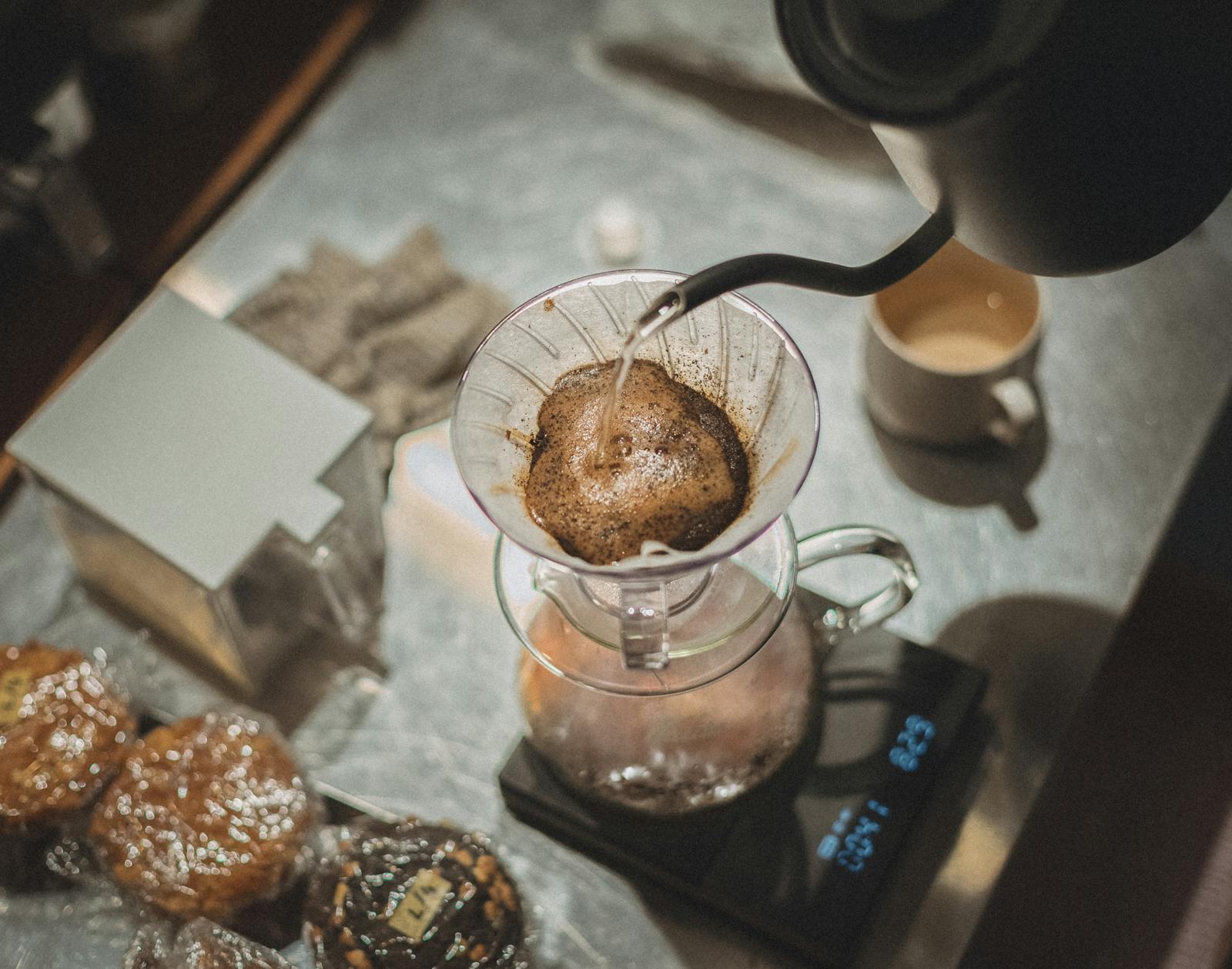
Leave with one actionable change: adjust only one brew variable at home for a week. Pick just one—grind a little finer, weigh your coffee, or lower your water temp slightly—so you can actually feel cause-and-effect instead of changing everything at once.
Advanced notes (optional): the three “big levers”
Ratio: If your coffee tastes weak, add a little more coffee (not more time). Grind: If it tastes sour/flat, go slightly finer; if it tastes harsh/dry, go slightly coarser. Temperature: If it tastes bitter, try slightly cooler water. Change one lever at a time, write one sentence about the result, and you’ll learn faster than you think.
Printable half-day planner (click cells to edit)
Use this like a scratchpad: fill it out on your phone, then print it—or screenshot it—before you head out. If you’re comparing tours, write your must-have (farm-direct learning vs. transport-included convenience) in the notes column so your group aligns fast.
| Item | Time (estimate) | Notes (tap to edit) |
|---|---|---|
| Leave lodging | __ : __ | Charge phone; water bottle; cash/card |
| Arrive + buffer | __ : __ | Find meeting spot; restroom; quick snack |
| Tour start | __ : __ | Ask: “What should I pay attention to today?” |
| Tasting highlight | __ : __ | Write 1 note: “This tastes like ___ because ___.” |
| Lunch plan | __ : __ | Pick a spot; hydrate; slow down |
| Drive back | __ : __ | Leave earlier if rain/traffic builds |
Green-visit checklist: Stay on requested paths, avoid touching plants unless invited, don’t leave trash (including organic scraps), and keep fragrances light—strong scents can wreck everyone’s tasting experience.
One last move that makes the tour stick: when you get home, brew the same coffee two ways (even if it’s the same beans)—one “as usual,” one with the single change you chose. That tiny experiment is how a fun tour becomes a better daily cup.