The best short answer: for most people, coffee doesn’t meaningfully dehydrate you. Research comparing moderate coffee intake with water in regular coffee drinkers found similar hydration markers, and higher-dose studies suggest diuresis shows up mainly when caffeine gets pushed higher—especially in a short window. Translation: your usual cup is fine; megadoses and ‘catch-up hydration’ situations are where it can matter.
If you’re sipping coffee and suddenly wondering whether you “need to chase it with water,” you’re in good company. This question sticks around because coffee can make you pee a bit more—yet that doesn’t automatically mean you’re dehydrating yourself.
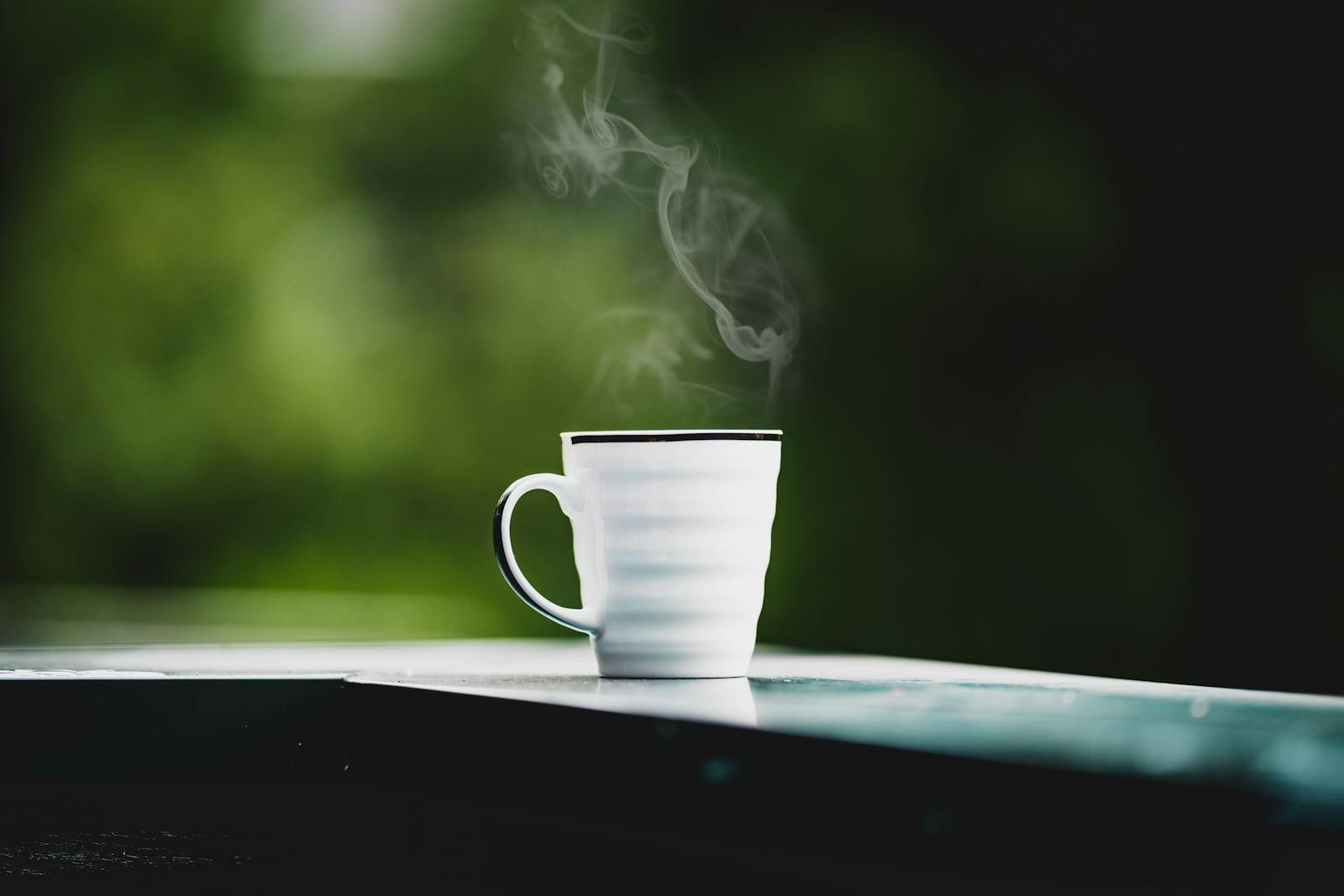
What you’ll get: a clear yes/no, why coffee can feel dehydrating, what research really shows, and a printable tracker so you can test your own routine without guesswork.
Quick mindset: Coffee isn’t “negative water.” Treat it as a drink that usually counts toward fluids—unless you’re stacking a lot of caffeine, sweating heavily, or skipping plain water all day.
Quick answer: Does coffee dehydrate you?
For most people, no—moderate coffee intake doesn’t meaningfully dehydrate you. In everyday amounts, coffee still provides fluid, and regular coffee drinkers tend to adapt to caffeine’s diuretic effect. So if you’re asking “does coffee actually dehydrate you?” the answer is usually no—coffee typically still counts toward hydration. coffee dehydration myth
Here’s the helpful nuance: brewed coffee is almost entirely water (think high-90s percent water), so yes—coffee can hydrate you, and the water in coffee counts toward water intake. It’s just not always the same as drinking water if you’re using very strong coffee, drinking it fast, or replacing all other fluids with coffee.
Also, if you’re already dehydrated—say, after a long hot day or a stomach bug—coffee isn’t the best “fix.” It can still add fluids, but coffee doesn’t help with dehydration as reliably as water (or an oral rehydration/electrolyte drink) when you need to catch up.
Decaf matters, too: If you’re wondering “does decaf coffee dehydrate you,” it’s very unlikely. For most people, decaf coffee is hydrating, decaf coffee counts as water intake, and decaf coffee isn’t much of a diuretic because the caffeine dose is small.
Common signals people blame on coffee
- Mouth: dry or “cottony” feeling.
- Energy: jittery → then a dip.
- Bathroom: one extra trip after a strong cup.
- Stomach: mild cramps or an “off” feeling.
Better hydration indicators to watch
- Urine: pale yellow most of the day.
- Thirst: comes and goes, not constant.
- Head: no persistent dull headache.
- Performance: workouts feel “normal,” not unusually heavy.
Why coffee can feel dehydrating
The caffeine–diuresis effect in plain English
People ask “is coffee a diuretic?” because caffeine can temporarily tell your kidneys to let a bit more water (and sodium) pass into urine. That’s why caffeine is considered a diuretic at higher doses—and it’s the main thing that makes coffee a diuretic. If you drink coffee often, your body typically blunts that effect.
So, does caffeine dehydrate you? Not automatically. But at high doses (or if you’re not used to it), caffeine can increase short-term urine output—sometimes meaning coffee can make you pee more than water for a few hours. In typical “daily coffee” amounts, many people won’t notice a meaningful net loss.
Dry mouth isn’t the same as dehydration
That “parched” feeling after coffee is often about saliva and stimulation (plus heat, acidity, or breathing through your mouth), not your entire body running low on water. Coffee can also leave a drying sensation on the tongue—and yes, caffeine can make you feel a bit thirstier if you’re already behind. dry mouth vs dehydration
Do you really need “a glass of water per cup of coffee”?
It’s not a bad habit—water is great—but it’s not a rule of physics. If that extra glass helps you feel better and keeps your overall fluids up, keep it. If it turns into forced chugging (and constant bathroom breaks), dial it back and use thirst, urine color, and how you feel as your guide.
What about tea, soda, and energy drinks?
Most people don’t get dehydrated from tea in normal amounts—black tea is usually hydrating because it’s mostly water, and whether tea is “more diuretic than coffee” depends on the caffeine dose per serving. Soda/pop generally doesn’t dehydrate you just because it’s soda, and caffeine-free soda doesn’t dehydrate you either—but sugary drinks can crowd out better fluids or worsen stomach upset. If you’re asking “do energy drinks dehydrate you,” the bigger issue is often stacking a lot of caffeine (plus sugar) while skipping water—especially in heat or during long workouts. The drinks most likely to contribute to dehydration are the ones that increase losses (like alcohol) or make it hard to keep fluids down.
When it can become a real problem
Watch-out zone: If coffee is replacing water and you’re sweating heavily (heat, long shifts, endurance workouts), the “net” can tip the wrong way. Add alcohol, vomiting/diarrhea, fever, or very high caffeine intake, and dehydration becomes much more plausible.
And for the opposite worry—bloat—people ask “does coffee cause water retention?” Caffeine doesn’t usually cause long-term fluid retention on its own, but coffee add-ins (sugar, syrup, dairy) and salty foods can make you feel puffy. That’s why it can seem like caffeine makes you retain water when the real driver is the overall meal and sodium.
What the research says about coffee and hydration
Regular coffee drinkers often adapt
In controlled research, moderate coffee intake in habitual drinkers has been shown to produce hydration measures comparable to water. In other words: in normal amounts, coffee can behave like a “real drink,” not a fluid thief. moderate coffee hydration study
So how dehydrating is coffee in real life? For most regular drinkers, it’s “not much”—which is why coffee often counts toward water intake. The bigger swing usually comes from context: how much you sweat, whether you’re sick, and whether coffee is replacing other fluids.
Dose matters (and “very high” is easier to reach than you think)
When caffeine climbs, urine output can climb with it—particularly if you’re not adapted, you’re using very strong coffee, or you’re stacking multiple sources (large cold brew + energy drink + pre-workout, for example). That’s one reason people feel like “coffee is dehydrating” on certain days: it’s not just coffee, it’s the total caffeine load. high-caffeine coffee diuresis
Practical takeaway: If your caffeine intake is moderate and consistent, coffee generally counts toward fluids. If you crank caffeine way up or use it strategically (e.g., before intense training), be intentional about water and electrolytes.
How to drink coffee without shortchanging hydration
Use a simple “net hydration” check
Instead of rules like “one coffee = one water,” try this: after your coffee, check in on thirst and urine color over the next couple of hours. If you’re comfortable, peeing pale yellow, and your energy feels steady, your routine is probably working. If you’re thirsty, headachy, and your urine is consistently dark, add water earlier in the day—before you’re chasing symptoms.
Mini example: If you tend to drink coffee first and “forget” water until lunchtime, your fix can be tiny: drink 8–12 oz of water while the coffee brews, then sip coffee with breakfast. Many people notice the afternoon headache disappears without changing the amount of coffee at all—just the timing. And no, drinking water doesn’t “flush out” caffeine faster (your body metabolizes caffeine over time), but water can dilute what’s in your stomach and may soften jitters if you’re sensitive.
Time coffee around workouts and heat
If you’re training, working outdoors, or spending hours in the heat, treat coffee like a “bonus,” not your base hydration plan. A helpful approach is to get some water in before your first cup, then sip coffee with food or alongside a water bottle. For healthy adults, general guidance often pegs moderate caffeine around 400 mg/day, but your best number is the one that doesn’t crowd out fluids or sleep. Coffee has small amounts of minerals, but it’s not an electrolyte drink—still, yes, you can drink coffee and electrolytes on heavy-sweat days if that helps you stay balanced. caffeinated drinks and hydration
Watch these high-risk situations
- Heat + sweat: long outdoor time, heavy gear, sauna-like commutes.
- GI losses: vomiting/diarrhea can outpace any beverage quickly.
- New caffeine habits: suddenly “going hard” after months off.
- Alcohol/diuretics: stacking multiple fluid-loss drivers in a day.
- Sleep debt: more caffeine + less water + more stress hormones.
- Big single doses: chugging a strong drink beats sipping.
If you’re wondering what happens if you only drink coffee and no water, you might still get some fluids from coffee—but it’s easier to overshoot caffeine, miss electrolytes, and fall behind when you’re hot, active, or sick. And if you’re concerned about potassium: coffee alone usually isn’t a major reason for potassium problems, but heavy sweating, GI illness, and certain medications are—so if you’re at risk, ask your clinician whether coffee depletes potassium in your situation.
Coffee + water tracker (printable)
How to use the tracker
This is designed for real life, not perfection. For 7 days, log your coffee and your other fluids, then add one quick hydration check (urine color or thirst). You’re looking for patterns—like “two large cold brews + no water until noon = afternoon headache.” If your notes show you feel worse on higher-caffeine days, try shifting one coffee earlier, downsizing one serving, or pairing the first cup with water and food.
Tip: Fill this in on your phone during the day, then print if you want a paper copy for a clinician or coach.
Hydration quick-check: Use this when you’re not sure whether you need water, a snack, or simply less caffeine.
| What you notice | What it often means | What to try today |
|---|---|---|
| Thirsty + urine consistently dark | Overall fluids may be low | Front-load water earlier; add a glass with breakfast |
| Dry mouth but urine stays pale | Local dryness (saliva, breathing, heat) | Water sips, sugar-free gum, reduce salty snacks |
| Headache mid-afternoon on “big coffee” days | Caffeine swing or missed hydration/food | Downsize one serving; add lunch fluids and salt if sweating |
| Frequent bathroom trips after late coffee | Timing sensitivity + sleep disruption | Move last cup earlier; try half-caf later |
.jpg)
Printable 7-day coffee + water tracker
| Date | Coffee (cups / oz) | Water (oz) | Other fluids (oz) | Heat / workout notes | Hydration check (thirst / urine color) |
|---|---|---|---|---|---|
| Day 1 | |||||
| Day 2 | |||||
| Day 3 | |||||
| Day 4 | |||||
| Day 5 | |||||
| Day 6 | |||||
| Day 7 |
When to talk to a clinician
If you’re having persistent dizziness, fainting, confusion, very dark urine that doesn’t improve with fluids, or you can’t keep liquids down, get medical care. And if you’re managing kidney disease, heart failure, uncontrolled blood pressure, pregnancy-related symptoms, or medications that affect fluid balance, ask your clinician what “smart hydration” looks like for you—especially if caffeine intake is high or changing.