If you’ve ever had a kidney stone, it’s normal to side-eye anything that might “dry you out”—including caffeine. The catch is that stone risk is usually driven by urine concentration and beverage choices, not caffeine in isolation. Use this guide to pick the safest caffeinated drinks, then lock in hydration habits that keep urine dilute.
What if the coffee you’re avoiding isn’t raising your stone risk at all—and the “healthier” drink you swapped in is? Caffeine can increase urine output and affect urine chemistry, so it sounds risky. But when researchers look at real-world patterns, coffee and caffeine often track with lower stone risk, while some sugary caffeinated drinks can push risk the other direction. Let’s sort the beverage myths from the prevention moves that actually matter.
- Key takeaway: Caffeine itself usually isn’t the main stone driver—low fluid intake is.
- Best bet: Unsweetened coffee or tea plus a consistent water routine.
- Watch outs: Sugary caffeinated drinks, oversized servings, and hot/exercise days.
- When to personalize: Recurrent stones = ask about stone analysis and a 24-hour urine test.
The short answer: caffeine usually isn’t the problem
For most people, caffeine doesn’t directly “cause” kidney stones. Stones form when urine gets concentrated enough that minerals can crystallize and grow—so the day-to-day lever you control best is fluid intake (and what else is riding along with the caffeine, like sugar or sodium). If your urine stays dilute, your stone risk generally drops—whether you drink caffeine or not.
The more useful question is: Does your caffeinated drink help you stay hydrated—or does it replace fluids you’d otherwise drink? A plain coffee that’s part of a high-fluid day can be fine. A 20–24 oz energy drink that crowds out water (or adds a lot of sugar) can be a different story. If you’ve had stones before, think “total fluids + drink quality,” not “caffeine = bad.”
Quick detour for the questions people Google: Is coffee bad for kidneys? Is coffee good for kidneys? For most healthy adults, moderate coffee—including black coffee—isn’t generally considered harmful to kidney function. But if you have kidney disease or follow a renal diet, your care team may want you to watch caffeine timing, fluids, and certain nutrients (more on that below) rather than treating coffee as automatically “good” or “bad.”
Likely helpful
- Unsweetened coffee: keeps the “beverage package” simple and predictable.
- Plain tea: useful if it helps you drink more total fluid.
- Water chaser habit: coffee + water, not coffee instead of water.
Worth watching
- Sugary caffeine: soda, sweet coffee drinks, and many energy drinks add fast sugar.
- All-day caffeine: late intake can disrupt sleep and derail hydration habits.
- Heat/exercise days: sweat losses mean you need more water before more caffeine.
What research suggests about coffee/caffeine and stone risk
Multiple lines of research point in the same direction: coffee and caffeine often correlate with lower kidney stone risk, not higher. One genetics-based analysis (a method designed to reduce “healthy user” bias) reported that higher coffee and caffeine intake were associated with reduced risk—summarized by the National Kidney Foundation in a genetic study on coffee.
Large observational cohorts have also found that people reporting higher caffeine intake tended to develop fewer stones over time, and urine chemistry patterns can help explain why (more urine volume can dilute stone-forming minerals). A widely cited prospective analysis in The American Journal of Clinical Nutrition reported this inverse association between caffeine and incident stones in adults—see the prospective caffeine cohorts paper for details. Taken together, the best human data doesn’t support the idea that coffee routinely causes kidney stones.
Takeaway: the “coffee causes stones” story doesn’t match the weight of human data. The bigger risk factor is letting urine get too concentrated—especially on low-fluid days.
Why caffeine can look risky on paper (but often nets out fine)
Caffeine has a reputation for “dehydrating,” and it’s true that it can increase urine output—especially in people who rarely consume it. Caffeine can also nudge urine calcium upward in some situations. On paper, that sounds like a stone recipe. In real life, the net effect often comes down to whether your day ends with more total fluid and more total urine—because dilution matters most.
Think of stone risk as a balance between (1) how much stone-forming material is in the urine and (2) how much liquid it’s dissolved in. If caffeine leads you to drink more overall (common with coffee/tea routines), it may help the “dilution” side of that equation. If caffeine replaces water on a hot day—or comes packaged with a lot of sugar—risk can swing the other way.
| Mechanism | What it can change | Why it matters for stones |
|---|---|---|
| Diuresis | More urine output (varies by tolerance) | Helpful if total fluid intake stays high; risky if you “fall behind” on fluids |
| Urine calcium shift | Slight increase in calcium excretion for some people | Can raise supersaturation if urine volume is low |
| Beverage package | Sugar, sodium, oxalate, large servings | These can outweigh caffeine’s effects, depending on the drink |
| Low intake day | Less total fluid (often the real “dehydration”) | Urine concentrates quickly, making crystals more likely to form |
| Behavior | Sleep and appetite disruption at high intakes | Poor sleep can reduce consistent hydration and healthy eating patterns |
Coffee vs tea vs soda vs energy drinks: the beverage matters
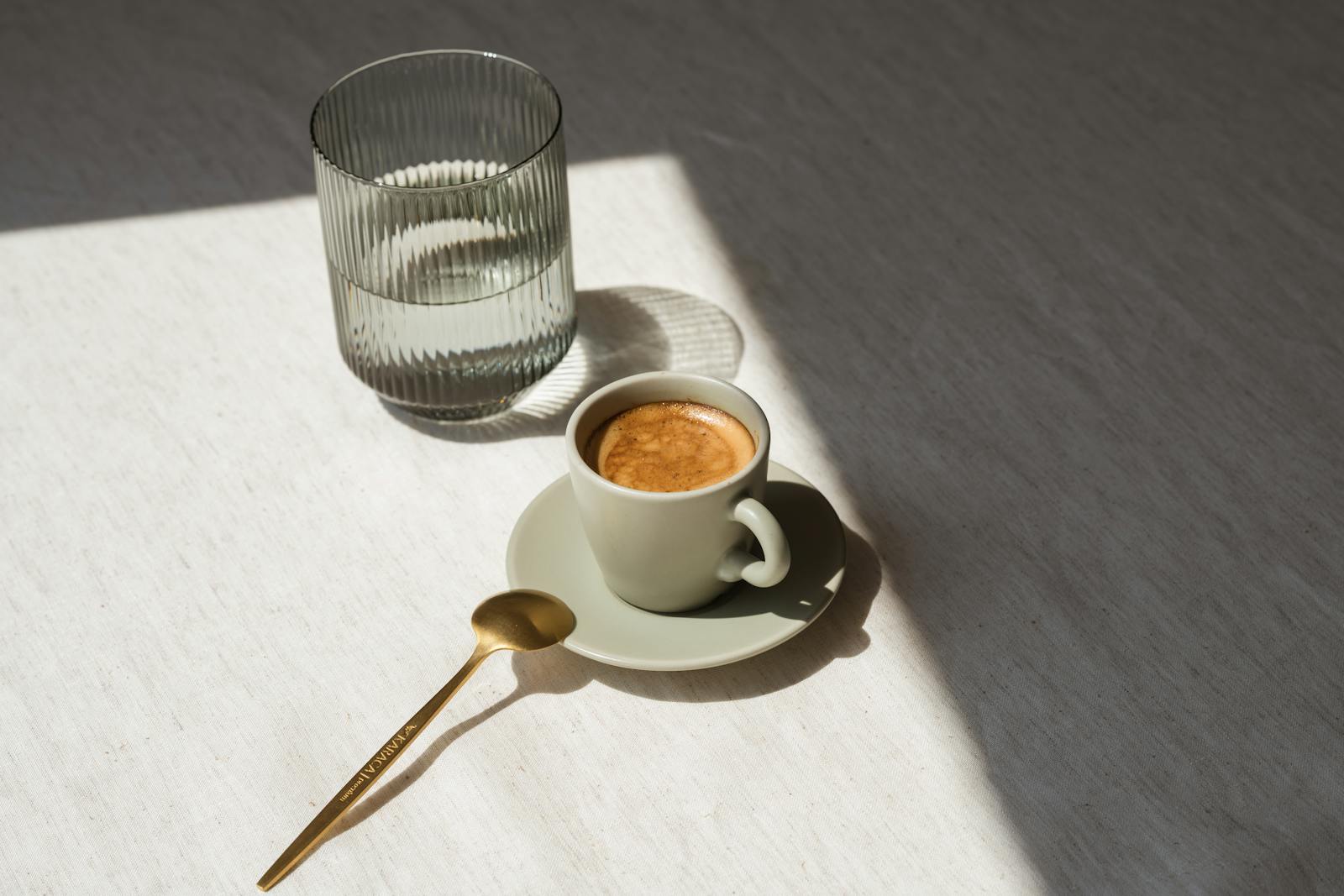
Coffee: Plain coffee is often the least complicated option—especially if you skip sugary add-ins and keep it part of a “drink fluids all day” routine. For most stone-prone people, black coffee (and often decaffeinated coffee) is simpler than sweetened café drinks. Espresso, cold brew, and drip coffee can all make you pee more if you’re sensitive to caffeine—so the fix is usually a water chaser, not panic.
Tea: Tea can be a great hydration helper. The nuance is that oxalate content varies by tea type, which matters more if you’re prone to calcium oxalate stones and you already eat a high-oxalate diet. If you’re asking “does iced tea cause kidney stones,” heavy black iced tea habits are the usual concern; many people rotate in green tea or herbal tea to keep variety without relying on one strong brew.
Soda/carbonation: Many people wonder if carbonated drinks cause kidney stones. It’s usually not the bubbles—plain sparkling water or seltzer is often just carbonated water. The bigger issue is frequent soft drinks (especially cola) and sweetened caffeinated beverages, including popular options like Pepsi, Dr Pepper, or Mountain Dew. If you want one “swap” that typically helps, replace sweet drinks (diet or regular) with water, seltzer, or unsweetened coffee/tea.
Energy drinks: If you’re asking “do energy drinks cause kidney stones” (or “can energy drinks give you kidney stones”), the most consistent concern is the pattern: high caffeine per serving, big cans, and what they replace (water)—plus sugar in many versions. This applies across brands like Celsius, Red Bull, and Monster, including zero-sugar and sugar-free versions. There isn’t a universal “how many energy drinks cause kidney stones” number; risk tends to rise when you’re relying on them daily or using them as hydration.

If you’ve had kidney stones: a simple caffeine playbook
Start with a mindset shift: you’re not trying to “avoid caffeine,” you’re trying to avoid concentrated urine. That means your best move is building a repeatable fluid routine—and then fitting caffeine inside it. If you’re going to keep caffeine, make it predictable and pair it with water.
A practical rule many clinicians use is moderation: coffee and tea can fit, but they shouldn’t crowd out water and they shouldn’t come loaded with sugar (think flavored lattes, bottled sweet teas, and “dessert coffees”). Harvard Health’s prevention advice also frames coffee/tea as reasonable in moderation alongside a broader hydration-first plan—see coffee and tea in moderation.
If you’re asking “what to drink to prevent kidney stones” or “best drink for kidney stones,” the boring answer is usually the best: water (or any low-sugar fluid you’ll consistently drink). If you’re in heat or doing a workout, drink water first—then decide on caffeine. During an active stone episode, prioritize fluids and follow your clinician’s advice, especially if nausea or severe pain makes it hard to keep liquids down.
Then personalize it. If your stones recur, your clinician may recommend a 24-hour urine test to pinpoint your main drivers (low urine volume, high calcium, high oxalate, low citrate, etc.). Until you have that info, your safest bet is to keep caffeine moderate, avoid “sugar bombs,” and treat heat/exercise days as special hydration days.
- Water chaser: Drink a full glass of water with your first caffeinated drink.
- Morning bias: Keep most caffeine earlier so sleep doesn’t take a hit.
- Plain base: Choose unsweetened coffee/tea more often than sweet drinks.
- Heat rule: Add extra water on hot days before adding extra caffeine.
- Portion reset: Downsize “large” servings; avoid refills out of habit.
- Symptom note: Track days you feel “dry” (headache, dark urine, low output).
Printable caffeine + fluids log (tap to edit the table, then print)
| Day | Caffeine (what + when) | Water/fluids (approx.) | Heat/exercise | Notes (urine color, symptoms) |
|---|---|---|---|---|
| Mon | ||||
| Tue | ||||
| Wed | ||||
| Thu | ||||
| Fri | ||||
| Sat | ||||
| Sun |
Tip: If you notice dark urine or long gaps between bathroom trips on “high caffeine” days, that’s a strong sign you need more fluids—regardless of the caffeine source.
Safety note: If you have fever/chills, vomiting you can’t control, fainting, or severe one-sided pain with trouble urinating, seek urgent care. Visible blood, “coffee-ground” looking urine, or persistent kidney pain after coffee is a reason to get evaluated rather than assuming coffee itself is the cause.
The prevention basics that beat any caffeine tweak
The “big rocks” for prevention usually beat micromanaging caffeine: drink enough fluids to keep urine light-colored, limit excess sodium, and follow any stone-type-specific advice you’ve been given. The National Institute of Diabetes and Digestive and Kidney Diseases summarizes these core prevention pillars in its kidney stone basics overview. If you do only one thing this week, make “more total urine” your goal—because dilution is protection.
Diet matters most when it matches your stone type. For many people with calcium oxalate stones, the biggest wins are hydration, keeping sodium reasonable (high sodium can drive more calcium into the urine), and not overcorrecting with extreme food bans. Instead of hunting for the single “worst food,” aim for a repeatable plan you can keep—then use testing to fine-tune oxalate, citrate, and calcium balance.
If you drink alcohol, the question is often “can you drink alcohol with kidney stones?” Many people can in moderation, but alcohol can make dehydration easier—so pair beer, wine, or spirits with water and don’t let it replace your usual fluids, especially on hot days.
In other words: it’s usually smarter to keep your usual coffee and add a consistent water routine than to quit coffee and change nothing else. If your stones keep coming back, ask your clinician whether a 24-hour urine test (and a stone analysis, if you have one) could target the real driver—low urine volume, high calcium, high oxalate, low citrate, or something else.
Quick cautions & special cases
Caffeine effect on kidneys (general): People ask “is caffeine bad for kidneys?” In many healthy adults, moderate caffeine isn’t considered harmful to kidney function. If you have coffee and kidney disease concerns (including stage 3 kidney disease), follow your clinician’s guidance—your targets may differ.
Coffee and renal diet: If you’re on a renal diet, coffee can still fit, but you may need to account for nutrients like phosphorus and potassium depending on your plan. The answer to “how much potassium is in a cup of coffee” varies by brew and serving size, so use your care team’s approach for tracking.
Coffee and creatinine: Creatinine is a lab marker your clinician interprets in context. Coffee isn’t a “kidney flush,” and it doesn’t reliably “flush out sodium”—sodium control usually comes from diet habits, not a caffeine workaround.
Oxalates: Oxalates (pronounced “OK-suh-lates”) are natural compounds in many foods and drinks. If you’re prone to calcium oxalate stones, the goal is usually balance—moderation plus good hydration—rather than eliminating every oxalate source.
UTI/bladder overlap: Caffeine can irritate the bladder for some people, but it doesn’t “cause a UTI” by itself. Burning, urgency, fever, or back pain should be checked.
“Black stones” and color: Stone color varies and doesn’t reliably identify stone type. If you’re worried about unusually dark material, don’t guess—save what you can and ask about stone analysis.
Gallstones aren’t kidney stones: Gallstones are a separate condition, so advice about coffee and kidney stones doesn’t automatically apply to gallstones.
Hidden caffeine: pre-workouts, energy drinks, and “large” café drinks can stack quickly—portion awareness matters.
Bottom line: caffeine isn’t automatically a kidney-stone trigger. Keep it moderate, choose low-sugar caffeinated drinks, and make hydration your non-negotiable.