Yes—coffee beans can go bad, but they usually don’t “expire quickly” in a dramatic, unsafe way. What most people experience is staleness: the flavor and aroma fade until your cup tastes flat, papery, or just… meh.
If coffee beans truly expired the way milk does, half our kitchens would be crime scenes. The real issue isn’t safety—it’s speed of staling. Once beans meet oxygen (especially after grinding), the flavor compounds you’re chasing start disappearing fast. That’s why “best-by” dates can be misleading, and why a roast date tells you more in five seconds than packaging ever will. Here’s how to tell what’s still worth brewing—and how to slow the clock.
TL;DR
- “Expiration date” on coffee is mostly about quality, not safety.
- Stale beans are usually safe—they just taste dull.
- Moisture + warmth are the real “go bad fast” combo.
- Whole beans outlast ground coffee by a lot.
- Unopened bags keep longer, but roast date still matters.
- Freeze extras only if sealed airtight and kept dry.
Do coffee beans go bad, or just go stale?
Most of the time, coffee beans don’t “spoil” the way milk does. They stale as volatile aromas fade and the natural oils on the bean surface oxidize. That’s why a bag that once smelled like blueberries or cocoa can start smelling like… cardboard.
Think of freshness as a downhill slope, not a drop-off. You’ll notice it first in the smell, then in the taste: less sweetness, less clarity, and a shorter finish.
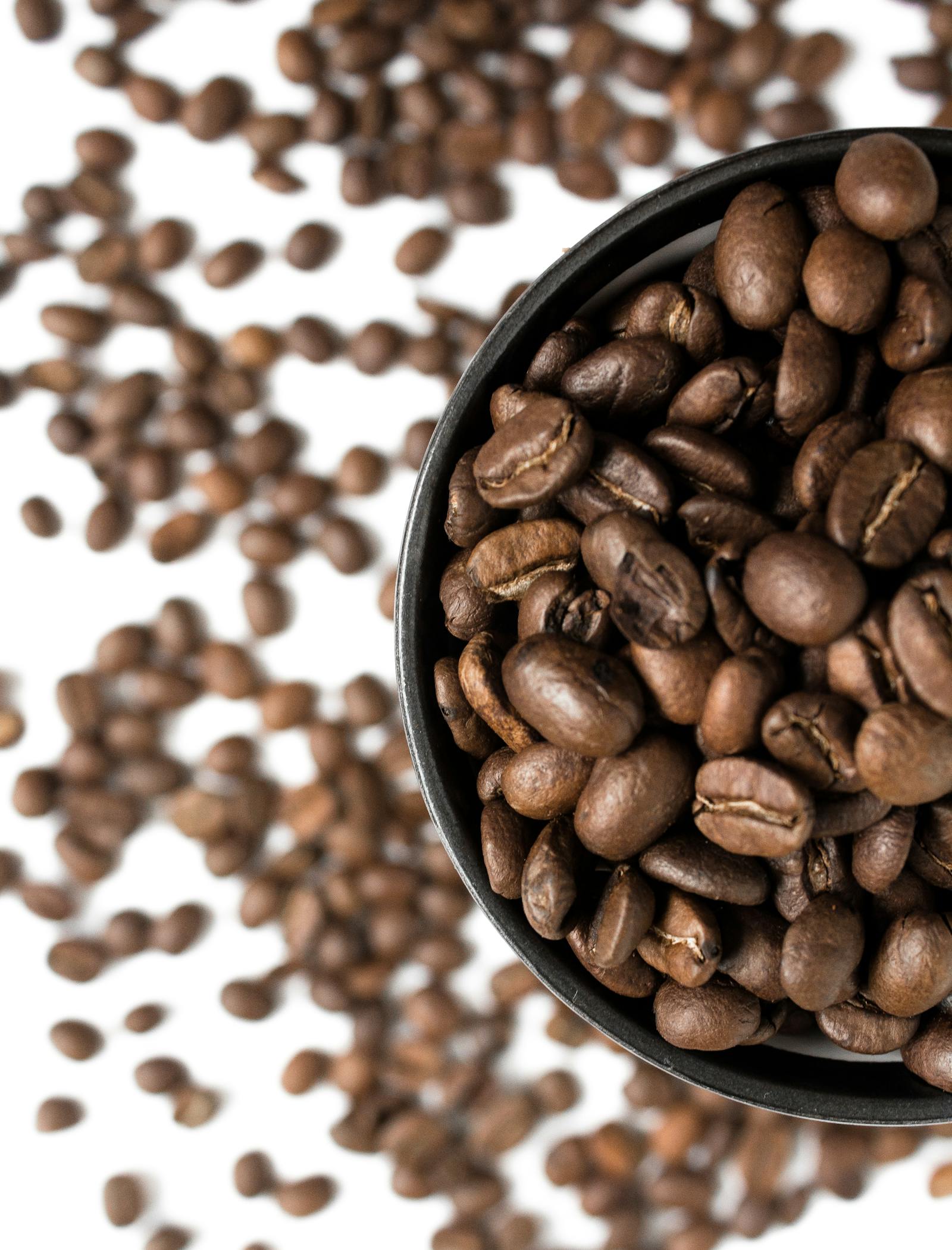
“Expiration date” vs best-by date vs roast date
Most coffee has a “best by” date (sometimes labeled like an “expiration date”), but it’s mainly a freshness promise—not a safety deadline. For flavor, the most useful thing to look for is the roast date. If you can, buy beans with a clear roast stamp and use them while they’re still lively—especially if you drink coffee black or as espresso.
A quick habit that helps at checkout: check the roast date. Translation: a bag can be “within date” and still taste tired, while an older bag can still be safe if it stayed dry and clean.
When beans can genuinely go bad
True spoilage is rare, but it can happen—especially if beans are exposed to moisture. Water is the wildcard that can encourage mold growth and create “basement” or “wet cardboard” aromas. Another issue is rancidity: very old beans (especially oily dark roasts) can develop a stale, greasy, paint-like smell that’s hard to ignore.
Keep vs toss: If beans stayed dry and smell normal, they’re almost always safe (even if stale). If they got wet, smell musty, or show visible mold, toss them and wash the container thoroughly.
Signs your beans are stale (or truly spoiled)
Here’s the practical test: you’re trying to answer one question—is this coffee boring, or is it wrong? If your bag is old but clean and dry, it’s almost always “boring” rather than “dangerous.”
Stale coffee is disappointing. Bad coffee is suspicious. And “suspicious” tends to show up as dampness, mustiness, or an oily-rancid smell—not as a calendar date.
Fast freshness check (60 seconds)
Smell test
- Aromatic, sweet, nutty → likely fine.
- Flat, dusty, papery → stale.
- Musty, damp, sour → don’t use.
Visual + texture
- Dry-looking beans → normal.
- Shiny/oily coating → older (or very dark roast).
- Clumping dust or dampness → moisture issue.
Flavor clues in the cup
Stale beans tend to brew coffee that tastes hollow—bitterness without sweetness, or acidity without fruitiness. Espresso shots may run faster and taste thin. Drip coffee may smell “fine” but drink like hot water with coffee memories.
One easy example: if you opened a bag on Monday and it sat on the counter all week, it’ll probably still be drinkable on Saturday—but it won’t taste like it did on Monday. That “what happened when coffee expired?” feeling is usually just aroma fading and sweetness disappearing.
What to do with stale or “expired” coffee
Use it for
- Cold brew — smooths out “flat” flavors.
- Baking — brownies, tiramisu, coffee syrups.
- Mocha drinks — chocolate covers dullness well.
Skip it for
- Espresso dialing — you’ll chase the shot forever.
- Black pour-over — flavors won’t “pop.”
- Tasting notes — the nuance is already gone.
How long do coffee beans last? Whole beans vs ground, opened vs unopened
This is where people get tripped up: “How long do coffee beans last?” depends on whether they’re whole or ground, and whether the bag is unopened or opened daily. In general, whole beans keep their flavor longer because there’s less surface area exposed to oxygen.
If you want coffee that stays fresh longer, buy whole beans and grind as you go. If you buy pre-ground, the “stale clock” starts racing as soon as air hits it.
For a broad, practical baseline on how long whole beans and grounds hold up (opened vs unopened), Healthline’s overview matches what most home brewers notice: coffee freshness timelines.
| Coffee type + storage | Best flavor window | Still usable? | Main risk |
|---|---|---|---|
| Unopened / sealed whole beans | Often best within a few months of roast | Can be drinkable much longer if kept cool/dry | Slow staling over time |
| Whole beans (opened) — cool pantry | 2–6 weeks (typical) | Often 2–3+ months | Oxygen + light |
| Ground coffee (opened) | Days to ~2 weeks (you’ll notice it fast) | Often 1–2 months if kept dry | Rapid oxidation |
| Vacuum-packed / nitrogen-flushed bag | Longer hold before opening | Varies by brand + storage conditions | Still stales once opened |
| Freezer (airtight portions) | Great for “holding” peak coffee | Months, sometimes longer | Condensation if mishandled |
Quick note on “espresso beans” and store brands: espresso beans are just coffee beans—so the shelf-life rules are the same. Whether it’s a local roaster or a grocery bag (yes, even Starbucks), air + time work the same way.
Also (different product intent): Brewed coffee has a much shorter shelf life than beans. If you’re wondering “how long is coffee good after brewing,” treat it like a ready-to-drink item—refrigerate promptly and aim to finish within a few days. Instant coffee and pods typically last a long time unopened, but they still taste better stored dry, sealed, and away from heat.
Best ways to store coffee beans so they don’t “expire” fast
The “best” storage is mostly about removing enemies from the room: air, light, heat, and moisture. You don’t need a laboratory—you need a consistent setup you’ll actually keep using.
The goal is stability: cool, dark, sealed, and low-humidity. When you do that, your beans stay lively long enough that your everyday routine feels easy again.
The 60-second storage upgrade
- Airtight container — ideally opaque (or kept in a dark cabinet).
- Quick-open habit — scoop fast, close immediately, no lingering lid time.
- Whole-bean default — grind right before brewing when possible.
- Cool location — away from the oven, dishwasher, and sunny windows.
With airtight storage in a cool cabinet, many people find beans stay enjoyable for weeks after opening. If you refrigerate or freeze beans, do it airtight and handle portions quickly to reduce moisture exposure. The National Coffee Association’s storage and shelf life guidance keeps it simple: protect beans from air, light, heat, and moisture.
Stale coffee is usually a storage problem, not a calendar problem.
Keep air out, keep moisture out, keep it boring.
Fridge storage: can you do it?
You can store coffee in the fridge, but it’s not most people’s best option. Refrigerators have humidity swings and strong odors, and coffee is good at absorbing both. If you insist on fridge storage, keep beans (or grounds) in a truly airtight container, open it as rarely as possible, and don’t expect miracles.
Advanced notes: vacuum sealing + green coffee beans
Vacuum sealing: vacuum sealing coffee beans works best for long-term storage when you’re freezing portions. Seal small amounts so you don’t open a giant bag repeatedly. Think “single-dose or small-weekly packs,” not “one mega brick forever.”
Green (unroasted) coffee beans: green beans usually last longer than roasted beans, but they still hate humidity. Store them cool, dry, and sealed so they don’t pick up musty smells or moisture.
Should you freeze coffee beans?
Freezing beans can be a smart move—if you do it to avoid repeated air exposure. It’s most useful when you buy in bulk, want to save a special bag for later, or you prefer variety but don’t want three open bags aging at once.
The freezer is a pause button—condensation is the penalty. The entire strategy is keeping water off the beans while they warm up.
If you’re going to freeze beans, this practical workflow is a great baseline: freeze beans correctly.
Can you freeze ground coffee too?
Yes—you can freeze ground coffee, but it’s even more sensitive to oxygen once it’s thawed. If you freeze grounds, portion them small and plan to use them quickly after opening. Whole beans are usually the better candidate for freezing.
How to freeze beans the right way (no soggy surprises)
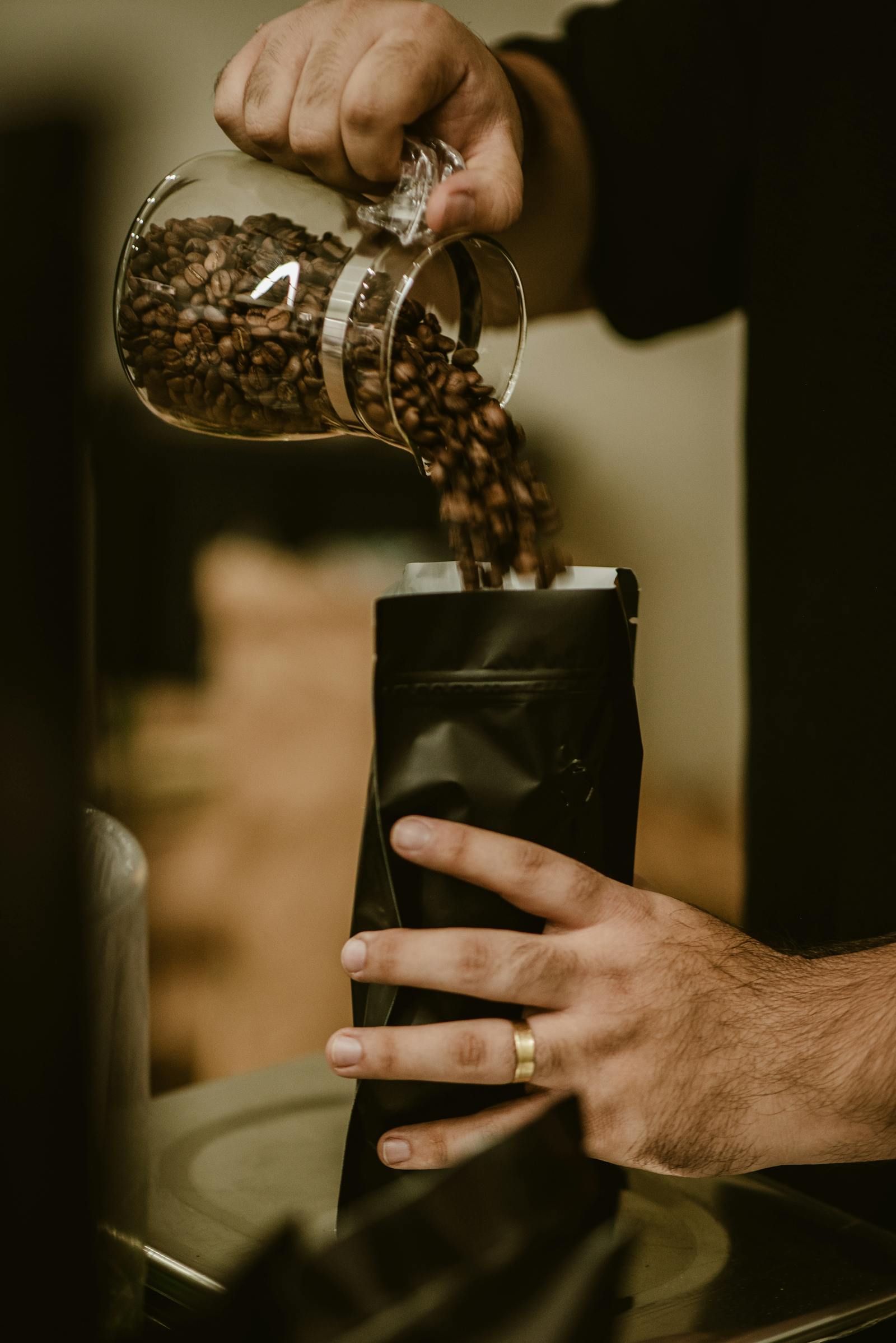
Keep it simple: portion → seal → freeze → thaw sealed. Portion beans into small airtight bags or containers (single brew or a few days at most). Squeeze out excess air, freeze, and when you’re ready, let the portion come to room temperature before opening. This avoids condensation landing on cold beans.
Condensation rule: warm the container up first, not the beans in open air. Opening a frozen bag on a humid kitchen day is how you lose flavor fast—even if the beans were perfect going in.
Once thawed, treat that portion like a normal open bag: keep it sealed, keep it cool, and finish it before it fades.
Printable Freshness Tracker (edit + print)
Type directly into the cells, then print. Keyboard tip: use Tab to move forward and Shift+Tab to move back between fields.
Freshness plan: buy less, open less, finish sooner.
| Coffee | Roast date / Best-by | Opened on | Target finish | Notes (taste + tweaks) |
|---|---|---|---|---|
Small win: if you’re not finishing a bag in your ideal window, portion and freeze the rest (airtight, small doses, minimal air).
Bottom line: Coffee beans can go bad if moisture or contamination gets involved, but most “expired” coffee is simply stale. Store them sealed, cool, and dark—and if you freeze extras, keep portions airtight and don’t open them until they’ve fully warmed up.