Coffee grades, explained: what the letters really mean
AA, AB, PB, screen size, “specialty”—these labels can help you buy smarter or push you into paying extra for the wrong reason. Below is a simple way to translate grade jargon into real brewing expectations.
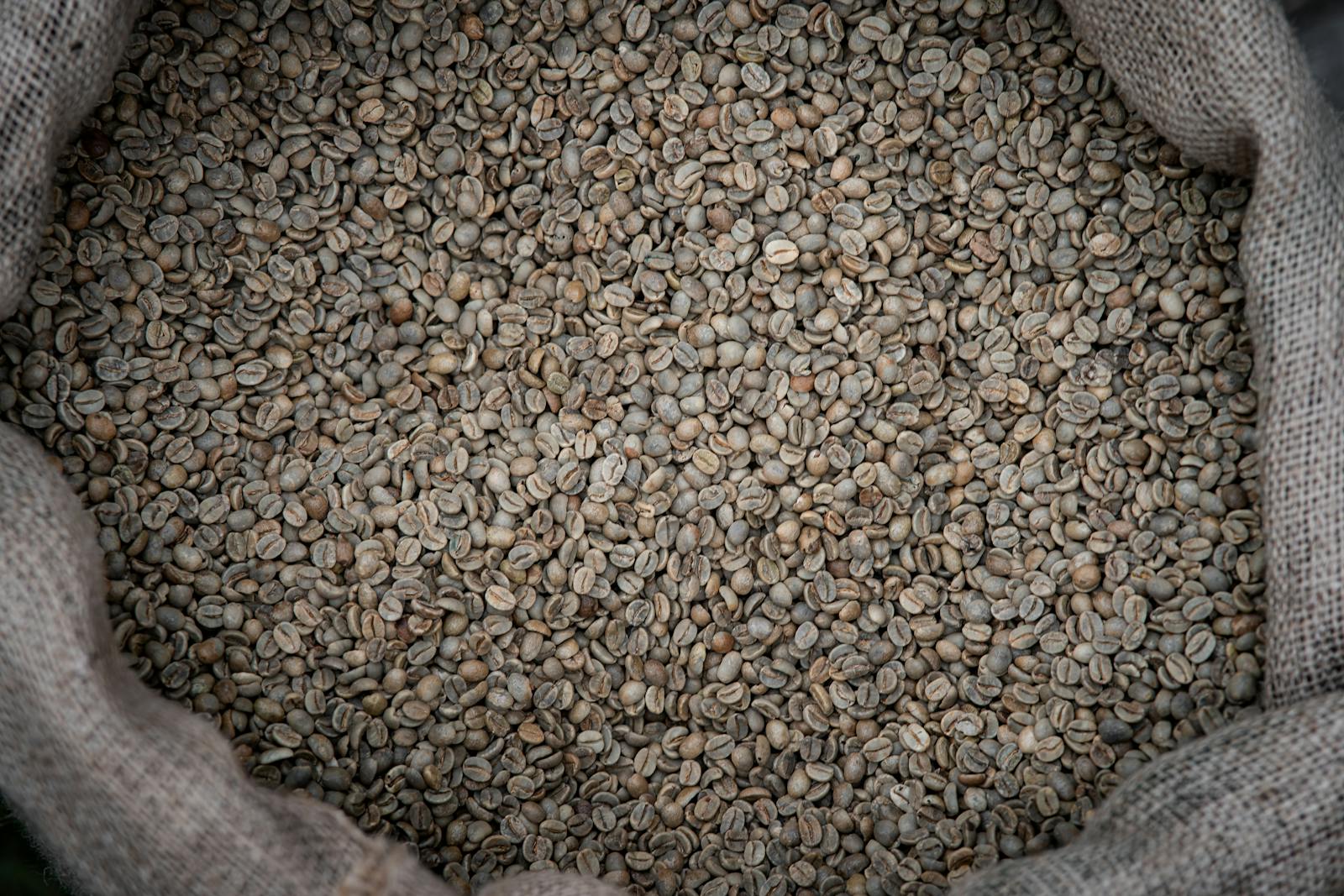
If “AA” means “top grade,” why do some AA coffees taste average—and some smaller lots taste incredible? Because coffee grades are often a logistics tool first: sorting by size, density, and defects so roasting behaves predictably. Flavor comes from farming, processing, freshness, and roasting decisions. This guide breaks down coffee grades in a way that lets you decode labels fast and choose beans that fit your taste—not just the fanciest-looking letters.
Fast definition: Coffee grading usually describes sorting and consistency (size, defects, uniformity) or a cup grade (how it performs in tasting). People sometimes treat those as “coffee levels,” but they’re really different measurements—and each one predicts different coffee characteristics in your brew.
What “coffee grade” actually means (and what it doesn’t)
A coffee “grade” usually describes consistency—not guaranteed deliciousness. In practice, grades help exporters ship reliable lots and help roasters roast with fewer surprises.
Think of grade as a risk-reducer: fewer defects, more uniform beans, and better sorting often means a cleaner, more stable cup. That’s a real upgrade for coffee quality—but grade can’t rescue stale coffee, a mismatched roast style, or a brew recipe that’s way off.
Grade ≠ flavor
It won’t tell you “chocolate vs citrus.” That’s origin, processing, freshness, and roast decisions.
Grade can still help
It can hint at roast evenness and “clean cup” potential—especially when comparing similar coffees.
The 3 layers of grading you’ll see in real life
Most confusion disappears once you separate physical sorting from sensory scoring. Coffee gets “graded” at different points in the supply chain, and the same word can mean different checks depending on context.
Physical grade: size, density, and defects
Physical grading is mostly about uniformity. A coffee grader checks size, consistency, and defects so lots roast more evenly—meaning you’re less likely to taste random harshness, mustiness, or hollow “flat” cups.
Sensory grade: cupping scores
Sensory scoring is where specialty coffee grading usually lives: how the coffee performs in a structured tasting. Scores can be helpful, but they’re best used as a filter—alongside tasting notes, roast date, and whether you trust the roaster’s style.
Market/trade shorthand: helpful… until it isn’t
Letter grades and export terms can be meaningful inside a country’s system, yet confusing on a retail shelf. A reliable rule: if it’s a letter grade, ask “size or score?” Also, you may see internal shorthand on listings or spec sheets (things like gradeg or gradesca)—treat those as the seller’s labels and focus on what’s actually being measured.
Size & screen grades: AA, AB, PB, Supremo, Excelso
Size grades are mainly a roasting-consistency tool—bigger doesn’t automatically mean better flavor. These labels are mostly about coffee bean size and uniformity, which matters because different sizes take on heat differently in the roaster.
Screen sizing in one minute
“Screen size” is bean diameter sorting. Screen numbers commonly run from about 10 to 22, and coffees sold as 15/16 or 17/18 are simply more uniform in physical size—making the roast behave more predictably. Sometimes the same idea shows up as fractions like 14/64 (inches), or odd notations like 16 2/3 on certain documents. For the basic range and sizing logic, see coffee screen size ranges.
AA/AB/PB in practice
In countries that use letter grades (like Kenya), AA and AB often describe size categories, while PB commonly stands for peaberry (a single, rounded seed instead of two halves). That’s why “AA” can be a clue for uniform roasting—not a promise of sweetness or complexity. Royal New York’s explainer is a solid reference for AA vs AB meaning.
Quick caution: Don’t pay a big premium just for the letters. Some expensive coffee beans cost more for rarity or storytelling, not because the grade guarantees you’ll like them.
Signals worth using
- Uniform size: easier to dial in roast & extraction.
- Peaberry: can roast a bit differently; sometimes punchier.
- Consistent color: suggests steadier sorting and storage.
Common misconceptions
- “Bigger = sweeter”: not reliably true across origins.
- “AA = always premium”: grade can’t fix stale beans or a bad roast.
- “PB is guaranteed better”: it’s a shape—quality still varies.
When smaller beans still win
Smaller beans can absolutely shine when the lot is clean, fresh, and roasted with intention. If you like juicy pour-overs, a slightly smaller screen lot can still deliver bright sweetness and clarity—especially when the roast keeps acidity lively without turning sharp.
Density/altitude terms: why they show up (and when they matter)
Density is a “how it roasts” hint more than a “how it tastes” guarantee. Denser beans often tolerate heat differently in the roaster, which can affect sweetness, structure, and how easy it is to avoid baked or underdeveloped flavors.
Grade tells you consistency; processing tells you character.
Density as a roasting variable
Dense coffees can handle more energy early in the roast without scorching, helping unlock sweetness and body. That matters if you brew espresso or you want a pour-over that stays crisp without tasting watery.
Washed/natural isn’t a “grade”… but it changes expectations
Processing labels (washed, natural, honey) aren’t a grade, but they’re often a better taste selector. Washed coffees lean cleaner and brighter; naturals can lean fruit-forward and heavier. If you’re deciding between two similar grades, let process and tasting notes do more of the work.
Defects & green-coffee grading: the quality control layer
Defect sorting is the behind-the-scenes work that keeps your cup from tasting “off.” Green coffee grading evaluates issues like broken beans, insect damage, uneven drying, and other defects that can create harsh or strange flavors. The big takeaway: there’s no single universal grading system, but the intent is consistent—better sorting, cleaner cups, fewer surprises. For a clear overview of what’s typically assessed, see green coffee grading basics.

Defect-to-flavor cheat sheet
- Musty/moldy: damp storage or contamination—usually a hard no.
- Baggy/papery: old storage; the cup tastes flat and muted.
- Phenolic/medicinal: processing issues; tastes sharp and wrong.
This is where the crop to cup coffee journey can either protect flavor—or quietly strip it away through poor handling and storage.
Why “clean cup” is the hidden upgrade
Here’s the sneaky truth: a coffee doesn’t need to be rare to taste great, but it does need to be clean and fresh. If the supply chain is sloppy, grade letters won’t matter much—because the coffee’s best flavors never make it to your mug.
Specialty scoring: what 80+ means (and what it misses)
Use the score as a filter, then confirm with notes and freshness. “Specialty grade” is commonly associated with coffees that score 80 points or higher on a 100-point cupping scale. Balance Coffee lays out the basics of the 80+ specialty score and why it’s treated as a quality threshold.
When scores help the most
Scores are handy when you’re moving fast and want a baseline. These coffee bean ratings can steer you toward coffees that are more likely to have sweetness, balance, and clarity—especially when you don’t recognize the origin or roaster yet.
What scores can’t tell you
A score can’t predict what you love. A bright, floral 87 might be your dream coffee—or it might feel too sharp if you prefer syrupy chocolate. Also: if the roast date is old, the score becomes less meaningful because the cup has faded.
Smart ways to use a score
- Shortlist: pick 2–3 options, then compare notes and roast date.
- Benchmark: learn what “82” vs “88” tastes like in your own brews.
- Consistency check: compare lots from the same roaster over time.
Where people get burned
- Buying blind: trusting a number without reading the flavor notes.
- Ignoring roast date: high score + old beans = muted cup.
- Not matching brew: some coffees need different grind and water temp.
Quick decoder: read a coffee label in 20 seconds
Your job is to turn label text into a brew expectation you can act on. Whether you’re grabbing Publix coffee beans on a grocery run or ordering from Square Bean Coffee online, the same scan works—and it helps you choose the best coffee beans for your taste.
Micro-example: Two bags on a shelf—one says “Kenya AA, washed, blackcurrant,” the other says “Ethiopia natural, strawberry.” The grade letters help with consistency, but process + notes tell you which cup style you’re actually buying. In some origins, Ethiopian coffee grading may show up as numbered grades (like “Grade 1”), which still act as a sorting/quality signal rather than a guaranteed flavor.
Your 20-second label scan
Origin hints at the flavor neighborhood. Process signals clean vs fruity. Grade/size signals consistency. Roast date tells you whether the best flavors are still alive. You may also see different types of coffee beans mentioned in casual shopping talk—most specialty is Arabica, while Robusta appears more often in certain espresso blends.
Grade fit by brew method
Espresso: uniform lots can make dialing in feel calmer. Pour-over: process and notes usually matter more than size. Cold brew: clean, low-defect coffees win; ultra-high scores aren’t required for a smooth result. And if you’ve ever noticed cafés using three beans in their branding, the three espresso beans meaning is often treated as a good-luck symbol—not a real grade.
Bottom line: when you see a grade, ask “what is this measuring?” If it’s size/defects, it helps with consistency. If it’s a sensory score, it helps with quality potential. Either way, the best coffee is the one that matches your taste and shows up fresh.