Yes—you can eat coffee beans safely in moderation. The trick is treating them like coffee concentrate: for many adults, 5–10 beans is a sensible “snack-size” starting point, and you still want to keep your total daily caffeine in check.
You’re mid-afternoon tired, you spot a jar of espresso beans, and you think: It’s just coffee—how bad can it be? Two minutes later you’re chewing a handful like trail mix… and 30 minutes after that, your heart is auditioning for a drum solo. Coffee beans are edible. But because they’re basically coffee in “concentrate form,” the line between “nice boost” and “why am I vibrating?” is thinner than most people realize.
The quick answer: yes—but treat beans like “coffee concentrate”
Most people can eat roasted coffee beans without issues. The key is remembering that beans aren’t a “free snack”—they’re a compact caffeine source with bitter compounds and acids that can hit hard if you overdo it.
Quick definition (because the name is confusing): coffee “beans” aren’t true beans or nuts. A coffee bean is the seed found inside a coffee cherry (the fruit). So if you’ve asked “is coffee a bean or a fruit?” the honest answer is: it’s a fruit that contains seeds—and those seeds become what we call whole bean coffee.
Sipping coffee gives you built-in pacing (a mug takes time). Chewing beans is a shortcut. Portion beats vibes—count a few beans, enjoy them, and stop there. For a deeper breakdown of benefits and risks, see eating coffee beans safely.
Safe-ish range
Small, counted servings (not handfuls) work best—especially if you’ve already had caffeine today.
Watch-outs
Fast caffeine + acids can mean jitters, heartburn, or a rough night of sleep.
Skip or be cautious
If caffeine hits you hard—or you’re pregnant—treat beans as “high impact” and go slow.
Why eating beans hits differently than drinking coffee
Eating beans can feel “stronger” than drinking coffee because you’re consuming caffeine in a small, chewable package—often faster than your brain realizes. That’s why people go from “just a few” to “oops” in about 30 seconds.
Caffeine is more concentrated per bite
A cup of brewed coffee has caffeine, but it also has volume and time. Beans don’t. One bean isn’t a caffeine bomb—but a quick handful stacks up fast. Your hand doesn’t measure caffeine, so counting is the simplest safety move.
Chocolate-covered beans change the math
Chocolate-covered espresso beans are the sneakiest version because they combine caffeine with sugar (and often larger servings). They also taste easier to keep eating, so you overshoot your plan without noticing. Dark chocolate-covered versions may taste “less sweet,” but they can still add up quickly.
Raw and green coffee beans: what to know
Can you eat raw coffee beans? Technically yes, but raw coffee beans (often sold as green coffee beans) are much harder to chew and can be harsher on your stomach. Most people tolerate roasted coffee beans better because roasting changes the texture and flavor.

Benefits (realistic): energy, alertness, and antioxidants
If you like the taste, coffee beans can be a practical little pick-me-up. The main benefit most people actually notice is simple: you feel more awake, and you may get a short window of better focus.
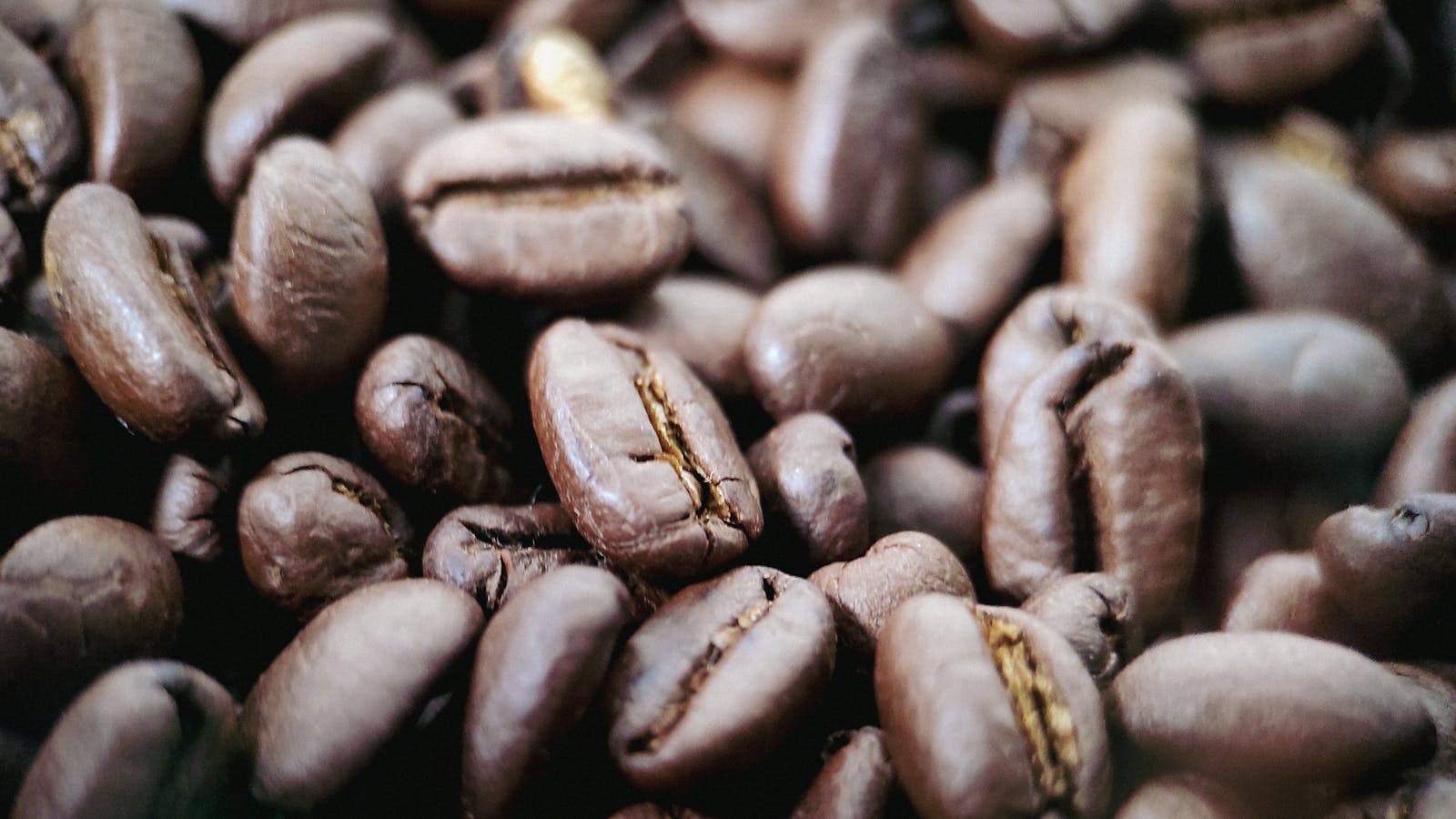
Beans also contain naturally occurring compounds (including antioxidants), which is part of why coffee gets studied so much. But this isn’t a superfood loophole. The best “benefit” is a measured boost that doesn’t backfire into jitters later.
- Energy bump — Quick caffeine without brewing a full cup.
- Taste hit — Bitter, roasty flavor that pairs well with something crunchy.
- Portable option — Easy to stash a tiny portion for travel or long meetings.
If you’re searching for “coffee bean nutrition facts,” keep expectations realistic: plain beans have very few calories in small amounts, and coffee isn’t a meaningful source of vitamins or fiber for most people. Where calories usually show up is in add-ons—like chocolate, sugar coatings, or big servings.
Common downsides: stomach, sleep, anxiety, and teeth staining
The biggest downside is how easy it is to overshoot your personal limit. Some people can sip coffee all day and feel fine, but get wrecked by a few beans on an empty stomach. What happens if you eat coffee beans? The most common effects are jitters, heartburn, nausea, a fast heartbeat, and trouble sleeping. For a quick overview of red flags, see caffeine overdose symptoms.
Gut/heartburn triggers (especially on empty stomach)
Coffee beans are acidic and bitter, so chewing them can be rough if you’re prone to reflux or a “sour stomach” feeling. If you want to eat beans, do it after food, drink water alongside, and avoid pairing with extra-acidic snacks if that’s a trigger. Food first makes beans friendlier.
One related question people ask: can you eat coffee grounds? Small amounts baked into recipes are usually fine, but eating straight grounds can be gritty and irritating. For some people, coffee grounds (or strong espresso) can also trigger urgent bathroom trips—yes, “coffee grounds diarrhea” and “does espresso cause diarrhea” are real searches for a reason.
Jitters + insomnia threshold cues
Beans are a “fast add-on,” which is why they sneak into late afternoon and sabotage sleep. A simple safeguard: set a caffeine cut-off time (many people choose early afternoon) and treat beans like a coffee—same total, same limits.
Early signs (slow down)
- Racing thoughts — You feel “wired” but not focused.
- Stomach flip — Heartburn, nausea, or a sour feeling creeps in.
- Fast pulse — Your heartbeat feels louder than usual.
Do-this-now fixes
- Hydrate + eat — Have water and a snack with protein or fiber.
- Stop stacking — No more beans, coffee, tea, or energy drinks today.
- Move gently — A calm walk helps burn off nervous energy.
Count first, then wait 30–60 minutes. Beans are small, but they’re not “nothing.”
A caffeine rule that saves a lot of sleep
How many coffee beans is “too many” for most adults?
There isn’t one perfect number because bean size, roast, and coffee species vary. But you can still use a practical framework: most healthy adults are often advised to stay around 400 mg of caffeine per day from all sources, per the FDA 400 mg guidance. (If you’re pregnant or have a condition that changes caffeine tolerance, use the lower guidance you’ve been given.)
A simple rule of thumb (count + mg)
Do coffee beans have caffeine? Yes—and it can add up faster than you expect when you’re chewing instead of sipping. As a rough estimate, one coffee bean can land somewhere in the single-digit to low double-digit mg range depending on size and type. “Espresso beans” are usually just darker-roasted beans, so the caffeine per bean can be similar. Start with fewer than you think, then wait before adding more.
| Bean/snack type | Portion planning | Watch-out |
|---|---|---|
| Plain roasted beans | 5–10 beans | Easy to “graze” past your plan |
| Espresso roast (dark, oily) | 5–8 beans | May feel harsher on reflux-prone stomachs |
| Chocolate-covered beans | Read label, pre-portion | Sugar + caffeine makes it easy to overeat |
| Already had caffeine today | Cut serving in half | Stacks fast with coffee/tea/energy drinks |
Add up caffeine from everything else (tea, soda, pre-workout)
This is where people get surprised. Beans rarely cause problems by themselves—it’s the stack: morning coffee, midday latte, afternoon beans, then a soda at dinner. If you feel jittery or can’t sleep, the fix is usually one step: reduce the number of caffeine “events,” not just the size of each one.
Bean-to-Caffeine Estimator
Enter your bean count for a quick rough estimate. (Not medical advice—use extra caution if pregnant or caffeine-sensitive.)
Estimate: Enter your beans to see a rough caffeine total.
Who should be extra cautious (or skip it altogether)
Coffee beans are small, but the impact can be big if you’re sensitive to caffeine or managing certain health issues. If you’ve ever felt shaky, panicky, or nauseated after coffee, beans are not the place to “test your limits.” Sensitivity matters more than averages.
Pets are a special case: dogs shouldn’t eat coffee beans. Caffeine can be dangerous for animals, so keep beans and grounds out of reach—and call a vet right away if a pet gets into them.
Pregnancy & breastfeeding
If you’re pregnant, caffeine usually comes with a tighter ceiling. Many pregnancy health organizations recommend keeping caffeine around 200 mg/day and being mindful of sneaky sources like beans and chocolate. Here’s a plain-language reference for that limit: caffeine in pregnancy limit.
Anxiety, GERD, heart rhythm sensitivity, kids/teens
Be extra careful (or skip beans) if caffeine worsens your anxiety, triggers reflux, or makes your heart feel fluttery. People on stimulant medications should avoid stacking caffeine without checking with a clinician. And for kids and teens, coffee-bean snacking is best kept as an occasional treat—not a routine.
Safer ways to enjoy coffee beans (without wrecking your day)
The goal isn’t fear—it’s control. You can enjoy coffee beans as a treat, but do it in a way that won’t boomerang into jitters or insomnia. Make beans a planned snack, not an accidental habit.
Portioning tricks (pre-count, mix with nuts, don’t graze)
Pre-count your portion into a tiny bowl or container, then put the bag away. Pair beans with something that slows you down—nuts, yogurt, or a small sandwich—so you’re not caffeine-bombing an empty stomach. If you love chocolate-covered beans, measure one serving and close the container.
Not sure what to do with coffee beans besides snacking? The simplest use is still brewing: grind them for drip coffee, espresso, or cold brew. If you’re experimenting, keep snacks and “projects” separate so you’re not tasting and grazing all day.
Better alternatives when you want a quick caffeine hit
If your only goal is “wake up,” you might be happier with a smaller brewed coffee, a tea, or half-caf—options that are easier to sip slowly and stop when you feel good. And if the real problem is a slump, try the boring fix that works: water, a short walk, sunlight, and a snack with protein. Sometimes your body wanted fuel, not more stimulant.
Advanced notes (if you like to optimize)
Storage & freshness: Keep beans airtight and away from heat and sunlight. If they smell stale, waxy, or “off,” they’re probably past their best. Expired beans usually won’t make you sick, but they can taste harsh and irritate sensitive stomachs.
Can you eat coffee fruit? Yes—coffee cherries (the fruit around the seed) are edible, but they aren’t the same thing as roasted beans and they’re usually eaten in specialty products, not as everyday snacks.
Air fryer roasting: Roasting coffee beans in an air fryer can create smoke and a lot of chaff, so use strong ventilation and expect mess.
When to stop immediately: If you feel chest pain, severe dizziness, or intense palpitations, stop caffeine and seek medical advice promptly.
Bottom line: You can eat coffee beans safely for most people—just keep servings small, don’t stack caffeine all day, and listen to your “too much” signals.