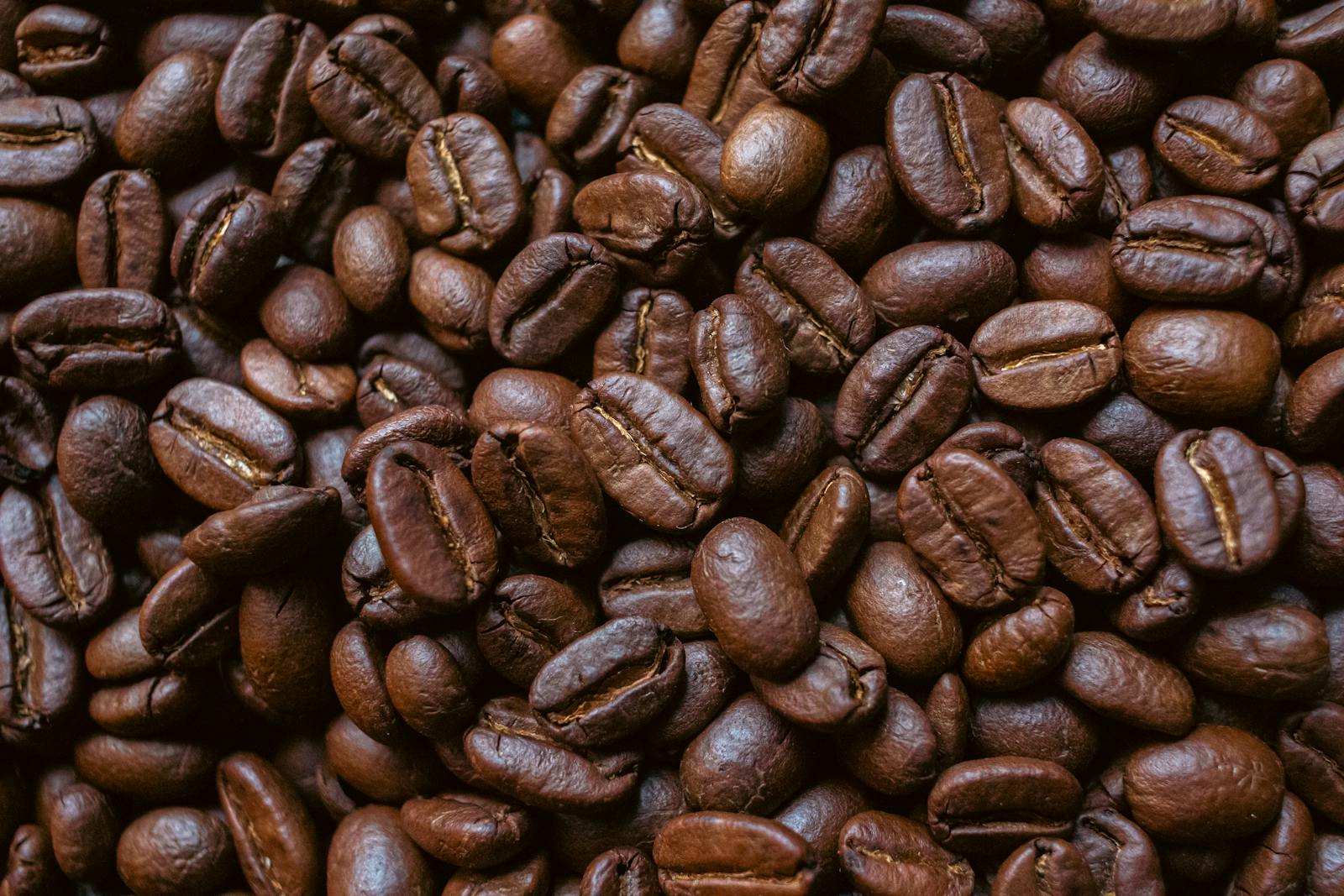
Best Robusta Coffee Beans
Bold, crema-forward picks—and how to avoid the “bitter robusta” trap.
Robusta shines when it’s fresh and well-roasted.
What if the “robusta is inferior” take is mostly a shopping problem—not a coffee problem? Most people only meet robusta when it’s stale, over-roasted, or hidden inside bargain blends. But when it’s sourced and roasted with care, robusta can be chocolatey, syrupy, and ridiculously good in espresso and milk drinks. Here’s how to pick robusta that’s bold without the harsh edge—and how to brew it so it stays smooth.
TL;DR: Great robusta usually means (1) a real roast date, (2) a flavor lane you want (cocoa/nutty vs earthy/spicy), and (3) a brew match (espresso, phin, moka, cold brew). Convenience formats like robusta ground coffee and robusta K cups can still taste good—just prioritize freshness and avoid “extra dark” that reads smoky.
- Espresso pick: 100% robusta coffee or robusta-forward espresso blends, medium-dark.
- Phin pick: chocolatey, syrupy Vietnamese robusta.
- Cold-brew pick: medium roast, thick body, no burnt finish.
- Skip it: no roast date, vague origin, dusty pre-ground.
What “good robusta” actually means
Robusta (the species Coffea canephora) is a different tool than arabica: more punch, heavier body, and a flavor range that can run from cocoa and toasted nuts to cedar, spice, and earth. The catch is that robusta’s “bad version” is really loud—so you need better signals than just “strong.” Good robusta tastes intentional: dense body, clear sweetness, and controlled bitterness.
Quick terminology: “robust coffee meaning” is usually a taste description (bold, full-bodied, intense). “robusta coffee” is the bean itself—and the choices you make around freshness, roast, and brewing determine whether that intensity tastes like cocoa…or like bite.
And yes, growing conditions matter. Robusta coffee plants are generally hardier than arabica and tend to thrive in warmer, lower-altitude environments—one reason robusta is produced at huge scale and shows up everywhere from espresso bars to pods.
Fine robusta vs commodity robusta
“Specialty robusta coffee” (often called “fine robusta”) isn’t a marketing vibe—it’s the idea that robusta can be evaluated and improved using robusta-specific quality standards (clean cup, sweetness, balance) instead of treated as filler. If you see a roaster talking about processing method (washed/natural), screen size, or cupping notes, you’re closer to that “fine” lane—especially when they reference structured evaluation like the robusta grading protocols.
Think of robusta like dark chocolate: the good stuff is bold and smooth. The bad stuff is just bitter.
Quick quality checklist (what to look for on the bag)
- Roast date: a real date (not “best by”), typically within 2–8 weeks.
- Origin: country + region beats “blend” with no details.
- Process: washed/natural/honey hints at sweetness vs fruit vs earth.
- Notes: even simple cues (“cocoa, molasses, nuts”) beat none.
- Roast lane: medium to medium-dark is easiest; if you want dark roast robusta coffee beans, look for sweetness cues (cocoa/caramel) instead of “smoke/char.”
- Form: whole bean stays freshest; robusta ground coffee fades faster once opened.
- Certs: for organic robusta coffee beans, treat “organic” as a bonus—fresh roast and clear notes still matter most.
- Red flags: oily beans, smoky smell, vague label, bargain-bulk packaging.
Quick picks by brew style
Pick robusta the way you pick a pan: by what you’re making. When the bean profile matches the brewer, robusta tastes bold—not blunt. Use this as your fast filter, then refine with the scorecard.
| Brew style | Bean profile to look for | Roast | Dial-in starting point | Flavor target |
|---|---|---|---|---|
| Espresso / milk drinks | Robusta espresso beans (100% robusta or robusta-forward); cocoa-heavy, low-smoke | Medium-dark | 1:2 ratio, 25–30 sec, slightly coarser if bitter | Crema, cocoa, caramel, punch through milk |
| Vietnamese phin | Chocolatey, syrupy; Vietnamese robusta or peaberry robusta | Medium to dark | Medium-fine grind; slow drip, don’t overtamp | Sweet-bitter balance that loves condensed milk |
| Moka pot | Nutty/cocoa; low-smoke roast, not oily | Medium-dark | Hot water in base, gentle heat, stop at blonding | Strong, round cup without scorch |
| Cold brew / French press | Smooth body; “chocolate, nuts, spice” notes | Medium | Coarse grind; shorter steep if harsh | Thick, mellow strength without bite |
Espresso & milk drinks (crema + punch)
If your goal is a cappuccino that still tastes like coffee after the milk shows up, robusta is your friend. Prioritize cocoa-heavy, “round” profiles, and avoid anything that reads like “smoke, ash, char”—those notes get louder in concentrated shots.
Vietnamese phin & sweetened styles
Phin brewing extracts slowly, so sweet-leaning robusta (cocoa, molasses, toasted nut) can come out surprisingly smooth. If you’re adding condensed milk, you can go a shade darker—just don’t buy oily beans.
Cold brew & French press (body without bite)
For immersion brewing, choose medium roasts with real notes instead of “extra dark.” The win is texture: thick body, lower perceived acidity, and a finish that doesn’t feel sandpapery.
Best robusta coffee beans to buy now
Instead of chasing one “perfect brand,” shop by style. The best robusta coffee beans are the ones that fit your brewer, your bitterness tolerance, and your flavor lane. Use the categories below as your shortlist builder, then score two candidates side-by-side.
Where to buy robusta coffee beans: start with roasters that publish roast date and tasting notes (online or local), Vietnamese-focused roasters for phin-friendly profiles, and espresso suppliers for crema-forward options. The price of robusta coffee beans is often lower than many arabicas in commodity form, but specialty robusta can cost similar to mid-tier arabica—so pay for freshness and clarity, not just “strong.”
If you prefer shopping by robusta coffee brands, use one rule to filter fast: the best brands tell you origin, process, roast date, and intended flavor. If a “brand” won’t share basics, it’s usually not aiming for the best cup.
Vietnam is the anchor origin for robusta worldwide, which is why “Vietnamese robusta coffee beans” can range from commodity to standout—treat origin as a clue, not a guarantee. World Coffee Research’s country profile is a handy context check when you’re weighing labels and sourcing claims (Vietnam robusta output).
Specialty Vietnamese robusta (daily-driver strength)
Vietnamese peaberry robusta (whole bean)
Tastes like: cocoa, toasted nut, molasses.
Best for: phin, espresso with milk.
Note: you may see internal product codes like robusta Vietnam HD03—use it as a label, but still verify roast date and flavor notes.
Washed Vietnamese robusta (medium roast)
Tastes like: cleaner cocoa, less earth.
Best for: French press, cold brew.
Tip: if you buy it as pods, choose robusta K cups with clear roast info and the newest “best by” date you can find.
Italian-style 100% robusta (classic crema)
100% robusta espresso profile (medium-dark)
Tastes like: dark chocolate, spice, heavy body.
Best for: espresso, moka pot.
Buy if: the notes mention sweetness, not smoke.
Robusta-forward espresso blend (70–90%)
Tastes like: cocoa + a little sweetness lift.
Best for: straight espresso if you still want nuance.
Buy if: you want body without going all-in on intensity.
“Fine robusta” single-origins (surprisingly smooth)
India robusta (clean, nutty lane)
Tastes like: toasted hazelnut, cocoa, gentle spice.
Best for: moka, press, milk drinks.
Look for: washed or carefully described fermentation.
Uganda robusta (spice + cocoa lane)
Tastes like: cocoa, cedar, warming spice.
Best for: espresso with milk, cold brew.
Buy if: you like a drier, bold finish.
Choose your roast and flavor lane
.jpg)
Robusta gets labeled “strong,” but strength comes in styles. Pick a flavor lane first, then pick the roast that expresses it—your bitterness level usually drops instantly.
One reason robusta feels intense is chemistry: it generally carries more caffeine than arabica. The exact numbers vary by coffee and roast, but the direction is consistent—and it can read as sharper in the cup. If you’re caffeine-sensitive, start with smaller servings or blends; Lavazza’s explainer is a quick refresher (arabica vs robusta caffeine).
Curious about fermented robusta coffee? When fermentation is controlled and the roaster explains it, the cup can taste rounder and sweeter (sometimes with a subtle fruit-leaning twist). When it’s not explained, “fermented” can just mean “wild card,” so keep your checklist handy.
Heads-up: If you’re prone to jitters, treat bold robusta coffee like an “espresso-strength ingredient.” Brew smaller, dilute with hot water, or choose a robusta-forward blend.
If you hate bitterness: what to buy
Buy medium or medium-dark robusta with clear notes (cocoa, nut, caramel) and a roast date you can trust. Washed lots often read cleaner. When in doubt, choose the bag that describes sweetness—not just strength.
If you want maximum punch: what to buy
Go medium-dark robusta with “thick body” cues: crema-forward espresso robusta, Italian-style profiles, or robusta-forward blends. You’ll get that heavy texture that stands up to milk—just avoid oily or smoky beans.
Brew robusta so it stays smooth
The easiest way to “fix” robusta is to stop over-extracting it. If it tastes woody, chalky, or aggressively bitter, go a notch coarser or a touch cooler before you change beans. These baselines work for espresso, phin, moka, and press.
Espresso parameters that tame bite
- Grind: start slightly coarser than your usual espresso; tighten only if it’s thin.
- Ratio: try 1:2 first; if it’s harsh, shorten to ~1:1.8.
- Time: aim for 25–30 seconds; long drips often go dry and bitter.
- Temperature: if you can, drop a few degrees for smoother cups.
- Pre-infusion: a gentle pre-wet helps even extraction.
- Milk pairing: creamier milk rounds bitterness better than skim.
Phin/moka techniques that boost sweetness
- Bed prep: level the grounds; press lightly—over-tamping turns harsh.
- Bloom: add a small splash, wait 20–30 seconds, then fill.
- Pace: a steady drip is good; a stalled drip usually tastes bitter.
- Moka base: use hot water in the bottom chamber to reduce “cooked” flavors.
- Heat: medium-low; pull off the burner when blonding starts.
- Finish: for iced styles, cool the concentrate quickly to keep it sweet.
A printable “Robusta Pick” scorecard
When you’re choosing between two bags, your brain turns into a vibe detector. This keeps it honest. Score each bag against your brewer and your taste, then buy the winner—even if the label looks less “fancy.”
Robusta Pick Scorecard (click cells to type; print or save as PDF)
| Criteria | Bean A | Bean B |
|---|---|---|
| Brew match (espresso/phin/moka/press) | ||
| Flavor lane (cocoa/nut vs earthy/spice) | ||
| Freshness (roast date + packaging) | ||
| Transparency (origin/process/notes) | ||
| Bitterness risk (how “dark/oily/smoky”?) | ||
| Price fit (worth it for your use?) |
Tip: if both score well, buy the fresher roast date first. If you’re unsure, choose the bag with clearer flavor notes and less “extra dark” language.
How to use the scorecard (2-minute walkthrough)
Step 1: write your brewer in “Brew match” and circle the bag that clearly fits (espresso, phin, moka, press). Step 2: in “Flavor lane,” pick the cup you want this week—cocoa/nutty for comfort, earthy/spice for edge. Step 3: if “Freshness” is unknown for one bag and obvious for the other, choose the fresher one.
Last check: “Bitterness risk.” If a bag leans on “extra dark,” “intense,” and “smoky” without any sweetness cues, it’s usually a rougher ride—especially black.
Storage, freshness, and when to blend with arabica
Robusta can taste great on day one and oddly flat by day fifteen if you store it poorly. Protect it from air, heat, and light—then buy sizes you’ll finish before it goes dull.
Freshness and storage that matter most
Use an airtight container in a cool, dark cabinet (not next to the stove). If you dose multiple times a day, smaller containers beat one giant jar—less air exposure per scoop. Pods and pre-ground (including robusta K cups and robusta ground coffee) benefit from the same logic: seal tight, buy smaller, and use sooner. If you home-roast, robusta green coffee beans keep longer than roasted beans—store them cool and dry, then roast small batches more often.
Smart blending ratios (and why)
If you love robusta’s body but want a sweeter lift, blending is the cheat code. Try 70–90% robusta for milk drinks, or 30–50% for black coffee when you want body without the edge. For the cleanest result, pair robusta with the highest quality arabica coffee you can get for your budget—look for arabica coffee brands that publish roast date and clear tasting notes the same way great robusta sellers do. And if you want to taste-test before buying, some cafes and local roasters (even places with names like Arabica Robusta Coffee House) will serve both styles so you can learn what you like.