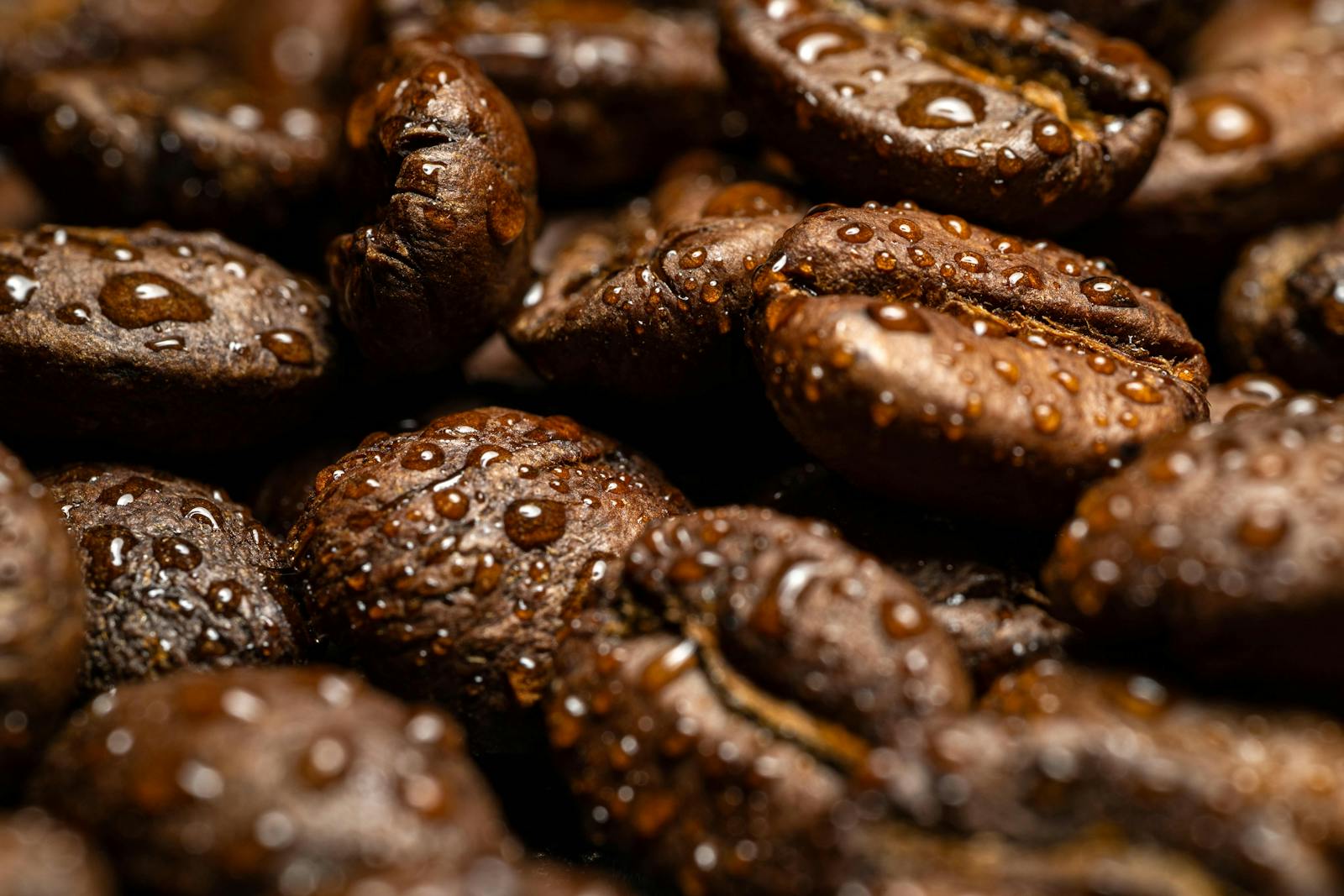
Ethiopia Coffee Beans
How to pick, brew, and actually taste what makes Ethiopian coffee legendary.
You crack open a fresh bag of Ethiopian coffee beans and the aroma doesn’t smell like “coffee” so much as fruit—think jasmine, berry jam, or lemon candy. That’s the magic: Ethiopian Arabica coffee can taste impossibly vivid, even when you brew it simply. This guide helps you choose the right region and process, avoid flavor-killing mistakes, and dial in a cup that feels bright, clean, and alive—without turning your kitchen into a lab.
In this guide: what Ethiopian coffee tastes like, how to buy Ethiopian coffee with confidence, and how to brew Ethiopian coffee so the florals stay loud.
Coffee’s birthplace: origin, discovery, and Ethiopian coffee history
If you’ve ever wondered where coffee was originated, Ethiopia is the answer most people start with. The coffee bean originated from Africa, and Ethiopia is widely described as the birthplace of coffee—which is why Ethiopian coffee history shows up in so many origin stories.
So where was coffee first found, where was coffee invented, and who discovered coffee? You’ll hear a popular “discovery of coffee” legend about a goatherd named Kaldi noticing energized goats—fun folklore, not a proven receipt. What matters for your cup is that coffee’s roots are deeply tied to Ethiopia’s highlands and the region historically linked to the name Kaffa (also spelled Kefa).
In short: coffee originated from which continent? Africa. And the reason this origin matters is simple—Ethiopia’s huge diversity of growing areas and heirloom genetics creates the kind of flavor range that makes “best Ethiopian coffee” lists feel endless.
What makes Ethiopian coffee beans so different?
Ethiopian coffees often lean floral and fruit-forward because of genetics, elevation, and lots of small-lot harvesting. In practical terms: you’ll notice more “tea-like” clarity and sparkling acidity than you’d get from many chocolate-heavy coffees.
Ethiopia is home to a massive range of varieties grown across distinct microclimates. If you want a clear overview of harvest timing and growing context, this Ethiopia origin guide is a useful baseline.
Quick mental model: Ethiopian coffee varieties create a “brightness spectrum.” Some lots drink like jasmine-lime iced tea; others feel like blueberry jam; a few land deeper with cocoa and spice—especially at slightly darker roasts.
Ethiopian coffee regions (and how they compare)
Ethiopian coffee regions are best used as flavor clues, not guarantees. Even within one region, processing and the specific lot can swing the cup from citrusy-clean to berry-heavy.
If you want a friendly guide to the big labels you’ll see on bags, this Ethiopian region flavors breakdown is a strong starting point—then use the cheat sheet below to pick your lane.
Yirgacheffe (pronounced “yer-guh-CHEFF-ee”)
- Floral lift: jasmine, orange blossom, chamomile.
- Citrus snap: lemon peel, bergamot, grapefruit.
- Best for: pour-over, drip, and “clean” iced coffee.
Sidamo & Guji
- Fruit range: peach, berries, tropical notes.
- Sweet finish: honey, caramel, black tea sweetness.
- Best for: balanced daily cups with a bright edge.
Harrar, Limu, and other “wildcard” labels
Harrar (often natural-processed) can skew bold, fruity, and winey; Harrar coffee beans are a favorite for people who like a punchy, jammy cup. Limu frequently lands sweet, lightly spiced, and mellow. If you see “ethiopian heirloom coffee” or “landrace” without a region, assume the roaster is selling the lot’s flavor more than the map pin—best when they’re clear about processing and freshness.

Simple way to learn fast: pick one region + one process, then buy the same combo from two different roasters. You’ll learn what’s “Ethiopia” and what’s “that roaster’s style.”
Quick grading note: you may see Ethiopian coffee grading like G1, G2, or G4 (for example “Ethiopia Sidamo G4”). Grades vary by system, but as a buyer, treat them as a rough quality signal—not a guarantee of taste.
Washed vs. natural: the flavor switch that changes everything
Processing is the biggest taste switch in Ethiopian coffee types. It decides whether your cup reads more like sparkling citrus tea or like fruit compote with chocolate edges.
Washed (clean and bright)
Washed coffees tend to taste crisp and transparent: florals up front, bright acidity, and a tidy finish. If you love clarity and you drink coffee black, start here.
Natural (fruit-forward and heavy)
Natural coffees dry with the fruit intact, so the cup can explode with berry, tropical, and wine-like notes. They’re fun—but can taste “fermenty” if the lot or roast isn’t clean.
Honey / pulp natural (the middle ground)
Honey-process lots often split the difference: sweeter body than washed, cleaner shape than many naturals. When you want a crowd-pleaser that still tastes special, honey is a great bet.
Rule of thumb: Washed = “sparkly + precise.” Natural = “juicy + loud.” Honey = “sweet + structured.”
Ethiopian coffee culture and the coffee ceremony
Ethiopia coffee culture treats coffee as hospitality, not just caffeine. Ethiopian coffee tradition includes brewing, serving, and sharing as a social ritual—one reason “authentic Ethiopian coffee” often feels like an experience, not just a flavor note.
The Ethiopian coffee ceremony (what it is)
The Ethiopian coffee ceremony—sometimes described as the coffee ceremony of Ethiopia—is a traditional Ethiopian coffee ceremony where beans are often roasted, ground, and brewed while guests gather. Beyond taste, the Ethiopian coffee ceremony cultural significance is about connection: showing respect, slowing down, and making space for conversation.
How to make Ethiopian coffee at home (traditional-style)
If you’re curious how to prepare Ethiopian coffee the traditional way, keep it simple: choose a medium-fine grind, simmer gently (don’t boil aggressively), and serve in small cups. It’s not the only “right” method, but it’s a great way to understand why traditional Ethiopian coffee tastes rounder and more comforting than a bright pour-over.
Where to taste it: cafés, restaurants, and Addis Ababa favorites
If you want the experience without guessing, try searching “Ethiopian coffee shop near me” or visiting an Ethiopian restaurant that serves coffee after the meal. And if you’re ever exploring coffee shops in Ethiopia, the Addis Ababa coffee scene is famous—Tomoca Addis Ababa is one name travelers often mention when talking about classic city cafés.
How to choose the right Ethiopian beans for your taste
Your “perfect Ethiopia” is the one that matches your brew method and your flavor cravings. Don’t buy a natural Yirgacheffe if you really want something cocoa-heavy and low-acid—it’ll feel like a mismatch, not a “bad coffee.”
| If you like… | Look for… | Why it works |
|---|---|---|
| Jasmine + citrus | Washed Yirgacheffe (light roast) | Max clarity and floral aromatics |
| Blueberry + jam | Natural (Yirgacheffe / Guji) | Fruit processing boosts bold sweetness |
| Balanced “daily driver” | Sidamo or Guji (washed or honey) | Bright but not aggressive |
| Deeper + cozy | Medium roast Ethiopian (washed) | More caramel/cocoa, less zing |
| Cold brew that pops | Natural Ethiopia (coarse grind) | Fruit stays vivid even chilled |
Real-life example: For a bright “morning cup,” grab a washed Yirgacheffe and brew it as pour-over. For an “after-dinner treat,” grab a natural Guji and brew it as French press or espresso—same origin, totally different vibe.
Brewing Ethiopian coffee: recipes that keep the florals intact
With Ethiopia, small brew tweaks create huge flavor swings. The goal is even extraction (no sour corners, no bitter edges) so the aromatics have room to show off.
| Method | Easy starter recipe | Best for |
|---|---|---|
| Pour-over | 1:16 ratio • 2:45–3:30 total time | Clean florals + clarity |
| French press | 1:15 ratio • 4:00 steep + 1:00 settle | Juicy naturals + fuller body |
| Espresso | Slightly longer yield for sweetness | Intense fruit + aroma |

Pour-over (bright and detailed)
Start with a 1:16 ratio (for example, 20g coffee to 320g water). Use water just off boil, bloom for 30–45 seconds, then pour in slow spirals. If your cup tastes sharp or thin, grind slightly finer or pour a touch slower.
For a more step-by-step approach tailored to Ethiopian-style florals, these Yirgacheffe brew ratio tips align well with what most home brewers need: balanced flow, consistent temperature, and patience during bloom.
French press (fuller body without losing sparkle)
Use a coarse grind and steep 4 minutes. Stir, let the crust settle for another minute, then press slowly. This method can tame acidity while keeping fruit notes obvious—especially for naturals.
Espresso (sweet, aromatic, and intense)
Ethiopian espresso beans can taste like fruit syrup with flowers on top—but they’re sensitive. Aim for a slightly longer yield to reduce harshness: keep it sweet, not sour. If it’s biting, grind a hair coarser or pull a slightly larger yield.
Fast fixes: If it tastes sour, grind a touch finer or extend time slightly. If it tastes dry/bitter, grind coarser or reduce time. Change one variable at a time so you actually learn what helped.
Reading the bag: roast level, formats, and labels that matter
A great single origin Ethiopian coffee is mostly “won” at purchase. You’re looking for transparency: roast date, process, and at least a region—or better, a washing station, cooperative, or producer name.
Roast level is personal, but here’s a useful reality: very light roasts maximize florals and citrus, while medium roasts round off acidity and emphasize sweetness. If you’re new to Ethiopian roasted coffee, medium-light is often the easiest “wow” without the learning curve.
Whole bean vs. ground vs. green (what to choose)
Ethiopian whole bean coffee usually delivers the most aroma because you grind right before brewing. Ethiopian ground coffee is convenient, but it fades faster—so buy smaller and store airtight. Ethiopian green coffee beans are for home-roasters who want full control; expect a learning curve, but the payoff can be huge.
Organic, peaberry, and other “special” labels
Ethiopian organic coffee can be a great choice if that matters to you, but treat “organic” as a farming detail—not a guaranteed flavor upgrade. Ethiopian peaberry coffee (a small round bean) is often marketed as extra special; sometimes it’s amazing, sometimes it’s just different. Use the same rule: freshness + process + clarity wins.
Yirgacheffe shopping notes (including green beans)
If you’re chasing the “best Yirgacheffe coffee,” prioritize a washed lot when you want florals and a natural lot when you want berry sweetness. You’ll also see yirgacheffe coffee beans and occasionally yirgacheffe green coffee beans sold by specialty roasters and home-roast suppliers—just remember that freshness matters even more once you grind.
Buying Ethiopian coffee: where to shop and what to look for
The best Ethiopian coffee is the bag that matches your taste and is roasted fresh. Whether you buy Ethiopian coffee online or locally, treat “Ethiopian coffee for sale” as a starting point, then filter by roast date, process, and region.
To buy Ethiopian coffee beans near you, look for specialty roasters, well-stocked grocery coffee aisles, and cafés with rotating single-origin menus. If you’re searching “Ethiopian coffee beans for sale” online, prioritize listings that show a roast date and describe the lot clearly—otherwise it’s hard to predict what you’ll taste.
- Local pickup: “Ethiopian coffee beans near me” usually means roasters, cafés, and specialty shops.
- Online orders: ideal when you want specific regions like Guji or Yirgacheffe.
- Bulk buys: bulk Ethiopian coffee beans work best for offices, events, or cafés with high turnover.
- Whole bean: best flavor and shelf-life for most people.
- Pre-ground: choose only if you’ll finish it quickly.
- Espresso use: ask for “espresso-friendly Ethiopia” rather than “dark espresso roast.”
A practical starting point is to trust roasters who regularly work with Ethiopia and write specific tasting notes. For a sense of the kinds of flavors you’ll see on real bags, this Ethiopia bean basics overview is useful context.
Ethiopian coffee brands, Starbucks options, and “coffee clubs”
You’ll see Ethiopian coffee brands across every tier—from small specialty roasters to grocery staples. Starbucks Ethiopia coffee can be a convenient baseline when available, and you may also spot Starbucks single origin Ethiopia coffee offerings or a Starbucks Ethiopia blend depending on the season. If you like trying new lots regularly, an Ethiopian coffee club (subscription) can be a simple way to explore different regions and processes over time.
Printable decision matrix (pick the best bag fast)
Score each bag from 0 to 2 (0 = not great, 2 = strong). Add the totals. If there’s a tie, pick the fresher roast date. This also works if you’re comparing where to buy Ethiopian Yirgacheffe coffee from two different roasters.
| Bag / Roaster | Freshness | Flavor fit | Traceability | Price value | Total |
|---|---|---|---|---|---|
| Example: Washed Yirgacheffe | 2 | 2 | 1 | 1 | 6 |
| Bag 2 | |||||
| Bag 3 |
Scoring guide: Freshness = roast date + storage; Flavor fit = matches your preferences; Traceability = region/station/producer clarity; Price value = “worth it” for the quality.
Putting it all together: a fast Ethiopian buying + brewing checklist
If you want the shortest path to a great cup, follow this sequence once per bag. It keeps you from chasing your tail with random tweaks and gets you closer to that “best coffee from Africa” kind of experience people rave about.
- Pick profile: choose region + process based on your flavor goal.
- Confirm freshness: look for a clear roast date and buy within your pace.
- Brew stable: keep ratio and method consistent for the first 2–3 cups.
- Adjust once: change only grind or time, not both.
- Lock it in: when it hits, repeat the exact recipe and enjoy the ride.
If there’s one takeaway: Ethiopian coffee isn’t “hard”—it’s revealing. When you match the bean to the brew and keep the variables calm, the cup practically explains itself.