If you’re shopping for the best espresso grinder, you’re really shopping for repeatable shots: the ability to land on a setting you like and get back there tomorrow without drama.
You pull a shot, taste it, and it’s sour—so you nudge the grind finer. Next shot? Bitter. Same beans, same machine, totally different cup. That’s espresso life: tiny changes matter, and your grinder is the one tool that makes those tiny changes controllable. The “best” espresso grinder isn’t always the priciest—it’s the one that lets you repeat a great setting tomorrow, on a new bag of beans, without fighting the dial.
If you’re comparing “best espresso grinder 2024” vs “best espresso grinder 2025” lists, treat them as shortlists—not commandments. The core rules don’t change: pick the right workflow (single-dose, hopper, or grind-by-weight), then prioritize adjustment precision and repeatability.
One more thing: when you’re scanning espresso grinder reviews and coffee grinder reviews, don’t get hypnotized by “top rated” badges alone. Use the framework here to judge whether the grinder fits your routine, then compare opinions from multiple sources (including community threads) before you buy.
TL;DR (pick fast):
- Busy mornings: Choose a hopper-fed coffee grinder with hopper + a steady adjustment system and a hands-free fork.
- Bean switcher: Choose a single dose espresso grinder (low retention) so yesterday’s coffee doesn’t sneak into today’s shot.
- Chasing consistency: Prioritize fine adjustment resolution + repeatability over extra features.
- Set-it-and-forget-it dosing: A grind by weight espresso grinder (aka an espresso grinder with scale) can simplify “same every time.”
| What you do | Best grinder style | Why it works | Watch-outs |
|---|---|---|---|
| 1–2 milk drinks daily, same beans | Hopper-fed, grind-by-time | Fast routine; easy to repeat | More retention; bean swaps are harder |
| Change beans often; want clean flavor | Single-dose, low retention | Fresh dose each shot; minimal old grounds | Can be slower; needs a dosing cup/dispenser workflow |
| Dialing-in obsessed; chasing repeatability | Fine-resolution adjustment (often stepless) | Less “between settings” frustration | More tweaking; marking settings helps |
| Want the simplest “same every time” | Grind-by-weight (GBW) | Consistent output dose with less babysitting | Costs more; more electronics/complexity |
Best espresso grinders by budget and workflow
Most “best of” lists are really three different articles smashed together: budget entry points, sweet-spot daily drivers, and enthusiast upgrades. The smarter move is to pick your workflow lane first (single-dose, hopper-fed, or grind-by-weight), then let budget narrow the field—several recent guides organize recommendations around these same usage categories. workflow-based grinder types
A “best” espresso grinder for home is the one that matches your mornings: how often you make espresso, how often you change beans, and how much tinkering you actually enjoy.
| Common “under $X” searches | What to expect (and what to prioritize) |
|---|---|
| Best espresso grinder under $100 | Real talk: the cheapest espresso grinder that works well is often a best cheap hand grinder for espresso. Most electric grinders under $100 struggle with fine, repeatable espresso adjustments. |
| Best espresso grinder under $200 | Look for espresso-capable adjustment resolution. This is where “best beginner espresso grinder” shopping starts making sense if you accept a bit more noise/static. |
| Best espresso grinder under $300 | Prioritize a stable adjustment system and a usable portafilter holder. This tier can be a strong best budget espresso grinder zone for milk-drink routines. |
| Best espresso grinder under $500 | Expect noticeably better repeatability and fewer “between settings” moments—often the best best value espresso grinder band for frequent home espresso. |
| Best espresso grinder under $1000 | You’re paying for workflow upgrades (lower retention, quieter build, better ergonomics) and sometimes more advanced dosing. Great if you dial in new coffee often. |
| Best espresso grinder under $2000 | This is firmly “espresso grinder high end” territory: premium build, ultra-consistent workflow, and often burr/taste profiling options. Worth it if espresso is a daily hobby, not an occasional drink. |
Under $200: espresso-capable entry points
This tier is for people who want a home espresso grinder with a real espresso range without committing big money. Expect tradeoffs: more noise, more static, and occasionally “fussy” dialing-in. Still, if you mainly want to stop buying pre-ground and learn the basics, it can be enough to build your shot instincts.
Beginner shortcut: If your goal is “good cappuccinos with less frustration,” the best beginner espresso grinder is the one with fine-enough adjustments that you can fix a sour shot without overshooting into bitter. That’s the difference between learning fast and wasting beans.
- Adjustment: Look for micro-steps or a stepless collar so you’re not stuck between clicks.
- Workflow: Choose simple dosing (cup or portafilter holder) over fancy screens.
- Avoid if: You switch beans daily—limited resolution and retention can frustrate you fast.
$200–$600: the “sweet spot” for most home espresso
This is where espresso becomes genuinely fun: better burr alignment, tighter grind control, and fewer “mystery” changes shot to shot. If you make espresso several times a week, this range is usually the best value—often the best espresso grinder for home buyers can justify without feeling silly.
- Best value signal: The grinder makes small adjustments feel predictable (you stop “ping-ponging” between sour and bitter).
- Burr grinder for espresso: Consistent burrs + stable alignment matter more than speed specs.
- Quality-of-life: A solid fork, clean exit chute, and easy cleaning keep your routine intact.
$600+: high-end and prosumer upgrades
Above this line, you’re paying for specific wins: lower retention, better repeatability, quieter motors, grind-by-weight dosing (an automatic espresso grinder convenience feature), and burr sets that can nudge flavor in a direction you like. This is where “best high end espresso grinder” and “best prosumer espresso grinder” searches live.
- Grind-by-weight: If you want a coffee grinder with scale built in, this tier often delivers the smoothest experience.
- Flavor tuning: Burr geometry choices can push clarity or body (especially noticeable in straight shots).
- Worth it if: You dial in new beans often or pull multiple shots daily and care about repeatability.
If you like shopping by brand or model family, it helps to map them to workflow: for example, lines like the Eureka Mignon (including Specialità/Silenzio/Libra), Baratza Sette-style designs, and newer enthusiast models (like Zerno Z1) tend to appeal to different routines. Use that as a filter before diving into coffee grinder ratings and “which model is best” threads.
What matters most for espresso shots
The espresso-specific advice across top guides converges on a simple point: espresso asks for precision, not brute force. Your grinder needs to move in tiny increments, hold that setting reliably, and deliver a dose that’s consistent enough that you can trust the feedback loop from one shot to the next. tested espresso grinder picks
If you can’t make small, repeatable grind changes, you’ll “ping-pong” between sour and bitter and blame the machine when the grinder is the bottleneck.
Espresso consistency is a grind problem first. When the grind is stable, your machine settings finally start to feel predictable.
Must-haves for espresso
- Resolution: Small enough steps (or stepless) to hit your target flow without overshooting.
- Repeatability: A mechanism that returns to the same point without drifting.
- Stability: Burrs that stay aligned; fewer random variations across shots.
- Usable workflow: A dosing method you’ll actually follow when you’re sleepy.
Nice-to-haves (helpful, not magic)
- Scale dosing: An espresso grinder with scale (GBW) can reduce dose drift and save time.
- Portafilter holder: Hands-free dosing keeps the routine consistent.
- Low mess: A clean chute and a decent dosing cup/dispenser reduce “coffee everywhere.”
- Speed: Nice, but it won’t fix inconsistent grind size.
If your search terms are drifting toward accessories (like “espresso grinder and tamper”), treat them separately: grinders control particle size and flow; tampers control puck compression. A great grinder plus an average tamper usually beats an average grinder plus a fancy tamper.
Printable pick scorecard (unweighted decision matrix)
How to use it: Tap a cell and type 1–5 (1 = meh, 5 = perfect). Add each column total. The “winner” should match your routine, not someone else’s setup. (Mobile tip: scroll the table sideways.)
Single-dose vs hopper-fed grinders
Choosing between single-dose and hopper-fed is less about “better” and more about how you change variables. If you buy a new bag every week and like experimenting, single-dose keeps results cleaner and your notes more meaningful. If you want espresso to be the fastest part of your morning, hopper-fed grinders can be wonderfully frictionless—many updated buying guides treat workflow as the main decision point. updated grinder testing
The best single dose espresso grinder is the one that makes “new bag, new dial-in” feel simple—because the workflow you’ll actually follow beats theoretical perfection.
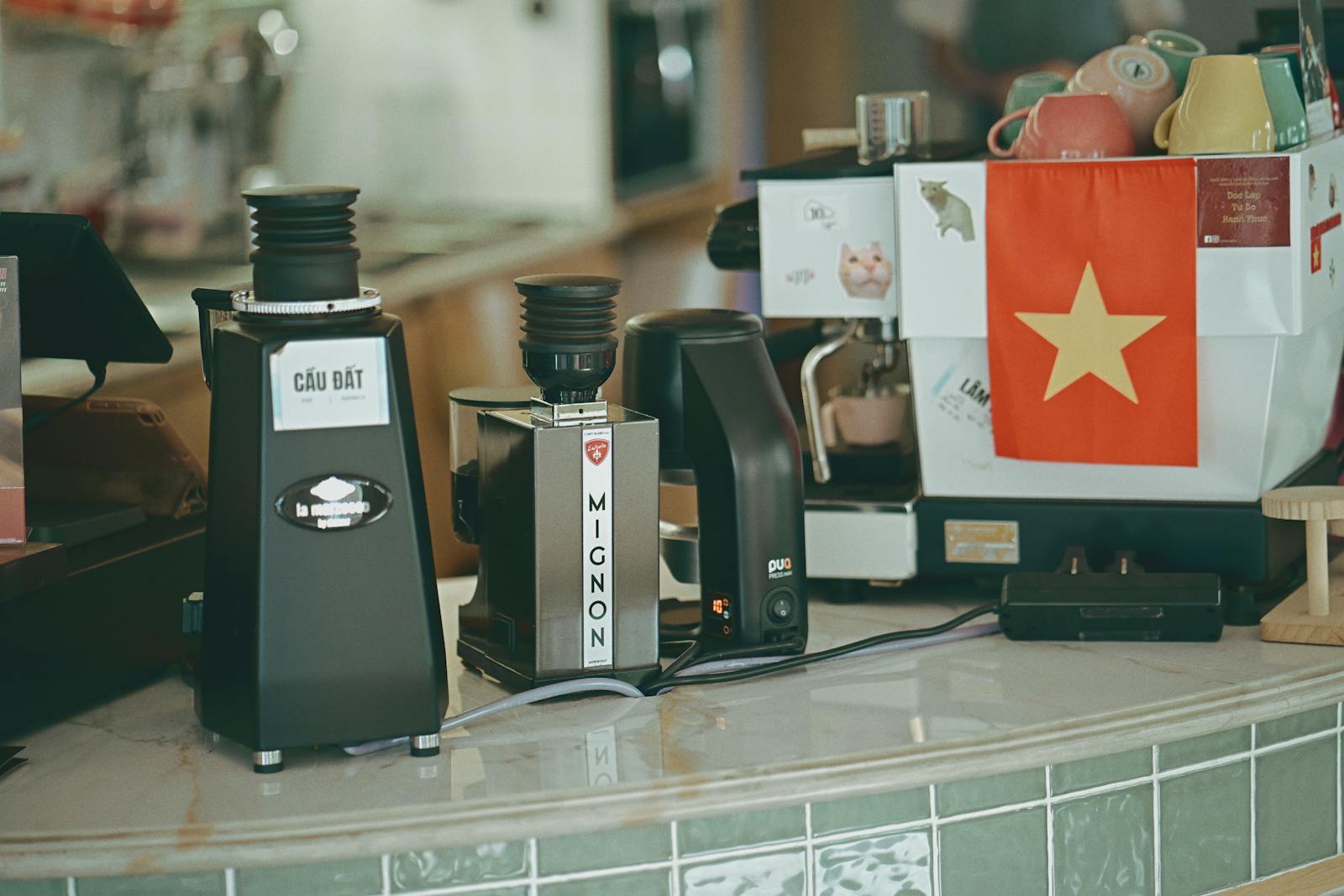
Single-dose: for bean explorers and “clean cup” people
Single-dose means you weigh one dose of beans, grind it, and put the grinder away—no full hopper required. The benefit is control: you can switch coffees without blending old grounds into the new dose, and you can keep your grind changes tightly tied to the shot results you taste. That’s why “best single dose espresso grinder 2025” lists tend to reward low-retention designs and tidy dosing workflows.
- Best for: Trying new coffees, keeping notes, dialing in light roasts, decaf rotation.
- Tradeoff: Slightly slower routine; you’ll use a dosing cup/dispenser and often a small purge habit.
Hopper-fed: for speed, rhythm, and repeat drinks
Hopper-fed grinders shine when you make the same coffee (or two) most days. You can keep beans ready, grind directly into the portafilter, and build a simple muscle-memory routine. If your goal is “one good shot every morning,” this can be the lowest-friction path.
- Best for: Daily lattes and cappuccinos, shared households, minimal fuss.
- Tradeoff: More retention and more variability when you switch coffees or humidity changes.
Hybrid approach: the realistic middle
Many home baristas end up hybrid: they keep a “house” espresso ready for weekday speed and use a single-dose workflow on weekends to experiment. If you’re torn, it’s usually better to buy the grinder that matches your most common day and build the rest around it.
Flat vs conical burrs (taste, texture, and dialing-in)
Flat vs conical burrs gets treated like a personality test, but it’s mostly about how you like espresso to feel—and how forgiving you want dialing-in to be. If you also brew filter coffee, the “one grinder for everything” question gets trickier, because a burr set that’s dreamy for espresso might be less ideal for coarser brew methods (and vice versa). espresso vs drip tradeoffs
If your searches look like “best conical burr grinder for espresso” or “best flat burr grinder,” translate that into cup preference first—then pick the burr style that supports it.

| Trait | Flat burr tendency | Conical burr tendency |
|---|---|---|
| Flavor “shape” | More separation and clarity; layered notes can pop | More body and roundness; syrupy texture is common |
| Dial-in feel | Precise but sometimes less forgiving of tiny errors | Often feels forgiving; small mistakes can taste less harsh |
| Who loves it | People chasing light-roast nuance and clean finish | People who love chocolatey comfort shots and easy routine |
Practical way to choose (without overthinking)
If your favorite café shots taste like fruit, florals, and sparkle, you’ll probably enjoy a grinder that leans toward clarity. If your happy place is chocolate, caramel, and thick texture in milk drinks, you’ll likely prefer a grinder that leans toward body. Either can make excellent espresso—the bigger difference is whether the grinder helps you land on a good shot quickly.
Adjustment systems: stepped, micro-stepped, and stepless
Adjustment is where espresso grinders win or lose your trust. You’re trying to control flow through a compact puck; a tiny change can swing taste dramatically. So the question isn’t “stepped or stepless” as an abstract debate—it’s whether the grinder gives you enough resolution to hit the shot you want and enough repeatability to get back there.
If your goal is the best grind for espresso, you need a grinder that can do fine (sometimes “ultra fine”) adjustments without drifting.
Stepped and micro-stepped (predictable, easy to return)
Stepped adjustment is satisfying because it’s measurable: click A, then click B. Micro-stepped systems aim to keep that predictability while adding finer steps in the espresso range. This can be great for households—if someone bumps the dial, you can restore the setting without guessing.
- Strength: It’s fast to return to a known setting, especially when sharing the grinder.
- Risk: If steps are too large for espresso, you’ll get sour at one click and bitter at the next.
Stepless collars (fine control, needs a simple system)
Stepless adjustment lets you land exactly where the coffee tastes best, which can be a relief for espresso. The tradeoff is organization: without clicks, you’ll want a simple method (marker dot, tape, or written notes) to return to favorite settings when you change beans or brew ratios.
Advanced dial-in notes (save coffee)
Start with a target: Pick a repeatable shot recipe you like, then use grind to hit your preferred time window before chasing flavor tweaks.
One-change rule: Change grind first. Taste. Then decide whether you need dose or yield changes. Mixing changes makes the feedback loop noisy.
Quick taste mapping: If a shot runs fast and tastes sharp/sour, go a touch finer. If it runs slow and tastes harsh/bitter, go a touch coarser. Make small moves and keep notes.
Plain-English definition: “Grinding beans for espresso” usually means a fine grind coffee grinder setting that slows flow enough to build sweetness and body. If it gushes, you’re too coarse; if it chokes, you’re too fine.
Retention, static, and mess control
Retention and static aren’t just mess problems—they’re consistency problems. If old grounds linger inside the grinder, your dose can drift: yesterday’s coffee mixes with today’s, and the shot tastes slightly off even when you did everything the same. Static can also cause grounds to cling, clump, and spray, which makes dosing less repeatable.
Cleaner dosing usually equals steadier espresso—because you’re controlling what actually ends up in the basket.
Minimizing retention (without going full laboratory)
If you single-dose, your goal is simple: the dose you put in is the dose you get out. A small, consistent “clear-out” habit can help even on low-retention designs—especially when switching beans or after the grinder has sat overnight.
- Pinch purge: When switching coffees, clear a tiny pinch first, then grind your real dose.
- Control the exit: A dosing cup/dispenser that fits well reduces blowback and stray grounds.
- Milk-drink reality: In lattes, tiny retention differences matter less than stable adjustment and repeatability.
Taming static (the low-effort wins)
Static spikes when beans are dry, air is dry, or the chute design builds charge. The best fixes are boring: a consistent environment and a consistent routine. If grounds spray everywhere, you’ll rush—and rushing creates dosing errors.
- Season awareness: Expect more static in winter; plan a tidier dose workflow.
- Cup depth: Use a deeper dosing cup to reduce bounce and blowback.
- Distribution step: Break clumps before tamping to reduce channeling risk.
- One wipe rule: Wipe the station once per session, not after every shot.
Common mistake: Chasing “zero retention” while ignoring adjustment resolution. A grinder that’s easy to dial in and repeat will usually improve your espresso more than shaving tiny fractions off retention.
Workflow features that save time daily
Once the grind quality is there, day-to-day happiness comes from workflow details: how easy it is to dose, how cleanly coffee exits the chute, and whether the grinder fits your station. A grinder can be great on paper and still drive you nuts if it doesn’t match your habits (or your counter space).
If your search is “compact espresso grinder” or “quiet espresso grinder,” you’re really asking: will this tool fit my kitchen and my tolerance for noise and mess?
Hands-free dosing and repeat routines
- Portafilter holder: It holds the portafilter steady so dosing feels calm, not chaotic.
- Clean exit chute: Less spraying means fewer rushed, inconsistent steps.
- Timer or scale dosing: Decide whether you prefer grind-by-time simplicity or “espresso grinder with scale” consistency.
Quick mental test: can you imagine doing the same steps half-awake, every weekday, without swearing? If not, the workflow is wrong—even if the burrs are amazing.
Noise, footprint, and “life with it”
- Noise profile: Some grinders sound sharp; others are lower and easier to live with.
- Cabinet clearance: Tall grinders (especially hoppers) can be awkward under cabinets.
- Smallest electric coffee grinder? For espresso, “smallest” only matters if it still has espresso-grade adjustments.
If you share a home, “quiet enough” and “not messy” can matter more than tiny flavor differences. Espresso is a routine. Protect the routine.
Maintenance, calibration, and long-term value
Espresso grinders are mechanical tools, and consistency comes from keeping them clean and stable. Oils and fines build up, burrs slowly wear, and alignment can drift if the grinder is abused. The good news: you don’t need a deep clean every week—you need a predictable schedule and a grinder that’s easy enough to service that you’ll actually do it.
Long-term value is about serviceability: the easier it is to clean and maintain, the more consistent your espresso stays over time.
A simple maintenance cadence
| When | Do this | Why it helps espresso |
|---|---|---|
| Daily / per session | Quick wipe of dosing area; brush stray grounds | Reduces mess-driven rushing and dose inconsistency |
| Weekly | Open chute area (if accessible) and brush out fines | Less buildup = steadier flow and fewer clumps |
| Monthly (or every few bags) | Light internal cleaning per manufacturer guidance | Removes oils that can skew flavor and consistency |
| As needed | Re-check burr seating/alignment if shots become erratic | Prevents “mystery” changes that aren’t your technique |
Materials and build: what actually matters
Don’t overthink buzzwords, but do pay attention to durability. An all metal coffee grinder body can feel sturdier, while plastic parts aren’t automatically “bad” if the grind mechanism is stable. Most espresso burr grinders use steel burrs; ceramic grinders show up more often in some manual designs. Prioritize solid alignment, easy cleaning, and readily available replacement parts over hype.
Professional and coffee shop needs (different job, different tool)
If you’re shopping for a professional espresso grinder or an espresso grinder for coffee shop use, the priorities shift: duty cycle, cooling, service access, and hopper capacity matter more than compactness. A “home” grinder can be excellent—but it may not survive peak hours. For commercial buying, think “best commercial coffee grinder for espresso” as “best supported and serviceable,” not just “best tasting.”
Retention, adjustment, and budget: how to decide in 60 seconds
If you’re stuck, decide in this order:
- Workflow first: Single-dose if you switch coffees often; hopper-fed if you want speed; grind-by-weight if you crave repeatability with less babysitting.
- Adjustment next: Choose the grinder that gives you fine-enough control that you’re not between settings.
- Retention last: Prefer lower retention, but don’t let it outweigh grind control and usability.
You’ll enjoy espresso more with a grinder that’s slightly less perfect on paper but dramatically easier to dial in and repeat.
Where people buy: If you’re hunting for an espresso grinder for sale or an espresso grinder nearby, local specialty coffee shops often let you feel workflow in person. Online, big marketplaces like Amazon (including “amazon burr coffee grinders” searches) and big-box retailers like Walmart can be convenient—just be extra careful about returns, warranty, and whether the grinder truly supports espresso adjustments.
FAQ
Most “espresso grinder” confusion comes down to one thing: you’re buying repeatability—the ability to change grind in tiny steps and come back to a great setting.
Can one grinder do espresso and drip well?
Sometimes, but it depends on your tolerance for compromise. Espresso wants tight control at the fine end, while drip and pour-over benefit from consistency at coarser settings and easy repeatability across brew methods. If you’re searching “best coffee grinder for espresso and pour over” or “best all purpose coffee grinder,” aim for a grinder with stable adjustment and low frustration when switching ranges—but know that a dedicated espresso burr grinder often makes espresso far easier to dial in.
How much should I spend on an espresso grinder?
Spend enough to get fine adjustment resolution and repeatability in the espresso range—those are the two features that reduce wasted coffee during dialing-in. For many home buyers, the best value shows up in the mid-range where build quality and adjustment systems become noticeably steadier. If you’re considering an espresso machine with grinder (or “best espresso machine with grinder”), treat it as a convenience choice: combos under about $300 can make decent drinks, but the built-in grinder often limits how far your espresso can improve.
Is a hand grinder realistic for espresso?
Yes—if you’re willing to trade speed for control. A good espresso hand grinder can offer excellent grind quality and fine adjustment, but it can be physically demanding for multiple shots or very light roasts. If you want a travel espresso grinder setup or you’re shopping for the cheapest workable path, a strong manual option is often the best place to start. If you routinely make drinks for two people, an electric espresso grinder usually keeps espresso enjoyable instead of feeling like a workout.
Tip for choosing from the noise: skim a few professional roundups, then sanity-check with community takes (including “best espresso grinder reddit” style threads). The goal isn’t agreement—it’s spotting repeated patterns about workflow pain, retention, and ease of dialing in.