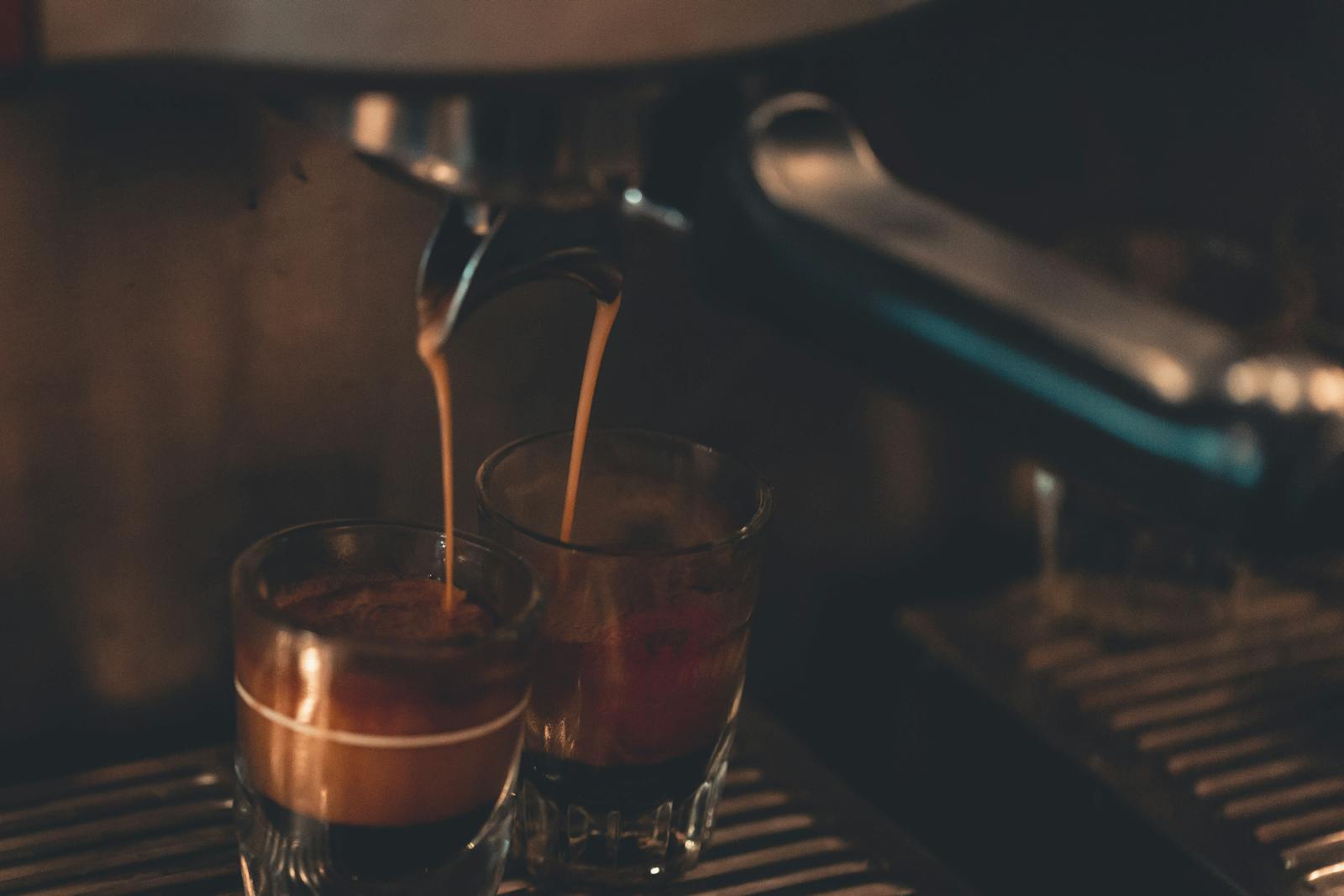
Best Espresso Beans
Pick beans by drink style, espresso roast, and freshness—not by whatever word is printed biggest on the bag. Cover photo: Pexels / Craig Adderley.
You buy a bag that says espresso, dial in your grinder, pull a shot… and it still tastes like burnt toast or sour grapefruit. Here’s the secret: “best espresso beans” isn’t one magic brand—it’s the bean profile that fits your drinks, your machine, and how fresh that bag really is. In the next few minutes, you’ll pick beans by flavor and forgiveness first—then brands second—so your shots get sweet, thick, and repeatable.
TL;DR: “Espresso beans” are just coffee chosen/roasted to taste good under espresso’s concentrated extraction. For most homes, the best espresso beans for latte-style drinks are medium-dark blends; for crema and body, look for blends that aren’t overly oily and are still fresh.
- Milk drinks: medium-dark espresso blends with chocolate/nut notes are easiest to love.
- Straight shots: medium roasts can be sweet and complex if you like fruit/floral notes.
- Freshness: buy whole bean with a roast date; rest very fresh bags a few days.
- Buying: whether you buy espresso beans online, choose “espresso beans near me,” or use delivery, prioritize roast-date transparency.
Quick picks by drink style (straight, milk, budget, decaf)
Choose beans by the shot you actually drink, not by the biggest word on the label. Guides that taste-test and sort by use case usually converge on the same idea: different espresso shots reward different profiles—especially milk drinks vs straight shots—like the approach in a 2026 espresso beans test.
Pick a bag by drink style first; the “best” espresso beans change with what’s in your cup.
Mobile tip: Swipe the table left/right for the quick-pick cues.
| Drink you make most | Flavor goal | Roast & blend cues | Shopping shorthand | Best for |
|---|---|---|---|---|
| Straight shots | Sweet + clear flavors | Medium roast espresso; balanced blend or single origin | caramel, stone fruit, cocoa | Sipping espresso; tasting nuance |
| Milk drinks | Bold + syrupy in milk | Medium-dark espresso blend; low-oil beans preferred | chocolate, hazelnut, toffee | Best espresso beans for latte and cappuccino |
| Budget | Comfort + consistency | Medium-dark blends; avoid ultra-dark, oily roasts | dark chocolate, “classic espresso” | Best cheap espresso beans (when roast dates are decent) |
| Crema & body | Thicker mouthfeel | Traditional-style blends; sometimes small Robusta % | cocoa, toasted nut, “espresso crema” | Best espresso beans for crema (flavor still matters) |
| Decaf | Round + cocoa-forward | “Swiss Water” or “EA”; medium to medium-dark | cocoa, brown sugar | Evening espresso |
Quick “yes” signals
- Roast date: printed on the bag (not just “best by”).
- Non-oily beans: especially helpful for built-in grinders and superautomatics.
- Tasting notes: match foods you already like.
- Whole bean: grind right before brewing.
Quick “maybe” flags
- No roast date: harder to predict extraction.
- Super-oily surface: can taste flat/bitter and dirty grinders.
- Vague marketing: “bold” with no origin/notes.
- Only “espresso”: label alone doesn’t tell you flavor.
What “espresso beans” really means (and what it doesn’t)
Espresso isn’t a specific bean—it’s a brewing method and recipe (fine grind, short extraction). That’s why coffee beans vs espresso beans is mostly a labeling question: “espresso” usually means the roaster chose a profile that tastes balanced when concentrated. In other words, espresso is a roast profile—not a grind, and you can make espresso with regular coffee beans if you dial in.
Use the label as a hint, then verify with roast date, roast level, and notes you’d enjoy concentrated.
The label “espresso” is a hint, not a guarantee. Freshness and dialing-in decide whether it tastes sweet—or just loud.
Espresso bean types are usually Arabica, Robusta, or a blend. If you want clarity and sweetness, “best Arabica espresso beans” often means Arabica-forward roasts with clean notes. If you want more body and foam, some blends add a little Robusta—especially in traditional Italian-style espresso.
If you prefer organic espresso beans or certified organic coffee, treat that as a filter—then still choose by roast level and freshness. For “specialty espresso,” look for roast dates and straightforward origin info rather than vague hype.

Roast level match: chocolatey comfort vs bright complexity
Roast level is the fastest predictor of your espresso flavor profile. Dark roast espresso beans lean smokier and more bitter; medium roast espresso often lands sweeter and more flexible; light-to-medium can taste brighter and fruitier. “French roast” usually means very dark—great if you like intensity, rough if you want delicate sweetness.
If you want the least bitter, lower-acid-tasting espresso, start medium to medium-dark and avoid over-extraction.
If you love “dessert” espresso…
- Target notes: coffee beans with chocolate notes, caramel, toasted nuts.
- Best roast: medium-dark espresso roast.
- Dialing cue: bitter finish → go slightly coarser or shorten yield.
If you chase “sparkly” espresso…
- Target notes: berries, citrus, florals.
- Best roast: light-to-medium “modern” espresso.
- Dialing cue: sharp sourness → go slightly finer or hotter.
Quick example: For lattes and cappuccinos, a medium-dark blend with chocolate/toffee notes usually stays sweet in milk. For straight espresso shots, a medium roast that mentions caramel or fruit can taste more vivid without turning sour.
Taste check: lemony + drying often means under-extracted (too fast); ashy + harsh often means over-extracted (too slow). Adjust one variable at a time.
Blend vs single origin (and where Robusta actually helps)
A great espresso blend is built for consistency—steady sweetness and body across tiny day-to-day changes. Single origin espresso can be stunning, but it’s more sensitive to recipe shifts and bag age. If you want the most repeatable daily cup, the “best espresso blend” is usually the one that matches your drinks and behaves predictably.
Choose blends for daily reliability (especially milk drinks); choose single origins when you want distinct flavors and don’t mind extra dialing.
| Option | What you’ll notice | Best use | Common gotcha |
|---|---|---|---|
| Espresso blend | Round sweetness, steady body, forgiving extraction | Daily “house” espresso; milk drinks | Can taste “classic” if you want fireworks |
| Single origin | Distinct notes, clearer acidity | Straight shots; tasting flights | More sensitive to grind/temperature |
| Robusta in a blend | More body and crema; sometimes more bite | Traditional Italian-style espresso; heavy milk drinks | Cheap robusta can taste harsh |
If you’re chasing “best Italian espresso beans,” you’re usually looking for medium-dark blends that emphasize cocoa and nuts (and sometimes a touch of Robusta). If you’re chasing “strongest espresso,” separate taste strength (darker/Robusta-forward) from caffeine (mostly dose and recipe).
Freshness & rest: the timeline that makes espresso taste “alive”
Espresso magnifies staleness: old beans often taste thin and muted. Fresh beans taste sweeter and feel “thicker,” even before you obsess over crema. That’s true whether you buy from a local roaster or order the best fresh coffee beans online—freshness is the lever you can control.
Aim for beans that are fresh enough to be vibrant—but rested enough to pull a stable, sweet shot.
A practical starting point many pros repeat: buy whole bean, prioritize freshness, and expect your grind to shift as the bag ages—summed up in barista freshness advice 2025.
Roast timeline (practical)
- Days 1–3: can be gassy; shots may channel or race.
- Days 4–14: often the easiest window.
- Weeks 3–5: still good; you may need a finer grind.
- Past that: milk hides staling more than straight shots.
Storage rules that help
- Airtight container: seal between uses.
- Cool + dark spot: cabinet beats counter sun.
- Skip pre-grinding: espresso coffee grounds go stale fast.
- Freeze for holds: portion whole beans if you buy big.
Common “too fresh” symptom: You can’t stop the shot from racing even when you grind finer. If your beans are only a day or two off roast, let them rest and try again.
Advanced notes (optional): why resting helps
Fresh beans release CO₂. In espresso, that gas can disrupt puck flow and make extraction uneven. Resting often improves stability.
Buying smart in the U.S.: availability, value, and repeatability
When people search “where to buy coffee beans,” they’re usually trying to solve two problems: freshness and repeatability. Your “best coffee for espresso machines” is the bag you can restock and pull consistently—especially on busy mornings.
Choose your source (near me, online, delivery, bulk) based on how reliably you can get fresh roast dates.
If you’re shopping grocery or big-box, start with accessible options and learn what “sweet” tastes like on your machine. A mainstream roundup can be a helpful baseline—see the popular brands taste test—then move to roast-date-forward roasters once you know your preferred profile.
Whether you buy in person or you’re picking the best place to buy whole bean coffee online, use the same criteria: roast-date transparency, roast level that matches your drinks, and notes you actually like. For a broad buying framework, The Spruce Eats outlines helpful criteria in what to look for.
- Espresso beans near me: local roasters and specialty groceries often have fresher roast dates—check the bag.
- Espresso bean delivery: order small enough that you finish the bag while it still tastes lively.
- Bulk espresso coffee beans: only “bulk” is smart if you portion and freeze; bulk coffee grounds usually go stale before you can use them.
- Online marketplaces: if you’re buying “best coffee beans on Amazon,” treat roast date as the deciding factor, not star ratings alone.
Two-bag comparison builder (printable)
Click into any cell and type; then print.
Bean A
| Field | Your notes |
|---|---|
| Roast date | |
| Roast level | |
| Notes you expect | |
| Best drink (for me) | |
| Where I’ll buy (near me/online) | |
| Price per ounce | |
| Dial-in ease (1–5) | |
| Verdict |
Bean B
| Field | Your notes |
|---|---|
| Roast date | |
| Roast level | |
| Notes you expect | |
| Best drink (for me) | |
| Where I’ll buy (near me/online) | |
| Price per ounce | |
| Dial-in ease (1–5) | |
| Verdict |
One practical routine: keep one “comfort” bag you reorder (usually medium-dark), plus one “fun” bag you rotate (often brighter). That way you’re never without a reliable shot, but you still get to explore what “best espresso beans in the world” means for your taste.
FAQ
If you remember nothing else: buy whole bean with a roast date, and match the roast to your drink.
What coffee do you put in an espresso machine—and can you make espresso with regular coffee beans?
Use any coffee you enjoy. Espresso is a method, so “regular coffee beans” work fine—just adjust grind and recipe. “Espresso beans” usually means a roast/blend chosen to taste balanced when concentrated.
What are the best espresso beans for latte and cappuccino?
Look for medium-dark blends with chocolate, caramel, or nutty notes. They stay sweet in milk and are easier to dial in than bright single origins. Avoid ultra-oily dark roasts if your grinder struggles.
What are the best coffee beans for Breville Barista Express (and similar semi-automatic machines)?
Choose fresh whole beans with a roast date and start with a medium to medium-dark espresso blend. Breville-style machines reward consistency: weigh dose/yield, adjust grind slightly as the bag ages, and avoid super-oily beans that can gum up the built-in grinder.
What beans work best for superautomatic or automatic espresso machines?
Superautomatics usually do best with medium to medium-dark, non-oily beans for reliable grinding and less buildup. Extremely dark, shiny beans can cause clogs and inconsistent dosing—especially if the machine’s grinder is small or runs hot.
Do oily beans matter—and what if my grinder struggles with oily beans?
Yes. Oily beans can stick inside hoppers and burrs, especially in warm grinders. If you keep buying dark roasts, choose grinders that are easy to open/clean, wipe oils regularly, and consider stepping back to medium-dark for similar “strength” with less mess.
Which roast is least bitter or lower acid for espresso?
Start with medium or medium-dark blends and focus on extraction: bitterness often comes from over-extraction, not just roast level. If you’re sensitive to acidity, avoid very light roasts and choose notes like cocoa, caramel, and nuts.
Is Robusta better for crema—or for “strongest espresso”?
Robusta can boost crema and body, which can feel “stronger,” and it’s common in traditional Italian-style blends. But more crema doesn’t automatically mean better flavor. If you want true caffeine “strength,” your dose and recipe matter more than the label.
What about popular brands like Lavazza, Starbucks, Peet’s, Café Bustelo, or Death Wish for espresso?
They can work—especially if you like their flavor profile—but treat them as “classic” options and focus on freshness and oiliness. If you’re choosing between “Caffè Espresso” and “Super Crema” style blends, pick the one that matches your drinks (milk vs straight) and dial in by taste; grind size always depends on your machine. For capsules (like Lavazza Blue), use the system’s settings rather than espresso grind rules.
Is it okay to buy ground espresso coffee or buy in bulk?
Whole bean is best. If you must buy espresso coffee grounds, buy smaller amounts and store airtight. For bulk espresso coffee beans, portion and freeze so you don’t end up with stale “bulk” flavor halfway through the bag.
Do these bean rules change for moka pot—or if I want to roast my own?
Moka pot usually likes a slightly coarser grind than espresso and medium to medium-dark roasts for sweetness. If you’re home roasting (starting from green coffee beans), expect a learning curve—espresso rewards consistency, so track roast level and rest time carefully.
If you want, tell me what you drink most (straight shots, cappuccinos, iced lattes) and whether you prefer chocolatey or fruity—that’s enough to pick a profile that’ll feel like “the best” on your setup.