El Salvador coffee has a knack for tasting “fancy” without being fussy—sweet, smooth, and surprisingly versatile across brew methods. The catch: the label clues that matter (region, variety, process) are usually small, and the tasting notes can be… optimistic.
What if the best way to buy El Salvador coffee isn’t chasing the fanciest tasting notes—but choosing the right kind of sweetness for how you actually drink coffee? “Chocolate and caramel” can mean creamy and balanced… or flat and dull. The difference is usually hiding in three small words on the bag: region, variety, and process. Let’s make those words do the work.
Decision path: pick your process (clean vs fruity), match your roast (light vs medium), then use region as your tiebreaker.
When people search for the best coffee in El Salvador, what they usually want is “best for my taste.” This guide helps you land that match—without buying three bags you don’t love first.
What “El Salvador coffee beans” usually taste like
A lot of El Salvador coffee beans are described as sweet-leaning and comfort-forward—think cocoa, caramel, toasted nuts, and gentle fruit rather than sharp, edgy acidity. That baseline expectation is why they show up so often as “crowd-pleaser” single origins and espresso components.
If you want a safe first bag, look for notes that read like dessert (cocoa/caramel) plus one fruit (apple/stone fruit) instead of a long list of berries.
Quick example: If you mostly drink lattes, choose a washed or honey-processed coffee with cocoa/caramel notes (it’ll stay present in milk). If you drink black filter coffee, a honey lot with a clear fruit note can feel “sweeter” without needing a darker roast.
What you’ll notice in the cup
- Sweetness: syrupy or honey-like more than “bright.”
- Body: medium, often creamy—great for daily drinking.
- Acidity: mild-to-moderate, usually rounded.
- Finish: cocoa/nut tones that linger instead of tangy citrus.
Buy it if you like…
- Milk drinks: cocoa-forward coffees that don’t disappear in latte foam.
- Low drama: sweetness-first cups that forgive small brewing mistakes.
- Balanced espresso: shots that lean caramel instead of sour citrus.
- Comfort profiles: nutty/chocolate notes over loud tropical fruit.
For a quick grounding on the commonly described taste spectrum, Coffee Bean Corral’s classic flavor profile summary reinforces the common “sweet + cocoa + nut” baseline many buyers expect.
Regions to look for on the bag (and what they signal)
Region names aren’t just trivia. They’re one of the fastest ways to predict whether a coffee will drink “clean and cocoa” or “sweet and fruit-forward,” especially when the tasting notes feel vague.
When two bags are similarly roasted, the region + processing method usually tells you more about flavor than the marketing copy.
If your search is more local—like San Salvador coffee—use the same shortcut in a café: ask for the process (washed/honey/natural), the roast level, and whether the coffee is a blend or a single origin. You’ll get a much more predictable cup than ordering by a poetic menu description alone.

Apaneca–Ilamatepec (often the “classic” pick)
Commonly associated with balanced sweetness and familiar dessert notes. If you’re buying for a household with mixed preferences, this is a reliable starting point—especially in washed or honey processing.
Shortcut: Choose it when you want “easy to like” more than “wildly fruity.”
Chalatenango (often the “brighter” pick)
Frequently framed as more aromatic and lively, which can feel “crisper” in pour-over and filter brews. If you love a cleaner cup with noticeable fruit, this is a good region name to watch for.
Shortcut: Choose it when you want sweetness plus a clearer fruit lift.
This overview of El Salvador coffee regions is useful as a label-reference for common region names you may see while shopping.
Varieties that show up a lot (Bourbon, Pacas, Pacamara)
Variety is the “personality” clue. It won’t override processing or roast level, but it does hint at intensity: some varieties read as smooth and steady, others as bigger, louder, more aromatic.
If a bag says Pacamara, expect a more expressive cup—choose it when you want flavor to pop.
Practical tip: if you’re paying more for a named variety, make sure the coffee also gives you at least one other strong signal (process listed, roast date shown, or a specific region/farm). That combination is what usually turns “interesting on paper” into “great in the cup.”
| Variety clue | How it often shows up | Best match |
|---|---|---|
| Bourbon | Classic sweetness, balanced structure, easy to drink. | Daily drip, “one-bag-for-everything,” milk drinks. |
| Pacas | Comfort profile with gentle fruit; tends to feel approachable. | Filter coffee, “sweet but not loud,” medium roasts. |
| Pacamara | Bigger aromatics and more dramatic flavor swings by process. | Pour-over spotlight cups, adventurous espresso, honey/natural lots. |
If you want a label-level refresher on common varieties associated with the country, Colipse’s El Salvador coffee overview provides a broad orientation.
Processing methods and the flavor trade-offs
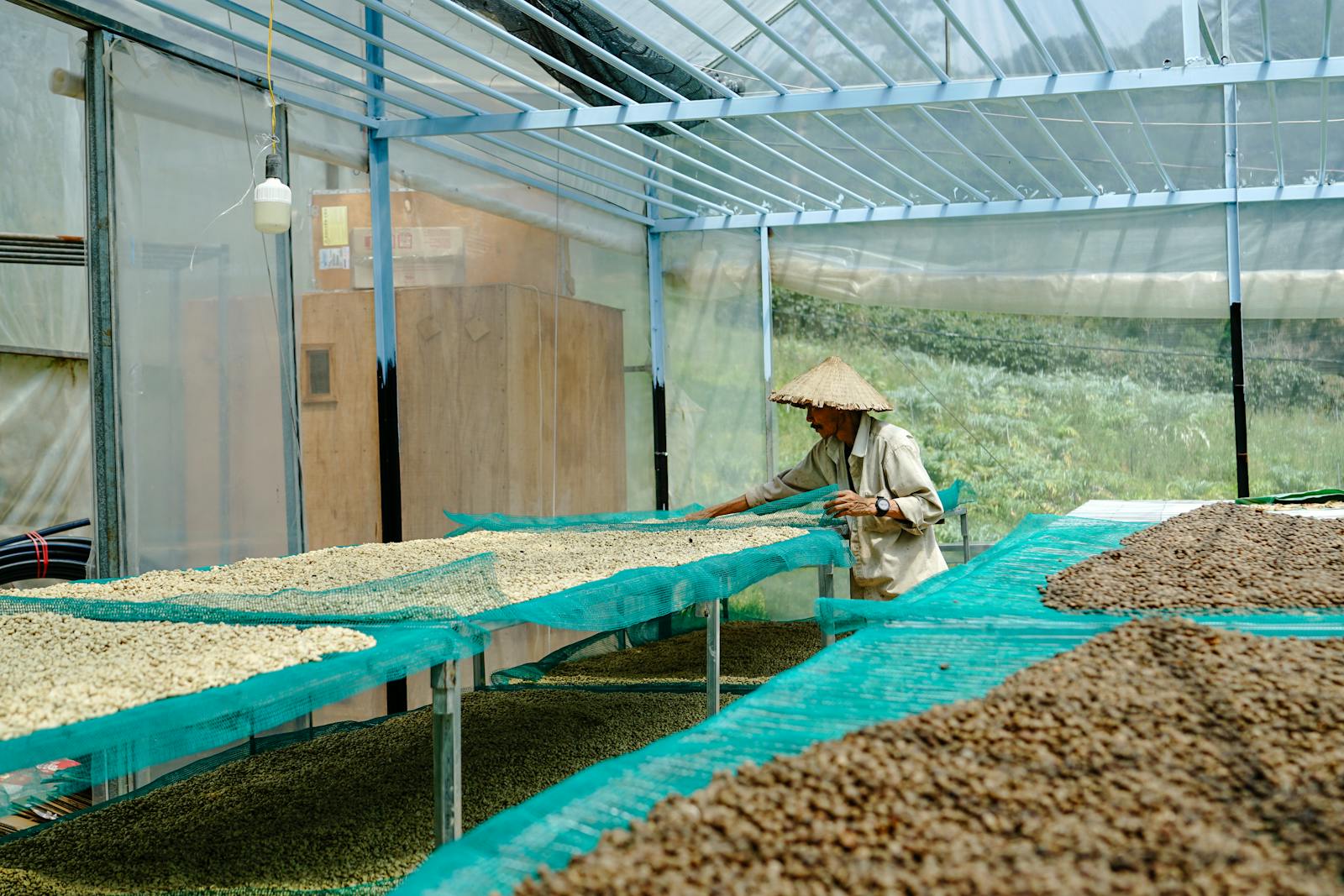
Processing is the “style” knob. Two coffees from the same region can taste totally different if one is washed and the other is honey or natural.
Pick washed for clarity, honey for sticky sweetness, and natural for fruit—then roast level decides how loud that gets.
You’ll sometimes see farm language in listings—“estate,” “finca,” or even El Salvador coffee plantation. Treat that as a traceability hint, not a guarantee of flavor; the process and roast level still do most of the predicting for you.
Quick chooser (no jargon)
- Washed: clean, crisp, “transparent.” Choose it if you dislike fermented or boozy notes.
- Honey: rounder sweetness and a bit more fruit, often “sticky” in a good way.
- Natural: the fruitiest option; can be jammy—and sometimes funky if you’re sensitive.
Simple rule: The darker the roast, the more any process differences compress into “roasty.” If you’re paying for processing character, aim for light-to-medium roasts.
- Avoid this mismatch: natural + dark roast if you’re buying specifically for fruit clarity.
- Avoid this mismatch: washed + “berry bomb” tasting notes unless the roast is clearly light and the notes feel plausible.
Competition language often groups lots by process—washed, honey, natural—so the Cup of Excellence categories page is a useful reference for how these terms are commonly labeled.
How to choose a bag online (so you don’t guess wrong)
Online shopping removes the smell test, so your job is to buy with the best signals available—then brew in a way that matches those signals.
Before you click “buy,” decide: do you want a clean cocoa cup (washed) or a sweeter, fruit-leaning cup (honey/natural)?
Freshness check (fast): prioritize a clear roast date. If a bag only shows a “best by” date, assume you’re buying with less control over flavor. Whole bean + a grinder is still the biggest upgrade if you’re chasing sweetness.
Storage that preserves sweetness: keep beans airtight, cool, and dark; skip the fridge (odors + moisture). If you bought a large bag, portioning and freezing what you won’t use soon can help it stay lively.
Label signals that usually help
- Region named: better odds the coffee is traceable and intentional.
- Process stated: you can predict “clean vs fruity” without guessing.
- Variety listed: especially useful if you’re hunting for Pacamara.
- Tasting notes: treat them as direction, not a promise; look for consistency with process.
Signals that can mislead
- “Gourmet” labels: not meaningful without specifics (region/process/roast date).
- Too many notes: a long flavor list can be marketing, not clarity.
- Missing roast date: you may end up with a dull, flatter cup.
- “Espresso roast”: tells you less than actual roast level and freshness.
Brand sanity check (search-friendly, not hype-driven)
If you’re shopping by El Salvador coffee brands, treat the name as a starting point—not the deciding factor. Look for the origin and process on the label, then judge freshness by roast date.
Names you might run into
- cafe cinco gotas: verify it’s origin-labeled and shows process/roast date.
- beans of fire coffee: treat as a brand search—confirm the bag actually says El Salvador.
Two common search detours
- El Salvador Nespresso: pods can be convenient, but you lose roast-date control—pick based on style descriptors (clean vs fruity).
- El Cibao coffee: double-check origin—this name can show up in searches even when you’re aiming for El Salvador.
Culture & search-intent note: If you landed here from broader queries like drinks of El Salvador, fruit El Salvador, or fun facts about El Salvador, know that coffee tasting-note “fruit” usually means a flavor impression—not added fruit or syrup. And if you saw something like El Salvador president coffee, treat it as a keyword detour: the best buying outcomes still come from process + roast date + brew match.
Printable “Bag Picker” worksheet (click a cell to type; then print)
| Bag name | Region / variety / process | Roast date | Brew plan | Taste notes (yours) | Repurchase? |
|---|---|---|---|---|---|
Brewing recommendations that flatter El Salvador coffees
Most El Salvador coffees reward you for brewing toward sweetness and clarity. Your goal is simple: extract enough to get caramel/cocoa depth, but not so much that you push into bitterness.
If your cup tastes sour, go a bit finer or brew a touch longer; if it tastes bitter, go a bit coarser or brew a touch shorter.
Plain-language reminder: sour usually means “not enough extracted yet,” while bitter usually means “too much extracted.” Make one small change at a time so you can tell what worked.
Pour-over / filter
- Pick: washed or honey if you want sweetness with definition.
- Dial-in: start medium-fine; chase a smooth, dessert-like finish.
- Rescue move: if “thin,” grind a notch finer before changing anything else.
Espresso
- Pick: cocoa-forward washed lots for classic shots; honey for extra sweetness.
- Dial-in: aim for balanced sweetness first, then chase fruit.
- Milk drinks: medium roasts often keep caramel notes present in lattes.
Sweet-spot mindset: brew for a smooth dessert finish first—then “turn up” fruit with process choice, not extra extraction.
Sweetness first, then fruit
Espresso tweaks (advanced, optional)
If a natural or honey lot tastes “too funky” as espresso, try a slightly lower extraction approach: a coarser grind or shorter shot time can keep fruit present while reducing fermenty edges. If a washed lot tastes “hollow,” go a hair finer before you increase yield—often the sweetness shows up when the shot has a bit more structure.
Once you’ve found a style you love, repeat it on purpose: same process, similar roast level, and a region name you recognize. That’s how “El Salvador” stops being a gamble and starts being your dependable sweet spot.