Best Drip Coffee Bag Packets
Pick the right drip coffee packets + pour them like a tiny pour-over, and you’ll dodge the #1 problem: weak, watery cups.
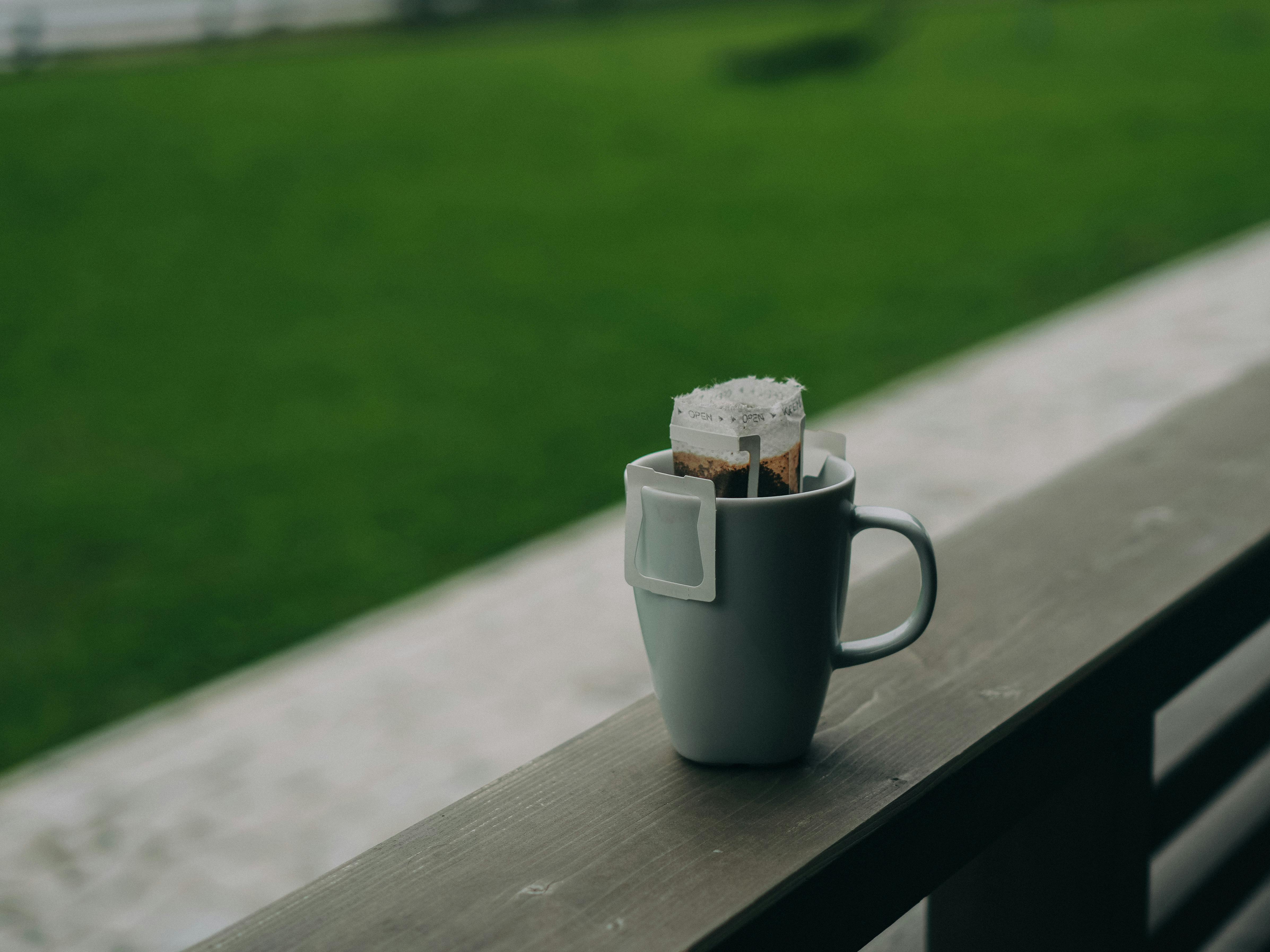
Most “best coffee packets” lists ignore the real problem: a lot of drip bags brew weak unless you pour the right way. The packet isn’t magic—it’s a tiny pour-over. Pick one with enough coffee, keep your pour slow, and you’ll get a cup that’s clean, aromatic, and genuinely enjoyable. Pick the wrong one (or dump water too fast) and it tastes like hot brown disappointment. Let’s fix that with better picks—and a dead-simple method you can repeat anywhere.
Best drip coffee bag packets (quick picks by taste + use case)
If you want one “safe bet,” choose a medium roast packet with a sturdy hanger and a fully sealed pouch. Then match your pick to how you drink coffee (black vs. creamy, mild vs. bold).
When people search for the best single serve pour over coffee packets, they’re usually trying to solve the same thing: finding single serve coffee bags that taste legit and don’t collapse mid-brew.
| Pick | Best for | Flavor vibe | Why it works |
|---|---|---|---|
| Best overall (easy to nail) | First-time buyers | Balanced, clean | Forgiving brew window; hard to mess up |
| Bright & fruity | “I want café aromatics” | Citrus, floral | Wins with a slower pour + slightly less water |
| Chocolatey & smooth | Everyday black coffee | Cocoa, caramel | Medium roasts usually taste fuller |
| Bold & creamy-friendly | Milk/cream drinkers | Roasty, nutty | Still tastes like coffee after dairy |
| Decaf you won’t regret | Evenings or caffeine-sensitive | Smooth, mellow | Fresh, sealed pouches matter most here |
| Variety sampler | Finding your style fast | Mixed | Compare roasts without buying big boxes |
| Budget bulk pack | Office drawers | Simple, steady | Convenient—just brew slower for strength |
One of the more recognizable “hanging pour-over bag” formats is Kuju’s single-serve packet—handy as a reference point for what a sturdy pour over coffee bag feels like when you brew it. Kuju pour-over packets
If you like the convenience-store vibe, a japanese drip coffee bag is exactly the move—fast, clean, and consistent. You’ll see familiar names like UCC, Key Coffee, and AGF/Blendy in drip-bag form. Japanese drip bag brands
Drip packets reward patience. If you pour slowly enough to smell the coffee, you’re doing it right.
What drip coffee bag packets are (and what they aren’t)
Drip coffee bag packets are single-serve filters filled with ground coffee. You tear the pouch, unfold the “arms,” hook it over a mug, and pour hot water through the grounds like a mini pour-over. The goal: a fresher, cleaner cup than instant—without a cone, extra filters, or cleanup.
Each packet is basically a tiny coffee grounds bag suspended over your mug. If you’ve ever wondered, “what is a coffee drip bag?”—that’s the simplest mental model: portable pour-over, not a tea bag.
Not to be confused with cold brew coffee bags, which are made for long steeps in cold water. If that’s your thing, you’ll be shopping for the best cold brew coffee bags instead of hanging drip packets.
If you want a quick definition before shopping, this explainer breaks down the format clearly: what drip coffee bags are
Drip packets vs. steep coffee bags
Some products marketed as “coffee bags” are made to steep like tea. Those steeped coffee bags can be convenient, but they don’t always deliver the same clarity as a true hanging drip packet—especially if you care about aroma and finish. They brew more like coffee tea bags than pour-over. If that’s the style you prefer, you’ll want a separate roundup of the best steeped coffee bags. how coffee bags compare
When drip packets beat instant coffee
Drip packets win when you can get decent hot water—hotel lobby dispenser, office kettle, camp stove, even a microwave in a pinch. Instant is faster, but a good drip bag gives you a real brewed “arc”: aroma up front, sweetness in the middle, and a cleaner finish.
If you’ve tried instant coffee bags, you already know the quality range is huge. This guide stays focused on drip packets, but best instant coffee bags is a different “best of” category entirely.
How to choose a great drip packet (before you even taste it)
A great drip packet starts with freshness and enough coffee to brew a real cup. Flimsy bags, tiny doses, or thin outer pouches are common culprits behind watery, papery results.
What the packaging tells you
Favor individually sealed packets (not loose bags tumbling in a big box). Drip bags are small and pre-ground, so they can lose aroma faster than whole-bean coffee—good packaging is the difference between “wow” and “meh.” This overview is a useful lens on what packaging is trying to protect: drip coffee packaging basics
You’ll also notice this in almost any coffee pouches review: the best-tasting packs are usually the ones with the best sealing and the least exposure to heat and air before you open them.
Taste cues on the label (that actually help)
Medium roast is the safest blind buy: usually sweeter and fuller with fewer sharp edges. Light roast can be excellent but less forgiving—if your water runs cool, it may taste sour or thin. Dark roast is easiest to brew bold, but it can skew ashy if you over-pour or let the bag sit in the cup.
If you’re chasing café-level flavor, look for specialty coffee bags from roasters that list origin and roast details, not just “medium roast.” They tend to be more expressive—and more worth slowing down for.
Quick safety note: Keep fingers off the hot filter arms, and pour slowly to prevent splashes—especially with narrow mugs.
Brew it right: a repeatable 2–3 minute method
Pour in two stages: a short bloom, then a steady main pour. That one change prevents channeling (water rushing through one spot) and helps you get sweetness instead of sourness.
The 2-minute pour plan
Step 1: Hook + center. Open the packet, pull the arms out, and hook it on a stable mug (wide mugs are easiest). Make sure the filter bag won’t sit in the coffee as the cup fills.
Step 2: Bloom (20 seconds). Add just enough water to wet all the grounds. Wait 15–20 seconds. You’re letting trapped gas escape so the next pours extract evenly.
Step 3: Slow main pour (60–90 seconds). Pour in a thin stream, aiming for the center and then small circles. Strength dial: start around 8 oz for a stronger cup, or 10–12 oz for milder.
If you’ve ever searched how to use coffee pouches, this is the cleanest version: bloom, then a slow pour that stays controlled instead of chaotic.
Fix this / do this (the common weak-cup problems)
Problem
- Mug too narrow → bag collapses or tips
- Pour too fast → water tunnels through
- Water too cool → sour/flat cup
- Bag sits in coffee → bitter finish
Fix
- Switch mugs or brace an arm with a spoon
- Pour in pulses (3–4 short pours)
- Use hotter water (near-boiling is best)
- Lift the bag out right after dripping
Make it taste better anywhere (hotel, office, trail)
Your water is the biggest hidden ingredient when you travel. A great drip bag packet can taste muted with heavy chlorine—or oddly sharp with very soft water. If your cup tastes “off,” try a quick upgrade before blaming the coffee.
No-gear upgrades (30 seconds)
- Warm the mug: quick hot rinse keeps aroma brighter
- Pour slower: thinner stream = more sweetness
- Go smaller: brew strong, then top up if needed
- Tiny pinch of salt: smooths bitterness (go easy)
Minimal-gear upgrades (still pocketable)
- Mini thermometer: removes the “is this hot enough?” guess
- Wide mug: easier hang + more even pouring
- Packet pair: brew one, then pass a splash through a second

Hotel reality check
If your kettle smells like old soup, rinse it twice and boil fresh water once before brewing. Brew into a real mug if possible—paper cups cool too fast and flatten aroma.
Trail reality check
Wind steals heat. Shield your mug for the first 30 seconds (even your jacket works). You’ll get a sweeter cup—perfect for coffee bags for camping when you want “real coffee” without the full setup.
Freshness, storage, and waste (the unsexy stuff that matters)
A drip packet can be “good” on paper—and still taste flat if it’s stale. That’s why individually sealed pouches are worth prioritizing. MTPak Coffee highlights how packaging choices aim to protect aroma from oxygen and moisture once coffee is ground.
Quick note: stand up coffee bags and small coffee bags usually refer to packaging for storing beans or grounds—not the ready-to-brew hanger packets in this guide. Different shopping mission, totally different product.
Keep packets fresh in real life
- Heat: avoid glove boxes and sunny windowsills
- Air: open pouches only when you’re brewing
- Time: if there’s no packed date, buy smaller boxes
Dispose with less mess
After brewing, let the bag drip for a few seconds, then lift it out and set it on a napkin (or back in the empty pouch). Fold the arms inward first to trap drips—your trash can (or backpack) will thank you.
Decision helper: choose the right pack in 60 seconds
If you’re torn between “bright and fancy” vs. “bold and easy,” score them and let the math decide. Tie-breaker rule: pick the one that would still taste good if you poured slightly too fast.
Rate what matters to you
Tip: Copy this into Notes or print it. The “winner” is the pack you’ll actually enjoy drinking at 7:12 a.m., not the one with the fanciest tasting notes.
| Criteria | Option A | Score (1–5) | Option B | Score (1–5) |
|---|---|---|---|---|
| Flavor goal (bright / balanced / bold) | __________ | __ | __________ | __ |
| Forgiveness (tastes good even if you rush) | __________ | __ | __________ | __ |
| Travel-fit (works with your mug/tumbler) | __________ | __ | __________ | __ |
| Availability (easy to reorder) | __________ | __ | __________ | __ |
| Price comfort (you’ll use it often) | __________ | __ | __________ | __ |
| Total | — | __ | — | __ |
Your winner rule
If the totals are close, choose the packet you’d trust on a sleepy morning. That’s the one worth keeping in your bag, desk, or travel kit.