Salento coffee tours are one of the easiest “big wins” in Salento, Colombia: you can go from cobblestone streets to a working finca in under an hour, learn the seed-to-cup story, and leave with beans you’ll actually want to brew at home. If you’re planning a salento coffee tour, it helps to know Salento sits in the colombia coffee region (often called the Coffee Triangle), where weather and terrain shape the whole experience.
You’re walking out of Salento with a light jacket, because the mountains never quite decide between sunshine and mist. Ten minutes later you’re on a narrow path, surrounded by coffee trees and banana leaves, and someone hands you a warm cup that smells like caramel and citrus. The guide doesn’t lecture—they get you picking, pulping, and tasting, and suddenly “coffee” isn’t a drink anymore. It’s a place.
- Fast pick: choose how hands-on you want to be (tasting vs seed-to-cup).
- Easy win: book your tour time first, then build the rest of the day around it.
- Café moment: pick one salento cafe for a slow pour-over after your tour.
Reality check: tour prices, start times, and what’s included can shift with season and staffing. Treat online info as a “ballpark,” then confirm when you book. After rain, paths can be slick—closed-toe shoes beat sandals every time.

Choose your “perfect” Salento coffee tour style
Before you pick a finca, pick a format. The best tour isn’t the “most famous”—it’s the one that matches your curiosity level, your time, and how social you want the experience to feel. Here’s the fast filter: decide how hands-on you want to be, then let everything else (walkability, group size, and budget) fall into place. If you’re searching for the best coffee plantations to visit, this approach keeps “best” grounded in what you’ll actually enjoy.
Tour formats
Quick tastings are perfect if you’re short on time or traveling with someone who’s “not a coffee person.” Expect an easier walk, a simple explanation of the process, and a guided tasting that helps you name flavors you already notice (chocolate, citrus, nuts) without turning it into homework.
Hands-on tours are where Salento shines: picking a few cherries, seeing the pulping/fermentation steps, and understanding why “washed” tastes different than “natural.” If you want one takeaway to remember, it’s that coffee is an agricultural workflow, not a single magic step.
Specialty deep dives spend more time on roasting and tasting technique—sometimes with multiple brews. Choose this if you already make pour-over or espresso at home and want to upgrade how you buy beans (origin, process, roast level) rather than just “buy what smells good.”
Group size and vibe
Group size quietly changes everything. Smaller groups usually mean more questions answered, more tasting notes explained, and less “herding” between stops. Bigger groups can still be fun—especially if you want a lively vibe—but you may get a more scripted version of the story.
If you’re traveling as a couple or solo, small-group tours are often the sweet spot: you get conversation without feeling like you’re in a classroom. For families, a medium group can be great because kids don’t feel “on the spot,” and the pace stays forgiving.
Best fit by traveler type
Families: prioritize shorter walking distances, shaded breaks, and a “see + taste” format. Coffee nerds: prioritize process details and tasting structure. Tight schedules: prioritize proximity to town and tours with clear start times. Rain-prone days: prioritize good footwear and a tour that doesn’t depend on long muddy hikes.
Best coffee tours near Salento (and how to choose)
The top tours around Salento mostly fall into the same archetype (seed-to-cup + tasting), but the feel varies a lot. Use this comparison to pick by experience—not by hype—then book the version that fits your day (walkable, short jeep ride, or packaged pickup).
| Tour type | Best for | Typical length | “Feel” | Watch-outs |
|---|---|---|---|---|
| Seed-to-cup finca tour | First-timers who want the full story | ~2–3 hours | Hands-on, educational, outdoorsy | Muddy paths after rain; some hills |
| Walkable/boutique tour | Short timelines, easy logistics | ~60–120 minutes | Relaxed, accessible, tasting-forward | Less depth on processing steps |
| Packaged operator tour | People who want “everything handled” | Varies | Convenient, predictable | Less flexible pacing; may feel scripted |
One option you’ll see referenced often is finca el ocaso salento. For finca el ocaso salento prices, treat blog figures as estimates—confirm the current rate, start times, and what’s included directly when booking so you’re not surprised on arrival.
For a reality check on current pricing trends and how tours are packaged, skim Nov 2025 price notes before you commit—then confirm the exact price, start time, and meeting point when you book.
If you’re comparing an operator-style experience (especially one marketed to international travelers), it helps to read the included/meeting-point language on an operator tour overview so you know whether you’re paying for transport convenience, a guide premium, or both.
Decision matrix (worksheet): pick your best-fit finca
Score each option from 0 (don’t care) to 3 (must-have). Add the totals. The winner is usually obvious once you see the numbers—especially if you’re choosing between “more hands-on” and “more convenient.”
Mobile tip: tap a cell to edit. If the table feels tight, rotate your phone or pinch-zoom.
| Option | Hands-on | Learning depth | Group vibe | Convenience | Total |
|---|---|---|---|---|---|
| Finca A | 2 | 2 | 2 | 1 | 7 |
| Finca B | 1 | 2 | 3 | 2 | 8 |
| Finca C | 3 | 3 | 1 | 0 | 7 |
Print tip: use your browser’s Print dialog and select “Save as PDF” to keep your scores.
Classic seed-to-cup farm tours
This is the “core Salento” experience: you see the plants, handle the cherries, learn the processing steps, and end with a tasting. If you do only one tour, this format gives you the best blend of nature, learning, and story. The ideal version feels like a working farm visit that welcomes guests—rather than a stage set built for guests.
Boutique walkable tours from town
These tours win on simplicity: less transit, fewer moving pieces, and a lower chance of “we missed the jeep.” They’re great if you’re arriving late, traveling with kids, or you want coffee without committing half a day. The tradeoff is usually depth—some steps are explained rather than demonstrated.
Packaged operator tours
Choose an operator-style tour when you’re optimizing for convenience: predictable meeting points, clear language support, and transport handled. It’s also useful if you’re staying outside central Salento or you want to pair coffee with another activity in the same booking. If you’re staying in town and enjoy winging it, booking directly can keep the experience more personal.
Booking and logistics (so your tour feels easy)
Salento is small, but “small” doesn’t always mean “effortless.” Tours run on real farm schedules, weather happens, and transport can bottleneck at peak hours. The simplest planning rule is this: book your coffee tour first, then build the rest of the day around it.
Timing, language, and reservations
In high season, reserving ahead can save you from arriving to a “next slot is later” surprise. If you want a specific start time or a smaller group, booking becomes even more worthwhile. For a concrete example of what a finca posts publicly (times, what to bring, and tour basics), check Don Eduardo tour details—then treat it as the model: confirm your chosen farm’s latest schedule the same way.
Language matters for depth. If you only speak English, don’t assume every tour will feel equally rich—ask whether your guide will be bilingual. If you speak Spanish (even intermediate), you’ll often get more nuance: little “why we do it this way” details that never make it into a memorized script.
Getting there (walk vs jeep) + realistic buffers
Some fincas are walkable from town; others are easiest by Willys jeep or taxi. Walking can be beautiful, but plan for slower pacing on hills and after rain. If your tour starts at 10:00 a.m., arriving at 9:45 a.m. is the calm move—arriving at 10:02 a.m. is how you spend the first 20 minutes feeling flustered.
If you’re staying at coffee tree boutique hostel salento, ask the front desk which fincas are easiest by foot versus a short jeep ride—locals usually know which routes get sloppy after rain. Buffer more time than you think if you’re pairing the tour with Cocora Valley: roads can be bumpy, viewpoints are tempting, and the “quick stop for a snack” is never quick.
Costs, tipping norms, and buying beans
Prices vary by tour length, group size, and what’s included (tasting-only vs full seed-to-cup). Tipping is appreciated but not mandatory; if your guide made the tour feel personal and patient, a tip is a clear “thank you.” If you buy beans, ask for a grind that matches your setup at home (French press, pour-over, espresso) so the souvenir doesn’t become shelf décor.
For many travelers, the best colombian coffee is simply the freshest coffee you’ll actually brew—ask what was roasted most recently, pick a bag size you’ll finish fast, and match the grind to your brewer.
What to bring
- Shoes: closed-toe, grippy soles (mud happens).
- Layer: light jacket for mist + shade.
- Water: small bottle; tasting can be dehydrating.
- Cash: for beans/tips if cards aren’t accepted.
- Bug spray: especially near shaded plants.
What to skip
- White sneakers: they won’t stay white.
- Strong perfume: it dulls tasting aromas.
- Overpacked bag: keep your hands free.
- Rigid schedule: leave room for a slow cup after.
- Assumptions: ask what’s included before you pay.
What happens on a coffee tour (seed to sip)
A good tour turns “coffee” into a chain of decisions: variety, ripeness, fermentation time, drying method, roast level, brew method. That’s why two coffees from the same region can taste wildly different. Your job on the tour is to notice the decision points—that’s what makes the story stick.
Even though this guide is Salento-focused, the same backbone shows up on almost any colombia coffee tour: from a small colombia coffee farm to a larger colombian coffee plantation, you’re watching real coffee farming in colombia—timing, labor, weather, and lots of careful sorting.
- Picking: ripe cherries only (color matters).
- Pulping: removing fruit from the seed.
- Fermenting: time + microbes shape flavor.
- Washing/drying: stabilizes the bean.
- Roasting: creates aroma and sweetness.
- Tasting: connects flavor to process.
Picking and processing (the parts you can usually try)
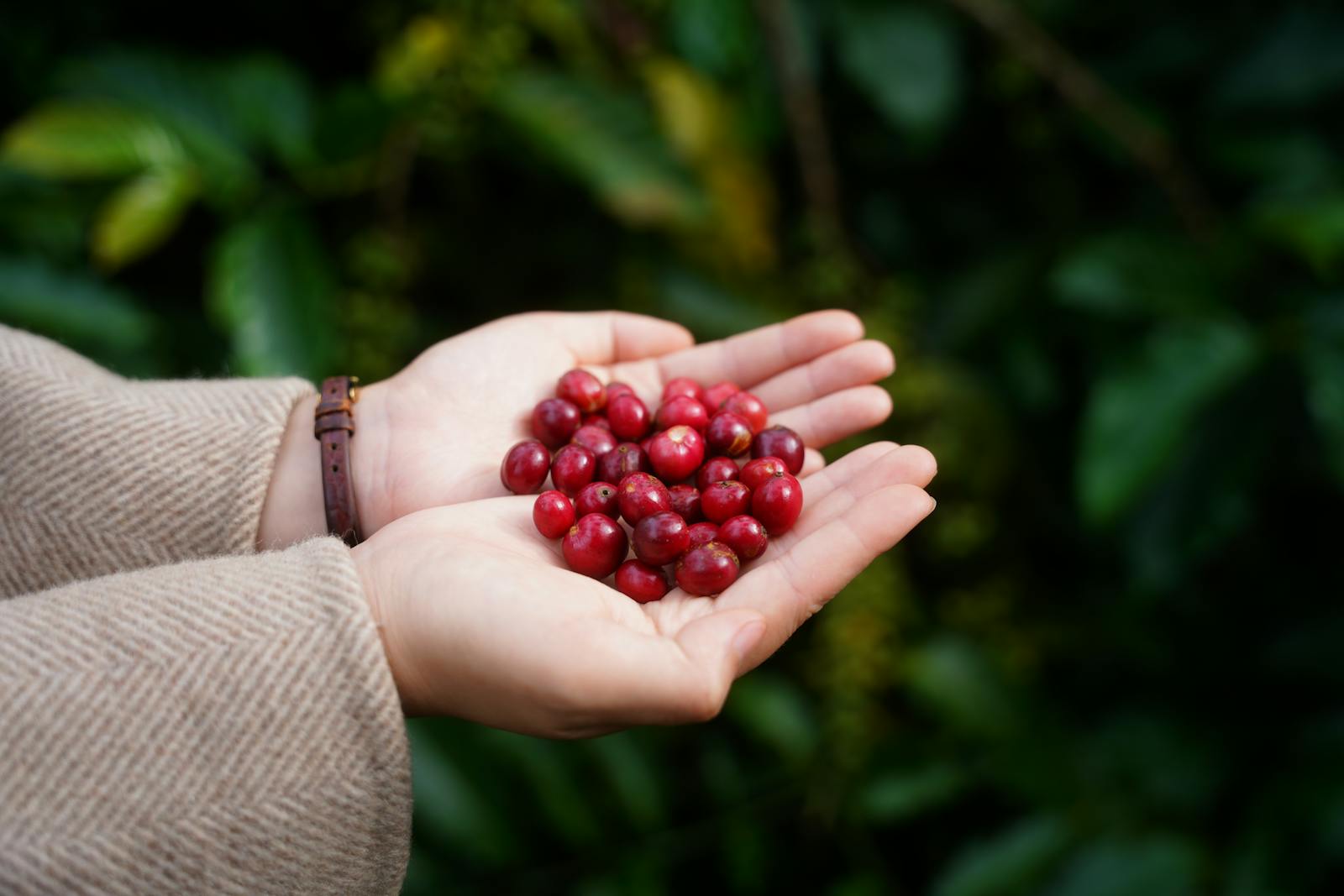
Most tours let you pick a few cherries and see how quickly the fruit becomes a “clean” seed. The fun part is realizing how physical coffee is: sticky hands, wet patios, the smell of fruit and fermentation. If you’re squeamish about mud or bugs, choose a tour with shorter walks and more station-style demos.
Drying, roasting, grinding (where tours differ)
This is where the best tours earn their keep. Some tours breeze past drying and roasting as a quick explanation; others slow down, show you the tools, and explain why roast level changes sweetness and bitterness. If you want deeper learning, ask in advance whether the tour includes a roasting demo and a structured tasting—not just a “here’s a cup.”
Tasting like a human (not a sommelier)
You don’t need fancy vocabulary. Try this: first smell (aroma), then sip and notice (sweetness, acidity, bitterness), then think about texture (thin vs syrupy). Think of this as colombia coffee tasting 101: notice sweetness first, then acidity, then bitterness, and finally body.
If you taste something you like—say, “citrus” or “cocoa”—ask what part of the process tends to create that note. That question alone turns a tasting into a lesson.
Build a half-day Salento coffee itinerary
Salento rewards simple planning: one anchor activity (coffee or Cocora), one flexible activity (walk, viewpoint, café), and one “treat yourself” moment (great lunch or a slow pour-over). The goal is unhurried—not “maximized”—because the best memories here happen in the in-between moments.
Template A (coffee first): 9:00 a.m. breakfast → 10:00 a.m. coffee tour → 1:00 p.m. lunch in town → 2:30 p.m. viewpoint stroll + café.
Template B (Cocora first): early jeep to Cocora → mid-day return → late-afternoon coffee tour (shorter format) → sunset snack + beans shopping.
Morning coffee + afternoon Cocora (or the reverse)
If you’re doing both in one day, decide what you care about more: quiet or energy. Cocora is calmer early; coffee tours feel calmer earlier too, but still enjoyable later. If you want fewer crowds, do Cocora first. If you want your brain freshest for learning, do coffee first.
Town add-ons: viewpoints, cafés, souvenir strategy
Give yourself time for the simple stuff: a slow coffee at a specialty café, a wander through colorful streets, a quick climb to a mirador if the weather’s clear. For salento coffee, make it a tiny crawl: start at a salento coffee shop for a pour-over, then swing by a second salento cafe for a milk drink and a bag to-go. For souvenirs, beans beat trinkets—especially if you ask for a grind that matches your brewing method and buy a size you’ll finish within a few weeks.
Rainy-day backup plan
When the mist rolls in, lean into it. Choose a shorter, more tasting-forward tour, add an indoor café stop, and save Cocora for a clearer window. If you want an easy, structured alternative that still keeps the theme, some travelers look at national coffee park colombia as a kid-friendly option when trails are soggy. Rain doesn’t ruin Salento—it just changes what “fun” looks like (more cozy, less panoramic).
Responsible coffee tourism (small choices, big difference)
“Responsible” doesn’t have to be complicated. It’s mostly about respect: for workers, for the farm’s workflow, and for the fact that coffee is someone’s livelihood. If you want your money to help, buy beans and ask thoughtful questions—then give the experience room to breathe.
You’ll sometimes hear the word cafetero. People often type “whats a cafetero?” In everyday use, it’s a coffee grower or someone closely connected to coffee work and culture in the region.
Buy a bag, ask questions, slow down.
Simple rules that make tours better for everyone
What “sustainable” can mean on a finca
Sustainability can refer to farming practices, water use, shade management, labor conditions, and how a business supports the local community. If a tour talks about responsible practices, ask what that looks like day-to-day. As one example of how farms communicate these values publicly, see Ocaso farm sustainability—then use the same lens to ask your guide what’s true on their farm.
How to buy beans you’ll actually use
Buy the amount you’ll finish within a month (two max), choose a roast you enjoy, and don’t be shy about asking for a recommended brew method. If you’re traveling onward, keep beans sealed and away from heat; you don’t need a vacuum canister—just don’t store them in a hot backpack pocket all day.
Photography, paths, and respecting workers
Ask before photographing people, stay on marked paths, and avoid handling plants unless invited. If you later scan colombian organic coffee reviews, look for specifics (certification details, roast date, and producer info), not just “smooth” or “strong” adjectives. On the farm, if a process station is busy, don’t “jump in” for a better photo—wait your turn or ask where you can stand without interrupting.
Pro tips and common pitfalls
Most “bad coffee tour” reviews boil down to one thing: expectations didn’t match reality. Avoid that, and Salento delivers. The biggest upgrade is choosing a tour that fits your pace—then arriving prepared so you can relax into it.
Do this
- Start early: calmer groups and better photos.
- Ask two questions: “What changes flavor most?” and “Why this process?”
- Wear grip: mud is normal, slipping isn’t.
- Buy beans on-site: it supports the farm directly.
- Leave buffers: transport + weather = unpredictability.
Avoid this
- Over-scheduling: you’ll feel rushed and miss the point.
- Skipping water: tasting is better hydrated.
- Assuming flat terrain: even “easy” walks can be slick.
- Perfume/cologne: it messes with aroma.
- Buying too much: fresh beans are best used fresh.
Crowd dodging and timing hacks
If you’re visiting on a weekend or holiday, aim for the first or second tour slot of the day. If you’re booking the day before, ask which times are typically quieter. And if you care about photos: cloudy mornings often give you softer light and less harsh contrast—Salento’s “moody” weather is secretly flattering.
Comfort + accessibility notes
Not every finca is equally accessible: some have steeper paths and uneven ground. If mobility is a concern, prioritize walkable or boutique tours with shorter distances and ask about terrain before you pay. For kids, the winning move is snacks + a shorter tour—attention spans are real, and that’s okay.
If you’re short on time (the 60–90 minute version)
Pick a shorter, tasting-forward tour near town, focus on the “decision points” (process + roast + brew), and buy one bag of beans you’re excited about. You’ll still walk away with a real understanding of coffee—just in a condensed format that leaves room for a mirador stroll and a great lunch.
If you’re only in big cities, you’ll see options marketed as a bogota coffee tour, medellin coffee tour, or coffee tour cartagena. In practice, city-based experiences are often tastings or long day trips; if you want the classic farm walk + process demo, basing yourself in the Coffee Region is usually smoother.
And for future trips: if you ever search “coffee farm tour near me,” filter for tours that show the full process (not just a café tasting), and confirm whether the “farm” is working production or simply a visitor venue with a nice view.