What if the “best” coffee grinder for pour-over isn’t the fanciest one—just the one that keeps your grind consistent, your workflow clean, and your settings repeatable? For pour-over, chasing more burr diameter and more features can distract from what actually improves the cup: fewer fines, steadier adjustments, and a routine you’ll stick to every morning. Let’s pick based on how you brew, not hype.
TL;DR: For most kitchens, the best grinder for pour over is a burr-based coffee grinder for pour over coffee that’s consistent in the medium-fine range and easy to repeat day after day.
- Clarity-first: Choose a filter-focused flat-burr grinder if you chase clean, separated flavors.
- Value-first: Choose a reliable conical burr grinder if you want the biggest upgrade per dollar.
- Consistency-first: Choose a quality hand grinder if you brew single cups and don’t mind cranking.
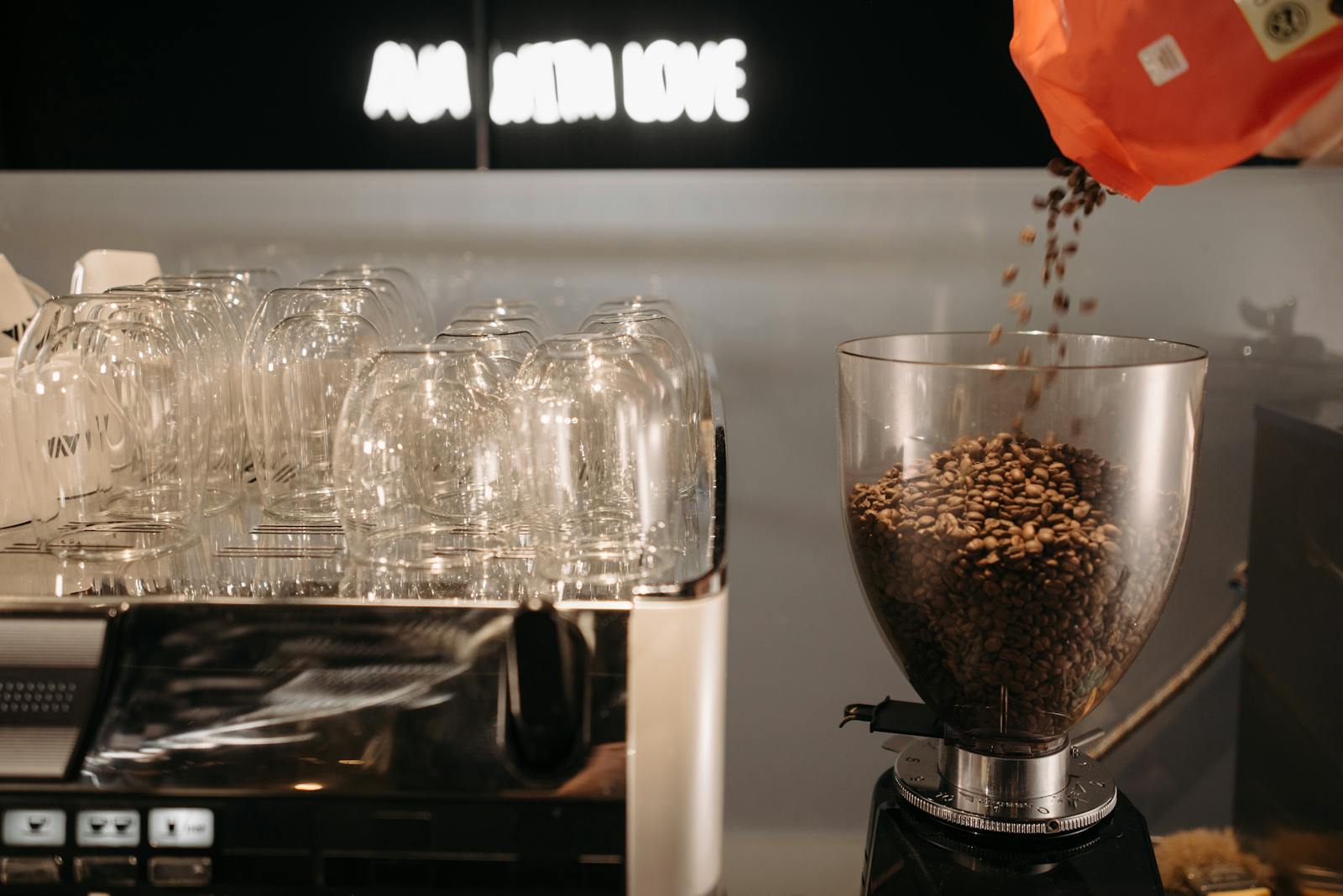
Pour-over is brutally honest: it magnifies uneven grind size. The good news is you don’t need a lab-grade grinder to get clean, sweet cups—you just need the right kind of consistency for filter coffee, plus a workflow that helps you repeat yesterday’s great brew.
Quick picks for pour-over (60-second choice)
If you want one “safe” choice, pick a burr grinder built for filter coffee first—then optimize for your mornings (noise, speed, and mess).
Decision ladder: Brew 2+ cups most days? Go electric. Brew one cup and want maximum grind quality per dollar? Go hand grinder. Split between methods (pour-over + immersion + occasional “espresso-ish” drinks)? Choose a versatile burr grinder with repeatable settings—and you’ll end up with a genuinely good coffee grinder for home.
On mobile, swipe left/right to see the full table.
Below is a quick, practical shortlist to get you in the right neighborhood fast. WIRED specifically calls out the Fellow Ode Gen 2 as a top choice for drip and pour-over—use that as your “filter-first” benchmark best pour-over pick.
| Best for… | Type | What to buy (examples) | Why it works for pour-over | Tradeoff to accept |
|---|---|---|---|---|
| Filter clarity | Electric (flat burr) | Fellow Ode Gen 2 | Clean, separated flavors; tidy single-dose workflow | No espresso range; countertop footprint |
| Best value | Electric (conical burr) | Baratza Encore; OXO Brew Conical | Solid consistency for drip/pour-over; easy day-to-day use | More fines than premium; louder |
| Small space / simpler workflow | Electric (compact) | Capresso Infinity; OXO Brew Conical | Good grind for filter with a smaller footprint | Less “clarity ceiling” than premium flat burr |
| Light-roast clarity | Hand grinder | 1Zpresso K-Series (e.g., K-Ultra); Comandante C40 | Excellent consistency per dollar; great for single cups | Manual effort; slower for big batches |
| Travel + camping | Hand grinder | Timemore C2; 1Zpresso Q2 | Durable, packable, easy to clean | Smaller capacity; more cranking |
| Brewing for 2–4 people | Electric | Baratza Virtuoso+; Breville Smart Grinder Pro | Faster grinding; more repeatable routine for multiple doses | More counter space; higher cost |
What “pour-over capable” actually means
A pour-over grinder isn’t a special category—it’s a grinder that can hold a stable medium-fine setting with minimal “dusty” fines.
Pour-over extraction is a balancing act: water flows through the bed while dissolving flavor. If your grinder makes a mix of dust (fines) and rocks (boulders), the fines over-extract (bitterness), the boulders under-extract (sourness), and your cup tastes confusing even with a “perfect” recipe.
Burr grinder what is, in plain terms? It’s a grinder that crushes beans between two surfaces (burrs) so the particles come out far more even than a spinning blade. Serious Eats explains why burrs provide the consistency and control you need to actually dial in a pour-over burr vs blade basics.
Quick “yes/no” checklist
- Range: Can it go from “table salt” to “kosher salt” without clumping?
- Steps: Are adjustments fine enough that you can fix a brew in one move?
- Repeatability: Can you return to a setting tomorrow and get the same cup?
- Workflow: Can you dose, grind, and clean up in under 60 seconds?
Red flags for pour-over
- Dusty output: A visible “powder” layer no matter the setting.
- Jumping settings: One click is too coarse, the next is too fine.
- Static storms: Grounds cling to everything unless you fight it.
- Hot, slow motors: Bogging down on a normal morning dose.
Best electric grinders for pour-over
Electric wins when you want speed and repeatability—especially if you brew more than one cup, most days.
For pour-over, the “best electric grinder” usually means one of two styles: a filter-focused flat-burr grinder built for clarity, or a versatile conical-burr grinder that does a solid job across methods. If your budget allows, filter-first picks are commonly highlighted in filter gear roundups like Coffee Chronicler’s filter grinder shortlist.
Best for filter clarity (flat burr)
Pick this style if you love light roasts and you chase “separation”—flavors that feel layered instead of blended. A good flat burr grinder often produces a cleaner spread of particles at typical pour-over settings, which can translate to a sweeter cup and a less “muddy” finish.
Who it’s for: you brew V60/Kalita/Origami daily, notice clarity differences, and want a tidy single-dose routine. Who should skip it: you also want espresso capability from the same grinder without compromises.
Best value for most brewers
Value for pour-over isn’t about maximum features—it’s about a grinder that holds a stable medium-fine setting and doesn’t turn your counter into a snow globe of static grounds. If you’re shopping for the best low cost burr grinder or a good inexpensive coffee grinder, start by filtering for burr grinders with repeatable adjustments and a workflow you won’t hate.
Who it’s for: you want the biggest taste upgrade per dollar. Who should skip it: you’re sensitive to noise, or you want ultra-clean cups from very light roasts.
Best “do-it-all” if you also brew other methods
If your week includes pour-over, French press, cold brew, and the occasional espresso-ish drink, a versatile burr grinder can be the most satisfying “one grinder” solution. In other words, if you’re searching for the best grinder for espresso and pour over, prioritize repeatable micro-adjustments and low retention—because you’ll bounce between very different settings.
Rule of thumb: espresso-capable range can cost you some filter finesse, and filter-first grinders often won’t reach true espresso. If you mostly brew pour-over, don’t overpay for espresso performance you rarely use.
Best hand grinders for pour-over
Hand grinders can deliver shockingly great pour-over because your dollars go into burrs and alignment—not motors and housings.
If you brew one cup at a time and don’t mind 30–60 seconds of cranking, hand grinders are the easiest way to buy “premium grind quality” on a mid-range budget. CoffeeGeek’s 2025 roundup is a helpful map for comparing categories before you buy 2025 manual grinders.
In practical terms, a strong hand grinder is often the best hand grinder for pour over shoppers who want a one cup coffee grinder: it’s quiet, consistent, and doesn’t demand counter space. Many of the top options fall into the “best manual burr grinder” category, and you can still find an affordable manual coffee grinder if your priority is consistency over speed.
.jpg)
Best for light-roast clarity
Look for a hand grinder with a stiff body (less wobble), sharp steel burrs, and small, consistent adjustment steps. These tend to produce fewer “random” fines at pour-over settings, which is exactly what you want when brewing brighter coffees that can turn sour or astringent when your grind is uneven.
Best all-arounder for most pour-over drinkers
An all-around hand grinder is the one you’ll actually use: comfortable grip, easy-to-read adjustments, and a capacity that matches your dose (typically 15–25g for many pour-over routines). You may give up a tiny bit of “competition-level” clarity, but you gain a calmer morning workflow.
Best budget/travel pick
For travel, durability beats perfection. Choose a grinder with a solid handle connection and parts that won’t rattle loose in a bag. If you’re brewing outdoors, slightly coarser pour-over recipes often taste better anyway—less chance of clogging and less sensitivity to uneven pouring.
- Effort: One cup is easy; two big mugs is a workout.
- Speed: Expect ~30–60 seconds for typical doses.
- Noise: Quiet enough for early mornings.
- Consistency: Often excellent for the price.
- Cleanup: Less static mess than many electrics.
- Space: Drawer-friendly; travel-ready.
Flat burr vs conical burr for pour-over
If you mostly drink pour-over, flat burrs often emphasize clarity—while conicals often emphasize comfort, versatility, and value.
When flat burrs shine (clarity, separation)
Flat burr grinders are a common favorite for pour-over drinkers who describe their ideal cup as “clean” and “sparkly.” In practice, that can mean less haze in the cup, more distinct tasting notes, and fewer brews that feel simultaneously sour and bitter. You’ll notice the difference most with lighter roasts and high-quality beans.
When conical burrs make sense (value, versatility)
A cone burr grinder (also called a conical burr grinder) is often the simplest route to consistently good coffee. If you’ve ever searched “burr grinder vs conical burr grinder,” you’re usually trying to decide whether you want filter clarity (often associated with flat burrs) or all-around convenience and value (often associated with conicals).
Conical burr grinders can be forgiving across different beans and brew methods, and they’re widely available at approachable price points. If you’re building a home setup from scratch, a good conical burr grinder can be the “buy once, brew happily” choice—especially if you also make immersion brews.
A useful mindset: choose burr style based on the cup you want—then pick the grinder whose workflow you’ll repeat every morning.
Features that actually change your cup
Prioritize repeatable adjustments, low mess, and stable grind quality before you pay for extras like app controls.
Quick reality check: If your drawdown is stalling and tasting bitter, you likely need fewer fines (coarser grind, better distribution, or a grinder that produces a cleaner spread). If your drawdown is racing and tasting sour, you likely need more contact time (finer grind or a slower pour)—but only after you’ve confirmed your grind isn’t wildly uneven.
Adjustment range and repeatability
Pour-over lives in a narrow band: small grind changes can swing flavor and drawdown time. The best grinders make that band easy to access—clear clicks or markings, minimal dial slop, and settings you can return to without “hunting.” If you share a grinder with someone else, repeatability matters even more.
Retention and static control (and what to do if you don’t have it)
Retention (grounds stuck inside the grinder) blurs your results: yesterday’s coffee mixes with today’s. Static makes your dose messy and inconsistent. If your grinder is static-prone, a tiny mist of water on the beans (often called the Ross Droplet Technique) can reduce cling dramatically—just don’t soak beans or introduce water into the grinder’s motor area.
Speed, noise, and capacity for real households
Speed is convenience, not flavor—until you’re late. Noise is pure quality-of-life. Capacity matters if you brew for more than one person. A grinder that’s “good enough” but unpleasant to use becomes the grinder you stop using, and consistency disappears along with it.
| Feature | Why pour-over drinkers care | What to look for |
|---|---|---|
| Fine adjustments | Dial in without wasting beans | Small steps; clear marks; stable dial |
| Low retention | More repeatable cups | Single-dose design; easy purge/clean |
| Static control | Cleaner dosing, fewer surprises | Anti-static chute, ionizer, or tidy grounds path |
| Build rigidity | More even particle distribution | Less wobble; tight tolerances; consistent alignment |
| Noise + speed | Morning workflow that lasts | Comfortable volume; doesn’t bog down on normal doses |
Safety note: Unplug electric grinders before brushing burrs or removing parts. Never stick fingers or tools into a running grinder.
Dial in grind size for your dripper (without wasting beans)
Dial-in is easier when you change one thing at a time—and write down what “good” looked like.
Three-step dial-in loop: (1) Pick a baseline recipe and run it twice. (2) Change one variable—usually grind—by a small step. (3) When you hit “sweet and balanced,” save that setting as your reference for that bean.
Start points by brewer style (cone vs flat-bottom)
Use these as starting points, not rules. Cone brewers (like a V60) often like a touch finer grind to maintain contact time; flat-bottom brewers (like a Kalita Wave) often like a slightly coarser grind to keep the bed flowing evenly. For a burr grinder for Chemex workflow (thicker filters, bigger beds), start a bit coarser than your V60 setting and adjust from there.
The best grind for pour over is usually in the medium-fine to medium range—fine enough for sweetness, coarse enough to keep flow steady. If your drawdown is wildly fast or slow, fix grind first—then adjust your pouring pattern.
Taste fixes (sour/bitter) → what to change
Sour, thin, sharp: grind a bit finer or extend brew time slightly. Bitter, dry, harsh: grind a bit coarser or shorten contact time. If it’s both sour and bitter at once, that often points to uneven grind or channeling—slow down your pour and make the bed flatter, but also consider whether your grinder is producing too many fines.
Saved dial-in log (with Print button)
Use this quick log for repeatability. It’s designed for pour-over: record dose, water, brew time, grind setting, and a single sentence about taste. The goal is a “known good” entry you can return to when you change beans.
Accessibility note: The table cells below are editable. Save/Load stores your entries in your browser (local storage). Print gives you a clean paper version.
| Beans | Brewer | Dose (g) | Water (g) | Time | Grind setting | Taste note |
|---|---|---|---|---|---|---|
Tip: Keep “Taste note” to one sentence. Example: “Sweet, peachy, slight dryness at finish—try 1 click coarser.”
Keep it consistent: cleaning, burr life, and calibration
The cleanest cup often comes from a grinder that’s simply maintained—and used the same way every time.
At minimum, brush out the chute and burr area regularly (frequency depends on use, but “every week or two” is a good starting rhythm). If you single-dose, a quick brush plus a short purge can keep yesterday’s grounds from showing up in today’s cup.
If your grinder suddenly gets messier (more static), noisier, or your brew times swing without a recipe change, treat that as a maintenance signal. A quick clean often “brings back” the consistency you thought you lost.
Advanced maintenance notes (optional, but helpful)
Burr “symptoms”: if your drawdown times suddenly change without a recipe change, or your grinder starts producing more dust at the same setting, check for buildup and alignment issues (and confirm that your dial hasn’t shifted). Deep clean: follow the manufacturer’s instructions; don’t use water unless explicitly allowed. Calibration: if your grinder supports calibration, mark your “true zero” and keep a note of your typical pour-over range.
FAQs about pour-over grinders
Most people don’t need “the best grinder”—they need the best grinder for their beans, brewer, and mornings.
Do I need a grinder made “for pour-over”?
Not as a label. You need a burr grinder that’s consistent in the medium-fine range and offers repeatable adjustments. “Pour-over focused” usually means the grinder is optimized for filter settings and workflow (often single-dose), rather than trying to cover espresso at the same time.
If you’re considering a pour over coffee maker with grinder, treat it like a convenience appliance: great for routine, but a separate grinder usually gives you more control and a clearer upgrade path. Also, avoid repurposing spice mills for coffee—searches like “best salt and pepper for grinders,” “peugeot pepper mill electric,” or “mccormick black pepper grinder” are a totally different tool category, and the grind won’t be consistent enough for pour-over.
Is flat burr always better?
No. Flat burr can be a great match for clarity and light roasts, but conical burr grinders can make fantastic pour-over too—especially at value price points. If you don’t reliably notice clarity differences between brews, prioritize workflow and repeatability before you pay a “flat burr premium.”
If you’re searching for a blue bottle coffee grinder, focus less on the brand association and more on the outcome you want in the cup: light-roast clarity tends to pair well with filter-focused grinders and consistent burr alignment.
What’s the best upgrade after an entry-level burr grinder?
Upgrade when you feel limited by consistency, mess, or repeatability—not because you’ve hit a mythical “ceiling.” For many pour-over drinkers, the next big jump is a grinder that produces fewer fines at typical filter settings and makes it easier to return to a known dial position. That’s why many “best burr grinders for coffee” lists emphasize consistency and workflow over flashy features.
And when you see labels like “best reviewed coffee grinder” or “top rated burr coffee grinder,” read past the star rating: look for long-term notes on retention/static, whether the reviewer actually brews pour-over, and whether the grinder still performs after months of use.