Cold brew is supposed to be easygoing—so if yours keeps turning bitter, gritty, or weirdly muddy, the fix is often simple: a grinder that can do truly coarse, consistent grounds.
This guide breaks down how to choose the best coffee grinder for cold brew without overthinking it—because the goal isn’t perfection, it’s repeatable, smooth coffee you actually want to drink.
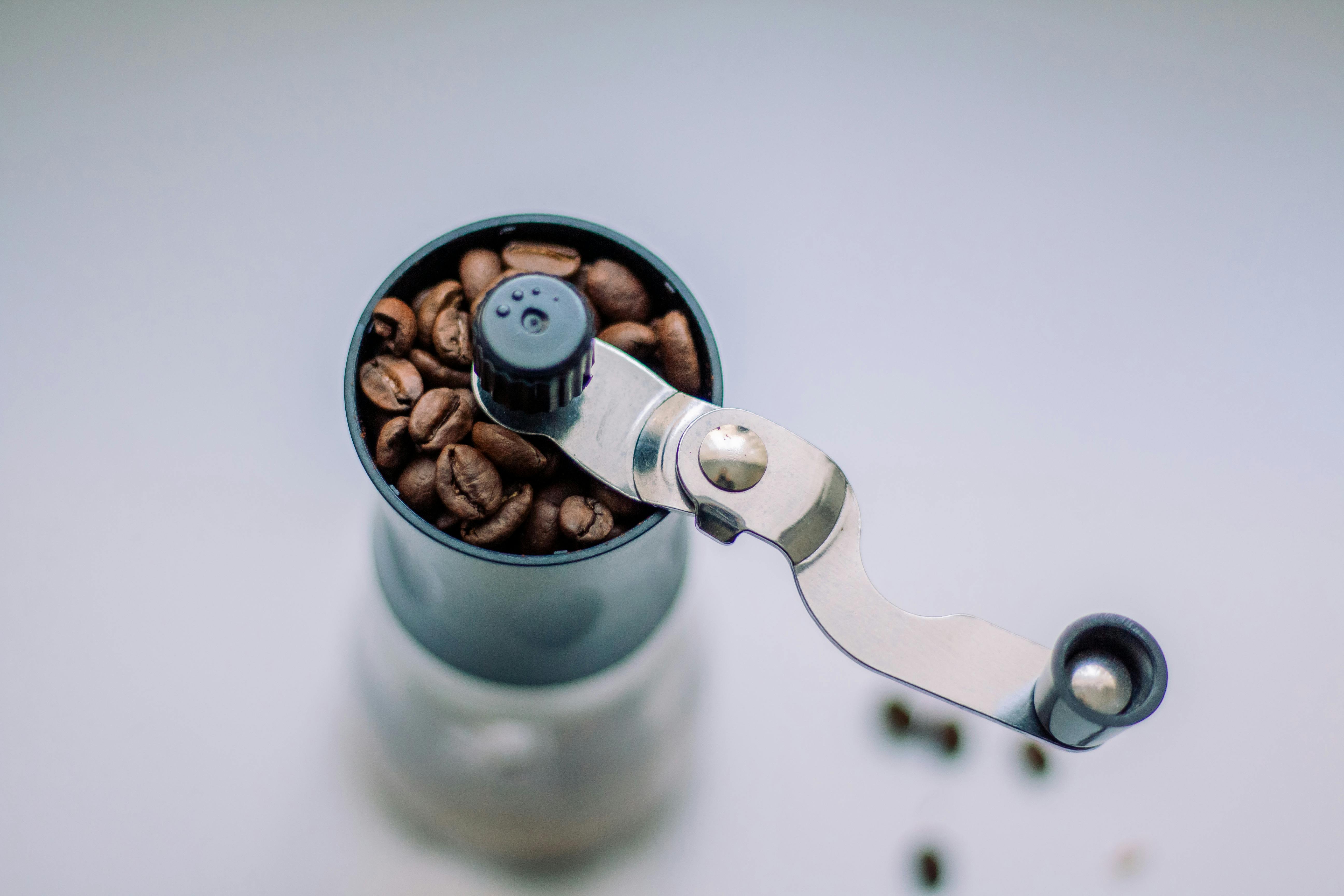
You follow the recipe, wait overnight, and pour… and your “smooth” cold brew comes out gritty and bitter. The sneaky culprit is usually your grind: a mix of dusty fines and chunky boulders that extracts unevenly for 18+ hours. The right grinder doesn’t just make cold brew taste better—it makes it easier to filter, easier to repeat, and way less likely to turn into a murky science experiment.
TL;DR (cold brew grinders): For most people, the best grinder for cold brew is a burr grinder that can stay truly extra-coarse with minimal fines. If you’re making big batches, prioritize capacity + repeatability. If you’re making one glass a day, a manual grinder can be perfect (and quiet).
Quick picks for cold brew (by budget + batch size)
The best cold brew coffee grinder is the one that stays coarse, consistent, and low-fuss for your typical batch size.
Cold brew doesn’t demand espresso-level precision—but it does punish a messy grind. If you’re shopping for a cold brew coffee grinder, focus on coarse range and low fines before you worry about fancy features.
Quick match: If you brew once a week in big jars, go electric for speed and consistency. If you brew one glass at a time, a manual grinder can be a quiet, surprisingly “premium” option. And if your biggest complaint is sludge, prioritize low fines and easy filtration over timers.
A coffee grinder for cold brew should feel boringly reliable: coarse settings that repeat, minimal dust, and a workflow that doesn’t leave grounds all over your counter.
| Pick | Best for | Why it works for cold brew | What to watch |
|---|---|---|---|
| Best overall value | Most households | Wide grind range + repeatable settings for extra-coarse | Some models make static in dry seasons |
| Best budget | New cold brew fans | Cleaner than blade grinders; “good enough” uniformity | More fines than premium burrs |
| Best upgrade | Cleaner taste + faster filtering | Lower fines + better consistency at coarse settings | Costs more; usually bigger footprint |
| Best manual | Quiet kitchens + travel | Excellent uniformity for the money; easy to clean | Grinding large batches takes time |
If you’re shopping from “best-of” lists, favor guides that actually test performance and daily use details—noise, retention, mess, and dial-repeatability matter more than a long spec sheet. WIRED’s roundup is a helpful reference point for consumer-friendly picks and real-world trade-offs like workflow and convenience (best grinders tested).
Best overall value (most people)
Choose a conical-burr electric grinder with a proven coarse range. It should handle daily “pitcher coffee” without stalling, overheating, or turning half your beans into dust. This is the sweet spot for most cold brew drinkers.
- Who it’s for: you brew 1–3 times a week and want repeatable results.
- What you’re buying: stable coarse settings, less mess, fewer “random bad batches.”
- Example styles: classic home burr grinders with a simple dial and catch bin.
Best budget under ~$120
Budget burr grinders can still make solid cold brew—as long as you accept a little extra sediment and slightly slower filtering. The win is less bitterness and less “sludge” compared with chopping beans in a blade grinder.
- Who it’s for: you’re upgrading from blade grinding or pre-ground coffee.
- What you’re buying: an immediate taste improvement without a big spend.
- Reality check: expect a little more fines, especially with very dark roasts.
Best upgrade for clarity + low static
If you want cold brew that tastes cleaner (less “stale cocoa powder” vibe), upgrade for better uniformity at coarse settings. You’ll usually notice it most in the finish: smoother, less dusty, easier to drink black.
- Who it’s for: you drink cold brew black and notice bitterness fast.
- What you’re buying: fewer fines, faster filtering, a “cleaner” finish.
- When it’s worth it: you’re filtering with paper and still get silt.
What cold brew demands from a grinder (coarse, clean, consistent)
Cold brew needs a grind that’s coarse enough to avoid over-extraction—and even enough to avoid the “mud” that clogs filters.
Cold brew is a long soak. That long contact time makes uneven grinds show their worst habits: fines (dusty powder) over-extract fast and taste bitter, while big chunks under-extract and taste watery. When both happen at once, you get a cup that’s somehow harsh and weak.
If you’re specifically hunting for a coarse coffee grinder for cold brew, don’t get distracted by micro-adjustments meant for espresso. In practice, the best coarse coffee grinder is the one that keeps fines low and makes filtering painless.
Here’s the good news: you don’t need perfection. You need repeatability. If you can make the same grind tomorrow, you can actually troubleshoot and improve (instead of guessing and hoping).
The “fines problem” (muddy cup + slow filtering)
Fines are the tiny particles that slip through mesh filters, hang in suspension, and settle at the bottom like silt. They also slow down filtration, which is why some batches feel like they take forever to strain. Your goal isn’t zero fines—it’s fewer of them, consistently.
If you’ve ever poured cold brew into a glass and watched a “snow globe” of particles swirl around, that’s fines. Less of that means a smoother mouthfeel, a cleaner finish, and fewer reasons to chase your drink with a glass of water.
Coarse targets (what you’re aiming for visually)
For immersion-style cold brew, aim for grounds that look like chunky breadcrumbs—coarse, separated, and not dusty. That “breadcrumb” description shows up in cold brew guides for a reason (extra-coarse breadcrumbs).
Quick visual test: Rub a pinch between your fingers. If it feels like sand that leaves a dusty coating, you’re too fine. If it feels like rough salt with distinct pieces, you’re in the zone.
Burr vs blade (the decision that matters most)
If cold brew is your main goal, a burr grinder is the single biggest quality upgrade you can make.
Blade grinders don’t really “grind”—they chop. That creates a chaotic mix of boulders and powder, which is exactly what cold brew hates. A burr grinder for cold brew crushes beans between two surfaces to produce a tighter particle spread, which makes extraction more even and filtering less frustrating. That difference is why burr grinders dominate most serious buying guides (burr vs blade grinders).
Think of it like this: cold brew rewards consistency the way baking does. If the “pieces” are all roughly the same size, they extract at a similar pace. If they’re wildly different, you get bitter and weak at the same time.
Why burrs win for immersion brewing
With a burr grinder, “coarse” is actually coarse. You can set it, repeat it, and get roughly the same result tomorrow. That repeatability makes cold brew taste like a recipe—not a surprise.
Bonus: burr grinders are usually easier to keep tidy. Less dust floating around means fewer grounds stuck to your counter, fewer grounds stuck to your hands, and fewer grounds mysteriously stuck to your shirt.
When a blade grinder is “good enough” (rare cases)
If you already own a blade grinder and you’re making a sweetened milk-based drink (think: vanilla cold brew with cream), you can limp by using short pulses and shaking between pulses. But you’ll still fight sediment—and you’ll probably upgrade once you taste what a clean coarse burr grind can do.
Conical vs flat burrs for cold brew
Conical burrs are the easiest “buy it and relax” option for cold brew, while flat burrs can deliver a cleaner, more distinct cup.
For cold brew, you’re usually not chasing razor-sharp acidity or espresso-level nuance. You’re chasing smoothness and clarity. That’s why a lot of cold-brew-first shoppers land on conical burrs—then upgrade later if they also get into pour-over.
If you’re unsure where you fit, Coffee Chronicler’s grinder breakdown is useful for understanding how burr type and workflow map to real-life brewing habits (top burr grinder picks).
Conical burrs (easy, forgiving, great value)
Conical burr grinders tend to be affordable, compact, and consistent enough for a great cold brew grind. They’re also forgiving if you’re the type who eyeballs your scoop and calls it a day.
For cold brew specifically, conicals are a “set it and forget it” option: pick your coarse setting, write it down, and you can repeat it week after week with minimal drama.
Flat burrs (cleaner flavor notes, often pricier)
Flat burr grinders can reduce fines and improve uniformity at the coarse end, which often translates to a cleaner, less dusty finish. If you drink cold brew black and you’re sensitive to bitterness, this is where upgrades start paying off.
The trade-off is usually cost and footprint. If your current cold brew tastes “almost right” but always has that faint gritty edge, a better coarse grind is one of the few upgrades that can feel instantly obvious.
Features checklist (what to prioritize over “more settings”)
For cold brew, prioritize grind range, capacity, and cleanup—extra micro-settings matter less than you’d think.
Ignore the marketing glitter for a second. Cold brew is forgiving about exact numbers, but it’s unforgiving about mess: dusty grounds, static, and retention (old grounds that stay trapped inside the grinder and sneak into your next batch).
If your cold brew tastes great one week and “flat” the next, retention and stale oils can be part of the story—especially if you mostly drink darker roasts. A grinder that’s easy to brush out is a tiny quality-of-life upgrade that quietly pays you back.
Grind range that truly goes coarse
Some “all-purpose” grinders have coarse settings that are still pretty fine—great for drip, not great for cold brew. Look for reviews that mention a real extra-coarse end (not just “coarse-ish”). If possible, confirm the grinder is commonly used for French press and cold brew; those methods live in the same neighborhood.
Hopper/catch capacity for big batches
If you make cold brew once a week, capacity matters. A grinder that can’t hold enough beans forces multiple loads, which invites inconsistency (“the first half was coarse, the second half got dusty because I rushed it”). Bigger isn’t always better—but too small is always annoying.
Cleanup, retention, and static control
Cold brew often uses darker roasts, which can be oilier. That oil can cling inside the chute and turn into stale flavors if you never clean it. A grinder that’s easy to access (and doesn’t require a tiny screwdriver expedition) wins long-term.
Static is the other annoyance: grounds cling to the catch bin, cling to the lid, and cling to you. If your kitchen is dry in winter, anti-static design (or even just a less “spray-y” workflow) can matter as much as burr type.
Must-have
- Coarse range: genuinely extra-coarse settings
- Consistency: fewer fines, repeatable adjustment
- Workflow: doesn’t spray grounds everywhere
- Maintenance: easy to brush out monthly
Nice-to-have
- Low retention: less old coffee hiding inside
- Anti-static: fewer clingy grounds in winter
- Quiet motor: morning-friendly grinding
- Timers/dosing: convenient for repeat batches
A cool coffee grinder is fun—but for cold brew, consistency beats looks every time.
Cold brew mistake to avoid: Don’t “fix” weak cold brew by grinding finer first. Most of the time, you’ll just make it bitter and harder to filter. Fix ratio and steep time before you touch grind.
Electric vs manual for cold brew (speed vs portability)
Electric grinders win for weekly pitchers, while manual grinders shine for small daily batches and quiet kitchens.
This decision is about your life, not your taste buds. Cold brew uses a lot of coffee at once, and grinding a big batch by hand can feel like a workout you didn’t sign up for.
When to upgrade: If you’re constantly annoyed by mess, filtering time, or inconsistent strength, it’s usually not “user error”—it’s a sign your grinder is producing too many fines or too many boulders. Upgrading is less about luxury and more about making your weekly routine easier.
If you also want a coffee grinder for drip coffee, pick a burr grinder that’s simple to switch between a medium grind (drip) and extra-coarse (cold brew) without losing your “home base” settings.
Electric (weekly pitchers + households)
If you’re making cold brew for two people, or you keep a concentrate jar in the fridge at all times, electric is the stress-free pick. It also helps you stay consistent because you’re less likely to rush the grind and accidentally create extra fines.
Manual (travel + small daily batches)
Manual grinders are quiet, surprisingly consistent for the cost, and easy to keep clean. If you’re making a single glass at a time—or you like the ritual—manual can be a genuinely great cold brew setup.
Dialing in your cold brew grind (fast troubleshooting)
Change one variable at a time: grind second, steep time first, ratio third.
Cold brew is forgiving, which is why it’s tempting to tweak three things at once and then not know what fixed it. Here’s a simple “one-change” approach that gets you to a smooth baseline fast.
Start here (3-step protocol): 1) Go extra-coarse. 2) Steep to taste, then stop. 3) Only then adjust strength by changing coffee-to-water. Keep notes for two batches and you’ll land on your “forever” setting fast.
If it tastes bitter or filters forever…
Go coarser and shorten steep time slightly. Bitterness plus painfully slow filtering usually means you’ve got too many fines in the mix. If you’re using a metal mesh filter, consider a paper filter finish—it’s slower, but it dramatically improves clarity.
If it tastes thin or sour-ish…
Increase steep time before you go finer. Thin cold brew is often under-extraction or too much water for the amount of coffee. Try a longer steep, or tighten your ratio a bit, then re-taste before touching the grinder.
Coarser fixes more cold brew problems than finer.
Especially if filtering is a pain
Micro-case (common scenario): Your cold brew tastes fine on day one, then turns harsh on day two. That’s often stale fines + oxidation. A cleaner coarse grind plus a tighter filtration step (paper or finer mesh) usually fixes it immediately.
Cold brew workflow that makes any grinder feel better
A simple workflow—measure, steep, filter, store—can make a budget grinder taste like an upgrade.
You don’t need a complicated setup. You need a repeatable one. If you can replicate your method, you’ll get smoother results even when your grinder isn’t perfect.

Steep time + concentrate vs ready-to-drink
If you want ready-to-drink cold brew, use a moderate ratio and taste around the 16–20 hour mark. If you want concentrate, use more coffee per water and dilute later. Concentrate is convenient—but it’s also less forgiving if you over-extract, so keep that grind coarse and clean.
Filtering strategy to remove fines
Mesh filters are fast and easy, but they’ll let more fines through. Paper filters take longer, but they’re a cheat code for clarity. A great compromise is “mesh first, paper second” for the smoothest cold brew you can get at home.
- Step 1: Pour through a mesh filter to catch the big grounds.
- Step 2: Finish through paper if you want a cleaner, smoother cup.
- Step 3: Chill immediately and store sealed to keep it tasting fresh.
Smart enhancer: Use this quick matrix to pick a grinder based on what you actually care about. If you’ve been searching for a simple “brew grinder” that fits your cold brew routine, this makes the decision feel obvious.
| Priority | Mark yours (✔) | What to look for | Best match |
|---|---|---|---|
| Big batches | Large hopper / fast grinding / repeatable coarse | Electric burr | |
| Cleanest cup | Low fines at coarse settings / easy cleanup | Upgrade burr | |
| Quiet mornings | Manual grinding or a quieter electric design | Manual burr | |
| Lowest cost | Entry burr grinder with a true coarse range | Budget burr | |
| Easy maintenance | Accessible burr chamber + included brush | Simple conical burr |
FAQ
Most cold brew “mysteries” are solved by grinding coarser and filtering better.
What’s the best grind size for cold brew?
Start extra-coarse—think chunky breadcrumbs, not sand. If your cold brew tastes bitter or takes forever to filter, go even coarser. If it tastes watery, steep longer or tighten your ratio before making the grind finer.
Do I need a grinder dedicated to cold brew?
Not usually. A quality burr grinder can handle cold brew plus drip and pour-over just fine. The only time “dedicated” makes sense is if you hate changing settings (or you make espresso and want to keep that dialed in separately).
How do I keep grounds from getting muddy?
Use a burr grinder, stay coarse, and try a two-step filtration: strain with mesh first, then finish with paper. Also, clean your grinder occasionally—oily buildup can make grounds clump and amplify the sludge problem.