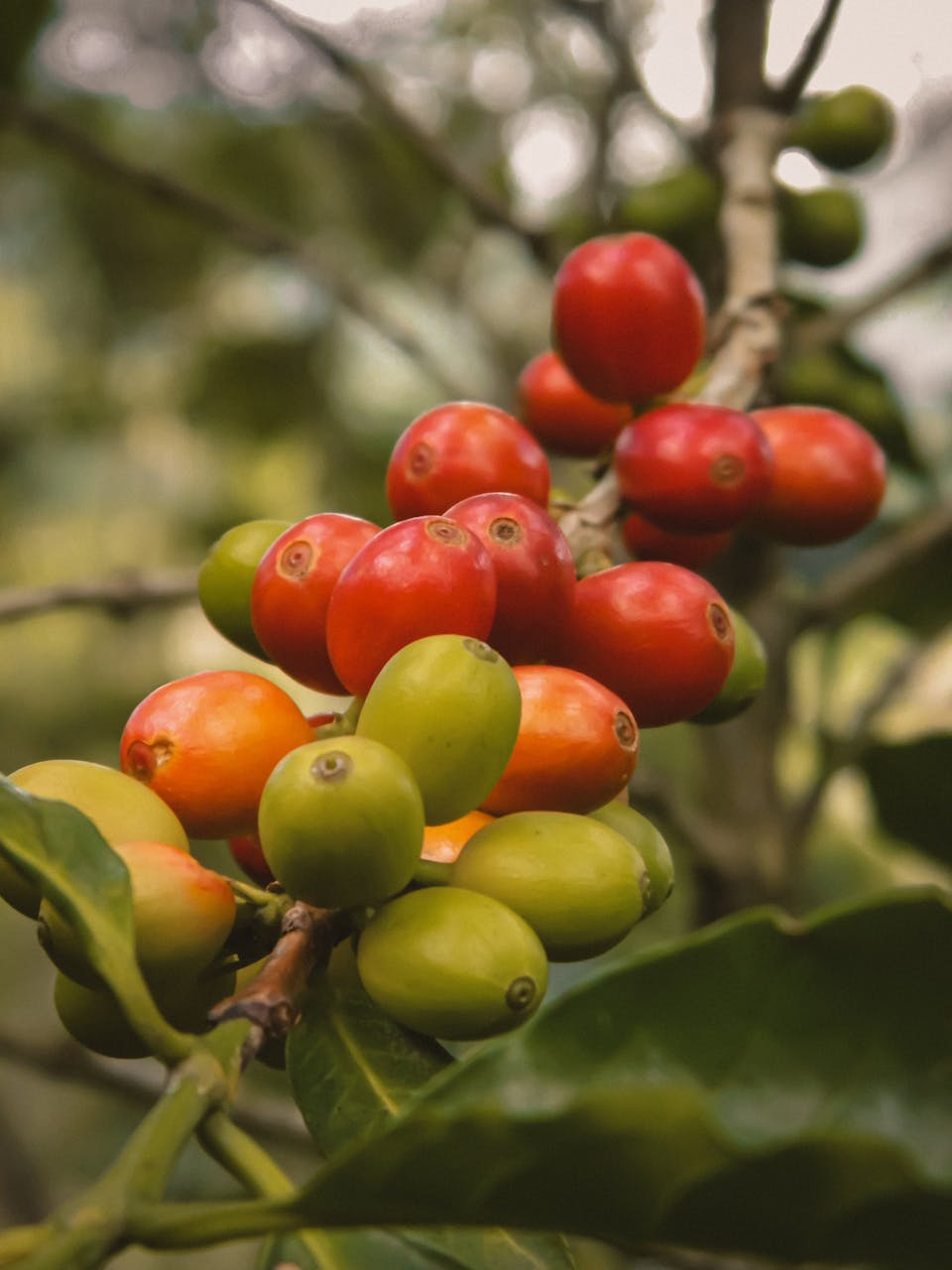
Burundi coffee beans are the quiet overachiever of East Africa: bright enough to feel lively, but balanced enough to drink every day.
Most specialty Burundi coffee is Arabica (often Red Bourbon), frequently processed at a community washing station—which is why station names can matter as much as the region. If you’re browsing for coffee from Burundi, that small detail can be the difference between “nice” and “wow.”
If you want a cup that reads like berry + citrus with a black-tea finish and a hint of cocoa, Burundi is a smart bet—especially in washed and fully washed lots.
Taste-at-a-glance: juicy acidity • tea-like clarity • caramel/cocoa sweetness • clean finish
Best for: pour-over, batch drip, and bright-but-balanced espresso shots.
What if the “best” African coffee for everyday drinking isn’t Ethiopia or Kenya—it’s Burundi? When it’s good, Burundi can hit that sweet spot between berry brightness and chocolate depth, with a cleaner finish than you’d expect. The trick is knowing what the label is really telling you (washed vs fully washed vs natural) and brewing in a way that keeps the sweetness front and center.
What Burundi Coffee Beans Taste Like
Think “sparkling but soft.” The best Burundi coffees usually taste crisp and clean—more like fruit tea than fruit punch. You’ll often pick up red berry (strawberry, cranberry), citrus (orange, lemon), and a gentle cocoa or caramel backbone.
- First sip — bright berry or citrus lift (not sour).
- Mid-palate — sweet, tea-like clarity with floral hints.
- Finish — tidy black-tea structure and soft cocoa.
They’re also known for a black-tea-like finish: that pleasant, slightly drying structure that makes the cup feel “snappy” instead of syrupy. If you’ve ever enjoyed a bright coffee but wished it had a calmer landing, Burundi can be that middle lane.
One easy way to predict the vibe: washed / fully washed Burundi usually leans toward clarity and floral lift, while natural lots (when you find them) tilt riper and sweeter. The goal is to keep the cup sweet, then let acidity show up as a sparkle—not a sting.
Regions You’ll See on Bags (and What They Hint At)
Burundi labeling can feel vague because coffees often come from many small farms and are processed at a shared washing station. A lot of coffee in Burundi is grown by smallholders, so the washing station is often the most consistent clue you’ll get for cup quality and style.
| Bag label | Likely cup vibe | Great for | Quick buying note |
|---|---|---|---|
| Kayanza | Bright + clean, berry/citrus, tea finish | Pour-over, batch drip | Often a safe “first Burundi” pick |
| Ngozi | Sweet + balanced, cocoa + fruit | French press, AeroPress | Nice if you want less “sharpness” |
| Gitega / Central | Rounder body, gentle acidity | Drip, milk-friendly espresso | Look for washed lots with fresh roast dates |
| Washing station name | Most specific info on the bag | Any method | Often implies better sorting + traceability |
Quick mindset shift: treat region as a helpful starting clue, but treat washing station + process + roast date as the stronger “will I like this?” signal.
- Washed station — best clue for cleanliness and consistency.
- Altitude — often correlates with brighter, more aromatic cups.
- Harvest window — helps you guess freshness if roast date is missing.
- Lot type — single station lots can feel more “defined.”
- Roast level — lighter shows fruit; medium boosts caramel/cocoa.
- Process — washed = crisp; natural = riper and fuller.
Varieties and Processing Methods (Red Bourbon, Washed, Fully Washed, Natural)
Most Burundi specialty lots start with Red Bourbon. It’s a variety that can deliver sweetness and structure without getting heavy—perfect for the “bright-but-balanced” profile people love from the region.
Washed
Clean, articulate flavors—think berry tea, citrus zest, and a crisp finish. If you want clarity and that “sparkle,” start here.
Fully washed (often double-soaked)
Even cleaner and more “defined.” Many lots add an extra soaking/rinsing step after fermentation, which can push the cup toward floral lift and bright sweetness—check Kibingo station specs for a concrete example.
Natural
Bigger fruit and rounder body. When you see it, expect jammy notes and more sweetness—great if you like a louder cup.
Honey / pulped natural
Less common from Burundi, but a fun middle ground: more sweetness than washed, more definition than natural.
Roast tip: medium-light usually shows the “tea + fruit” personality best, while medium brings out caramel and cocoa. Very dark roasts can blur what makes Burundi special.
Quick practical rule: if you’re brewing at home and want a “wow” cup without fuss, a fresh washed or fully washed Burundi is usually the easiest win. You’ll get plenty of fruit, but it stays tidy.
How to Buy Burundi Beans Without Guesswork
Buying Burundi is mostly about reading signals—because many bags won’t spoon-feed you tasting notes. The good news: you don’t need to be an importer to choose well, you just need a simple checklist.
10-second label scan: process → roast date → washing station → variety → (then) region. If you hit those first three, you’ll usually land on a better cup. And if you see listings named “Burundi Star coffee” (sometimes shortened to “Burundi Star”), treat it like a searchable product label—then use the details underneath to decide if it matches your taste.
- Roast date — pick the freshest option (especially for light roast).
- Process — washed/fully washed for clarity; natural for fuller sweetness.
- Washing station — a specific station name is usually a good sign.
- Variety — Red Bourbon is a strong “house style” indicator.
- Roast style — light/medium shows fruit; medium leans caramel/cocoa.
- Bag language — “tea-like” and “clean” often match reality.
- Transparency — farm groups + station + region beats “Burundi” alone.
- Price sanity — very cheap “single origin” can mean stale inventory.
If the bag only says “Burundi,” look for a washing station name. It’s often the difference between “fine” and “memorable.”
If you’re curious about why so many Burundi coffees are organized around washing stations (and why that changes what you see on bags), this overview on Burundi coffee buying guide is a helpful behind-the-scenes explanation.
Best Brew Methods for Burundi (and Starter Recipes)
Burundi shines when you brew for sweetness first. That usually means: don’t over-agitate, don’t go too hot, and don’t chase extraction so hard that the cup turns sharp. Start with a simple ratio, taste, then tweak one variable at a time.
Small but powerful upgrade: use filtered water if you can. Very hard water can mute brightness, while heavily softened water can make the cup taste flat and dull.
Printable Brew Planner (click a cell to edit; Tab moves across)
| Method | Dose (g) | Water (g) | Grind | Temp (°F) | Time | Notes |
|---|---|---|---|---|---|---|
| Pour-over | 20 | 320 | Medium-fine | 200 | 2:45–3:15 | Sweet + crisp finish |
| French press | 30 | 500 | Coarse | 198 | 4:00 + settle | Rounder body |
| Espresso | 18 | 36 | Fine | 200 | 25–30 sec | Try a slightly longer ratio |
Tip: if your Burundi tastes “too bright,” lower temp by ~4–6°F or grind a touch coarser before changing the ratio.
Starter pour-over recipe (easy win): Use a 1:16 ratio, bloom for ~30–40 seconds, then pour in two steady stages. Keep your swirl minimal. The cup should taste like sweet fruit tea, not sour lemonade.
French press note: Burundi can taste surprisingly clean in immersion brewing if you keep agitation gentle. Stir once, steep, then let it settle before you plunge.
Espresso note: If you pull it short and tight, Burundi can read tart. If it happens, try a slightly longer yield (or a coarser grind) to bring out caramel and cocoa.

Troubleshooting: Sharp Acidity, Bitterness, and the Potato Defect
If something tastes “off,” change one thing first. Burundi is transparent: tiny brew changes show up fast. Use the quick checks below to pull the cup back into balance without overthinking it.
Sharp or sour: raise extraction gently—go a notch finer or bump temp slightly. If it’s still sharp, reduce agitation (fewer swirls, calmer pours) before changing your ratio.
Bitter or drying: lower extraction—go a notch coarser or drop temp ~4–6°F. If it tastes “burnt,” your roast might be darker than the label vibe.
Hollow or watery: tighten strength—use a little more coffee or slightly less water. Burundi’s best cups feel clear, but not thin.
One uniquely Burundi conversation: the “potato defect,” a rare off-flavor that can show up as a sudden savory, potato-like note in the cup. It’s not your grinder’s fault—and it’s not something you can fully brew away. If you suspect it, this potato defect guidance is a clear explanation of what it is and how it tends to present.
Advanced dialing notes (keep this skimmable)
Try a “sweetness-first” tweak: keep your ratio the same, but lower temperature slightly and pour more gently. Burundi often rewards restraint.
If acidity feels aggressive: go one notch coarser and shorten your brew by ~10–15 seconds. The fruit stays, but the bite softens.
If everything tastes muted: go one notch finer and add a small finishing pour to lift aromatics—then stop there and taste.
Storage, Pairings, and “If You Like X, Try Y”
Freshness is half the flavor with Burundi. Because the cup is so clean, stale beans show up as flat sweetness and dull acidity—basically the opposite of what you’re buying it for.
- Rest — for lighter roasts, give it a few days after roast if it tastes “tight.”
- Container — airtight, opaque, room temp (avoid the fridge).
- Window — most bags taste best within ~4–6 weeks of roast.
Food pairings: citrus pastries, berry jam toast, dark chocolate, shortbread, almond cookies.
- If you like Kenya — try Burundi washed for a gentler, tea-like cousin.
- If you like Ethiopia — Burundi can feel cleaner and more structured.
- If you like chocolatey coffee — look for medium roast Burundi from Ngozi.
If you want extra context on how Burundi production works (and why regional names aren’t always the full story), this set of Burundi production notes adds helpful background.
Bottom line: If you want coffee from Burundi that’s bright, tidy, and sweet—with a tea-like finish that keeps you coming back—these beans are absolutely worth a spot in your rotation.