Arabica–Robusta blends are less about “better vs worse” and more about getting the cup you want: sweetness vs punch, clarity vs body. Definition: an arabica robusta blend combines Arabica and Robusta to balance flavor, texture, crema, and (often) caffeine—so your coffee behaves the way you expect.
You pull a shot that smells great… but the cup tastes thin and the crema disappears fast. Next shot, you change nothing except the beans—same roast level, same grind range—but this time there’s a thicker, longer-lasting crema and a heavier mouthfeel. That “mystery upgrade” is often just a small dose of Robusta inside an Arabica base. The trick is knowing how much Robusta helps your brew method—and when it starts tasting like a shortcut.
Use the framework below to pick a sane starting ratio (espresso vs drip vs cold brew), then adjust with one small move at a time.
What an Arabica–Robusta blend actually is
An Arabica–Robusta blend combines beans from two species: Arabica (often associated with sweetness and aroma) and Robusta (often used for body, crema, and a more assertive profile). For most shoppers, these are the two main types of coffee beans you’ll see called out on bags. Many brands won’t print the exact breakdown, so think in a simple spectrum instead of hunting for “the perfect number.”
If you remember one thing: the “right” blend is the one that matches your brew method and taste tolerance.

Arabica-heavy, balanced, Robusta-forward (when each makes sense)
Arabica-heavy blends suit drinkers who want aroma, sweetness, and cleaner finishes—especially for drip, pour-over, and “black coffee” routines. Balanced blends are the everyday middle: enough Robusta to add structure without dominating flavor. Robusta-forward blends are usually about boldness and “holds up in milk,” not subtlety.
In everyday language, an arabica blend usually means “Arabica-leaning” coffee (often very high Arabica), while Arabica–Robusta blends are built to add body and crema for espresso and milk drinks.
The trade-offs that matter in a blend
Marketing words are fuzzy. Useful questions aren’t: How does it taste? How does it feel? How does it behave in your brew? Those three show up immediately in the cup.
Flavor & texture (acidity, sweetness, body, crema)
Arabica often leans toward sweetness, fruit, florals, chocolate, and brighter acidity. Robusta often brings earth, cocoa, wood, bitterness—plus more “structure”: thicker mouthfeel and foaminess that reads as crema in espresso.
Practical test: if espresso tastes watery, you’re missing body. If it tastes sharp but light, you’re leaning bright. If it tastes heavy but rough, your Robusta share (or roast level) may be crowding out sweetness.
Caffeine & perceived “strength” (what actually drives it)
Robusta is commonly higher in caffeine by weight and is often described as having different bean chemistry (including different balances of compounds tied to flavor and mouthfeel), which can read as more “intense,” especially at darker roasts. bean chemistry and caffeine
Quick caution: if you’re caffeine-sensitive (or timing coffee near sleep), a small increase in Robusta share can feel bigger than expected—especially in espresso and cold brew, where servings can be concentrated.
Common blend ratios (and what they’re best at)
There’s no universal “best” ratio, but there are common ranges that show up because they work across a lot of grinders and machines—especially for espresso-style drinks. espresso blend percentages
Think in percent arabica first (like 90% Arabica / 10% Robusta), then tune by taste—not by the label.
| Brew method | Starter range | Why it works | Best for |
|---|---|---|---|
| Espresso | 80/20 to 90/10 | More body and more forgiving crema without going “rough.” | Milk drinks, daily shots, consistency |
| Moka pot | 85/15 to 100/0 | Robusta can add punch; too much can turn bitter fast. | Stovetop intensity without harshness |
| Drip / pour-over | 90/10 to 100/0 | Arabica shines in clarity; small Robusta can add weight. | “Black coffee” sweetness and aroma |
| French press | 85/15 to 95/5 | Press brewing already boosts body; keep Robusta modest. | Heavier mouthfeel, cozy chocolate notes |
| Cold brew | 80/20 to 95/5 | Concentration magnifies bitterness and caffeine—dial carefully. | Smooth strength, low-acid feel |
How to read the table: the first number is Arabica, the second is Robusta. If your bag doesn’t list percentages, use the “intended for espresso” cue plus tasting notes as your proxy.
A quick way to pick your starting point
If you drink coffee black and chase aroma, start higher Arabica. If you drink milk drinks and want “stands up in latte,” start with a modest Robusta share. If you’re chasing caffeine, remember: dose and beverage size can outweigh bean-to-bean differences. caffeine-by-weight ranges
How to choose a blend in the store (without guessing)
Shopping gets easier when you look for predictors: freshness, roast level, and intended use. Those usually matter more than whether the bag screams “100% Arabica.”
A good blend is legible: it tells you what it’s for and when it was roasted.
Freshness + roast level (why “dark” can hide defects)
Roast date beats “best by.” For espresso, beans often taste best after a short rest and before they go stale. Very dark roasts can flatten origin character and amplify smoky bitterness—so the roast ends up doing the shouting.
Label cues that predict your cup (even if % isn’t listed)
When labels talk about Arabica vs Robusta, they usually hit the big themes: flavor profile, caffeine expectations, and brewing behavior. A quick comparison like the National Coffee Association’s Arabica vs Robusta table helps translate marketing words into likely outcomes. And if you see a descriptor like cherry robusta on a bag, treat it as Robusta in your ratio math—then let your taste decide whether it belongs in espresso, cold brew, or milk drinks.
Local tip: if you’re hunting nearby (for example, you might literally search “percent coffee troy mi”), ask the barista one simple question: “Do you know the percent arabica in this espresso blend?” Even when the bag doesn’t print it, good shops can usually describe the blend’s intent and whether it’s Arabica-heavy or built for extra body.
- Use-case: “espresso,” “moka,” “milk drinks,” or “cold brew” beats vague “premium.”
- Tasting notes: cocoa, nut, caramel often read steadier than floral, berry in milk.
- Roast date: a printed date beats a “fresh” claim.
- Origin info: at least region or country suggests real sourcing effort.
- Texture cues: “crema,” “body,” “thick” often hint at a sturdier profile.
- Bitterness risk: “extra dark,” “intense,” “smoky” can overwhelm sweetness fast.
- Grind match: whole bean keeps your biggest control knob.
- Price reality: ultra-cheap bags often cut corners on freshness.
How to dial in a blend at home
Blends are often built to be forgiving. The key is to change one variable at a time and taste for direction.
Treat your first cup as a draft—then make one small move.
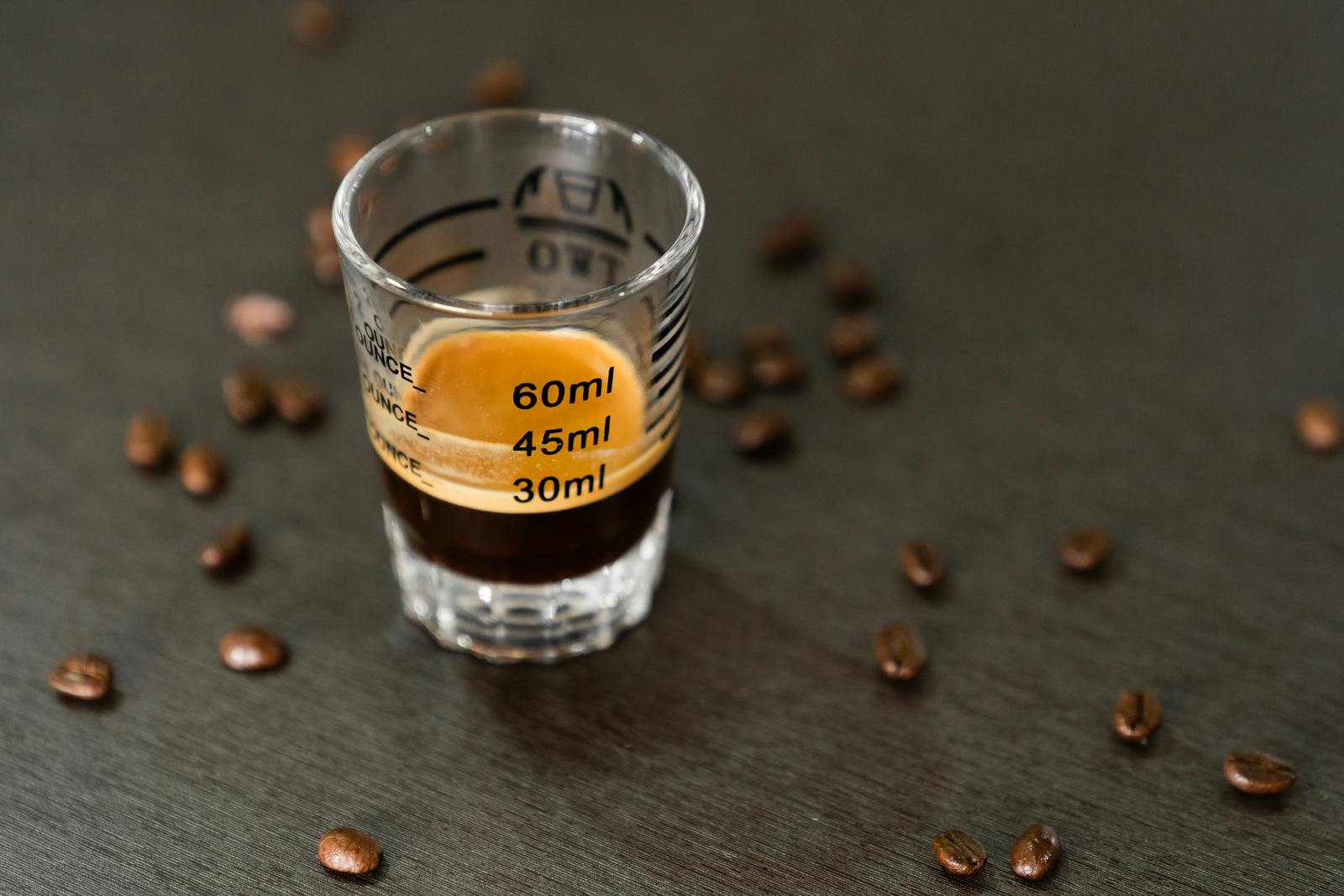
Micro-case: Your espresso tastes thin but not sour. Before chasing tiny tweaks, try one move: slightly finer grind or a slightly longer ratio. If it turns harsh, you’ve pushed extraction too far—back off, and consider a blend with a touch more structure rather than grinding ever finer.
Order of operations: adjust grind for balance first, then dose/yield for strength.
Espresso tweaks that help most
If the cup is bitter, go slightly coarser or shorten yield, and consider a higher-Arabica blend next time. If it’s sour, you’re under-extracting—go finer or extend the shot. If crema looks good but flavor is flat, freshness is the first suspect.
Filter tweaks that keep clarity
For drip and pour-over, small Robusta percentages can add weight, but too much can blur nuance. If your cup feels hollow, increase dose slightly before reaching for “stronger beans.” If it feels heavy and dull, lower dose a touch or grind coarser to keep the finish clean.
DIY blending: a simple worksheet you can reuse
If you like the idea of a “house blend,” keep it simple: buy two coffees you already enjoy (one Arabica-leaning, one sturdier), blend by weight, and record what you taste. In three rounds, you’ll usually find a sweet spot—and you’ll know your exact percent arabica when you land on it.
Make blends by weight, not by scoops—your future self will thank you.
Printable Blend Worksheet (edit cells, autosaves locally)
Tip Mix a small batch (100–200g) so mistakes are cheap. Edit cells with your keyboard, then print.
| Trial | Arabica % | Robusta % | Brew method | What I liked | What to change next |
|---|---|---|---|---|---|
| #1 | 90 | 10 | Espresso | Body improved; crema held longer | Try 85/15 or grind slightly coarser |
| #2 | |||||
| #3 |
How to use it: pick one “anchor” blend (like 90/10), then move in 5-point steps. If bitterness climbs, pull Robusta back (or go lighter roast). If the cup still feels thin, try 85/15—or keep the ratio and adjust grind/dose first.
Quick fixes and mistakes to avoid
Most blend frustration comes from three issues: stale beans, pushing extraction too far, or choosing a blend that fights your brew method. Fix those before upgrading gear.
Don’t “solve” a taste problem with more bitterness—solve it with balance.
- Too bitter: shorten the brew (or yield), go slightly coarser, and avoid ultra-dark blends if you drink coffee black.
- Too thin: increase dose a little, go slightly finer, or choose a blend with more body (often a modest Robusta share).
- Too harsh in milk: reduce Robusta percentage and look for notes like caramel, cocoa, nut over smoky, intense.
- Crema disappears fast: check freshness first; then consider a blend designed for espresso performance.
- “Strong but not tasty”: use less coffee per cup and aim for better extraction, not more roast darkness.
Rule of thumb: If you want sweeter and clearer, go more Arabica. If you want heavier and sturdier, add a little Robusta—then stop before the cup turns “rough.”