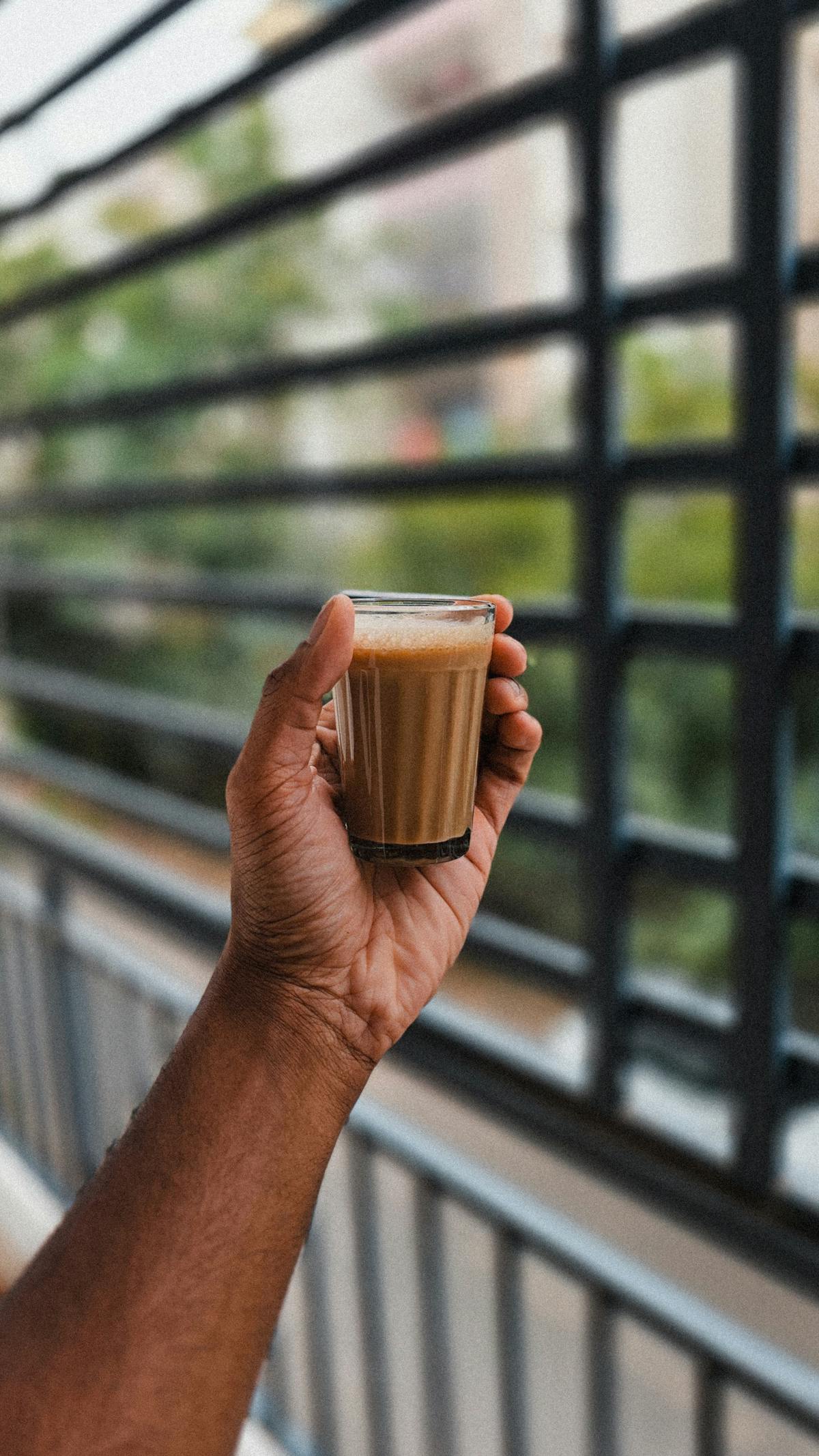
Quitting coffee isn’t just “removing a drink.” For most people, it’s removing a daily stimulant and a daily ritual. The upside is that once your system settles, many people feel less “revved,” more predictable, and easier to sleep.
You don’t quit coffee because you hate it—you quit because you’re tired of needing it. The 2 p.m. jitters. The “why can’t I fall asleep?” nights. The low-grade anxiety that feels like you’re running late even when you’re not. Quitting can feel like giving something up, but for a lot of people it’s more like getting your baseline back—steadier energy, calmer mornings, and sleep that actually does its job.
TL;DR: The most talked-about benefits of quitting coffee are better sleep, fewer jitters/anxiety spikes, and steadier energy after the withdrawal dip. If you taper instead of quitting cold turkey, you can often get the payoff with fewer headaches and less fog.
Caffeine basics (quick, no drama): Is caffeine bad for you? Not automatically—dose, timing, and sensitivity matter. Benefits of caffeine can include short-term alertness and performance; the pros and cons of caffeine are that the same stimulant can also worsen sleep, anxiety, reflux, or palpitations in some people. Is caffeine addictive? Many people develop dependence (tolerance + withdrawal) even if they don’t feel “addicted.” Do you need caffeine? No—but why do people drink caffeine anyway? Ritual, taste, social habits, and the reliable “on switch.”
What changes when you quit coffee (and what doesn’t)
The biggest shift is that your day stops being paced by caffeine peaks and fades. In the first 7–14 days, you’ll notice changes in alertness, appetite cues, and mood—even if you’re still getting small amounts of caffeine from tea or chocolate. A lot of the “benefits of quitting coffee” are really benefits of quitting (or sharply reducing) caffeine’s daily push-pull (quitting caffeine benefits).
Also worth saying out loud: for many healthy adults, coffee itself isn’t “bad,” and drinking coffee every day isn’t automatically harmful. What usually causes trouble is how much, how late, and what coffee is doing to your sleep, anxiety, digestion, or blood pressure. Quitting is simply a clean way to find out if coffee (or caffeine) has been quietly driving symptoms.
Coffee, caffeine, and your baseline
If coffee has been your daily “start button,” it can feel like you’re losing energy. But what many people are actually losing is a stimulant cycle: a quick lift, then a dip, then another lift. That’s why the effects of caffeine on the body can feel like a mixed bag—more alert, yet more wired; more productive, yet more crash-prone; calmer for some, more anxious for others. Quitting doesn’t erase the real benefits of caffeine—it helps you test whether you still want them.
The benefit window: days vs. weeks
Some wins show up quickly (sleep friction, jitters). Others take longer (your mood evening out, your mornings feeling normal without negotiating). If you’re wondering how long after quitting caffeine to feel normal, a practical range is “noticeably better by week two” and “more settled by weeks two to three,” especially if you tapered instead of stopping abruptly.
Gut comfort and steadier energy
Coffee and gut health is personal. If coffee has been rough on you—reflux, nausea on an empty stomach, or that “does coffee make you poop?” urgency—quitting can make mornings calmer. People sometimes describe less gut irritation (sometimes framed online as “gut inflammation”), but claims like “leaky gut” or specific changes in gut bacteria are complex and not something you can diagnose by vibes alone. What you can track is symptoms: reflux frequency, urgency, bloating, and overall comfort.
Quitting coffee doesn’t remove your energy—it removes the roller coaster.
Better sleep is usually the first big win
Sleep improves when your body isn’t still “processing caffeine” at bedtime. Even if you only drink coffee in the morning, caffeine can still affect sleep timing and sleep depth for some people—especially if you’re sensitive, stressed, or already running on low sleep (caffeine and sleep timing). If you’re trying to answer “caffeine half-life” or “how long does caffeine stay in your system,” the useful takeaway is this: caffeine can stick around long enough that a “harmless” afternoon drink can still matter at night.
So what time should you stop drinking coffee? A common, workable target is stopping caffeine 6–8 hours before bed (earlier if you’re sensitive). Think “less friction,” not perfection: fewer nights where you’re tired but not sleepy, fewer wake-ups that turn into thinking sessions, and fewer mornings where you feel like you slept but didn’t recharge.
How caffeine pushes sleep later
Caffeine works partly by blocking adenosine (your natural “sleep pressure” signal). If you’ve been leaning on coffee to override tiredness, quitting can reveal how much rest you’ve been borrowing—and then gradually gives it back.
A realistic cutoff plan
- Earlier caffeine: keep any caffeine to the first half of your day.
- Track your baseline: if you don’t know your average caffeine intake, track for 3 days.
- Stable wake time: same wake-up window most days (even weekends).
- Afternoon reset: a 5–10 minute walk beats a “rescue cup.”
- Evening downshift: dim lights and reduce “scroll speed” pre-bed.
- Warm ritual: tea, hot water, or broth as a mug replacement.
Less anxiety and fewer jitters (especially if you’re sensitive)
If coffee tends to amplify your anxiety, quitting can feel like turning down background noise. Yes, for some people caffeine can cause anxiety—especially at higher doses or when it’s used to power through stress. After you quit (or cut back sharply), your stress response can feel more proportional: still motivated, but less jumpy.
Sensitivity signs that predict a bigger benefit
- Body signals: shaky hands, heart “thumping,” sweaty palms.
- Mood signals: irritability that peaks after your cup.
- Sleep signals: tired at night but brain won’t power down.
- Gut signals: reflux, nausea, or urgency after coffee.
- Crash signals: a predictable dip a few hours later.
- “More” signals: needing a second cup to feel normal.
How to calm down after too much caffeine
Too much caffeine today? Try this: Water + a snack (especially protein/carbs), walk for 5–10 minutes, slow breathing (longer exhales), and time. Avoid more caffeine, energy drinks, or extra sugar “to fix it.” If you’re wondering how long does caffeine anxiety last, it often eases as caffeine wears off—but can linger longer if the dose was high, you’re sleep-deprived, or you’re particularly sensitive.
One more nuance: caffeine can change mood differently from person to person. If you’re dealing with depression, caffeine might temporarily mask fatigue but also increase restlessness or sleep disruption. If mood symptoms feel persistent or severe, treat that as a reason to loop in a professional—not just adjust your coffee.
Headaches, energy dips, and the withdrawal timeline
Withdrawal is usually temporary, but it can be convincing while you’re in it. Common caffeine withdrawal symptoms include headache, fatigue, fog, irritability, and cravings for the ritual. Some people also notice caffeine withdrawal and insomnia (sleep feels “off” for a few days) or slower digestion (yes, caffeine withdrawal constipation can happen). If you’ve been calling it a “caffeine detox,” most “detox side effects” are simply withdrawal symptoms while your body recalibrates (withdrawal symptom timeline).
This is where tapering earns its reputation: you’re not proving toughness—you’re trying to land smoothly. Cold turkey is faster; it’s just often rougher.
Typical timeline (what’s normal)
| Time window | What you might feel | What to do |
|---|---|---|
| Day 1–2 | Headache, heavy fatigue, fog, irritability | Hydration + salty snack, earlier bedtime, light movement |
| Day 3–5 | Energy swings, cravings for the ritual, mood sensitivity | Hold steady, keep mornings structured, get morning light |
| Day 6–10 | Sleep starts improving; cravings come in waves | Same wake time, protein breakfast, short afternoon walk |
| Weeks 2–3 | More even baseline, fewer “need caffeine” moments | Lock in a ritual you genuinely like (tea, decaf, or none) |
What actually helps (and what backfires)
Helps: water + electrolytes, consistent wake time, a protein-forward breakfast, and short walks when you’d normally reach for a cup. Backfires: replacing coffee with high-sugar “energy” drinks, pushing caffeine later, or skipping meals (which makes the slump feel worse). If you’re asking “how long does caffeine detox take,” the most honest answer is: you’ll feel noticeably better as withdrawal fades, and progressively more normal as sleep and routine stabilize.
How to quit coffee with fewer symptoms
A good quit plan keeps the ritual—but changes the stimulant. Before you taper, it helps to know your baseline. For most healthy adults, the FDA notes that up to 400 mg/day of caffeine is generally not associated with dangerous effects, but sensitivity varies—and “hidden caffeine” adds up fast (FDA caffeine guidance).
Blood pressure, heart, cortisol (quick reality check): Caffeine can temporarily raise blood pressure and heart rate in some people, and it can contribute to palpitations—especially if you’re sensitive, stressed, dehydrated, or combining it with nicotine or decongestants. If you have high blood pressure, heart rhythm issues, panic attacks, or you’re pregnant, tapering gently (and checking in with a clinician) is the safer play.
A simple step-down strategy
Start with what you can actually follow. Two easy templates: (1 cup/day) cut the cup size or switch to half-caff for 3–4 days, then go decaf, then none. (3–4 cups/day) remove one cup first (usually the latest one), then reduce by about 10–25% every 2–3 days. Your job is consistency—not speed.
And yes—decaf vs regular coffee can be a very practical bridge. If you’re wondering “decaf coffee, is it good for you?” think of it as a tool: it keeps taste and ritual while lowering the stimulant load. Does decaffeinated coffee give you energy? Not much from caffeine—any “boost” is usually ritual, warmth, and the fact that you’re sleeping better.
How to use: Click any cell to edit. If you’re on mobile, it may be easier to fill this out after printing or on a computer.
Symptom & Sleep Log (quick check-in)Swaps that keep the comfort
Swaps work best when they protect the ritual. Try: decaf for the taste, herbal tea for the warmth, hot water with lemon for the “mug in hand” moment, or a short outside walk for the reset. If you want a simple caffeine-free diet experiment, do 7 days with no coffee/tea/energy drinks and read labels—then decide what you want to bring back on purpose.


Hidden caffeine sources to watch
Open this before you “accidentally” stay caffeinated
If your goal is better sleep or less anxiety, hidden caffeine can quietly keep symptoms going. Common culprits include soda, energy drinks, matcha/black tea, chocolate, “energy” snacks, and some over-the-counter medicines. If you’re quitting energy drinks too, expect a similar withdrawal pattern—sometimes with stronger cravings because you’re also dropping a sugar-and-stimulation habit at the same time.
People often report the benefits of quitting energy drinks as fewer crashes, less jittery urgency, and less “wired” sleep—even if they still choose occasional coffee later. The same taper logic applies: reduce gradually, move caffeine earlier, and replace the ritual.
One last common question: quitting coffee weight loss isn’t guaranteed, but it can happen indirectly. If coffee was suppressing appetite and you start eating more, weight might go up; if coffee drinks were sugar-heavy and you replace them, weight might drift down. Either way, better sleep and steadier eating usually beat chasing a “fat-loss coffee hack.” And for skin concerns (acne, aging), sleep and hydration changes often matter more than coffee alone.