- Quiet-work: look for seating depth and a calmer soundtrack.
- Chatty-social: pick a busier counter vibe and plan to stand or perch.
- Pastry-first: prioritize the bakery case and order smaller coffee.
- Patio-linger: great in mild weather—bring a layer just in case.
- Fast-to-go: ideal for your last stop if the day’s moving on.
- Souvenir-ready: easiest place to buy beans and be done.
A simple 2–3 stop itinerary
Start with a small espresso or drip to set your baseline. Make your second stop the long sit-down (milk drink, pastry, notes). If you do a third, make it a cold drink you can sip while you walk or drive to your next activity. This sequence gives you contrast without stacking too much volume.
What to bring home
If you want a souvenir that actually gets used, beans are the obvious pick—but don’t overbuy. Choose one bag you’re excited about, then ask how they recommend brewing it at home. A second great option: a small baked good or snack that survives the ride back to your lodging (and feels like a bonus later).
Order smart and pace your caffeine
Most “coffee tours” fail for one reason: people drink full-size drinks at every stop. You don’t need more caffeine—you need more contrast. Your goal is to taste different styles while keeping your body calm enough to notice the difference between “nice” and “wow.”
Caffeine safety note: If you’re pregnant, sensitive to stimulants, or managing a heart/anxiety condition, consider doing a decaf-first tour or limiting yourself to one caffeinated drink. Coffee tours are supposed to feel fun—not urgent.
Set a 3-drink maximum, and make at least one of those drinks shared or decaf. If you want more stops, switch to “two sips” tasting: order one small drink, split it, and move on. This single rule is the biggest difference between a tour you remember and a tour you recover from.
Fuel plan: Before drink two, eat something that’s not just sugar. Between stops, drink water. If you’re feeling jittery, pause the tour for 20 minutes and make your next “stop” a walk or a sit—then decide whether the final drink should be decaf.
The 3-drink maximum (and how to sample beyond it)
- Drink 1: baseline (espresso or drip) so your palate has a reference point.
- Drink 2: contrast (milk drink or pour-over—opposite of drink one).
- Drink 3: slow-sip closer (cold drink) or decaf if it’s later in the day.
Milk and sugar strategy
If you’re tasting, try at least one drink without sweetener—even if you normally sweeten. Sugar can flatten differences between cafés, and you’ll miss the subtle stuff. A good compromise is ordering a naturally sweeter style (like a cappuccino) and tasting it first before you adjust. If you do sweeten, ask for half-sweet so the coffee still speaks.
Stop picker and tasting scorecard
This mini tool is built for touring: jot your stop names, check them off, and save your notes. It’s also printable—so you can take it offline once you’ve filled it in.
Tip: “Save” stores your plan locally in this browser.
| Stop | Drink | Balance (1–5) | Clarity (1–5) | “Would return?” (Y/N) |
|---|---|---|---|---|
| First stop | Baseline | — | — | — |
| Second stop | Contrast | — | — | — |
| Third stop | Closer | — | — | — |
When you’re done, pick one “repeat-worthy” stop and buy beans there—your future self will remember the day every time you brew. And if you’re worried about shop changes or closures, use the Explore Asheville list and the Eater map as your living shortlist, while keeping this guide as your route logic.
- Seating filter: prioritize places with indoor tables if it’s wet or windy.
- Warmth filter: choose a milk drink second for comfort when you’re chilled.
- Time filter: aim for fewer stops and longer hangs so you’re not rushing in the rain.
- Remote-work filter: pick one café where you can sit 45 minutes without guilt.
- Quick-grab filter: keep one backup “to-go” stop in mind if seating is packed.
- Photo filter: take your “nice cup” picture early, before humidity fogs everything.
West Asheville cozy crawl
West Asheville shines when you want neighborhood energy—more “slow morning” than “tourist sprint.” The move here is to keep it intentionally small: 2–3 stops, one longer sit-down, and one drink you share. You’ll feel the vibe shift from place to place without turning the day into a commute.
Pick your stops by vibe first, then by drink. The best coffee tour memories are often about where you sat, what you talked about, and the pastry you split—so choose a mix: one quiet place, one social place, one “walk it off” stretch in between.
If you’re tempted to combine multiple neighborhoods in a short window, be honest about transit time. A cozy crawl works because it’s compact; if the route starts to feel like driving between errands, you’ll taste less and stress more.
Vibe filters that make selection easy
- Quiet-work: look for seating depth and a calmer soundtrack.
- Chatty-social: pick a busier counter vibe and plan to stand or perch.
- Pastry-first: prioritize the bakery case and order smaller coffee.
- Patio-linger: great in mild weather—bring a layer just in case.
- Fast-to-go: ideal for your last stop if the day’s moving on.
- Souvenir-ready: easiest place to buy beans and be done.
A simple 2–3 stop itinerary
Start with a small espresso or drip to set your baseline. Make your second stop the long sit-down (milk drink, pastry, notes). If you do a third, make it a cold drink you can sip while you walk or drive to your next activity. This sequence gives you contrast without stacking too much volume.
What to bring home
If you want a souvenir that actually gets used, beans are the obvious pick—but don’t overbuy. Choose one bag you’re excited about, then ask how they recommend brewing it at home. A second great option: a small baked good or snack that survives the ride back to your lodging (and feels like a bonus later).
Order smart and pace your caffeine
Most “coffee tours” fail for one reason: people drink full-size drinks at every stop. You don’t need more caffeine—you need more contrast. Your goal is to taste different styles while keeping your body calm enough to notice the difference between “nice” and “wow.”
Caffeine safety note: If you’re pregnant, sensitive to stimulants, or managing a heart/anxiety condition, consider doing a decaf-first tour or limiting yourself to one caffeinated drink. Coffee tours are supposed to feel fun—not urgent.
Set a 3-drink maximum, and make at least one of those drinks shared or decaf. If you want more stops, switch to “two sips” tasting: order one small drink, split it, and move on. This single rule is the biggest difference between a tour you remember and a tour you recover from.
Fuel plan: Before drink two, eat something that’s not just sugar. Between stops, drink water. If you’re feeling jittery, pause the tour for 20 minutes and make your next “stop” a walk or a sit—then decide whether the final drink should be decaf.
The 3-drink maximum (and how to sample beyond it)
- Drink 1: baseline (espresso or drip) so your palate has a reference point.
- Drink 2: contrast (milk drink or pour-over—opposite of drink one).
- Drink 3: slow-sip closer (cold drink) or decaf if it’s later in the day.
Milk and sugar strategy
If you’re tasting, try at least one drink without sweetener—even if you normally sweeten. Sugar can flatten differences between cafés, and you’ll miss the subtle stuff. A good compromise is ordering a naturally sweeter style (like a cappuccino) and tasting it first before you adjust. If you do sweeten, ask for half-sweet so the coffee still speaks.
Stop picker and tasting scorecard
This mini tool is built for touring: jot your stop names, check them off, and save your notes. It’s also printable—so you can take it offline once you’ve filled it in.
Tip: “Save” stores your plan locally in this browser.
| Stop | Drink | Balance (1–5) | Clarity (1–5) | “Would return?” (Y/N) |
|---|---|---|---|---|
| First stop | Baseline | — | — | — |
| Second stop | Contrast | — | — | — |
| Third stop | Closer | — | — | — |
When you’re done, pick one “repeat-worthy” stop and buy beans there—your future self will remember the day every time you brew. And if you’re worried about shop changes or closures, use the Explore Asheville list and the Eater map as your living shortlist, while keeping this guide as your route logic.
- Seating filter: prioritize places with indoor tables if it’s wet or windy.
- Warmth filter: choose a milk drink second for comfort when you’re chilled.
- Time filter: aim for fewer stops and longer hangs so you’re not rushing in the rain.
- Remote-work filter: pick one café where you can sit 45 minutes without guilt.
- Quick-grab filter: keep one backup “to-go” stop in mind if seating is packed.
- Photo filter: take your “nice cup” picture early, before humidity fogs everything.
West Asheville cozy crawl
West Asheville shines when you want neighborhood energy—more “slow morning” than “tourist sprint.” The move here is to keep it intentionally small: 2–3 stops, one longer sit-down, and one drink you share. You’ll feel the vibe shift from place to place without turning the day into a commute.
Pick your stops by vibe first, then by drink. The best coffee tour memories are often about where you sat, what you talked about, and the pastry you split—so choose a mix: one quiet place, one social place, one “walk it off” stretch in between.
If you’re tempted to combine multiple neighborhoods in a short window, be honest about transit time. A cozy crawl works because it’s compact; if the route starts to feel like driving between errands, you’ll taste less and stress more.
Vibe filters that make selection easy
- Quiet-work: look for seating depth and a calmer soundtrack.
- Chatty-social: pick a busier counter vibe and plan to stand or perch.
- Pastry-first: prioritize the bakery case and order smaller coffee.
- Patio-linger: great in mild weather—bring a layer just in case.
- Fast-to-go: ideal for your last stop if the day’s moving on.
- Souvenir-ready: easiest place to buy beans and be done.
A simple 2–3 stop itinerary
Start with a small espresso or drip to set your baseline. Make your second stop the long sit-down (milk drink, pastry, notes). If you do a third, make it a cold drink you can sip while you walk or drive to your next activity. This sequence gives you contrast without stacking too much volume.
What to bring home
If you want a souvenir that actually gets used, beans are the obvious pick—but don’t overbuy. Choose one bag you’re excited about, then ask how they recommend brewing it at home. A second great option: a small baked good or snack that survives the ride back to your lodging (and feels like a bonus later).
Order smart and pace your caffeine
Most “coffee tours” fail for one reason: people drink full-size drinks at every stop. You don’t need more caffeine—you need more contrast. Your goal is to taste different styles while keeping your body calm enough to notice the difference between “nice” and “wow.”
Caffeine safety note: If you’re pregnant, sensitive to stimulants, or managing a heart/anxiety condition, consider doing a decaf-first tour or limiting yourself to one caffeinated drink. Coffee tours are supposed to feel fun—not urgent.
Set a 3-drink maximum, and make at least one of those drinks shared or decaf. If you want more stops, switch to “two sips” tasting: order one small drink, split it, and move on. This single rule is the biggest difference between a tour you remember and a tour you recover from.
Fuel plan: Before drink two, eat something that’s not just sugar. Between stops, drink water. If you’re feeling jittery, pause the tour for 20 minutes and make your next “stop” a walk or a sit—then decide whether the final drink should be decaf.
The 3-drink maximum (and how to sample beyond it)
- Drink 1: baseline (espresso or drip) so your palate has a reference point.
- Drink 2: contrast (milk drink or pour-over—opposite of drink one).
- Drink 3: slow-sip closer (cold drink) or decaf if it’s later in the day.
Milk and sugar strategy
If you’re tasting, try at least one drink without sweetener—even if you normally sweeten. Sugar can flatten differences between cafés, and you’ll miss the subtle stuff. A good compromise is ordering a naturally sweeter style (like a cappuccino) and tasting it first before you adjust. If you do sweeten, ask for half-sweet so the coffee still speaks.
Stop picker and tasting scorecard
This mini tool is built for touring: jot your stop names, check them off, and save your notes. It’s also printable—so you can take it offline once you’ve filled it in.
Tip: “Save” stores your plan locally in this browser.
| Stop | Drink | Balance (1–5) | Clarity (1–5) | “Would return?” (Y/N) |
|---|---|---|---|---|
| First stop | Baseline | — | — | — |
| Second stop | Contrast | — | — | — |
| Third stop | Closer | — | — | — |
When you’re done, pick one “repeat-worthy” stop and buy beans there—your future self will remember the day every time you brew. And if you’re worried about shop changes or closures, use the Explore Asheville list and the Eater map as your living shortlist, while keeping this guide as your route logic.
- Baseline drink: espresso or drip so you can compare every later cup.
- Texture drink: cappuccino/latte for mouthfeel and sweetness balance.
- Cold finish: cold brew or iced coffee as a slower-sip closer.
- Split rule: if two people are touring, order two different small drinks and swap.
- Size rule: if you want “one more stop,” cut your current drink in half.
- Note rule: write one line per stop: sweet / bitter / bright / cozy.
To keep your loop efficient, use a curated map list to spot clusters (rather than randomly hopping across town); the Asheville coffee map is a quick way to identify multiple strong options within the same general area.
Optional detours that won’t break the loop

Detour rule: if you take a side trip, make it a walk-first detour, not a “drive over there real quick” detour. Walking keeps your pacing intact and prevents the tour from turning into errands.
- Park strategy: set one home base and return to it once, at most.
- Hill strategy: put steeper segments after you’ve had food, not after your first espresso.
- Backup strategy: keep one alternate café in mind for each segment in case seating is tight.
Downtown is the easiest place to build a walkable loop.
River Arts District and riverside detour
The River Arts District (RAD) style tour is less “tight loop” and more “linger-friendly cluster.” The goal is simple: park once, do one coffee stop, then spend your walking time browsing studios, murals, and riverside paths. It’s ideal when you want coffee to support the day—not dominate it.
In RAD, build your tour around one anchor café, then add one optional stop only if you still feel great. This neighborhood is easy to overdo because it’s fun to hang around. Give yourself permission to make the “tour” only two stops—your tasting notes will be sharper, and you’ll enjoy the art more.
Micro-example: Pick an anchor café you’d happily sit in for 30–45 minutes, then do a short art loop. If you’re still genuinely craving a second cup (not just “because it’s here”), make that second drink a different style and take it on a riverside walk.
Park-once cluster plan
Choose one anchor location with comfortable seating, then do a short walk and decide whether you’re adding a second drink. If you are: make the second stop a different type of coffee than the first. Espresso → cold. Pour-over → milk. Drip → espresso. The contrast is what makes it feel like a tour.
Roaster-forward ordering
If you want to taste a roaster’s skill, pick something that reveals clarity: a small espresso, a batch brew, or a pour-over. Many Asheville coffee roasters shine most in these “clean” formats, where sweetness and fruit/chocolate notes show up without much help. Then, if you want comfort, go milk-based at your second stop. This order prevents milk sweetness from muting your perception of spice, citrus, or cocoa in the earlier cup.
Rain plan and indoor seating strategy
When the weather turns, a great coffee tour becomes a “two great cafés + one great indoor block” plan.
Keep it simple, keep it cozy
- Seating filter: prioritize places with indoor tables if it’s wet or windy.
- Warmth filter: choose a milk drink second for comfort when you’re chilled.
- Time filter: aim for fewer stops and longer hangs so you’re not rushing in the rain.
- Remote-work filter: pick one café where you can sit 45 minutes without guilt.
- Quick-grab filter: keep one backup “to-go” stop in mind if seating is packed.
- Photo filter: take your “nice cup” picture early, before humidity fogs everything.
West Asheville cozy crawl
West Asheville shines when you want neighborhood energy—more “slow morning” than “tourist sprint.” The move here is to keep it intentionally small: 2–3 stops, one longer sit-down, and one drink you share. You’ll feel the vibe shift from place to place without turning the day into a commute.
Pick your stops by vibe first, then by drink. The best coffee tour memories are often about where you sat, what you talked about, and the pastry you split—so choose a mix: one quiet place, one social place, one “walk it off” stretch in between.
If you’re tempted to combine multiple neighborhoods in a short window, be honest about transit time. A cozy crawl works because it’s compact; if the route starts to feel like driving between errands, you’ll taste less and stress more.
Vibe filters that make selection easy
- Quiet-work: look for seating depth and a calmer soundtrack.
- Chatty-social: pick a busier counter vibe and plan to stand or perch.
- Pastry-first: prioritize the bakery case and order smaller coffee.
- Patio-linger: great in mild weather—bring a layer just in case.
- Fast-to-go: ideal for your last stop if the day’s moving on.
- Souvenir-ready: easiest place to buy beans and be done.
A simple 2–3 stop itinerary
Start with a small espresso or drip to set your baseline. Make your second stop the long sit-down (milk drink, pastry, notes). If you do a third, make it a cold drink you can sip while you walk or drive to your next activity. This sequence gives you contrast without stacking too much volume.
What to bring home
If you want a souvenir that actually gets used, beans are the obvious pick—but don’t overbuy. Choose one bag you’re excited about, then ask how they recommend brewing it at home. A second great option: a small baked good or snack that survives the ride back to your lodging (and feels like a bonus later).
Order smart and pace your caffeine
Most “coffee tours” fail for one reason: people drink full-size drinks at every stop. You don’t need more caffeine—you need more contrast. Your goal is to taste different styles while keeping your body calm enough to notice the difference between “nice” and “wow.”
Caffeine safety note: If you’re pregnant, sensitive to stimulants, or managing a heart/anxiety condition, consider doing a decaf-first tour or limiting yourself to one caffeinated drink. Coffee tours are supposed to feel fun—not urgent.
Set a 3-drink maximum, and make at least one of those drinks shared or decaf. If you want more stops, switch to “two sips” tasting: order one small drink, split it, and move on. This single rule is the biggest difference between a tour you remember and a tour you recover from.
Fuel plan: Before drink two, eat something that’s not just sugar. Between stops, drink water. If you’re feeling jittery, pause the tour for 20 minutes and make your next “stop” a walk or a sit—then decide whether the final drink should be decaf.
The 3-drink maximum (and how to sample beyond it)
- Drink 1: baseline (espresso or drip) so your palate has a reference point.
- Drink 2: contrast (milk drink or pour-over—opposite of drink one).
- Drink 3: slow-sip closer (cold drink) or decaf if it’s later in the day.
Milk and sugar strategy
If you’re tasting, try at least one drink without sweetener—even if you normally sweeten. Sugar can flatten differences between cafés, and you’ll miss the subtle stuff. A good compromise is ordering a naturally sweeter style (like a cappuccino) and tasting it first before you adjust. If you do sweeten, ask for half-sweet so the coffee still speaks.
Stop picker and tasting scorecard
This mini tool is built for touring: jot your stop names, check them off, and save your notes. It’s also printable—so you can take it offline once you’ve filled it in.
Tip: “Save” stores your plan locally in this browser.
| Stop | Drink | Balance (1–5) | Clarity (1–5) | “Would return?” (Y/N) |
|---|---|---|---|---|
| First stop | Baseline | — | — | — |
| Second stop | Contrast | — | — | — |
| Third stop | Closer | — | — | — |
When you’re done, pick one “repeat-worthy” stop and buy beans there—your future self will remember the day every time you brew. And if you’re worried about shop changes or closures, use the Explore Asheville list and the Eater map as your living shortlist, while keeping this guide as your route logic.
- Baseline drink: espresso or drip so you can compare every later cup.
- Texture drink: cappuccino/latte for mouthfeel and sweetness balance.
- Cold finish: cold brew or iced coffee as a slower-sip closer.
- Split rule: if two people are touring, order two different small drinks and swap.
- Size rule: if you want “one more stop,” cut your current drink in half.
- Note rule: write one line per stop: sweet / bitter / bright / cozy.
To keep your loop efficient, use a curated map list to spot clusters (rather than randomly hopping across town); the Asheville coffee map is a quick way to identify multiple strong options within the same general area.
Optional detours that won’t break the loop
Detour rule: if you take a side trip, make it a walk-first detour, not a “drive over there real quick” detour. Walking keeps your pacing intact and prevents the tour from turning into errands.
- Park strategy: set one home base and return to it once, at most.
- Hill strategy: put steeper segments after you’ve had food, not after your first espresso.
- Backup strategy: keep one alternate café in mind for each segment in case seating is tight.
Downtown is the easiest place to build a walkable loop.
River Arts District and riverside detour
The River Arts District (RAD) style tour is less “tight loop” and more “linger-friendly cluster.” The goal is simple: park once, do one coffee stop, then spend your walking time browsing studios, murals, and riverside paths. It’s ideal when you want coffee to support the day—not dominate it.
In RAD, build your tour around one anchor café, then add one optional stop only if you still feel great. This neighborhood is easy to overdo because it’s fun to hang around. Give yourself permission to make the “tour” only two stops—your tasting notes will be sharper, and you’ll enjoy the art more.
Micro-example: Pick an anchor café you’d happily sit in for 30–45 minutes, then do a short art loop. If you’re still genuinely craving a second cup (not just “because it’s here”), make that second drink a different style and take it on a riverside walk.
Park-once cluster plan
Choose one anchor location with comfortable seating, then do a short walk and decide whether you’re adding a second drink. If you are: make the second stop a different type of coffee than the first. Espresso → cold. Pour-over → milk. Drip → espresso. The contrast is what makes it feel like a tour.
Roaster-forward ordering
If you want to taste a roaster’s skill, pick something that reveals clarity: a small espresso, a batch brew, or a pour-over. Many Asheville coffee roasters shine most in these “clean” formats, where sweetness and fruit/chocolate notes show up without much help. Then, if you want comfort, go milk-based at your second stop. This order prevents milk sweetness from muting your perception of spice, citrus, or cocoa in the earlier cup.
Rain plan and indoor seating strategy
When the weather turns, a great coffee tour becomes a “two great cafés + one great indoor block” plan.
Keep it simple, keep it cozy
- Seating filter: prioritize places with indoor tables if it’s wet or windy.
- Warmth filter: choose a milk drink second for comfort when you’re chilled.
- Time filter: aim for fewer stops and longer hangs so you’re not rushing in the rain.
- Remote-work filter: pick one café where you can sit 45 minutes without guilt.
- Quick-grab filter: keep one backup “to-go” stop in mind if seating is packed.
- Photo filter: take your “nice cup” picture early, before humidity fogs everything.
West Asheville cozy crawl
West Asheville shines when you want neighborhood energy—more “slow morning” than “tourist sprint.” The move here is to keep it intentionally small: 2–3 stops, one longer sit-down, and one drink you share. You’ll feel the vibe shift from place to place without turning the day into a commute.
Pick your stops by vibe first, then by drink. The best coffee tour memories are often about where you sat, what you talked about, and the pastry you split—so choose a mix: one quiet place, one social place, one “walk it off” stretch in between.
If you’re tempted to combine multiple neighborhoods in a short window, be honest about transit time. A cozy crawl works because it’s compact; if the route starts to feel like driving between errands, you’ll taste less and stress more.
Vibe filters that make selection easy
- Quiet-work: look for seating depth and a calmer soundtrack.
- Chatty-social: pick a busier counter vibe and plan to stand or perch.
- Pastry-first: prioritize the bakery case and order smaller coffee.
- Patio-linger: great in mild weather—bring a layer just in case.
- Fast-to-go: ideal for your last stop if the day’s moving on.
- Souvenir-ready: easiest place to buy beans and be done.
A simple 2–3 stop itinerary
Start with a small espresso or drip to set your baseline. Make your second stop the long sit-down (milk drink, pastry, notes). If you do a third, make it a cold drink you can sip while you walk or drive to your next activity. This sequence gives you contrast without stacking too much volume.
What to bring home
If you want a souvenir that actually gets used, beans are the obvious pick—but don’t overbuy. Choose one bag you’re excited about, then ask how they recommend brewing it at home. A second great option: a small baked good or snack that survives the ride back to your lodging (and feels like a bonus later).
Order smart and pace your caffeine
Most “coffee tours” fail for one reason: people drink full-size drinks at every stop. You don’t need more caffeine—you need more contrast. Your goal is to taste different styles while keeping your body calm enough to notice the difference between “nice” and “wow.”
Caffeine safety note: If you’re pregnant, sensitive to stimulants, or managing a heart/anxiety condition, consider doing a decaf-first tour or limiting yourself to one caffeinated drink. Coffee tours are supposed to feel fun—not urgent.
Set a 3-drink maximum, and make at least one of those drinks shared or decaf. If you want more stops, switch to “two sips” tasting: order one small drink, split it, and move on. This single rule is the biggest difference between a tour you remember and a tour you recover from.
Fuel plan: Before drink two, eat something that’s not just sugar. Between stops, drink water. If you’re feeling jittery, pause the tour for 20 minutes and make your next “stop” a walk or a sit—then decide whether the final drink should be decaf.
The 3-drink maximum (and how to sample beyond it)
- Drink 1: baseline (espresso or drip) so your palate has a reference point.
- Drink 2: contrast (milk drink or pour-over—opposite of drink one).
- Drink 3: slow-sip closer (cold drink) or decaf if it’s later in the day.
Milk and sugar strategy
If you’re tasting, try at least one drink without sweetener—even if you normally sweeten. Sugar can flatten differences between cafés, and you’ll miss the subtle stuff. A good compromise is ordering a naturally sweeter style (like a cappuccino) and tasting it first before you adjust. If you do sweeten, ask for half-sweet so the coffee still speaks.
Stop picker and tasting scorecard
This mini tool is built for touring: jot your stop names, check them off, and save your notes. It’s also printable—so you can take it offline once you’ve filled it in.
Tip: “Save” stores your plan locally in this browser.
| Stop | Drink | Balance (1–5) | Clarity (1–5) | “Would return?” (Y/N) |
|---|---|---|---|---|
| First stop | Baseline | — | — | — |
| Second stop | Contrast | — | — | — |
| Third stop | Closer | — | — | — |
When you’re done, pick one “repeat-worthy” stop and buy beans there—your future self will remember the day every time you brew. And if you’re worried about shop changes or closures, use the Explore Asheville list and the Eater map as your living shortlist, while keeping this guide as your route logic.
- Walk: downtown loop, 2–4 stops, lowest hassle.
- Hop: one coffee per neighborhood, park once per area.
- Guided: let someone else sequence the tastings.
- Order: small baseline → contrast → slow-sip closer.
- Fuel: one real snack mid-tour, water between stops.
- Finish: buy beans at your best stop and call it.
Use this as a framework: pick a tour style, choose your stops from a shortlist you trust, and follow the ordering + pacing rules so every cup still tastes good by the end. If you only do one thing, do this: commit to fewer ounces per stop and spend the “saved caffeine” on variety.
Quick start: If you want a current, broad shortlist to pull from, skim best coffee shops 2026, then come back here to turn your picks into an actual route.
Plan your Asheville coffee tour
Your best tour is the one that fits your day. Asheville rewards wandering, but coffee tours go sideways when you stack too many long drinks, too many hills, or too many “let’s just see what’s next” moments. Plan for 2–4 stops, build in a snack, and assume one café will be busy enough that you’ll pivot.
Start with your route style, then pick your first stop near where you’ll already be. From there, you’re simply repeating the same cycle: small order → walk/drive a bit → water + bite → next small order. If you keep that rhythm, you’ll taste more (and spend less) without the jittery crash.
One practical note: hours and seasonal menus change. Treat any “must-try drink” as a suggestion, and check the day-of details before you commit to a specific stop order.
Choose your tour style
Walkable loop
Best for: first-timers, downtown stays, “one morning” tours. You’ll get variety without parking twice, and you’ll naturally slow down between sips.
- Rule: keep drinks small and steps steady.
- Win: easiest pacing, easiest photos.
Neighborhood hop
Best for: repeat visitors, arts + coffee pairings, chasing a specific roast style. You’ll “cluster” stops so you park once per neighborhood.
- Rule: one coffee per neighborhood, then a walk.
- Win: maximum variety, minimum dead time.
Guided tour
Best for: groups, visitors who want a curated sequence, anyone who’d rather not plan. The operator outlines the general experience on AVL Coffee tour info.
- Rule: eat beforehand and hydrate.
- Win: lowest decision fatigue, highest story value.
If you’re comparing guided options, tour marketplaces can help you sanity-check what’s included; for example, see a guided coffee tour itinerary and compare it to what you’d spend DIY.
Set your tasting menu
- Classic lane: espresso or drip first, milk drink second, cold drink last.
- Sweet lane: seasonal latte first, espresso second, split a pastry mid-tour.
- Adventurous lane: single-origin pour-over first, espresso second, nitro/cold brew last.
- Share lane: two people order two small different drinks each stop and swap sips.
- Decaf lane: alternate caf/decaf and treat “interesting” as flavor, not caffeine.
- Comfort lane: choose places with seating and keep drinks simple so you linger.
If you want a learning layer—not just sipping—watch for coffee curious workshops like cuppings or brew demos. Treat that as your “anchor,” then keep the rest of your tour to one additional small drink so your palate stays sharp.
Timing and comfort setup
Think in 90-minute blocks. A classic morning tour looks like: first stop soon after you arrive, a second stop after a short walk, a snack break, then a final stop that’s either a cold drink “for the road” or a sit-down reset. Bring water, and consider a small tote for beans so you’re not juggling bags all day.
Pivot plan: If your first choice doesn’t work, pivot by category—not by panic.
- Line pivot: if the line looks like a 20-minute wait, switch to your nearest backup and keep walking.
- Weather pivot: if it turns cold/wet, make your next stop a sit-down café and do a milk drink for warmth.
- Parking pivot: if you can’t park quickly, commit to a walkable loop from wherever you landed.
If you’re sensitive to caffeine
You can still do a coffee tour—just make it tiny and intentional.
- Order size: ask for a single shot instead of a double when possible.
- Spacing: take a 15–25 minute walk between stops (or a calm sit-down break).
- Fuel: eat something with protein and carbs before your second café.
- Swap: use decaf for your last drink so you keep the ritual without the buzz.
Downtown and South Slope walking loop
This is the “easy win” route: build a loop around downtown streets you’re already exploring, keep your orders small, and let the walking do the pacing for you. If you’re staying downtown, you can often do the entire tour without moving your car—just pick cafés that are 8–12 minutes apart on foot.
Use the “two sips, one bite” rhythm: taste, nibble, walk, repeat. Two sips is enough to catch sweetness, bitterness, and finish. The bite resets your palate, and the walk keeps your body from stacking caffeine too fast. It sounds small, but it’s the difference between enjoying stop #4 and regretting stop #2.
Micro-example: Start near your hotel or parking spot downtown, walk toward a second café in a slightly different pocket, then schedule your snack in the middle (so you’re not “running on espresso”). Finish with an iced drink you can carry while you window-shop or head toward your next activity.
The loop structure
| Time block | What you’re doing | What to order |
|---|---|---|
| 0:00–0:25 | Start near where you parked or woke up | Short espresso or small drip to set a baseline |
| 0:25–0:55 | Walk + “look around” segment | Water only (save appetite for the next stop) |
| 0:55–1:25 | Second café with a different style | Small milk drink or a pour-over (pick the opposite of stop one) |
| 1:25–1:55 | Snack break | Split a pastry; sip water; note what you liked |
| 1:55–2:30 | Final stop + exit | Cold drink to-go or a small “dessert” coffee you share |
Ordering template that keeps you tasting
- Baseline drink: espresso or drip so you can compare every later cup.
- Texture drink: cappuccino/latte for mouthfeel and sweetness balance.
- Cold finish: cold brew or iced coffee as a slower-sip closer.
- Split rule: if two people are touring, order two different small drinks and swap.
- Size rule: if you want “one more stop,” cut your current drink in half.
- Note rule: write one line per stop: sweet / bitter / bright / cozy.
To keep your loop efficient, use a curated map list to spot clusters (rather than randomly hopping across town); the Asheville coffee map is a quick way to identify multiple strong options within the same general area.
Optional detours that won’t break the loop
Detour rule: if you take a side trip, make it a walk-first detour, not a “drive over there real quick” detour. Walking keeps your pacing intact and prevents the tour from turning into errands.
- Park strategy: set one home base and return to it once, at most.
- Hill strategy: put steeper segments after you’ve had food, not after your first espresso.
- Backup strategy: keep one alternate café in mind for each segment in case seating is tight.
Downtown is the easiest place to build a walkable loop.
River Arts District and riverside detour
The River Arts District (RAD) style tour is less “tight loop” and more “linger-friendly cluster.” The goal is simple: park once, do one coffee stop, then spend your walking time browsing studios, murals, and riverside paths. It’s ideal when you want coffee to support the day—not dominate it.
In RAD, build your tour around one anchor café, then add one optional stop only if you still feel great. This neighborhood is easy to overdo because it’s fun to hang around. Give yourself permission to make the “tour” only two stops—your tasting notes will be sharper, and you’ll enjoy the art more.
Micro-example: Pick an anchor café you’d happily sit in for 30–45 minutes, then do a short art loop. If you’re still genuinely craving a second cup (not just “because it’s here”), make that second drink a different style and take it on a riverside walk.
Park-once cluster plan
Choose one anchor location with comfortable seating, then do a short walk and decide whether you’re adding a second drink. If you are: make the second stop a different type of coffee than the first. Espresso → cold. Pour-over → milk. Drip → espresso. The contrast is what makes it feel like a tour.
Roaster-forward ordering
If you want to taste a roaster’s skill, pick something that reveals clarity: a small espresso, a batch brew, or a pour-over. Many Asheville coffee roasters shine most in these “clean” formats, where sweetness and fruit/chocolate notes show up without much help. Then, if you want comfort, go milk-based at your second stop. This order prevents milk sweetness from muting your perception of spice, citrus, or cocoa in the earlier cup.
Rain plan and indoor seating strategy
When the weather turns, a great coffee tour becomes a “two great cafés + one great indoor block” plan.
Keep it simple, keep it cozy
- Seating filter: prioritize places with indoor tables if it’s wet or windy.
- Warmth filter: choose a milk drink second for comfort when you’re chilled.
- Time filter: aim for fewer stops and longer hangs so you’re not rushing in the rain.
- Remote-work filter: pick one café where you can sit 45 minutes without guilt.
- Quick-grab filter: keep one backup “to-go” stop in mind if seating is packed.
- Photo filter: take your “nice cup” picture early, before humidity fogs everything.
West Asheville cozy crawl
West Asheville shines when you want neighborhood energy—more “slow morning” than “tourist sprint.” The move here is to keep it intentionally small: 2–3 stops, one longer sit-down, and one drink you share. You’ll feel the vibe shift from place to place without turning the day into a commute.
Pick your stops by vibe first, then by drink. The best coffee tour memories are often about where you sat, what you talked about, and the pastry you split—so choose a mix: one quiet place, one social place, one “walk it off” stretch in between.
If you’re tempted to combine multiple neighborhoods in a short window, be honest about transit time. A cozy crawl works because it’s compact; if the route starts to feel like driving between errands, you’ll taste less and stress more.
Vibe filters that make selection easy
- Quiet-work: look for seating depth and a calmer soundtrack.
- Chatty-social: pick a busier counter vibe and plan to stand or perch.
- Pastry-first: prioritize the bakery case and order smaller coffee.
- Patio-linger: great in mild weather—bring a layer just in case.
- Fast-to-go: ideal for your last stop if the day’s moving on.
- Souvenir-ready: easiest place to buy beans and be done.
A simple 2–3 stop itinerary
Start with a small espresso or drip to set your baseline. Make your second stop the long sit-down (milk drink, pastry, notes). If you do a third, make it a cold drink you can sip while you walk or drive to your next activity. This sequence gives you contrast without stacking too much volume.
What to bring home
If you want a souvenir that actually gets used, beans are the obvious pick—but don’t overbuy. Choose one bag you’re excited about, then ask how they recommend brewing it at home. A second great option: a small baked good or snack that survives the ride back to your lodging (and feels like a bonus later).
Order smart and pace your caffeine
Most “coffee tours” fail for one reason: people drink full-size drinks at every stop. You don’t need more caffeine—you need more contrast. Your goal is to taste different styles while keeping your body calm enough to notice the difference between “nice” and “wow.”
Caffeine safety note: If you’re pregnant, sensitive to stimulants, or managing a heart/anxiety condition, consider doing a decaf-first tour or limiting yourself to one caffeinated drink. Coffee tours are supposed to feel fun—not urgent.
Set a 3-drink maximum, and make at least one of those drinks shared or decaf. If you want more stops, switch to “two sips” tasting: order one small drink, split it, and move on. This single rule is the biggest difference between a tour you remember and a tour you recover from.
Fuel plan: Before drink two, eat something that’s not just sugar. Between stops, drink water. If you’re feeling jittery, pause the tour for 20 minutes and make your next “stop” a walk or a sit—then decide whether the final drink should be decaf.
The 3-drink maximum (and how to sample beyond it)
- Drink 1: baseline (espresso or drip) so your palate has a reference point.
- Drink 2: contrast (milk drink or pour-over—opposite of drink one).
- Drink 3: slow-sip closer (cold drink) or decaf if it’s later in the day.
Milk and sugar strategy
If you’re tasting, try at least one drink without sweetener—even if you normally sweeten. Sugar can flatten differences between cafés, and you’ll miss the subtle stuff. A good compromise is ordering a naturally sweeter style (like a cappuccino) and tasting it first before you adjust. If you do sweeten, ask for half-sweet so the coffee still speaks.
Stop picker and tasting scorecard
This mini tool is built for touring: jot your stop names, check them off, and save your notes. It’s also printable—so you can take it offline once you’ve filled it in.
Tip: “Save” stores your plan locally in this browser.
| Stop | Drink | Balance (1–5) | Clarity (1–5) | “Would return?” (Y/N) |
|---|---|---|---|---|
| First stop | Baseline | — | — | — |
| Second stop | Contrast | — | — | — |
| Third stop | Closer | — | — | — |
When you’re done, pick one “repeat-worthy” stop and buy beans there—your future self will remember the day every time you brew. And if you’re worried about shop changes or closures, use the Explore Asheville list and the Eater map as your living shortlist, while keeping this guide as your route logic.
- Walk: downtown loop, 2–4 stops, lowest hassle.
- Hop: one coffee per neighborhood, park once per area.
- Guided: let someone else sequence the tastings.
- Order: small baseline → contrast → slow-sip closer.
- Fuel: one real snack mid-tour, water between stops.
- Finish: buy beans at your best stop and call it.
Use this as a framework: pick a tour style, choose your stops from a shortlist you trust, and follow the ordering + pacing rules so every cup still tastes good by the end. If you only do one thing, do this: commit to fewer ounces per stop and spend the “saved caffeine” on variety.
Quick start: If you want a current, broad shortlist to pull from, skim best coffee shops 2026, then come back here to turn your picks into an actual route.
Plan your Asheville coffee tour
Your best tour is the one that fits your day. Asheville rewards wandering, but coffee tours go sideways when you stack too many long drinks, too many hills, or too many “let’s just see what’s next” moments. Plan for 2–4 stops, build in a snack, and assume one café will be busy enough that you’ll pivot.
Start with your route style, then pick your first stop near where you’ll already be. From there, you’re simply repeating the same cycle: small order → walk/drive a bit → water + bite → next small order. If you keep that rhythm, you’ll taste more (and spend less) without the jittery crash.
One practical note: hours and seasonal menus change. Treat any “must-try drink” as a suggestion, and check the day-of details before you commit to a specific stop order.
Choose your tour style
Walkable loop
Best for: first-timers, downtown stays, “one morning” tours. You’ll get variety without parking twice, and you’ll naturally slow down between sips.
- Rule: keep drinks small and steps steady.
- Win: easiest pacing, easiest photos.
Neighborhood hop
Best for: repeat visitors, arts + coffee pairings, chasing a specific roast style. You’ll “cluster” stops so you park once per neighborhood.
- Rule: one coffee per neighborhood, then a walk.
- Win: maximum variety, minimum dead time.
Guided tour
Best for: groups, visitors who want a curated sequence, anyone who’d rather not plan. The operator outlines the general experience on AVL Coffee tour info.
- Rule: eat beforehand and hydrate.
- Win: lowest decision fatigue, highest story value.
If you’re comparing guided options, tour marketplaces can help you sanity-check what’s included; for example, see a guided coffee tour itinerary and compare it to what you’d spend DIY.
Set your tasting menu
- Classic lane: espresso or drip first, milk drink second, cold drink last.
- Sweet lane: seasonal latte first, espresso second, split a pastry mid-tour.
- Adventurous lane: single-origin pour-over first, espresso second, nitro/cold brew last.
- Share lane: two people order two small different drinks each stop and swap sips.
- Decaf lane: alternate caf/decaf and treat “interesting” as flavor, not caffeine.
- Comfort lane: choose places with seating and keep drinks simple so you linger.
If you want a learning layer—not just sipping—watch for coffee curious workshops like cuppings or brew demos. Treat that as your “anchor,” then keep the rest of your tour to one additional small drink so your palate stays sharp.
Timing and comfort setup
Think in 90-minute blocks. A classic morning tour looks like: first stop soon after you arrive, a second stop after a short walk, a snack break, then a final stop that’s either a cold drink “for the road” or a sit-down reset. Bring water, and consider a small tote for beans so you’re not juggling bags all day.
Pivot plan: If your first choice doesn’t work, pivot by category—not by panic.
- Line pivot: if the line looks like a 20-minute wait, switch to your nearest backup and keep walking.
- Weather pivot: if it turns cold/wet, make your next stop a sit-down café and do a milk drink for warmth.
- Parking pivot: if you can’t park quickly, commit to a walkable loop from wherever you landed.
If you’re sensitive to caffeine
You can still do a coffee tour—just make it tiny and intentional.
- Order size: ask for a single shot instead of a double when possible.
- Spacing: take a 15–25 minute walk between stops (or a calm sit-down break).
- Fuel: eat something with protein and carbs before your second café.
- Swap: use decaf for your last drink so you keep the ritual without the buzz.
Downtown and South Slope walking loop
This is the “easy win” route: build a loop around downtown streets you’re already exploring, keep your orders small, and let the walking do the pacing for you. If you’re staying downtown, you can often do the entire tour without moving your car—just pick cafés that are 8–12 minutes apart on foot.
Use the “two sips, one bite” rhythm: taste, nibble, walk, repeat. Two sips is enough to catch sweetness, bitterness, and finish. The bite resets your palate, and the walk keeps your body from stacking caffeine too fast. It sounds small, but it’s the difference between enjoying stop #4 and regretting stop #2.
Micro-example: Start near your hotel or parking spot downtown, walk toward a second café in a slightly different pocket, then schedule your snack in the middle (so you’re not “running on espresso”). Finish with an iced drink you can carry while you window-shop or head toward your next activity.
The loop structure
| Time block | What you’re doing | What to order |
|---|---|---|
| 0:00–0:25 | Start near where you parked or woke up | Short espresso or small drip to set a baseline |
| 0:25–0:55 | Walk + “look around” segment | Water only (save appetite for the next stop) |
| 0:55–1:25 | Second café with a different style | Small milk drink or a pour-over (pick the opposite of stop one) |
| 1:25–1:55 | Snack break | Split a pastry; sip water; note what you liked |
| 1:55–2:30 | Final stop + exit | Cold drink to-go or a small “dessert” coffee you share |
Ordering template that keeps you tasting
- Baseline drink: espresso or drip so you can compare every later cup.
- Texture drink: cappuccino/latte for mouthfeel and sweetness balance.
- Cold finish: cold brew or iced coffee as a slower-sip closer.
- Split rule: if two people are touring, order two different small drinks and swap.
- Size rule: if you want “one more stop,” cut your current drink in half.
- Note rule: write one line per stop: sweet / bitter / bright / cozy.
To keep your loop efficient, use a curated map list to spot clusters (rather than randomly hopping across town); the Asheville coffee map is a quick way to identify multiple strong options within the same general area.
Optional detours that won’t break the loop
Detour rule: if you take a side trip, make it a walk-first detour, not a “drive over there real quick” detour. Walking keeps your pacing intact and prevents the tour from turning into errands.
- Park strategy: set one home base and return to it once, at most.
- Hill strategy: put steeper segments after you’ve had food, not after your first espresso.
- Backup strategy: keep one alternate café in mind for each segment in case seating is tight.
Downtown is the easiest place to build a walkable loop.
River Arts District and riverside detour
The River Arts District (RAD) style tour is less “tight loop” and more “linger-friendly cluster.” The goal is simple: park once, do one coffee stop, then spend your walking time browsing studios, murals, and riverside paths. It’s ideal when you want coffee to support the day—not dominate it.
In RAD, build your tour around one anchor café, then add one optional stop only if you still feel great. This neighborhood is easy to overdo because it’s fun to hang around. Give yourself permission to make the “tour” only two stops—your tasting notes will be sharper, and you’ll enjoy the art more.
Micro-example: Pick an anchor café you’d happily sit in for 30–45 minutes, then do a short art loop. If you’re still genuinely craving a second cup (not just “because it’s here”), make that second drink a different style and take it on a riverside walk.
Park-once cluster plan
Choose one anchor location with comfortable seating, then do a short walk and decide whether you’re adding a second drink. If you are: make the second stop a different type of coffee than the first. Espresso → cold. Pour-over → milk. Drip → espresso. The contrast is what makes it feel like a tour.
Roaster-forward ordering
If you want to taste a roaster’s skill, pick something that reveals clarity: a small espresso, a batch brew, or a pour-over. Many Asheville coffee roasters shine most in these “clean” formats, where sweetness and fruit/chocolate notes show up without much help. Then, if you want comfort, go milk-based at your second stop. This order prevents milk sweetness from muting your perception of spice, citrus, or cocoa in the earlier cup.
Rain plan and indoor seating strategy
When the weather turns, a great coffee tour becomes a “two great cafés + one great indoor block” plan.
Keep it simple, keep it cozy
- Seating filter: prioritize places with indoor tables if it’s wet or windy.
- Warmth filter: choose a milk drink second for comfort when you’re chilled.
- Time filter: aim for fewer stops and longer hangs so you’re not rushing in the rain.
- Remote-work filter: pick one café where you can sit 45 minutes without guilt.
- Quick-grab filter: keep one backup “to-go” stop in mind if seating is packed.
- Photo filter: take your “nice cup” picture early, before humidity fogs everything.
West Asheville cozy crawl
West Asheville shines when you want neighborhood energy—more “slow morning” than “tourist sprint.” The move here is to keep it intentionally small: 2–3 stops, one longer sit-down, and one drink you share. You’ll feel the vibe shift from place to place without turning the day into a commute.
Pick your stops by vibe first, then by drink. The best coffee tour memories are often about where you sat, what you talked about, and the pastry you split—so choose a mix: one quiet place, one social place, one “walk it off” stretch in between.
If you’re tempted to combine multiple neighborhoods in a short window, be honest about transit time. A cozy crawl works because it’s compact; if the route starts to feel like driving between errands, you’ll taste less and stress more.
Vibe filters that make selection easy
- Quiet-work: look for seating depth and a calmer soundtrack.
- Chatty-social: pick a busier counter vibe and plan to stand or perch.
- Pastry-first: prioritize the bakery case and order smaller coffee.
- Patio-linger: great in mild weather—bring a layer just in case.
- Fast-to-go: ideal for your last stop if the day’s moving on.
- Souvenir-ready: easiest place to buy beans and be done.
A simple 2–3 stop itinerary
Start with a small espresso or drip to set your baseline. Make your second stop the long sit-down (milk drink, pastry, notes). If you do a third, make it a cold drink you can sip while you walk or drive to your next activity. This sequence gives you contrast without stacking too much volume.
What to bring home
If you want a souvenir that actually gets used, beans are the obvious pick—but don’t overbuy. Choose one bag you’re excited about, then ask how they recommend brewing it at home. A second great option: a small baked good or snack that survives the ride back to your lodging (and feels like a bonus later).
Order smart and pace your caffeine
Most “coffee tours” fail for one reason: people drink full-size drinks at every stop. You don’t need more caffeine—you need more contrast. Your goal is to taste different styles while keeping your body calm enough to notice the difference between “nice” and “wow.”
Caffeine safety note: If you’re pregnant, sensitive to stimulants, or managing a heart/anxiety condition, consider doing a decaf-first tour or limiting yourself to one caffeinated drink. Coffee tours are supposed to feel fun—not urgent.
Set a 3-drink maximum, and make at least one of those drinks shared or decaf. If you want more stops, switch to “two sips” tasting: order one small drink, split it, and move on. This single rule is the biggest difference between a tour you remember and a tour you recover from.
Fuel plan: Before drink two, eat something that’s not just sugar. Between stops, drink water. If you’re feeling jittery, pause the tour for 20 minutes and make your next “stop” a walk or a sit—then decide whether the final drink should be decaf.
The 3-drink maximum (and how to sample beyond it)
- Drink 1: baseline (espresso or drip) so your palate has a reference point.
- Drink 2: contrast (milk drink or pour-over—opposite of drink one).
- Drink 3: slow-sip closer (cold drink) or decaf if it’s later in the day.
Milk and sugar strategy
If you’re tasting, try at least one drink without sweetener—even if you normally sweeten. Sugar can flatten differences between cafés, and you’ll miss the subtle stuff. A good compromise is ordering a naturally sweeter style (like a cappuccino) and tasting it first before you adjust. If you do sweeten, ask for half-sweet so the coffee still speaks.
Stop picker and tasting scorecard
This mini tool is built for touring: jot your stop names, check them off, and save your notes. It’s also printable—so you can take it offline once you’ve filled it in.
Tip: “Save” stores your plan locally in this browser.
| Stop | Drink | Balance (1–5) | Clarity (1–5) | “Would return?” (Y/N) |
|---|---|---|---|---|
| First stop | Baseline | — | — | — |
| Second stop | Contrast | — | — | — |
| Third stop | Closer | — | — | — |
When you’re done, pick one “repeat-worthy” stop and buy beans there—your future self will remember the day every time you brew. And if you’re worried about shop changes or closures, use the Explore Asheville list and the Eater map as your living shortlist, while keeping this guide as your route logic.
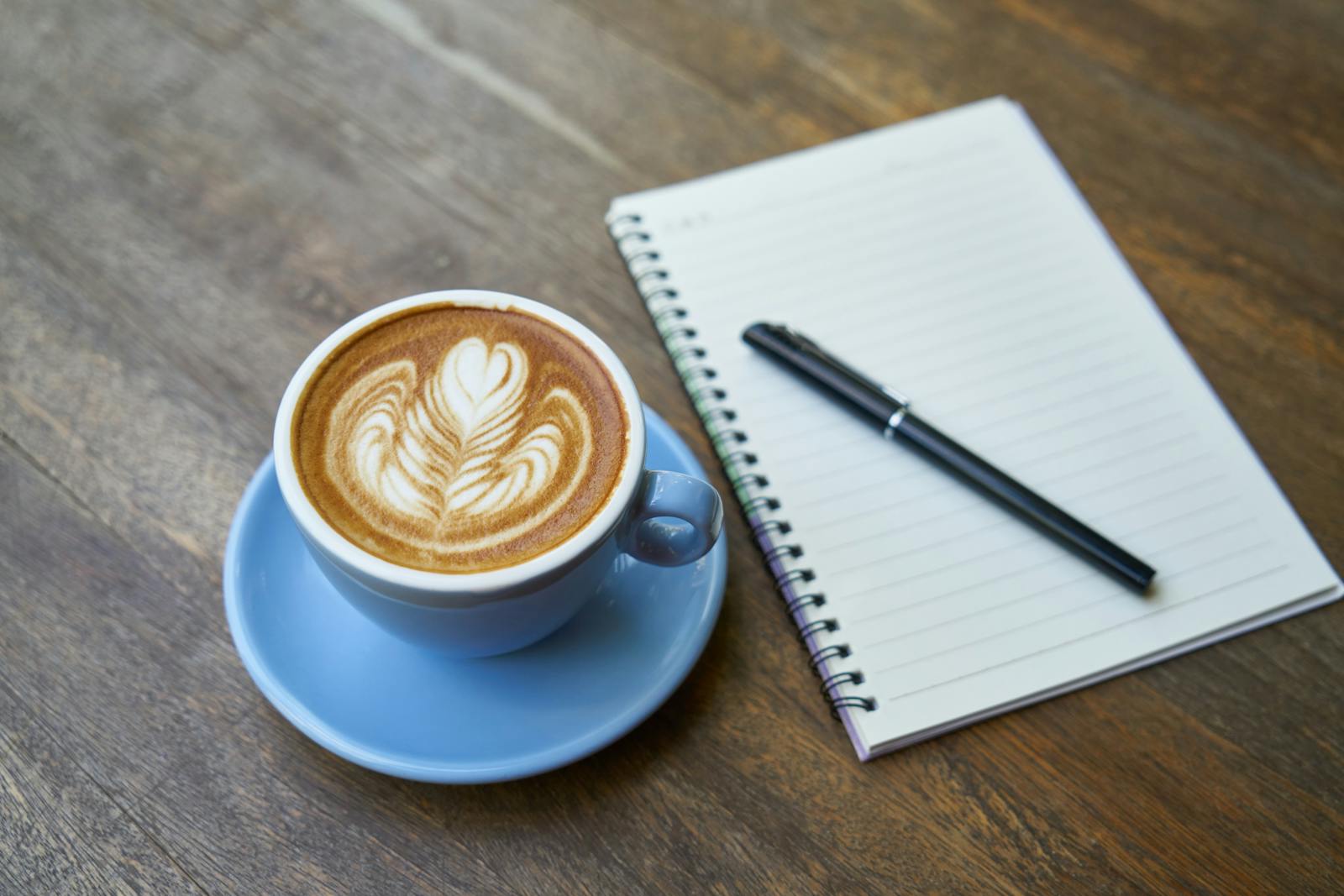
Asheville Coffee Tour
A DIY route-builder for tasting more, walking smarter, and keeping your afternoon intact.
What if your Asheville coffee “tour” wasn’t a checklist of cafés—but a tasting route designed to keep you feeling good? Most guides tell you where to go. This one tells you how to do it: which neighborhoods cluster best, what to order so you can sample more, and how to build a route that still leaves room for lunch (and a nap-free afternoon).
This is a DIY Asheville coffee tour you can run as a walkable loop or a neighborhood-to-neighborhood coffee crawl—built around pacing, comfort, and better tasting (not bigger drinks). If you’re planning a weekend, it also works as a flexible framework for coffee trips: do one neighborhood per morning, then keep afternoons for food, views, and wandering. And if you’re deciding between DIY and booking Asheville coffee tours, this guide helps you compare the “tour logic” either way.
- Walk: downtown loop, 2–4 stops, lowest hassle.
- Hop: one coffee per neighborhood, park once per area.
- Guided: let someone else sequence the tastings.
- Order: small baseline → contrast → slow-sip closer.
- Fuel: one real snack mid-tour, water between stops.
- Finish: buy beans at your best stop and call it.
Use this as a framework: pick a tour style, choose your stops from a shortlist you trust, and follow the ordering + pacing rules so every cup still tastes good by the end. If you only do one thing, do this: commit to fewer ounces per stop and spend the “saved caffeine” on variety.
Quick start: If you want a current, broad shortlist to pull from, skim best coffee shops 2026, then come back here to turn your picks into an actual route.
Plan your Asheville coffee tour
Your best tour is the one that fits your day. Asheville rewards wandering, but coffee tours go sideways when you stack too many long drinks, too many hills, or too many “let’s just see what’s next” moments. Plan for 2–4 stops, build in a snack, and assume one café will be busy enough that you’ll pivot.
Start with your route style, then pick your first stop near where you’ll already be. From there, you’re simply repeating the same cycle: small order → walk/drive a bit → water + bite → next small order. If you keep that rhythm, you’ll taste more (and spend less) without the jittery crash.
One practical note: hours and seasonal menus change. Treat any “must-try drink” as a suggestion, and check the day-of details before you commit to a specific stop order.
Choose your tour style
Walkable loop
Best for: first-timers, downtown stays, “one morning” tours. You’ll get variety without parking twice, and you’ll naturally slow down between sips.
- Rule: keep drinks small and steps steady.
- Win: easiest pacing, easiest photos.
Neighborhood hop
Best for: repeat visitors, arts + coffee pairings, chasing a specific roast style. You’ll “cluster” stops so you park once per neighborhood.
- Rule: one coffee per neighborhood, then a walk.
- Win: maximum variety, minimum dead time.
Guided tour
Best for: groups, visitors who want a curated sequence, anyone who’d rather not plan. The operator outlines the general experience on AVL Coffee tour info.
- Rule: eat beforehand and hydrate.
- Win: lowest decision fatigue, highest story value.
If you’re comparing guided options, tour marketplaces can help you sanity-check what’s included; for example, see a guided coffee tour itinerary and compare it to what you’d spend DIY.
Set your tasting menu
- Classic lane: espresso or drip first, milk drink second, cold drink last.
- Sweet lane: seasonal latte first, espresso second, split a pastry mid-tour.
- Adventurous lane: single-origin pour-over first, espresso second, nitro/cold brew last.
- Share lane: two people order two small different drinks each stop and swap sips.
- Decaf lane: alternate caf/decaf and treat “interesting” as flavor, not caffeine.
- Comfort lane: choose places with seating and keep drinks simple so you linger.
If you want a learning layer—not just sipping—watch for coffee curious workshops like cuppings or brew demos. Treat that as your “anchor,” then keep the rest of your tour to one additional small drink so your palate stays sharp.
Timing and comfort setup
Think in 90-minute blocks. A classic morning tour looks like: first stop soon after you arrive, a second stop after a short walk, a snack break, then a final stop that’s either a cold drink “for the road” or a sit-down reset. Bring water, and consider a small tote for beans so you’re not juggling bags all day.
Pivot plan: If your first choice doesn’t work, pivot by category—not by panic.
- Line pivot: if the line looks like a 20-minute wait, switch to your nearest backup and keep walking.
- Weather pivot: if it turns cold/wet, make your next stop a sit-down café and do a milk drink for warmth.
- Parking pivot: if you can’t park quickly, commit to a walkable loop from wherever you landed.
If you’re sensitive to caffeine
You can still do a coffee tour—just make it tiny and intentional.
- Order size: ask for a single shot instead of a double when possible.
- Spacing: take a 15–25 minute walk between stops (or a calm sit-down break).
- Fuel: eat something with protein and carbs before your second café.
- Swap: use decaf for your last drink so you keep the ritual without the buzz.
Downtown and South Slope walking loop
This is the “easy win” route: build a loop around downtown streets you’re already exploring, keep your orders small, and let the walking do the pacing for you. If you’re staying downtown, you can often do the entire tour without moving your car—just pick cafés that are 8–12 minutes apart on foot.
Use the “two sips, one bite” rhythm: taste, nibble, walk, repeat. Two sips is enough to catch sweetness, bitterness, and finish. The bite resets your palate, and the walk keeps your body from stacking caffeine too fast. It sounds small, but it’s the difference between enjoying stop #4 and regretting stop #2.
Micro-example: Start near your hotel or parking spot downtown, walk toward a second café in a slightly different pocket, then schedule your snack in the middle (so you’re not “running on espresso”). Finish with an iced drink you can carry while you window-shop or head toward your next activity.
The loop structure
| Time block | What you’re doing | What to order |
|---|---|---|
| 0:00–0:25 | Start near where you parked or woke up | Short espresso or small drip to set a baseline |
| 0:25–0:55 | Walk + “look around” segment | Water only (save appetite for the next stop) |
| 0:55–1:25 | Second café with a different style | Small milk drink or a pour-over (pick the opposite of stop one) |
| 1:25–1:55 | Snack break | Split a pastry; sip water; note what you liked |
| 1:55–2:30 | Final stop + exit | Cold drink to-go or a small “dessert” coffee you share |
Ordering template that keeps you tasting
- Baseline drink: espresso or drip so you can compare every later cup.
- Texture drink: cappuccino/latte for mouthfeel and sweetness balance.
- Cold finish: cold brew or iced coffee as a slower-sip closer.
- Split rule: if two people are touring, order two different small drinks and swap.
- Size rule: if you want “one more stop,” cut your current drink in half.
- Note rule: write one line per stop: sweet / bitter / bright / cozy.
To keep your loop efficient, use a curated map list to spot clusters (rather than randomly hopping across town); the Asheville coffee map is a quick way to identify multiple strong options within the same general area.
Optional detours that won’t break the loop
Detour rule: if you take a side trip, make it a walk-first detour, not a “drive over there real quick” detour. Walking keeps your pacing intact and prevents the tour from turning into errands.
- Park strategy: set one home base and return to it once, at most.
- Hill strategy: put steeper segments after you’ve had food, not after your first espresso.
- Backup strategy: keep one alternate café in mind for each segment in case seating is tight.
Downtown is the easiest place to build a walkable loop.
River Arts District and riverside detour
The River Arts District (RAD) style tour is less “tight loop” and more “linger-friendly cluster.” The goal is simple: park once, do one coffee stop, then spend your walking time browsing studios, murals, and riverside paths. It’s ideal when you want coffee to support the day—not dominate it.
In RAD, build your tour around one anchor café, then add one optional stop only if you still feel great. This neighborhood is easy to overdo because it’s fun to hang around. Give yourself permission to make the “tour” only two stops—your tasting notes will be sharper, and you’ll enjoy the art more.
Micro-example: Pick an anchor café you’d happily sit in for 30–45 minutes, then do a short art loop. If you’re still genuinely craving a second cup (not just “because it’s here”), make that second drink a different style and take it on a riverside walk.
Park-once cluster plan
Choose one anchor location with comfortable seating, then do a short walk and decide whether you’re adding a second drink. If you are: make the second stop a different type of coffee than the first. Espresso → cold. Pour-over → milk. Drip → espresso. The contrast is what makes it feel like a tour.
Roaster-forward ordering
If you want to taste a roaster’s skill, pick something that reveals clarity: a small espresso, a batch brew, or a pour-over. Many Asheville coffee roasters shine most in these “clean” formats, where sweetness and fruit/chocolate notes show up without much help. Then, if you want comfort, go milk-based at your second stop. This order prevents milk sweetness from muting your perception of spice, citrus, or cocoa in the earlier cup.
Rain plan and indoor seating strategy
When the weather turns, a great coffee tour becomes a “two great cafés + one great indoor block” plan.
Keep it simple, keep it cozy
- Seating filter: prioritize places with indoor tables if it’s wet or windy.
- Warmth filter: choose a milk drink second for comfort when you’re chilled.
- Time filter: aim for fewer stops and longer hangs so you’re not rushing in the rain.
- Remote-work filter: pick one café where you can sit 45 minutes without guilt.
- Quick-grab filter: keep one backup “to-go” stop in mind if seating is packed.
- Photo filter: take your “nice cup” picture early, before humidity fogs everything.
West Asheville cozy crawl
West Asheville shines when you want neighborhood energy—more “slow morning” than “tourist sprint.” The move here is to keep it intentionally small: 2–3 stops, one longer sit-down, and one drink you share. You’ll feel the vibe shift from place to place without turning the day into a commute.
Pick your stops by vibe first, then by drink. The best coffee tour memories are often about where you sat, what you talked about, and the pastry you split—so choose a mix: one quiet place, one social place, one “walk it off” stretch in between.
If you’re tempted to combine multiple neighborhoods in a short window, be honest about transit time. A cozy crawl works because it’s compact; if the route starts to feel like driving between errands, you’ll taste less and stress more.
Vibe filters that make selection easy
- Quiet-work: look for seating depth and a calmer soundtrack.
- Chatty-social: pick a busier counter vibe and plan to stand or perch.
- Pastry-first: prioritize the bakery case and order smaller coffee.
- Patio-linger: great in mild weather—bring a layer just in case.
- Fast-to-go: ideal for your last stop if the day’s moving on.
- Souvenir-ready: easiest place to buy beans and be done.
A simple 2–3 stop itinerary
Start with a small espresso or drip to set your baseline. Make your second stop the long sit-down (milk drink, pastry, notes). If you do a third, make it a cold drink you can sip while you walk or drive to your next activity. This sequence gives you contrast without stacking too much volume.
What to bring home
If you want a souvenir that actually gets used, beans are the obvious pick—but don’t overbuy. Choose one bag you’re excited about, then ask how they recommend brewing it at home. A second great option: a small baked good or snack that survives the ride back to your lodging (and feels like a bonus later).
Order smart and pace your caffeine
Most “coffee tours” fail for one reason: people drink full-size drinks at every stop. You don’t need more caffeine—you need more contrast. Your goal is to taste different styles while keeping your body calm enough to notice the difference between “nice” and “wow.”
Caffeine safety note: If you’re pregnant, sensitive to stimulants, or managing a heart/anxiety condition, consider doing a decaf-first tour or limiting yourself to one caffeinated drink. Coffee tours are supposed to feel fun—not urgent.
Set a 3-drink maximum, and make at least one of those drinks shared or decaf. If you want more stops, switch to “two sips” tasting: order one small drink, split it, and move on. This single rule is the biggest difference between a tour you remember and a tour you recover from.
Fuel plan: Before drink two, eat something that’s not just sugar. Between stops, drink water. If you’re feeling jittery, pause the tour for 20 minutes and make your next “stop” a walk or a sit—then decide whether the final drink should be decaf.
The 3-drink maximum (and how to sample beyond it)
- Drink 1: baseline (espresso or drip) so your palate has a reference point.
- Drink 2: contrast (milk drink or pour-over—opposite of drink one).
- Drink 3: slow-sip closer (cold drink) or decaf if it’s later in the day.
Milk and sugar strategy
If you’re tasting, try at least one drink without sweetener—even if you normally sweeten. Sugar can flatten differences between cafés, and you’ll miss the subtle stuff. A good compromise is ordering a naturally sweeter style (like a cappuccino) and tasting it first before you adjust. If you do sweeten, ask for half-sweet so the coffee still speaks.
Stop picker and tasting scorecard
This mini tool is built for touring: jot your stop names, check them off, and save your notes. It’s also printable—so you can take it offline once you’ve filled it in.
Tip: “Save” stores your plan locally in this browser.
| Stop | Drink | Balance (1–5) | Clarity (1–5) | “Would return?” (Y/N) |
|---|---|---|---|---|
| First stop | Baseline | — | — | — |
| Second stop | Contrast | — | — | — |
| Third stop | Closer | — | — | — |
When you’re done, pick one “repeat-worthy” stop and buy beans there—your future self will remember the day every time you brew. And if you’re worried about shop changes or closures, use the Explore Asheville list and the Eater map as your living shortlist, while keeping this guide as your route logic.
- Seating filter: prioritize places with indoor tables if it’s wet or windy.
- Warmth filter: choose a milk drink second for comfort when you’re chilled.
- Time filter: aim for fewer stops and longer hangs so you’re not rushing in the rain.
- Remote-work filter: pick one café where you can sit 45 minutes without guilt.
- Quick-grab filter: keep one backup “to-go” stop in mind if seating is packed.
- Photo filter: take your “nice cup” picture early, before humidity fogs everything.
West Asheville cozy crawl
West Asheville shines when you want neighborhood energy—more “slow morning” than “tourist sprint.” The move here is to keep it intentionally small: 2–3 stops, one longer sit-down, and one drink you share. You’ll feel the vibe shift from place to place without turning the day into a commute.
Pick your stops by vibe first, then by drink. The best coffee tour memories are often about where you sat, what you talked about, and the pastry you split—so choose a mix: one quiet place, one social place, one “walk it off” stretch in between.
If you’re tempted to combine multiple neighborhoods in a short window, be honest about transit time. A cozy crawl works because it’s compact; if the route starts to feel like driving between errands, you’ll taste less and stress more.
Vibe filters that make selection easy
- Quiet-work: look for seating depth and a calmer soundtrack.
- Chatty-social: pick a busier counter vibe and plan to stand or perch.
- Pastry-first: prioritize the bakery case and order smaller coffee.
- Patio-linger: great in mild weather—bring a layer just in case.
- Fast-to-go: ideal for your last stop if the day’s moving on.
- Souvenir-ready: easiest place to buy beans and be done.
A simple 2–3 stop itinerary
Start with a small espresso or drip to set your baseline. Make your second stop the long sit-down (milk drink, pastry, notes). If you do a third, make it a cold drink you can sip while you walk or drive to your next activity. This sequence gives you contrast without stacking too much volume.
What to bring home
If you want a souvenir that actually gets used, beans are the obvious pick—but don’t overbuy. Choose one bag you’re excited about, then ask how they recommend brewing it at home. A second great option: a small baked good or snack that survives the ride back to your lodging (and feels like a bonus later).
Order smart and pace your caffeine
Most “coffee tours” fail for one reason: people drink full-size drinks at every stop. You don’t need more caffeine—you need more contrast. Your goal is to taste different styles while keeping your body calm enough to notice the difference between “nice” and “wow.”
Caffeine safety note: If you’re pregnant, sensitive to stimulants, or managing a heart/anxiety condition, consider doing a decaf-first tour or limiting yourself to one caffeinated drink. Coffee tours are supposed to feel fun—not urgent.
Set a 3-drink maximum, and make at least one of those drinks shared or decaf. If you want more stops, switch to “two sips” tasting: order one small drink, split it, and move on. This single rule is the biggest difference between a tour you remember and a tour you recover from.
Fuel plan: Before drink two, eat something that’s not just sugar. Between stops, drink water. If you’re feeling jittery, pause the tour for 20 minutes and make your next “stop” a walk or a sit—then decide whether the final drink should be decaf.
The 3-drink maximum (and how to sample beyond it)
- Drink 1: baseline (espresso or drip) so your palate has a reference point.
- Drink 2: contrast (milk drink or pour-over—opposite of drink one).
- Drink 3: slow-sip closer (cold drink) or decaf if it’s later in the day.
Milk and sugar strategy
If you’re tasting, try at least one drink without sweetener—even if you normally sweeten. Sugar can flatten differences between cafés, and you’ll miss the subtle stuff. A good compromise is ordering a naturally sweeter style (like a cappuccino) and tasting it first before you adjust. If you do sweeten, ask for half-sweet so the coffee still speaks.
Stop picker and tasting scorecard
This mini tool is built for touring: jot your stop names, check them off, and save your notes. It’s also printable—so you can take it offline once you’ve filled it in.
Tip: “Save” stores your plan locally in this browser.
| Stop | Drink | Balance (1–5) | Clarity (1–5) | “Would return?” (Y/N) |
|---|---|---|---|---|
| First stop | Baseline | — | — | — |
| Second stop | Contrast | — | — | — |
| Third stop | Closer | — | — | — |
When you’re done, pick one “repeat-worthy” stop and buy beans there—your future self will remember the day every time you brew. And if you’re worried about shop changes or closures, use the Explore Asheville list and the Eater map as your living shortlist, while keeping this guide as your route logic.
Asheville Coffee Tour
A DIY route-builder for tasting more, walking smarter, and keeping your afternoon intact.
What if your Asheville coffee “tour” wasn’t a checklist of cafés—but a tasting route designed to keep you feeling good? Most guides tell you where to go. This one tells you how to do it: which neighborhoods cluster best, what to order so you can sample more, and how to build a route that still leaves room for lunch (and a nap-free afternoon).
This is a DIY Asheville coffee tour you can run as a walkable loop or a neighborhood-to-neighborhood coffee crawl—built around pacing, comfort, and better tasting (not bigger drinks). If you’re planning a weekend, it also works as a flexible framework for coffee trips: do one neighborhood per morning, then keep afternoons for food, views, and wandering. And if you’re deciding between DIY and booking Asheville coffee tours, this guide helps you compare the “tour logic” either way.
- Walk: downtown loop, 2–4 stops, lowest hassle.
- Hop: one coffee per neighborhood, park once per area.
- Guided: let someone else sequence the tastings.
- Order: small baseline → contrast → slow-sip closer.
- Fuel: one real snack mid-tour, water between stops.
- Finish: buy beans at your best stop and call it.
Use this as a framework: pick a tour style, choose your stops from a shortlist you trust, and follow the ordering + pacing rules so every cup still tastes good by the end. If you only do one thing, do this: commit to fewer ounces per stop and spend the “saved caffeine” on variety.
Quick start: If you want a current, broad shortlist to pull from, skim best coffee shops 2026, then come back here to turn your picks into an actual route.
Plan your Asheville coffee tour
Your best tour is the one that fits your day. Asheville rewards wandering, but coffee tours go sideways when you stack too many long drinks, too many hills, or too many “let’s just see what’s next” moments. Plan for 2–4 stops, build in a snack, and assume one café will be busy enough that you’ll pivot.
Start with your route style, then pick your first stop near where you’ll already be. From there, you’re simply repeating the same cycle: small order → walk/drive a bit → water + bite → next small order. If you keep that rhythm, you’ll taste more (and spend less) without the jittery crash.
One practical note: hours and seasonal menus change. Treat any “must-try drink” as a suggestion, and check the day-of details before you commit to a specific stop order.
Choose your tour style
Walkable loop
Best for: first-timers, downtown stays, “one morning” tours. You’ll get variety without parking twice, and you’ll naturally slow down between sips.
- Rule: keep drinks small and steps steady.
- Win: easiest pacing, easiest photos.
Neighborhood hop
Best for: repeat visitors, arts + coffee pairings, chasing a specific roast style. You’ll “cluster” stops so you park once per neighborhood.
- Rule: one coffee per neighborhood, then a walk.
- Win: maximum variety, minimum dead time.
Guided tour
Best for: groups, visitors who want a curated sequence, anyone who’d rather not plan. The operator outlines the general experience on AVL Coffee tour info.
- Rule: eat beforehand and hydrate.
- Win: lowest decision fatigue, highest story value.
If you’re comparing guided options, tour marketplaces can help you sanity-check what’s included; for example, see a guided coffee tour itinerary and compare it to what you’d spend DIY.
Set your tasting menu
- Classic lane: espresso or drip first, milk drink second, cold drink last.
- Sweet lane: seasonal latte first, espresso second, split a pastry mid-tour.
- Adventurous lane: single-origin pour-over first, espresso second, nitro/cold brew last.
- Share lane: two people order two small different drinks each stop and swap sips.
- Decaf lane: alternate caf/decaf and treat “interesting” as flavor, not caffeine.
- Comfort lane: choose places with seating and keep drinks simple so you linger.
If you want a learning layer—not just sipping—watch for coffee curious workshops like cuppings or brew demos. Treat that as your “anchor,” then keep the rest of your tour to one additional small drink so your palate stays sharp.
Timing and comfort setup
Think in 90-minute blocks. A classic morning tour looks like: first stop soon after you arrive, a second stop after a short walk, a snack break, then a final stop that’s either a cold drink “for the road” or a sit-down reset. Bring water, and consider a small tote for beans so you’re not juggling bags all day.
Pivot plan: If your first choice doesn’t work, pivot by category—not by panic.
- Line pivot: if the line looks like a 20-minute wait, switch to your nearest backup and keep walking.
- Weather pivot: if it turns cold/wet, make your next stop a sit-down café and do a milk drink for warmth.
- Parking pivot: if you can’t park quickly, commit to a walkable loop from wherever you landed.
If you’re sensitive to caffeine
You can still do a coffee tour—just make it tiny and intentional.
- Order size: ask for a single shot instead of a double when possible.
- Spacing: take a 15–25 minute walk between stops (or a calm sit-down break).
- Fuel: eat something with protein and carbs before your second café.
- Swap: use decaf for your last drink so you keep the ritual without the buzz.
Downtown and South Slope walking loop
This is the “easy win” route: build a loop around downtown streets you’re already exploring, keep your orders small, and let the walking do the pacing for you. If you’re staying downtown, you can often do the entire tour without moving your car—just pick cafés that are 8–12 minutes apart on foot.
Use the “two sips, one bite” rhythm: taste, nibble, walk, repeat. Two sips is enough to catch sweetness, bitterness, and finish. The bite resets your palate, and the walk keeps your body from stacking caffeine too fast. It sounds small, but it’s the difference between enjoying stop #4 and regretting stop #2.
Micro-example: Start near your hotel or parking spot downtown, walk toward a second café in a slightly different pocket, then schedule your snack in the middle (so you’re not “running on espresso”). Finish with an iced drink you can carry while you window-shop or head toward your next activity.
The loop structure
| Time block | What you’re doing | What to order |
|---|---|---|
| 0:00–0:25 | Start near where you parked or woke up | Short espresso or small drip to set a baseline |
| 0:25–0:55 | Walk + “look around” segment | Water only (save appetite for the next stop) |
| 0:55–1:25 | Second café with a different style | Small milk drink or a pour-over (pick the opposite of stop one) |
| 1:25–1:55 | Snack break | Split a pastry; sip water; note what you liked |
| 1:55–2:30 | Final stop + exit | Cold drink to-go or a small “dessert” coffee you share |
Ordering template that keeps you tasting
- Baseline drink: espresso or drip so you can compare every later cup.
- Texture drink: cappuccino/latte for mouthfeel and sweetness balance.
- Cold finish: cold brew or iced coffee as a slower-sip closer.
- Split rule: if two people are touring, order two different small drinks and swap.
- Size rule: if you want “one more stop,” cut your current drink in half.
- Note rule: write one line per stop: sweet / bitter / bright / cozy.
To keep your loop efficient, use a curated map list to spot clusters (rather than randomly hopping across town); the Asheville coffee map is a quick way to identify multiple strong options within the same general area.
Optional detours that won’t break the loop
Detour rule: if you take a side trip, make it a walk-first detour, not a “drive over there real quick” detour. Walking keeps your pacing intact and prevents the tour from turning into errands.
- Park strategy: set one home base and return to it once, at most.
- Hill strategy: put steeper segments after you’ve had food, not after your first espresso.
- Backup strategy: keep one alternate café in mind for each segment in case seating is tight.
Downtown is the easiest place to build a walkable loop.
River Arts District and riverside detour
The River Arts District (RAD) style tour is less “tight loop” and more “linger-friendly cluster.” The goal is simple: park once, do one coffee stop, then spend your walking time browsing studios, murals, and riverside paths. It’s ideal when you want coffee to support the day—not dominate it.
In RAD, build your tour around one anchor café, then add one optional stop only if you still feel great. This neighborhood is easy to overdo because it’s fun to hang around. Give yourself permission to make the “tour” only two stops—your tasting notes will be sharper, and you’ll enjoy the art more.
Micro-example: Pick an anchor café you’d happily sit in for 30–45 minutes, then do a short art loop. If you’re still genuinely craving a second cup (not just “because it’s here”), make that second drink a different style and take it on a riverside walk.
Park-once cluster plan
Choose one anchor location with comfortable seating, then do a short walk and decide whether you’re adding a second drink. If you are: make the second stop a different type of coffee than the first. Espresso → cold. Pour-over → milk. Drip → espresso. The contrast is what makes it feel like a tour.
Roaster-forward ordering
If you want to taste a roaster’s skill, pick something that reveals clarity: a small espresso, a batch brew, or a pour-over. Many Asheville coffee roasters shine most in these “clean” formats, where sweetness and fruit/chocolate notes show up without much help. Then, if you want comfort, go milk-based at your second stop. This order prevents milk sweetness from muting your perception of spice, citrus, or cocoa in the earlier cup.
Rain plan and indoor seating strategy
When the weather turns, a great coffee tour becomes a “two great cafés + one great indoor block” plan.
Keep it simple, keep it cozy
- Seating filter: prioritize places with indoor tables if it’s wet or windy.
- Warmth filter: choose a milk drink second for comfort when you’re chilled.
- Time filter: aim for fewer stops and longer hangs so you’re not rushing in the rain.
- Remote-work filter: pick one café where you can sit 45 minutes without guilt.
- Quick-grab filter: keep one backup “to-go” stop in mind if seating is packed.
- Photo filter: take your “nice cup” picture early, before humidity fogs everything.
West Asheville cozy crawl
West Asheville shines when you want neighborhood energy—more “slow morning” than “tourist sprint.” The move here is to keep it intentionally small: 2–3 stops, one longer sit-down, and one drink you share. You’ll feel the vibe shift from place to place without turning the day into a commute.
Pick your stops by vibe first, then by drink. The best coffee tour memories are often about where you sat, what you talked about, and the pastry you split—so choose a mix: one quiet place, one social place, one “walk it off” stretch in between.
If you’re tempted to combine multiple neighborhoods in a short window, be honest about transit time. A cozy crawl works because it’s compact; if the route starts to feel like driving between errands, you’ll taste less and stress more.
Vibe filters that make selection easy
- Quiet-work: look for seating depth and a calmer soundtrack.
- Chatty-social: pick a busier counter vibe and plan to stand or perch.
- Pastry-first: prioritize the bakery case and order smaller coffee.
- Patio-linger: great in mild weather—bring a layer just in case.
- Fast-to-go: ideal for your last stop if the day’s moving on.
- Souvenir-ready: easiest place to buy beans and be done.
A simple 2–3 stop itinerary
Start with a small espresso or drip to set your baseline. Make your second stop the long sit-down (milk drink, pastry, notes). If you do a third, make it a cold drink you can sip while you walk or drive to your next activity. This sequence gives you contrast without stacking too much volume.
What to bring home
If you want a souvenir that actually gets used, beans are the obvious pick—but don’t overbuy. Choose one bag you’re excited about, then ask how they recommend brewing it at home. A second great option: a small baked good or snack that survives the ride back to your lodging (and feels like a bonus later).
Order smart and pace your caffeine
Most “coffee tours” fail for one reason: people drink full-size drinks at every stop. You don’t need more caffeine—you need more contrast. Your goal is to taste different styles while keeping your body calm enough to notice the difference between “nice” and “wow.”
Caffeine safety note: If you’re pregnant, sensitive to stimulants, or managing a heart/anxiety condition, consider doing a decaf-first tour or limiting yourself to one caffeinated drink. Coffee tours are supposed to feel fun—not urgent.
Set a 3-drink maximum, and make at least one of those drinks shared or decaf. If you want more stops, switch to “two sips” tasting: order one small drink, split it, and move on. This single rule is the biggest difference between a tour you remember and a tour you recover from.
Fuel plan: Before drink two, eat something that’s not just sugar. Between stops, drink water. If you’re feeling jittery, pause the tour for 20 minutes and make your next “stop” a walk or a sit—then decide whether the final drink should be decaf.
The 3-drink maximum (and how to sample beyond it)
- Drink 1: baseline (espresso or drip) so your palate has a reference point.
- Drink 2: contrast (milk drink or pour-over—opposite of drink one).
- Drink 3: slow-sip closer (cold drink) or decaf if it’s later in the day.
Milk and sugar strategy
If you’re tasting, try at least one drink without sweetener—even if you normally sweeten. Sugar can flatten differences between cafés, and you’ll miss the subtle stuff. A good compromise is ordering a naturally sweeter style (like a cappuccino) and tasting it first before you adjust. If you do sweeten, ask for half-sweet so the coffee still speaks.
Stop picker and tasting scorecard
This mini tool is built for touring: jot your stop names, check them off, and save your notes. It’s also printable—so you can take it offline once you’ve filled it in.
Tip: “Save” stores your plan locally in this browser.
| Stop | Drink | Balance (1–5) | Clarity (1–5) | “Would return?” (Y/N) |
|---|---|---|---|---|
| First stop | Baseline | — | — | — |
| Second stop | Contrast | — | — | — |
| Third stop | Closer | — | — | — |
When you’re done, pick one “repeat-worthy” stop and buy beans there—your future self will remember the day every time you brew. And if you’re worried about shop changes or closures, use the Explore Asheville list and the Eater map as your living shortlist, while keeping this guide as your route logic.
- Seating filter: prioritize places with indoor tables if it’s wet or windy.
- Warmth filter: choose a milk drink second for comfort when you’re chilled.
- Time filter: aim for fewer stops and longer hangs so you’re not rushing in the rain.
- Remote-work filter: pick one café where you can sit 45 minutes without guilt.
- Quick-grab filter: keep one backup “to-go” stop in mind if seating is packed.
- Photo filter: take your “nice cup” picture early, before humidity fogs everything.
West Asheville cozy crawl
West Asheville shines when you want neighborhood energy—more “slow morning” than “tourist sprint.” The move here is to keep it intentionally small: 2–3 stops, one longer sit-down, and one drink you share. You’ll feel the vibe shift from place to place without turning the day into a commute.
Pick your stops by vibe first, then by drink. The best coffee tour memories are often about where you sat, what you talked about, and the pastry you split—so choose a mix: one quiet place, one social place, one “walk it off” stretch in between.
If you’re tempted to combine multiple neighborhoods in a short window, be honest about transit time. A cozy crawl works because it’s compact; if the route starts to feel like driving between errands, you’ll taste less and stress more.
Vibe filters that make selection easy
- Quiet-work: look for seating depth and a calmer soundtrack.
- Chatty-social: pick a busier counter vibe and plan to stand or perch.
- Pastry-first: prioritize the bakery case and order smaller coffee.
- Patio-linger: great in mild weather—bring a layer just in case.
- Fast-to-go: ideal for your last stop if the day’s moving on.
- Souvenir-ready: easiest place to buy beans and be done.
A simple 2–3 stop itinerary
Start with a small espresso or drip to set your baseline. Make your second stop the long sit-down (milk drink, pastry, notes). If you do a third, make it a cold drink you can sip while you walk or drive to your next activity. This sequence gives you contrast without stacking too much volume.
What to bring home
If you want a souvenir that actually gets used, beans are the obvious pick—but don’t overbuy. Choose one bag you’re excited about, then ask how they recommend brewing it at home. A second great option: a small baked good or snack that survives the ride back to your lodging (and feels like a bonus later).
Order smart and pace your caffeine
Most “coffee tours” fail for one reason: people drink full-size drinks at every stop. You don’t need more caffeine—you need more contrast. Your goal is to taste different styles while keeping your body calm enough to notice the difference between “nice” and “wow.”
Caffeine safety note: If you’re pregnant, sensitive to stimulants, or managing a heart/anxiety condition, consider doing a decaf-first tour or limiting yourself to one caffeinated drink. Coffee tours are supposed to feel fun—not urgent.
Set a 3-drink maximum, and make at least one of those drinks shared or decaf. If you want more stops, switch to “two sips” tasting: order one small drink, split it, and move on. This single rule is the biggest difference between a tour you remember and a tour you recover from.
Fuel plan: Before drink two, eat something that’s not just sugar. Between stops, drink water. If you’re feeling jittery, pause the tour for 20 minutes and make your next “stop” a walk or a sit—then decide whether the final drink should be decaf.
The 3-drink maximum (and how to sample beyond it)
- Drink 1: baseline (espresso or drip) so your palate has a reference point.
- Drink 2: contrast (milk drink or pour-over—opposite of drink one).
- Drink 3: slow-sip closer (cold drink) or decaf if it’s later in the day.
Milk and sugar strategy
If you’re tasting, try at least one drink without sweetener—even if you normally sweeten. Sugar can flatten differences between cafés, and you’ll miss the subtle stuff. A good compromise is ordering a naturally sweeter style (like a cappuccino) and tasting it first before you adjust. If you do sweeten, ask for half-sweet so the coffee still speaks.
Stop picker and tasting scorecard
This mini tool is built for touring: jot your stop names, check them off, and save your notes. It’s also printable—so you can take it offline once you’ve filled it in.
Tip: “Save” stores your plan locally in this browser.
| Stop | Drink | Balance (1–5) | Clarity (1–5) | “Would return?” (Y/N) |
|---|---|---|---|---|
| First stop | Baseline | — | — | — |
| Second stop | Contrast | — | — | — |
| Third stop | Closer | — | — | — |
When you’re done, pick one “repeat-worthy” stop and buy beans there—your future self will remember the day every time you brew. And if you’re worried about shop changes or closures, use the Explore Asheville list and the Eater map as your living shortlist, while keeping this guide as your route logic.
Asheville Coffee Tour
A DIY route-builder for tasting more, walking smarter, and keeping your afternoon intact.
What if your Asheville coffee “tour” wasn’t a checklist of cafés—but a tasting route designed to keep you feeling good? Most guides tell you where to go. This one tells you how to do it: which neighborhoods cluster best, what to order so you can sample more, and how to build a route that still leaves room for lunch (and a nap-free afternoon).
This is a DIY Asheville coffee tour you can run as a walkable loop or a neighborhood-to-neighborhood coffee crawl—built around pacing, comfort, and better tasting (not bigger drinks). If you’re planning a weekend, it also works as a flexible framework for coffee trips: do one neighborhood per morning, then keep afternoons for food, views, and wandering. And if you’re deciding between DIY and booking Asheville coffee tours, this guide helps you compare the “tour logic” either way.
- Walk: downtown loop, 2–4 stops, lowest hassle.
- Hop: one coffee per neighborhood, park once per area.
- Guided: let someone else sequence the tastings.
- Order: small baseline → contrast → slow-sip closer.
- Fuel: one real snack mid-tour, water between stops.
- Finish: buy beans at your best stop and call it.
Use this as a framework: pick a tour style, choose your stops from a shortlist you trust, and follow the ordering + pacing rules so every cup still tastes good by the end. If you only do one thing, do this: commit to fewer ounces per stop and spend the “saved caffeine” on variety.
Quick start: If you want a current, broad shortlist to pull from, skim best coffee shops 2026, then come back here to turn your picks into an actual route.
Plan your Asheville coffee tour
Your best tour is the one that fits your day. Asheville rewards wandering, but coffee tours go sideways when you stack too many long drinks, too many hills, or too many “let’s just see what’s next” moments. Plan for 2–4 stops, build in a snack, and assume one café will be busy enough that you’ll pivot.
Start with your route style, then pick your first stop near where you’ll already be. From there, you’re simply repeating the same cycle: small order → walk/drive a bit → water + bite → next small order. If you keep that rhythm, you’ll taste more (and spend less) without the jittery crash.
One practical note: hours and seasonal menus change. Treat any “must-try drink” as a suggestion, and check the day-of details before you commit to a specific stop order.
Choose your tour style
Walkable loop
Best for: first-timers, downtown stays, “one morning” tours. You’ll get variety without parking twice, and you’ll naturally slow down between sips.
- Rule: keep drinks small and steps steady.
- Win: easiest pacing, easiest photos.
Neighborhood hop
Best for: repeat visitors, arts + coffee pairings, chasing a specific roast style. You’ll “cluster” stops so you park once per neighborhood.
- Rule: one coffee per neighborhood, then a walk.
- Win: maximum variety, minimum dead time.
Guided tour
Best for: groups, visitors who want a curated sequence, anyone who’d rather not plan. The operator outlines the general experience on AVL Coffee tour info.
- Rule: eat beforehand and hydrate.
- Win: lowest decision fatigue, highest story value.
If you’re comparing guided options, tour marketplaces can help you sanity-check what’s included; for example, see a guided coffee tour itinerary and compare it to what you’d spend DIY.
Set your tasting menu
- Classic lane: espresso or drip first, milk drink second, cold drink last.
- Sweet lane: seasonal latte first, espresso second, split a pastry mid-tour.
- Adventurous lane: single-origin pour-over first, espresso second, nitro/cold brew last.
- Share lane: two people order two small different drinks each stop and swap sips.
- Decaf lane: alternate caf/decaf and treat “interesting” as flavor, not caffeine.
- Comfort lane: choose places with seating and keep drinks simple so you linger.
If you want a learning layer—not just sipping—watch for coffee curious workshops like cuppings or brew demos. Treat that as your “anchor,” then keep the rest of your tour to one additional small drink so your palate stays sharp.
Timing and comfort setup
Think in 90-minute blocks. A classic morning tour looks like: first stop soon after you arrive, a second stop after a short walk, a snack break, then a final stop that’s either a cold drink “for the road” or a sit-down reset. Bring water, and consider a small tote for beans so you’re not juggling bags all day.
Pivot plan: If your first choice doesn’t work, pivot by category—not by panic.
- Line pivot: if the line looks like a 20-minute wait, switch to your nearest backup and keep walking.
- Weather pivot: if it turns cold/wet, make your next stop a sit-down café and do a milk drink for warmth.
- Parking pivot: if you can’t park quickly, commit to a walkable loop from wherever you landed.
If you’re sensitive to caffeine
You can still do a coffee tour—just make it tiny and intentional.
- Order size: ask for a single shot instead of a double when possible.
- Spacing: take a 15–25 minute walk between stops (or a calm sit-down break).
- Fuel: eat something with protein and carbs before your second café.
- Swap: use decaf for your last drink so you keep the ritual without the buzz.
Downtown and South Slope walking loop
This is the “easy win” route: build a loop around downtown streets you’re already exploring, keep your orders small, and let the walking do the pacing for you. If you’re staying downtown, you can often do the entire tour without moving your car—just pick cafés that are 8–12 minutes apart on foot.
Use the “two sips, one bite” rhythm: taste, nibble, walk, repeat. Two sips is enough to catch sweetness, bitterness, and finish. The bite resets your palate, and the walk keeps your body from stacking caffeine too fast. It sounds small, but it’s the difference between enjoying stop #4 and regretting stop #2.
Micro-example: Start near your hotel or parking spot downtown, walk toward a second café in a slightly different pocket, then schedule your snack in the middle (so you’re not “running on espresso”). Finish with an iced drink you can carry while you window-shop or head toward your next activity.
The loop structure
| Time block | What you’re doing | What to order |
|---|---|---|
| 0:00–0:25 | Start near where you parked or woke up | Short espresso or small drip to set a baseline |
| 0:25–0:55 | Walk + “look around” segment | Water only (save appetite for the next stop) |
| 0:55–1:25 | Second café with a different style | Small milk drink or a pour-over (pick the opposite of stop one) |
| 1:25–1:55 | Snack break | Split a pastry; sip water; note what you liked |
| 1:55–2:30 | Final stop + exit | Cold drink to-go or a small “dessert” coffee you share |
Ordering template that keeps you tasting
- Baseline drink: espresso or drip so you can compare every later cup.
- Texture drink: cappuccino/latte for mouthfeel and sweetness balance.
- Cold finish: cold brew or iced coffee as a slower-sip closer.
- Split rule: if two people are touring, order two different small drinks and swap.
- Size rule: if you want “one more stop,” cut your current drink in half.
- Note rule: write one line per stop: sweet / bitter / bright / cozy.
To keep your loop efficient, use a curated map list to spot clusters (rather than randomly hopping across town); the Asheville coffee map is a quick way to identify multiple strong options within the same general area.
Optional detours that won’t break the loop
Detour rule: if you take a side trip, make it a walk-first detour, not a “drive over there real quick” detour. Walking keeps your pacing intact and prevents the tour from turning into errands.
- Park strategy: set one home base and return to it once, at most.
- Hill strategy: put steeper segments after you’ve had food, not after your first espresso.
- Backup strategy: keep one alternate café in mind for each segment in case seating is tight.
Downtown is the easiest place to build a walkable loop.
River Arts District and riverside detour
The River Arts District (RAD) style tour is less “tight loop” and more “linger-friendly cluster.” The goal is simple: park once, do one coffee stop, then spend your walking time browsing studios, murals, and riverside paths. It’s ideal when you want coffee to support the day—not dominate it.
In RAD, build your tour around one anchor café, then add one optional stop only if you still feel great. This neighborhood is easy to overdo because it’s fun to hang around. Give yourself permission to make the “tour” only two stops—your tasting notes will be sharper, and you’ll enjoy the art more.
Micro-example: Pick an anchor café you’d happily sit in for 30–45 minutes, then do a short art loop. If you’re still genuinely craving a second cup (not just “because it’s here”), make that second drink a different style and take it on a riverside walk.
Park-once cluster plan
Choose one anchor location with comfortable seating, then do a short walk and decide whether you’re adding a second drink. If you are: make the second stop a different type of coffee than the first. Espresso → cold. Pour-over → milk. Drip → espresso. The contrast is what makes it feel like a tour.
Roaster-forward ordering
If you want to taste a roaster’s skill, pick something that reveals clarity: a small espresso, a batch brew, or a pour-over. Many Asheville coffee roasters shine most in these “clean” formats, where sweetness and fruit/chocolate notes show up without much help. Then, if you want comfort, go milk-based at your second stop. This order prevents milk sweetness from muting your perception of spice, citrus, or cocoa in the earlier cup.
Rain plan and indoor seating strategy
When the weather turns, a great coffee tour becomes a “two great cafés + one great indoor block” plan.
Keep it simple, keep it cozy
- Seating filter: prioritize places with indoor tables if it’s wet or windy.
- Warmth filter: choose a milk drink second for comfort when you’re chilled.
- Time filter: aim for fewer stops and longer hangs so you’re not rushing in the rain.
- Remote-work filter: pick one café where you can sit 45 minutes without guilt.
- Quick-grab filter: keep one backup “to-go” stop in mind if seating is packed.
- Photo filter: take your “nice cup” picture early, before humidity fogs everything.
West Asheville cozy crawl
West Asheville shines when you want neighborhood energy—more “slow morning” than “tourist sprint.” The move here is to keep it intentionally small: 2–3 stops, one longer sit-down, and one drink you share. You’ll feel the vibe shift from place to place without turning the day into a commute.
Pick your stops by vibe first, then by drink. The best coffee tour memories are often about where you sat, what you talked about, and the pastry you split—so choose a mix: one quiet place, one social place, one “walk it off” stretch in between.
If you’re tempted to combine multiple neighborhoods in a short window, be honest about transit time. A cozy crawl works because it’s compact; if the route starts to feel like driving between errands, you’ll taste less and stress more.
Vibe filters that make selection easy
- Quiet-work: look for seating depth and a calmer soundtrack.
- Chatty-social: pick a busier counter vibe and plan to stand or perch.
- Pastry-first: prioritize the bakery case and order smaller coffee.
- Patio-linger: great in mild weather—bring a layer just in case.
- Fast-to-go: ideal for your last stop if the day’s moving on.
- Souvenir-ready: easiest place to buy beans and be done.
A simple 2–3 stop itinerary
Start with a small espresso or drip to set your baseline. Make your second stop the long sit-down (milk drink, pastry, notes). If you do a third, make it a cold drink you can sip while you walk or drive to your next activity. This sequence gives you contrast without stacking too much volume.
What to bring home
If you want a souvenir that actually gets used, beans are the obvious pick—but don’t overbuy. Choose one bag you’re excited about, then ask how they recommend brewing it at home. A second great option: a small baked good or snack that survives the ride back to your lodging (and feels like a bonus later).
Order smart and pace your caffeine
Most “coffee tours” fail for one reason: people drink full-size drinks at every stop. You don’t need more caffeine—you need more contrast. Your goal is to taste different styles while keeping your body calm enough to notice the difference between “nice” and “wow.”
Caffeine safety note: If you’re pregnant, sensitive to stimulants, or managing a heart/anxiety condition, consider doing a decaf-first tour or limiting yourself to one caffeinated drink. Coffee tours are supposed to feel fun—not urgent.
Set a 3-drink maximum, and make at least one of those drinks shared or decaf. If you want more stops, switch to “two sips” tasting: order one small drink, split it, and move on. This single rule is the biggest difference between a tour you remember and a tour you recover from.
Fuel plan: Before drink two, eat something that’s not just sugar. Between stops, drink water. If you’re feeling jittery, pause the tour for 20 minutes and make your next “stop” a walk or a sit—then decide whether the final drink should be decaf.
The 3-drink maximum (and how to sample beyond it)
- Drink 1: baseline (espresso or drip) so your palate has a reference point.
- Drink 2: contrast (milk drink or pour-over—opposite of drink one).
- Drink 3: slow-sip closer (cold drink) or decaf if it’s later in the day.
Milk and sugar strategy
If you’re tasting, try at least one drink without sweetener—even if you normally sweeten. Sugar can flatten differences between cafés, and you’ll miss the subtle stuff. A good compromise is ordering a naturally sweeter style (like a cappuccino) and tasting it first before you adjust. If you do sweeten, ask for half-sweet so the coffee still speaks.
Stop picker and tasting scorecard
This mini tool is built for touring: jot your stop names, check them off, and save your notes. It’s also printable—so you can take it offline once you’ve filled it in.
Tip: “Save” stores your plan locally in this browser.
| Stop | Drink | Balance (1–5) | Clarity (1–5) | “Would return?” (Y/N) |
|---|---|---|---|---|
| First stop | Baseline | — | — | — |
| Second stop | Contrast | — | — | — |
| Third stop | Closer | — | — | — |
When you’re done, pick one “repeat-worthy” stop and buy beans there—your future self will remember the day every time you brew. And if you’re worried about shop changes or closures, use the Explore Asheville list and the Eater map as your living shortlist, while keeping this guide as your route logic.
- Baseline drink: espresso or drip so you can compare every later cup.
- Texture drink: cappuccino/latte for mouthfeel and sweetness balance.
- Cold finish: cold brew or iced coffee as a slower-sip closer.
- Split rule: if two people are touring, order two different small drinks and swap.
- Size rule: if you want “one more stop,” cut your current drink in half.
- Note rule: write one line per stop: sweet / bitter / bright / cozy.
To keep your loop efficient, use a curated map list to spot clusters (rather than randomly hopping across town); the Asheville coffee map is a quick way to identify multiple strong options within the same general area.
Optional detours that won’t break the loop
Detour rule: if you take a side trip, make it a walk-first detour, not a “drive over there real quick” detour. Walking keeps your pacing intact and prevents the tour from turning into errands.
- Park strategy: set one home base and return to it once, at most.
- Hill strategy: put steeper segments after you’ve had food, not after your first espresso.
- Backup strategy: keep one alternate café in mind for each segment in case seating is tight.
Downtown is the easiest place to build a walkable loop.
River Arts District and riverside detour
The River Arts District (RAD) style tour is less “tight loop” and more “linger-friendly cluster.” The goal is simple: park once, do one coffee stop, then spend your walking time browsing studios, murals, and riverside paths. It’s ideal when you want coffee to support the day—not dominate it.
In RAD, build your tour around one anchor café, then add one optional stop only if you still feel great. This neighborhood is easy to overdo because it’s fun to hang around. Give yourself permission to make the “tour” only two stops—your tasting notes will be sharper, and you’ll enjoy the art more.
Micro-example: Pick an anchor café you’d happily sit in for 30–45 minutes, then do a short art loop. If you’re still genuinely craving a second cup (not just “because it’s here”), make that second drink a different style and take it on a riverside walk.
Park-once cluster plan
Choose one anchor location with comfortable seating, then do a short walk and decide whether you’re adding a second drink. If you are: make the second stop a different type of coffee than the first. Espresso → cold. Pour-over → milk. Drip → espresso. The contrast is what makes it feel like a tour.
Roaster-forward ordering
If you want to taste a roaster’s skill, pick something that reveals clarity: a small espresso, a batch brew, or a pour-over. Many Asheville coffee roasters shine most in these “clean” formats, where sweetness and fruit/chocolate notes show up without much help. Then, if you want comfort, go milk-based at your second stop. This order prevents milk sweetness from muting your perception of spice, citrus, or cocoa in the earlier cup.
Rain plan and indoor seating strategy
When the weather turns, a great coffee tour becomes a “two great cafés + one great indoor block” plan.
Keep it simple, keep it cozy
- Seating filter: prioritize places with indoor tables if it’s wet or windy.
- Warmth filter: choose a milk drink second for comfort when you’re chilled.
- Time filter: aim for fewer stops and longer hangs so you’re not rushing in the rain.
- Remote-work filter: pick one café where you can sit 45 minutes without guilt.
- Quick-grab filter: keep one backup “to-go” stop in mind if seating is packed.
- Photo filter: take your “nice cup” picture early, before humidity fogs everything.
West Asheville cozy crawl
West Asheville shines when you want neighborhood energy—more “slow morning” than “tourist sprint.” The move here is to keep it intentionally small: 2–3 stops, one longer sit-down, and one drink you share. You’ll feel the vibe shift from place to place without turning the day into a commute.
Pick your stops by vibe first, then by drink. The best coffee tour memories are often about where you sat, what you talked about, and the pastry you split—so choose a mix: one quiet place, one social place, one “walk it off” stretch in between.
If you’re tempted to combine multiple neighborhoods in a short window, be honest about transit time. A cozy crawl works because it’s compact; if the route starts to feel like driving between errands, you’ll taste less and stress more.
Vibe filters that make selection easy
- Quiet-work: look for seating depth and a calmer soundtrack.
- Chatty-social: pick a busier counter vibe and plan to stand or perch.
- Pastry-first: prioritize the bakery case and order smaller coffee.
- Patio-linger: great in mild weather—bring a layer just in case.
- Fast-to-go: ideal for your last stop if the day’s moving on.
- Souvenir-ready: easiest place to buy beans and be done.
A simple 2–3 stop itinerary
Start with a small espresso or drip to set your baseline. Make your second stop the long sit-down (milk drink, pastry, notes). If you do a third, make it a cold drink you can sip while you walk or drive to your next activity. This sequence gives you contrast without stacking too much volume.
What to bring home
If you want a souvenir that actually gets used, beans are the obvious pick—but don’t overbuy. Choose one bag you’re excited about, then ask how they recommend brewing it at home. A second great option: a small baked good or snack that survives the ride back to your lodging (and feels like a bonus later).
Order smart and pace your caffeine
Most “coffee tours” fail for one reason: people drink full-size drinks at every stop. You don’t need more caffeine—you need more contrast. Your goal is to taste different styles while keeping your body calm enough to notice the difference between “nice” and “wow.”
Caffeine safety note: If you’re pregnant, sensitive to stimulants, or managing a heart/anxiety condition, consider doing a decaf-first tour or limiting yourself to one caffeinated drink. Coffee tours are supposed to feel fun—not urgent.
Set a 3-drink maximum, and make at least one of those drinks shared or decaf. If you want more stops, switch to “two sips” tasting: order one small drink, split it, and move on. This single rule is the biggest difference between a tour you remember and a tour you recover from.
Fuel plan: Before drink two, eat something that’s not just sugar. Between stops, drink water. If you’re feeling jittery, pause the tour for 20 minutes and make your next “stop” a walk or a sit—then decide whether the final drink should be decaf.
The 3-drink maximum (and how to sample beyond it)
- Drink 1: baseline (espresso or drip) so your palate has a reference point.
- Drink 2: contrast (milk drink or pour-over—opposite of drink one).
- Drink 3: slow-sip closer (cold drink) or decaf if it’s later in the day.
Milk and sugar strategy
If you’re tasting, try at least one drink without sweetener—even if you normally sweeten. Sugar can flatten differences between cafés, and you’ll miss the subtle stuff. A good compromise is ordering a naturally sweeter style (like a cappuccino) and tasting it first before you adjust. If you do sweeten, ask for half-sweet so the coffee still speaks.
Stop picker and tasting scorecard
This mini tool is built for touring: jot your stop names, check them off, and save your notes. It’s also printable—so you can take it offline once you’ve filled it in.
Tip: “Save” stores your plan locally in this browser.
| Stop | Drink | Balance (1–5) | Clarity (1–5) | “Would return?” (Y/N) |
|---|---|---|---|---|
| First stop | Baseline | — | — | — |
| Second stop | Contrast | — | — | — |
| Third stop | Closer | — | — | — |
When you’re done, pick one “repeat-worthy” stop and buy beans there—your future self will remember the day every time you brew. And if you’re worried about shop changes or closures, use the Explore Asheville list and the Eater map as your living shortlist, while keeping this guide as your route logic.
Asheville Coffee Tour
A DIY route-builder for tasting more, walking smarter, and keeping your afternoon intact.
What if your Asheville coffee “tour” wasn’t a checklist of cafés—but a tasting route designed to keep you feeling good? Most guides tell you where to go. This one tells you how to do it: which neighborhoods cluster best, what to order so you can sample more, and how to build a route that still leaves room for lunch (and a nap-free afternoon).
This is a DIY Asheville coffee tour you can run as a walkable loop or a neighborhood-to-neighborhood coffee crawl—built around pacing, comfort, and better tasting (not bigger drinks). If you’re planning a weekend, it also works as a flexible framework for coffee trips: do one neighborhood per morning, then keep afternoons for food, views, and wandering. And if you’re deciding between DIY and booking Asheville coffee tours, this guide helps you compare the “tour logic” either way.
- Walk: downtown loop, 2–4 stops, lowest hassle.
- Hop: one coffee per neighborhood, park once per area.
- Guided: let someone else sequence the tastings.
- Order: small baseline → contrast → slow-sip closer.
- Fuel: one real snack mid-tour, water between stops.
- Finish: buy beans at your best stop and call it.
Use this as a framework: pick a tour style, choose your stops from a shortlist you trust, and follow the ordering + pacing rules so every cup still tastes good by the end. If you only do one thing, do this: commit to fewer ounces per stop and spend the “saved caffeine” on variety.
Quick start: If you want a current, broad shortlist to pull from, skim best coffee shops 2026, then come back here to turn your picks into an actual route.
Plan your Asheville coffee tour
Your best tour is the one that fits your day. Asheville rewards wandering, but coffee tours go sideways when you stack too many long drinks, too many hills, or too many “let’s just see what’s next” moments. Plan for 2–4 stops, build in a snack, and assume one café will be busy enough that you’ll pivot.
Start with your route style, then pick your first stop near where you’ll already be. From there, you’re simply repeating the same cycle: small order → walk/drive a bit → water + bite → next small order. If you keep that rhythm, you’ll taste more (and spend less) without the jittery crash.
One practical note: hours and seasonal menus change. Treat any “must-try drink” as a suggestion, and check the day-of details before you commit to a specific stop order.
Choose your tour style
Walkable loop
Best for: first-timers, downtown stays, “one morning” tours. You’ll get variety without parking twice, and you’ll naturally slow down between sips.
- Rule: keep drinks small and steps steady.
- Win: easiest pacing, easiest photos.
Neighborhood hop
Best for: repeat visitors, arts + coffee pairings, chasing a specific roast style. You’ll “cluster” stops so you park once per neighborhood.
- Rule: one coffee per neighborhood, then a walk.
- Win: maximum variety, minimum dead time.
Guided tour
Best for: groups, visitors who want a curated sequence, anyone who’d rather not plan. The operator outlines the general experience on AVL Coffee tour info.
- Rule: eat beforehand and hydrate.
- Win: lowest decision fatigue, highest story value.
If you’re comparing guided options, tour marketplaces can help you sanity-check what’s included; for example, see a guided coffee tour itinerary and compare it to what you’d spend DIY.
Set your tasting menu
- Classic lane: espresso or drip first, milk drink second, cold drink last.
- Sweet lane: seasonal latte first, espresso second, split a pastry mid-tour.
- Adventurous lane: single-origin pour-over first, espresso second, nitro/cold brew last.
- Share lane: two people order two small different drinks each stop and swap sips.
- Decaf lane: alternate caf/decaf and treat “interesting” as flavor, not caffeine.
- Comfort lane: choose places with seating and keep drinks simple so you linger.
If you want a learning layer—not just sipping—watch for coffee curious workshops like cuppings or brew demos. Treat that as your “anchor,” then keep the rest of your tour to one additional small drink so your palate stays sharp.
Timing and comfort setup
Think in 90-minute blocks. A classic morning tour looks like: first stop soon after you arrive, a second stop after a short walk, a snack break, then a final stop that’s either a cold drink “for the road” or a sit-down reset. Bring water, and consider a small tote for beans so you’re not juggling bags all day.
Pivot plan: If your first choice doesn’t work, pivot by category—not by panic.
- Line pivot: if the line looks like a 20-minute wait, switch to your nearest backup and keep walking.
- Weather pivot: if it turns cold/wet, make your next stop a sit-down café and do a milk drink for warmth.
- Parking pivot: if you can’t park quickly, commit to a walkable loop from wherever you landed.
If you’re sensitive to caffeine
You can still do a coffee tour—just make it tiny and intentional.
- Order size: ask for a single shot instead of a double when possible.
- Spacing: take a 15–25 minute walk between stops (or a calm sit-down break).
- Fuel: eat something with protein and carbs before your second café.
- Swap: use decaf for your last drink so you keep the ritual without the buzz.
Downtown and South Slope walking loop
This is the “easy win” route: build a loop around downtown streets you’re already exploring, keep your orders small, and let the walking do the pacing for you. If you’re staying downtown, you can often do the entire tour without moving your car—just pick cafés that are 8–12 minutes apart on foot.
Use the “two sips, one bite” rhythm: taste, nibble, walk, repeat. Two sips is enough to catch sweetness, bitterness, and finish. The bite resets your palate, and the walk keeps your body from stacking caffeine too fast. It sounds small, but it’s the difference between enjoying stop #4 and regretting stop #2.
Micro-example: Start near your hotel or parking spot downtown, walk toward a second café in a slightly different pocket, then schedule your snack in the middle (so you’re not “running on espresso”). Finish with an iced drink you can carry while you window-shop or head toward your next activity.
The loop structure
| Time block | What you’re doing | What to order |
|---|---|---|
| 0:00–0:25 | Start near where you parked or woke up | Short espresso or small drip to set a baseline |
| 0:25–0:55 | Walk + “look around” segment | Water only (save appetite for the next stop) |
| 0:55–1:25 | Second café with a different style | Small milk drink or a pour-over (pick the opposite of stop one) |
| 1:25–1:55 | Snack break | Split a pastry; sip water; note what you liked |
| 1:55–2:30 | Final stop + exit | Cold drink to-go or a small “dessert” coffee you share |
Ordering template that keeps you tasting
- Baseline drink: espresso or drip so you can compare every later cup.
- Texture drink: cappuccino/latte for mouthfeel and sweetness balance.
- Cold finish: cold brew or iced coffee as a slower-sip closer.
- Split rule: if two people are touring, order two different small drinks and swap.
- Size rule: if you want “one more stop,” cut your current drink in half.
- Note rule: write one line per stop: sweet / bitter / bright / cozy.
To keep your loop efficient, use a curated map list to spot clusters (rather than randomly hopping across town); the Asheville coffee map is a quick way to identify multiple strong options within the same general area.
Optional detours that won’t break the loop
Detour rule: if you take a side trip, make it a walk-first detour, not a “drive over there real quick” detour. Walking keeps your pacing intact and prevents the tour from turning into errands.
- Park strategy: set one home base and return to it once, at most.
- Hill strategy: put steeper segments after you’ve had food, not after your first espresso.
- Backup strategy: keep one alternate café in mind for each segment in case seating is tight.
Downtown is the easiest place to build a walkable loop.
River Arts District and riverside detour
The River Arts District (RAD) style tour is less “tight loop” and more “linger-friendly cluster.” The goal is simple: park once, do one coffee stop, then spend your walking time browsing studios, murals, and riverside paths. It’s ideal when you want coffee to support the day—not dominate it.
In RAD, build your tour around one anchor café, then add one optional stop only if you still feel great. This neighborhood is easy to overdo because it’s fun to hang around. Give yourself permission to make the “tour” only two stops—your tasting notes will be sharper, and you’ll enjoy the art more.
Micro-example: Pick an anchor café you’d happily sit in for 30–45 minutes, then do a short art loop. If you’re still genuinely craving a second cup (not just “because it’s here”), make that second drink a different style and take it on a riverside walk.
Park-once cluster plan
Choose one anchor location with comfortable seating, then do a short walk and decide whether you’re adding a second drink. If you are: make the second stop a different type of coffee than the first. Espresso → cold. Pour-over → milk. Drip → espresso. The contrast is what makes it feel like a tour.
Roaster-forward ordering
If you want to taste a roaster’s skill, pick something that reveals clarity: a small espresso, a batch brew, or a pour-over. Many Asheville coffee roasters shine most in these “clean” formats, where sweetness and fruit/chocolate notes show up without much help. Then, if you want comfort, go milk-based at your second stop. This order prevents milk sweetness from muting your perception of spice, citrus, or cocoa in the earlier cup.
Rain plan and indoor seating strategy
When the weather turns, a great coffee tour becomes a “two great cafés + one great indoor block” plan.
Keep it simple, keep it cozy
- Seating filter: prioritize places with indoor tables if it’s wet or windy.
- Warmth filter: choose a milk drink second for comfort when you’re chilled.
- Time filter: aim for fewer stops and longer hangs so you’re not rushing in the rain.
- Remote-work filter: pick one café where you can sit 45 minutes without guilt.
- Quick-grab filter: keep one backup “to-go” stop in mind if seating is packed.
- Photo filter: take your “nice cup” picture early, before humidity fogs everything.
West Asheville cozy crawl
West Asheville shines when you want neighborhood energy—more “slow morning” than “tourist sprint.” The move here is to keep it intentionally small: 2–3 stops, one longer sit-down, and one drink you share. You’ll feel the vibe shift from place to place without turning the day into a commute.
Pick your stops by vibe first, then by drink. The best coffee tour memories are often about where you sat, what you talked about, and the pastry you split—so choose a mix: one quiet place, one social place, one “walk it off” stretch in between.
If you’re tempted to combine multiple neighborhoods in a short window, be honest about transit time. A cozy crawl works because it’s compact; if the route starts to feel like driving between errands, you’ll taste less and stress more.
Vibe filters that make selection easy
- Quiet-work: look for seating depth and a calmer soundtrack.
- Chatty-social: pick a busier counter vibe and plan to stand or perch.
- Pastry-first: prioritize the bakery case and order smaller coffee.
- Patio-linger: great in mild weather—bring a layer just in case.
- Fast-to-go: ideal for your last stop if the day’s moving on.
- Souvenir-ready: easiest place to buy beans and be done.
A simple 2–3 stop itinerary
Start with a small espresso or drip to set your baseline. Make your second stop the long sit-down (milk drink, pastry, notes). If you do a third, make it a cold drink you can sip while you walk or drive to your next activity. This sequence gives you contrast without stacking too much volume.
What to bring home
If you want a souvenir that actually gets used, beans are the obvious pick—but don’t overbuy. Choose one bag you’re excited about, then ask how they recommend brewing it at home. A second great option: a small baked good or snack that survives the ride back to your lodging (and feels like a bonus later).
Order smart and pace your caffeine
Most “coffee tours” fail for one reason: people drink full-size drinks at every stop. You don’t need more caffeine—you need more contrast. Your goal is to taste different styles while keeping your body calm enough to notice the difference between “nice” and “wow.”
Caffeine safety note: If you’re pregnant, sensitive to stimulants, or managing a heart/anxiety condition, consider doing a decaf-first tour or limiting yourself to one caffeinated drink. Coffee tours are supposed to feel fun—not urgent.
Set a 3-drink maximum, and make at least one of those drinks shared or decaf. If you want more stops, switch to “two sips” tasting: order one small drink, split it, and move on. This single rule is the biggest difference between a tour you remember and a tour you recover from.
Fuel plan: Before drink two, eat something that’s not just sugar. Between stops, drink water. If you’re feeling jittery, pause the tour for 20 minutes and make your next “stop” a walk or a sit—then decide whether the final drink should be decaf.
The 3-drink maximum (and how to sample beyond it)
- Drink 1: baseline (espresso or drip) so your palate has a reference point.
- Drink 2: contrast (milk drink or pour-over—opposite of drink one).
- Drink 3: slow-sip closer (cold drink) or decaf if it’s later in the day.
Milk and sugar strategy
If you’re tasting, try at least one drink without sweetener—even if you normally sweeten. Sugar can flatten differences between cafés, and you’ll miss the subtle stuff. A good compromise is ordering a naturally sweeter style (like a cappuccino) and tasting it first before you adjust. If you do sweeten, ask for half-sweet so the coffee still speaks.
Stop picker and tasting scorecard
This mini tool is built for touring: jot your stop names, check them off, and save your notes. It’s also printable—so you can take it offline once you’ve filled it in.
Tip: “Save” stores your plan locally in this browser.
| Stop | Drink | Balance (1–5) | Clarity (1–5) | “Would return?” (Y/N) |
|---|---|---|---|---|
| First stop | Baseline | — | — | — |
| Second stop | Contrast | — | — | — |
| Third stop | Closer | — | — | — |
When you’re done, pick one “repeat-worthy” stop and buy beans there—your future self will remember the day every time you brew. And if you’re worried about shop changes or closures, use the Explore Asheville list and the Eater map as your living shortlist, while keeping this guide as your route logic.
- Baseline drink: espresso or drip so you can compare every later cup.
- Texture drink: cappuccino/latte for mouthfeel and sweetness balance.
- Cold finish: cold brew or iced coffee as a slower-sip closer.
- Split rule: if two people are touring, order two different small drinks and swap.
- Size rule: if you want “one more stop,” cut your current drink in half.
- Note rule: write one line per stop: sweet / bitter / bright / cozy.
To keep your loop efficient, use a curated map list to spot clusters (rather than randomly hopping across town); the Asheville coffee map is a quick way to identify multiple strong options within the same general area.
Optional detours that won’t break the loop
Detour rule: if you take a side trip, make it a walk-first detour, not a “drive over there real quick” detour. Walking keeps your pacing intact and prevents the tour from turning into errands.
- Park strategy: set one home base and return to it once, at most.
- Hill strategy: put steeper segments after you’ve had food, not after your first espresso.
- Backup strategy: keep one alternate café in mind for each segment in case seating is tight.
Downtown is the easiest place to build a walkable loop.
River Arts District and riverside detour
The River Arts District (RAD) style tour is less “tight loop” and more “linger-friendly cluster.” The goal is simple: park once, do one coffee stop, then spend your walking time browsing studios, murals, and riverside paths. It’s ideal when you want coffee to support the day—not dominate it.
In RAD, build your tour around one anchor café, then add one optional stop only if you still feel great. This neighborhood is easy to overdo because it’s fun to hang around. Give yourself permission to make the “tour” only two stops—your tasting notes will be sharper, and you’ll enjoy the art more.
Micro-example: Pick an anchor café you’d happily sit in for 30–45 minutes, then do a short art loop. If you’re still genuinely craving a second cup (not just “because it’s here”), make that second drink a different style and take it on a riverside walk.
Park-once cluster plan
Choose one anchor location with comfortable seating, then do a short walk and decide whether you’re adding a second drink. If you are: make the second stop a different type of coffee than the first. Espresso → cold. Pour-over → milk. Drip → espresso. The contrast is what makes it feel like a tour.
Roaster-forward ordering
If you want to taste a roaster’s skill, pick something that reveals clarity: a small espresso, a batch brew, or a pour-over. Many Asheville coffee roasters shine most in these “clean” formats, where sweetness and fruit/chocolate notes show up without much help. Then, if you want comfort, go milk-based at your second stop. This order prevents milk sweetness from muting your perception of spice, citrus, or cocoa in the earlier cup.
Rain plan and indoor seating strategy
When the weather turns, a great coffee tour becomes a “two great cafés + one great indoor block” plan.
Keep it simple, keep it cozy
- Seating filter: prioritize places with indoor tables if it’s wet or windy.
- Warmth filter: choose a milk drink second for comfort when you’re chilled.
- Time filter: aim for fewer stops and longer hangs so you’re not rushing in the rain.
- Remote-work filter: pick one café where you can sit 45 minutes without guilt.
- Quick-grab filter: keep one backup “to-go” stop in mind if seating is packed.
- Photo filter: take your “nice cup” picture early, before humidity fogs everything.
West Asheville cozy crawl
West Asheville shines when you want neighborhood energy—more “slow morning” than “tourist sprint.” The move here is to keep it intentionally small: 2–3 stops, one longer sit-down, and one drink you share. You’ll feel the vibe shift from place to place without turning the day into a commute.
Pick your stops by vibe first, then by drink. The best coffee tour memories are often about where you sat, what you talked about, and the pastry you split—so choose a mix: one quiet place, one social place, one “walk it off” stretch in between.
If you’re tempted to combine multiple neighborhoods in a short window, be honest about transit time. A cozy crawl works because it’s compact; if the route starts to feel like driving between errands, you’ll taste less and stress more.
Vibe filters that make selection easy
- Quiet-work: look for seating depth and a calmer soundtrack.
- Chatty-social: pick a busier counter vibe and plan to stand or perch.
- Pastry-first: prioritize the bakery case and order smaller coffee.
- Patio-linger: great in mild weather—bring a layer just in case.
- Fast-to-go: ideal for your last stop if the day’s moving on.
- Souvenir-ready: easiest place to buy beans and be done.
A simple 2–3 stop itinerary
Start with a small espresso or drip to set your baseline. Make your second stop the long sit-down (milk drink, pastry, notes). If you do a third, make it a cold drink you can sip while you walk or drive to your next activity. This sequence gives you contrast without stacking too much volume.
What to bring home
If you want a souvenir that actually gets used, beans are the obvious pick—but don’t overbuy. Choose one bag you’re excited about, then ask how they recommend brewing it at home. A second great option: a small baked good or snack that survives the ride back to your lodging (and feels like a bonus later).
Order smart and pace your caffeine
Most “coffee tours” fail for one reason: people drink full-size drinks at every stop. You don’t need more caffeine—you need more contrast. Your goal is to taste different styles while keeping your body calm enough to notice the difference between “nice” and “wow.”
Caffeine safety note: If you’re pregnant, sensitive to stimulants, or managing a heart/anxiety condition, consider doing a decaf-first tour or limiting yourself to one caffeinated drink. Coffee tours are supposed to feel fun—not urgent.
Set a 3-drink maximum, and make at least one of those drinks shared or decaf. If you want more stops, switch to “two sips” tasting: order one small drink, split it, and move on. This single rule is the biggest difference between a tour you remember and a tour you recover from.
Fuel plan: Before drink two, eat something that’s not just sugar. Between stops, drink water. If you’re feeling jittery, pause the tour for 20 minutes and make your next “stop” a walk or a sit—then decide whether the final drink should be decaf.
The 3-drink maximum (and how to sample beyond it)
- Drink 1: baseline (espresso or drip) so your palate has a reference point.
- Drink 2: contrast (milk drink or pour-over—opposite of drink one).
- Drink 3: slow-sip closer (cold drink) or decaf if it’s later in the day.
Milk and sugar strategy
If you’re tasting, try at least one drink without sweetener—even if you normally sweeten. Sugar can flatten differences between cafés, and you’ll miss the subtle stuff. A good compromise is ordering a naturally sweeter style (like a cappuccino) and tasting it first before you adjust. If you do sweeten, ask for half-sweet so the coffee still speaks.
Stop picker and tasting scorecard
This mini tool is built for touring: jot your stop names, check them off, and save your notes. It’s also printable—so you can take it offline once you’ve filled it in.
Tip: “Save” stores your plan locally in this browser.
| Stop | Drink | Balance (1–5) | Clarity (1–5) | “Would return?” (Y/N) |
|---|---|---|---|---|
| First stop | Baseline | — | — | — |
| Second stop | Contrast | — | — | — |
| Third stop | Closer | — | — | — |
When you’re done, pick one “repeat-worthy” stop and buy beans there—your future self will remember the day every time you brew. And if you’re worried about shop changes or closures, use the Explore Asheville list and the Eater map as your living shortlist, while keeping this guide as your route logic.
Asheville Coffee Tour
A DIY route-builder for tasting more, walking smarter, and keeping your afternoon intact.
What if your Asheville coffee “tour” wasn’t a checklist of cafés—but a tasting route designed to keep you feeling good? Most guides tell you where to go. This one tells you how to do it: which neighborhoods cluster best, what to order so you can sample more, and how to build a route that still leaves room for lunch (and a nap-free afternoon).
This is a DIY Asheville coffee tour you can run as a walkable loop or a neighborhood-to-neighborhood coffee crawl—built around pacing, comfort, and better tasting (not bigger drinks). If you’re planning a weekend, it also works as a flexible framework for coffee trips: do one neighborhood per morning, then keep afternoons for food, views, and wandering. And if you’re deciding between DIY and booking Asheville coffee tours, this guide helps you compare the “tour logic” either way.
- Walk: downtown loop, 2–4 stops, lowest hassle.
- Hop: one coffee per neighborhood, park once per area.
- Guided: let someone else sequence the tastings.
- Order: small baseline → contrast → slow-sip closer.
- Fuel: one real snack mid-tour, water between stops.
- Finish: buy beans at your best stop and call it.
Use this as a framework: pick a tour style, choose your stops from a shortlist you trust, and follow the ordering + pacing rules so every cup still tastes good by the end. If you only do one thing, do this: commit to fewer ounces per stop and spend the “saved caffeine” on variety.
Quick start: If you want a current, broad shortlist to pull from, skim best coffee shops 2026, then come back here to turn your picks into an actual route.
Plan your Asheville coffee tour
Your best tour is the one that fits your day. Asheville rewards wandering, but coffee tours go sideways when you stack too many long drinks, too many hills, or too many “let’s just see what’s next” moments. Plan for 2–4 stops, build in a snack, and assume one café will be busy enough that you’ll pivot.
Start with your route style, then pick your first stop near where you’ll already be. From there, you’re simply repeating the same cycle: small order → walk/drive a bit → water + bite → next small order. If you keep that rhythm, you’ll taste more (and spend less) without the jittery crash.
One practical note: hours and seasonal menus change. Treat any “must-try drink” as a suggestion, and check the day-of details before you commit to a specific stop order.
Choose your tour style
Walkable loop
Best for: first-timers, downtown stays, “one morning” tours. You’ll get variety without parking twice, and you’ll naturally slow down between sips.
- Rule: keep drinks small and steps steady.
- Win: easiest pacing, easiest photos.
Neighborhood hop
Best for: repeat visitors, arts + coffee pairings, chasing a specific roast style. You’ll “cluster” stops so you park once per neighborhood.
- Rule: one coffee per neighborhood, then a walk.
- Win: maximum variety, minimum dead time.
Guided tour
Best for: groups, visitors who want a curated sequence, anyone who’d rather not plan. The operator outlines the general experience on AVL Coffee tour info.
- Rule: eat beforehand and hydrate.
- Win: lowest decision fatigue, highest story value.
If you’re comparing guided options, tour marketplaces can help you sanity-check what’s included; for example, see a guided coffee tour itinerary and compare it to what you’d spend DIY.
Set your tasting menu
- Classic lane: espresso or drip first, milk drink second, cold drink last.
- Sweet lane: seasonal latte first, espresso second, split a pastry mid-tour.
- Adventurous lane: single-origin pour-over first, espresso second, nitro/cold brew last.
- Share lane: two people order two small different drinks each stop and swap sips.
- Decaf lane: alternate caf/decaf and treat “interesting” as flavor, not caffeine.
- Comfort lane: choose places with seating and keep drinks simple so you linger.
If you want a learning layer—not just sipping—watch for coffee curious workshops like cuppings or brew demos. Treat that as your “anchor,” then keep the rest of your tour to one additional small drink so your palate stays sharp.
Timing and comfort setup
Think in 90-minute blocks. A classic morning tour looks like: first stop soon after you arrive, a second stop after a short walk, a snack break, then a final stop that’s either a cold drink “for the road” or a sit-down reset. Bring water, and consider a small tote for beans so you’re not juggling bags all day.
Pivot plan: If your first choice doesn’t work, pivot by category—not by panic.
- Line pivot: if the line looks like a 20-minute wait, switch to your nearest backup and keep walking.
- Weather pivot: if it turns cold/wet, make your next stop a sit-down café and do a milk drink for warmth.
- Parking pivot: if you can’t park quickly, commit to a walkable loop from wherever you landed.
If you’re sensitive to caffeine
You can still do a coffee tour—just make it tiny and intentional.
- Order size: ask for a single shot instead of a double when possible.
- Spacing: take a 15–25 minute walk between stops (or a calm sit-down break).
- Fuel: eat something with protein and carbs before your second café.
- Swap: use decaf for your last drink so you keep the ritual without the buzz.
Downtown and South Slope walking loop
This is the “easy win” route: build a loop around downtown streets you’re already exploring, keep your orders small, and let the walking do the pacing for you. If you’re staying downtown, you can often do the entire tour without moving your car—just pick cafés that are 8–12 minutes apart on foot.
Use the “two sips, one bite” rhythm: taste, nibble, walk, repeat. Two sips is enough to catch sweetness, bitterness, and finish. The bite resets your palate, and the walk keeps your body from stacking caffeine too fast. It sounds small, but it’s the difference between enjoying stop #4 and regretting stop #2.
Micro-example: Start near your hotel or parking spot downtown, walk toward a second café in a slightly different pocket, then schedule your snack in the middle (so you’re not “running on espresso”). Finish with an iced drink you can carry while you window-shop or head toward your next activity.
The loop structure
| Time block | What you’re doing | What to order |
|---|---|---|
| 0:00–0:25 | Start near where you parked or woke up | Short espresso or small drip to set a baseline |
| 0:25–0:55 | Walk + “look around” segment | Water only (save appetite for the next stop) |
| 0:55–1:25 | Second café with a different style | Small milk drink or a pour-over (pick the opposite of stop one) |
| 1:25–1:55 | Snack break | Split a pastry; sip water; note what you liked |
| 1:55–2:30 | Final stop + exit | Cold drink to-go or a small “dessert” coffee you share |
Ordering template that keeps you tasting
- Baseline drink: espresso or drip so you can compare every later cup.
- Texture drink: cappuccino/latte for mouthfeel and sweetness balance.
- Cold finish: cold brew or iced coffee as a slower-sip closer.
- Split rule: if two people are touring, order two different small drinks and swap.
- Size rule: if you want “one more stop,” cut your current drink in half.
- Note rule: write one line per stop: sweet / bitter / bright / cozy.
To keep your loop efficient, use a curated map list to spot clusters (rather than randomly hopping across town); the Asheville coffee map is a quick way to identify multiple strong options within the same general area.
Optional detours that won’t break the loop
Detour rule: if you take a side trip, make it a walk-first detour, not a “drive over there real quick” detour. Walking keeps your pacing intact and prevents the tour from turning into errands.
- Park strategy: set one home base and return to it once, at most.
- Hill strategy: put steeper segments after you’ve had food, not after your first espresso.
- Backup strategy: keep one alternate café in mind for each segment in case seating is tight.
Downtown is the easiest place to build a walkable loop.
River Arts District and riverside detour
The River Arts District (RAD) style tour is less “tight loop” and more “linger-friendly cluster.” The goal is simple: park once, do one coffee stop, then spend your walking time browsing studios, murals, and riverside paths. It’s ideal when you want coffee to support the day—not dominate it.
In RAD, build your tour around one anchor café, then add one optional stop only if you still feel great. This neighborhood is easy to overdo because it’s fun to hang around. Give yourself permission to make the “tour” only two stops—your tasting notes will be sharper, and you’ll enjoy the art more.
Micro-example: Pick an anchor café you’d happily sit in for 30–45 minutes, then do a short art loop. If you’re still genuinely craving a second cup (not just “because it’s here”), make that second drink a different style and take it on a riverside walk.
Park-once cluster plan
Choose one anchor location with comfortable seating, then do a short walk and decide whether you’re adding a second drink. If you are: make the second stop a different type of coffee than the first. Espresso → cold. Pour-over → milk. Drip → espresso. The contrast is what makes it feel like a tour.
Roaster-forward ordering
If you want to taste a roaster’s skill, pick something that reveals clarity: a small espresso, a batch brew, or a pour-over. Many Asheville coffee roasters shine most in these “clean” formats, where sweetness and fruit/chocolate notes show up without much help. Then, if you want comfort, go milk-based at your second stop. This order prevents milk sweetness from muting your perception of spice, citrus, or cocoa in the earlier cup.
Rain plan and indoor seating strategy
When the weather turns, a great coffee tour becomes a “two great cafés + one great indoor block” plan.
Keep it simple, keep it cozy
- Seating filter: prioritize places with indoor tables if it’s wet or windy.
- Warmth filter: choose a milk drink second for comfort when you’re chilled.
- Time filter: aim for fewer stops and longer hangs so you’re not rushing in the rain.
- Remote-work filter: pick one café where you can sit 45 minutes without guilt.
- Quick-grab filter: keep one backup “to-go” stop in mind if seating is packed.
- Photo filter: take your “nice cup” picture early, before humidity fogs everything.
West Asheville cozy crawl
West Asheville shines when you want neighborhood energy—more “slow morning” than “tourist sprint.” The move here is to keep it intentionally small: 2–3 stops, one longer sit-down, and one drink you share. You’ll feel the vibe shift from place to place without turning the day into a commute.
Pick your stops by vibe first, then by drink. The best coffee tour memories are often about where you sat, what you talked about, and the pastry you split—so choose a mix: one quiet place, one social place, one “walk it off” stretch in between.
If you’re tempted to combine multiple neighborhoods in a short window, be honest about transit time. A cozy crawl works because it’s compact; if the route starts to feel like driving between errands, you’ll taste less and stress more.
Vibe filters that make selection easy
- Quiet-work: look for seating depth and a calmer soundtrack.
- Chatty-social: pick a busier counter vibe and plan to stand or perch.
- Pastry-first: prioritize the bakery case and order smaller coffee.
- Patio-linger: great in mild weather—bring a layer just in case.
- Fast-to-go: ideal for your last stop if the day’s moving on.
- Souvenir-ready: easiest place to buy beans and be done.
A simple 2–3 stop itinerary
Start with a small espresso or drip to set your baseline. Make your second stop the long sit-down (milk drink, pastry, notes). If you do a third, make it a cold drink you can sip while you walk or drive to your next activity. This sequence gives you contrast without stacking too much volume.
What to bring home
If you want a souvenir that actually gets used, beans are the obvious pick—but don’t overbuy. Choose one bag you’re excited about, then ask how they recommend brewing it at home. A second great option: a small baked good or snack that survives the ride back to your lodging (and feels like a bonus later).
Order smart and pace your caffeine
Most “coffee tours” fail for one reason: people drink full-size drinks at every stop. You don’t need more caffeine—you need more contrast. Your goal is to taste different styles while keeping your body calm enough to notice the difference between “nice” and “wow.”
Caffeine safety note: If you’re pregnant, sensitive to stimulants, or managing a heart/anxiety condition, consider doing a decaf-first tour or limiting yourself to one caffeinated drink. Coffee tours are supposed to feel fun—not urgent.
Set a 3-drink maximum, and make at least one of those drinks shared or decaf. If you want more stops, switch to “two sips” tasting: order one small drink, split it, and move on. This single rule is the biggest difference between a tour you remember and a tour you recover from.
Fuel plan: Before drink two, eat something that’s not just sugar. Between stops, drink water. If you’re feeling jittery, pause the tour for 20 minutes and make your next “stop” a walk or a sit—then decide whether the final drink should be decaf.
The 3-drink maximum (and how to sample beyond it)
- Drink 1: baseline (espresso or drip) so your palate has a reference point.
- Drink 2: contrast (milk drink or pour-over—opposite of drink one).
- Drink 3: slow-sip closer (cold drink) or decaf if it’s later in the day.
Milk and sugar strategy
If you’re tasting, try at least one drink without sweetener—even if you normally sweeten. Sugar can flatten differences between cafés, and you’ll miss the subtle stuff. A good compromise is ordering a naturally sweeter style (like a cappuccino) and tasting it first before you adjust. If you do sweeten, ask for half-sweet so the coffee still speaks.
Stop picker and tasting scorecard
This mini tool is built for touring: jot your stop names, check them off, and save your notes. It’s also printable—so you can take it offline once you’ve filled it in.
Tip: “Save” stores your plan locally in this browser.
| Stop | Drink | Balance (1–5) | Clarity (1–5) | “Would return?” (Y/N) |
|---|---|---|---|---|
| First stop | Baseline | — | — | — |
| Second stop | Contrast | — | — | — |
| Third stop | Closer | — | — | — |
When you’re done, pick one “repeat-worthy” stop and buy beans there—your future self will remember the day every time you brew. And if you’re worried about shop changes or closures, use the Explore Asheville list and the Eater map as your living shortlist, while keeping this guide as your route logic.
- Walk: downtown loop, 2–4 stops, lowest hassle.
- Hop: one coffee per neighborhood, park once per area.
- Guided: let someone else sequence the tastings.
- Order: small baseline → contrast → slow-sip closer.
- Fuel: one real snack mid-tour, water between stops.
- Finish: buy beans at your best stop and call it.
Use this as a framework: pick a tour style, choose your stops from a shortlist you trust, and follow the ordering + pacing rules so every cup still tastes good by the end. If you only do one thing, do this: commit to fewer ounces per stop and spend the “saved caffeine” on variety.
Quick start: If you want a current, broad shortlist to pull from, skim best coffee shops 2026, then come back here to turn your picks into an actual route.
Plan your Asheville coffee tour
Your best tour is the one that fits your day. Asheville rewards wandering, but coffee tours go sideways when you stack too many long drinks, too many hills, or too many “let’s just see what’s next” moments. Plan for 2–4 stops, build in a snack, and assume one café will be busy enough that you’ll pivot.
Start with your route style, then pick your first stop near where you’ll already be. From there, you’re simply repeating the same cycle: small order → walk/drive a bit → water + bite → next small order. If you keep that rhythm, you’ll taste more (and spend less) without the jittery crash.
One practical note: hours and seasonal menus change. Treat any “must-try drink” as a suggestion, and check the day-of details before you commit to a specific stop order.
Choose your tour style
Walkable loop
Best for: first-timers, downtown stays, “one morning” tours. You’ll get variety without parking twice, and you’ll naturally slow down between sips.
- Rule: keep drinks small and steps steady.
- Win: easiest pacing, easiest photos.
Neighborhood hop
Best for: repeat visitors, arts + coffee pairings, chasing a specific roast style. You’ll “cluster” stops so you park once per neighborhood.
- Rule: one coffee per neighborhood, then a walk.
- Win: maximum variety, minimum dead time.
Guided tour
Best for: groups, visitors who want a curated sequence, anyone who’d rather not plan. The operator outlines the general experience on AVL Coffee tour info.
- Rule: eat beforehand and hydrate.
- Win: lowest decision fatigue, highest story value.
If you’re comparing guided options, tour marketplaces can help you sanity-check what’s included; for example, see a guided coffee tour itinerary and compare it to what you’d spend DIY.
Set your tasting menu
- Classic lane: espresso or drip first, milk drink second, cold drink last.
- Sweet lane: seasonal latte first, espresso second, split a pastry mid-tour.
- Adventurous lane: single-origin pour-over first, espresso second, nitro/cold brew last.
- Share lane: two people order two small different drinks each stop and swap sips.
- Decaf lane: alternate caf/decaf and treat “interesting” as flavor, not caffeine.
- Comfort lane: choose places with seating and keep drinks simple so you linger.
If you want a learning layer—not just sipping—watch for coffee curious workshops like cuppings or brew demos. Treat that as your “anchor,” then keep the rest of your tour to one additional small drink so your palate stays sharp.
Timing and comfort setup
Think in 90-minute blocks. A classic morning tour looks like: first stop soon after you arrive, a second stop after a short walk, a snack break, then a final stop that’s either a cold drink “for the road” or a sit-down reset. Bring water, and consider a small tote for beans so you’re not juggling bags all day.
Pivot plan: If your first choice doesn’t work, pivot by category—not by panic.
- Line pivot: if the line looks like a 20-minute wait, switch to your nearest backup and keep walking.
- Weather pivot: if it turns cold/wet, make your next stop a sit-down café and do a milk drink for warmth.
- Parking pivot: if you can’t park quickly, commit to a walkable loop from wherever you landed.
If you’re sensitive to caffeine
You can still do a coffee tour—just make it tiny and intentional.
- Order size: ask for a single shot instead of a double when possible.
- Spacing: take a 15–25 minute walk between stops (or a calm sit-down break).
- Fuel: eat something with protein and carbs before your second café.
- Swap: use decaf for your last drink so you keep the ritual without the buzz.
Downtown and South Slope walking loop
This is the “easy win” route: build a loop around downtown streets you’re already exploring, keep your orders small, and let the walking do the pacing for you. If you’re staying downtown, you can often do the entire tour without moving your car—just pick cafés that are 8–12 minutes apart on foot.
Use the “two sips, one bite” rhythm: taste, nibble, walk, repeat. Two sips is enough to catch sweetness, bitterness, and finish. The bite resets your palate, and the walk keeps your body from stacking caffeine too fast. It sounds small, but it’s the difference between enjoying stop #4 and regretting stop #2.
Micro-example: Start near your hotel or parking spot downtown, walk toward a second café in a slightly different pocket, then schedule your snack in the middle (so you’re not “running on espresso”). Finish with an iced drink you can carry while you window-shop or head toward your next activity.
The loop structure
| Time block | What you’re doing | What to order |
|---|---|---|
| 0:00–0:25 | Start near where you parked or woke up | Short espresso or small drip to set a baseline |
| 0:25–0:55 | Walk + “look around” segment | Water only (save appetite for the next stop) |
| 0:55–1:25 | Second café with a different style | Small milk drink or a pour-over (pick the opposite of stop one) |
| 1:25–1:55 | Snack break | Split a pastry; sip water; note what you liked |
| 1:55–2:30 | Final stop + exit | Cold drink to-go or a small “dessert” coffee you share |
Ordering template that keeps you tasting
- Baseline drink: espresso or drip so you can compare every later cup.
- Texture drink: cappuccino/latte for mouthfeel and sweetness balance.
- Cold finish: cold brew or iced coffee as a slower-sip closer.
- Split rule: if two people are touring, order two different small drinks and swap.
- Size rule: if you want “one more stop,” cut your current drink in half.
- Note rule: write one line per stop: sweet / bitter / bright / cozy.
To keep your loop efficient, use a curated map list to spot clusters (rather than randomly hopping across town); the Asheville coffee map is a quick way to identify multiple strong options within the same general area.
Optional detours that won’t break the loop
Detour rule: if you take a side trip, make it a walk-first detour, not a “drive over there real quick” detour. Walking keeps your pacing intact and prevents the tour from turning into errands.
- Park strategy: set one home base and return to it once, at most.
- Hill strategy: put steeper segments after you’ve had food, not after your first espresso.
- Backup strategy: keep one alternate café in mind for each segment in case seating is tight.
Downtown is the easiest place to build a walkable loop.
River Arts District and riverside detour
The River Arts District (RAD) style tour is less “tight loop” and more “linger-friendly cluster.” The goal is simple: park once, do one coffee stop, then spend your walking time browsing studios, murals, and riverside paths. It’s ideal when you want coffee to support the day—not dominate it.
In RAD, build your tour around one anchor café, then add one optional stop only if you still feel great. This neighborhood is easy to overdo because it’s fun to hang around. Give yourself permission to make the “tour” only two stops—your tasting notes will be sharper, and you’ll enjoy the art more.
Micro-example: Pick an anchor café you’d happily sit in for 30–45 minutes, then do a short art loop. If you’re still genuinely craving a second cup (not just “because it’s here”), make that second drink a different style and take it on a riverside walk.
Park-once cluster plan
Choose one anchor location with comfortable seating, then do a short walk and decide whether you’re adding a second drink. If you are: make the second stop a different type of coffee than the first. Espresso → cold. Pour-over → milk. Drip → espresso. The contrast is what makes it feel like a tour.
Roaster-forward ordering
If you want to taste a roaster’s skill, pick something that reveals clarity: a small espresso, a batch brew, or a pour-over. Many Asheville coffee roasters shine most in these “clean” formats, where sweetness and fruit/chocolate notes show up without much help. Then, if you want comfort, go milk-based at your second stop. This order prevents milk sweetness from muting your perception of spice, citrus, or cocoa in the earlier cup.
Rain plan and indoor seating strategy
When the weather turns, a great coffee tour becomes a “two great cafés + one great indoor block” plan.
Keep it simple, keep it cozy
- Seating filter: prioritize places with indoor tables if it’s wet or windy.
- Warmth filter: choose a milk drink second for comfort when you’re chilled.
- Time filter: aim for fewer stops and longer hangs so you’re not rushing in the rain.
- Remote-work filter: pick one café where you can sit 45 minutes without guilt.
- Quick-grab filter: keep one backup “to-go” stop in mind if seating is packed.
- Photo filter: take your “nice cup” picture early, before humidity fogs everything.
West Asheville cozy crawl
West Asheville shines when you want neighborhood energy—more “slow morning” than “tourist sprint.” The move here is to keep it intentionally small: 2–3 stops, one longer sit-down, and one drink you share. You’ll feel the vibe shift from place to place without turning the day into a commute.
Pick your stops by vibe first, then by drink. The best coffee tour memories are often about where you sat, what you talked about, and the pastry you split—so choose a mix: one quiet place, one social place, one “walk it off” stretch in between.
If you’re tempted to combine multiple neighborhoods in a short window, be honest about transit time. A cozy crawl works because it’s compact; if the route starts to feel like driving between errands, you’ll taste less and stress more.
Vibe filters that make selection easy
- Quiet-work: look for seating depth and a calmer soundtrack.
- Chatty-social: pick a busier counter vibe and plan to stand or perch.
- Pastry-first: prioritize the bakery case and order smaller coffee.
- Patio-linger: great in mild weather—bring a layer just in case.
- Fast-to-go: ideal for your last stop if the day’s moving on.
- Souvenir-ready: easiest place to buy beans and be done.
A simple 2–3 stop itinerary
Start with a small espresso or drip to set your baseline. Make your second stop the long sit-down (milk drink, pastry, notes). If you do a third, make it a cold drink you can sip while you walk or drive to your next activity. This sequence gives you contrast without stacking too much volume.
What to bring home
If you want a souvenir that actually gets used, beans are the obvious pick—but don’t overbuy. Choose one bag you’re excited about, then ask how they recommend brewing it at home. A second great option: a small baked good or snack that survives the ride back to your lodging (and feels like a bonus later).
Order smart and pace your caffeine
Most “coffee tours” fail for one reason: people drink full-size drinks at every stop. You don’t need more caffeine—you need more contrast. Your goal is to taste different styles while keeping your body calm enough to notice the difference between “nice” and “wow.”
Caffeine safety note: If you’re pregnant, sensitive to stimulants, or managing a heart/anxiety condition, consider doing a decaf-first tour or limiting yourself to one caffeinated drink. Coffee tours are supposed to feel fun—not urgent.
Set a 3-drink maximum, and make at least one of those drinks shared or decaf. If you want more stops, switch to “two sips” tasting: order one small drink, split it, and move on. This single rule is the biggest difference between a tour you remember and a tour you recover from.
Fuel plan: Before drink two, eat something that’s not just sugar. Between stops, drink water. If you’re feeling jittery, pause the tour for 20 minutes and make your next “stop” a walk or a sit—then decide whether the final drink should be decaf.
The 3-drink maximum (and how to sample beyond it)
- Drink 1: baseline (espresso or drip) so your palate has a reference point.
- Drink 2: contrast (milk drink or pour-over—opposite of drink one).
- Drink 3: slow-sip closer (cold drink) or decaf if it’s later in the day.
Milk and sugar strategy
If you’re tasting, try at least one drink without sweetener—even if you normally sweeten. Sugar can flatten differences between cafés, and you’ll miss the subtle stuff. A good compromise is ordering a naturally sweeter style (like a cappuccino) and tasting it first before you adjust. If you do sweeten, ask for half-sweet so the coffee still speaks.
Stop picker and tasting scorecard
This mini tool is built for touring: jot your stop names, check them off, and save your notes. It’s also printable—so you can take it offline once you’ve filled it in.
Tip: “Save” stores your plan locally in this browser.
| Stop | Drink | Balance (1–5) | Clarity (1–5) | “Would return?” (Y/N) |
|---|---|---|---|---|
| First stop | Baseline | — | — | — |
| Second stop | Contrast | — | — | — |
| Third stop | Closer | — | — | — |
When you’re done, pick one “repeat-worthy” stop and buy beans there—your future self will remember the day every time you brew. And if you’re worried about shop changes or closures, use the Explore Asheville list and the Eater map as your living shortlist, while keeping this guide as your route logic.
Asheville Coffee Tour
A DIY route-builder for tasting more, walking smarter, and keeping your afternoon intact.
What if your Asheville coffee “tour” wasn’t a checklist of cafés—but a tasting route designed to keep you feeling good? Most guides tell you where to go. This one tells you how to do it: which neighborhoods cluster best, what to order so you can sample more, and how to build a route that still leaves room for lunch (and a nap-free afternoon).
This is a DIY Asheville coffee tour you can run as a walkable loop or a neighborhood-to-neighborhood coffee crawl—built around pacing, comfort, and better tasting (not bigger drinks). If you’re planning a weekend, it also works as a flexible framework for coffee trips: do one neighborhood per morning, then keep afternoons for food, views, and wandering. And if you’re deciding between DIY and booking Asheville coffee tours, this guide helps you compare the “tour logic” either way.
- Walk: downtown loop, 2–4 stops, lowest hassle.
- Hop: one coffee per neighborhood, park once per area.
- Guided: let someone else sequence the tastings.
- Order: small baseline → contrast → slow-sip closer.
- Fuel: one real snack mid-tour, water between stops.
- Finish: buy beans at your best stop and call it.
Use this as a framework: pick a tour style, choose your stops from a shortlist you trust, and follow the ordering + pacing rules so every cup still tastes good by the end. If you only do one thing, do this: commit to fewer ounces per stop and spend the “saved caffeine” on variety.
Quick start: If you want a current, broad shortlist to pull from, skim best coffee shops 2026, then come back here to turn your picks into an actual route.
Plan your Asheville coffee tour
Your best tour is the one that fits your day. Asheville rewards wandering, but coffee tours go sideways when you stack too many long drinks, too many hills, or too many “let’s just see what’s next” moments. Plan for 2–4 stops, build in a snack, and assume one café will be busy enough that you’ll pivot.
Start with your route style, then pick your first stop near where you’ll already be. From there, you’re simply repeating the same cycle: small order → walk/drive a bit → water + bite → next small order. If you keep that rhythm, you’ll taste more (and spend less) without the jittery crash.
One practical note: hours and seasonal menus change. Treat any “must-try drink” as a suggestion, and check the day-of details before you commit to a specific stop order.
Choose your tour style
Walkable loop
Best for: first-timers, downtown stays, “one morning” tours. You’ll get variety without parking twice, and you’ll naturally slow down between sips.
- Rule: keep drinks small and steps steady.
- Win: easiest pacing, easiest photos.
Neighborhood hop
Best for: repeat visitors, arts + coffee pairings, chasing a specific roast style. You’ll “cluster” stops so you park once per neighborhood.
- Rule: one coffee per neighborhood, then a walk.
- Win: maximum variety, minimum dead time.
Guided tour
Best for: groups, visitors who want a curated sequence, anyone who’d rather not plan. The operator outlines the general experience on AVL Coffee tour info.
- Rule: eat beforehand and hydrate.
- Win: lowest decision fatigue, highest story value.
If you’re comparing guided options, tour marketplaces can help you sanity-check what’s included; for example, see a guided coffee tour itinerary and compare it to what you’d spend DIY.
Set your tasting menu
- Classic lane: espresso or drip first, milk drink second, cold drink last.
- Sweet lane: seasonal latte first, espresso second, split a pastry mid-tour.
- Adventurous lane: single-origin pour-over first, espresso second, nitro/cold brew last.
- Share lane: two people order two small different drinks each stop and swap sips.
- Decaf lane: alternate caf/decaf and treat “interesting” as flavor, not caffeine.
- Comfort lane: choose places with seating and keep drinks simple so you linger.
If you want a learning layer—not just sipping—watch for coffee curious workshops like cuppings or brew demos. Treat that as your “anchor,” then keep the rest of your tour to one additional small drink so your palate stays sharp.
Timing and comfort setup
Think in 90-minute blocks. A classic morning tour looks like: first stop soon after you arrive, a second stop after a short walk, a snack break, then a final stop that’s either a cold drink “for the road” or a sit-down reset. Bring water, and consider a small tote for beans so you’re not juggling bags all day.
Pivot plan: If your first choice doesn’t work, pivot by category—not by panic.
- Line pivot: if the line looks like a 20-minute wait, switch to your nearest backup and keep walking.
- Weather pivot: if it turns cold/wet, make your next stop a sit-down café and do a milk drink for warmth.
- Parking pivot: if you can’t park quickly, commit to a walkable loop from wherever you landed.
If you’re sensitive to caffeine
You can still do a coffee tour—just make it tiny and intentional.
- Order size: ask for a single shot instead of a double when possible.
- Spacing: take a 15–25 minute walk between stops (or a calm sit-down break).
- Fuel: eat something with protein and carbs before your second café.
- Swap: use decaf for your last drink so you keep the ritual without the buzz.
Downtown and South Slope walking loop
This is the “easy win” route: build a loop around downtown streets you’re already exploring, keep your orders small, and let the walking do the pacing for you. If you’re staying downtown, you can often do the entire tour without moving your car—just pick cafés that are 8–12 minutes apart on foot.
Use the “two sips, one bite” rhythm: taste, nibble, walk, repeat. Two sips is enough to catch sweetness, bitterness, and finish. The bite resets your palate, and the walk keeps your body from stacking caffeine too fast. It sounds small, but it’s the difference between enjoying stop #4 and regretting stop #2.
Micro-example: Start near your hotel or parking spot downtown, walk toward a second café in a slightly different pocket, then schedule your snack in the middle (so you’re not “running on espresso”). Finish with an iced drink you can carry while you window-shop or head toward your next activity.
The loop structure
| Time block | What you’re doing | What to order |
|---|---|---|
| 0:00–0:25 | Start near where you parked or woke up | Short espresso or small drip to set a baseline |
| 0:25–0:55 | Walk + “look around” segment | Water only (save appetite for the next stop) |
| 0:55–1:25 | Second café with a different style | Small milk drink or a pour-over (pick the opposite of stop one) |
| 1:25–1:55 | Snack break | Split a pastry; sip water; note what you liked |
| 1:55–2:30 | Final stop + exit | Cold drink to-go or a small “dessert” coffee you share |
Ordering template that keeps you tasting
- Baseline drink: espresso or drip so you can compare every later cup.
- Texture drink: cappuccino/latte for mouthfeel and sweetness balance.
- Cold finish: cold brew or iced coffee as a slower-sip closer.
- Split rule: if two people are touring, order two different small drinks and swap.
- Size rule: if you want “one more stop,” cut your current drink in half.
- Note rule: write one line per stop: sweet / bitter / bright / cozy.
To keep your loop efficient, use a curated map list to spot clusters (rather than randomly hopping across town); the Asheville coffee map is a quick way to identify multiple strong options within the same general area.
Optional detours that won’t break the loop
Detour rule: if you take a side trip, make it a walk-first detour, not a “drive over there real quick” detour. Walking keeps your pacing intact and prevents the tour from turning into errands.
- Park strategy: set one home base and return to it once, at most.
- Hill strategy: put steeper segments after you’ve had food, not after your first espresso.
- Backup strategy: keep one alternate café in mind for each segment in case seating is tight.
Downtown is the easiest place to build a walkable loop.
River Arts District and riverside detour
The River Arts District (RAD) style tour is less “tight loop” and more “linger-friendly cluster.” The goal is simple: park once, do one coffee stop, then spend your walking time browsing studios, murals, and riverside paths. It’s ideal when you want coffee to support the day—not dominate it.
In RAD, build your tour around one anchor café, then add one optional stop only if you still feel great. This neighborhood is easy to overdo because it’s fun to hang around. Give yourself permission to make the “tour” only two stops—your tasting notes will be sharper, and you’ll enjoy the art more.
Micro-example: Pick an anchor café you’d happily sit in for 30–45 minutes, then do a short art loop. If you’re still genuinely craving a second cup (not just “because it’s here”), make that second drink a different style and take it on a riverside walk.
Park-once cluster plan
Choose one anchor location with comfortable seating, then do a short walk and decide whether you’re adding a second drink. If you are: make the second stop a different type of coffee than the first. Espresso → cold. Pour-over → milk. Drip → espresso. The contrast is what makes it feel like a tour.
Roaster-forward ordering
If you want to taste a roaster’s skill, pick something that reveals clarity: a small espresso, a batch brew, or a pour-over. Many Asheville coffee roasters shine most in these “clean” formats, where sweetness and fruit/chocolate notes show up without much help. Then, if you want comfort, go milk-based at your second stop. This order prevents milk sweetness from muting your perception of spice, citrus, or cocoa in the earlier cup.
Rain plan and indoor seating strategy
When the weather turns, a great coffee tour becomes a “two great cafés + one great indoor block” plan.
Keep it simple, keep it cozy
- Seating filter: prioritize places with indoor tables if it’s wet or windy.
- Warmth filter: choose a milk drink second for comfort when you’re chilled.
- Time filter: aim for fewer stops and longer hangs so you’re not rushing in the rain.
- Remote-work filter: pick one café where you can sit 45 minutes without guilt.
- Quick-grab filter: keep one backup “to-go” stop in mind if seating is packed.
- Photo filter: take your “nice cup” picture early, before humidity fogs everything.
West Asheville cozy crawl
West Asheville shines when you want neighborhood energy—more “slow morning” than “tourist sprint.” The move here is to keep it intentionally small: 2–3 stops, one longer sit-down, and one drink you share. You’ll feel the vibe shift from place to place without turning the day into a commute.
Pick your stops by vibe first, then by drink. The best coffee tour memories are often about where you sat, what you talked about, and the pastry you split—so choose a mix: one quiet place, one social place, one “walk it off” stretch in between.
If you’re tempted to combine multiple neighborhoods in a short window, be honest about transit time. A cozy crawl works because it’s compact; if the route starts to feel like driving between errands, you’ll taste less and stress more.
Vibe filters that make selection easy
- Quiet-work: look for seating depth and a calmer soundtrack.
- Chatty-social: pick a busier counter vibe and plan to stand or perch.
- Pastry-first: prioritize the bakery case and order smaller coffee.
- Patio-linger: great in mild weather—bring a layer just in case.
- Fast-to-go: ideal for your last stop if the day’s moving on.
- Souvenir-ready: easiest place to buy beans and be done.
A simple 2–3 stop itinerary
Start with a small espresso or drip to set your baseline. Make your second stop the long sit-down (milk drink, pastry, notes). If you do a third, make it a cold drink you can sip while you walk or drive to your next activity. This sequence gives you contrast without stacking too much volume.
What to bring home
If you want a souvenir that actually gets used, beans are the obvious pick—but don’t overbuy. Choose one bag you’re excited about, then ask how they recommend brewing it at home. A second great option: a small baked good or snack that survives the ride back to your lodging (and feels like a bonus later).
Order smart and pace your caffeine
Most “coffee tours” fail for one reason: people drink full-size drinks at every stop. You don’t need more caffeine—you need more contrast. Your goal is to taste different styles while keeping your body calm enough to notice the difference between “nice” and “wow.”
Caffeine safety note: If you’re pregnant, sensitive to stimulants, or managing a heart/anxiety condition, consider doing a decaf-first tour or limiting yourself to one caffeinated drink. Coffee tours are supposed to feel fun—not urgent.
Set a 3-drink maximum, and make at least one of those drinks shared or decaf. If you want more stops, switch to “two sips” tasting: order one small drink, split it, and move on. This single rule is the biggest difference between a tour you remember and a tour you recover from.
Fuel plan: Before drink two, eat something that’s not just sugar. Between stops, drink water. If you’re feeling jittery, pause the tour for 20 minutes and make your next “stop” a walk or a sit—then decide whether the final drink should be decaf.
The 3-drink maximum (and how to sample beyond it)
- Drink 1: baseline (espresso or drip) so your palate has a reference point.
- Drink 2: contrast (milk drink or pour-over—opposite of drink one).
- Drink 3: slow-sip closer (cold drink) or decaf if it’s later in the day.
Milk and sugar strategy
If you’re tasting, try at least one drink without sweetener—even if you normally sweeten. Sugar can flatten differences between cafés, and you’ll miss the subtle stuff. A good compromise is ordering a naturally sweeter style (like a cappuccino) and tasting it first before you adjust. If you do sweeten, ask for half-sweet so the coffee still speaks.
Stop picker and tasting scorecard
This mini tool is built for touring: jot your stop names, check them off, and save your notes. It’s also printable—so you can take it offline once you’ve filled it in.
Tip: “Save” stores your plan locally in this browser.
| Stop | Drink | Balance (1–5) | Clarity (1–5) | “Would return?” (Y/N) |
|---|---|---|---|---|
| First stop | Baseline | — | — | — |
| Second stop | Contrast | — | — | — |
| Third stop | Closer | — | — | — |
When you’re done, pick one “repeat-worthy” stop and buy beans there—your future self will remember the day every time you brew. And if you’re worried about shop changes or closures, use the Explore Asheville list and the Eater map as your living shortlist, while keeping this guide as your route logic.
- Walk: downtown loop, 2–4 stops, lowest hassle.
- Hop: one coffee per neighborhood, park once per area.
- Guided: let someone else sequence the tastings.
- Order: small baseline → contrast → slow-sip closer.
- Fuel: one real snack mid-tour, water between stops.
- Finish: buy beans at your best stop and call it.
Use this as a framework: pick a tour style, choose your stops from a shortlist you trust, and follow the ordering + pacing rules so every cup still tastes good by the end. If you only do one thing, do this: commit to fewer ounces per stop and spend the “saved caffeine” on variety.
Quick start: If you want a current, broad shortlist to pull from, skim best coffee shops 2026, then come back here to turn your picks into an actual route.
Plan your Asheville coffee tour
Your best tour is the one that fits your day. Asheville rewards wandering, but coffee tours go sideways when you stack too many long drinks, too many hills, or too many “let’s just see what’s next” moments. Plan for 2–4 stops, build in a snack, and assume one café will be busy enough that you’ll pivot.
Start with your route style, then pick your first stop near where you’ll already be. From there, you’re simply repeating the same cycle: small order → walk/drive a bit → water + bite → next small order. If you keep that rhythm, you’ll taste more (and spend less) without the jittery crash.
One practical note: hours and seasonal menus change. Treat any “must-try drink” as a suggestion, and check the day-of details before you commit to a specific stop order.
Choose your tour style
Walkable loop
Best for: first-timers, downtown stays, “one morning” tours. You’ll get variety without parking twice, and you’ll naturally slow down between sips.
- Rule: keep drinks small and steps steady.
- Win: easiest pacing, easiest photos.
Neighborhood hop
Best for: repeat visitors, arts + coffee pairings, chasing a specific roast style. You’ll “cluster” stops so you park once per neighborhood.
- Rule: one coffee per neighborhood, then a walk.
- Win: maximum variety, minimum dead time.
Guided tour
Best for: groups, visitors who want a curated sequence, anyone who’d rather not plan. The operator outlines the general experience on AVL Coffee tour info.
- Rule: eat beforehand and hydrate.
- Win: lowest decision fatigue, highest story value.
If you’re comparing guided options, tour marketplaces can help you sanity-check what’s included; for example, see a guided coffee tour itinerary and compare it to what you’d spend DIY.
Set your tasting menu
- Classic lane: espresso or drip first, milk drink second, cold drink last.
- Sweet lane: seasonal latte first, espresso second, split a pastry mid-tour.
- Adventurous lane: single-origin pour-over first, espresso second, nitro/cold brew last.
- Share lane: two people order two small different drinks each stop and swap sips.
- Decaf lane: alternate caf/decaf and treat “interesting” as flavor, not caffeine.
- Comfort lane: choose places with seating and keep drinks simple so you linger.
If you want a learning layer—not just sipping—watch for coffee curious workshops like cuppings or brew demos. Treat that as your “anchor,” then keep the rest of your tour to one additional small drink so your palate stays sharp.
Timing and comfort setup
Think in 90-minute blocks. A classic morning tour looks like: first stop soon after you arrive, a second stop after a short walk, a snack break, then a final stop that’s either a cold drink “for the road” or a sit-down reset. Bring water, and consider a small tote for beans so you’re not juggling bags all day.
Pivot plan: If your first choice doesn’t work, pivot by category—not by panic.
- Line pivot: if the line looks like a 20-minute wait, switch to your nearest backup and keep walking.
- Weather pivot: if it turns cold/wet, make your next stop a sit-down café and do a milk drink for warmth.
- Parking pivot: if you can’t park quickly, commit to a walkable loop from wherever you landed.
If you’re sensitive to caffeine
You can still do a coffee tour—just make it tiny and intentional.
- Order size: ask for a single shot instead of a double when possible.
- Spacing: take a 15–25 minute walk between stops (or a calm sit-down break).
- Fuel: eat something with protein and carbs before your second café.
- Swap: use decaf for your last drink so you keep the ritual without the buzz.
Downtown and South Slope walking loop
This is the “easy win” route: build a loop around downtown streets you’re already exploring, keep your orders small, and let the walking do the pacing for you. If you’re staying downtown, you can often do the entire tour without moving your car—just pick cafés that are 8–12 minutes apart on foot.
Use the “two sips, one bite” rhythm: taste, nibble, walk, repeat. Two sips is enough to catch sweetness, bitterness, and finish. The bite resets your palate, and the walk keeps your body from stacking caffeine too fast. It sounds small, but it’s the difference between enjoying stop #4 and regretting stop #2.
Micro-example: Start near your hotel or parking spot downtown, walk toward a second café in a slightly different pocket, then schedule your snack in the middle (so you’re not “running on espresso”). Finish with an iced drink you can carry while you window-shop or head toward your next activity.
The loop structure
| Time block | What you’re doing | What to order |
|---|---|---|
| 0:00–0:25 | Start near where you parked or woke up | Short espresso or small drip to set a baseline |
| 0:25–0:55 | Walk + “look around” segment | Water only (save appetite for the next stop) |
| 0:55–1:25 | Second café with a different style | Small milk drink or a pour-over (pick the opposite of stop one) |
| 1:25–1:55 | Snack break | Split a pastry; sip water; note what you liked |
| 1:55–2:30 | Final stop + exit | Cold drink to-go or a small “dessert” coffee you share |
Ordering template that keeps you tasting
- Baseline drink: espresso or drip so you can compare every later cup.
- Texture drink: cappuccino/latte for mouthfeel and sweetness balance.
- Cold finish: cold brew or iced coffee as a slower-sip closer.
- Split rule: if two people are touring, order two different small drinks and swap.
- Size rule: if you want “one more stop,” cut your current drink in half.
- Note rule: write one line per stop: sweet / bitter / bright / cozy.
To keep your loop efficient, use a curated map list to spot clusters (rather than randomly hopping across town); the Asheville coffee map is a quick way to identify multiple strong options within the same general area.
Optional detours that won’t break the loop
Detour rule: if you take a side trip, make it a walk-first detour, not a “drive over there real quick” detour. Walking keeps your pacing intact and prevents the tour from turning into errands.
- Park strategy: set one home base and return to it once, at most.
- Hill strategy: put steeper segments after you’ve had food, not after your first espresso.
- Backup strategy: keep one alternate café in mind for each segment in case seating is tight.
Downtown is the easiest place to build a walkable loop.
River Arts District and riverside detour
The River Arts District (RAD) style tour is less “tight loop” and more “linger-friendly cluster.” The goal is simple: park once, do one coffee stop, then spend your walking time browsing studios, murals, and riverside paths. It’s ideal when you want coffee to support the day—not dominate it.
In RAD, build your tour around one anchor café, then add one optional stop only if you still feel great. This neighborhood is easy to overdo because it’s fun to hang around. Give yourself permission to make the “tour” only two stops—your tasting notes will be sharper, and you’ll enjoy the art more.
Micro-example: Pick an anchor café you’d happily sit in for 30–45 minutes, then do a short art loop. If you’re still genuinely craving a second cup (not just “because it’s here”), make that second drink a different style and take it on a riverside walk.
Park-once cluster plan
Choose one anchor location with comfortable seating, then do a short walk and decide whether you’re adding a second drink. If you are: make the second stop a different type of coffee than the first. Espresso → cold. Pour-over → milk. Drip → espresso. The contrast is what makes it feel like a tour.
Roaster-forward ordering
If you want to taste a roaster’s skill, pick something that reveals clarity: a small espresso, a batch brew, or a pour-over. Many Asheville coffee roasters shine most in these “clean” formats, where sweetness and fruit/chocolate notes show up without much help. Then, if you want comfort, go milk-based at your second stop. This order prevents milk sweetness from muting your perception of spice, citrus, or cocoa in the earlier cup.
Rain plan and indoor seating strategy
When the weather turns, a great coffee tour becomes a “two great cafés + one great indoor block” plan.
Keep it simple, keep it cozy
- Seating filter: prioritize places with indoor tables if it’s wet or windy.
- Warmth filter: choose a milk drink second for comfort when you’re chilled.
- Time filter: aim for fewer stops and longer hangs so you’re not rushing in the rain.
- Remote-work filter: pick one café where you can sit 45 minutes without guilt.
- Quick-grab filter: keep one backup “to-go” stop in mind if seating is packed.
- Photo filter: take your “nice cup” picture early, before humidity fogs everything.
West Asheville cozy crawl
West Asheville shines when you want neighborhood energy—more “slow morning” than “tourist sprint.” The move here is to keep it intentionally small: 2–3 stops, one longer sit-down, and one drink you share. You’ll feel the vibe shift from place to place without turning the day into a commute.
Pick your stops by vibe first, then by drink. The best coffee tour memories are often about where you sat, what you talked about, and the pastry you split—so choose a mix: one quiet place, one social place, one “walk it off” stretch in between.
If you’re tempted to combine multiple neighborhoods in a short window, be honest about transit time. A cozy crawl works because it’s compact; if the route starts to feel like driving between errands, you’ll taste less and stress more.
Vibe filters that make selection easy
- Quiet-work: look for seating depth and a calmer soundtrack.
- Chatty-social: pick a busier counter vibe and plan to stand or perch.
- Pastry-first: prioritize the bakery case and order smaller coffee.
- Patio-linger: great in mild weather—bring a layer just in case.
- Fast-to-go: ideal for your last stop if the day’s moving on.
- Souvenir-ready: easiest place to buy beans and be done.
A simple 2–3 stop itinerary
Start with a small espresso or drip to set your baseline. Make your second stop the long sit-down (milk drink, pastry, notes). If you do a third, make it a cold drink you can sip while you walk or drive to your next activity. This sequence gives you contrast without stacking too much volume.
What to bring home
If you want a souvenir that actually gets used, beans are the obvious pick—but don’t overbuy. Choose one bag you’re excited about, then ask how they recommend brewing it at home. A second great option: a small baked good or snack that survives the ride back to your lodging (and feels like a bonus later).
Order smart and pace your caffeine
Most “coffee tours” fail for one reason: people drink full-size drinks at every stop. You don’t need more caffeine—you need more contrast. Your goal is to taste different styles while keeping your body calm enough to notice the difference between “nice” and “wow.”
Caffeine safety note: If you’re pregnant, sensitive to stimulants, or managing a heart/anxiety condition, consider doing a decaf-first tour or limiting yourself to one caffeinated drink. Coffee tours are supposed to feel fun—not urgent.
Set a 3-drink maximum, and make at least one of those drinks shared or decaf. If you want more stops, switch to “two sips” tasting: order one small drink, split it, and move on. This single rule is the biggest difference between a tour you remember and a tour you recover from.
Fuel plan: Before drink two, eat something that’s not just sugar. Between stops, drink water. If you’re feeling jittery, pause the tour for 20 minutes and make your next “stop” a walk or a sit—then decide whether the final drink should be decaf.
The 3-drink maximum (and how to sample beyond it)
- Drink 1: baseline (espresso or drip) so your palate has a reference point.
- Drink 2: contrast (milk drink or pour-over—opposite of drink one).
- Drink 3: slow-sip closer (cold drink) or decaf if it’s later in the day.
Milk and sugar strategy
If you’re tasting, try at least one drink without sweetener—even if you normally sweeten. Sugar can flatten differences between cafés, and you’ll miss the subtle stuff. A good compromise is ordering a naturally sweeter style (like a cappuccino) and tasting it first before you adjust. If you do sweeten, ask for half-sweet so the coffee still speaks.
Stop picker and tasting scorecard
This mini tool is built for touring: jot your stop names, check them off, and save your notes. It’s also printable—so you can take it offline once you’ve filled it in.
Tip: “Save” stores your plan locally in this browser.
| Stop | Drink | Balance (1–5) | Clarity (1–5) | “Would return?” (Y/N) |
|---|---|---|---|---|
| First stop | Baseline | — | — | — |
| Second stop | Contrast | — | — | — |
| Third stop | Closer | — | — | — |
When you’re done, pick one “repeat-worthy” stop and buy beans there—your future self will remember the day every time you brew. And if you’re worried about shop changes or closures, use the Explore Asheville list and the Eater map as your living shortlist, while keeping this guide as your route logic.
Asheville Coffee Tour
A DIY route-builder for tasting more, walking smarter, and keeping your afternoon intact.
What if your Asheville coffee “tour” wasn’t a checklist of cafés—but a tasting route designed to keep you feeling good? Most guides tell you where to go. This one tells you how to do it: which neighborhoods cluster best, what to order so you can sample more, and how to build a route that still leaves room for lunch (and a nap-free afternoon).
This is a DIY Asheville coffee tour you can run as a walkable loop or a neighborhood-to-neighborhood coffee crawl—built around pacing, comfort, and better tasting (not bigger drinks). If you’re planning a weekend, it also works as a flexible framework for coffee trips: do one neighborhood per morning, then keep afternoons for food, views, and wandering. And if you’re deciding between DIY and booking Asheville coffee tours, this guide helps you compare the “tour logic” either way.
- Walk: downtown loop, 2–4 stops, lowest hassle.
- Hop: one coffee per neighborhood, park once per area.
- Guided: let someone else sequence the tastings.
- Order: small baseline → contrast → slow-sip closer.
- Fuel: one real snack mid-tour, water between stops.
- Finish: buy beans at your best stop and call it.
Use this as a framework: pick a tour style, choose your stops from a shortlist you trust, and follow the ordering + pacing rules so every cup still tastes good by the end. If you only do one thing, do this: commit to fewer ounces per stop and spend the “saved caffeine” on variety.
Quick start: If you want a current, broad shortlist to pull from, skim best coffee shops 2026, then come back here to turn your picks into an actual route.
Plan your Asheville coffee tour
Your best tour is the one that fits your day. Asheville rewards wandering, but coffee tours go sideways when you stack too many long drinks, too many hills, or too many “let’s just see what’s next” moments. Plan for 2–4 stops, build in a snack, and assume one café will be busy enough that you’ll pivot.
Start with your route style, then pick your first stop near where you’ll already be. From there, you’re simply repeating the same cycle: small order → walk/drive a bit → water + bite → next small order. If you keep that rhythm, you’ll taste more (and spend less) without the jittery crash.
One practical note: hours and seasonal menus change. Treat any “must-try drink” as a suggestion, and check the day-of details before you commit to a specific stop order.
Choose your tour style
Walkable loop
Best for: first-timers, downtown stays, “one morning” tours. You’ll get variety without parking twice, and you’ll naturally slow down between sips.
- Rule: keep drinks small and steps steady.
- Win: easiest pacing, easiest photos.
Neighborhood hop
Best for: repeat visitors, arts + coffee pairings, chasing a specific roast style. You’ll “cluster” stops so you park once per neighborhood.
- Rule: one coffee per neighborhood, then a walk.
- Win: maximum variety, minimum dead time.
Guided tour
Best for: groups, visitors who want a curated sequence, anyone who’d rather not plan. The operator outlines the general experience on AVL Coffee tour info.
- Rule: eat beforehand and hydrate.
- Win: lowest decision fatigue, highest story value.
If you’re comparing guided options, tour marketplaces can help you sanity-check what’s included; for example, see a guided coffee tour itinerary and compare it to what you’d spend DIY.
Set your tasting menu
- Classic lane: espresso or drip first, milk drink second, cold drink last.
- Sweet lane: seasonal latte first, espresso second, split a pastry mid-tour.
- Adventurous lane: single-origin pour-over first, espresso second, nitro/cold brew last.
- Share lane: two people order two small different drinks each stop and swap sips.
- Decaf lane: alternate caf/decaf and treat “interesting” as flavor, not caffeine.
- Comfort lane: choose places with seating and keep drinks simple so you linger.
If you want a learning layer—not just sipping—watch for coffee curious workshops like cuppings or brew demos. Treat that as your “anchor,” then keep the rest of your tour to one additional small drink so your palate stays sharp.
Timing and comfort setup
Think in 90-minute blocks. A classic morning tour looks like: first stop soon after you arrive, a second stop after a short walk, a snack break, then a final stop that’s either a cold drink “for the road” or a sit-down reset. Bring water, and consider a small tote for beans so you’re not juggling bags all day.
Pivot plan: If your first choice doesn’t work, pivot by category—not by panic.
- Line pivot: if the line looks like a 20-minute wait, switch to your nearest backup and keep walking.
- Weather pivot: if it turns cold/wet, make your next stop a sit-down café and do a milk drink for warmth.
- Parking pivot: if you can’t park quickly, commit to a walkable loop from wherever you landed.
If you’re sensitive to caffeine
You can still do a coffee tour—just make it tiny and intentional.
- Order size: ask for a single shot instead of a double when possible.
- Spacing: take a 15–25 minute walk between stops (or a calm sit-down break).
- Fuel: eat something with protein and carbs before your second café.
- Swap: use decaf for your last drink so you keep the ritual without the buzz.
Downtown and South Slope walking loop
This is the “easy win” route: build a loop around downtown streets you’re already exploring, keep your orders small, and let the walking do the pacing for you. If you’re staying downtown, you can often do the entire tour without moving your car—just pick cafés that are 8–12 minutes apart on foot.
Use the “two sips, one bite” rhythm: taste, nibble, walk, repeat. Two sips is enough to catch sweetness, bitterness, and finish. The bite resets your palate, and the walk keeps your body from stacking caffeine too fast. It sounds small, but it’s the difference between enjoying stop #4 and regretting stop #2.
Micro-example: Start near your hotel or parking spot downtown, walk toward a second café in a slightly different pocket, then schedule your snack in the middle (so you’re not “running on espresso”). Finish with an iced drink you can carry while you window-shop or head toward your next activity.
The loop structure
| Time block | What you’re doing | What to order |
|---|---|---|
| 0:00–0:25 | Start near where you parked or woke up | Short espresso or small drip to set a baseline |
| 0:25–0:55 | Walk + “look around” segment | Water only (save appetite for the next stop) |
| 0:55–1:25 | Second café with a different style | Small milk drink or a pour-over (pick the opposite of stop one) |
| 1:25–1:55 | Snack break | Split a pastry; sip water; note what you liked |
| 1:55–2:30 | Final stop + exit | Cold drink to-go or a small “dessert” coffee you share |
Ordering template that keeps you tasting
- Baseline drink: espresso or drip so you can compare every later cup.
- Texture drink: cappuccino/latte for mouthfeel and sweetness balance.
- Cold finish: cold brew or iced coffee as a slower-sip closer.
- Split rule: if two people are touring, order two different small drinks and swap.
- Size rule: if you want “one more stop,” cut your current drink in half.
- Note rule: write one line per stop: sweet / bitter / bright / cozy.
To keep your loop efficient, use a curated map list to spot clusters (rather than randomly hopping across town); the Asheville coffee map is a quick way to identify multiple strong options within the same general area.
Optional detours that won’t break the loop
Detour rule: if you take a side trip, make it a walk-first detour, not a “drive over there real quick” detour. Walking keeps your pacing intact and prevents the tour from turning into errands.
- Park strategy: set one home base and return to it once, at most.
- Hill strategy: put steeper segments after you’ve had food, not after your first espresso.
- Backup strategy: keep one alternate café in mind for each segment in case seating is tight.
Downtown is the easiest place to build a walkable loop.
River Arts District and riverside detour
The River Arts District (RAD) style tour is less “tight loop” and more “linger-friendly cluster.” The goal is simple: park once, do one coffee stop, then spend your walking time browsing studios, murals, and riverside paths. It’s ideal when you want coffee to support the day—not dominate it.
In RAD, build your tour around one anchor café, then add one optional stop only if you still feel great. This neighborhood is easy to overdo because it’s fun to hang around. Give yourself permission to make the “tour” only two stops—your tasting notes will be sharper, and you’ll enjoy the art more.
Micro-example: Pick an anchor café you’d happily sit in for 30–45 minutes, then do a short art loop. If you’re still genuinely craving a second cup (not just “because it’s here”), make that second drink a different style and take it on a riverside walk.
Park-once cluster plan
Choose one anchor location with comfortable seating, then do a short walk and decide whether you’re adding a second drink. If you are: make the second stop a different type of coffee than the first. Espresso → cold. Pour-over → milk. Drip → espresso. The contrast is what makes it feel like a tour.
Roaster-forward ordering
If you want to taste a roaster’s skill, pick something that reveals clarity: a small espresso, a batch brew, or a pour-over. Many Asheville coffee roasters shine most in these “clean” formats, where sweetness and fruit/chocolate notes show up without much help. Then, if you want comfort, go milk-based at your second stop. This order prevents milk sweetness from muting your perception of spice, citrus, or cocoa in the earlier cup.
Rain plan and indoor seating strategy
When the weather turns, a great coffee tour becomes a “two great cafés + one great indoor block” plan.
Keep it simple, keep it cozy
- Seating filter: prioritize places with indoor tables if it’s wet or windy.
- Warmth filter: choose a milk drink second for comfort when you’re chilled.
- Time filter: aim for fewer stops and longer hangs so you’re not rushing in the rain.
- Remote-work filter: pick one café where you can sit 45 minutes without guilt.
- Quick-grab filter: keep one backup “to-go” stop in mind if seating is packed.
- Photo filter: take your “nice cup” picture early, before humidity fogs everything.
West Asheville cozy crawl
West Asheville shines when you want neighborhood energy—more “slow morning” than “tourist sprint.” The move here is to keep it intentionally small: 2–3 stops, one longer sit-down, and one drink you share. You’ll feel the vibe shift from place to place without turning the day into a commute.
Pick your stops by vibe first, then by drink. The best coffee tour memories are often about where you sat, what you talked about, and the pastry you split—so choose a mix: one quiet place, one social place, one “walk it off” stretch in between.
If you’re tempted to combine multiple neighborhoods in a short window, be honest about transit time. A cozy crawl works because it’s compact; if the route starts to feel like driving between errands, you’ll taste less and stress more.
Vibe filters that make selection easy
- Quiet-work: look for seating depth and a calmer soundtrack.
- Chatty-social: pick a busier counter vibe and plan to stand or perch.
- Pastry-first: prioritize the bakery case and order smaller coffee.
- Patio-linger: great in mild weather—bring a layer just in case.
- Fast-to-go: ideal for your last stop if the day’s moving on.
- Souvenir-ready: easiest place to buy beans and be done.
A simple 2–3 stop itinerary
Start with a small espresso or drip to set your baseline. Make your second stop the long sit-down (milk drink, pastry, notes). If you do a third, make it a cold drink you can sip while you walk or drive to your next activity. This sequence gives you contrast without stacking too much volume.
What to bring home
If you want a souvenir that actually gets used, beans are the obvious pick—but don’t overbuy. Choose one bag you’re excited about, then ask how they recommend brewing it at home. A second great option: a small baked good or snack that survives the ride back to your lodging (and feels like a bonus later).
Order smart and pace your caffeine
Most “coffee tours” fail for one reason: people drink full-size drinks at every stop. You don’t need more caffeine—you need more contrast. Your goal is to taste different styles while keeping your body calm enough to notice the difference between “nice” and “wow.”
Caffeine safety note: If you’re pregnant, sensitive to stimulants, or managing a heart/anxiety condition, consider doing a decaf-first tour or limiting yourself to one caffeinated drink. Coffee tours are supposed to feel fun—not urgent.
Set a 3-drink maximum, and make at least one of those drinks shared or decaf. If you want more stops, switch to “two sips” tasting: order one small drink, split it, and move on. This single rule is the biggest difference between a tour you remember and a tour you recover from.
Fuel plan: Before drink two, eat something that’s not just sugar. Between stops, drink water. If you’re feeling jittery, pause the tour for 20 minutes and make your next “stop” a walk or a sit—then decide whether the final drink should be decaf.
The 3-drink maximum (and how to sample beyond it)
- Drink 1: baseline (espresso or drip) so your palate has a reference point.
- Drink 2: contrast (milk drink or pour-over—opposite of drink one).
- Drink 3: slow-sip closer (cold drink) or decaf if it’s later in the day.
Milk and sugar strategy
If you’re tasting, try at least one drink without sweetener—even if you normally sweeten. Sugar can flatten differences between cafés, and you’ll miss the subtle stuff. A good compromise is ordering a naturally sweeter style (like a cappuccino) and tasting it first before you adjust. If you do sweeten, ask for half-sweet so the coffee still speaks.
Stop picker and tasting scorecard
This mini tool is built for touring: jot your stop names, check them off, and save your notes. It’s also printable—so you can take it offline once you’ve filled it in.
Tip: “Save” stores your plan locally in this browser.
| Stop | Drink | Balance (1–5) | Clarity (1–5) | “Would return?” (Y/N) |
|---|---|---|---|---|
| First stop | Baseline | — | — | — |
| Second stop | Contrast | — | — | — |
| Third stop | Closer | — | — | — |
When you’re done, pick one “repeat-worthy” stop and buy beans there—your future self will remember the day every time you brew. And if you’re worried about shop changes or closures, use the Explore Asheville list and the Eater map as your living shortlist, while keeping this guide as your route logic.
- Seating filter: prioritize places with indoor tables if it’s wet or windy.
- Warmth filter: choose a milk drink second for comfort when you’re chilled.
- Time filter: aim for fewer stops and longer hangs so you’re not rushing in the rain.
- Remote-work filter: pick one café where you can sit 45 minutes without guilt.
- Quick-grab filter: keep one backup “to-go” stop in mind if seating is packed.
- Photo filter: take your “nice cup” picture early, before humidity fogs everything.
West Asheville cozy crawl
West Asheville shines when you want neighborhood energy—more “slow morning” than “tourist sprint.” The move here is to keep it intentionally small: 2–3 stops, one longer sit-down, and one drink you share. You’ll feel the vibe shift from place to place without turning the day into a commute.
Pick your stops by vibe first, then by drink. The best coffee tour memories are often about where you sat, what you talked about, and the pastry you split—so choose a mix: one quiet place, one social place, one “walk it off” stretch in between.
If you’re tempted to combine multiple neighborhoods in a short window, be honest about transit time. A cozy crawl works because it’s compact; if the route starts to feel like driving between errands, you’ll taste less and stress more.
Vibe filters that make selection easy
- Quiet-work: look for seating depth and a calmer soundtrack.
- Chatty-social: pick a busier counter vibe and plan to stand or perch.
- Pastry-first: prioritize the bakery case and order smaller coffee.
- Patio-linger: great in mild weather—bring a layer just in case.
- Fast-to-go: ideal for your last stop if the day’s moving on.
- Souvenir-ready: easiest place to buy beans and be done.
A simple 2–3 stop itinerary
Start with a small espresso or drip to set your baseline. Make your second stop the long sit-down (milk drink, pastry, notes). If you do a third, make it a cold drink you can sip while you walk or drive to your next activity. This sequence gives you contrast without stacking too much volume.
What to bring home
If you want a souvenir that actually gets used, beans are the obvious pick—but don’t overbuy. Choose one bag you’re excited about, then ask how they recommend brewing it at home. A second great option: a small baked good or snack that survives the ride back to your lodging (and feels like a bonus later).
Order smart and pace your caffeine
Most “coffee tours” fail for one reason: people drink full-size drinks at every stop. You don’t need more caffeine—you need more contrast. Your goal is to taste different styles while keeping your body calm enough to notice the difference between “nice” and “wow.”
Caffeine safety note: If you’re pregnant, sensitive to stimulants, or managing a heart/anxiety condition, consider doing a decaf-first tour or limiting yourself to one caffeinated drink. Coffee tours are supposed to feel fun—not urgent.
Set a 3-drink maximum, and make at least one of those drinks shared or decaf. If you want more stops, switch to “two sips” tasting: order one small drink, split it, and move on. This single rule is the biggest difference between a tour you remember and a tour you recover from.
Fuel plan: Before drink two, eat something that’s not just sugar. Between stops, drink water. If you’re feeling jittery, pause the tour for 20 minutes and make your next “stop” a walk or a sit—then decide whether the final drink should be decaf.
The 3-drink maximum (and how to sample beyond it)
- Drink 1: baseline (espresso or drip) so your palate has a reference point.
- Drink 2: contrast (milk drink or pour-over—opposite of drink one).
- Drink 3: slow-sip closer (cold drink) or decaf if it’s later in the day.
Milk and sugar strategy
If you’re tasting, try at least one drink without sweetener—even if you normally sweeten. Sugar can flatten differences between cafés, and you’ll miss the subtle stuff. A good compromise is ordering a naturally sweeter style (like a cappuccino) and tasting it first before you adjust. If you do sweeten, ask for half-sweet so the coffee still speaks.
Stop picker and tasting scorecard
This mini tool is built for touring: jot your stop names, check them off, and save your notes. It’s also printable—so you can take it offline once you’ve filled it in.
Tip: “Save” stores your plan locally in this browser.
| Stop | Drink | Balance (1–5) | Clarity (1–5) | “Would return?” (Y/N) |
|---|---|---|---|---|
| First stop | Baseline | — | — | — |
| Second stop | Contrast | — | — | — |
| Third stop | Closer | — | — | — |
When you’re done, pick one “repeat-worthy” stop and buy beans there—your future self will remember the day every time you brew. And if you’re worried about shop changes or closures, use the Explore Asheville list and the Eater map as your living shortlist, while keeping this guide as your route logic.
- Walk: downtown loop, 2–4 stops, lowest hassle.
- Hop: one coffee per neighborhood, park once per area.
- Guided: let someone else sequence the tastings.
- Order: small baseline → contrast → slow-sip closer.
- Fuel: one real snack mid-tour, water between stops.
- Finish: buy beans at your best stop and call it.
Use this as a framework: pick a tour style, choose your stops from a shortlist you trust, and follow the ordering + pacing rules so every cup still tastes good by the end. If you only do one thing, do this: commit to fewer ounces per stop and spend the “saved caffeine” on variety.
Quick start: If you want a current, broad shortlist to pull from, skim best coffee shops 2026, then come back here to turn your picks into an actual route.
Plan your Asheville coffee tour
Your best tour is the one that fits your day. Asheville rewards wandering, but coffee tours go sideways when you stack too many long drinks, too many hills, or too many “let’s just see what’s next” moments. Plan for 2–4 stops, build in a snack, and assume one café will be busy enough that you’ll pivot.
Start with your route style, then pick your first stop near where you’ll already be. From there, you’re simply repeating the same cycle: small order → walk/drive a bit → water + bite → next small order. If you keep that rhythm, you’ll taste more (and spend less) without the jittery crash.
One practical note: hours and seasonal menus change. Treat any “must-try drink” as a suggestion, and check the day-of details before you commit to a specific stop order.
Choose your tour style
Walkable loop
Best for: first-timers, downtown stays, “one morning” tours. You’ll get variety without parking twice, and you’ll naturally slow down between sips.
- Rule: keep drinks small and steps steady.
- Win: easiest pacing, easiest photos.
Neighborhood hop
Best for: repeat visitors, arts + coffee pairings, chasing a specific roast style. You’ll “cluster” stops so you park once per neighborhood.
- Rule: one coffee per neighborhood, then a walk.
- Win: maximum variety, minimum dead time.
Guided tour
Best for: groups, visitors who want a curated sequence, anyone who’d rather not plan. The operator outlines the general experience on AVL Coffee tour info.
- Rule: eat beforehand and hydrate.
- Win: lowest decision fatigue, highest story value.
If you’re comparing guided options, tour marketplaces can help you sanity-check what’s included; for example, see a guided coffee tour itinerary and compare it to what you’d spend DIY.
Set your tasting menu
- Classic lane: espresso or drip first, milk drink second, cold drink last.
- Sweet lane: seasonal latte first, espresso second, split a pastry mid-tour.
- Adventurous lane: single-origin pour-over first, espresso second, nitro/cold brew last.
- Share lane: two people order two small different drinks each stop and swap sips.
- Decaf lane: alternate caf/decaf and treat “interesting” as flavor, not caffeine.
- Comfort lane: choose places with seating and keep drinks simple so you linger.
If you want a learning layer—not just sipping—watch for coffee curious workshops like cuppings or brew demos. Treat that as your “anchor,” then keep the rest of your tour to one additional small drink so your palate stays sharp.
Timing and comfort setup
Think in 90-minute blocks. A classic morning tour looks like: first stop soon after you arrive, a second stop after a short walk, a snack break, then a final stop that’s either a cold drink “for the road” or a sit-down reset. Bring water, and consider a small tote for beans so you’re not juggling bags all day.
Pivot plan: If your first choice doesn’t work, pivot by category—not by panic.
- Line pivot: if the line looks like a 20-minute wait, switch to your nearest backup and keep walking.
- Weather pivot: if it turns cold/wet, make your next stop a sit-down café and do a milk drink for warmth.
- Parking pivot: if you can’t park quickly, commit to a walkable loop from wherever you landed.
If you’re sensitive to caffeine
You can still do a coffee tour—just make it tiny and intentional.
- Order size: ask for a single shot instead of a double when possible.
- Spacing: take a 15–25 minute walk between stops (or a calm sit-down break).
- Fuel: eat something with protein and carbs before your second café.
- Swap: use decaf for your last drink so you keep the ritual without the buzz.
Downtown and South Slope walking loop
This is the “easy win” route: build a loop around downtown streets you’re already exploring, keep your orders small, and let the walking do the pacing for you. If you’re staying downtown, you can often do the entire tour without moving your car—just pick cafés that are 8–12 minutes apart on foot.
Use the “two sips, one bite” rhythm: taste, nibble, walk, repeat. Two sips is enough to catch sweetness, bitterness, and finish. The bite resets your palate, and the walk keeps your body from stacking caffeine too fast. It sounds small, but it’s the difference between enjoying stop #4 and regretting stop #2.
Micro-example: Start near your hotel or parking spot downtown, walk toward a second café in a slightly different pocket, then schedule your snack in the middle (so you’re not “running on espresso”). Finish with an iced drink you can carry while you window-shop or head toward your next activity.
The loop structure
| Time block | What you’re doing | What to order |
|---|---|---|
| 0:00–0:25 | Start near where you parked or woke up | Short espresso or small drip to set a baseline |
| 0:25–0:55 | Walk + “look around” segment | Water only (save appetite for the next stop) |
| 0:55–1:25 | Second café with a different style | Small milk drink or a pour-over (pick the opposite of stop one) |
| 1:25–1:55 | Snack break | Split a pastry; sip water; note what you liked |
| 1:55–2:30 | Final stop + exit | Cold drink to-go or a small “dessert” coffee you share |
Ordering template that keeps you tasting
- Baseline drink: espresso or drip so you can compare every later cup.
- Texture drink: cappuccino/latte for mouthfeel and sweetness balance.
- Cold finish: cold brew or iced coffee as a slower-sip closer.
- Split rule: if two people are touring, order two different small drinks and swap.
- Size rule: if you want “one more stop,” cut your current drink in half.
- Note rule: write one line per stop: sweet / bitter / bright / cozy.
To keep your loop efficient, use a curated map list to spot clusters (rather than randomly hopping across town); the Asheville coffee map is a quick way to identify multiple strong options within the same general area.
Optional detours that won’t break the loop
Detour rule: if you take a side trip, make it a walk-first detour, not a “drive over there real quick” detour. Walking keeps your pacing intact and prevents the tour from turning into errands.
- Park strategy: set one home base and return to it once, at most.
- Hill strategy: put steeper segments after you’ve had food, not after your first espresso.
- Backup strategy: keep one alternate café in mind for each segment in case seating is tight.
Downtown is the easiest place to build a walkable loop.
River Arts District and riverside detour
The River Arts District (RAD) style tour is less “tight loop” and more “linger-friendly cluster.” The goal is simple: park once, do one coffee stop, then spend your walking time browsing studios, murals, and riverside paths. It’s ideal when you want coffee to support the day—not dominate it.
In RAD, build your tour around one anchor café, then add one optional stop only if you still feel great. This neighborhood is easy to overdo because it’s fun to hang around. Give yourself permission to make the “tour” only two stops—your tasting notes will be sharper, and you’ll enjoy the art more.
Micro-example: Pick an anchor café you’d happily sit in for 30–45 minutes, then do a short art loop. If you’re still genuinely craving a second cup (not just “because it’s here”), make that second drink a different style and take it on a riverside walk.
Park-once cluster plan
Choose one anchor location with comfortable seating, then do a short walk and decide whether you’re adding a second drink. If you are: make the second stop a different type of coffee than the first. Espresso → cold. Pour-over → milk. Drip → espresso. The contrast is what makes it feel like a tour.
Roaster-forward ordering
If you want to taste a roaster’s skill, pick something that reveals clarity: a small espresso, a batch brew, or a pour-over. Many Asheville coffee roasters shine most in these “clean” formats, where sweetness and fruit/chocolate notes show up without much help. Then, if you want comfort, go milk-based at your second stop. This order prevents milk sweetness from muting your perception of spice, citrus, or cocoa in the earlier cup.
Rain plan and indoor seating strategy
When the weather turns, a great coffee tour becomes a “two great cafés + one great indoor block” plan.
Keep it simple, keep it cozy
- Seating filter: prioritize places with indoor tables if it’s wet or windy.
- Warmth filter: choose a milk drink second for comfort when you’re chilled.
- Time filter: aim for fewer stops and longer hangs so you’re not rushing in the rain.
- Remote-work filter: pick one café where you can sit 45 minutes without guilt.
- Quick-grab filter: keep one backup “to-go” stop in mind if seating is packed.
- Photo filter: take your “nice cup” picture early, before humidity fogs everything.
West Asheville cozy crawl
West Asheville shines when you want neighborhood energy—more “slow morning” than “tourist sprint.” The move here is to keep it intentionally small: 2–3 stops, one longer sit-down, and one drink you share. You’ll feel the vibe shift from place to place without turning the day into a commute.
Pick your stops by vibe first, then by drink. The best coffee tour memories are often about where you sat, what you talked about, and the pastry you split—so choose a mix: one quiet place, one social place, one “walk it off” stretch in between.
If you’re tempted to combine multiple neighborhoods in a short window, be honest about transit time. A cozy crawl works because it’s compact; if the route starts to feel like driving between errands, you’ll taste less and stress more.
Vibe filters that make selection easy
- Quiet-work: look for seating depth and a calmer soundtrack.
- Chatty-social: pick a busier counter vibe and plan to stand or perch.
- Pastry-first: prioritize the bakery case and order smaller coffee.
- Patio-linger: great in mild weather—bring a layer just in case.
- Fast-to-go: ideal for your last stop if the day’s moving on.
- Souvenir-ready: easiest place to buy beans and be done.
A simple 2–3 stop itinerary
Start with a small espresso or drip to set your baseline. Make your second stop the long sit-down (milk drink, pastry, notes). If you do a third, make it a cold drink you can sip while you walk or drive to your next activity. This sequence gives you contrast without stacking too much volume.
What to bring home
If you want a souvenir that actually gets used, beans are the obvious pick—but don’t overbuy. Choose one bag you’re excited about, then ask how they recommend brewing it at home. A second great option: a small baked good or snack that survives the ride back to your lodging (and feels like a bonus later).
Order smart and pace your caffeine
Most “coffee tours” fail for one reason: people drink full-size drinks at every stop. You don’t need more caffeine—you need more contrast. Your goal is to taste different styles while keeping your body calm enough to notice the difference between “nice” and “wow.”
Caffeine safety note: If you’re pregnant, sensitive to stimulants, or managing a heart/anxiety condition, consider doing a decaf-first tour or limiting yourself to one caffeinated drink. Coffee tours are supposed to feel fun—not urgent.
Set a 3-drink maximum, and make at least one of those drinks shared or decaf. If you want more stops, switch to “two sips” tasting: order one small drink, split it, and move on. This single rule is the biggest difference between a tour you remember and a tour you recover from.
Fuel plan: Before drink two, eat something that’s not just sugar. Between stops, drink water. If you’re feeling jittery, pause the tour for 20 minutes and make your next “stop” a walk or a sit—then decide whether the final drink should be decaf.
The 3-drink maximum (and how to sample beyond it)
- Drink 1: baseline (espresso or drip) so your palate has a reference point.
- Drink 2: contrast (milk drink or pour-over—opposite of drink one).
- Drink 3: slow-sip closer (cold drink) or decaf if it’s later in the day.
Milk and sugar strategy
If you’re tasting, try at least one drink without sweetener—even if you normally sweeten. Sugar can flatten differences between cafés, and you’ll miss the subtle stuff. A good compromise is ordering a naturally sweeter style (like a cappuccino) and tasting it first before you adjust. If you do sweeten, ask for half-sweet so the coffee still speaks.
Stop picker and tasting scorecard
This mini tool is built for touring: jot your stop names, check them off, and save your notes. It’s also printable—so you can take it offline once you’ve filled it in.
Tip: “Save” stores your plan locally in this browser.
| Stop | Drink | Balance (1–5) | Clarity (1–5) | “Would return?” (Y/N) |
|---|---|---|---|---|
| First stop | Baseline | — | — | — |
| Second stop | Contrast | — | — | — |
| Third stop | Closer | — | — | — |
When you’re done, pick one “repeat-worthy” stop and buy beans there—your future self will remember the day every time you brew. And if you’re worried about shop changes or closures, use the Explore Asheville list and the Eater map as your living shortlist, while keeping this guide as your route logic.
Asheville Coffee Tour
A DIY route-builder for tasting more, walking smarter, and keeping your afternoon intact.
What if your Asheville coffee “tour” wasn’t a checklist of cafés—but a tasting route designed to keep you feeling good? Most guides tell you where to go. This one tells you how to do it: which neighborhoods cluster best, what to order so you can sample more, and how to build a route that still leaves room for lunch (and a nap-free afternoon).
This is a DIY Asheville coffee tour you can run as a walkable loop or a neighborhood-to-neighborhood coffee crawl—built around pacing, comfort, and better tasting (not bigger drinks). If you’re planning a weekend, it also works as a flexible framework for coffee trips: do one neighborhood per morning, then keep afternoons for food, views, and wandering. And if you’re deciding between DIY and booking Asheville coffee tours, this guide helps you compare the “tour logic” either way.
- Walk: downtown loop, 2–4 stops, lowest hassle.
- Hop: one coffee per neighborhood, park once per area.
- Guided: let someone else sequence the tastings.
- Order: small baseline → contrast → slow-sip closer.
- Fuel: one real snack mid-tour, water between stops.
- Finish: buy beans at your best stop and call it.
Use this as a framework: pick a tour style, choose your stops from a shortlist you trust, and follow the ordering + pacing rules so every cup still tastes good by the end. If you only do one thing, do this: commit to fewer ounces per stop and spend the “saved caffeine” on variety.
Quick start: If you want a current, broad shortlist to pull from, skim best coffee shops 2026, then come back here to turn your picks into an actual route.
Plan your Asheville coffee tour
Your best tour is the one that fits your day. Asheville rewards wandering, but coffee tours go sideways when you stack too many long drinks, too many hills, or too many “let’s just see what’s next” moments. Plan for 2–4 stops, build in a snack, and assume one café will be busy enough that you’ll pivot.
Start with your route style, then pick your first stop near where you’ll already be. From there, you’re simply repeating the same cycle: small order → walk/drive a bit → water + bite → next small order. If you keep that rhythm, you’ll taste more (and spend less) without the jittery crash.
One practical note: hours and seasonal menus change. Treat any “must-try drink” as a suggestion, and check the day-of details before you commit to a specific stop order.
Choose your tour style
Walkable loop
Best for: first-timers, downtown stays, “one morning” tours. You’ll get variety without parking twice, and you’ll naturally slow down between sips.
- Rule: keep drinks small and steps steady.
- Win: easiest pacing, easiest photos.
Neighborhood hop
Best for: repeat visitors, arts + coffee pairings, chasing a specific roast style. You’ll “cluster” stops so you park once per neighborhood.
- Rule: one coffee per neighborhood, then a walk.
- Win: maximum variety, minimum dead time.
Guided tour
Best for: groups, visitors who want a curated sequence, anyone who’d rather not plan. The operator outlines the general experience on AVL Coffee tour info.
- Rule: eat beforehand and hydrate.
- Win: lowest decision fatigue, highest story value.
If you’re comparing guided options, tour marketplaces can help you sanity-check what’s included; for example, see a guided coffee tour itinerary and compare it to what you’d spend DIY.
Set your tasting menu
- Classic lane: espresso or drip first, milk drink second, cold drink last.
- Sweet lane: seasonal latte first, espresso second, split a pastry mid-tour.
- Adventurous lane: single-origin pour-over first, espresso second, nitro/cold brew last.
- Share lane: two people order two small different drinks each stop and swap sips.
- Decaf lane: alternate caf/decaf and treat “interesting” as flavor, not caffeine.
- Comfort lane: choose places with seating and keep drinks simple so you linger.
If you want a learning layer—not just sipping—watch for coffee curious workshops like cuppings or brew demos. Treat that as your “anchor,” then keep the rest of your tour to one additional small drink so your palate stays sharp.
Timing and comfort setup
Think in 90-minute blocks. A classic morning tour looks like: first stop soon after you arrive, a second stop after a short walk, a snack break, then a final stop that’s either a cold drink “for the road” or a sit-down reset. Bring water, and consider a small tote for beans so you’re not juggling bags all day.
Pivot plan: If your first choice doesn’t work, pivot by category—not by panic.
- Line pivot: if the line looks like a 20-minute wait, switch to your nearest backup and keep walking.
- Weather pivot: if it turns cold/wet, make your next stop a sit-down café and do a milk drink for warmth.
- Parking pivot: if you can’t park quickly, commit to a walkable loop from wherever you landed.
If you’re sensitive to caffeine
You can still do a coffee tour—just make it tiny and intentional.
- Order size: ask for a single shot instead of a double when possible.
- Spacing: take a 15–25 minute walk between stops (or a calm sit-down break).
- Fuel: eat something with protein and carbs before your second café.
- Swap: use decaf for your last drink so you keep the ritual without the buzz.
Downtown and South Slope walking loop
This is the “easy win” route: build a loop around downtown streets you’re already exploring, keep your orders small, and let the walking do the pacing for you. If you’re staying downtown, you can often do the entire tour without moving your car—just pick cafés that are 8–12 minutes apart on foot.
Use the “two sips, one bite” rhythm: taste, nibble, walk, repeat. Two sips is enough to catch sweetness, bitterness, and finish. The bite resets your palate, and the walk keeps your body from stacking caffeine too fast. It sounds small, but it’s the difference between enjoying stop #4 and regretting stop #2.
Micro-example: Start near your hotel or parking spot downtown, walk toward a second café in a slightly different pocket, then schedule your snack in the middle (so you’re not “running on espresso”). Finish with an iced drink you can carry while you window-shop or head toward your next activity.
The loop structure
| Time block | What you’re doing | What to order |
|---|---|---|
| 0:00–0:25 | Start near where you parked or woke up | Short espresso or small drip to set a baseline |
| 0:25–0:55 | Walk + “look around” segment | Water only (save appetite for the next stop) |
| 0:55–1:25 | Second café with a different style | Small milk drink or a pour-over (pick the opposite of stop one) |
| 1:25–1:55 | Snack break | Split a pastry; sip water; note what you liked |
| 1:55–2:30 | Final stop + exit | Cold drink to-go or a small “dessert” coffee you share |
Ordering template that keeps you tasting
- Baseline drink: espresso or drip so you can compare every later cup.
- Texture drink: cappuccino/latte for mouthfeel and sweetness balance.
- Cold finish: cold brew or iced coffee as a slower-sip closer.
- Split rule: if two people are touring, order two different small drinks and swap.
- Size rule: if you want “one more stop,” cut your current drink in half.
- Note rule: write one line per stop: sweet / bitter / bright / cozy.
To keep your loop efficient, use a curated map list to spot clusters (rather than randomly hopping across town); the Asheville coffee map is a quick way to identify multiple strong options within the same general area.
Optional detours that won’t break the loop
Detour rule: if you take a side trip, make it a walk-first detour, not a “drive over there real quick” detour. Walking keeps your pacing intact and prevents the tour from turning into errands.
- Park strategy: set one home base and return to it once, at most.
- Hill strategy: put steeper segments after you’ve had food, not after your first espresso.
- Backup strategy: keep one alternate café in mind for each segment in case seating is tight.
Downtown is the easiest place to build a walkable loop.
River Arts District and riverside detour
The River Arts District (RAD) style tour is less “tight loop” and more “linger-friendly cluster.” The goal is simple: park once, do one coffee stop, then spend your walking time browsing studios, murals, and riverside paths. It’s ideal when you want coffee to support the day—not dominate it.
In RAD, build your tour around one anchor café, then add one optional stop only if you still feel great. This neighborhood is easy to overdo because it’s fun to hang around. Give yourself permission to make the “tour” only two stops—your tasting notes will be sharper, and you’ll enjoy the art more.
Micro-example: Pick an anchor café you’d happily sit in for 30–45 minutes, then do a short art loop. If you’re still genuinely craving a second cup (not just “because it’s here”), make that second drink a different style and take it on a riverside walk.
Park-once cluster plan
Choose one anchor location with comfortable seating, then do a short walk and decide whether you’re adding a second drink. If you are: make the second stop a different type of coffee than the first. Espresso → cold. Pour-over → milk. Drip → espresso. The contrast is what makes it feel like a tour.
Roaster-forward ordering
If you want to taste a roaster’s skill, pick something that reveals clarity: a small espresso, a batch brew, or a pour-over. Many Asheville coffee roasters shine most in these “clean” formats, where sweetness and fruit/chocolate notes show up without much help. Then, if you want comfort, go milk-based at your second stop. This order prevents milk sweetness from muting your perception of spice, citrus, or cocoa in the earlier cup.
Rain plan and indoor seating strategy
When the weather turns, a great coffee tour becomes a “two great cafés + one great indoor block” plan.
Keep it simple, keep it cozy
- Seating filter: prioritize places with indoor tables if it’s wet or windy.
- Warmth filter: choose a milk drink second for comfort when you’re chilled.
- Time filter: aim for fewer stops and longer hangs so you’re not rushing in the rain.
- Remote-work filter: pick one café where you can sit 45 minutes without guilt.
- Quick-grab filter: keep one backup “to-go” stop in mind if seating is packed.
- Photo filter: take your “nice cup” picture early, before humidity fogs everything.
West Asheville cozy crawl
West Asheville shines when you want neighborhood energy—more “slow morning” than “tourist sprint.” The move here is to keep it intentionally small: 2–3 stops, one longer sit-down, and one drink you share. You’ll feel the vibe shift from place to place without turning the day into a commute.
Pick your stops by vibe first, then by drink. The best coffee tour memories are often about where you sat, what you talked about, and the pastry you split—so choose a mix: one quiet place, one social place, one “walk it off” stretch in between.
If you’re tempted to combine multiple neighborhoods in a short window, be honest about transit time. A cozy crawl works because it’s compact; if the route starts to feel like driving between errands, you’ll taste less and stress more.
Vibe filters that make selection easy
- Quiet-work: look for seating depth and a calmer soundtrack.
- Chatty-social: pick a busier counter vibe and plan to stand or perch.
- Pastry-first: prioritize the bakery case and order smaller coffee.
- Patio-linger: great in mild weather—bring a layer just in case.
- Fast-to-go: ideal for your last stop if the day’s moving on.
- Souvenir-ready: easiest place to buy beans and be done.
A simple 2–3 stop itinerary
Start with a small espresso or drip to set your baseline. Make your second stop the long sit-down (milk drink, pastry, notes). If you do a third, make it a cold drink you can sip while you walk or drive to your next activity. This sequence gives you contrast without stacking too much volume.
What to bring home
If you want a souvenir that actually gets used, beans are the obvious pick—but don’t overbuy. Choose one bag you’re excited about, then ask how they recommend brewing it at home. A second great option: a small baked good or snack that survives the ride back to your lodging (and feels like a bonus later).
Order smart and pace your caffeine
Most “coffee tours” fail for one reason: people drink full-size drinks at every stop. You don’t need more caffeine—you need more contrast. Your goal is to taste different styles while keeping your body calm enough to notice the difference between “nice” and “wow.”
Caffeine safety note: If you’re pregnant, sensitive to stimulants, or managing a heart/anxiety condition, consider doing a decaf-first tour or limiting yourself to one caffeinated drink. Coffee tours are supposed to feel fun—not urgent.
Set a 3-drink maximum, and make at least one of those drinks shared or decaf. If you want more stops, switch to “two sips” tasting: order one small drink, split it, and move on. This single rule is the biggest difference between a tour you remember and a tour you recover from.
Fuel plan: Before drink two, eat something that’s not just sugar. Between stops, drink water. If you’re feeling jittery, pause the tour for 20 minutes and make your next “stop” a walk or a sit—then decide whether the final drink should be decaf.
The 3-drink maximum (and how to sample beyond it)
- Drink 1: baseline (espresso or drip) so your palate has a reference point.
- Drink 2: contrast (milk drink or pour-over—opposite of drink one).
- Drink 3: slow-sip closer (cold drink) or decaf if it’s later in the day.
Milk and sugar strategy
If you’re tasting, try at least one drink without sweetener—even if you normally sweeten. Sugar can flatten differences between cafés, and you’ll miss the subtle stuff. A good compromise is ordering a naturally sweeter style (like a cappuccino) and tasting it first before you adjust. If you do sweeten, ask for half-sweet so the coffee still speaks.
Stop picker and tasting scorecard
This mini tool is built for touring: jot your stop names, check them off, and save your notes. It’s also printable—so you can take it offline once you’ve filled it in.
Tip: “Save” stores your plan locally in this browser.
| Stop | Drink | Balance (1–5) | Clarity (1–5) | “Would return?” (Y/N) |
|---|---|---|---|---|
| First stop | Baseline | — | — | — |
| Second stop | Contrast | — | — | — |
| Third stop | Closer | — | — | — |
When you’re done, pick one “repeat-worthy” stop and buy beans there—your future self will remember the day every time you brew. And if you’re worried about shop changes or closures, use the Explore Asheville list and the Eater map as your living shortlist, while keeping this guide as your route logic.
- Seating filter: prioritize places with indoor tables if it’s wet or windy.
- Warmth filter: choose a milk drink second for comfort when you’re chilled.
- Time filter: aim for fewer stops and longer hangs so you’re not rushing in the rain.
- Remote-work filter: pick one café where you can sit 45 minutes without guilt.
- Quick-grab filter: keep one backup “to-go” stop in mind if seating is packed.
- Photo filter: take your “nice cup” picture early, before humidity fogs everything.
West Asheville cozy crawl
West Asheville shines when you want neighborhood energy—more “slow morning” than “tourist sprint.” The move here is to keep it intentionally small: 2–3 stops, one longer sit-down, and one drink you share. You’ll feel the vibe shift from place to place without turning the day into a commute.
Pick your stops by vibe first, then by drink. The best coffee tour memories are often about where you sat, what you talked about, and the pastry you split—so choose a mix: one quiet place, one social place, one “walk it off” stretch in between.
If you’re tempted to combine multiple neighborhoods in a short window, be honest about transit time. A cozy crawl works because it’s compact; if the route starts to feel like driving between errands, you’ll taste less and stress more.
Vibe filters that make selection easy
- Quiet-work: look for seating depth and a calmer soundtrack.
- Chatty-social: pick a busier counter vibe and plan to stand or perch.
- Pastry-first: prioritize the bakery case and order smaller coffee.
- Patio-linger: great in mild weather—bring a layer just in case.
- Fast-to-go: ideal for your last stop if the day’s moving on.
- Souvenir-ready: easiest place to buy beans and be done.
A simple 2–3 stop itinerary
Start with a small espresso or drip to set your baseline. Make your second stop the long sit-down (milk drink, pastry, notes). If you do a third, make it a cold drink you can sip while you walk or drive to your next activity. This sequence gives you contrast without stacking too much volume.
What to bring home
If you want a souvenir that actually gets used, beans are the obvious pick—but don’t overbuy. Choose one bag you’re excited about, then ask how they recommend brewing it at home. A second great option: a small baked good or snack that survives the ride back to your lodging (and feels like a bonus later).
Order smart and pace your caffeine
Most “coffee tours” fail for one reason: people drink full-size drinks at every stop. You don’t need more caffeine—you need more contrast. Your goal is to taste different styles while keeping your body calm enough to notice the difference between “nice” and “wow.”
Caffeine safety note: If you’re pregnant, sensitive to stimulants, or managing a heart/anxiety condition, consider doing a decaf-first tour or limiting yourself to one caffeinated drink. Coffee tours are supposed to feel fun—not urgent.
Set a 3-drink maximum, and make at least one of those drinks shared or decaf. If you want more stops, switch to “two sips” tasting: order one small drink, split it, and move on. This single rule is the biggest difference between a tour you remember and a tour you recover from.
Fuel plan: Before drink two, eat something that’s not just sugar. Between stops, drink water. If you’re feeling jittery, pause the tour for 20 minutes and make your next “stop” a walk or a sit—then decide whether the final drink should be decaf.
The 3-drink maximum (and how to sample beyond it)
- Drink 1: baseline (espresso or drip) so your palate has a reference point.
- Drink 2: contrast (milk drink or pour-over—opposite of drink one).
- Drink 3: slow-sip closer (cold drink) or decaf if it’s later in the day.
Milk and sugar strategy
If you’re tasting, try at least one drink without sweetener—even if you normally sweeten. Sugar can flatten differences between cafés, and you’ll miss the subtle stuff. A good compromise is ordering a naturally sweeter style (like a cappuccino) and tasting it first before you adjust. If you do sweeten, ask for half-sweet so the coffee still speaks.
Stop picker and tasting scorecard
This mini tool is built for touring: jot your stop names, check them off, and save your notes. It’s also printable—so you can take it offline once you’ve filled it in.
Tip: “Save” stores your plan locally in this browser.
| Stop | Drink | Balance (1–5) | Clarity (1–5) | “Would return?” (Y/N) |
|---|---|---|---|---|
| First stop | Baseline | — | — | — |
| Second stop | Contrast | — | — | — |
| Third stop | Closer | — | — | — |
When you’re done, pick one “repeat-worthy” stop and buy beans there—your future self will remember the day every time you brew. And if you’re worried about shop changes or closures, use the Explore Asheville list and the Eater map as your living shortlist, while keeping this guide as your route logic.
- Walk: downtown loop, 2–4 stops, lowest hassle.
- Hop: one coffee per neighborhood, park once per area.
- Guided: let someone else sequence the tastings.
- Order: small baseline → contrast → slow-sip closer.
- Fuel: one real snack mid-tour, water between stops.
- Finish: buy beans at your best stop and call it.
Use this as a framework: pick a tour style, choose your stops from a shortlist you trust, and follow the ordering + pacing rules so every cup still tastes good by the end. If you only do one thing, do this: commit to fewer ounces per stop and spend the “saved caffeine” on variety.
Quick start: If you want a current, broad shortlist to pull from, skim best coffee shops 2026, then come back here to turn your picks into an actual route.
Plan your Asheville coffee tour
Your best tour is the one that fits your day. Asheville rewards wandering, but coffee tours go sideways when you stack too many long drinks, too many hills, or too many “let’s just see what’s next” moments. Plan for 2–4 stops, build in a snack, and assume one café will be busy enough that you’ll pivot.
Start with your route style, then pick your first stop near where you’ll already be. From there, you’re simply repeating the same cycle: small order → walk/drive a bit → water + bite → next small order. If you keep that rhythm, you’ll taste more (and spend less) without the jittery crash.
One practical note: hours and seasonal menus change. Treat any “must-try drink” as a suggestion, and check the day-of details before you commit to a specific stop order.
Choose your tour style
Walkable loop
Best for: first-timers, downtown stays, “one morning” tours. You’ll get variety without parking twice, and you’ll naturally slow down between sips.
- Rule: keep drinks small and steps steady.
- Win: easiest pacing, easiest photos.
Neighborhood hop
Best for: repeat visitors, arts + coffee pairings, chasing a specific roast style. You’ll “cluster” stops so you park once per neighborhood.
- Rule: one coffee per neighborhood, then a walk.
- Win: maximum variety, minimum dead time.
Guided tour
Best for: groups, visitors who want a curated sequence, anyone who’d rather not plan. The operator outlines the general experience on AVL Coffee tour info.
- Rule: eat beforehand and hydrate.
- Win: lowest decision fatigue, highest story value.
If you’re comparing guided options, tour marketplaces can help you sanity-check what’s included; for example, see a guided coffee tour itinerary and compare it to what you’d spend DIY.
Set your tasting menu
- Classic lane: espresso or drip first, milk drink second, cold drink last.
- Sweet lane: seasonal latte first, espresso second, split a pastry mid-tour.
- Adventurous lane: single-origin pour-over first, espresso second, nitro/cold brew last.
- Share lane: two people order two small different drinks each stop and swap sips.
- Decaf lane: alternate caf/decaf and treat “interesting” as flavor, not caffeine.
- Comfort lane: choose places with seating and keep drinks simple so you linger.
If you want a learning layer—not just sipping—watch for coffee curious workshops like cuppings or brew demos. Treat that as your “anchor,” then keep the rest of your tour to one additional small drink so your palate stays sharp.
Timing and comfort setup
Think in 90-minute blocks. A classic morning tour looks like: first stop soon after you arrive, a second stop after a short walk, a snack break, then a final stop that’s either a cold drink “for the road” or a sit-down reset. Bring water, and consider a small tote for beans so you’re not juggling bags all day.
Pivot plan: If your first choice doesn’t work, pivot by category—not by panic.
- Line pivot: if the line looks like a 20-minute wait, switch to your nearest backup and keep walking.
- Weather pivot: if it turns cold/wet, make your next stop a sit-down café and do a milk drink for warmth.
- Parking pivot: if you can’t park quickly, commit to a walkable loop from wherever you landed.
If you’re sensitive to caffeine
You can still do a coffee tour—just make it tiny and intentional.
- Order size: ask for a single shot instead of a double when possible.
- Spacing: take a 15–25 minute walk between stops (or a calm sit-down break).
- Fuel: eat something with protein and carbs before your second café.
- Swap: use decaf for your last drink so you keep the ritual without the buzz.
Downtown and South Slope walking loop
This is the “easy win” route: build a loop around downtown streets you’re already exploring, keep your orders small, and let the walking do the pacing for you. If you’re staying downtown, you can often do the entire tour without moving your car—just pick cafés that are 8–12 minutes apart on foot.
Use the “two sips, one bite” rhythm: taste, nibble, walk, repeat. Two sips is enough to catch sweetness, bitterness, and finish. The bite resets your palate, and the walk keeps your body from stacking caffeine too fast. It sounds small, but it’s the difference between enjoying stop #4 and regretting stop #2.
Micro-example: Start near your hotel or parking spot downtown, walk toward a second café in a slightly different pocket, then schedule your snack in the middle (so you’re not “running on espresso”). Finish with an iced drink you can carry while you window-shop or head toward your next activity.
The loop structure
| Time block | What you’re doing | What to order |
|---|---|---|
| 0:00–0:25 | Start near where you parked or woke up | Short espresso or small drip to set a baseline |
| 0:25–0:55 | Walk + “look around” segment | Water only (save appetite for the next stop) |
| 0:55–1:25 | Second café with a different style | Small milk drink or a pour-over (pick the opposite of stop one) |
| 1:25–1:55 | Snack break | Split a pastry; sip water; note what you liked |
| 1:55–2:30 | Final stop + exit | Cold drink to-go or a small “dessert” coffee you share |
Ordering template that keeps you tasting
- Baseline drink: espresso or drip so you can compare every later cup.
- Texture drink: cappuccino/latte for mouthfeel and sweetness balance.
- Cold finish: cold brew or iced coffee as a slower-sip closer.
- Split rule: if two people are touring, order two different small drinks and swap.
- Size rule: if you want “one more stop,” cut your current drink in half.
- Note rule: write one line per stop: sweet / bitter / bright / cozy.
To keep your loop efficient, use a curated map list to spot clusters (rather than randomly hopping across town); the Asheville coffee map is a quick way to identify multiple strong options within the same general area.
Optional detours that won’t break the loop
Detour rule: if you take a side trip, make it a walk-first detour, not a “drive over there real quick” detour. Walking keeps your pacing intact and prevents the tour from turning into errands.
- Park strategy: set one home base and return to it once, at most.
- Hill strategy: put steeper segments after you’ve had food, not after your first espresso.
- Backup strategy: keep one alternate café in mind for each segment in case seating is tight.
Downtown is the easiest place to build a walkable loop.
River Arts District and riverside detour
The River Arts District (RAD) style tour is less “tight loop” and more “linger-friendly cluster.” The goal is simple: park once, do one coffee stop, then spend your walking time browsing studios, murals, and riverside paths. It’s ideal when you want coffee to support the day—not dominate it.
In RAD, build your tour around one anchor café, then add one optional stop only if you still feel great. This neighborhood is easy to overdo because it’s fun to hang around. Give yourself permission to make the “tour” only two stops—your tasting notes will be sharper, and you’ll enjoy the art more.
Micro-example: Pick an anchor café you’d happily sit in for 30–45 minutes, then do a short art loop. If you’re still genuinely craving a second cup (not just “because it’s here”), make that second drink a different style and take it on a riverside walk.
Park-once cluster plan
Choose one anchor location with comfortable seating, then do a short walk and decide whether you’re adding a second drink. If you are: make the second stop a different type of coffee than the first. Espresso → cold. Pour-over → milk. Drip → espresso. The contrast is what makes it feel like a tour.
Roaster-forward ordering
If you want to taste a roaster’s skill, pick something that reveals clarity: a small espresso, a batch brew, or a pour-over. Many Asheville coffee roasters shine most in these “clean” formats, where sweetness and fruit/chocolate notes show up without much help. Then, if you want comfort, go milk-based at your second stop. This order prevents milk sweetness from muting your perception of spice, citrus, or cocoa in the earlier cup.
Rain plan and indoor seating strategy
When the weather turns, a great coffee tour becomes a “two great cafés + one great indoor block” plan.
Keep it simple, keep it cozy
- Seating filter: prioritize places with indoor tables if it’s wet or windy.
- Warmth filter: choose a milk drink second for comfort when you’re chilled.
- Time filter: aim for fewer stops and longer hangs so you’re not rushing in the rain.
- Remote-work filter: pick one café where you can sit 45 minutes without guilt.
- Quick-grab filter: keep one backup “to-go” stop in mind if seating is packed.
- Photo filter: take your “nice cup” picture early, before humidity fogs everything.
West Asheville cozy crawl
West Asheville shines when you want neighborhood energy—more “slow morning” than “tourist sprint.” The move here is to keep it intentionally small: 2–3 stops, one longer sit-down, and one drink you share. You’ll feel the vibe shift from place to place without turning the day into a commute.
Pick your stops by vibe first, then by drink. The best coffee tour memories are often about where you sat, what you talked about, and the pastry you split—so choose a mix: one quiet place, one social place, one “walk it off” stretch in between.
If you’re tempted to combine multiple neighborhoods in a short window, be honest about transit time. A cozy crawl works because it’s compact; if the route starts to feel like driving between errands, you’ll taste less and stress more.
Vibe filters that make selection easy
- Quiet-work: look for seating depth and a calmer soundtrack.
- Chatty-social: pick a busier counter vibe and plan to stand or perch.
- Pastry-first: prioritize the bakery case and order smaller coffee.
- Patio-linger: great in mild weather—bring a layer just in case.
- Fast-to-go: ideal for your last stop if the day’s moving on.
- Souvenir-ready: easiest place to buy beans and be done.
A simple 2–3 stop itinerary
Start with a small espresso or drip to set your baseline. Make your second stop the long sit-down (milk drink, pastry, notes). If you do a third, make it a cold drink you can sip while you walk or drive to your next activity. This sequence gives you contrast without stacking too much volume.
What to bring home
If you want a souvenir that actually gets used, beans are the obvious pick—but don’t overbuy. Choose one bag you’re excited about, then ask how they recommend brewing it at home. A second great option: a small baked good or snack that survives the ride back to your lodging (and feels like a bonus later).
Order smart and pace your caffeine
Most “coffee tours” fail for one reason: people drink full-size drinks at every stop. You don’t need more caffeine—you need more contrast. Your goal is to taste different styles while keeping your body calm enough to notice the difference between “nice” and “wow.”
Caffeine safety note: If you’re pregnant, sensitive to stimulants, or managing a heart/anxiety condition, consider doing a decaf-first tour or limiting yourself to one caffeinated drink. Coffee tours are supposed to feel fun—not urgent.
Set a 3-drink maximum, and make at least one of those drinks shared or decaf. If you want more stops, switch to “two sips” tasting: order one small drink, split it, and move on. This single rule is the biggest difference between a tour you remember and a tour you recover from.
Fuel plan: Before drink two, eat something that’s not just sugar. Between stops, drink water. If you’re feeling jittery, pause the tour for 20 minutes and make your next “stop” a walk or a sit—then decide whether the final drink should be decaf.
The 3-drink maximum (and how to sample beyond it)
- Drink 1: baseline (espresso or drip) so your palate has a reference point.
- Drink 2: contrast (milk drink or pour-over—opposite of drink one).
- Drink 3: slow-sip closer (cold drink) or decaf if it’s later in the day.
Milk and sugar strategy
If you’re tasting, try at least one drink without sweetener—even if you normally sweeten. Sugar can flatten differences between cafés, and you’ll miss the subtle stuff. A good compromise is ordering a naturally sweeter style (like a cappuccino) and tasting it first before you adjust. If you do sweeten, ask for half-sweet so the coffee still speaks.
Stop picker and tasting scorecard
This mini tool is built for touring: jot your stop names, check them off, and save your notes. It’s also printable—so you can take it offline once you’ve filled it in.
Tip: “Save” stores your plan locally in this browser.
| Stop | Drink | Balance (1–5) | Clarity (1–5) | “Would return?” (Y/N) |
|---|---|---|---|---|
| First stop | Baseline | — | — | — |
| Second stop | Contrast | — | — | — |
| Third stop | Closer | — | — | — |
When you’re done, pick one “repeat-worthy” stop and buy beans there—your future self will remember the day every time you brew. And if you’re worried about shop changes or closures, use the Explore Asheville list and the Eater map as your living shortlist, while keeping this guide as your route logic.
Asheville Coffee Tour
A DIY route-builder for tasting more, walking smarter, and keeping your afternoon intact.
What if your Asheville coffee “tour” wasn’t a checklist of cafés—but a tasting route designed to keep you feeling good? Most guides tell you where to go. This one tells you how to do it: which neighborhoods cluster best, what to order so you can sample more, and how to build a route that still leaves room for lunch (and a nap-free afternoon).
This is a DIY Asheville coffee tour you can run as a walkable loop or a neighborhood-to-neighborhood coffee crawl—built around pacing, comfort, and better tasting (not bigger drinks). If you’re planning a weekend, it also works as a flexible framework for coffee trips: do one neighborhood per morning, then keep afternoons for food, views, and wandering. And if you’re deciding between DIY and booking Asheville coffee tours, this guide helps you compare the “tour logic” either way.
- Walk: downtown loop, 2–4 stops, lowest hassle.
- Hop: one coffee per neighborhood, park once per area.
- Guided: let someone else sequence the tastings.
- Order: small baseline → contrast → slow-sip closer.
- Fuel: one real snack mid-tour, water between stops.
- Finish: buy beans at your best stop and call it.
Use this as a framework: pick a tour style, choose your stops from a shortlist you trust, and follow the ordering + pacing rules so every cup still tastes good by the end. If you only do one thing, do this: commit to fewer ounces per stop and spend the “saved caffeine” on variety.
Quick start: If you want a current, broad shortlist to pull from, skim best coffee shops 2026, then come back here to turn your picks into an actual route.
Plan your Asheville coffee tour
Your best tour is the one that fits your day. Asheville rewards wandering, but coffee tours go sideways when you stack too many long drinks, too many hills, or too many “let’s just see what’s next” moments. Plan for 2–4 stops, build in a snack, and assume one café will be busy enough that you’ll pivot.
Start with your route style, then pick your first stop near where you’ll already be. From there, you’re simply repeating the same cycle: small order → walk/drive a bit → water + bite → next small order. If you keep that rhythm, you’ll taste more (and spend less) without the jittery crash.
One practical note: hours and seasonal menus change. Treat any “must-try drink” as a suggestion, and check the day-of details before you commit to a specific stop order.
Choose your tour style
Walkable loop
Best for: first-timers, downtown stays, “one morning” tours. You’ll get variety without parking twice, and you’ll naturally slow down between sips.
- Rule: keep drinks small and steps steady.
- Win: easiest pacing, easiest photos.
Neighborhood hop
Best for: repeat visitors, arts + coffee pairings, chasing a specific roast style. You’ll “cluster” stops so you park once per neighborhood.
- Rule: one coffee per neighborhood, then a walk.
- Win: maximum variety, minimum dead time.
Guided tour
Best for: groups, visitors who want a curated sequence, anyone who’d rather not plan. The operator outlines the general experience on AVL Coffee tour info.
- Rule: eat beforehand and hydrate.
- Win: lowest decision fatigue, highest story value.
If you’re comparing guided options, tour marketplaces can help you sanity-check what’s included; for example, see a guided coffee tour itinerary and compare it to what you’d spend DIY.
Set your tasting menu
- Classic lane: espresso or drip first, milk drink second, cold drink last.
- Sweet lane: seasonal latte first, espresso second, split a pastry mid-tour.
- Adventurous lane: single-origin pour-over first, espresso second, nitro/cold brew last.
- Share lane: two people order two small different drinks each stop and swap sips.
- Decaf lane: alternate caf/decaf and treat “interesting” as flavor, not caffeine.
- Comfort lane: choose places with seating and keep drinks simple so you linger.
If you want a learning layer—not just sipping—watch for coffee curious workshops like cuppings or brew demos. Treat that as your “anchor,” then keep the rest of your tour to one additional small drink so your palate stays sharp.
Timing and comfort setup
Think in 90-minute blocks. A classic morning tour looks like: first stop soon after you arrive, a second stop after a short walk, a snack break, then a final stop that’s either a cold drink “for the road” or a sit-down reset. Bring water, and consider a small tote for beans so you’re not juggling bags all day.
Pivot plan: If your first choice doesn’t work, pivot by category—not by panic.
- Line pivot: if the line looks like a 20-minute wait, switch to your nearest backup and keep walking.
- Weather pivot: if it turns cold/wet, make your next stop a sit-down café and do a milk drink for warmth.
- Parking pivot: if you can’t park quickly, commit to a walkable loop from wherever you landed.
If you’re sensitive to caffeine
You can still do a coffee tour—just make it tiny and intentional.
- Order size: ask for a single shot instead of a double when possible.
- Spacing: take a 15–25 minute walk between stops (or a calm sit-down break).
- Fuel: eat something with protein and carbs before your second café.
- Swap: use decaf for your last drink so you keep the ritual without the buzz.
Downtown and South Slope walking loop
This is the “easy win” route: build a loop around downtown streets you’re already exploring, keep your orders small, and let the walking do the pacing for you. If you’re staying downtown, you can often do the entire tour without moving your car—just pick cafés that are 8–12 minutes apart on foot.
Use the “two sips, one bite” rhythm: taste, nibble, walk, repeat. Two sips is enough to catch sweetness, bitterness, and finish. The bite resets your palate, and the walk keeps your body from stacking caffeine too fast. It sounds small, but it’s the difference between enjoying stop #4 and regretting stop #2.
Micro-example: Start near your hotel or parking spot downtown, walk toward a second café in a slightly different pocket, then schedule your snack in the middle (so you’re not “running on espresso”). Finish with an iced drink you can carry while you window-shop or head toward your next activity.
The loop structure
| Time block | What you’re doing | What to order |
|---|---|---|
| 0:00–0:25 | Start near where you parked or woke up | Short espresso or small drip to set a baseline |
| 0:25–0:55 | Walk + “look around” segment | Water only (save appetite for the next stop) |
| 0:55–1:25 | Second café with a different style | Small milk drink or a pour-over (pick the opposite of stop one) |
| 1:25–1:55 | Snack break | Split a pastry; sip water; note what you liked |
| 1:55–2:30 | Final stop + exit | Cold drink to-go or a small “dessert” coffee you share |
Ordering template that keeps you tasting
- Baseline drink: espresso or drip so you can compare every later cup.
- Texture drink: cappuccino/latte for mouthfeel and sweetness balance.
- Cold finish: cold brew or iced coffee as a slower-sip closer.
- Split rule: if two people are touring, order two different small drinks and swap.
- Size rule: if you want “one more stop,” cut your current drink in half.
- Note rule: write one line per stop: sweet / bitter / bright / cozy.
To keep your loop efficient, use a curated map list to spot clusters (rather than randomly hopping across town); the Asheville coffee map is a quick way to identify multiple strong options within the same general area.
Optional detours that won’t break the loop
Detour rule: if you take a side trip, make it a walk-first detour, not a “drive over there real quick” detour. Walking keeps your pacing intact and prevents the tour from turning into errands.
- Park strategy: set one home base and return to it once, at most.
- Hill strategy: put steeper segments after you’ve had food, not after your first espresso.
- Backup strategy: keep one alternate café in mind for each segment in case seating is tight.
Downtown is the easiest place to build a walkable loop.
River Arts District and riverside detour
The River Arts District (RAD) style tour is less “tight loop” and more “linger-friendly cluster.” The goal is simple: park once, do one coffee stop, then spend your walking time browsing studios, murals, and riverside paths. It’s ideal when you want coffee to support the day—not dominate it.
In RAD, build your tour around one anchor café, then add one optional stop only if you still feel great. This neighborhood is easy to overdo because it’s fun to hang around. Give yourself permission to make the “tour” only two stops—your tasting notes will be sharper, and you’ll enjoy the art more.
Micro-example: Pick an anchor café you’d happily sit in for 30–45 minutes, then do a short art loop. If you’re still genuinely craving a second cup (not just “because it’s here”), make that second drink a different style and take it on a riverside walk.
Park-once cluster plan
Choose one anchor location with comfortable seating, then do a short walk and decide whether you’re adding a second drink. If you are: make the second stop a different type of coffee than the first. Espresso → cold. Pour-over → milk. Drip → espresso. The contrast is what makes it feel like a tour.
Roaster-forward ordering
If you want to taste a roaster’s skill, pick something that reveals clarity: a small espresso, a batch brew, or a pour-over. Many Asheville coffee roasters shine most in these “clean” formats, where sweetness and fruit/chocolate notes show up without much help. Then, if you want comfort, go milk-based at your second stop. This order prevents milk sweetness from muting your perception of spice, citrus, or cocoa in the earlier cup.
Rain plan and indoor seating strategy
When the weather turns, a great coffee tour becomes a “two great cafés + one great indoor block” plan.
Keep it simple, keep it cozy
- Seating filter: prioritize places with indoor tables if it’s wet or windy.
- Warmth filter: choose a milk drink second for comfort when you’re chilled.
- Time filter: aim for fewer stops and longer hangs so you’re not rushing in the rain.
- Remote-work filter: pick one café where you can sit 45 minutes without guilt.
- Quick-grab filter: keep one backup “to-go” stop in mind if seating is packed.
- Photo filter: take your “nice cup” picture early, before humidity fogs everything.
West Asheville cozy crawl
West Asheville shines when you want neighborhood energy—more “slow morning” than “tourist sprint.” The move here is to keep it intentionally small: 2–3 stops, one longer sit-down, and one drink you share. You’ll feel the vibe shift from place to place without turning the day into a commute.
Pick your stops by vibe first, then by drink. The best coffee tour memories are often about where you sat, what you talked about, and the pastry you split—so choose a mix: one quiet place, one social place, one “walk it off” stretch in between.
If you’re tempted to combine multiple neighborhoods in a short window, be honest about transit time. A cozy crawl works because it’s compact; if the route starts to feel like driving between errands, you’ll taste less and stress more.
Vibe filters that make selection easy
- Quiet-work: look for seating depth and a calmer soundtrack.
- Chatty-social: pick a busier counter vibe and plan to stand or perch.
- Pastry-first: prioritize the bakery case and order smaller coffee.
- Patio-linger: great in mild weather—bring a layer just in case.
- Fast-to-go: ideal for your last stop if the day’s moving on.
- Souvenir-ready: easiest place to buy beans and be done.
A simple 2–3 stop itinerary
Start with a small espresso or drip to set your baseline. Make your second stop the long sit-down (milk drink, pastry, notes). If you do a third, make it a cold drink you can sip while you walk or drive to your next activity. This sequence gives you contrast without stacking too much volume.
What to bring home
If you want a souvenir that actually gets used, beans are the obvious pick—but don’t overbuy. Choose one bag you’re excited about, then ask how they recommend brewing it at home. A second great option: a small baked good or snack that survives the ride back to your lodging (and feels like a bonus later).
Order smart and pace your caffeine
Most “coffee tours” fail for one reason: people drink full-size drinks at every stop. You don’t need more caffeine—you need more contrast. Your goal is to taste different styles while keeping your body calm enough to notice the difference between “nice” and “wow.”
Caffeine safety note: If you’re pregnant, sensitive to stimulants, or managing a heart/anxiety condition, consider doing a decaf-first tour or limiting yourself to one caffeinated drink. Coffee tours are supposed to feel fun—not urgent.
Set a 3-drink maximum, and make at least one of those drinks shared or decaf. If you want more stops, switch to “two sips” tasting: order one small drink, split it, and move on. This single rule is the biggest difference between a tour you remember and a tour you recover from.
Fuel plan: Before drink two, eat something that’s not just sugar. Between stops, drink water. If you’re feeling jittery, pause the tour for 20 minutes and make your next “stop” a walk or a sit—then decide whether the final drink should be decaf.
The 3-drink maximum (and how to sample beyond it)
- Drink 1: baseline (espresso or drip) so your palate has a reference point.
- Drink 2: contrast (milk drink or pour-over—opposite of drink one).
- Drink 3: slow-sip closer (cold drink) or decaf if it’s later in the day.
Milk and sugar strategy
If you’re tasting, try at least one drink without sweetener—even if you normally sweeten. Sugar can flatten differences between cafés, and you’ll miss the subtle stuff. A good compromise is ordering a naturally sweeter style (like a cappuccino) and tasting it first before you adjust. If you do sweeten, ask for half-sweet so the coffee still speaks.
Stop picker and tasting scorecard
This mini tool is built for touring: jot your stop names, check them off, and save your notes. It’s also printable—so you can take it offline once you’ve filled it in.
Tip: “Save” stores your plan locally in this browser.
| Stop | Drink | Balance (1–5) | Clarity (1–5) | “Would return?” (Y/N) |
|---|---|---|---|---|
| First stop | Baseline | — | — | — |
| Second stop | Contrast | — | — | — |
| Third stop | Closer | — | — | — |
When you’re done, pick one “repeat-worthy” stop and buy beans there—your future self will remember the day every time you brew. And if you’re worried about shop changes or closures, use the Explore Asheville list and the Eater map as your living shortlist, while keeping this guide as your route logic.
- Baseline drink: espresso or drip so you can compare every later cup.
- Texture drink: cappuccino/latte for mouthfeel and sweetness balance.
- Cold finish: cold brew or iced coffee as a slower-sip closer.
- Split rule: if two people are touring, order two different small drinks and swap.
- Size rule: if you want “one more stop,” cut your current drink in half.
- Note rule: write one line per stop: sweet / bitter / bright / cozy.
To keep your loop efficient, use a curated map list to spot clusters (rather than randomly hopping across town); the Asheville coffee map is a quick way to identify multiple strong options within the same general area.
Optional detours that won’t break the loop
Detour rule: if you take a side trip, make it a walk-first detour, not a “drive over there real quick” detour. Walking keeps your pacing intact and prevents the tour from turning into errands.
- Park strategy: set one home base and return to it once, at most.
- Hill strategy: put steeper segments after you’ve had food, not after your first espresso.
- Backup strategy: keep one alternate café in mind for each segment in case seating is tight.
Downtown is the easiest place to build a walkable loop.
River Arts District and riverside detour
The River Arts District (RAD) style tour is less “tight loop” and more “linger-friendly cluster.” The goal is simple: park once, do one coffee stop, then spend your walking time browsing studios, murals, and riverside paths. It’s ideal when you want coffee to support the day—not dominate it.
In RAD, build your tour around one anchor café, then add one optional stop only if you still feel great. This neighborhood is easy to overdo because it’s fun to hang around. Give yourself permission to make the “tour” only two stops—your tasting notes will be sharper, and you’ll enjoy the art more.
Micro-example: Pick an anchor café you’d happily sit in for 30–45 minutes, then do a short art loop. If you’re still genuinely craving a second cup (not just “because it’s here”), make that second drink a different style and take it on a riverside walk.
Park-once cluster plan
Choose one anchor location with comfortable seating, then do a short walk and decide whether you’re adding a second drink. If you are: make the second stop a different type of coffee than the first. Espresso → cold. Pour-over → milk. Drip → espresso. The contrast is what makes it feel like a tour.
Roaster-forward ordering
If you want to taste a roaster’s skill, pick something that reveals clarity: a small espresso, a batch brew, or a pour-over. Many Asheville coffee roasters shine most in these “clean” formats, where sweetness and fruit/chocolate notes show up without much help. Then, if you want comfort, go milk-based at your second stop. This order prevents milk sweetness from muting your perception of spice, citrus, or cocoa in the earlier cup.
Rain plan and indoor seating strategy
When the weather turns, a great coffee tour becomes a “two great cafés + one great indoor block” plan.
Keep it simple, keep it cozy
- Seating filter: prioritize places with indoor tables if it’s wet or windy.
- Warmth filter: choose a milk drink second for comfort when you’re chilled.
- Time filter: aim for fewer stops and longer hangs so you’re not rushing in the rain.
- Remote-work filter: pick one café where you can sit 45 minutes without guilt.
- Quick-grab filter: keep one backup “to-go” stop in mind if seating is packed.
- Photo filter: take your “nice cup” picture early, before humidity fogs everything.
West Asheville cozy crawl
West Asheville shines when you want neighborhood energy—more “slow morning” than “tourist sprint.” The move here is to keep it intentionally small: 2–3 stops, one longer sit-down, and one drink you share. You’ll feel the vibe shift from place to place without turning the day into a commute.
Pick your stops by vibe first, then by drink. The best coffee tour memories are often about where you sat, what you talked about, and the pastry you split—so choose a mix: one quiet place, one social place, one “walk it off” stretch in between.
If you’re tempted to combine multiple neighborhoods in a short window, be honest about transit time. A cozy crawl works because it’s compact; if the route starts to feel like driving between errands, you’ll taste less and stress more.
Vibe filters that make selection easy
- Quiet-work: look for seating depth and a calmer soundtrack.
- Chatty-social: pick a busier counter vibe and plan to stand or perch.
- Pastry-first: prioritize the bakery case and order smaller coffee.
- Patio-linger: great in mild weather—bring a layer just in case.
- Fast-to-go: ideal for your last stop if the day’s moving on.
- Souvenir-ready: easiest place to buy beans and be done.
A simple 2–3 stop itinerary
Start with a small espresso or drip to set your baseline. Make your second stop the long sit-down (milk drink, pastry, notes). If you do a third, make it a cold drink you can sip while you walk or drive to your next activity. This sequence gives you contrast without stacking too much volume.
What to bring home
If you want a souvenir that actually gets used, beans are the obvious pick—but don’t overbuy. Choose one bag you’re excited about, then ask how they recommend brewing it at home. A second great option: a small baked good or snack that survives the ride back to your lodging (and feels like a bonus later).
Order smart and pace your caffeine
Most “coffee tours” fail for one reason: people drink full-size drinks at every stop. You don’t need more caffeine—you need more contrast. Your goal is to taste different styles while keeping your body calm enough to notice the difference between “nice” and “wow.”
Caffeine safety note: If you’re pregnant, sensitive to stimulants, or managing a heart/anxiety condition, consider doing a decaf-first tour or limiting yourself to one caffeinated drink. Coffee tours are supposed to feel fun—not urgent.
Set a 3-drink maximum, and make at least one of those drinks shared or decaf. If you want more stops, switch to “two sips” tasting: order one small drink, split it, and move on. This single rule is the biggest difference between a tour you remember and a tour you recover from.
Fuel plan: Before drink two, eat something that’s not just sugar. Between stops, drink water. If you’re feeling jittery, pause the tour for 20 minutes and make your next “stop” a walk or a sit—then decide whether the final drink should be decaf.
The 3-drink maximum (and how to sample beyond it)
- Drink 1: baseline (espresso or drip) so your palate has a reference point.
- Drink 2: contrast (milk drink or pour-over—opposite of drink one).
- Drink 3: slow-sip closer (cold drink) or decaf if it’s later in the day.
Milk and sugar strategy
If you’re tasting, try at least one drink without sweetener—even if you normally sweeten. Sugar can flatten differences between cafés, and you’ll miss the subtle stuff. A good compromise is ordering a naturally sweeter style (like a cappuccino) and tasting it first before you adjust. If you do sweeten, ask for half-sweet so the coffee still speaks.
Stop picker and tasting scorecard
This mini tool is built for touring: jot your stop names, check them off, and save your notes. It’s also printable—so you can take it offline once you’ve filled it in.
Tip: “Save” stores your plan locally in this browser.
| Stop | Drink | Balance (1–5) | Clarity (1–5) | “Would return?” (Y/N) |
|---|---|---|---|---|
| First stop | Baseline | — | — | — |
| Second stop | Contrast | — | — | — |
| Third stop | Closer | — | — | — |
When you’re done, pick one “repeat-worthy” stop and buy beans there—your future self will remember the day every time you brew. And if you’re worried about shop changes or closures, use the Explore Asheville list and the Eater map as your living shortlist, while keeping this guide as your route logic.
- Walk: downtown loop, 2–4 stops, lowest hassle.
- Hop: one coffee per neighborhood, park once per area.
- Guided: let someone else sequence the tastings.
- Order: small baseline → contrast → slow-sip closer.
- Fuel: one real snack mid-tour, water between stops.
- Finish: buy beans at your best stop and call it.
Use this as a framework: pick a tour style, choose your stops from a shortlist you trust, and follow the ordering + pacing rules so every cup still tastes good by the end. If you only do one thing, do this: commit to fewer ounces per stop and spend the “saved caffeine” on variety.
Quick start: If you want a current, broad shortlist to pull from, skim best coffee shops 2026, then come back here to turn your picks into an actual route.
Plan your Asheville coffee tour
Your best tour is the one that fits your day. Asheville rewards wandering, but coffee tours go sideways when you stack too many long drinks, too many hills, or too many “let’s just see what’s next” moments. Plan for 2–4 stops, build in a snack, and assume one café will be busy enough that you’ll pivot.
Start with your route style, then pick your first stop near where you’ll already be. From there, you’re simply repeating the same cycle: small order → walk/drive a bit → water + bite → next small order. If you keep that rhythm, you’ll taste more (and spend less) without the jittery crash.
One practical note: hours and seasonal menus change. Treat any “must-try drink” as a suggestion, and check the day-of details before you commit to a specific stop order.
Choose your tour style
Walkable loop
Best for: first-timers, downtown stays, “one morning” tours. You’ll get variety without parking twice, and you’ll naturally slow down between sips.
- Rule: keep drinks small and steps steady.
- Win: easiest pacing, easiest photos.
Neighborhood hop
Best for: repeat visitors, arts + coffee pairings, chasing a specific roast style. You’ll “cluster” stops so you park once per neighborhood.
- Rule: one coffee per neighborhood, then a walk.
- Win: maximum variety, minimum dead time.
Guided tour
Best for: groups, visitors who want a curated sequence, anyone who’d rather not plan. The operator outlines the general experience on AVL Coffee tour info.
- Rule: eat beforehand and hydrate.
- Win: lowest decision fatigue, highest story value.
If you’re comparing guided options, tour marketplaces can help you sanity-check what’s included; for example, see a guided coffee tour itinerary and compare it to what you’d spend DIY.
Set your tasting menu
- Classic lane: espresso or drip first, milk drink second, cold drink last.
- Sweet lane: seasonal latte first, espresso second, split a pastry mid-tour.
- Adventurous lane: single-origin pour-over first, espresso second, nitro/cold brew last.
- Share lane: two people order two small different drinks each stop and swap sips.
- Decaf lane: alternate caf/decaf and treat “interesting” as flavor, not caffeine.
- Comfort lane: choose places with seating and keep drinks simple so you linger.
If you want a learning layer—not just sipping—watch for coffee curious workshops like cuppings or brew demos. Treat that as your “anchor,” then keep the rest of your tour to one additional small drink so your palate stays sharp.
Timing and comfort setup
Think in 90-minute blocks. A classic morning tour looks like: first stop soon after you arrive, a second stop after a short walk, a snack break, then a final stop that’s either a cold drink “for the road” or a sit-down reset. Bring water, and consider a small tote for beans so you’re not juggling bags all day.
Pivot plan: If your first choice doesn’t work, pivot by category—not by panic.
- Line pivot: if the line looks like a 20-minute wait, switch to your nearest backup and keep walking.
- Weather pivot: if it turns cold/wet, make your next stop a sit-down café and do a milk drink for warmth.
- Parking pivot: if you can’t park quickly, commit to a walkable loop from wherever you landed.
If you’re sensitive to caffeine
You can still do a coffee tour—just make it tiny and intentional.
- Order size: ask for a single shot instead of a double when possible.
- Spacing: take a 15–25 minute walk between stops (or a calm sit-down break).
- Fuel: eat something with protein and carbs before your second café.
- Swap: use decaf for your last drink so you keep the ritual without the buzz.
Downtown and South Slope walking loop
This is the “easy win” route: build a loop around downtown streets you’re already exploring, keep your orders small, and let the walking do the pacing for you. If you’re staying downtown, you can often do the entire tour without moving your car—just pick cafés that are 8–12 minutes apart on foot.
Use the “two sips, one bite” rhythm: taste, nibble, walk, repeat. Two sips is enough to catch sweetness, bitterness, and finish. The bite resets your palate, and the walk keeps your body from stacking caffeine too fast. It sounds small, but it’s the difference between enjoying stop #4 and regretting stop #2.
Micro-example: Start near your hotel or parking spot downtown, walk toward a second café in a slightly different pocket, then schedule your snack in the middle (so you’re not “running on espresso”). Finish with an iced drink you can carry while you window-shop or head toward your next activity.
The loop structure
| Time block | What you’re doing | What to order |
|---|---|---|
| 0:00–0:25 | Start near where you parked or woke up | Short espresso or small drip to set a baseline |
| 0:25–0:55 | Walk + “look around” segment | Water only (save appetite for the next stop) |
| 0:55–1:25 | Second café with a different style | Small milk drink or a pour-over (pick the opposite of stop one) |
| 1:25–1:55 | Snack break | Split a pastry; sip water; note what you liked |
| 1:55–2:30 | Final stop + exit | Cold drink to-go or a small “dessert” coffee you share |
Ordering template that keeps you tasting
- Baseline drink: espresso or drip so you can compare every later cup.
- Texture drink: cappuccino/latte for mouthfeel and sweetness balance.
- Cold finish: cold brew or iced coffee as a slower-sip closer.
- Split rule: if two people are touring, order two different small drinks and swap.
- Size rule: if you want “one more stop,” cut your current drink in half.
- Note rule: write one line per stop: sweet / bitter / bright / cozy.
To keep your loop efficient, use a curated map list to spot clusters (rather than randomly hopping across town); the Asheville coffee map is a quick way to identify multiple strong options within the same general area.
Optional detours that won’t break the loop
Detour rule: if you take a side trip, make it a walk-first detour, not a “drive over there real quick” detour. Walking keeps your pacing intact and prevents the tour from turning into errands.
- Park strategy: set one home base and return to it once, at most.
- Hill strategy: put steeper segments after you’ve had food, not after your first espresso.
- Backup strategy: keep one alternate café in mind for each segment in case seating is tight.
Downtown is the easiest place to build a walkable loop.
River Arts District and riverside detour
The River Arts District (RAD) style tour is less “tight loop” and more “linger-friendly cluster.” The goal is simple: park once, do one coffee stop, then spend your walking time browsing studios, murals, and riverside paths. It’s ideal when you want coffee to support the day—not dominate it.
In RAD, build your tour around one anchor café, then add one optional stop only if you still feel great. This neighborhood is easy to overdo because it’s fun to hang around. Give yourself permission to make the “tour” only two stops—your tasting notes will be sharper, and you’ll enjoy the art more.
Micro-example: Pick an anchor café you’d happily sit in for 30–45 minutes, then do a short art loop. If you’re still genuinely craving a second cup (not just “because it’s here”), make that second drink a different style and take it on a riverside walk.
Park-once cluster plan
Choose one anchor location with comfortable seating, then do a short walk and decide whether you’re adding a second drink. If you are: make the second stop a different type of coffee than the first. Espresso → cold. Pour-over → milk. Drip → espresso. The contrast is what makes it feel like a tour.
Roaster-forward ordering
If you want to taste a roaster’s skill, pick something that reveals clarity: a small espresso, a batch brew, or a pour-over. Many Asheville coffee roasters shine most in these “clean” formats, where sweetness and fruit/chocolate notes show up without much help. Then, if you want comfort, go milk-based at your second stop. This order prevents milk sweetness from muting your perception of spice, citrus, or cocoa in the earlier cup.
Rain plan and indoor seating strategy
When the weather turns, a great coffee tour becomes a “two great cafés + one great indoor block” plan.
Keep it simple, keep it cozy
- Seating filter: prioritize places with indoor tables if it’s wet or windy.
- Warmth filter: choose a milk drink second for comfort when you’re chilled.
- Time filter: aim for fewer stops and longer hangs so you’re not rushing in the rain.
- Remote-work filter: pick one café where you can sit 45 minutes without guilt.
- Quick-grab filter: keep one backup “to-go” stop in mind if seating is packed.
- Photo filter: take your “nice cup” picture early, before humidity fogs everything.
West Asheville cozy crawl
West Asheville shines when you want neighborhood energy—more “slow morning” than “tourist sprint.” The move here is to keep it intentionally small: 2–3 stops, one longer sit-down, and one drink you share. You’ll feel the vibe shift from place to place without turning the day into a commute.
Pick your stops by vibe first, then by drink. The best coffee tour memories are often about where you sat, what you talked about, and the pastry you split—so choose a mix: one quiet place, one social place, one “walk it off” stretch in between.
If you’re tempted to combine multiple neighborhoods in a short window, be honest about transit time. A cozy crawl works because it’s compact; if the route starts to feel like driving between errands, you’ll taste less and stress more.
Vibe filters that make selection easy
- Quiet-work: look for seating depth and a calmer soundtrack.
- Chatty-social: pick a busier counter vibe and plan to stand or perch.
- Pastry-first: prioritize the bakery case and order smaller coffee.
- Patio-linger: great in mild weather—bring a layer just in case.
- Fast-to-go: ideal for your last stop if the day’s moving on.
- Souvenir-ready: easiest place to buy beans and be done.
A simple 2–3 stop itinerary
Start with a small espresso or drip to set your baseline. Make your second stop the long sit-down (milk drink, pastry, notes). If you do a third, make it a cold drink you can sip while you walk or drive to your next activity. This sequence gives you contrast without stacking too much volume.
What to bring home
If you want a souvenir that actually gets used, beans are the obvious pick—but don’t overbuy. Choose one bag you’re excited about, then ask how they recommend brewing it at home. A second great option: a small baked good or snack that survives the ride back to your lodging (and feels like a bonus later).
Order smart and pace your caffeine
Most “coffee tours” fail for one reason: people drink full-size drinks at every stop. You don’t need more caffeine—you need more contrast. Your goal is to taste different styles while keeping your body calm enough to notice the difference between “nice” and “wow.”
Caffeine safety note: If you’re pregnant, sensitive to stimulants, or managing a heart/anxiety condition, consider doing a decaf-first tour or limiting yourself to one caffeinated drink. Coffee tours are supposed to feel fun—not urgent.
Set a 3-drink maximum, and make at least one of those drinks shared or decaf. If you want more stops, switch to “two sips” tasting: order one small drink, split it, and move on. This single rule is the biggest difference between a tour you remember and a tour you recover from.
Fuel plan: Before drink two, eat something that’s not just sugar. Between stops, drink water. If you’re feeling jittery, pause the tour for 20 minutes and make your next “stop” a walk or a sit—then decide whether the final drink should be decaf.
The 3-drink maximum (and how to sample beyond it)
- Drink 1: baseline (espresso or drip) so your palate has a reference point.
- Drink 2: contrast (milk drink or pour-over—opposite of drink one).
- Drink 3: slow-sip closer (cold drink) or decaf if it’s later in the day.
Milk and sugar strategy
If you’re tasting, try at least one drink without sweetener—even if you normally sweeten. Sugar can flatten differences between cafés, and you’ll miss the subtle stuff. A good compromise is ordering a naturally sweeter style (like a cappuccino) and tasting it first before you adjust. If you do sweeten, ask for half-sweet so the coffee still speaks.
Stop picker and tasting scorecard
This mini tool is built for touring: jot your stop names, check them off, and save your notes. It’s also printable—so you can take it offline once you’ve filled it in.
Tip: “Save” stores your plan locally in this browser.
| Stop | Drink | Balance (1–5) | Clarity (1–5) | “Would return?” (Y/N) |
|---|---|---|---|---|
| First stop | Baseline | — | — | — |
| Second stop | Contrast | — | — | — |
| Third stop | Closer | — | — | — |
When you’re done, pick one “repeat-worthy” stop and buy beans there—your future self will remember the day every time you brew. And if you’re worried about shop changes or closures, use the Explore Asheville list and the Eater map as your living shortlist, while keeping this guide as your route logic.
Asheville Coffee Tour
A DIY route-builder for tasting more, walking smarter, and keeping your afternoon intact.
What if your Asheville coffee “tour” wasn’t a checklist of cafés—but a tasting route designed to keep you feeling good? Most guides tell you where to go. This one tells you how to do it: which neighborhoods cluster best, what to order so you can sample more, and how to build a route that still leaves room for lunch (and a nap-free afternoon).
This is a DIY Asheville coffee tour you can run as a walkable loop or a neighborhood-to-neighborhood coffee crawl—built around pacing, comfort, and better tasting (not bigger drinks). If you’re planning a weekend, it also works as a flexible framework for coffee trips: do one neighborhood per morning, then keep afternoons for food, views, and wandering. And if you’re deciding between DIY and booking Asheville coffee tours, this guide helps you compare the “tour logic” either way.
- Walk: downtown loop, 2–4 stops, lowest hassle.
- Hop: one coffee per neighborhood, park once per area.
- Guided: let someone else sequence the tastings.
- Order: small baseline → contrast → slow-sip closer.
- Fuel: one real snack mid-tour, water between stops.
- Finish: buy beans at your best stop and call it.
Use this as a framework: pick a tour style, choose your stops from a shortlist you trust, and follow the ordering + pacing rules so every cup still tastes good by the end. If you only do one thing, do this: commit to fewer ounces per stop and spend the “saved caffeine” on variety.
Quick start: If you want a current, broad shortlist to pull from, skim best coffee shops 2026, then come back here to turn your picks into an actual route.
Plan your Asheville coffee tour
Your best tour is the one that fits your day. Asheville rewards wandering, but coffee tours go sideways when you stack too many long drinks, too many hills, or too many “let’s just see what’s next” moments. Plan for 2–4 stops, build in a snack, and assume one café will be busy enough that you’ll pivot.
Start with your route style, then pick your first stop near where you’ll already be. From there, you’re simply repeating the same cycle: small order → walk/drive a bit → water + bite → next small order. If you keep that rhythm, you’ll taste more (and spend less) without the jittery crash.
One practical note: hours and seasonal menus change. Treat any “must-try drink” as a suggestion, and check the day-of details before you commit to a specific stop order.
Choose your tour style
Walkable loop
Best for: first-timers, downtown stays, “one morning” tours. You’ll get variety without parking twice, and you’ll naturally slow down between sips.
- Rule: keep drinks small and steps steady.
- Win: easiest pacing, easiest photos.
Neighborhood hop
Best for: repeat visitors, arts + coffee pairings, chasing a specific roast style. You’ll “cluster” stops so you park once per neighborhood.
- Rule: one coffee per neighborhood, then a walk.
- Win: maximum variety, minimum dead time.
Guided tour
Best for: groups, visitors who want a curated sequence, anyone who’d rather not plan. The operator outlines the general experience on AVL Coffee tour info.
- Rule: eat beforehand and hydrate.
- Win: lowest decision fatigue, highest story value.
If you’re comparing guided options, tour marketplaces can help you sanity-check what’s included; for example, see a guided coffee tour itinerary and compare it to what you’d spend DIY.
Set your tasting menu
- Classic lane: espresso or drip first, milk drink second, cold drink last.
- Sweet lane: seasonal latte first, espresso second, split a pastry mid-tour.
- Adventurous lane: single-origin pour-over first, espresso second, nitro/cold brew last.
- Share lane: two people order two small different drinks each stop and swap sips.
- Decaf lane: alternate caf/decaf and treat “interesting” as flavor, not caffeine.
- Comfort lane: choose places with seating and keep drinks simple so you linger.
If you want a learning layer—not just sipping—watch for coffee curious workshops like cuppings or brew demos. Treat that as your “anchor,” then keep the rest of your tour to one additional small drink so your palate stays sharp.
Timing and comfort setup
Think in 90-minute blocks. A classic morning tour looks like: first stop soon after you arrive, a second stop after a short walk, a snack break, then a final stop that’s either a cold drink “for the road” or a sit-down reset. Bring water, and consider a small tote for beans so you’re not juggling bags all day.
Pivot plan: If your first choice doesn’t work, pivot by category—not by panic.
- Line pivot: if the line looks like a 20-minute wait, switch to your nearest backup and keep walking.
- Weather pivot: if it turns cold/wet, make your next stop a sit-down café and do a milk drink for warmth.
- Parking pivot: if you can’t park quickly, commit to a walkable loop from wherever you landed.
If you’re sensitive to caffeine
You can still do a coffee tour—just make it tiny and intentional.
- Order size: ask for a single shot instead of a double when possible.
- Spacing: take a 15–25 minute walk between stops (or a calm sit-down break).
- Fuel: eat something with protein and carbs before your second café.
- Swap: use decaf for your last drink so you keep the ritual without the buzz.
Downtown and South Slope walking loop
This is the “easy win” route: build a loop around downtown streets you’re already exploring, keep your orders small, and let the walking do the pacing for you. If you’re staying downtown, you can often do the entire tour without moving your car—just pick cafés that are 8–12 minutes apart on foot.
Use the “two sips, one bite” rhythm: taste, nibble, walk, repeat. Two sips is enough to catch sweetness, bitterness, and finish. The bite resets your palate, and the walk keeps your body from stacking caffeine too fast. It sounds small, but it’s the difference between enjoying stop #4 and regretting stop #2.
Micro-example: Start near your hotel or parking spot downtown, walk toward a second café in a slightly different pocket, then schedule your snack in the middle (so you’re not “running on espresso”). Finish with an iced drink you can carry while you window-shop or head toward your next activity.
The loop structure
| Time block | What you’re doing | What to order |
|---|---|---|
| 0:00–0:25 | Start near where you parked or woke up | Short espresso or small drip to set a baseline |
| 0:25–0:55 | Walk + “look around” segment | Water only (save appetite for the next stop) |
| 0:55–1:25 | Second café with a different style | Small milk drink or a pour-over (pick the opposite of stop one) |
| 1:25–1:55 | Snack break | Split a pastry; sip water; note what you liked |
| 1:55–2:30 | Final stop + exit | Cold drink to-go or a small “dessert” coffee you share |
Ordering template that keeps you tasting
- Baseline drink: espresso or drip so you can compare every later cup.
- Texture drink: cappuccino/latte for mouthfeel and sweetness balance.
- Cold finish: cold brew or iced coffee as a slower-sip closer.
- Split rule: if two people are touring, order two different small drinks and swap.
- Size rule: if you want “one more stop,” cut your current drink in half.
- Note rule: write one line per stop: sweet / bitter / bright / cozy.
To keep your loop efficient, use a curated map list to spot clusters (rather than randomly hopping across town); the Asheville coffee map is a quick way to identify multiple strong options within the same general area.
Optional detours that won’t break the loop
Detour rule: if you take a side trip, make it a walk-first detour, not a “drive over there real quick” detour. Walking keeps your pacing intact and prevents the tour from turning into errands.
- Park strategy: set one home base and return to it once, at most.
- Hill strategy: put steeper segments after you’ve had food, not after your first espresso.
- Backup strategy: keep one alternate café in mind for each segment in case seating is tight.
Downtown is the easiest place to build a walkable loop.
River Arts District and riverside detour
The River Arts District (RAD) style tour is less “tight loop” and more “linger-friendly cluster.” The goal is simple: park once, do one coffee stop, then spend your walking time browsing studios, murals, and riverside paths. It’s ideal when you want coffee to support the day—not dominate it.
In RAD, build your tour around one anchor café, then add one optional stop only if you still feel great. This neighborhood is easy to overdo because it’s fun to hang around. Give yourself permission to make the “tour” only two stops—your tasting notes will be sharper, and you’ll enjoy the art more.
Micro-example: Pick an anchor café you’d happily sit in for 30–45 minutes, then do a short art loop. If you’re still genuinely craving a second cup (not just “because it’s here”), make that second drink a different style and take it on a riverside walk.
Park-once cluster plan
Choose one anchor location with comfortable seating, then do a short walk and decide whether you’re adding a second drink. If you are: make the second stop a different type of coffee than the first. Espresso → cold. Pour-over → milk. Drip → espresso. The contrast is what makes it feel like a tour.
Roaster-forward ordering
If you want to taste a roaster’s skill, pick something that reveals clarity: a small espresso, a batch brew, or a pour-over. Many Asheville coffee roasters shine most in these “clean” formats, where sweetness and fruit/chocolate notes show up without much help. Then, if you want comfort, go milk-based at your second stop. This order prevents milk sweetness from muting your perception of spice, citrus, or cocoa in the earlier cup.
Rain plan and indoor seating strategy
When the weather turns, a great coffee tour becomes a “two great cafés + one great indoor block” plan.
Keep it simple, keep it cozy
- Seating filter: prioritize places with indoor tables if it’s wet or windy.
- Warmth filter: choose a milk drink second for comfort when you’re chilled.
- Time filter: aim for fewer stops and longer hangs so you’re not rushing in the rain.
- Remote-work filter: pick one café where you can sit 45 minutes without guilt.
- Quick-grab filter: keep one backup “to-go” stop in mind if seating is packed.
- Photo filter: take your “nice cup” picture early, before humidity fogs everything.
West Asheville cozy crawl
West Asheville shines when you want neighborhood energy—more “slow morning” than “tourist sprint.” The move here is to keep it intentionally small: 2–3 stops, one longer sit-down, and one drink you share. You’ll feel the vibe shift from place to place without turning the day into a commute.
Pick your stops by vibe first, then by drink. The best coffee tour memories are often about where you sat, what you talked about, and the pastry you split—so choose a mix: one quiet place, one social place, one “walk it off” stretch in between.
If you’re tempted to combine multiple neighborhoods in a short window, be honest about transit time. A cozy crawl works because it’s compact; if the route starts to feel like driving between errands, you’ll taste less and stress more.
Vibe filters that make selection easy
- Quiet-work: look for seating depth and a calmer soundtrack.
- Chatty-social: pick a busier counter vibe and plan to stand or perch.
- Pastry-first: prioritize the bakery case and order smaller coffee.
- Patio-linger: great in mild weather—bring a layer just in case.
- Fast-to-go: ideal for your last stop if the day’s moving on.
- Souvenir-ready: easiest place to buy beans and be done.
A simple 2–3 stop itinerary
Start with a small espresso or drip to set your baseline. Make your second stop the long sit-down (milk drink, pastry, notes). If you do a third, make it a cold drink you can sip while you walk or drive to your next activity. This sequence gives you contrast without stacking too much volume.
What to bring home
If you want a souvenir that actually gets used, beans are the obvious pick—but don’t overbuy. Choose one bag you’re excited about, then ask how they recommend brewing it at home. A second great option: a small baked good or snack that survives the ride back to your lodging (and feels like a bonus later).
Order smart and pace your caffeine
Most “coffee tours” fail for one reason: people drink full-size drinks at every stop. You don’t need more caffeine—you need more contrast. Your goal is to taste different styles while keeping your body calm enough to notice the difference between “nice” and “wow.”
Caffeine safety note: If you’re pregnant, sensitive to stimulants, or managing a heart/anxiety condition, consider doing a decaf-first tour or limiting yourself to one caffeinated drink. Coffee tours are supposed to feel fun—not urgent.
Set a 3-drink maximum, and make at least one of those drinks shared or decaf. If you want more stops, switch to “two sips” tasting: order one small drink, split it, and move on. This single rule is the biggest difference between a tour you remember and a tour you recover from.
Fuel plan: Before drink two, eat something that’s not just sugar. Between stops, drink water. If you’re feeling jittery, pause the tour for 20 minutes and make your next “stop” a walk or a sit—then decide whether the final drink should be decaf.
The 3-drink maximum (and how to sample beyond it)
- Drink 1: baseline (espresso or drip) so your palate has a reference point.
- Drink 2: contrast (milk drink or pour-over—opposite of drink one).
- Drink 3: slow-sip closer (cold drink) or decaf if it’s later in the day.
Milk and sugar strategy
If you’re tasting, try at least one drink without sweetener—even if you normally sweeten. Sugar can flatten differences between cafés, and you’ll miss the subtle stuff. A good compromise is ordering a naturally sweeter style (like a cappuccino) and tasting it first before you adjust. If you do sweeten, ask for half-sweet so the coffee still speaks.
Stop picker and tasting scorecard
This mini tool is built for touring: jot your stop names, check them off, and save your notes. It’s also printable—so you can take it offline once you’ve filled it in.
Tip: “Save” stores your plan locally in this browser.
| Stop | Drink | Balance (1–5) | Clarity (1–5) | “Would return?” (Y/N) |
|---|---|---|---|---|
| First stop | Baseline | — | — | — |
| Second stop | Contrast | — | — | — |
| Third stop | Closer | — | — | — |
When you’re done, pick one “repeat-worthy” stop and buy beans there—your future self will remember the day every time you brew. And if you’re worried about shop changes or closures, use the Explore Asheville list and the Eater map as your living shortlist, while keeping this guide as your route logic.
- Baseline drink: espresso or drip so you can compare every later cup.
- Texture drink: cappuccino/latte for mouthfeel and sweetness balance.
- Cold finish: cold brew or iced coffee as a slower-sip closer.
- Split rule: if two people are touring, order two different small drinks and swap.
- Size rule: if you want “one more stop,” cut your current drink in half.
- Note rule: write one line per stop: sweet / bitter / bright / cozy.
To keep your loop efficient, use a curated map list to spot clusters (rather than randomly hopping across town); the Asheville coffee map is a quick way to identify multiple strong options within the same general area.
Optional detours that won’t break the loop
Detour rule: if you take a side trip, make it a walk-first detour, not a “drive over there real quick” detour. Walking keeps your pacing intact and prevents the tour from turning into errands.
- Park strategy: set one home base and return to it once, at most.
- Hill strategy: put steeper segments after you’ve had food, not after your first espresso.
- Backup strategy: keep one alternate café in mind for each segment in case seating is tight.
Downtown is the easiest place to build a walkable loop.
River Arts District and riverside detour
The River Arts District (RAD) style tour is less “tight loop” and more “linger-friendly cluster.” The goal is simple: park once, do one coffee stop, then spend your walking time browsing studios, murals, and riverside paths. It’s ideal when you want coffee to support the day—not dominate it.
In RAD, build your tour around one anchor café, then add one optional stop only if you still feel great. This neighborhood is easy to overdo because it’s fun to hang around. Give yourself permission to make the “tour” only two stops—your tasting notes will be sharper, and you’ll enjoy the art more.
Micro-example: Pick an anchor café you’d happily sit in for 30–45 minutes, then do a short art loop. If you’re still genuinely craving a second cup (not just “because it’s here”), make that second drink a different style and take it on a riverside walk.
Park-once cluster plan
Choose one anchor location with comfortable seating, then do a short walk and decide whether you’re adding a second drink. If you are: make the second stop a different type of coffee than the first. Espresso → cold. Pour-over → milk. Drip → espresso. The contrast is what makes it feel like a tour.
Roaster-forward ordering
If you want to taste a roaster’s skill, pick something that reveals clarity: a small espresso, a batch brew, or a pour-over. Many Asheville coffee roasters shine most in these “clean” formats, where sweetness and fruit/chocolate notes show up without much help. Then, if you want comfort, go milk-based at your second stop. This order prevents milk sweetness from muting your perception of spice, citrus, or cocoa in the earlier cup.
Rain plan and indoor seating strategy
When the weather turns, a great coffee tour becomes a “two great cafés + one great indoor block” plan.
Keep it simple, keep it cozy
- Seating filter: prioritize places with indoor tables if it’s wet or windy.
- Warmth filter: choose a milk drink second for comfort when you’re chilled.
- Time filter: aim for fewer stops and longer hangs so you’re not rushing in the rain.
- Remote-work filter: pick one café where you can sit 45 minutes without guilt.
- Quick-grab filter: keep one backup “to-go” stop in mind if seating is packed.
- Photo filter: take your “nice cup” picture early, before humidity fogs everything.
West Asheville cozy crawl
West Asheville shines when you want neighborhood energy—more “slow morning” than “tourist sprint.” The move here is to keep it intentionally small: 2–3 stops, one longer sit-down, and one drink you share. You’ll feel the vibe shift from place to place without turning the day into a commute.
Pick your stops by vibe first, then by drink. The best coffee tour memories are often about where you sat, what you talked about, and the pastry you split—so choose a mix: one quiet place, one social place, one “walk it off” stretch in between.
If you’re tempted to combine multiple neighborhoods in a short window, be honest about transit time. A cozy crawl works because it’s compact; if the route starts to feel like driving between errands, you’ll taste less and stress more.
Vibe filters that make selection easy
- Quiet-work: look for seating depth and a calmer soundtrack.
- Chatty-social: pick a busier counter vibe and plan to stand or perch.
- Pastry-first: prioritize the bakery case and order smaller coffee.
- Patio-linger: great in mild weather—bring a layer just in case.
- Fast-to-go: ideal for your last stop if the day’s moving on.
- Souvenir-ready: easiest place to buy beans and be done.
A simple 2–3 stop itinerary
Start with a small espresso or drip to set your baseline. Make your second stop the long sit-down (milk drink, pastry, notes). If you do a third, make it a cold drink you can sip while you walk or drive to your next activity. This sequence gives you contrast without stacking too much volume.
What to bring home
If you want a souvenir that actually gets used, beans are the obvious pick—but don’t overbuy. Choose one bag you’re excited about, then ask how they recommend brewing it at home. A second great option: a small baked good or snack that survives the ride back to your lodging (and feels like a bonus later).
Order smart and pace your caffeine
Most “coffee tours” fail for one reason: people drink full-size drinks at every stop. You don’t need more caffeine—you need more contrast. Your goal is to taste different styles while keeping your body calm enough to notice the difference between “nice” and “wow.”
Caffeine safety note: If you’re pregnant, sensitive to stimulants, or managing a heart/anxiety condition, consider doing a decaf-first tour or limiting yourself to one caffeinated drink. Coffee tours are supposed to feel fun—not urgent.
Set a 3-drink maximum, and make at least one of those drinks shared or decaf. If you want more stops, switch to “two sips” tasting: order one small drink, split it, and move on. This single rule is the biggest difference between a tour you remember and a tour you recover from.
Fuel plan: Before drink two, eat something that’s not just sugar. Between stops, drink water. If you’re feeling jittery, pause the tour for 20 minutes and make your next “stop” a walk or a sit—then decide whether the final drink should be decaf.
The 3-drink maximum (and how to sample beyond it)
- Drink 1: baseline (espresso or drip) so your palate has a reference point.
- Drink 2: contrast (milk drink or pour-over—opposite of drink one).
- Drink 3: slow-sip closer (cold drink) or decaf if it’s later in the day.
Milk and sugar strategy
If you’re tasting, try at least one drink without sweetener—even if you normally sweeten. Sugar can flatten differences between cafés, and you’ll miss the subtle stuff. A good compromise is ordering a naturally sweeter style (like a cappuccino) and tasting it first before you adjust. If you do sweeten, ask for half-sweet so the coffee still speaks.
Stop picker and tasting scorecard
This mini tool is built for touring: jot your stop names, check them off, and save your notes. It’s also printable—so you can take it offline once you’ve filled it in.
Tip: “Save” stores your plan locally in this browser.
| Stop | Drink | Balance (1–5) | Clarity (1–5) | “Would return?” (Y/N) |
|---|---|---|---|---|
| First stop | Baseline | — | — | — |
| Second stop | Contrast | — | — | — |
| Third stop | Closer | — | — | — |
When you’re done, pick one “repeat-worthy” stop and buy beans there—your future self will remember the day every time you brew. And if you’re worried about shop changes or closures, use the Explore Asheville list and the Eater map as your living shortlist, while keeping this guide as your route logic.
- Walk: downtown loop, 2–4 stops, lowest hassle.
- Hop: one coffee per neighborhood, park once per area.
- Guided: let someone else sequence the tastings.
- Order: small baseline → contrast → slow-sip closer.
- Fuel: one real snack mid-tour, water between stops.
- Finish: buy beans at your best stop and call it.
Use this as a framework: pick a tour style, choose your stops from a shortlist you trust, and follow the ordering + pacing rules so every cup still tastes good by the end. If you only do one thing, do this: commit to fewer ounces per stop and spend the “saved caffeine” on variety.
Quick start: If you want a current, broad shortlist to pull from, skim best coffee shops 2026, then come back here to turn your picks into an actual route.
Plan your Asheville coffee tour
Your best tour is the one that fits your day. Asheville rewards wandering, but coffee tours go sideways when you stack too many long drinks, too many hills, or too many “let’s just see what’s next” moments. Plan for 2–4 stops, build in a snack, and assume one café will be busy enough that you’ll pivot.
Start with your route style, then pick your first stop near where you’ll already be. From there, you’re simply repeating the same cycle: small order → walk/drive a bit → water + bite → next small order. If you keep that rhythm, you’ll taste more (and spend less) without the jittery crash.
One practical note: hours and seasonal menus change. Treat any “must-try drink” as a suggestion, and check the day-of details before you commit to a specific stop order.
Choose your tour style
Walkable loop
Best for: first-timers, downtown stays, “one morning” tours. You’ll get variety without parking twice, and you’ll naturally slow down between sips.
- Rule: keep drinks small and steps steady.
- Win: easiest pacing, easiest photos.
Neighborhood hop
Best for: repeat visitors, arts + coffee pairings, chasing a specific roast style. You’ll “cluster” stops so you park once per neighborhood.
- Rule: one coffee per neighborhood, then a walk.
- Win: maximum variety, minimum dead time.
Guided tour
Best for: groups, visitors who want a curated sequence, anyone who’d rather not plan. The operator outlines the general experience on AVL Coffee tour info.
- Rule: eat beforehand and hydrate.
- Win: lowest decision fatigue, highest story value.
If you’re comparing guided options, tour marketplaces can help you sanity-check what’s included; for example, see a guided coffee tour itinerary and compare it to what you’d spend DIY.
Set your tasting menu
- Classic lane: espresso or drip first, milk drink second, cold drink last.
- Sweet lane: seasonal latte first, espresso second, split a pastry mid-tour.
- Adventurous lane: single-origin pour-over first, espresso second, nitro/cold brew last.
- Share lane: two people order two small different drinks each stop and swap sips.
- Decaf lane: alternate caf/decaf and treat “interesting” as flavor, not caffeine.
- Comfort lane: choose places with seating and keep drinks simple so you linger.
If you want a learning layer—not just sipping—watch for coffee curious workshops like cuppings or brew demos. Treat that as your “anchor,” then keep the rest of your tour to one additional small drink so your palate stays sharp.
Timing and comfort setup
Think in 90-minute blocks. A classic morning tour looks like: first stop soon after you arrive, a second stop after a short walk, a snack break, then a final stop that’s either a cold drink “for the road” or a sit-down reset. Bring water, and consider a small tote for beans so you’re not juggling bags all day.
Pivot plan: If your first choice doesn’t work, pivot by category—not by panic.
- Line pivot: if the line looks like a 20-minute wait, switch to your nearest backup and keep walking.
- Weather pivot: if it turns cold/wet, make your next stop a sit-down café and do a milk drink for warmth.
- Parking pivot: if you can’t park quickly, commit to a walkable loop from wherever you landed.
If you’re sensitive to caffeine
You can still do a coffee tour—just make it tiny and intentional.
- Order size: ask for a single shot instead of a double when possible.
- Spacing: take a 15–25 minute walk between stops (or a calm sit-down break).
- Fuel: eat something with protein and carbs before your second café.
- Swap: use decaf for your last drink so you keep the ritual without the buzz.
Downtown and South Slope walking loop
This is the “easy win” route: build a loop around downtown streets you’re already exploring, keep your orders small, and let the walking do the pacing for you. If you’re staying downtown, you can often do the entire tour without moving your car—just pick cafés that are 8–12 minutes apart on foot.
Use the “two sips, one bite” rhythm: taste, nibble, walk, repeat. Two sips is enough to catch sweetness, bitterness, and finish. The bite resets your palate, and the walk keeps your body from stacking caffeine too fast. It sounds small, but it’s the difference between enjoying stop #4 and regretting stop #2.
Micro-example: Start near your hotel or parking spot downtown, walk toward a second café in a slightly different pocket, then schedule your snack in the middle (so you’re not “running on espresso”). Finish with an iced drink you can carry while you window-shop or head toward your next activity.
The loop structure
| Time block | What you’re doing | What to order |
|---|---|---|
| 0:00–0:25 | Start near where you parked or woke up | Short espresso or small drip to set a baseline |
| 0:25–0:55 | Walk + “look around” segment | Water only (save appetite for the next stop) |
| 0:55–1:25 | Second café with a different style | Small milk drink or a pour-over (pick the opposite of stop one) |
| 1:25–1:55 | Snack break | Split a pastry; sip water; note what you liked |
| 1:55–2:30 | Final stop + exit | Cold drink to-go or a small “dessert” coffee you share |
Ordering template that keeps you tasting
- Baseline drink: espresso or drip so you can compare every later cup.
- Texture drink: cappuccino/latte for mouthfeel and sweetness balance.
- Cold finish: cold brew or iced coffee as a slower-sip closer.
- Split rule: if two people are touring, order two different small drinks and swap.
- Size rule: if you want “one more stop,” cut your current drink in half.
- Note rule: write one line per stop: sweet / bitter / bright / cozy.
To keep your loop efficient, use a curated map list to spot clusters (rather than randomly hopping across town); the Asheville coffee map is a quick way to identify multiple strong options within the same general area.
Optional detours that won’t break the loop
Detour rule: if you take a side trip, make it a walk-first detour, not a “drive over there real quick” detour. Walking keeps your pacing intact and prevents the tour from turning into errands.
- Park strategy: set one home base and return to it once, at most.
- Hill strategy: put steeper segments after you’ve had food, not after your first espresso.
- Backup strategy: keep one alternate café in mind for each segment in case seating is tight.
Downtown is the easiest place to build a walkable loop.
River Arts District and riverside detour
The River Arts District (RAD) style tour is less “tight loop” and more “linger-friendly cluster.” The goal is simple: park once, do one coffee stop, then spend your walking time browsing studios, murals, and riverside paths. It’s ideal when you want coffee to support the day—not dominate it.
In RAD, build your tour around one anchor café, then add one optional stop only if you still feel great. This neighborhood is easy to overdo because it’s fun to hang around. Give yourself permission to make the “tour” only two stops—your tasting notes will be sharper, and you’ll enjoy the art more.
Micro-example: Pick an anchor café you’d happily sit in for 30–45 minutes, then do a short art loop. If you’re still genuinely craving a second cup (not just “because it’s here”), make that second drink a different style and take it on a riverside walk.
Park-once cluster plan
Choose one anchor location with comfortable seating, then do a short walk and decide whether you’re adding a second drink. If you are: make the second stop a different type of coffee than the first. Espresso → cold. Pour-over → milk. Drip → espresso. The contrast is what makes it feel like a tour.
Roaster-forward ordering
If you want to taste a roaster’s skill, pick something that reveals clarity: a small espresso, a batch brew, or a pour-over. Many Asheville coffee roasters shine most in these “clean” formats, where sweetness and fruit/chocolate notes show up without much help. Then, if you want comfort, go milk-based at your second stop. This order prevents milk sweetness from muting your perception of spice, citrus, or cocoa in the earlier cup.
Rain plan and indoor seating strategy
When the weather turns, a great coffee tour becomes a “two great cafés + one great indoor block” plan.
Keep it simple, keep it cozy
- Seating filter: prioritize places with indoor tables if it’s wet or windy.
- Warmth filter: choose a milk drink second for comfort when you’re chilled.
- Time filter: aim for fewer stops and longer hangs so you’re not rushing in the rain.
- Remote-work filter: pick one café where you can sit 45 minutes without guilt.
- Quick-grab filter: keep one backup “to-go” stop in mind if seating is packed.
- Photo filter: take your “nice cup” picture early, before humidity fogs everything.
West Asheville cozy crawl
West Asheville shines when you want neighborhood energy—more “slow morning” than “tourist sprint.” The move here is to keep it intentionally small: 2–3 stops, one longer sit-down, and one drink you share. You’ll feel the vibe shift from place to place without turning the day into a commute.
Pick your stops by vibe first, then by drink. The best coffee tour memories are often about where you sat, what you talked about, and the pastry you split—so choose a mix: one quiet place, one social place, one “walk it off” stretch in between.
If you’re tempted to combine multiple neighborhoods in a short window, be honest about transit time. A cozy crawl works because it’s compact; if the route starts to feel like driving between errands, you’ll taste less and stress more.
Vibe filters that make selection easy
- Quiet-work: look for seating depth and a calmer soundtrack.
- Chatty-social: pick a busier counter vibe and plan to stand or perch.
- Pastry-first: prioritize the bakery case and order smaller coffee.
- Patio-linger: great in mild weather—bring a layer just in case.
- Fast-to-go: ideal for your last stop if the day’s moving on.
- Souvenir-ready: easiest place to buy beans and be done.
A simple 2–3 stop itinerary
Start with a small espresso or drip to set your baseline. Make your second stop the long sit-down (milk drink, pastry, notes). If you do a third, make it a cold drink you can sip while you walk or drive to your next activity. This sequence gives you contrast without stacking too much volume.
What to bring home
If you want a souvenir that actually gets used, beans are the obvious pick—but don’t overbuy. Choose one bag you’re excited about, then ask how they recommend brewing it at home. A second great option: a small baked good or snack that survives the ride back to your lodging (and feels like a bonus later).
Order smart and pace your caffeine
Most “coffee tours” fail for one reason: people drink full-size drinks at every stop. You don’t need more caffeine—you need more contrast. Your goal is to taste different styles while keeping your body calm enough to notice the difference between “nice” and “wow.”
Caffeine safety note: If you’re pregnant, sensitive to stimulants, or managing a heart/anxiety condition, consider doing a decaf-first tour or limiting yourself to one caffeinated drink. Coffee tours are supposed to feel fun—not urgent.
Set a 3-drink maximum, and make at least one of those drinks shared or decaf. If you want more stops, switch to “two sips” tasting: order one small drink, split it, and move on. This single rule is the biggest difference between a tour you remember and a tour you recover from.
Fuel plan: Before drink two, eat something that’s not just sugar. Between stops, drink water. If you’re feeling jittery, pause the tour for 20 minutes and make your next “stop” a walk or a sit—then decide whether the final drink should be decaf.
The 3-drink maximum (and how to sample beyond it)
- Drink 1: baseline (espresso or drip) so your palate has a reference point.
- Drink 2: contrast (milk drink or pour-over—opposite of drink one).
- Drink 3: slow-sip closer (cold drink) or decaf if it’s later in the day.
Milk and sugar strategy
If you’re tasting, try at least one drink without sweetener—even if you normally sweeten. Sugar can flatten differences between cafés, and you’ll miss the subtle stuff. A good compromise is ordering a naturally sweeter style (like a cappuccino) and tasting it first before you adjust. If you do sweeten, ask for half-sweet so the coffee still speaks.
Stop picker and tasting scorecard
This mini tool is built for touring: jot your stop names, check them off, and save your notes. It’s also printable—so you can take it offline once you’ve filled it in.
Tip: “Save” stores your plan locally in this browser.
| Stop | Drink | Balance (1–5) | Clarity (1–5) | “Would return?” (Y/N) |
|---|---|---|---|---|
| First stop | Baseline | — | — | — |
| Second stop | Contrast | — | — | — |
| Third stop | Closer | — | — | — |
When you’re done, pick one “repeat-worthy” stop and buy beans there—your future self will remember the day every time you brew. And if you’re worried about shop changes or closures, use the Explore Asheville list and the Eater map as your living shortlist, while keeping this guide as your route logic.
Asheville Coffee Tour
A DIY route-builder for tasting more, walking smarter, and keeping your afternoon intact.
What if your Asheville coffee “tour” wasn’t a checklist of cafés—but a tasting route designed to keep you feeling good? Most guides tell you where to go. This one tells you how to do it: which neighborhoods cluster best, what to order so you can sample more, and how to build a route that still leaves room for lunch (and a nap-free afternoon).
This is a DIY Asheville coffee tour you can run as a walkable loop or a neighborhood-to-neighborhood coffee crawl—built around pacing, comfort, and better tasting (not bigger drinks). If you’re planning a weekend, it also works as a flexible framework for coffee trips: do one neighborhood per morning, then keep afternoons for food, views, and wandering. And if you’re deciding between DIY and booking Asheville coffee tours, this guide helps you compare the “tour logic” either way.
- Walk: downtown loop, 2–4 stops, lowest hassle.
- Hop: one coffee per neighborhood, park once per area.
- Guided: let someone else sequence the tastings.
- Order: small baseline → contrast → slow-sip closer.
- Fuel: one real snack mid-tour, water between stops.
- Finish: buy beans at your best stop and call it.
Use this as a framework: pick a tour style, choose your stops from a shortlist you trust, and follow the ordering + pacing rules so every cup still tastes good by the end. If you only do one thing, do this: commit to fewer ounces per stop and spend the “saved caffeine” on variety.
Quick start: If you want a current, broad shortlist to pull from, skim best coffee shops 2026, then come back here to turn your picks into an actual route.
Plan your Asheville coffee tour
Your best tour is the one that fits your day. Asheville rewards wandering, but coffee tours go sideways when you stack too many long drinks, too many hills, or too many “let’s just see what’s next” moments. Plan for 2–4 stops, build in a snack, and assume one café will be busy enough that you’ll pivot.
Start with your route style, then pick your first stop near where you’ll already be. From there, you’re simply repeating the same cycle: small order → walk/drive a bit → water + bite → next small order. If you keep that rhythm, you’ll taste more (and spend less) without the jittery crash.
One practical note: hours and seasonal menus change. Treat any “must-try drink” as a suggestion, and check the day-of details before you commit to a specific stop order.
Choose your tour style
Walkable loop
Best for: first-timers, downtown stays, “one morning” tours. You’ll get variety without parking twice, and you’ll naturally slow down between sips.
- Rule: keep drinks small and steps steady.
- Win: easiest pacing, easiest photos.
Neighborhood hop
Best for: repeat visitors, arts + coffee pairings, chasing a specific roast style. You’ll “cluster” stops so you park once per neighborhood.
- Rule: one coffee per neighborhood, then a walk.
- Win: maximum variety, minimum dead time.
Guided tour
Best for: groups, visitors who want a curated sequence, anyone who’d rather not plan. The operator outlines the general experience on AVL Coffee tour info.
- Rule: eat beforehand and hydrate.
- Win: lowest decision fatigue, highest story value.
If you’re comparing guided options, tour marketplaces can help you sanity-check what’s included; for example, see a guided coffee tour itinerary and compare it to what you’d spend DIY.
Set your tasting menu
- Classic lane: espresso or drip first, milk drink second, cold drink last.
- Sweet lane: seasonal latte first, espresso second, split a pastry mid-tour.
- Adventurous lane: single-origin pour-over first, espresso second, nitro/cold brew last.
- Share lane: two people order two small different drinks each stop and swap sips.
- Decaf lane: alternate caf/decaf and treat “interesting” as flavor, not caffeine.
- Comfort lane: choose places with seating and keep drinks simple so you linger.
If you want a learning layer—not just sipping—watch for coffee curious workshops like cuppings or brew demos. Treat that as your “anchor,” then keep the rest of your tour to one additional small drink so your palate stays sharp.
Timing and comfort setup
Think in 90-minute blocks. A classic morning tour looks like: first stop soon after you arrive, a second stop after a short walk, a snack break, then a final stop that’s either a cold drink “for the road” or a sit-down reset. Bring water, and consider a small tote for beans so you’re not juggling bags all day.
Pivot plan: If your first choice doesn’t work, pivot by category—not by panic.
- Line pivot: if the line looks like a 20-minute wait, switch to your nearest backup and keep walking.
- Weather pivot: if it turns cold/wet, make your next stop a sit-down café and do a milk drink for warmth.
- Parking pivot: if you can’t park quickly, commit to a walkable loop from wherever you landed.
If you’re sensitive to caffeine
You can still do a coffee tour—just make it tiny and intentional.
- Order size: ask for a single shot instead of a double when possible.
- Spacing: take a 15–25 minute walk between stops (or a calm sit-down break).
- Fuel: eat something with protein and carbs before your second café.
- Swap: use decaf for your last drink so you keep the ritual without the buzz.
Downtown and South Slope walking loop
This is the “easy win” route: build a loop around downtown streets you’re already exploring, keep your orders small, and let the walking do the pacing for you. If you’re staying downtown, you can often do the entire tour without moving your car—just pick cafés that are 8–12 minutes apart on foot.
Use the “two sips, one bite” rhythm: taste, nibble, walk, repeat. Two sips is enough to catch sweetness, bitterness, and finish. The bite resets your palate, and the walk keeps your body from stacking caffeine too fast. It sounds small, but it’s the difference between enjoying stop #4 and regretting stop #2.
Micro-example: Start near your hotel or parking spot downtown, walk toward a second café in a slightly different pocket, then schedule your snack in the middle (so you’re not “running on espresso”). Finish with an iced drink you can carry while you window-shop or head toward your next activity.
The loop structure
| Time block | What you’re doing | What to order |
|---|---|---|
| 0:00–0:25 | Start near where you parked or woke up | Short espresso or small drip to set a baseline |
| 0:25–0:55 | Walk + “look around” segment | Water only (save appetite for the next stop) |
| 0:55–1:25 | Second café with a different style | Small milk drink or a pour-over (pick the opposite of stop one) |
| 1:25–1:55 | Snack break | Split a pastry; sip water; note what you liked |
| 1:55–2:30 | Final stop + exit | Cold drink to-go or a small “dessert” coffee you share |
Ordering template that keeps you tasting
- Baseline drink: espresso or drip so you can compare every later cup.
- Texture drink: cappuccino/latte for mouthfeel and sweetness balance.
- Cold finish: cold brew or iced coffee as a slower-sip closer.
- Split rule: if two people are touring, order two different small drinks and swap.
- Size rule: if you want “one more stop,” cut your current drink in half.
- Note rule: write one line per stop: sweet / bitter / bright / cozy.
To keep your loop efficient, use a curated map list to spot clusters (rather than randomly hopping across town); the Asheville coffee map is a quick way to identify multiple strong options within the same general area.
Optional detours that won’t break the loop
Detour rule: if you take a side trip, make it a walk-first detour, not a “drive over there real quick” detour. Walking keeps your pacing intact and prevents the tour from turning into errands.
- Park strategy: set one home base and return to it once, at most.
- Hill strategy: put steeper segments after you’ve had food, not after your first espresso.
- Backup strategy: keep one alternate café in mind for each segment in case seating is tight.
Downtown is the easiest place to build a walkable loop.
River Arts District and riverside detour
The River Arts District (RAD) style tour is less “tight loop” and more “linger-friendly cluster.” The goal is simple: park once, do one coffee stop, then spend your walking time browsing studios, murals, and riverside paths. It’s ideal when you want coffee to support the day—not dominate it.
In RAD, build your tour around one anchor café, then add one optional stop only if you still feel great. This neighborhood is easy to overdo because it’s fun to hang around. Give yourself permission to make the “tour” only two stops—your tasting notes will be sharper, and you’ll enjoy the art more.
Micro-example: Pick an anchor café you’d happily sit in for 30–45 minutes, then do a short art loop. If you’re still genuinely craving a second cup (not just “because it’s here”), make that second drink a different style and take it on a riverside walk.
Park-once cluster plan
Choose one anchor location with comfortable seating, then do a short walk and decide whether you’re adding a second drink. If you are: make the second stop a different type of coffee than the first. Espresso → cold. Pour-over → milk. Drip → espresso. The contrast is what makes it feel like a tour.
Roaster-forward ordering
If you want to taste a roaster’s skill, pick something that reveals clarity: a small espresso, a batch brew, or a pour-over. Many Asheville coffee roasters shine most in these “clean” formats, where sweetness and fruit/chocolate notes show up without much help. Then, if you want comfort, go milk-based at your second stop. This order prevents milk sweetness from muting your perception of spice, citrus, or cocoa in the earlier cup.
Rain plan and indoor seating strategy
When the weather turns, a great coffee tour becomes a “two great cafés + one great indoor block” plan.
Keep it simple, keep it cozy
- Seating filter: prioritize places with indoor tables if it’s wet or windy.
- Warmth filter: choose a milk drink second for comfort when you’re chilled.
- Time filter: aim for fewer stops and longer hangs so you’re not rushing in the rain.
- Remote-work filter: pick one café where you can sit 45 minutes without guilt.
- Quick-grab filter: keep one backup “to-go” stop in mind if seating is packed.
- Photo filter: take your “nice cup” picture early, before humidity fogs everything.
West Asheville cozy crawl
West Asheville shines when you want neighborhood energy—more “slow morning” than “tourist sprint.” The move here is to keep it intentionally small: 2–3 stops, one longer sit-down, and one drink you share. You’ll feel the vibe shift from place to place without turning the day into a commute.
Pick your stops by vibe first, then by drink. The best coffee tour memories are often about where you sat, what you talked about, and the pastry you split—so choose a mix: one quiet place, one social place, one “walk it off” stretch in between.
If you’re tempted to combine multiple neighborhoods in a short window, be honest about transit time. A cozy crawl works because it’s compact; if the route starts to feel like driving between errands, you’ll taste less and stress more.
Vibe filters that make selection easy
- Quiet-work: look for seating depth and a calmer soundtrack.
- Chatty-social: pick a busier counter vibe and plan to stand or perch.
- Pastry-first: prioritize the bakery case and order smaller coffee.
- Patio-linger: great in mild weather—bring a layer just in case.
- Fast-to-go: ideal for your last stop if the day’s moving on.
- Souvenir-ready: easiest place to buy beans and be done.
A simple 2–3 stop itinerary
Start with a small espresso or drip to set your baseline. Make your second stop the long sit-down (milk drink, pastry, notes). If you do a third, make it a cold drink you can sip while you walk or drive to your next activity. This sequence gives you contrast without stacking too much volume.
What to bring home
If you want a souvenir that actually gets used, beans are the obvious pick—but don’t overbuy. Choose one bag you’re excited about, then ask how they recommend brewing it at home. A second great option: a small baked good or snack that survives the ride back to your lodging (and feels like a bonus later).
Order smart and pace your caffeine
Most “coffee tours” fail for one reason: people drink full-size drinks at every stop. You don’t need more caffeine—you need more contrast. Your goal is to taste different styles while keeping your body calm enough to notice the difference between “nice” and “wow.”
Caffeine safety note: If you’re pregnant, sensitive to stimulants, or managing a heart/anxiety condition, consider doing a decaf-first tour or limiting yourself to one caffeinated drink. Coffee tours are supposed to feel fun—not urgent.
Set a 3-drink maximum, and make at least one of those drinks shared or decaf. If you want more stops, switch to “two sips” tasting: order one small drink, split it, and move on. This single rule is the biggest difference between a tour you remember and a tour you recover from.
Fuel plan: Before drink two, eat something that’s not just sugar. Between stops, drink water. If you’re feeling jittery, pause the tour for 20 minutes and make your next “stop” a walk or a sit—then decide whether the final drink should be decaf.
The 3-drink maximum (and how to sample beyond it)
- Drink 1: baseline (espresso or drip) so your palate has a reference point.
- Drink 2: contrast (milk drink or pour-over—opposite of drink one).
- Drink 3: slow-sip closer (cold drink) or decaf if it’s later in the day.
Milk and sugar strategy
If you’re tasting, try at least one drink without sweetener—even if you normally sweeten. Sugar can flatten differences between cafés, and you’ll miss the subtle stuff. A good compromise is ordering a naturally sweeter style (like a cappuccino) and tasting it first before you adjust. If you do sweeten, ask for half-sweet so the coffee still speaks.
Stop picker and tasting scorecard
This mini tool is built for touring: jot your stop names, check them off, and save your notes. It’s also printable—so you can take it offline once you’ve filled it in.
Tip: “Save” stores your plan locally in this browser.
| Stop | Drink | Balance (1–5) | Clarity (1–5) | “Would return?” (Y/N) |
|---|---|---|---|---|
| First stop | Baseline | — | — | — |
| Second stop | Contrast | — | — | — |
| Third stop | Closer | — | — | — |
When you’re done, pick one “repeat-worthy” stop and buy beans there—your future self will remember the day every time you brew. And if you’re worried about shop changes or closures, use the Explore Asheville list and the Eater map as your living shortlist, while keeping this guide as your route logic.
- Walk: downtown loop, 2–4 stops, lowest hassle.
- Hop: one coffee per neighborhood, park once per area.
- Guided: let someone else sequence the tastings.
- Order: small baseline → contrast → slow-sip closer.
- Fuel: one real snack mid-tour, water between stops.
- Finish: buy beans at your best stop and call it.
Use this as a framework: pick a tour style, choose your stops from a shortlist you trust, and follow the ordering + pacing rules so every cup still tastes good by the end. If you only do one thing, do this: commit to fewer ounces per stop and spend the “saved caffeine” on variety.
Quick start: If you want a current, broad shortlist to pull from, skim best coffee shops 2026, then come back here to turn your picks into an actual route.
Plan your Asheville coffee tour
Your best tour is the one that fits your day. Asheville rewards wandering, but coffee tours go sideways when you stack too many long drinks, too many hills, or too many “let’s just see what’s next” moments. Plan for 2–4 stops, build in a snack, and assume one café will be busy enough that you’ll pivot.
Start with your route style, then pick your first stop near where you’ll already be. From there, you’re simply repeating the same cycle: small order → walk/drive a bit → water + bite → next small order. If you keep that rhythm, you’ll taste more (and spend less) without the jittery crash.
One practical note: hours and seasonal menus change. Treat any “must-try drink” as a suggestion, and check the day-of details before you commit to a specific stop order.
Choose your tour style
Walkable loop
Best for: first-timers, downtown stays, “one morning” tours. You’ll get variety without parking twice, and you’ll naturally slow down between sips.
- Rule: keep drinks small and steps steady.
- Win: easiest pacing, easiest photos.
Neighborhood hop
Best for: repeat visitors, arts + coffee pairings, chasing a specific roast style. You’ll “cluster” stops so you park once per neighborhood.
- Rule: one coffee per neighborhood, then a walk.
- Win: maximum variety, minimum dead time.
Guided tour
Best for: groups, visitors who want a curated sequence, anyone who’d rather not plan. The operator outlines the general experience on AVL Coffee tour info.
- Rule: eat beforehand and hydrate.
- Win: lowest decision fatigue, highest story value.
If you’re comparing guided options, tour marketplaces can help you sanity-check what’s included; for example, see a guided coffee tour itinerary and compare it to what you’d spend DIY.
Set your tasting menu
- Classic lane: espresso or drip first, milk drink second, cold drink last.
- Sweet lane: seasonal latte first, espresso second, split a pastry mid-tour.
- Adventurous lane: single-origin pour-over first, espresso second, nitro/cold brew last.
- Share lane: two people order two small different drinks each stop and swap sips.
- Decaf lane: alternate caf/decaf and treat “interesting” as flavor, not caffeine.
- Comfort lane: choose places with seating and keep drinks simple so you linger.
If you want a learning layer—not just sipping—watch for coffee curious workshops like cuppings or brew demos. Treat that as your “anchor,” then keep the rest of your tour to one additional small drink so your palate stays sharp.
Timing and comfort setup
Think in 90-minute blocks. A classic morning tour looks like: first stop soon after you arrive, a second stop after a short walk, a snack break, then a final stop that’s either a cold drink “for the road” or a sit-down reset. Bring water, and consider a small tote for beans so you’re not juggling bags all day.
Pivot plan: If your first choice doesn’t work, pivot by category—not by panic.
- Line pivot: if the line looks like a 20-minute wait, switch to your nearest backup and keep walking.
- Weather pivot: if it turns cold/wet, make your next stop a sit-down café and do a milk drink for warmth.
- Parking pivot: if you can’t park quickly, commit to a walkable loop from wherever you landed.
If you’re sensitive to caffeine
You can still do a coffee tour—just make it tiny and intentional.
- Order size: ask for a single shot instead of a double when possible.
- Spacing: take a 15–25 minute walk between stops (or a calm sit-down break).
- Fuel: eat something with protein and carbs before your second café.
- Swap: use decaf for your last drink so you keep the ritual without the buzz.
Downtown and South Slope walking loop
This is the “easy win” route: build a loop around downtown streets you’re already exploring, keep your orders small, and let the walking do the pacing for you. If you’re staying downtown, you can often do the entire tour without moving your car—just pick cafés that are 8–12 minutes apart on foot.
Use the “two sips, one bite” rhythm: taste, nibble, walk, repeat. Two sips is enough to catch sweetness, bitterness, and finish. The bite resets your palate, and the walk keeps your body from stacking caffeine too fast. It sounds small, but it’s the difference between enjoying stop #4 and regretting stop #2.
Micro-example: Start near your hotel or parking spot downtown, walk toward a second café in a slightly different pocket, then schedule your snack in the middle (so you’re not “running on espresso”). Finish with an iced drink you can carry while you window-shop or head toward your next activity.
The loop structure
| Time block | What you’re doing | What to order |
|---|---|---|
| 0:00–0:25 | Start near where you parked or woke up | Short espresso or small drip to set a baseline |
| 0:25–0:55 | Walk + “look around” segment | Water only (save appetite for the next stop) |
| 0:55–1:25 | Second café with a different style | Small milk drink or a pour-over (pick the opposite of stop one) |
| 1:25–1:55 | Snack break | Split a pastry; sip water; note what you liked |
| 1:55–2:30 | Final stop + exit | Cold drink to-go or a small “dessert” coffee you share |
Ordering template that keeps you tasting
- Baseline drink: espresso or drip so you can compare every later cup.
- Texture drink: cappuccino/latte for mouthfeel and sweetness balance.
- Cold finish: cold brew or iced coffee as a slower-sip closer.
- Split rule: if two people are touring, order two different small drinks and swap.
- Size rule: if you want “one more stop,” cut your current drink in half.
- Note rule: write one line per stop: sweet / bitter / bright / cozy.
To keep your loop efficient, use a curated map list to spot clusters (rather than randomly hopping across town); the Asheville coffee map is a quick way to identify multiple strong options within the same general area.
Optional detours that won’t break the loop
Detour rule: if you take a side trip, make it a walk-first detour, not a “drive over there real quick” detour. Walking keeps your pacing intact and prevents the tour from turning into errands.
- Park strategy: set one home base and return to it once, at most.
- Hill strategy: put steeper segments after you’ve had food, not after your first espresso.
- Backup strategy: keep one alternate café in mind for each segment in case seating is tight.
Downtown is the easiest place to build a walkable loop.
River Arts District and riverside detour
The River Arts District (RAD) style tour is less “tight loop” and more “linger-friendly cluster.” The goal is simple: park once, do one coffee stop, then spend your walking time browsing studios, murals, and riverside paths. It’s ideal when you want coffee to support the day—not dominate it.
In RAD, build your tour around one anchor café, then add one optional stop only if you still feel great. This neighborhood is easy to overdo because it’s fun to hang around. Give yourself permission to make the “tour” only two stops—your tasting notes will be sharper, and you’ll enjoy the art more.
Micro-example: Pick an anchor café you’d happily sit in for 30–45 minutes, then do a short art loop. If you’re still genuinely craving a second cup (not just “because it’s here”), make that second drink a different style and take it on a riverside walk.
Park-once cluster plan
Choose one anchor location with comfortable seating, then do a short walk and decide whether you’re adding a second drink. If you are: make the second stop a different type of coffee than the first. Espresso → cold. Pour-over → milk. Drip → espresso. The contrast is what makes it feel like a tour.
Roaster-forward ordering
If you want to taste a roaster’s skill, pick something that reveals clarity: a small espresso, a batch brew, or a pour-over. Many Asheville coffee roasters shine most in these “clean” formats, where sweetness and fruit/chocolate notes show up without much help. Then, if you want comfort, go milk-based at your second stop. This order prevents milk sweetness from muting your perception of spice, citrus, or cocoa in the earlier cup.
Rain plan and indoor seating strategy
When the weather turns, a great coffee tour becomes a “two great cafés + one great indoor block” plan.
Keep it simple, keep it cozy
- Seating filter: prioritize places with indoor tables if it’s wet or windy.
- Warmth filter: choose a milk drink second for comfort when you’re chilled.
- Time filter: aim for fewer stops and longer hangs so you’re not rushing in the rain.
- Remote-work filter: pick one café where you can sit 45 minutes without guilt.
- Quick-grab filter: keep one backup “to-go” stop in mind if seating is packed.
- Photo filter: take your “nice cup” picture early, before humidity fogs everything.
West Asheville cozy crawl
West Asheville shines when you want neighborhood energy—more “slow morning” than “tourist sprint.” The move here is to keep it intentionally small: 2–3 stops, one longer sit-down, and one drink you share. You’ll feel the vibe shift from place to place without turning the day into a commute.
Pick your stops by vibe first, then by drink. The best coffee tour memories are often about where you sat, what you talked about, and the pastry you split—so choose a mix: one quiet place, one social place, one “walk it off” stretch in between.
If you’re tempted to combine multiple neighborhoods in a short window, be honest about transit time. A cozy crawl works because it’s compact; if the route starts to feel like driving between errands, you’ll taste less and stress more.
Vibe filters that make selection easy
- Quiet-work: look for seating depth and a calmer soundtrack.
- Chatty-social: pick a busier counter vibe and plan to stand or perch.
- Pastry-first: prioritize the bakery case and order smaller coffee.
- Patio-linger: great in mild weather—bring a layer just in case.
- Fast-to-go: ideal for your last stop if the day’s moving on.
- Souvenir-ready: easiest place to buy beans and be done.
A simple 2–3 stop itinerary
Start with a small espresso or drip to set your baseline. Make your second stop the long sit-down (milk drink, pastry, notes). If you do a third, make it a cold drink you can sip while you walk or drive to your next activity. This sequence gives you contrast without stacking too much volume.
What to bring home
If you want a souvenir that actually gets used, beans are the obvious pick—but don’t overbuy. Choose one bag you’re excited about, then ask how they recommend brewing it at home. A second great option: a small baked good or snack that survives the ride back to your lodging (and feels like a bonus later).
Order smart and pace your caffeine
Most “coffee tours” fail for one reason: people drink full-size drinks at every stop. You don’t need more caffeine—you need more contrast. Your goal is to taste different styles while keeping your body calm enough to notice the difference between “nice” and “wow.”
Caffeine safety note: If you’re pregnant, sensitive to stimulants, or managing a heart/anxiety condition, consider doing a decaf-first tour or limiting yourself to one caffeinated drink. Coffee tours are supposed to feel fun—not urgent.
Set a 3-drink maximum, and make at least one of those drinks shared or decaf. If you want more stops, switch to “two sips” tasting: order one small drink, split it, and move on. This single rule is the biggest difference between a tour you remember and a tour you recover from.
Fuel plan: Before drink two, eat something that’s not just sugar. Between stops, drink water. If you’re feeling jittery, pause the tour for 20 minutes and make your next “stop” a walk or a sit—then decide whether the final drink should be decaf.
The 3-drink maximum (and how to sample beyond it)
- Drink 1: baseline (espresso or drip) so your palate has a reference point.
- Drink 2: contrast (milk drink or pour-over—opposite of drink one).
- Drink 3: slow-sip closer (cold drink) or decaf if it’s later in the day.
Milk and sugar strategy
If you’re tasting, try at least one drink without sweetener—even if you normally sweeten. Sugar can flatten differences between cafés, and you’ll miss the subtle stuff. A good compromise is ordering a naturally sweeter style (like a cappuccino) and tasting it first before you adjust. If you do sweeten, ask for half-sweet so the coffee still speaks.
Stop picker and tasting scorecard
This mini tool is built for touring: jot your stop names, check them off, and save your notes. It’s also printable—so you can take it offline once you’ve filled it in.
Tip: “Save” stores your plan locally in this browser.
| Stop | Drink | Balance (1–5) | Clarity (1–5) | “Would return?” (Y/N) |
|---|---|---|---|---|
| First stop | Baseline | — | — | — |
| Second stop | Contrast | — | — | — |
| Third stop | Closer | — | — | — |
When you’re done, pick one “repeat-worthy” stop and buy beans there—your future self will remember the day every time you brew. And if you’re worried about shop changes or closures, use the Explore Asheville list and the Eater map as your living shortlist, while keeping this guide as your route logic.
- Walk: downtown loop, 2–4 stops, lowest hassle.
- Hop: one coffee per neighborhood, park once per area.
- Guided: let someone else sequence the tastings.
- Order: small baseline → contrast → slow-sip closer.
- Fuel: one real snack mid-tour, water between stops.
- Finish: buy beans at your best stop and call it.
Use this as a framework: pick a tour style, choose your stops from a shortlist you trust, and follow the ordering + pacing rules so every cup still tastes good by the end. If you only do one thing, do this: commit to fewer ounces per stop and spend the “saved caffeine” on variety.
Quick start: If you want a current, broad shortlist to pull from, skim best coffee shops 2026, then come back here to turn your picks into an actual route.
Plan your Asheville coffee tour
Your best tour is the one that fits your day. Asheville rewards wandering, but coffee tours go sideways when you stack too many long drinks, too many hills, or too many “let’s just see what’s next” moments. Plan for 2–4 stops, build in a snack, and assume one café will be busy enough that you’ll pivot.
Start with your route style, then pick your first stop near where you’ll already be. From there, you’re simply repeating the same cycle: small order → walk/drive a bit → water + bite → next small order. If you keep that rhythm, you’ll taste more (and spend less) without the jittery crash.
One practical note: hours and seasonal menus change. Treat any “must-try drink” as a suggestion, and check the day-of details before you commit to a specific stop order.
Choose your tour style
Walkable loop
Best for: first-timers, downtown stays, “one morning” tours. You’ll get variety without parking twice, and you’ll naturally slow down between sips.
- Rule: keep drinks small and steps steady.
- Win: easiest pacing, easiest photos.
Neighborhood hop
Best for: repeat visitors, arts + coffee pairings, chasing a specific roast style. You’ll “cluster” stops so you park once per neighborhood.
- Rule: one coffee per neighborhood, then a walk.
- Win: maximum variety, minimum dead time.
Guided tour
Best for: groups, visitors who want a curated sequence, anyone who’d rather not plan. The operator outlines the general experience on AVL Coffee tour info.
- Rule: eat beforehand and hydrate.
- Win: lowest decision fatigue, highest story value.
If you’re comparing guided options, tour marketplaces can help you sanity-check what’s included; for example, see a guided coffee tour itinerary and compare it to what you’d spend DIY.
Set your tasting menu
- Classic lane: espresso or drip first, milk drink second, cold drink last.
- Sweet lane: seasonal latte first, espresso second, split a pastry mid-tour.
- Adventurous lane: single-origin pour-over first, espresso second, nitro/cold brew last.
- Share lane: two people order two small different drinks each stop and swap sips.
- Decaf lane: alternate caf/decaf and treat “interesting” as flavor, not caffeine.
- Comfort lane: choose places with seating and keep drinks simple so you linger.
If you want a learning layer—not just sipping—watch for coffee curious workshops like cuppings or brew demos. Treat that as your “anchor,” then keep the rest of your tour to one additional small drink so your palate stays sharp.
Timing and comfort setup
Think in 90-minute blocks. A classic morning tour looks like: first stop soon after you arrive, a second stop after a short walk, a snack break, then a final stop that’s either a cold drink “for the road” or a sit-down reset. Bring water, and consider a small tote for beans so you’re not juggling bags all day.
Pivot plan: If your first choice doesn’t work, pivot by category—not by panic.
- Line pivot: if the line looks like a 20-minute wait, switch to your nearest backup and keep walking.
- Weather pivot: if it turns cold/wet, make your next stop a sit-down café and do a milk drink for warmth.
- Parking pivot: if you can’t park quickly, commit to a walkable loop from wherever you landed.
If you’re sensitive to caffeine
You can still do a coffee tour—just make it tiny and intentional.
- Order size: ask for a single shot instead of a double when possible.
- Spacing: take a 15–25 minute walk between stops (or a calm sit-down break).
- Fuel: eat something with protein and carbs before your second café.
- Swap: use decaf for your last drink so you keep the ritual without the buzz.
Downtown and South Slope walking loop
This is the “easy win” route: build a loop around downtown streets you’re already exploring, keep your orders small, and let the walking do the pacing for you. If you’re staying downtown, you can often do the entire tour without moving your car—just pick cafés that are 8–12 minutes apart on foot.
Use the “two sips, one bite” rhythm: taste, nibble, walk, repeat. Two sips is enough to catch sweetness, bitterness, and finish. The bite resets your palate, and the walk keeps your body from stacking caffeine too fast. It sounds small, but it’s the difference between enjoying stop #4 and regretting stop #2.
Micro-example: Start near your hotel or parking spot downtown, walk toward a second café in a slightly different pocket, then schedule your snack in the middle (so you’re not “running on espresso”). Finish with an iced drink you can carry while you window-shop or head toward your next activity.
The loop structure
| Time block | What you’re doing | What to order |
|---|---|---|
| 0:00–0:25 | Start near where you parked or woke up | Short espresso or small drip to set a baseline |
| 0:25–0:55 | Walk + “look around” segment | Water only (save appetite for the next stop) |
| 0:55–1:25 | Second café with a different style | Small milk drink or a pour-over (pick the opposite of stop one) |
| 1:25–1:55 | Snack break | Split a pastry; sip water; note what you liked |
| 1:55–2:30 | Final stop + exit | Cold drink to-go or a small “dessert” coffee you share |
Ordering template that keeps you tasting
- Baseline drink: espresso or drip so you can compare every later cup.
- Texture drink: cappuccino/latte for mouthfeel and sweetness balance.
- Cold finish: cold brew or iced coffee as a slower-sip closer.
- Split rule: if two people are touring, order two different small drinks and swap.
- Size rule: if you want “one more stop,” cut your current drink in half.
- Note rule: write one line per stop: sweet / bitter / bright / cozy.
To keep your loop efficient, use a curated map list to spot clusters (rather than randomly hopping across town); the Asheville coffee map is a quick way to identify multiple strong options within the same general area.
Optional detours that won’t break the loop
Detour rule: if you take a side trip, make it a walk-first detour, not a “drive over there real quick” detour. Walking keeps your pacing intact and prevents the tour from turning into errands.
- Park strategy: set one home base and return to it once, at most.
- Hill strategy: put steeper segments after you’ve had food, not after your first espresso.
- Backup strategy: keep one alternate café in mind for each segment in case seating is tight.
Downtown is the easiest place to build a walkable loop.
River Arts District and riverside detour
The River Arts District (RAD) style tour is less “tight loop” and more “linger-friendly cluster.” The goal is simple: park once, do one coffee stop, then spend your walking time browsing studios, murals, and riverside paths. It’s ideal when you want coffee to support the day—not dominate it.
In RAD, build your tour around one anchor café, then add one optional stop only if you still feel great. This neighborhood is easy to overdo because it’s fun to hang around. Give yourself permission to make the “tour” only two stops—your tasting notes will be sharper, and you’ll enjoy the art more.
Micro-example: Pick an anchor café you’d happily sit in for 30–45 minutes, then do a short art loop. If you’re still genuinely craving a second cup (not just “because it’s here”), make that second drink a different style and take it on a riverside walk.
Park-once cluster plan
Choose one anchor location with comfortable seating, then do a short walk and decide whether you’re adding a second drink. If you are: make the second stop a different type of coffee than the first. Espresso → cold. Pour-over → milk. Drip → espresso. The contrast is what makes it feel like a tour.
Roaster-forward ordering
If you want to taste a roaster’s skill, pick something that reveals clarity: a small espresso, a batch brew, or a pour-over. Many Asheville coffee roasters shine most in these “clean” formats, where sweetness and fruit/chocolate notes show up without much help. Then, if you want comfort, go milk-based at your second stop. This order prevents milk sweetness from muting your perception of spice, citrus, or cocoa in the earlier cup.
Rain plan and indoor seating strategy
When the weather turns, a great coffee tour becomes a “two great cafés + one great indoor block” plan.
Keep it simple, keep it cozy
- Seating filter: prioritize places with indoor tables if it’s wet or windy.
- Warmth filter: choose a milk drink second for comfort when you’re chilled.
- Time filter: aim for fewer stops and longer hangs so you’re not rushing in the rain.
- Remote-work filter: pick one café where you can sit 45 minutes without guilt.
- Quick-grab filter: keep one backup “to-go” stop in mind if seating is packed.
- Photo filter: take your “nice cup” picture early, before humidity fogs everything.
West Asheville cozy crawl
West Asheville shines when you want neighborhood energy—more “slow morning” than “tourist sprint.” The move here is to keep it intentionally small: 2–3 stops, one longer sit-down, and one drink you share. You’ll feel the vibe shift from place to place without turning the day into a commute.
Pick your stops by vibe first, then by drink. The best coffee tour memories are often about where you sat, what you talked about, and the pastry you split—so choose a mix: one quiet place, one social place, one “walk it off” stretch in between.
If you’re tempted to combine multiple neighborhoods in a short window, be honest about transit time. A cozy crawl works because it’s compact; if the route starts to feel like driving between errands, you’ll taste less and stress more.
Vibe filters that make selection easy
- Quiet-work: look for seating depth and a calmer soundtrack.
- Chatty-social: pick a busier counter vibe and plan to stand or perch.
- Pastry-first: prioritize the bakery case and order smaller coffee.
- Patio-linger: great in mild weather—bring a layer just in case.
- Fast-to-go: ideal for your last stop if the day’s moving on.
- Souvenir-ready: easiest place to buy beans and be done.
A simple 2–3 stop itinerary
Start with a small espresso or drip to set your baseline. Make your second stop the long sit-down (milk drink, pastry, notes). If you do a third, make it a cold drink you can sip while you walk or drive to your next activity. This sequence gives you contrast without stacking too much volume.
What to bring home
If you want a souvenir that actually gets used, beans are the obvious pick—but don’t overbuy. Choose one bag you’re excited about, then ask how they recommend brewing it at home. A second great option: a small baked good or snack that survives the ride back to your lodging (and feels like a bonus later).
Order smart and pace your caffeine
Most “coffee tours” fail for one reason: people drink full-size drinks at every stop. You don’t need more caffeine—you need more contrast. Your goal is to taste different styles while keeping your body calm enough to notice the difference between “nice” and “wow.”
Caffeine safety note: If you’re pregnant, sensitive to stimulants, or managing a heart/anxiety condition, consider doing a decaf-first tour or limiting yourself to one caffeinated drink. Coffee tours are supposed to feel fun—not urgent.
Set a 3-drink maximum, and make at least one of those drinks shared or decaf. If you want more stops, switch to “two sips” tasting: order one small drink, split it, and move on. This single rule is the biggest difference between a tour you remember and a tour you recover from.
Fuel plan: Before drink two, eat something that’s not just sugar. Between stops, drink water. If you’re feeling jittery, pause the tour for 20 minutes and make your next “stop” a walk or a sit—then decide whether the final drink should be decaf.
The 3-drink maximum (and how to sample beyond it)
- Drink 1: baseline (espresso or drip) so your palate has a reference point.
- Drink 2: contrast (milk drink or pour-over—opposite of drink one).
- Drink 3: slow-sip closer (cold drink) or decaf if it’s later in the day.
Milk and sugar strategy
If you’re tasting, try at least one drink without sweetener—even if you normally sweeten. Sugar can flatten differences between cafés, and you’ll miss the subtle stuff. A good compromise is ordering a naturally sweeter style (like a cappuccino) and tasting it first before you adjust. If you do sweeten, ask for half-sweet so the coffee still speaks.
Stop picker and tasting scorecard
This mini tool is built for touring: jot your stop names, check them off, and save your notes. It’s also printable—so you can take it offline once you’ve filled it in.
Tip: “Save” stores your plan locally in this browser.
| Stop | Drink | Balance (1–5) | Clarity (1–5) | “Would return?” (Y/N) |
|---|---|---|---|---|
| First stop | Baseline | — | — | — |
| Second stop | Contrast | — | — | — |
| Third stop | Closer | — | — | — |
When you’re done, pick one “repeat-worthy” stop and buy beans there—your future self will remember the day every time you brew. And if you’re worried about shop changes or closures, use the Explore Asheville list and the Eater map as your living shortlist, while keeping this guide as your route logic.
Asheville Coffee Tour
A DIY route-builder for tasting more, walking smarter, and keeping your afternoon intact.
What if your Asheville coffee “tour” wasn’t a checklist of cafés—but a tasting route designed to keep you feeling good? Most guides tell you where to go. This one tells you how to do it: which neighborhoods cluster best, what to order so you can sample more, and how to build a route that still leaves room for lunch (and a nap-free afternoon).
This is a DIY Asheville coffee tour you can run as a walkable loop or a neighborhood-to-neighborhood coffee crawl—built around pacing, comfort, and better tasting (not bigger drinks). If you’re planning a weekend, it also works as a flexible framework for coffee trips: do one neighborhood per morning, then keep afternoons for food, views, and wandering. And if you’re deciding between DIY and booking Asheville coffee tours, this guide helps you compare the “tour logic” either way.
- Walk: downtown loop, 2–4 stops, lowest hassle.
- Hop: one coffee per neighborhood, park once per area.
- Guided: let someone else sequence the tastings.
- Order: small baseline → contrast → slow-sip closer.
- Fuel: one real snack mid-tour, water between stops.
- Finish: buy beans at your best stop and call it.
Use this as a framework: pick a tour style, choose your stops from a shortlist you trust, and follow the ordering + pacing rules so every cup still tastes good by the end. If you only do one thing, do this: commit to fewer ounces per stop and spend the “saved caffeine” on variety.
Quick start: If you want a current, broad shortlist to pull from, skim best coffee shops 2026, then come back here to turn your picks into an actual route.
Plan your Asheville coffee tour
Your best tour is the one that fits your day. Asheville rewards wandering, but coffee tours go sideways when you stack too many long drinks, too many hills, or too many “let’s just see what’s next” moments. Plan for 2–4 stops, build in a snack, and assume one café will be busy enough that you’ll pivot.
Start with your route style, then pick your first stop near where you’ll already be. From there, you’re simply repeating the same cycle: small order → walk/drive a bit → water + bite → next small order. If you keep that rhythm, you’ll taste more (and spend less) without the jittery crash.
One practical note: hours and seasonal menus change. Treat any “must-try drink” as a suggestion, and check the day-of details before you commit to a specific stop order.
Choose your tour style
Walkable loop
Best for: first-timers, downtown stays, “one morning” tours. You’ll get variety without parking twice, and you’ll naturally slow down between sips.
- Rule: keep drinks small and steps steady.
- Win: easiest pacing, easiest photos.
Neighborhood hop
Best for: repeat visitors, arts + coffee pairings, chasing a specific roast style. You’ll “cluster” stops so you park once per neighborhood.
- Rule: one coffee per neighborhood, then a walk.
- Win: maximum variety, minimum dead time.
Guided tour
Best for: groups, visitors who want a curated sequence, anyone who’d rather not plan. The operator outlines the general experience on AVL Coffee tour info.
- Rule: eat beforehand and hydrate.
- Win: lowest decision fatigue, highest story value.
If you’re comparing guided options, tour marketplaces can help you sanity-check what’s included; for example, see a guided coffee tour itinerary and compare it to what you’d spend DIY.
Set your tasting menu
- Classic lane: espresso or drip first, milk drink second, cold drink last.
- Sweet lane: seasonal latte first, espresso second, split a pastry mid-tour.
- Adventurous lane: single-origin pour-over first, espresso second, nitro/cold brew last.
- Share lane: two people order two small different drinks each stop and swap sips.
- Decaf lane: alternate caf/decaf and treat “interesting” as flavor, not caffeine.
- Comfort lane: choose places with seating and keep drinks simple so you linger.
If you want a learning layer—not just sipping—watch for coffee curious workshops like cuppings or brew demos. Treat that as your “anchor,” then keep the rest of your tour to one additional small drink so your palate stays sharp.
Timing and comfort setup
Think in 90-minute blocks. A classic morning tour looks like: first stop soon after you arrive, a second stop after a short walk, a snack break, then a final stop that’s either a cold drink “for the road” or a sit-down reset. Bring water, and consider a small tote for beans so you’re not juggling bags all day.
Pivot plan: If your first choice doesn’t work, pivot by category—not by panic.
- Line pivot: if the line looks like a 20-minute wait, switch to your nearest backup and keep walking.
- Weather pivot: if it turns cold/wet, make your next stop a sit-down café and do a milk drink for warmth.
- Parking pivot: if you can’t park quickly, commit to a walkable loop from wherever you landed.
If you’re sensitive to caffeine
You can still do a coffee tour—just make it tiny and intentional.
- Order size: ask for a single shot instead of a double when possible.
- Spacing: take a 15–25 minute walk between stops (or a calm sit-down break).
- Fuel: eat something with protein and carbs before your second café.
- Swap: use decaf for your last drink so you keep the ritual without the buzz.
Downtown and South Slope walking loop
This is the “easy win” route: build a loop around downtown streets you’re already exploring, keep your orders small, and let the walking do the pacing for you. If you’re staying downtown, you can often do the entire tour without moving your car—just pick cafés that are 8–12 minutes apart on foot.
Use the “two sips, one bite” rhythm: taste, nibble, walk, repeat. Two sips is enough to catch sweetness, bitterness, and finish. The bite resets your palate, and the walk keeps your body from stacking caffeine too fast. It sounds small, but it’s the difference between enjoying stop #4 and regretting stop #2.
Micro-example: Start near your hotel or parking spot downtown, walk toward a second café in a slightly different pocket, then schedule your snack in the middle (so you’re not “running on espresso”). Finish with an iced drink you can carry while you window-shop or head toward your next activity.
The loop structure
| Time block | What you’re doing | What to order |
|---|---|---|
| 0:00–0:25 | Start near where you parked or woke up | Short espresso or small drip to set a baseline |
| 0:25–0:55 | Walk + “look around” segment | Water only (save appetite for the next stop) |
| 0:55–1:25 | Second café with a different style | Small milk drink or a pour-over (pick the opposite of stop one) |
| 1:25–1:55 | Snack break | Split a pastry; sip water; note what you liked |
| 1:55–2:30 | Final stop + exit | Cold drink to-go or a small “dessert” coffee you share |
Ordering template that keeps you tasting
- Baseline drink: espresso or drip so you can compare every later cup.
- Texture drink: cappuccino/latte for mouthfeel and sweetness balance.
- Cold finish: cold brew or iced coffee as a slower-sip closer.
- Split rule: if two people are touring, order two different small drinks and swap.
- Size rule: if you want “one more stop,” cut your current drink in half.
- Note rule: write one line per stop: sweet / bitter / bright / cozy.
To keep your loop efficient, use a curated map list to spot clusters (rather than randomly hopping across town); the Asheville coffee map is a quick way to identify multiple strong options within the same general area.
Optional detours that won’t break the loop
Detour rule: if you take a side trip, make it a walk-first detour, not a “drive over there real quick” detour. Walking keeps your pacing intact and prevents the tour from turning into errands.
- Park strategy: set one home base and return to it once, at most.
- Hill strategy: put steeper segments after you’ve had food, not after your first espresso.
- Backup strategy: keep one alternate café in mind for each segment in case seating is tight.
Downtown is the easiest place to build a walkable loop.
River Arts District and riverside detour
The River Arts District (RAD) style tour is less “tight loop” and more “linger-friendly cluster.” The goal is simple: park once, do one coffee stop, then spend your walking time browsing studios, murals, and riverside paths. It’s ideal when you want coffee to support the day—not dominate it.
In RAD, build your tour around one anchor café, then add one optional stop only if you still feel great. This neighborhood is easy to overdo because it’s fun to hang around. Give yourself permission to make the “tour” only two stops—your tasting notes will be sharper, and you’ll enjoy the art more.
Micro-example: Pick an anchor café you’d happily sit in for 30–45 minutes, then do a short art loop. If you’re still genuinely craving a second cup (not just “because it’s here”), make that second drink a different style and take it on a riverside walk.
Park-once cluster plan
Choose one anchor location with comfortable seating, then do a short walk and decide whether you’re adding a second drink. If you are: make the second stop a different type of coffee than the first. Espresso → cold. Pour-over → milk. Drip → espresso. The contrast is what makes it feel like a tour.
Roaster-forward ordering
If you want to taste a roaster’s skill, pick something that reveals clarity: a small espresso, a batch brew, or a pour-over. Many Asheville coffee roasters shine most in these “clean” formats, where sweetness and fruit/chocolate notes show up without much help. Then, if you want comfort, go milk-based at your second stop. This order prevents milk sweetness from muting your perception of spice, citrus, or cocoa in the earlier cup.
Rain plan and indoor seating strategy
When the weather turns, a great coffee tour becomes a “two great cafés + one great indoor block” plan.
Keep it simple, keep it cozy
- Seating filter: prioritize places with indoor tables if it’s wet or windy.
- Warmth filter: choose a milk drink second for comfort when you’re chilled.
- Time filter: aim for fewer stops and longer hangs so you’re not rushing in the rain.
- Remote-work filter: pick one café where you can sit 45 minutes without guilt.
- Quick-grab filter: keep one backup “to-go” stop in mind if seating is packed.
- Photo filter: take your “nice cup” picture early, before humidity fogs everything.
West Asheville cozy crawl
West Asheville shines when you want neighborhood energy—more “slow morning” than “tourist sprint.” The move here is to keep it intentionally small: 2–3 stops, one longer sit-down, and one drink you share. You’ll feel the vibe shift from place to place without turning the day into a commute.
Pick your stops by vibe first, then by drink. The best coffee tour memories are often about where you sat, what you talked about, and the pastry you split—so choose a mix: one quiet place, one social place, one “walk it off” stretch in between.
If you’re tempted to combine multiple neighborhoods in a short window, be honest about transit time. A cozy crawl works because it’s compact; if the route starts to feel like driving between errands, you’ll taste less and stress more.
Vibe filters that make selection easy
- Quiet-work: look for seating depth and a calmer soundtrack.
- Chatty-social: pick a busier counter vibe and plan to stand or perch.
- Pastry-first: prioritize the bakery case and order smaller coffee.
- Patio-linger: great in mild weather—bring a layer just in case.
- Fast-to-go: ideal for your last stop if the day’s moving on.
- Souvenir-ready: easiest place to buy beans and be done.
A simple 2–3 stop itinerary
Start with a small espresso or drip to set your baseline. Make your second stop the long sit-down (milk drink, pastry, notes). If you do a third, make it a cold drink you can sip while you walk or drive to your next activity. This sequence gives you contrast without stacking too much volume.
What to bring home
If you want a souvenir that actually gets used, beans are the obvious pick—but don’t overbuy. Choose one bag you’re excited about, then ask how they recommend brewing it at home. A second great option: a small baked good or snack that survives the ride back to your lodging (and feels like a bonus later).
Order smart and pace your caffeine
Most “coffee tours” fail for one reason: people drink full-size drinks at every stop. You don’t need more caffeine—you need more contrast. Your goal is to taste different styles while keeping your body calm enough to notice the difference between “nice” and “wow.”
Caffeine safety note: If you’re pregnant, sensitive to stimulants, or managing a heart/anxiety condition, consider doing a decaf-first tour or limiting yourself to one caffeinated drink. Coffee tours are supposed to feel fun—not urgent.
Set a 3-drink maximum, and make at least one of those drinks shared or decaf. If you want more stops, switch to “two sips” tasting: order one small drink, split it, and move on. This single rule is the biggest difference between a tour you remember and a tour you recover from.
Fuel plan: Before drink two, eat something that’s not just sugar. Between stops, drink water. If you’re feeling jittery, pause the tour for 20 minutes and make your next “stop” a walk or a sit—then decide whether the final drink should be decaf.
The 3-drink maximum (and how to sample beyond it)
- Drink 1: baseline (espresso or drip) so your palate has a reference point.
- Drink 2: contrast (milk drink or pour-over—opposite of drink one).
- Drink 3: slow-sip closer (cold drink) or decaf if it’s later in the day.
Milk and sugar strategy
If you’re tasting, try at least one drink without sweetener—even if you normally sweeten. Sugar can flatten differences between cafés, and you’ll miss the subtle stuff. A good compromise is ordering a naturally sweeter style (like a cappuccino) and tasting it first before you adjust. If you do sweeten, ask for half-sweet so the coffee still speaks.
Stop picker and tasting scorecard
This mini tool is built for touring: jot your stop names, check them off, and save your notes. It’s also printable—so you can take it offline once you’ve filled it in.
Tip: “Save” stores your plan locally in this browser.
| Stop | Drink | Balance (1–5) | Clarity (1–5) | “Would return?” (Y/N) |
|---|---|---|---|---|
| First stop | Baseline | — | — | — |
| Second stop | Contrast | — | — | — |
| Third stop | Closer | — | — | — |
When you’re done, pick one “repeat-worthy” stop and buy beans there—your future self will remember the day every time you brew. And if you’re worried about shop changes or closures, use the Explore Asheville list and the Eater map as your living shortlist, while keeping this guide as your route logic.
- Seating filter: prioritize places with indoor tables if it’s wet or windy.
- Warmth filter: choose a milk drink second for comfort when you’re chilled.
- Time filter: aim for fewer stops and longer hangs so you’re not rushing in the rain.
- Remote-work filter: pick one café where you can sit 45 minutes without guilt.
- Quick-grab filter: keep one backup “to-go” stop in mind if seating is packed.
- Photo filter: take your “nice cup” picture early, before humidity fogs everything.
West Asheville cozy crawl
West Asheville shines when you want neighborhood energy—more “slow morning” than “tourist sprint.” The move here is to keep it intentionally small: 2–3 stops, one longer sit-down, and one drink you share. You’ll feel the vibe shift from place to place without turning the day into a commute.
Pick your stops by vibe first, then by drink. The best coffee tour memories are often about where you sat, what you talked about, and the pastry you split—so choose a mix: one quiet place, one social place, one “walk it off” stretch in between.
If you’re tempted to combine multiple neighborhoods in a short window, be honest about transit time. A cozy crawl works because it’s compact; if the route starts to feel like driving between errands, you’ll taste less and stress more.
Vibe filters that make selection easy
- Quiet-work: look for seating depth and a calmer soundtrack.
- Chatty-social: pick a busier counter vibe and plan to stand or perch.
- Pastry-first: prioritize the bakery case and order smaller coffee.
- Patio-linger: great in mild weather—bring a layer just in case.
- Fast-to-go: ideal for your last stop if the day’s moving on.
- Souvenir-ready: easiest place to buy beans and be done.
A simple 2–3 stop itinerary
Start with a small espresso or drip to set your baseline. Make your second stop the long sit-down (milk drink, pastry, notes). If you do a third, make it a cold drink you can sip while you walk or drive to your next activity. This sequence gives you contrast without stacking too much volume.
What to bring home
If you want a souvenir that actually gets used, beans are the obvious pick—but don’t overbuy. Choose one bag you’re excited about, then ask how they recommend brewing it at home. A second great option: a small baked good or snack that survives the ride back to your lodging (and feels like a bonus later).
Order smart and pace your caffeine
Most “coffee tours” fail for one reason: people drink full-size drinks at every stop. You don’t need more caffeine—you need more contrast. Your goal is to taste different styles while keeping your body calm enough to notice the difference between “nice” and “wow.”
Caffeine safety note: If you’re pregnant, sensitive to stimulants, or managing a heart/anxiety condition, consider doing a decaf-first tour or limiting yourself to one caffeinated drink. Coffee tours are supposed to feel fun—not urgent.
Set a 3-drink maximum, and make at least one of those drinks shared or decaf. If you want more stops, switch to “two sips” tasting: order one small drink, split it, and move on. This single rule is the biggest difference between a tour you remember and a tour you recover from.
Fuel plan: Before drink two, eat something that’s not just sugar. Between stops, drink water. If you’re feeling jittery, pause the tour for 20 minutes and make your next “stop” a walk or a sit—then decide whether the final drink should be decaf.
The 3-drink maximum (and how to sample beyond it)
- Drink 1: baseline (espresso or drip) so your palate has a reference point.
- Drink 2: contrast (milk drink or pour-over—opposite of drink one).
- Drink 3: slow-sip closer (cold drink) or decaf if it’s later in the day.
Milk and sugar strategy
If you’re tasting, try at least one drink without sweetener—even if you normally sweeten. Sugar can flatten differences between cafés, and you’ll miss the subtle stuff. A good compromise is ordering a naturally sweeter style (like a cappuccino) and tasting it first before you adjust. If you do sweeten, ask for half-sweet so the coffee still speaks.
Stop picker and tasting scorecard
This mini tool is built for touring: jot your stop names, check them off, and save your notes. It’s also printable—so you can take it offline once you’ve filled it in.
Tip: “Save” stores your plan locally in this browser.
| Stop | Drink | Balance (1–5) | Clarity (1–5) | “Would return?” (Y/N) |
|---|---|---|---|---|
| First stop | Baseline | — | — | — |
| Second stop | Contrast | — | — | — |
| Third stop | Closer | — | — | — |
When you’re done, pick one “repeat-worthy” stop and buy beans there—your future self will remember the day every time you brew. And if you’re worried about shop changes or closures, use the Explore Asheville list and the Eater map as your living shortlist, while keeping this guide as your route logic.
- Walk: downtown loop, 2–4 stops, lowest hassle.
- Hop: one coffee per neighborhood, park once per area.
- Guided: let someone else sequence the tastings.
- Order: small baseline → contrast → slow-sip closer.
- Fuel: one real snack mid-tour, water between stops.
- Finish: buy beans at your best stop and call it.
Use this as a framework: pick a tour style, choose your stops from a shortlist you trust, and follow the ordering + pacing rules so every cup still tastes good by the end. If you only do one thing, do this: commit to fewer ounces per stop and spend the “saved caffeine” on variety.
Quick start: If you want a current, broad shortlist to pull from, skim best coffee shops 2026, then come back here to turn your picks into an actual route.
Plan your Asheville coffee tour
Your best tour is the one that fits your day. Asheville rewards wandering, but coffee tours go sideways when you stack too many long drinks, too many hills, or too many “let’s just see what’s next” moments. Plan for 2–4 stops, build in a snack, and assume one café will be busy enough that you’ll pivot.
Start with your route style, then pick your first stop near where you’ll already be. From there, you’re simply repeating the same cycle: small order → walk/drive a bit → water + bite → next small order. If you keep that rhythm, you’ll taste more (and spend less) without the jittery crash.
One practical note: hours and seasonal menus change. Treat any “must-try drink” as a suggestion, and check the day-of details before you commit to a specific stop order.
Choose your tour style
Walkable loop
Best for: first-timers, downtown stays, “one morning” tours. You’ll get variety without parking twice, and you’ll naturally slow down between sips.
- Rule: keep drinks small and steps steady.
- Win: easiest pacing, easiest photos.
Neighborhood hop
Best for: repeat visitors, arts + coffee pairings, chasing a specific roast style. You’ll “cluster” stops so you park once per neighborhood.
- Rule: one coffee per neighborhood, then a walk.
- Win: maximum variety, minimum dead time.
Guided tour
Best for: groups, visitors who want a curated sequence, anyone who’d rather not plan. The operator outlines the general experience on AVL Coffee tour info.
- Rule: eat beforehand and hydrate.
- Win: lowest decision fatigue, highest story value.
If you’re comparing guided options, tour marketplaces can help you sanity-check what’s included; for example, see a guided coffee tour itinerary and compare it to what you’d spend DIY.
Set your tasting menu
- Classic lane: espresso or drip first, milk drink second, cold drink last.
- Sweet lane: seasonal latte first, espresso second, split a pastry mid-tour.
- Adventurous lane: single-origin pour-over first, espresso second, nitro/cold brew last.
- Share lane: two people order two small different drinks each stop and swap sips.
- Decaf lane: alternate caf/decaf and treat “interesting” as flavor, not caffeine.
- Comfort lane: choose places with seating and keep drinks simple so you linger.
If you want a learning layer—not just sipping—watch for coffee curious workshops like cuppings or brew demos. Treat that as your “anchor,” then keep the rest of your tour to one additional small drink so your palate stays sharp.
Timing and comfort setup
Think in 90-minute blocks. A classic morning tour looks like: first stop soon after you arrive, a second stop after a short walk, a snack break, then a final stop that’s either a cold drink “for the road” or a sit-down reset. Bring water, and consider a small tote for beans so you’re not juggling bags all day.
Pivot plan: If your first choice doesn’t work, pivot by category—not by panic.
- Line pivot: if the line looks like a 20-minute wait, switch to your nearest backup and keep walking.
- Weather pivot: if it turns cold/wet, make your next stop a sit-down café and do a milk drink for warmth.
- Parking pivot: if you can’t park quickly, commit to a walkable loop from wherever you landed.
If you’re sensitive to caffeine
You can still do a coffee tour—just make it tiny and intentional.
- Order size: ask for a single shot instead of a double when possible.
- Spacing: take a 15–25 minute walk between stops (or a calm sit-down break).
- Fuel: eat something with protein and carbs before your second café.
- Swap: use decaf for your last drink so you keep the ritual without the buzz.
Downtown and South Slope walking loop
This is the “easy win” route: build a loop around downtown streets you’re already exploring, keep your orders small, and let the walking do the pacing for you. If you’re staying downtown, you can often do the entire tour without moving your car—just pick cafés that are 8–12 minutes apart on foot.
Use the “two sips, one bite” rhythm: taste, nibble, walk, repeat. Two sips is enough to catch sweetness, bitterness, and finish. The bite resets your palate, and the walk keeps your body from stacking caffeine too fast. It sounds small, but it’s the difference between enjoying stop #4 and regretting stop #2.
Micro-example: Start near your hotel or parking spot downtown, walk toward a second café in a slightly different pocket, then schedule your snack in the middle (so you’re not “running on espresso”). Finish with an iced drink you can carry while you window-shop or head toward your next activity.
The loop structure
| Time block | What you’re doing | What to order |
|---|---|---|
| 0:00–0:25 | Start near where you parked or woke up | Short espresso or small drip to set a baseline |
| 0:25–0:55 | Walk + “look around” segment | Water only (save appetite for the next stop) |
| 0:55–1:25 | Second café with a different style | Small milk drink or a pour-over (pick the opposite of stop one) |
| 1:25–1:55 | Snack break | Split a pastry; sip water; note what you liked |
| 1:55–2:30 | Final stop + exit | Cold drink to-go or a small “dessert” coffee you share |
Ordering template that keeps you tasting
- Baseline drink: espresso or drip so you can compare every later cup.
- Texture drink: cappuccino/latte for mouthfeel and sweetness balance.
- Cold finish: cold brew or iced coffee as a slower-sip closer.
- Split rule: if two people are touring, order two different small drinks and swap.
- Size rule: if you want “one more stop,” cut your current drink in half.
- Note rule: write one line per stop: sweet / bitter / bright / cozy.
To keep your loop efficient, use a curated map list to spot clusters (rather than randomly hopping across town); the Asheville coffee map is a quick way to identify multiple strong options within the same general area.
Optional detours that won’t break the loop
Detour rule: if you take a side trip, make it a walk-first detour, not a “drive over there real quick” detour. Walking keeps your pacing intact and prevents the tour from turning into errands.
- Park strategy: set one home base and return to it once, at most.
- Hill strategy: put steeper segments after you’ve had food, not after your first espresso.
- Backup strategy: keep one alternate café in mind for each segment in case seating is tight.
Downtown is the easiest place to build a walkable loop.
River Arts District and riverside detour
The River Arts District (RAD) style tour is less “tight loop” and more “linger-friendly cluster.” The goal is simple: park once, do one coffee stop, then spend your walking time browsing studios, murals, and riverside paths. It’s ideal when you want coffee to support the day—not dominate it.
In RAD, build your tour around one anchor café, then add one optional stop only if you still feel great. This neighborhood is easy to overdo because it’s fun to hang around. Give yourself permission to make the “tour” only two stops—your tasting notes will be sharper, and you’ll enjoy the art more.
Micro-example: Pick an anchor café you’d happily sit in for 30–45 minutes, then do a short art loop. If you’re still genuinely craving a second cup (not just “because it’s here”), make that second drink a different style and take it on a riverside walk.
Park-once cluster plan
Choose one anchor location with comfortable seating, then do a short walk and decide whether you’re adding a second drink. If you are: make the second stop a different type of coffee than the first. Espresso → cold. Pour-over → milk. Drip → espresso. The contrast is what makes it feel like a tour.
Roaster-forward ordering
If you want to taste a roaster’s skill, pick something that reveals clarity: a small espresso, a batch brew, or a pour-over. Many Asheville coffee roasters shine most in these “clean” formats, where sweetness and fruit/chocolate notes show up without much help. Then, if you want comfort, go milk-based at your second stop. This order prevents milk sweetness from muting your perception of spice, citrus, or cocoa in the earlier cup.
Rain plan and indoor seating strategy
When the weather turns, a great coffee tour becomes a “two great cafés + one great indoor block” plan.
Keep it simple, keep it cozy
- Seating filter: prioritize places with indoor tables if it’s wet or windy.
- Warmth filter: choose a milk drink second for comfort when you’re chilled.
- Time filter: aim for fewer stops and longer hangs so you’re not rushing in the rain.
- Remote-work filter: pick one café where you can sit 45 minutes without guilt.
- Quick-grab filter: keep one backup “to-go” stop in mind if seating is packed.
- Photo filter: take your “nice cup” picture early, before humidity fogs everything.
West Asheville cozy crawl
West Asheville shines when you want neighborhood energy—more “slow morning” than “tourist sprint.” The move here is to keep it intentionally small: 2–3 stops, one longer sit-down, and one drink you share. You’ll feel the vibe shift from place to place without turning the day into a commute.
Pick your stops by vibe first, then by drink. The best coffee tour memories are often about where you sat, what you talked about, and the pastry you split—so choose a mix: one quiet place, one social place, one “walk it off” stretch in between.
If you’re tempted to combine multiple neighborhoods in a short window, be honest about transit time. A cozy crawl works because it’s compact; if the route starts to feel like driving between errands, you’ll taste less and stress more.
Vibe filters that make selection easy
- Quiet-work: look for seating depth and a calmer soundtrack.
- Chatty-social: pick a busier counter vibe and plan to stand or perch.
- Pastry-first: prioritize the bakery case and order smaller coffee.
- Patio-linger: great in mild weather—bring a layer just in case.
- Fast-to-go: ideal for your last stop if the day’s moving on.
- Souvenir-ready: easiest place to buy beans and be done.
A simple 2–3 stop itinerary
Start with a small espresso or drip to set your baseline. Make your second stop the long sit-down (milk drink, pastry, notes). If you do a third, make it a cold drink you can sip while you walk or drive to your next activity. This sequence gives you contrast without stacking too much volume.
What to bring home
If you want a souvenir that actually gets used, beans are the obvious pick—but don’t overbuy. Choose one bag you’re excited about, then ask how they recommend brewing it at home. A second great option: a small baked good or snack that survives the ride back to your lodging (and feels like a bonus later).
Order smart and pace your caffeine
Most “coffee tours” fail for one reason: people drink full-size drinks at every stop. You don’t need more caffeine—you need more contrast. Your goal is to taste different styles while keeping your body calm enough to notice the difference between “nice” and “wow.”
Caffeine safety note: If you’re pregnant, sensitive to stimulants, or managing a heart/anxiety condition, consider doing a decaf-first tour or limiting yourself to one caffeinated drink. Coffee tours are supposed to feel fun—not urgent.
Set a 3-drink maximum, and make at least one of those drinks shared or decaf. If you want more stops, switch to “two sips” tasting: order one small drink, split it, and move on. This single rule is the biggest difference between a tour you remember and a tour you recover from.
Fuel plan: Before drink two, eat something that’s not just sugar. Between stops, drink water. If you’re feeling jittery, pause the tour for 20 minutes and make your next “stop” a walk or a sit—then decide whether the final drink should be decaf.
The 3-drink maximum (and how to sample beyond it)
- Drink 1: baseline (espresso or drip) so your palate has a reference point.
- Drink 2: contrast (milk drink or pour-over—opposite of drink one).
- Drink 3: slow-sip closer (cold drink) or decaf if it’s later in the day.
Milk and sugar strategy
If you’re tasting, try at least one drink without sweetener—even if you normally sweeten. Sugar can flatten differences between cafés, and you’ll miss the subtle stuff. A good compromise is ordering a naturally sweeter style (like a cappuccino) and tasting it first before you adjust. If you do sweeten, ask for half-sweet so the coffee still speaks.
Stop picker and tasting scorecard
This mini tool is built for touring: jot your stop names, check them off, and save your notes. It’s also printable—so you can take it offline once you’ve filled it in.
Tip: “Save” stores your plan locally in this browser.
| Stop | Drink | Balance (1–5) | Clarity (1–5) | “Would return?” (Y/N) |
|---|---|---|---|---|
| First stop | Baseline | — | — | — |
| Second stop | Contrast | — | — | — |
| Third stop | Closer | — | — | — |
When you’re done, pick one “repeat-worthy” stop and buy beans there—your future self will remember the day every time you brew. And if you’re worried about shop changes or closures, use the Explore Asheville list and the Eater map as your living shortlist, while keeping this guide as your route logic.
- Walk: downtown loop, 2–4 stops, lowest hassle.
- Hop: one coffee per neighborhood, park once per area.
- Guided: let someone else sequence the tastings.
- Order: small baseline → contrast → slow-sip closer.
- Fuel: one real snack mid-tour, water between stops.
- Finish: buy beans at your best stop and call it.
Use this as a framework: pick a tour style, choose your stops from a shortlist you trust, and follow the ordering + pacing rules so every cup still tastes good by the end. If you only do one thing, do this: commit to fewer ounces per stop and spend the “saved caffeine” on variety.
Quick start: If you want a current, broad shortlist to pull from, skim best coffee shops 2026, then come back here to turn your picks into an actual route.
Plan your Asheville coffee tour
Your best tour is the one that fits your day. Asheville rewards wandering, but coffee tours go sideways when you stack too many long drinks, too many hills, or too many “let’s just see what’s next” moments. Plan for 2–4 stops, build in a snack, and assume one café will be busy enough that you’ll pivot.
Start with your route style, then pick your first stop near where you’ll already be. From there, you’re simply repeating the same cycle: small order → walk/drive a bit → water + bite → next small order. If you keep that rhythm, you’ll taste more (and spend less) without the jittery crash.
One practical note: hours and seasonal menus change. Treat any “must-try drink” as a suggestion, and check the day-of details before you commit to a specific stop order.
Choose your tour style
Walkable loop
Best for: first-timers, downtown stays, “one morning” tours. You’ll get variety without parking twice, and you’ll naturally slow down between sips.
- Rule: keep drinks small and steps steady.
- Win: easiest pacing, easiest photos.
Neighborhood hop
Best for: repeat visitors, arts + coffee pairings, chasing a specific roast style. You’ll “cluster” stops so you park once per neighborhood.
- Rule: one coffee per neighborhood, then a walk.
- Win: maximum variety, minimum dead time.
Guided tour
Best for: groups, visitors who want a curated sequence, anyone who’d rather not plan. The operator outlines the general experience on AVL Coffee tour info.
- Rule: eat beforehand and hydrate.
- Win: lowest decision fatigue, highest story value.
If you’re comparing guided options, tour marketplaces can help you sanity-check what’s included; for example, see a guided coffee tour itinerary and compare it to what you’d spend DIY.
Set your tasting menu
- Classic lane: espresso or drip first, milk drink second, cold drink last.
- Sweet lane: seasonal latte first, espresso second, split a pastry mid-tour.
- Adventurous lane: single-origin pour-over first, espresso second, nitro/cold brew last.
- Share lane: two people order two small different drinks each stop and swap sips.
- Decaf lane: alternate caf/decaf and treat “interesting” as flavor, not caffeine.
- Comfort lane: choose places with seating and keep drinks simple so you linger.
If you want a learning layer—not just sipping—watch for coffee curious workshops like cuppings or brew demos. Treat that as your “anchor,” then keep the rest of your tour to one additional small drink so your palate stays sharp.
Timing and comfort setup
Think in 90-minute blocks. A classic morning tour looks like: first stop soon after you arrive, a second stop after a short walk, a snack break, then a final stop that’s either a cold drink “for the road” or a sit-down reset. Bring water, and consider a small tote for beans so you’re not juggling bags all day.
Pivot plan: If your first choice doesn’t work, pivot by category—not by panic.
- Line pivot: if the line looks like a 20-minute wait, switch to your nearest backup and keep walking.
- Weather pivot: if it turns cold/wet, make your next stop a sit-down café and do a milk drink for warmth.
- Parking pivot: if you can’t park quickly, commit to a walkable loop from wherever you landed.
If you’re sensitive to caffeine
You can still do a coffee tour—just make it tiny and intentional.
- Order size: ask for a single shot instead of a double when possible.
- Spacing: take a 15–25 minute walk between stops (or a calm sit-down break).
- Fuel: eat something with protein and carbs before your second café.
- Swap: use decaf for your last drink so you keep the ritual without the buzz.
Downtown and South Slope walking loop
This is the “easy win” route: build a loop around downtown streets you’re already exploring, keep your orders small, and let the walking do the pacing for you. If you’re staying downtown, you can often do the entire tour without moving your car—just pick cafés that are 8–12 minutes apart on foot.
Use the “two sips, one bite” rhythm: taste, nibble, walk, repeat. Two sips is enough to catch sweetness, bitterness, and finish. The bite resets your palate, and the walk keeps your body from stacking caffeine too fast. It sounds small, but it’s the difference between enjoying stop #4 and regretting stop #2.
Micro-example: Start near your hotel or parking spot downtown, walk toward a second café in a slightly different pocket, then schedule your snack in the middle (so you’re not “running on espresso”). Finish with an iced drink you can carry while you window-shop or head toward your next activity.
The loop structure
| Time block | What you’re doing | What to order |
|---|---|---|
| 0:00–0:25 | Start near where you parked or woke up | Short espresso or small drip to set a baseline |
| 0:25–0:55 | Walk + “look around” segment | Water only (save appetite for the next stop) |
| 0:55–1:25 | Second café with a different style | Small milk drink or a pour-over (pick the opposite of stop one) |
| 1:25–1:55 | Snack break | Split a pastry; sip water; note what you liked |
| 1:55–2:30 | Final stop + exit | Cold drink to-go or a small “dessert” coffee you share |
Ordering template that keeps you tasting
- Baseline drink: espresso or drip so you can compare every later cup.
- Texture drink: cappuccino/latte for mouthfeel and sweetness balance.
- Cold finish: cold brew or iced coffee as a slower-sip closer.
- Split rule: if two people are touring, order two different small drinks and swap.
- Size rule: if you want “one more stop,” cut your current drink in half.
- Note rule: write one line per stop: sweet / bitter / bright / cozy.
To keep your loop efficient, use a curated map list to spot clusters (rather than randomly hopping across town); the Asheville coffee map is a quick way to identify multiple strong options within the same general area.
Optional detours that won’t break the loop
Detour rule: if you take a side trip, make it a walk-first detour, not a “drive over there real quick” detour. Walking keeps your pacing intact and prevents the tour from turning into errands.
- Park strategy: set one home base and return to it once, at most.
- Hill strategy: put steeper segments after you’ve had food, not after your first espresso.
- Backup strategy: keep one alternate café in mind for each segment in case seating is tight.
Downtown is the easiest place to build a walkable loop.
River Arts District and riverside detour
The River Arts District (RAD) style tour is less “tight loop” and more “linger-friendly cluster.” The goal is simple: park once, do one coffee stop, then spend your walking time browsing studios, murals, and riverside paths. It’s ideal when you want coffee to support the day—not dominate it.
In RAD, build your tour around one anchor café, then add one optional stop only if you still feel great. This neighborhood is easy to overdo because it’s fun to hang around. Give yourself permission to make the “tour” only two stops—your tasting notes will be sharper, and you’ll enjoy the art more.
Micro-example: Pick an anchor café you’d happily sit in for 30–45 minutes, then do a short art loop. If you’re still genuinely craving a second cup (not just “because it’s here”), make that second drink a different style and take it on a riverside walk.
Park-once cluster plan
Choose one anchor location with comfortable seating, then do a short walk and decide whether you’re adding a second drink. If you are: make the second stop a different type of coffee than the first. Espresso → cold. Pour-over → milk. Drip → espresso. The contrast is what makes it feel like a tour.
Roaster-forward ordering
If you want to taste a roaster’s skill, pick something that reveals clarity: a small espresso, a batch brew, or a pour-over. Many Asheville coffee roasters shine most in these “clean” formats, where sweetness and fruit/chocolate notes show up without much help. Then, if you want comfort, go milk-based at your second stop. This order prevents milk sweetness from muting your perception of spice, citrus, or cocoa in the earlier cup.
Rain plan and indoor seating strategy
When the weather turns, a great coffee tour becomes a “two great cafés + one great indoor block” plan.
Keep it simple, keep it cozy
- Seating filter: prioritize places with indoor tables if it’s wet or windy.
- Warmth filter: choose a milk drink second for comfort when you’re chilled.
- Time filter: aim for fewer stops and longer hangs so you’re not rushing in the rain.
- Remote-work filter: pick one café where you can sit 45 minutes without guilt.
- Quick-grab filter: keep one backup “to-go” stop in mind if seating is packed.
- Photo filter: take your “nice cup” picture early, before humidity fogs everything.
West Asheville cozy crawl
West Asheville shines when you want neighborhood energy—more “slow morning” than “tourist sprint.” The move here is to keep it intentionally small: 2–3 stops, one longer sit-down, and one drink you share. You’ll feel the vibe shift from place to place without turning the day into a commute.
Pick your stops by vibe first, then by drink. The best coffee tour memories are often about where you sat, what you talked about, and the pastry you split—so choose a mix: one quiet place, one social place, one “walk it off” stretch in between.
If you’re tempted to combine multiple neighborhoods in a short window, be honest about transit time. A cozy crawl works because it’s compact; if the route starts to feel like driving between errands, you’ll taste less and stress more.
Vibe filters that make selection easy
- Quiet-work: look for seating depth and a calmer soundtrack.
- Chatty-social: pick a busier counter vibe and plan to stand or perch.
- Pastry-first: prioritize the bakery case and order smaller coffee.
- Patio-linger: great in mild weather—bring a layer just in case.
- Fast-to-go: ideal for your last stop if the day’s moving on.
- Souvenir-ready: easiest place to buy beans and be done.
A simple 2–3 stop itinerary
Start with a small espresso or drip to set your baseline. Make your second stop the long sit-down (milk drink, pastry, notes). If you do a third, make it a cold drink you can sip while you walk or drive to your next activity. This sequence gives you contrast without stacking too much volume.
What to bring home
If you want a souvenir that actually gets used, beans are the obvious pick—but don’t overbuy. Choose one bag you’re excited about, then ask how they recommend brewing it at home. A second great option: a small baked good or snack that survives the ride back to your lodging (and feels like a bonus later).
Order smart and pace your caffeine
Most “coffee tours” fail for one reason: people drink full-size drinks at every stop. You don’t need more caffeine—you need more contrast. Your goal is to taste different styles while keeping your body calm enough to notice the difference between “nice” and “wow.”
Caffeine safety note: If you’re pregnant, sensitive to stimulants, or managing a heart/anxiety condition, consider doing a decaf-first tour or limiting yourself to one caffeinated drink. Coffee tours are supposed to feel fun—not urgent.
Set a 3-drink maximum, and make at least one of those drinks shared or decaf. If you want more stops, switch to “two sips” tasting: order one small drink, split it, and move on. This single rule is the biggest difference between a tour you remember and a tour you recover from.
Fuel plan: Before drink two, eat something that’s not just sugar. Between stops, drink water. If you’re feeling jittery, pause the tour for 20 minutes and make your next “stop” a walk or a sit—then decide whether the final drink should be decaf.
The 3-drink maximum (and how to sample beyond it)
- Drink 1: baseline (espresso or drip) so your palate has a reference point.
- Drink 2: contrast (milk drink or pour-over—opposite of drink one).
- Drink 3: slow-sip closer (cold drink) or decaf if it’s later in the day.
Milk and sugar strategy
If you’re tasting, try at least one drink without sweetener—even if you normally sweeten. Sugar can flatten differences between cafés, and you’ll miss the subtle stuff. A good compromise is ordering a naturally sweeter style (like a cappuccino) and tasting it first before you adjust. If you do sweeten, ask for half-sweet so the coffee still speaks.
Stop picker and tasting scorecard
This mini tool is built for touring: jot your stop names, check them off, and save your notes. It’s also printable—so you can take it offline once you’ve filled it in.
Tip: “Save” stores your plan locally in this browser.
| Stop | Drink | Balance (1–5) | Clarity (1–5) | “Would return?” (Y/N) |
|---|---|---|---|---|
| First stop | Baseline | — | — | — |
| Second stop | Contrast | — | — | — |
| Third stop | Closer | — | — | — |
When you’re done, pick one “repeat-worthy” stop and buy beans there—your future self will remember the day every time you brew. And if you’re worried about shop changes or closures, use the Explore Asheville list and the Eater map as your living shortlist, while keeping this guide as your route logic.
Asheville Coffee Tour
A DIY route-builder for tasting more, walking smarter, and keeping your afternoon intact.
What if your Asheville coffee “tour” wasn’t a checklist of cafés—but a tasting route designed to keep you feeling good? Most guides tell you where to go. This one tells you how to do it: which neighborhoods cluster best, what to order so you can sample more, and how to build a route that still leaves room for lunch (and a nap-free afternoon).
This is a DIY Asheville coffee tour you can run as a walkable loop or a neighborhood-to-neighborhood coffee crawl—built around pacing, comfort, and better tasting (not bigger drinks). If you’re planning a weekend, it also works as a flexible framework for coffee trips: do one neighborhood per morning, then keep afternoons for food, views, and wandering. And if you’re deciding between DIY and booking Asheville coffee tours, this guide helps you compare the “tour logic” either way.
- Walk: downtown loop, 2–4 stops, lowest hassle.
- Hop: one coffee per neighborhood, park once per area.
- Guided: let someone else sequence the tastings.
- Order: small baseline → contrast → slow-sip closer.
- Fuel: one real snack mid-tour, water between stops.
- Finish: buy beans at your best stop and call it.
Use this as a framework: pick a tour style, choose your stops from a shortlist you trust, and follow the ordering + pacing rules so every cup still tastes good by the end. If you only do one thing, do this: commit to fewer ounces per stop and spend the “saved caffeine” on variety.
Quick start: If you want a current, broad shortlist to pull from, skim best coffee shops 2026, then come back here to turn your picks into an actual route.
Plan your Asheville coffee tour
Your best tour is the one that fits your day. Asheville rewards wandering, but coffee tours go sideways when you stack too many long drinks, too many hills, or too many “let’s just see what’s next” moments. Plan for 2–4 stops, build in a snack, and assume one café will be busy enough that you’ll pivot.
Start with your route style, then pick your first stop near where you’ll already be. From there, you’re simply repeating the same cycle: small order → walk/drive a bit → water + bite → next small order. If you keep that rhythm, you’ll taste more (and spend less) without the jittery crash.
One practical note: hours and seasonal menus change. Treat any “must-try drink” as a suggestion, and check the day-of details before you commit to a specific stop order.
Choose your tour style
Walkable loop
Best for: first-timers, downtown stays, “one morning” tours. You’ll get variety without parking twice, and you’ll naturally slow down between sips.
- Rule: keep drinks small and steps steady.
- Win: easiest pacing, easiest photos.
Neighborhood hop
Best for: repeat visitors, arts + coffee pairings, chasing a specific roast style. You’ll “cluster” stops so you park once per neighborhood.
- Rule: one coffee per neighborhood, then a walk.
- Win: maximum variety, minimum dead time.
Guided tour
Best for: groups, visitors who want a curated sequence, anyone who’d rather not plan. The operator outlines the general experience on AVL Coffee tour info.
- Rule: eat beforehand and hydrate.
- Win: lowest decision fatigue, highest story value.
If you’re comparing guided options, tour marketplaces can help you sanity-check what’s included; for example, see a guided coffee tour itinerary and compare it to what you’d spend DIY.
Set your tasting menu
- Classic lane: espresso or drip first, milk drink second, cold drink last.
- Sweet lane: seasonal latte first, espresso second, split a pastry mid-tour.
- Adventurous lane: single-origin pour-over first, espresso second, nitro/cold brew last.
- Share lane: two people order two small different drinks each stop and swap sips.
- Decaf lane: alternate caf/decaf and treat “interesting” as flavor, not caffeine.
- Comfort lane: choose places with seating and keep drinks simple so you linger.
If you want a learning layer—not just sipping—watch for coffee curious workshops like cuppings or brew demos. Treat that as your “anchor,” then keep the rest of your tour to one additional small drink so your palate stays sharp.
Timing and comfort setup
Think in 90-minute blocks. A classic morning tour looks like: first stop soon after you arrive, a second stop after a short walk, a snack break, then a final stop that’s either a cold drink “for the road” or a sit-down reset. Bring water, and consider a small tote for beans so you’re not juggling bags all day.
Pivot plan: If your first choice doesn’t work, pivot by category—not by panic.
- Line pivot: if the line looks like a 20-minute wait, switch to your nearest backup and keep walking.
- Weather pivot: if it turns cold/wet, make your next stop a sit-down café and do a milk drink for warmth.
- Parking pivot: if you can’t park quickly, commit to a walkable loop from wherever you landed.
If you’re sensitive to caffeine
You can still do a coffee tour—just make it tiny and intentional.
- Order size: ask for a single shot instead of a double when possible.
- Spacing: take a 15–25 minute walk between stops (or a calm sit-down break).
- Fuel: eat something with protein and carbs before your second café.
- Swap: use decaf for your last drink so you keep the ritual without the buzz.
Downtown and South Slope walking loop
This is the “easy win” route: build a loop around downtown streets you’re already exploring, keep your orders small, and let the walking do the pacing for you. If you’re staying downtown, you can often do the entire tour without moving your car—just pick cafés that are 8–12 minutes apart on foot.
Use the “two sips, one bite” rhythm: taste, nibble, walk, repeat. Two sips is enough to catch sweetness, bitterness, and finish. The bite resets your palate, and the walk keeps your body from stacking caffeine too fast. It sounds small, but it’s the difference between enjoying stop #4 and regretting stop #2.
Micro-example: Start near your hotel or parking spot downtown, walk toward a second café in a slightly different pocket, then schedule your snack in the middle (so you’re not “running on espresso”). Finish with an iced drink you can carry while you window-shop or head toward your next activity.
The loop structure
| Time block | What you’re doing | What to order |
|---|---|---|
| 0:00–0:25 | Start near where you parked or woke up | Short espresso or small drip to set a baseline |
| 0:25–0:55 | Walk + “look around” segment | Water only (save appetite for the next stop) |
| 0:55–1:25 | Second café with a different style | Small milk drink or a pour-over (pick the opposite of stop one) |
| 1:25–1:55 | Snack break | Split a pastry; sip water; note what you liked |
| 1:55–2:30 | Final stop + exit | Cold drink to-go or a small “dessert” coffee you share |
Ordering template that keeps you tasting
- Baseline drink: espresso or drip so you can compare every later cup.
- Texture drink: cappuccino/latte for mouthfeel and sweetness balance.
- Cold finish: cold brew or iced coffee as a slower-sip closer.
- Split rule: if two people are touring, order two different small drinks and swap.
- Size rule: if you want “one more stop,” cut your current drink in half.
- Note rule: write one line per stop: sweet / bitter / bright / cozy.
To keep your loop efficient, use a curated map list to spot clusters (rather than randomly hopping across town); the Asheville coffee map is a quick way to identify multiple strong options within the same general area.
Optional detours that won’t break the loop
Detour rule: if you take a side trip, make it a walk-first detour, not a “drive over there real quick” detour. Walking keeps your pacing intact and prevents the tour from turning into errands.
- Park strategy: set one home base and return to it once, at most.
- Hill strategy: put steeper segments after you’ve had food, not after your first espresso.
- Backup strategy: keep one alternate café in mind for each segment in case seating is tight.
Downtown is the easiest place to build a walkable loop.
River Arts District and riverside detour
The River Arts District (RAD) style tour is less “tight loop” and more “linger-friendly cluster.” The goal is simple: park once, do one coffee stop, then spend your walking time browsing studios, murals, and riverside paths. It’s ideal when you want coffee to support the day—not dominate it.
In RAD, build your tour around one anchor café, then add one optional stop only if you still feel great. This neighborhood is easy to overdo because it’s fun to hang around. Give yourself permission to make the “tour” only two stops—your tasting notes will be sharper, and you’ll enjoy the art more.
Micro-example: Pick an anchor café you’d happily sit in for 30–45 minutes, then do a short art loop. If you’re still genuinely craving a second cup (not just “because it’s here”), make that second drink a different style and take it on a riverside walk.
Park-once cluster plan
Choose one anchor location with comfortable seating, then do a short walk and decide whether you’re adding a second drink. If you are: make the second stop a different type of coffee than the first. Espresso → cold. Pour-over → milk. Drip → espresso. The contrast is what makes it feel like a tour.
Roaster-forward ordering
If you want to taste a roaster’s skill, pick something that reveals clarity: a small espresso, a batch brew, or a pour-over. Many Asheville coffee roasters shine most in these “clean” formats, where sweetness and fruit/chocolate notes show up without much help. Then, if you want comfort, go milk-based at your second stop. This order prevents milk sweetness from muting your perception of spice, citrus, or cocoa in the earlier cup.
Rain plan and indoor seating strategy
When the weather turns, a great coffee tour becomes a “two great cafés + one great indoor block” plan.
Keep it simple, keep it cozy
- Seating filter: prioritize places with indoor tables if it’s wet or windy.
- Warmth filter: choose a milk drink second for comfort when you’re chilled.
- Time filter: aim for fewer stops and longer hangs so you’re not rushing in the rain.
- Remote-work filter: pick one café where you can sit 45 minutes without guilt.
- Quick-grab filter: keep one backup “to-go” stop in mind if seating is packed.
- Photo filter: take your “nice cup” picture early, before humidity fogs everything.
West Asheville cozy crawl
West Asheville shines when you want neighborhood energy—more “slow morning” than “tourist sprint.” The move here is to keep it intentionally small: 2–3 stops, one longer sit-down, and one drink you share. You’ll feel the vibe shift from place to place without turning the day into a commute.
Pick your stops by vibe first, then by drink. The best coffee tour memories are often about where you sat, what you talked about, and the pastry you split—so choose a mix: one quiet place, one social place, one “walk it off” stretch in between.
If you’re tempted to combine multiple neighborhoods in a short window, be honest about transit time. A cozy crawl works because it’s compact; if the route starts to feel like driving between errands, you’ll taste less and stress more.
Vibe filters that make selection easy
- Quiet-work: look for seating depth and a calmer soundtrack.
- Chatty-social: pick a busier counter vibe and plan to stand or perch.
- Pastry-first: prioritize the bakery case and order smaller coffee.
- Patio-linger: great in mild weather—bring a layer just in case.
- Fast-to-go: ideal for your last stop if the day’s moving on.
- Souvenir-ready: easiest place to buy beans and be done.
A simple 2–3 stop itinerary
Start with a small espresso or drip to set your baseline. Make your second stop the long sit-down (milk drink, pastry, notes). If you do a third, make it a cold drink you can sip while you walk or drive to your next activity. This sequence gives you contrast without stacking too much volume.
What to bring home
If you want a souvenir that actually gets used, beans are the obvious pick—but don’t overbuy. Choose one bag you’re excited about, then ask how they recommend brewing it at home. A second great option: a small baked good or snack that survives the ride back to your lodging (and feels like a bonus later).
Order smart and pace your caffeine
Most “coffee tours” fail for one reason: people drink full-size drinks at every stop. You don’t need more caffeine—you need more contrast. Your goal is to taste different styles while keeping your body calm enough to notice the difference between “nice” and “wow.”
Caffeine safety note: If you’re pregnant, sensitive to stimulants, or managing a heart/anxiety condition, consider doing a decaf-first tour or limiting yourself to one caffeinated drink. Coffee tours are supposed to feel fun—not urgent.
Set a 3-drink maximum, and make at least one of those drinks shared or decaf. If you want more stops, switch to “two sips” tasting: order one small drink, split it, and move on. This single rule is the biggest difference between a tour you remember and a tour you recover from.
Fuel plan: Before drink two, eat something that’s not just sugar. Between stops, drink water. If you’re feeling jittery, pause the tour for 20 minutes and make your next “stop” a walk or a sit—then decide whether the final drink should be decaf.
The 3-drink maximum (and how to sample beyond it)
- Drink 1: baseline (espresso or drip) so your palate has a reference point.
- Drink 2: contrast (milk drink or pour-over—opposite of drink one).
- Drink 3: slow-sip closer (cold drink) or decaf if it’s later in the day.
Milk and sugar strategy
If you’re tasting, try at least one drink without sweetener—even if you normally sweeten. Sugar can flatten differences between cafés, and you’ll miss the subtle stuff. A good compromise is ordering a naturally sweeter style (like a cappuccino) and tasting it first before you adjust. If you do sweeten, ask for half-sweet so the coffee still speaks.
Stop picker and tasting scorecard
This mini tool is built for touring: jot your stop names, check them off, and save your notes. It’s also printable—so you can take it offline once you’ve filled it in.
Tip: “Save” stores your plan locally in this browser.
| Stop | Drink | Balance (1–5) | Clarity (1–5) | “Would return?” (Y/N) |
|---|---|---|---|---|
| First stop | Baseline | — | — | — |
| Second stop | Contrast | — | — | — |
| Third stop | Closer | — | — | — |
When you’re done, pick one “repeat-worthy” stop and buy beans there—your future self will remember the day every time you brew. And if you’re worried about shop changes or closures, use the Explore Asheville list and the Eater map as your living shortlist, while keeping this guide as your route logic.
- Seating filter: prioritize places with indoor tables if it’s wet or windy.
- Warmth filter: choose a milk drink second for comfort when you’re chilled.
- Time filter: aim for fewer stops and longer hangs so you’re not rushing in the rain.
- Remote-work filter: pick one café where you can sit 45 minutes without guilt.
- Quick-grab filter: keep one backup “to-go” stop in mind if seating is packed.
- Photo filter: take your “nice cup” picture early, before humidity fogs everything.
West Asheville cozy crawl
West Asheville shines when you want neighborhood energy—more “slow morning” than “tourist sprint.” The move here is to keep it intentionally small: 2–3 stops, one longer sit-down, and one drink you share. You’ll feel the vibe shift from place to place without turning the day into a commute.
Pick your stops by vibe first, then by drink. The best coffee tour memories are often about where you sat, what you talked about, and the pastry you split—so choose a mix: one quiet place, one social place, one “walk it off” stretch in between.
If you’re tempted to combine multiple neighborhoods in a short window, be honest about transit time. A cozy crawl works because it’s compact; if the route starts to feel like driving between errands, you’ll taste less and stress more.
Vibe filters that make selection easy
- Quiet-work: look for seating depth and a calmer soundtrack.
- Chatty-social: pick a busier counter vibe and plan to stand or perch.
- Pastry-first: prioritize the bakery case and order smaller coffee.
- Patio-linger: great in mild weather—bring a layer just in case.
- Fast-to-go: ideal for your last stop if the day’s moving on.
- Souvenir-ready: easiest place to buy beans and be done.
A simple 2–3 stop itinerary
Start with a small espresso or drip to set your baseline. Make your second stop the long sit-down (milk drink, pastry, notes). If you do a third, make it a cold drink you can sip while you walk or drive to your next activity. This sequence gives you contrast without stacking too much volume.
What to bring home
If you want a souvenir that actually gets used, beans are the obvious pick—but don’t overbuy. Choose one bag you’re excited about, then ask how they recommend brewing it at home. A second great option: a small baked good or snack that survives the ride back to your lodging (and feels like a bonus later).
Order smart and pace your caffeine
Most “coffee tours” fail for one reason: people drink full-size drinks at every stop. You don’t need more caffeine—you need more contrast. Your goal is to taste different styles while keeping your body calm enough to notice the difference between “nice” and “wow.”
Caffeine safety note: If you’re pregnant, sensitive to stimulants, or managing a heart/anxiety condition, consider doing a decaf-first tour or limiting yourself to one caffeinated drink. Coffee tours are supposed to feel fun—not urgent.
Set a 3-drink maximum, and make at least one of those drinks shared or decaf. If you want more stops, switch to “two sips” tasting: order one small drink, split it, and move on. This single rule is the biggest difference between a tour you remember and a tour you recover from.
Fuel plan: Before drink two, eat something that’s not just sugar. Between stops, drink water. If you’re feeling jittery, pause the tour for 20 minutes and make your next “stop” a walk or a sit—then decide whether the final drink should be decaf.
The 3-drink maximum (and how to sample beyond it)
- Drink 1: baseline (espresso or drip) so your palate has a reference point.
- Drink 2: contrast (milk drink or pour-over—opposite of drink one).
- Drink 3: slow-sip closer (cold drink) or decaf if it’s later in the day.
Milk and sugar strategy
If you’re tasting, try at least one drink without sweetener—even if you normally sweeten. Sugar can flatten differences between cafés, and you’ll miss the subtle stuff. A good compromise is ordering a naturally sweeter style (like a cappuccino) and tasting it first before you adjust. If you do sweeten, ask for half-sweet so the coffee still speaks.
Stop picker and tasting scorecard
This mini tool is built for touring: jot your stop names, check them off, and save your notes. It’s also printable—so you can take it offline once you’ve filled it in.
Tip: “Save” stores your plan locally in this browser.
| Stop | Drink | Balance (1–5) | Clarity (1–5) | “Would return?” (Y/N) |
|---|---|---|---|---|
| First stop | Baseline | — | — | — |
| Second stop | Contrast | — | — | — |
| Third stop | Closer | — | — | — |
When you’re done, pick one “repeat-worthy” stop and buy beans there—your future self will remember the day every time you brew. And if you’re worried about shop changes or closures, use the Explore Asheville list and the Eater map as your living shortlist, while keeping this guide as your route logic.
- Walk: downtown loop, 2–4 stops, lowest hassle.
- Hop: one coffee per neighborhood, park once per area.
- Guided: let someone else sequence the tastings.
- Order: small baseline → contrast → slow-sip closer.
- Fuel: one real snack mid-tour, water between stops.
- Finish: buy beans at your best stop and call it.
Use this as a framework: pick a tour style, choose your stops from a shortlist you trust, and follow the ordering + pacing rules so every cup still tastes good by the end. If you only do one thing, do this: commit to fewer ounces per stop and spend the “saved caffeine” on variety.
Quick start: If you want a current, broad shortlist to pull from, skim best coffee shops 2026, then come back here to turn your picks into an actual route.
Plan your Asheville coffee tour
Your best tour is the one that fits your day. Asheville rewards wandering, but coffee tours go sideways when you stack too many long drinks, too many hills, or too many “let’s just see what’s next” moments. Plan for 2–4 stops, build in a snack, and assume one café will be busy enough that you’ll pivot.
Start with your route style, then pick your first stop near where you’ll already be. From there, you’re simply repeating the same cycle: small order → walk/drive a bit → water + bite → next small order. If you keep that rhythm, you’ll taste more (and spend less) without the jittery crash.
One practical note: hours and seasonal menus change. Treat any “must-try drink” as a suggestion, and check the day-of details before you commit to a specific stop order.
Choose your tour style
Walkable loop
Best for: first-timers, downtown stays, “one morning” tours. You’ll get variety without parking twice, and you’ll naturally slow down between sips.
- Rule: keep drinks small and steps steady.
- Win: easiest pacing, easiest photos.
Neighborhood hop
Best for: repeat visitors, arts + coffee pairings, chasing a specific roast style. You’ll “cluster” stops so you park once per neighborhood.
- Rule: one coffee per neighborhood, then a walk.
- Win: maximum variety, minimum dead time.
Guided tour
Best for: groups, visitors who want a curated sequence, anyone who’d rather not plan. The operator outlines the general experience on AVL Coffee tour info.
- Rule: eat beforehand and hydrate.
- Win: lowest decision fatigue, highest story value.
If you’re comparing guided options, tour marketplaces can help you sanity-check what’s included; for example, see a guided coffee tour itinerary and compare it to what you’d spend DIY.
Set your tasting menu
- Classic lane: espresso or drip first, milk drink second, cold drink last.
- Sweet lane: seasonal latte first, espresso second, split a pastry mid-tour.
- Adventurous lane: single-origin pour-over first, espresso second, nitro/cold brew last.
- Share lane: two people order two small different drinks each stop and swap sips.
- Decaf lane: alternate caf/decaf and treat “interesting” as flavor, not caffeine.
- Comfort lane: choose places with seating and keep drinks simple so you linger.
If you want a learning layer—not just sipping—watch for coffee curious workshops like cuppings or brew demos. Treat that as your “anchor,” then keep the rest of your tour to one additional small drink so your palate stays sharp.
Timing and comfort setup
Think in 90-minute blocks. A classic morning tour looks like: first stop soon after you arrive, a second stop after a short walk, a snack break, then a final stop that’s either a cold drink “for the road” or a sit-down reset. Bring water, and consider a small tote for beans so you’re not juggling bags all day.
Pivot plan: If your first choice doesn’t work, pivot by category—not by panic.
- Line pivot: if the line looks like a 20-minute wait, switch to your nearest backup and keep walking.
- Weather pivot: if it turns cold/wet, make your next stop a sit-down café and do a milk drink for warmth.
- Parking pivot: if you can’t park quickly, commit to a walkable loop from wherever you landed.
If you’re sensitive to caffeine
You can still do a coffee tour—just make it tiny and intentional.
- Order size: ask for a single shot instead of a double when possible.
- Spacing: take a 15–25 minute walk between stops (or a calm sit-down break).
- Fuel: eat something with protein and carbs before your second café.
- Swap: use decaf for your last drink so you keep the ritual without the buzz.
Downtown and South Slope walking loop
This is the “easy win” route: build a loop around downtown streets you’re already exploring, keep your orders small, and let the walking do the pacing for you. If you’re staying downtown, you can often do the entire tour without moving your car—just pick cafés that are 8–12 minutes apart on foot.
Use the “two sips, one bite” rhythm: taste, nibble, walk, repeat. Two sips is enough to catch sweetness, bitterness, and finish. The bite resets your palate, and the walk keeps your body from stacking caffeine too fast. It sounds small, but it’s the difference between enjoying stop #4 and regretting stop #2.
Micro-example: Start near your hotel or parking spot downtown, walk toward a second café in a slightly different pocket, then schedule your snack in the middle (so you’re not “running on espresso”). Finish with an iced drink you can carry while you window-shop or head toward your next activity.
The loop structure
| Time block | What you’re doing | What to order |
|---|---|---|
| 0:00–0:25 | Start near where you parked or woke up | Short espresso or small drip to set a baseline |
| 0:25–0:55 | Walk + “look around” segment | Water only (save appetite for the next stop) |
| 0:55–1:25 | Second café with a different style | Small milk drink or a pour-over (pick the opposite of stop one) |
| 1:25–1:55 | Snack break | Split a pastry; sip water; note what you liked |
| 1:55–2:30 | Final stop + exit | Cold drink to-go or a small “dessert” coffee you share |
Ordering template that keeps you tasting
- Baseline drink: espresso or drip so you can compare every later cup.
- Texture drink: cappuccino/latte for mouthfeel and sweetness balance.
- Cold finish: cold brew or iced coffee as a slower-sip closer.
- Split rule: if two people are touring, order two different small drinks and swap.
- Size rule: if you want “one more stop,” cut your current drink in half.
- Note rule: write one line per stop: sweet / bitter / bright / cozy.
To keep your loop efficient, use a curated map list to spot clusters (rather than randomly hopping across town); the Asheville coffee map is a quick way to identify multiple strong options within the same general area.
Optional detours that won’t break the loop
Detour rule: if you take a side trip, make it a walk-first detour, not a “drive over there real quick” detour. Walking keeps your pacing intact and prevents the tour from turning into errands.
- Park strategy: set one home base and return to it once, at most.
- Hill strategy: put steeper segments after you’ve had food, not after your first espresso.
- Backup strategy: keep one alternate café in mind for each segment in case seating is tight.
Downtown is the easiest place to build a walkable loop.
River Arts District and riverside detour
The River Arts District (RAD) style tour is less “tight loop” and more “linger-friendly cluster.” The goal is simple: park once, do one coffee stop, then spend your walking time browsing studios, murals, and riverside paths. It’s ideal when you want coffee to support the day—not dominate it.
In RAD, build your tour around one anchor café, then add one optional stop only if you still feel great. This neighborhood is easy to overdo because it’s fun to hang around. Give yourself permission to make the “tour” only two stops—your tasting notes will be sharper, and you’ll enjoy the art more.
Micro-example: Pick an anchor café you’d happily sit in for 30–45 minutes, then do a short art loop. If you’re still genuinely craving a second cup (not just “because it’s here”), make that second drink a different style and take it on a riverside walk.
Park-once cluster plan
Choose one anchor location with comfortable seating, then do a short walk and decide whether you’re adding a second drink. If you are: make the second stop a different type of coffee than the first. Espresso → cold. Pour-over → milk. Drip → espresso. The contrast is what makes it feel like a tour.
Roaster-forward ordering
If you want to taste a roaster’s skill, pick something that reveals clarity: a small espresso, a batch brew, or a pour-over. Many Asheville coffee roasters shine most in these “clean” formats, where sweetness and fruit/chocolate notes show up without much help. Then, if you want comfort, go milk-based at your second stop. This order prevents milk sweetness from muting your perception of spice, citrus, or cocoa in the earlier cup.
Rain plan and indoor seating strategy
When the weather turns, a great coffee tour becomes a “two great cafés + one great indoor block” plan.
Keep it simple, keep it cozy
- Seating filter: prioritize places with indoor tables if it’s wet or windy.
- Warmth filter: choose a milk drink second for comfort when you’re chilled.
- Time filter: aim for fewer stops and longer hangs so you’re not rushing in the rain.
- Remote-work filter: pick one café where you can sit 45 minutes without guilt.
- Quick-grab filter: keep one backup “to-go” stop in mind if seating is packed.
- Photo filter: take your “nice cup” picture early, before humidity fogs everything.
West Asheville cozy crawl
West Asheville shines when you want neighborhood energy—more “slow morning” than “tourist sprint.” The move here is to keep it intentionally small: 2–3 stops, one longer sit-down, and one drink you share. You’ll feel the vibe shift from place to place without turning the day into a commute.
Pick your stops by vibe first, then by drink. The best coffee tour memories are often about where you sat, what you talked about, and the pastry you split—so choose a mix: one quiet place, one social place, one “walk it off” stretch in between.
If you’re tempted to combine multiple neighborhoods in a short window, be honest about transit time. A cozy crawl works because it’s compact; if the route starts to feel like driving between errands, you’ll taste less and stress more.
Vibe filters that make selection easy
- Quiet-work: look for seating depth and a calmer soundtrack.
- Chatty-social: pick a busier counter vibe and plan to stand or perch.
- Pastry-first: prioritize the bakery case and order smaller coffee.
- Patio-linger: great in mild weather—bring a layer just in case.
- Fast-to-go: ideal for your last stop if the day’s moving on.
- Souvenir-ready: easiest place to buy beans and be done.
A simple 2–3 stop itinerary
Start with a small espresso or drip to set your baseline. Make your second stop the long sit-down (milk drink, pastry, notes). If you do a third, make it a cold drink you can sip while you walk or drive to your next activity. This sequence gives you contrast without stacking too much volume.
What to bring home
If you want a souvenir that actually gets used, beans are the obvious pick—but don’t overbuy. Choose one bag you’re excited about, then ask how they recommend brewing it at home. A second great option: a small baked good or snack that survives the ride back to your lodging (and feels like a bonus later).
Order smart and pace your caffeine
Most “coffee tours” fail for one reason: people drink full-size drinks at every stop. You don’t need more caffeine—you need more contrast. Your goal is to taste different styles while keeping your body calm enough to notice the difference between “nice” and “wow.”
Caffeine safety note: If you’re pregnant, sensitive to stimulants, or managing a heart/anxiety condition, consider doing a decaf-first tour or limiting yourself to one caffeinated drink. Coffee tours are supposed to feel fun—not urgent.
Set a 3-drink maximum, and make at least one of those drinks shared or decaf. If you want more stops, switch to “two sips” tasting: order one small drink, split it, and move on. This single rule is the biggest difference between a tour you remember and a tour you recover from.
Fuel plan: Before drink two, eat something that’s not just sugar. Between stops, drink water. If you’re feeling jittery, pause the tour for 20 minutes and make your next “stop” a walk or a sit—then decide whether the final drink should be decaf.
The 3-drink maximum (and how to sample beyond it)
- Drink 1: baseline (espresso or drip) so your palate has a reference point.
- Drink 2: contrast (milk drink or pour-over—opposite of drink one).
- Drink 3: slow-sip closer (cold drink) or decaf if it’s later in the day.
Milk and sugar strategy
If you’re tasting, try at least one drink without sweetener—even if you normally sweeten. Sugar can flatten differences between cafés, and you’ll miss the subtle stuff. A good compromise is ordering a naturally sweeter style (like a cappuccino) and tasting it first before you adjust. If you do sweeten, ask for half-sweet so the coffee still speaks.
Stop picker and tasting scorecard
This mini tool is built for touring: jot your stop names, check them off, and save your notes. It’s also printable—so you can take it offline once you’ve filled it in.
Tip: “Save” stores your plan locally in this browser.
| Stop | Drink | Balance (1–5) | Clarity (1–5) | “Would return?” (Y/N) |
|---|---|---|---|---|
| First stop | Baseline | — | — | — |
| Second stop | Contrast | — | — | — |
| Third stop | Closer | — | — | — |
When you’re done, pick one “repeat-worthy” stop and buy beans there—your future self will remember the day every time you brew. And if you’re worried about shop changes or closures, use the Explore Asheville list and the Eater map as your living shortlist, while keeping this guide as your route logic.
- Walk: downtown loop, 2–4 stops, lowest hassle.
- Hop: one coffee per neighborhood, park once per area.
- Guided: let someone else sequence the tastings.
- Order: small baseline → contrast → slow-sip closer.
- Fuel: one real snack mid-tour, water between stops.
- Finish: buy beans at your best stop and call it.
Use this as a framework: pick a tour style, choose your stops from a shortlist you trust, and follow the ordering + pacing rules so every cup still tastes good by the end. If you only do one thing, do this: commit to fewer ounces per stop and spend the “saved caffeine” on variety.
Quick start: If you want a current, broad shortlist to pull from, skim best coffee shops 2026, then come back here to turn your picks into an actual route.
Plan your Asheville coffee tour
Your best tour is the one that fits your day. Asheville rewards wandering, but coffee tours go sideways when you stack too many long drinks, too many hills, or too many “let’s just see what’s next” moments. Plan for 2–4 stops, build in a snack, and assume one café will be busy enough that you’ll pivot.
Start with your route style, then pick your first stop near where you’ll already be. From there, you’re simply repeating the same cycle: small order → walk/drive a bit → water + bite → next small order. If you keep that rhythm, you’ll taste more (and spend less) without the jittery crash.
One practical note: hours and seasonal menus change. Treat any “must-try drink” as a suggestion, and check the day-of details before you commit to a specific stop order.
Choose your tour style
Walkable loop
Best for: first-timers, downtown stays, “one morning” tours. You’ll get variety without parking twice, and you’ll naturally slow down between sips.
- Rule: keep drinks small and steps steady.
- Win: easiest pacing, easiest photos.
Neighborhood hop
Best for: repeat visitors, arts + coffee pairings, chasing a specific roast style. You’ll “cluster” stops so you park once per neighborhood.
- Rule: one coffee per neighborhood, then a walk.
- Win: maximum variety, minimum dead time.
Guided tour
Best for: groups, visitors who want a curated sequence, anyone who’d rather not plan. The operator outlines the general experience on AVL Coffee tour info.
- Rule: eat beforehand and hydrate.
- Win: lowest decision fatigue, highest story value.
If you’re comparing guided options, tour marketplaces can help you sanity-check what’s included; for example, see a guided coffee tour itinerary and compare it to what you’d spend DIY.
Set your tasting menu
- Classic lane: espresso or drip first, milk drink second, cold drink last.
- Sweet lane: seasonal latte first, espresso second, split a pastry mid-tour.
- Adventurous lane: single-origin pour-over first, espresso second, nitro/cold brew last.
- Share lane: two people order two small different drinks each stop and swap sips.
- Decaf lane: alternate caf/decaf and treat “interesting” as flavor, not caffeine.
- Comfort lane: choose places with seating and keep drinks simple so you linger.
If you want a learning layer—not just sipping—watch for coffee curious workshops like cuppings or brew demos. Treat that as your “anchor,” then keep the rest of your tour to one additional small drink so your palate stays sharp.
Timing and comfort setup
Think in 90-minute blocks. A classic morning tour looks like: first stop soon after you arrive, a second stop after a short walk, a snack break, then a final stop that’s either a cold drink “for the road” or a sit-down reset. Bring water, and consider a small tote for beans so you’re not juggling bags all day.
Pivot plan: If your first choice doesn’t work, pivot by category—not by panic.
- Line pivot: if the line looks like a 20-minute wait, switch to your nearest backup and keep walking.
- Weather pivot: if it turns cold/wet, make your next stop a sit-down café and do a milk drink for warmth.
- Parking pivot: if you can’t park quickly, commit to a walkable loop from wherever you landed.
If you’re sensitive to caffeine
You can still do a coffee tour—just make it tiny and intentional.
- Order size: ask for a single shot instead of a double when possible.
- Spacing: take a 15–25 minute walk between stops (or a calm sit-down break).
- Fuel: eat something with protein and carbs before your second café.
- Swap: use decaf for your last drink so you keep the ritual without the buzz.
Downtown and South Slope walking loop
This is the “easy win” route: build a loop around downtown streets you’re already exploring, keep your orders small, and let the walking do the pacing for you. If you’re staying downtown, you can often do the entire tour without moving your car—just pick cafés that are 8–12 minutes apart on foot.
Use the “two sips, one bite” rhythm: taste, nibble, walk, repeat. Two sips is enough to catch sweetness, bitterness, and finish. The bite resets your palate, and the walk keeps your body from stacking caffeine too fast. It sounds small, but it’s the difference between enjoying stop #4 and regretting stop #2.
Micro-example: Start near your hotel or parking spot downtown, walk toward a second café in a slightly different pocket, then schedule your snack in the middle (so you’re not “running on espresso”). Finish with an iced drink you can carry while you window-shop or head toward your next activity.
The loop structure
| Time block | What you’re doing | What to order |
|---|---|---|
| 0:00–0:25 | Start near where you parked or woke up | Short espresso or small drip to set a baseline |
| 0:25–0:55 | Walk + “look around” segment | Water only (save appetite for the next stop) |
| 0:55–1:25 | Second café with a different style | Small milk drink or a pour-over (pick the opposite of stop one) |
| 1:25–1:55 | Snack break | Split a pastry; sip water; note what you liked |
| 1:55–2:30 | Final stop + exit | Cold drink to-go or a small “dessert” coffee you share |
Ordering template that keeps you tasting
- Baseline drink: espresso or drip so you can compare every later cup.
- Texture drink: cappuccino/latte for mouthfeel and sweetness balance.
- Cold finish: cold brew or iced coffee as a slower-sip closer.
- Split rule: if two people are touring, order two different small drinks and swap.
- Size rule: if you want “one more stop,” cut your current drink in half.
- Note rule: write one line per stop: sweet / bitter / bright / cozy.
To keep your loop efficient, use a curated map list to spot clusters (rather than randomly hopping across town); the Asheville coffee map is a quick way to identify multiple strong options within the same general area.
Optional detours that won’t break the loop
Detour rule: if you take a side trip, make it a walk-first detour, not a “drive over there real quick” detour. Walking keeps your pacing intact and prevents the tour from turning into errands.
- Park strategy: set one home base and return to it once, at most.
- Hill strategy: put steeper segments after you’ve had food, not after your first espresso.
- Backup strategy: keep one alternate café in mind for each segment in case seating is tight.
Downtown is the easiest place to build a walkable loop.
River Arts District and riverside detour
The River Arts District (RAD) style tour is less “tight loop” and more “linger-friendly cluster.” The goal is simple: park once, do one coffee stop, then spend your walking time browsing studios, murals, and riverside paths. It’s ideal when you want coffee to support the day—not dominate it.
In RAD, build your tour around one anchor café, then add one optional stop only if you still feel great. This neighborhood is easy to overdo because it’s fun to hang around. Give yourself permission to make the “tour” only two stops—your tasting notes will be sharper, and you’ll enjoy the art more.
Micro-example: Pick an anchor café you’d happily sit in for 30–45 minutes, then do a short art loop. If you’re still genuinely craving a second cup (not just “because it’s here”), make that second drink a different style and take it on a riverside walk.
Park-once cluster plan
Choose one anchor location with comfortable seating, then do a short walk and decide whether you’re adding a second drink. If you are: make the second stop a different type of coffee than the first. Espresso → cold. Pour-over → milk. Drip → espresso. The contrast is what makes it feel like a tour.
Roaster-forward ordering
If you want to taste a roaster’s skill, pick something that reveals clarity: a small espresso, a batch brew, or a pour-over. Many Asheville coffee roasters shine most in these “clean” formats, where sweetness and fruit/chocolate notes show up without much help. Then, if you want comfort, go milk-based at your second stop. This order prevents milk sweetness from muting your perception of spice, citrus, or cocoa in the earlier cup.
Rain plan and indoor seating strategy
When the weather turns, a great coffee tour becomes a “two great cafés + one great indoor block” plan.
Keep it simple, keep it cozy
- Seating filter: prioritize places with indoor tables if it’s wet or windy.
- Warmth filter: choose a milk drink second for comfort when you’re chilled.
- Time filter: aim for fewer stops and longer hangs so you’re not rushing in the rain.
- Remote-work filter: pick one café where you can sit 45 minutes without guilt.
- Quick-grab filter: keep one backup “to-go” stop in mind if seating is packed.
- Photo filter: take your “nice cup” picture early, before humidity fogs everything.
West Asheville cozy crawl
West Asheville shines when you want neighborhood energy—more “slow morning” than “tourist sprint.” The move here is to keep it intentionally small: 2–3 stops, one longer sit-down, and one drink you share. You’ll feel the vibe shift from place to place without turning the day into a commute.
Pick your stops by vibe first, then by drink. The best coffee tour memories are often about where you sat, what you talked about, and the pastry you split—so choose a mix: one quiet place, one social place, one “walk it off” stretch in between.
If you’re tempted to combine multiple neighborhoods in a short window, be honest about transit time. A cozy crawl works because it’s compact; if the route starts to feel like driving between errands, you’ll taste less and stress more.
Vibe filters that make selection easy
- Quiet-work: look for seating depth and a calmer soundtrack.
- Chatty-social: pick a busier counter vibe and plan to stand or perch.
- Pastry-first: prioritize the bakery case and order smaller coffee.
- Patio-linger: great in mild weather—bring a layer just in case.
- Fast-to-go: ideal for your last stop if the day’s moving on.
- Souvenir-ready: easiest place to buy beans and be done.
A simple 2–3 stop itinerary
Start with a small espresso or drip to set your baseline. Make your second stop the long sit-down (milk drink, pastry, notes). If you do a third, make it a cold drink you can sip while you walk or drive to your next activity. This sequence gives you contrast without stacking too much volume.
What to bring home
If you want a souvenir that actually gets used, beans are the obvious pick—but don’t overbuy. Choose one bag you’re excited about, then ask how they recommend brewing it at home. A second great option: a small baked good or snack that survives the ride back to your lodging (and feels like a bonus later).
Order smart and pace your caffeine
Most “coffee tours” fail for one reason: people drink full-size drinks at every stop. You don’t need more caffeine—you need more contrast. Your goal is to taste different styles while keeping your body calm enough to notice the difference between “nice” and “wow.”
Caffeine safety note: If you’re pregnant, sensitive to stimulants, or managing a heart/anxiety condition, consider doing a decaf-first tour or limiting yourself to one caffeinated drink. Coffee tours are supposed to feel fun—not urgent.
Set a 3-drink maximum, and make at least one of those drinks shared or decaf. If you want more stops, switch to “two sips” tasting: order one small drink, split it, and move on. This single rule is the biggest difference between a tour you remember and a tour you recover from.
Fuel plan: Before drink two, eat something that’s not just sugar. Between stops, drink water. If you’re feeling jittery, pause the tour for 20 minutes and make your next “stop” a walk or a sit—then decide whether the final drink should be decaf.
The 3-drink maximum (and how to sample beyond it)
- Drink 1: baseline (espresso or drip) so your palate has a reference point.
- Drink 2: contrast (milk drink or pour-over—opposite of drink one).
- Drink 3: slow-sip closer (cold drink) or decaf if it’s later in the day.
Milk and sugar strategy
If you’re tasting, try at least one drink without sweetener—even if you normally sweeten. Sugar can flatten differences between cafés, and you’ll miss the subtle stuff. A good compromise is ordering a naturally sweeter style (like a cappuccino) and tasting it first before you adjust. If you do sweeten, ask for half-sweet so the coffee still speaks.
Stop picker and tasting scorecard
This mini tool is built for touring: jot your stop names, check them off, and save your notes. It’s also printable—so you can take it offline once you’ve filled it in.
Tip: “Save” stores your plan locally in this browser.
| Stop | Drink | Balance (1–5) | Clarity (1–5) | “Would return?” (Y/N) |
|---|---|---|---|---|
| First stop | Baseline | — | — | — |
| Second stop | Contrast | — | — | — |
| Third stop | Closer | — | — | — |
When you’re done, pick one “repeat-worthy” stop and buy beans there—your future self will remember the day every time you brew. And if you’re worried about shop changes or closures, use the Explore Asheville list and the Eater map as your living shortlist, while keeping this guide as your route logic.
Asheville Coffee Tour
A DIY route-builder for tasting more, walking smarter, and keeping your afternoon intact.
What if your Asheville coffee “tour” wasn’t a checklist of cafés—but a tasting route designed to keep you feeling good? Most guides tell you where to go. This one tells you how to do it: which neighborhoods cluster best, what to order so you can sample more, and how to build a route that still leaves room for lunch (and a nap-free afternoon).
This is a DIY Asheville coffee tour you can run as a walkable loop or a neighborhood-to-neighborhood coffee crawl—built around pacing, comfort, and better tasting (not bigger drinks). If you’re planning a weekend, it also works as a flexible framework for coffee trips: do one neighborhood per morning, then keep afternoons for food, views, and wandering. And if you’re deciding between DIY and booking Asheville coffee tours, this guide helps you compare the “tour logic” either way.
- Walk: downtown loop, 2–4 stops, lowest hassle.
- Hop: one coffee per neighborhood, park once per area.
- Guided: let someone else sequence the tastings.
- Order: small baseline → contrast → slow-sip closer.
- Fuel: one real snack mid-tour, water between stops.
- Finish: buy beans at your best stop and call it.
Use this as a framework: pick a tour style, choose your stops from a shortlist you trust, and follow the ordering + pacing rules so every cup still tastes good by the end. If you only do one thing, do this: commit to fewer ounces per stop and spend the “saved caffeine” on variety.
Quick start: If you want a current, broad shortlist to pull from, skim best coffee shops 2026, then come back here to turn your picks into an actual route.
Plan your Asheville coffee tour
Your best tour is the one that fits your day. Asheville rewards wandering, but coffee tours go sideways when you stack too many long drinks, too many hills, or too many “let’s just see what’s next” moments. Plan for 2–4 stops, build in a snack, and assume one café will be busy enough that you’ll pivot.
Start with your route style, then pick your first stop near where you’ll already be. From there, you’re simply repeating the same cycle: small order → walk/drive a bit → water + bite → next small order. If you keep that rhythm, you’ll taste more (and spend less) without the jittery crash.
One practical note: hours and seasonal menus change. Treat any “must-try drink” as a suggestion, and check the day-of details before you commit to a specific stop order.
Choose your tour style
Walkable loop
Best for: first-timers, downtown stays, “one morning” tours. You’ll get variety without parking twice, and you’ll naturally slow down between sips.
- Rule: keep drinks small and steps steady.
- Win: easiest pacing, easiest photos.
Neighborhood hop
Best for: repeat visitors, arts + coffee pairings, chasing a specific roast style. You’ll “cluster” stops so you park once per neighborhood.
- Rule: one coffee per neighborhood, then a walk.
- Win: maximum variety, minimum dead time.
Guided tour
Best for: groups, visitors who want a curated sequence, anyone who’d rather not plan. The operator outlines the general experience on AVL Coffee tour info.
- Rule: eat beforehand and hydrate.
- Win: lowest decision fatigue, highest story value.
If you’re comparing guided options, tour marketplaces can help you sanity-check what’s included; for example, see a guided coffee tour itinerary and compare it to what you’d spend DIY.
Set your tasting menu
- Classic lane: espresso or drip first, milk drink second, cold drink last.
- Sweet lane: seasonal latte first, espresso second, split a pastry mid-tour.
- Adventurous lane: single-origin pour-over first, espresso second, nitro/cold brew last.
- Share lane: two people order two small different drinks each stop and swap sips.
- Decaf lane: alternate caf/decaf and treat “interesting” as flavor, not caffeine.
- Comfort lane: choose places with seating and keep drinks simple so you linger.
If you want a learning layer—not just sipping—watch for coffee curious workshops like cuppings or brew demos. Treat that as your “anchor,” then keep the rest of your tour to one additional small drink so your palate stays sharp.
Timing and comfort setup
Think in 90-minute blocks. A classic morning tour looks like: first stop soon after you arrive, a second stop after a short walk, a snack break, then a final stop that’s either a cold drink “for the road” or a sit-down reset. Bring water, and consider a small tote for beans so you’re not juggling bags all day.
Pivot plan: If your first choice doesn’t work, pivot by category—not by panic.
- Line pivot: if the line looks like a 20-minute wait, switch to your nearest backup and keep walking.
- Weather pivot: if it turns cold/wet, make your next stop a sit-down café and do a milk drink for warmth.
- Parking pivot: if you can’t park quickly, commit to a walkable loop from wherever you landed.
If you’re sensitive to caffeine
You can still do a coffee tour—just make it tiny and intentional.
- Order size: ask for a single shot instead of a double when possible.
- Spacing: take a 15–25 minute walk between stops (or a calm sit-down break).
- Fuel: eat something with protein and carbs before your second café.
- Swap: use decaf for your last drink so you keep the ritual without the buzz.
Downtown and South Slope walking loop
This is the “easy win” route: build a loop around downtown streets you’re already exploring, keep your orders small, and let the walking do the pacing for you. If you’re staying downtown, you can often do the entire tour without moving your car—just pick cafés that are 8–12 minutes apart on foot.
Use the “two sips, one bite” rhythm: taste, nibble, walk, repeat. Two sips is enough to catch sweetness, bitterness, and finish. The bite resets your palate, and the walk keeps your body from stacking caffeine too fast. It sounds small, but it’s the difference between enjoying stop #4 and regretting stop #2.
Micro-example: Start near your hotel or parking spot downtown, walk toward a second café in a slightly different pocket, then schedule your snack in the middle (so you’re not “running on espresso”). Finish with an iced drink you can carry while you window-shop or head toward your next activity.
The loop structure
| Time block | What you’re doing | What to order |
|---|---|---|
| 0:00–0:25 | Start near where you parked or woke up | Short espresso or small drip to set a baseline |
| 0:25–0:55 | Walk + “look around” segment | Water only (save appetite for the next stop) |
| 0:55–1:25 | Second café with a different style | Small milk drink or a pour-over (pick the opposite of stop one) |
| 1:25–1:55 | Snack break | Split a pastry; sip water; note what you liked |
| 1:55–2:30 | Final stop + exit | Cold drink to-go or a small “dessert” coffee you share |
Ordering template that keeps you tasting
- Baseline drink: espresso or drip so you can compare every later cup.
- Texture drink: cappuccino/latte for mouthfeel and sweetness balance.
- Cold finish: cold brew or iced coffee as a slower-sip closer.
- Split rule: if two people are touring, order two different small drinks and swap.
- Size rule: if you want “one more stop,” cut your current drink in half.
- Note rule: write one line per stop: sweet / bitter / bright / cozy.
To keep your loop efficient, use a curated map list to spot clusters (rather than randomly hopping across town); the Asheville coffee map is a quick way to identify multiple strong options within the same general area.
Optional detours that won’t break the loop
Detour rule: if you take a side trip, make it a walk-first detour, not a “drive over there real quick” detour. Walking keeps your pacing intact and prevents the tour from turning into errands.
- Park strategy: set one home base and return to it once, at most.
- Hill strategy: put steeper segments after you’ve had food, not after your first espresso.
- Backup strategy: keep one alternate café in mind for each segment in case seating is tight.
Downtown is the easiest place to build a walkable loop.
River Arts District and riverside detour
The River Arts District (RAD) style tour is less “tight loop” and more “linger-friendly cluster.” The goal is simple: park once, do one coffee stop, then spend your walking time browsing studios, murals, and riverside paths. It’s ideal when you want coffee to support the day—not dominate it.
In RAD, build your tour around one anchor café, then add one optional stop only if you still feel great. This neighborhood is easy to overdo because it’s fun to hang around. Give yourself permission to make the “tour” only two stops—your tasting notes will be sharper, and you’ll enjoy the art more.
Micro-example: Pick an anchor café you’d happily sit in for 30–45 minutes, then do a short art loop. If you’re still genuinely craving a second cup (not just “because it’s here”), make that second drink a different style and take it on a riverside walk.
Park-once cluster plan
Choose one anchor location with comfortable seating, then do a short walk and decide whether you’re adding a second drink. If you are: make the second stop a different type of coffee than the first. Espresso → cold. Pour-over → milk. Drip → espresso. The contrast is what makes it feel like a tour.
Roaster-forward ordering
If you want to taste a roaster’s skill, pick something that reveals clarity: a small espresso, a batch brew, or a pour-over. Many Asheville coffee roasters shine most in these “clean” formats, where sweetness and fruit/chocolate notes show up without much help. Then, if you want comfort, go milk-based at your second stop. This order prevents milk sweetness from muting your perception of spice, citrus, or cocoa in the earlier cup.
Rain plan and indoor seating strategy
When the weather turns, a great coffee tour becomes a “two great cafés + one great indoor block” plan.
Keep it simple, keep it cozy
- Seating filter: prioritize places with indoor tables if it’s wet or windy.
- Warmth filter: choose a milk drink second for comfort when you’re chilled.
- Time filter: aim for fewer stops and longer hangs so you’re not rushing in the rain.
- Remote-work filter: pick one café where you can sit 45 minutes without guilt.
- Quick-grab filter: keep one backup “to-go” stop in mind if seating is packed.
- Photo filter: take your “nice cup” picture early, before humidity fogs everything.
West Asheville cozy crawl
West Asheville shines when you want neighborhood energy—more “slow morning” than “tourist sprint.” The move here is to keep it intentionally small: 2–3 stops, one longer sit-down, and one drink you share. You’ll feel the vibe shift from place to place without turning the day into a commute.
Pick your stops by vibe first, then by drink. The best coffee tour memories are often about where you sat, what you talked about, and the pastry you split—so choose a mix: one quiet place, one social place, one “walk it off” stretch in between.
If you’re tempted to combine multiple neighborhoods in a short window, be honest about transit time. A cozy crawl works because it’s compact; if the route starts to feel like driving between errands, you’ll taste less and stress more.
Vibe filters that make selection easy
- Quiet-work: look for seating depth and a calmer soundtrack.
- Chatty-social: pick a busier counter vibe and plan to stand or perch.
- Pastry-first: prioritize the bakery case and order smaller coffee.
- Patio-linger: great in mild weather—bring a layer just in case.
- Fast-to-go: ideal for your last stop if the day’s moving on.
- Souvenir-ready: easiest place to buy beans and be done.
A simple 2–3 stop itinerary
Start with a small espresso or drip to set your baseline. Make your second stop the long sit-down (milk drink, pastry, notes). If you do a third, make it a cold drink you can sip while you walk or drive to your next activity. This sequence gives you contrast without stacking too much volume.
What to bring home
If you want a souvenir that actually gets used, beans are the obvious pick—but don’t overbuy. Choose one bag you’re excited about, then ask how they recommend brewing it at home. A second great option: a small baked good or snack that survives the ride back to your lodging (and feels like a bonus later).
Order smart and pace your caffeine
Most “coffee tours” fail for one reason: people drink full-size drinks at every stop. You don’t need more caffeine—you need more contrast. Your goal is to taste different styles while keeping your body calm enough to notice the difference between “nice” and “wow.”
Caffeine safety note: If you’re pregnant, sensitive to stimulants, or managing a heart/anxiety condition, consider doing a decaf-first tour or limiting yourself to one caffeinated drink. Coffee tours are supposed to feel fun—not urgent.
Set a 3-drink maximum, and make at least one of those drinks shared or decaf. If you want more stops, switch to “two sips” tasting: order one small drink, split it, and move on. This single rule is the biggest difference between a tour you remember and a tour you recover from.
Fuel plan: Before drink two, eat something that’s not just sugar. Between stops, drink water. If you’re feeling jittery, pause the tour for 20 minutes and make your next “stop” a walk or a sit—then decide whether the final drink should be decaf.
The 3-drink maximum (and how to sample beyond it)
- Drink 1: baseline (espresso or drip) so your palate has a reference point.
- Drink 2: contrast (milk drink or pour-over—opposite of drink one).
- Drink 3: slow-sip closer (cold drink) or decaf if it’s later in the day.
Milk and sugar strategy
If you’re tasting, try at least one drink without sweetener—even if you normally sweeten. Sugar can flatten differences between cafés, and you’ll miss the subtle stuff. A good compromise is ordering a naturally sweeter style (like a cappuccino) and tasting it first before you adjust. If you do sweeten, ask for half-sweet so the coffee still speaks.
Stop picker and tasting scorecard
This mini tool is built for touring: jot your stop names, check them off, and save your notes. It’s also printable—so you can take it offline once you’ve filled it in.
Tip: “Save” stores your plan locally in this browser.
| Stop | Drink | Balance (1–5) | Clarity (1–5) | “Would return?” (Y/N) |
|---|---|---|---|---|
| First stop | Baseline | — | — | — |
| Second stop | Contrast | — | — | — |
| Third stop | Closer | — | — | — |
When you’re done, pick one “repeat-worthy” stop and buy beans there—your future self will remember the day every time you brew. And if you’re worried about shop changes or closures, use the Explore Asheville list and the Eater map as your living shortlist, while keeping this guide as your route logic.
- Baseline drink: espresso or drip so you can compare every later cup.
- Texture drink: cappuccino/latte for mouthfeel and sweetness balance.
- Cold finish: cold brew or iced coffee as a slower-sip closer.
- Split rule: if two people are touring, order two different small drinks and swap.
- Size rule: if you want “one more stop,” cut your current drink in half.
- Note rule: write one line per stop: sweet / bitter / bright / cozy.
To keep your loop efficient, use a curated map list to spot clusters (rather than randomly hopping across town); the Asheville coffee map is a quick way to identify multiple strong options within the same general area.
Optional detours that won’t break the loop
Detour rule: if you take a side trip, make it a walk-first detour, not a “drive over there real quick” detour. Walking keeps your pacing intact and prevents the tour from turning into errands.
- Park strategy: set one home base and return to it once, at most.
- Hill strategy: put steeper segments after you’ve had food, not after your first espresso.
- Backup strategy: keep one alternate café in mind for each segment in case seating is tight.
Downtown is the easiest place to build a walkable loop.
River Arts District and riverside detour
The River Arts District (RAD) style tour is less “tight loop” and more “linger-friendly cluster.” The goal is simple: park once, do one coffee stop, then spend your walking time browsing studios, murals, and riverside paths. It’s ideal when you want coffee to support the day—not dominate it.
In RAD, build your tour around one anchor café, then add one optional stop only if you still feel great. This neighborhood is easy to overdo because it’s fun to hang around. Give yourself permission to make the “tour” only two stops—your tasting notes will be sharper, and you’ll enjoy the art more.
Micro-example: Pick an anchor café you’d happily sit in for 30–45 minutes, then do a short art loop. If you’re still genuinely craving a second cup (not just “because it’s here”), make that second drink a different style and take it on a riverside walk.
Park-once cluster plan
Choose one anchor location with comfortable seating, then do a short walk and decide whether you’re adding a second drink. If you are: make the second stop a different type of coffee than the first. Espresso → cold. Pour-over → milk. Drip → espresso. The contrast is what makes it feel like a tour.
Roaster-forward ordering
If you want to taste a roaster’s skill, pick something that reveals clarity: a small espresso, a batch brew, or a pour-over. Many Asheville coffee roasters shine most in these “clean” formats, where sweetness and fruit/chocolate notes show up without much help. Then, if you want comfort, go milk-based at your second stop. This order prevents milk sweetness from muting your perception of spice, citrus, or cocoa in the earlier cup.
Rain plan and indoor seating strategy
When the weather turns, a great coffee tour becomes a “two great cafés + one great indoor block” plan.
Keep it simple, keep it cozy
- Seating filter: prioritize places with indoor tables if it’s wet or windy.
- Warmth filter: choose a milk drink second for comfort when you’re chilled.
- Time filter: aim for fewer stops and longer hangs so you’re not rushing in the rain.
- Remote-work filter: pick one café where you can sit 45 minutes without guilt.
- Quick-grab filter: keep one backup “to-go” stop in mind if seating is packed.
- Photo filter: take your “nice cup” picture early, before humidity fogs everything.
West Asheville cozy crawl
West Asheville shines when you want neighborhood energy—more “slow morning” than “tourist sprint.” The move here is to keep it intentionally small: 2–3 stops, one longer sit-down, and one drink you share. You’ll feel the vibe shift from place to place without turning the day into a commute.
Pick your stops by vibe first, then by drink. The best coffee tour memories are often about where you sat, what you talked about, and the pastry you split—so choose a mix: one quiet place, one social place, one “walk it off” stretch in between.
If you’re tempted to combine multiple neighborhoods in a short window, be honest about transit time. A cozy crawl works because it’s compact; if the route starts to feel like driving between errands, you’ll taste less and stress more.
Vibe filters that make selection easy
- Quiet-work: look for seating depth and a calmer soundtrack.
- Chatty-social: pick a busier counter vibe and plan to stand or perch.
- Pastry-first: prioritize the bakery case and order smaller coffee.
- Patio-linger: great in mild weather—bring a layer just in case.
- Fast-to-go: ideal for your last stop if the day’s moving on.
- Souvenir-ready: easiest place to buy beans and be done.
A simple 2–3 stop itinerary
Start with a small espresso or drip to set your baseline. Make your second stop the long sit-down (milk drink, pastry, notes). If you do a third, make it a cold drink you can sip while you walk or drive to your next activity. This sequence gives you contrast without stacking too much volume.
What to bring home
If you want a souvenir that actually gets used, beans are the obvious pick—but don’t overbuy. Choose one bag you’re excited about, then ask how they recommend brewing it at home. A second great option: a small baked good or snack that survives the ride back to your lodging (and feels like a bonus later).
Order smart and pace your caffeine
Most “coffee tours” fail for one reason: people drink full-size drinks at every stop. You don’t need more caffeine—you need more contrast. Your goal is to taste different styles while keeping your body calm enough to notice the difference between “nice” and “wow.”
Caffeine safety note: If you’re pregnant, sensitive to stimulants, or managing a heart/anxiety condition, consider doing a decaf-first tour or limiting yourself to one caffeinated drink. Coffee tours are supposed to feel fun—not urgent.
Set a 3-drink maximum, and make at least one of those drinks shared or decaf. If you want more stops, switch to “two sips” tasting: order one small drink, split it, and move on. This single rule is the biggest difference between a tour you remember and a tour you recover from.
Fuel plan: Before drink two, eat something that’s not just sugar. Between stops, drink water. If you’re feeling jittery, pause the tour for 20 minutes and make your next “stop” a walk or a sit—then decide whether the final drink should be decaf.
The 3-drink maximum (and how to sample beyond it)
- Drink 1: baseline (espresso or drip) so your palate has a reference point.
- Drink 2: contrast (milk drink or pour-over—opposite of drink one).
- Drink 3: slow-sip closer (cold drink) or decaf if it’s later in the day.
Milk and sugar strategy
If you’re tasting, try at least one drink without sweetener—even if you normally sweeten. Sugar can flatten differences between cafés, and you’ll miss the subtle stuff. A good compromise is ordering a naturally sweeter style (like a cappuccino) and tasting it first before you adjust. If you do sweeten, ask for half-sweet so the coffee still speaks.
Stop picker and tasting scorecard
This mini tool is built for touring: jot your stop names, check them off, and save your notes. It’s also printable—so you can take it offline once you’ve filled it in.
Tip: “Save” stores your plan locally in this browser.
| Stop | Drink | Balance (1–5) | Clarity (1–5) | “Would return?” (Y/N) |
|---|---|---|---|---|
| First stop | Baseline | — | — | — |
| Second stop | Contrast | — | — | — |
| Third stop | Closer | — | — | — |
When you’re done, pick one “repeat-worthy” stop and buy beans there—your future self will remember the day every time you brew. And if you’re worried about shop changes or closures, use the Explore Asheville list and the Eater map as your living shortlist, while keeping this guide as your route logic.
- Walk: downtown loop, 2–4 stops, lowest hassle.
- Hop: one coffee per neighborhood, park once per area.
- Guided: let someone else sequence the tastings.
- Order: small baseline → contrast → slow-sip closer.
- Fuel: one real snack mid-tour, water between stops.
- Finish: buy beans at your best stop and call it.
Use this as a framework: pick a tour style, choose your stops from a shortlist you trust, and follow the ordering + pacing rules so every cup still tastes good by the end. If you only do one thing, do this: commit to fewer ounces per stop and spend the “saved caffeine” on variety.
Quick start: If you want a current, broad shortlist to pull from, skim best coffee shops 2026, then come back here to turn your picks into an actual route.
Plan your Asheville coffee tour
Your best tour is the one that fits your day. Asheville rewards wandering, but coffee tours go sideways when you stack too many long drinks, too many hills, or too many “let’s just see what’s next” moments. Plan for 2–4 stops, build in a snack, and assume one café will be busy enough that you’ll pivot.
Start with your route style, then pick your first stop near where you’ll already be. From there, you’re simply repeating the same cycle: small order → walk/drive a bit → water + bite → next small order. If you keep that rhythm, you’ll taste more (and spend less) without the jittery crash.
One practical note: hours and seasonal menus change. Treat any “must-try drink” as a suggestion, and check the day-of details before you commit to a specific stop order.
Choose your tour style
Walkable loop
Best for: first-timers, downtown stays, “one morning” tours. You’ll get variety without parking twice, and you’ll naturally slow down between sips.
- Rule: keep drinks small and steps steady.
- Win: easiest pacing, easiest photos.
Neighborhood hop
Best for: repeat visitors, arts + coffee pairings, chasing a specific roast style. You’ll “cluster” stops so you park once per neighborhood.
- Rule: one coffee per neighborhood, then a walk.
- Win: maximum variety, minimum dead time.
Guided tour
Best for: groups, visitors who want a curated sequence, anyone who’d rather not plan. The operator outlines the general experience on AVL Coffee tour info.
- Rule: eat beforehand and hydrate.
- Win: lowest decision fatigue, highest story value.
If you’re comparing guided options, tour marketplaces can help you sanity-check what’s included; for example, see a guided coffee tour itinerary and compare it to what you’d spend DIY.
Set your tasting menu
- Classic lane: espresso or drip first, milk drink second, cold drink last.
- Sweet lane: seasonal latte first, espresso second, split a pastry mid-tour.
- Adventurous lane: single-origin pour-over first, espresso second, nitro/cold brew last.
- Share lane: two people order two small different drinks each stop and swap sips.
- Decaf lane: alternate caf/decaf and treat “interesting” as flavor, not caffeine.
- Comfort lane: choose places with seating and keep drinks simple so you linger.
If you want a learning layer—not just sipping—watch for coffee curious workshops like cuppings or brew demos. Treat that as your “anchor,” then keep the rest of your tour to one additional small drink so your palate stays sharp.
Timing and comfort setup
Think in 90-minute blocks. A classic morning tour looks like: first stop soon after you arrive, a second stop after a short walk, a snack break, then a final stop that’s either a cold drink “for the road” or a sit-down reset. Bring water, and consider a small tote for beans so you’re not juggling bags all day.
Pivot plan: If your first choice doesn’t work, pivot by category—not by panic.
- Line pivot: if the line looks like a 20-minute wait, switch to your nearest backup and keep walking.
- Weather pivot: if it turns cold/wet, make your next stop a sit-down café and do a milk drink for warmth.
- Parking pivot: if you can’t park quickly, commit to a walkable loop from wherever you landed.
If you’re sensitive to caffeine
You can still do a coffee tour—just make it tiny and intentional.
- Order size: ask for a single shot instead of a double when possible.
- Spacing: take a 15–25 minute walk between stops (or a calm sit-down break).
- Fuel: eat something with protein and carbs before your second café.
- Swap: use decaf for your last drink so you keep the ritual without the buzz.
Downtown and South Slope walking loop
This is the “easy win” route: build a loop around downtown streets you’re already exploring, keep your orders small, and let the walking do the pacing for you. If you’re staying downtown, you can often do the entire tour without moving your car—just pick cafés that are 8–12 minutes apart on foot.
Use the “two sips, one bite” rhythm: taste, nibble, walk, repeat. Two sips is enough to catch sweetness, bitterness, and finish. The bite resets your palate, and the walk keeps your body from stacking caffeine too fast. It sounds small, but it’s the difference between enjoying stop #4 and regretting stop #2.
Micro-example: Start near your hotel or parking spot downtown, walk toward a second café in a slightly different pocket, then schedule your snack in the middle (so you’re not “running on espresso”). Finish with an iced drink you can carry while you window-shop or head toward your next activity.
The loop structure
| Time block | What you’re doing | What to order |
|---|---|---|
| 0:00–0:25 | Start near where you parked or woke up | Short espresso or small drip to set a baseline |
| 0:25–0:55 | Walk + “look around” segment | Water only (save appetite for the next stop) |
| 0:55–1:25 | Second café with a different style | Small milk drink or a pour-over (pick the opposite of stop one) |
| 1:25–1:55 | Snack break | Split a pastry; sip water; note what you liked |
| 1:55–2:30 | Final stop + exit | Cold drink to-go or a small “dessert” coffee you share |
Ordering template that keeps you tasting
- Baseline drink: espresso or drip so you can compare every later cup.
- Texture drink: cappuccino/latte for mouthfeel and sweetness balance.
- Cold finish: cold brew or iced coffee as a slower-sip closer.
- Split rule: if two people are touring, order two different small drinks and swap.
- Size rule: if you want “one more stop,” cut your current drink in half.
- Note rule: write one line per stop: sweet / bitter / bright / cozy.
To keep your loop efficient, use a curated map list to spot clusters (rather than randomly hopping across town); the Asheville coffee map is a quick way to identify multiple strong options within the same general area.
Optional detours that won’t break the loop
Detour rule: if you take a side trip, make it a walk-first detour, not a “drive over there real quick” detour. Walking keeps your pacing intact and prevents the tour from turning into errands.
- Park strategy: set one home base and return to it once, at most.
- Hill strategy: put steeper segments after you’ve had food, not after your first espresso.
- Backup strategy: keep one alternate café in mind for each segment in case seating is tight.
Downtown is the easiest place to build a walkable loop.
River Arts District and riverside detour
The River Arts District (RAD) style tour is less “tight loop” and more “linger-friendly cluster.” The goal is simple: park once, do one coffee stop, then spend your walking time browsing studios, murals, and riverside paths. It’s ideal when you want coffee to support the day—not dominate it.
In RAD, build your tour around one anchor café, then add one optional stop only if you still feel great. This neighborhood is easy to overdo because it’s fun to hang around. Give yourself permission to make the “tour” only two stops—your tasting notes will be sharper, and you’ll enjoy the art more.
Micro-example: Pick an anchor café you’d happily sit in for 30–45 minutes, then do a short art loop. If you’re still genuinely craving a second cup (not just “because it’s here”), make that second drink a different style and take it on a riverside walk.
Park-once cluster plan
Choose one anchor location with comfortable seating, then do a short walk and decide whether you’re adding a second drink. If you are: make the second stop a different type of coffee than the first. Espresso → cold. Pour-over → milk. Drip → espresso. The contrast is what makes it feel like a tour.
Roaster-forward ordering
If you want to taste a roaster’s skill, pick something that reveals clarity: a small espresso, a batch brew, or a pour-over. Many Asheville coffee roasters shine most in these “clean” formats, where sweetness and fruit/chocolate notes show up without much help. Then, if you want comfort, go milk-based at your second stop. This order prevents milk sweetness from muting your perception of spice, citrus, or cocoa in the earlier cup.
Rain plan and indoor seating strategy
When the weather turns, a great coffee tour becomes a “two great cafés + one great indoor block” plan.
Keep it simple, keep it cozy
- Seating filter: prioritize places with indoor tables if it’s wet or windy.
- Warmth filter: choose a milk drink second for comfort when you’re chilled.
- Time filter: aim for fewer stops and longer hangs so you’re not rushing in the rain.
- Remote-work filter: pick one café where you can sit 45 minutes without guilt.
- Quick-grab filter: keep one backup “to-go” stop in mind if seating is packed.
- Photo filter: take your “nice cup” picture early, before humidity fogs everything.
West Asheville cozy crawl
West Asheville shines when you want neighborhood energy—more “slow morning” than “tourist sprint.” The move here is to keep it intentionally small: 2–3 stops, one longer sit-down, and one drink you share. You’ll feel the vibe shift from place to place without turning the day into a commute.
Pick your stops by vibe first, then by drink. The best coffee tour memories are often about where you sat, what you talked about, and the pastry you split—so choose a mix: one quiet place, one social place, one “walk it off” stretch in between.
If you’re tempted to combine multiple neighborhoods in a short window, be honest about transit time. A cozy crawl works because it’s compact; if the route starts to feel like driving between errands, you’ll taste less and stress more.
Vibe filters that make selection easy
- Quiet-work: look for seating depth and a calmer soundtrack.
- Chatty-social: pick a busier counter vibe and plan to stand or perch.
- Pastry-first: prioritize the bakery case and order smaller coffee.
- Patio-linger: great in mild weather—bring a layer just in case.
- Fast-to-go: ideal for your last stop if the day’s moving on.
- Souvenir-ready: easiest place to buy beans and be done.
A simple 2–3 stop itinerary
Start with a small espresso or drip to set your baseline. Make your second stop the long sit-down (milk drink, pastry, notes). If you do a third, make it a cold drink you can sip while you walk or drive to your next activity. This sequence gives you contrast without stacking too much volume.
What to bring home
If you want a souvenir that actually gets used, beans are the obvious pick—but don’t overbuy. Choose one bag you’re excited about, then ask how they recommend brewing it at home. A second great option: a small baked good or snack that survives the ride back to your lodging (and feels like a bonus later).
Order smart and pace your caffeine
Most “coffee tours” fail for one reason: people drink full-size drinks at every stop. You don’t need more caffeine—you need more contrast. Your goal is to taste different styles while keeping your body calm enough to notice the difference between “nice” and “wow.”
Caffeine safety note: If you’re pregnant, sensitive to stimulants, or managing a heart/anxiety condition, consider doing a decaf-first tour or limiting yourself to one caffeinated drink. Coffee tours are supposed to feel fun—not urgent.
Set a 3-drink maximum, and make at least one of those drinks shared or decaf. If you want more stops, switch to “two sips” tasting: order one small drink, split it, and move on. This single rule is the biggest difference between a tour you remember and a tour you recover from.
Fuel plan: Before drink two, eat something that’s not just sugar. Between stops, drink water. If you’re feeling jittery, pause the tour for 20 minutes and make your next “stop” a walk or a sit—then decide whether the final drink should be decaf.
The 3-drink maximum (and how to sample beyond it)
- Drink 1: baseline (espresso or drip) so your palate has a reference point.
- Drink 2: contrast (milk drink or pour-over—opposite of drink one).
- Drink 3: slow-sip closer (cold drink) or decaf if it’s later in the day.
Milk and sugar strategy
If you’re tasting, try at least one drink without sweetener—even if you normally sweeten. Sugar can flatten differences between cafés, and you’ll miss the subtle stuff. A good compromise is ordering a naturally sweeter style (like a cappuccino) and tasting it first before you adjust. If you do sweeten, ask for half-sweet so the coffee still speaks.
Stop picker and tasting scorecard
This mini tool is built for touring: jot your stop names, check them off, and save your notes. It’s also printable—so you can take it offline once you’ve filled it in.
Tip: “Save” stores your plan locally in this browser.
| Stop | Drink | Balance (1–5) | Clarity (1–5) | “Would return?” (Y/N) |
|---|---|---|---|---|
| First stop | Baseline | — | — | — |
| Second stop | Contrast | — | — | — |
| Third stop | Closer | — | — | — |
When you’re done, pick one “repeat-worthy” stop and buy beans there—your future self will remember the day every time you brew. And if you’re worried about shop changes or closures, use the Explore Asheville list and the Eater map as your living shortlist, while keeping this guide as your route logic.
- Walk: downtown loop, 2–4 stops, lowest hassle.
- Hop: one coffee per neighborhood, park once per area.
- Guided: let someone else sequence the tastings.
- Order: small baseline → contrast → slow-sip closer.
- Fuel: one real snack mid-tour, water between stops.
- Finish: buy beans at your best stop and call it.
Use this as a framework: pick a tour style, choose your stops from a shortlist you trust, and follow the ordering + pacing rules so every cup still tastes good by the end. If you only do one thing, do this: commit to fewer ounces per stop and spend the “saved caffeine” on variety.
Quick start: If you want a current, broad shortlist to pull from, skim best coffee shops 2026, then come back here to turn your picks into an actual route.
Plan your Asheville coffee tour
Your best tour is the one that fits your day. Asheville rewards wandering, but coffee tours go sideways when you stack too many long drinks, too many hills, or too many “let’s just see what’s next” moments. Plan for 2–4 stops, build in a snack, and assume one café will be busy enough that you’ll pivot.
Start with your route style, then pick your first stop near where you’ll already be. From there, you’re simply repeating the same cycle: small order → walk/drive a bit → water + bite → next small order. If you keep that rhythm, you’ll taste more (and spend less) without the jittery crash.
One practical note: hours and seasonal menus change. Treat any “must-try drink” as a suggestion, and check the day-of details before you commit to a specific stop order.
Choose your tour style
Walkable loop
Best for: first-timers, downtown stays, “one morning” tours. You’ll get variety without parking twice, and you’ll naturally slow down between sips.
- Rule: keep drinks small and steps steady.
- Win: easiest pacing, easiest photos.
Neighborhood hop
Best for: repeat visitors, arts + coffee pairings, chasing a specific roast style. You’ll “cluster” stops so you park once per neighborhood.
- Rule: one coffee per neighborhood, then a walk.
- Win: maximum variety, minimum dead time.
Guided tour
Best for: groups, visitors who want a curated sequence, anyone who’d rather not plan. The operator outlines the general experience on AVL Coffee tour info.
- Rule: eat beforehand and hydrate.
- Win: lowest decision fatigue, highest story value.
If you’re comparing guided options, tour marketplaces can help you sanity-check what’s included; for example, see a guided coffee tour itinerary and compare it to what you’d spend DIY.
Set your tasting menu
- Classic lane: espresso or drip first, milk drink second, cold drink last.
- Sweet lane: seasonal latte first, espresso second, split a pastry mid-tour.
- Adventurous lane: single-origin pour-over first, espresso second, nitro/cold brew last.
- Share lane: two people order two small different drinks each stop and swap sips.
- Decaf lane: alternate caf/decaf and treat “interesting” as flavor, not caffeine.
- Comfort lane: choose places with seating and keep drinks simple so you linger.
If you want a learning layer—not just sipping—watch for coffee curious workshops like cuppings or brew demos. Treat that as your “anchor,” then keep the rest of your tour to one additional small drink so your palate stays sharp.
Timing and comfort setup
Think in 90-minute blocks. A classic morning tour looks like: first stop soon after you arrive, a second stop after a short walk, a snack break, then a final stop that’s either a cold drink “for the road” or a sit-down reset. Bring water, and consider a small tote for beans so you’re not juggling bags all day.
Pivot plan: If your first choice doesn’t work, pivot by category—not by panic.
- Line pivot: if the line looks like a 20-minute wait, switch to your nearest backup and keep walking.
- Weather pivot: if it turns cold/wet, make your next stop a sit-down café and do a milk drink for warmth.
- Parking pivot: if you can’t park quickly, commit to a walkable loop from wherever you landed.
If you’re sensitive to caffeine
You can still do a coffee tour—just make it tiny and intentional.
- Order size: ask for a single shot instead of a double when possible.
- Spacing: take a 15–25 minute walk between stops (or a calm sit-down break).
- Fuel: eat something with protein and carbs before your second café.
- Swap: use decaf for your last drink so you keep the ritual without the buzz.
Downtown and South Slope walking loop
This is the “easy win” route: build a loop around downtown streets you’re already exploring, keep your orders small, and let the walking do the pacing for you. If you’re staying downtown, you can often do the entire tour without moving your car—just pick cafés that are 8–12 minutes apart on foot.
Use the “two sips, one bite” rhythm: taste, nibble, walk, repeat. Two sips is enough to catch sweetness, bitterness, and finish. The bite resets your palate, and the walk keeps your body from stacking caffeine too fast. It sounds small, but it’s the difference between enjoying stop #4 and regretting stop #2.
Micro-example: Start near your hotel or parking spot downtown, walk toward a second café in a slightly different pocket, then schedule your snack in the middle (so you’re not “running on espresso”). Finish with an iced drink you can carry while you window-shop or head toward your next activity.
The loop structure
| Time block | What you’re doing | What to order |
|---|---|---|
| 0:00–0:25 | Start near where you parked or woke up | Short espresso or small drip to set a baseline |
| 0:25–0:55 | Walk + “look around” segment | Water only (save appetite for the next stop) |
| 0:55–1:25 | Second café with a different style | Small milk drink or a pour-over (pick the opposite of stop one) |
| 1:25–1:55 | Snack break | Split a pastry; sip water; note what you liked |
| 1:55–2:30 | Final stop + exit | Cold drink to-go or a small “dessert” coffee you share |
Ordering template that keeps you tasting
- Baseline drink: espresso or drip so you can compare every later cup.
- Texture drink: cappuccino/latte for mouthfeel and sweetness balance.
- Cold finish: cold brew or iced coffee as a slower-sip closer.
- Split rule: if two people are touring, order two different small drinks and swap.
- Size rule: if you want “one more stop,” cut your current drink in half.
- Note rule: write one line per stop: sweet / bitter / bright / cozy.
To keep your loop efficient, use a curated map list to spot clusters (rather than randomly hopping across town); the Asheville coffee map is a quick way to identify multiple strong options within the same general area.
Optional detours that won’t break the loop
Detour rule: if you take a side trip, make it a walk-first detour, not a “drive over there real quick” detour. Walking keeps your pacing intact and prevents the tour from turning into errands.
- Park strategy: set one home base and return to it once, at most.
- Hill strategy: put steeper segments after you’ve had food, not after your first espresso.
- Backup strategy: keep one alternate café in mind for each segment in case seating is tight.
Downtown is the easiest place to build a walkable loop.
River Arts District and riverside detour
The River Arts District (RAD) style tour is less “tight loop” and more “linger-friendly cluster.” The goal is simple: park once, do one coffee stop, then spend your walking time browsing studios, murals, and riverside paths. It’s ideal when you want coffee to support the day—not dominate it.
In RAD, build your tour around one anchor café, then add one optional stop only if you still feel great. This neighborhood is easy to overdo because it’s fun to hang around. Give yourself permission to make the “tour” only two stops—your tasting notes will be sharper, and you’ll enjoy the art more.
Micro-example: Pick an anchor café you’d happily sit in for 30–45 minutes, then do a short art loop. If you’re still genuinely craving a second cup (not just “because it’s here”), make that second drink a different style and take it on a riverside walk.
Park-once cluster plan
Choose one anchor location with comfortable seating, then do a short walk and decide whether you’re adding a second drink. If you are: make the second stop a different type of coffee than the first. Espresso → cold. Pour-over → milk. Drip → espresso. The contrast is what makes it feel like a tour.
Roaster-forward ordering
If you want to taste a roaster’s skill, pick something that reveals clarity: a small espresso, a batch brew, or a pour-over. Many Asheville coffee roasters shine most in these “clean” formats, where sweetness and fruit/chocolate notes show up without much help. Then, if you want comfort, go milk-based at your second stop. This order prevents milk sweetness from muting your perception of spice, citrus, or cocoa in the earlier cup.
Rain plan and indoor seating strategy
When the weather turns, a great coffee tour becomes a “two great cafés + one great indoor block” plan.
Keep it simple, keep it cozy
- Seating filter: prioritize places with indoor tables if it’s wet or windy.
- Warmth filter: choose a milk drink second for comfort when you’re chilled.
- Time filter: aim for fewer stops and longer hangs so you’re not rushing in the rain.
- Remote-work filter: pick one café where you can sit 45 minutes without guilt.
- Quick-grab filter: keep one backup “to-go” stop in mind if seating is packed.
- Photo filter: take your “nice cup” picture early, before humidity fogs everything.
West Asheville cozy crawl
West Asheville shines when you want neighborhood energy—more “slow morning” than “tourist sprint.” The move here is to keep it intentionally small: 2–3 stops, one longer sit-down, and one drink you share. You’ll feel the vibe shift from place to place without turning the day into a commute.
Pick your stops by vibe first, then by drink. The best coffee tour memories are often about where you sat, what you talked about, and the pastry you split—so choose a mix: one quiet place, one social place, one “walk it off” stretch in between.
If you’re tempted to combine multiple neighborhoods in a short window, be honest about transit time. A cozy crawl works because it’s compact; if the route starts to feel like driving between errands, you’ll taste less and stress more.
Vibe filters that make selection easy
- Quiet-work: look for seating depth and a calmer soundtrack.
- Chatty-social: pick a busier counter vibe and plan to stand or perch.
- Pastry-first: prioritize the bakery case and order smaller coffee.
- Patio-linger: great in mild weather—bring a layer just in case.
- Fast-to-go: ideal for your last stop if the day’s moving on.
- Souvenir-ready: easiest place to buy beans and be done.
A simple 2–3 stop itinerary
Start with a small espresso or drip to set your baseline. Make your second stop the long sit-down (milk drink, pastry, notes). If you do a third, make it a cold drink you can sip while you walk or drive to your next activity. This sequence gives you contrast without stacking too much volume.
What to bring home
If you want a souvenir that actually gets used, beans are the obvious pick—but don’t overbuy. Choose one bag you’re excited about, then ask how they recommend brewing it at home. A second great option: a small baked good or snack that survives the ride back to your lodging (and feels like a bonus later).
Order smart and pace your caffeine
Most “coffee tours” fail for one reason: people drink full-size drinks at every stop. You don’t need more caffeine—you need more contrast. Your goal is to taste different styles while keeping your body calm enough to notice the difference between “nice” and “wow.”
Caffeine safety note: If you’re pregnant, sensitive to stimulants, or managing a heart/anxiety condition, consider doing a decaf-first tour or limiting yourself to one caffeinated drink. Coffee tours are supposed to feel fun—not urgent.
Set a 3-drink maximum, and make at least one of those drinks shared or decaf. If you want more stops, switch to “two sips” tasting: order one small drink, split it, and move on. This single rule is the biggest difference between a tour you remember and a tour you recover from.
Fuel plan: Before drink two, eat something that’s not just sugar. Between stops, drink water. If you’re feeling jittery, pause the tour for 20 minutes and make your next “stop” a walk or a sit—then decide whether the final drink should be decaf.
The 3-drink maximum (and how to sample beyond it)
- Drink 1: baseline (espresso or drip) so your palate has a reference point.
- Drink 2: contrast (milk drink or pour-over—opposite of drink one).
- Drink 3: slow-sip closer (cold drink) or decaf if it’s later in the day.
Milk and sugar strategy
If you’re tasting, try at least one drink without sweetener—even if you normally sweeten. Sugar can flatten differences between cafés, and you’ll miss the subtle stuff. A good compromise is ordering a naturally sweeter style (like a cappuccino) and tasting it first before you adjust. If you do sweeten, ask for half-sweet so the coffee still speaks.
Stop picker and tasting scorecard
This mini tool is built for touring: jot your stop names, check them off, and save your notes. It’s also printable—so you can take it offline once you’ve filled it in.
Tip: “Save” stores your plan locally in this browser.
| Stop | Drink | Balance (1–5) | Clarity (1–5) | “Would return?” (Y/N) |
|---|---|---|---|---|
| First stop | Baseline | — | — | — |
| Second stop | Contrast | — | — | — |
| Third stop | Closer | — | — | — |
When you’re done, pick one “repeat-worthy” stop and buy beans there—your future self will remember the day every time you brew. And if you’re worried about shop changes or closures, use the Explore Asheville list and the Eater map as your living shortlist, while keeping this guide as your route logic.
Asheville Coffee Tour
A DIY route-builder for tasting more, walking smarter, and keeping your afternoon intact.
What if your Asheville coffee “tour” wasn’t a checklist of cafés—but a tasting route designed to keep you feeling good? Most guides tell you where to go. This one tells you how to do it: which neighborhoods cluster best, what to order so you can sample more, and how to build a route that still leaves room for lunch (and a nap-free afternoon).
This is a DIY Asheville coffee tour you can run as a walkable loop or a neighborhood-to-neighborhood coffee crawl—built around pacing, comfort, and better tasting (not bigger drinks). If you’re planning a weekend, it also works as a flexible framework for coffee trips: do one neighborhood per morning, then keep afternoons for food, views, and wandering. And if you’re deciding between DIY and booking Asheville coffee tours, this guide helps you compare the “tour logic” either way.
- Walk: downtown loop, 2–4 stops, lowest hassle.
- Hop: one coffee per neighborhood, park once per area.
- Guided: let someone else sequence the tastings.
- Order: small baseline → contrast → slow-sip closer.
- Fuel: one real snack mid-tour, water between stops.
- Finish: buy beans at your best stop and call it.
Use this as a framework: pick a tour style, choose your stops from a shortlist you trust, and follow the ordering + pacing rules so every cup still tastes good by the end. If you only do one thing, do this: commit to fewer ounces per stop and spend the “saved caffeine” on variety.
Quick start: If you want a current, broad shortlist to pull from, skim best coffee shops 2026, then come back here to turn your picks into an actual route.
Plan your Asheville coffee tour
Your best tour is the one that fits your day. Asheville rewards wandering, but coffee tours go sideways when you stack too many long drinks, too many hills, or too many “let’s just see what’s next” moments. Plan for 2–4 stops, build in a snack, and assume one café will be busy enough that you’ll pivot.
Start with your route style, then pick your first stop near where you’ll already be. From there, you’re simply repeating the same cycle: small order → walk/drive a bit → water + bite → next small order. If you keep that rhythm, you’ll taste more (and spend less) without the jittery crash.
One practical note: hours and seasonal menus change. Treat any “must-try drink” as a suggestion, and check the day-of details before you commit to a specific stop order.
Choose your tour style
Walkable loop
Best for: first-timers, downtown stays, “one morning” tours. You’ll get variety without parking twice, and you’ll naturally slow down between sips.
- Rule: keep drinks small and steps steady.
- Win: easiest pacing, easiest photos.
Neighborhood hop
Best for: repeat visitors, arts + coffee pairings, chasing a specific roast style. You’ll “cluster” stops so you park once per neighborhood.
- Rule: one coffee per neighborhood, then a walk.
- Win: maximum variety, minimum dead time.
Guided tour
Best for: groups, visitors who want a curated sequence, anyone who’d rather not plan. The operator outlines the general experience on AVL Coffee tour info.
- Rule: eat beforehand and hydrate.
- Win: lowest decision fatigue, highest story value.
If you’re comparing guided options, tour marketplaces can help you sanity-check what’s included; for example, see a guided coffee tour itinerary and compare it to what you’d spend DIY.
Set your tasting menu
- Classic lane: espresso or drip first, milk drink second, cold drink last.
- Sweet lane: seasonal latte first, espresso second, split a pastry mid-tour.
- Adventurous lane: single-origin pour-over first, espresso second, nitro/cold brew last.
- Share lane: two people order two small different drinks each stop and swap sips.
- Decaf lane: alternate caf/decaf and treat “interesting” as flavor, not caffeine.
- Comfort lane: choose places with seating and keep drinks simple so you linger.
If you want a learning layer—not just sipping—watch for coffee curious workshops like cuppings or brew demos. Treat that as your “anchor,” then keep the rest of your tour to one additional small drink so your palate stays sharp.
Timing and comfort setup
Think in 90-minute blocks. A classic morning tour looks like: first stop soon after you arrive, a second stop after a short walk, a snack break, then a final stop that’s either a cold drink “for the road” or a sit-down reset. Bring water, and consider a small tote for beans so you’re not juggling bags all day.
Pivot plan: If your first choice doesn’t work, pivot by category—not by panic.
- Line pivot: if the line looks like a 20-minute wait, switch to your nearest backup and keep walking.
- Weather pivot: if it turns cold/wet, make your next stop a sit-down café and do a milk drink for warmth.
- Parking pivot: if you can’t park quickly, commit to a walkable loop from wherever you landed.
If you’re sensitive to caffeine
You can still do a coffee tour—just make it tiny and intentional.
- Order size: ask for a single shot instead of a double when possible.
- Spacing: take a 15–25 minute walk between stops (or a calm sit-down break).
- Fuel: eat something with protein and carbs before your second café.
- Swap: use decaf for your last drink so you keep the ritual without the buzz.
Downtown and South Slope walking loop
This is the “easy win” route: build a loop around downtown streets you’re already exploring, keep your orders small, and let the walking do the pacing for you. If you’re staying downtown, you can often do the entire tour without moving your car—just pick cafés that are 8–12 minutes apart on foot.
Use the “two sips, one bite” rhythm: taste, nibble, walk, repeat. Two sips is enough to catch sweetness, bitterness, and finish. The bite resets your palate, and the walk keeps your body from stacking caffeine too fast. It sounds small, but it’s the difference between enjoying stop #4 and regretting stop #2.
Micro-example: Start near your hotel or parking spot downtown, walk toward a second café in a slightly different pocket, then schedule your snack in the middle (so you’re not “running on espresso”). Finish with an iced drink you can carry while you window-shop or head toward your next activity.
The loop structure
| Time block | What you’re doing | What to order |
|---|---|---|
| 0:00–0:25 | Start near where you parked or woke up | Short espresso or small drip to set a baseline |
| 0:25–0:55 | Walk + “look around” segment | Water only (save appetite for the next stop) |
| 0:55–1:25 | Second café with a different style | Small milk drink or a pour-over (pick the opposite of stop one) |
| 1:25–1:55 | Snack break | Split a pastry; sip water; note what you liked |
| 1:55–2:30 | Final stop + exit | Cold drink to-go or a small “dessert” coffee you share |
Ordering template that keeps you tasting
- Baseline drink: espresso or drip so you can compare every later cup.
- Texture drink: cappuccino/latte for mouthfeel and sweetness balance.
- Cold finish: cold brew or iced coffee as a slower-sip closer.
- Split rule: if two people are touring, order two different small drinks and swap.
- Size rule: if you want “one more stop,” cut your current drink in half.
- Note rule: write one line per stop: sweet / bitter / bright / cozy.
To keep your loop efficient, use a curated map list to spot clusters (rather than randomly hopping across town); the Asheville coffee map is a quick way to identify multiple strong options within the same general area.
Optional detours that won’t break the loop
Detour rule: if you take a side trip, make it a walk-first detour, not a “drive over there real quick” detour. Walking keeps your pacing intact and prevents the tour from turning into errands.
- Park strategy: set one home base and return to it once, at most.
- Hill strategy: put steeper segments after you’ve had food, not after your first espresso.
- Backup strategy: keep one alternate café in mind for each segment in case seating is tight.
Downtown is the easiest place to build a walkable loop.
River Arts District and riverside detour
The River Arts District (RAD) style tour is less “tight loop” and more “linger-friendly cluster.” The goal is simple: park once, do one coffee stop, then spend your walking time browsing studios, murals, and riverside paths. It’s ideal when you want coffee to support the day—not dominate it.
In RAD, build your tour around one anchor café, then add one optional stop only if you still feel great. This neighborhood is easy to overdo because it’s fun to hang around. Give yourself permission to make the “tour” only two stops—your tasting notes will be sharper, and you’ll enjoy the art more.
Micro-example: Pick an anchor café you’d happily sit in for 30–45 minutes, then do a short art loop. If you’re still genuinely craving a second cup (not just “because it’s here”), make that second drink a different style and take it on a riverside walk.
Park-once cluster plan
Choose one anchor location with comfortable seating, then do a short walk and decide whether you’re adding a second drink. If you are: make the second stop a different type of coffee than the first. Espresso → cold. Pour-over → milk. Drip → espresso. The contrast is what makes it feel like a tour.
Roaster-forward ordering
If you want to taste a roaster’s skill, pick something that reveals clarity: a small espresso, a batch brew, or a pour-over. Many Asheville coffee roasters shine most in these “clean” formats, where sweetness and fruit/chocolate notes show up without much help. Then, if you want comfort, go milk-based at your second stop. This order prevents milk sweetness from muting your perception of spice, citrus, or cocoa in the earlier cup.
Rain plan and indoor seating strategy
When the weather turns, a great coffee tour becomes a “two great cafés + one great indoor block” plan.
Keep it simple, keep it cozy
- Seating filter: prioritize places with indoor tables if it’s wet or windy.
- Warmth filter: choose a milk drink second for comfort when you’re chilled.
- Time filter: aim for fewer stops and longer hangs so you’re not rushing in the rain.
- Remote-work filter: pick one café where you can sit 45 minutes without guilt.
- Quick-grab filter: keep one backup “to-go” stop in mind if seating is packed.
- Photo filter: take your “nice cup” picture early, before humidity fogs everything.
West Asheville cozy crawl
West Asheville shines when you want neighborhood energy—more “slow morning” than “tourist sprint.” The move here is to keep it intentionally small: 2–3 stops, one longer sit-down, and one drink you share. You’ll feel the vibe shift from place to place without turning the day into a commute.
Pick your stops by vibe first, then by drink. The best coffee tour memories are often about where you sat, what you talked about, and the pastry you split—so choose a mix: one quiet place, one social place, one “walk it off” stretch in between.
If you’re tempted to combine multiple neighborhoods in a short window, be honest about transit time. A cozy crawl works because it’s compact; if the route starts to feel like driving between errands, you’ll taste less and stress more.
Vibe filters that make selection easy
- Quiet-work: look for seating depth and a calmer soundtrack.
- Chatty-social: pick a busier counter vibe and plan to stand or perch.
- Pastry-first: prioritize the bakery case and order smaller coffee.
- Patio-linger: great in mild weather—bring a layer just in case.
- Fast-to-go: ideal for your last stop if the day’s moving on.
- Souvenir-ready: easiest place to buy beans and be done.
A simple 2–3 stop itinerary
Start with a small espresso or drip to set your baseline. Make your second stop the long sit-down (milk drink, pastry, notes). If you do a third, make it a cold drink you can sip while you walk or drive to your next activity. This sequence gives you contrast without stacking too much volume.
What to bring home
If you want a souvenir that actually gets used, beans are the obvious pick—but don’t overbuy. Choose one bag you’re excited about, then ask how they recommend brewing it at home. A second great option: a small baked good or snack that survives the ride back to your lodging (and feels like a bonus later).
Order smart and pace your caffeine
Most “coffee tours” fail for one reason: people drink full-size drinks at every stop. You don’t need more caffeine—you need more contrast. Your goal is to taste different styles while keeping your body calm enough to notice the difference between “nice” and “wow.”
Caffeine safety note: If you’re pregnant, sensitive to stimulants, or managing a heart/anxiety condition, consider doing a decaf-first tour or limiting yourself to one caffeinated drink. Coffee tours are supposed to feel fun—not urgent.
Set a 3-drink maximum, and make at least one of those drinks shared or decaf. If you want more stops, switch to “two sips” tasting: order one small drink, split it, and move on. This single rule is the biggest difference between a tour you remember and a tour you recover from.
Fuel plan: Before drink two, eat something that’s not just sugar. Between stops, drink water. If you’re feeling jittery, pause the tour for 20 minutes and make your next “stop” a walk or a sit—then decide whether the final drink should be decaf.
The 3-drink maximum (and how to sample beyond it)
- Drink 1: baseline (espresso or drip) so your palate has a reference point.
- Drink 2: contrast (milk drink or pour-over—opposite of drink one).
- Drink 3: slow-sip closer (cold drink) or decaf if it’s later in the day.
Milk and sugar strategy
If you’re tasting, try at least one drink without sweetener—even if you normally sweeten. Sugar can flatten differences between cafés, and you’ll miss the subtle stuff. A good compromise is ordering a naturally sweeter style (like a cappuccino) and tasting it first before you adjust. If you do sweeten, ask for half-sweet so the coffee still speaks.
Stop picker and tasting scorecard
This mini tool is built for touring: jot your stop names, check them off, and save your notes. It’s also printable—so you can take it offline once you’ve filled it in.
Tip: “Save” stores your plan locally in this browser.
| Stop | Drink | Balance (1–5) | Clarity (1–5) | “Would return?” (Y/N) |
|---|---|---|---|---|
| First stop | Baseline | — | — | — |
| Second stop | Contrast | — | — | — |
| Third stop | Closer | — | — | — |
When you’re done, pick one “repeat-worthy” stop and buy beans there—your future self will remember the day every time you brew. And if you’re worried about shop changes or closures, use the Explore Asheville list and the Eater map as your living shortlist, while keeping this guide as your route logic.
- Baseline drink: espresso or drip so you can compare every later cup.
- Texture drink: cappuccino/latte for mouthfeel and sweetness balance.
- Cold finish: cold brew or iced coffee as a slower-sip closer.
- Split rule: if two people are touring, order two different small drinks and swap.
- Size rule: if you want “one more stop,” cut your current drink in half.
- Note rule: write one line per stop: sweet / bitter / bright / cozy.
To keep your loop efficient, use a curated map list to spot clusters (rather than randomly hopping across town); the Asheville coffee map is a quick way to identify multiple strong options within the same general area.
Optional detours that won’t break the loop
Detour rule: if you take a side trip, make it a walk-first detour, not a “drive over there real quick” detour. Walking keeps your pacing intact and prevents the tour from turning into errands.
- Park strategy: set one home base and return to it once, at most.
- Hill strategy: put steeper segments after you’ve had food, not after your first espresso.
- Backup strategy: keep one alternate café in mind for each segment in case seating is tight.
Downtown is the easiest place to build a walkable loop.
River Arts District and riverside detour
The River Arts District (RAD) style tour is less “tight loop” and more “linger-friendly cluster.” The goal is simple: park once, do one coffee stop, then spend your walking time browsing studios, murals, and riverside paths. It’s ideal when you want coffee to support the day—not dominate it.
In RAD, build your tour around one anchor café, then add one optional stop only if you still feel great. This neighborhood is easy to overdo because it’s fun to hang around. Give yourself permission to make the “tour” only two stops—your tasting notes will be sharper, and you’ll enjoy the art more.
Micro-example: Pick an anchor café you’d happily sit in for 30–45 minutes, then do a short art loop. If you’re still genuinely craving a second cup (not just “because it’s here”), make that second drink a different style and take it on a riverside walk.
Park-once cluster plan
Choose one anchor location with comfortable seating, then do a short walk and decide whether you’re adding a second drink. If you are: make the second stop a different type of coffee than the first. Espresso → cold. Pour-over → milk. Drip → espresso. The contrast is what makes it feel like a tour.
Roaster-forward ordering
If you want to taste a roaster’s skill, pick something that reveals clarity: a small espresso, a batch brew, or a pour-over. Many Asheville coffee roasters shine most in these “clean” formats, where sweetness and fruit/chocolate notes show up without much help. Then, if you want comfort, go milk-based at your second stop. This order prevents milk sweetness from muting your perception of spice, citrus, or cocoa in the earlier cup.
Rain plan and indoor seating strategy
When the weather turns, a great coffee tour becomes a “two great cafés + one great indoor block” plan.
Keep it simple, keep it cozy
- Seating filter: prioritize places with indoor tables if it’s wet or windy.
- Warmth filter: choose a milk drink second for comfort when you’re chilled.
- Time filter: aim for fewer stops and longer hangs so you’re not rushing in the rain.
- Remote-work filter: pick one café where you can sit 45 minutes without guilt.
- Quick-grab filter: keep one backup “to-go” stop in mind if seating is packed.
- Photo filter: take your “nice cup” picture early, before humidity fogs everything.
West Asheville cozy crawl
West Asheville shines when you want neighborhood energy—more “slow morning” than “tourist sprint.” The move here is to keep it intentionally small: 2–3 stops, one longer sit-down, and one drink you share. You’ll feel the vibe shift from place to place without turning the day into a commute.
Pick your stops by vibe first, then by drink. The best coffee tour memories are often about where you sat, what you talked about, and the pastry you split—so choose a mix: one quiet place, one social place, one “walk it off” stretch in between.
If you’re tempted to combine multiple neighborhoods in a short window, be honest about transit time. A cozy crawl works because it’s compact; if the route starts to feel like driving between errands, you’ll taste less and stress more.
Vibe filters that make selection easy
- Quiet-work: look for seating depth and a calmer soundtrack.
- Chatty-social: pick a busier counter vibe and plan to stand or perch.
- Pastry-first: prioritize the bakery case and order smaller coffee.
- Patio-linger: great in mild weather—bring a layer just in case.
- Fast-to-go: ideal for your last stop if the day’s moving on.
- Souvenir-ready: easiest place to buy beans and be done.
A simple 2–3 stop itinerary
Start with a small espresso or drip to set your baseline. Make your second stop the long sit-down (milk drink, pastry, notes). If you do a third, make it a cold drink you can sip while you walk or drive to your next activity. This sequence gives you contrast without stacking too much volume.
What to bring home
If you want a souvenir that actually gets used, beans are the obvious pick—but don’t overbuy. Choose one bag you’re excited about, then ask how they recommend brewing it at home. A second great option: a small baked good or snack that survives the ride back to your lodging (and feels like a bonus later).
Order smart and pace your caffeine
Most “coffee tours” fail for one reason: people drink full-size drinks at every stop. You don’t need more caffeine—you need more contrast. Your goal is to taste different styles while keeping your body calm enough to notice the difference between “nice” and “wow.”
Caffeine safety note: If you’re pregnant, sensitive to stimulants, or managing a heart/anxiety condition, consider doing a decaf-first tour or limiting yourself to one caffeinated drink. Coffee tours are supposed to feel fun—not urgent.
Set a 3-drink maximum, and make at least one of those drinks shared or decaf. If you want more stops, switch to “two sips” tasting: order one small drink, split it, and move on. This single rule is the biggest difference between a tour you remember and a tour you recover from.
Fuel plan: Before drink two, eat something that’s not just sugar. Between stops, drink water. If you’re feeling jittery, pause the tour for 20 minutes and make your next “stop” a walk or a sit—then decide whether the final drink should be decaf.
The 3-drink maximum (and how to sample beyond it)
- Drink 1: baseline (espresso or drip) so your palate has a reference point.
- Drink 2: contrast (milk drink or pour-over—opposite of drink one).
- Drink 3: slow-sip closer (cold drink) or decaf if it’s later in the day.
Milk and sugar strategy
If you’re tasting, try at least one drink without sweetener—even if you normally sweeten. Sugar can flatten differences between cafés, and you’ll miss the subtle stuff. A good compromise is ordering a naturally sweeter style (like a cappuccino) and tasting it first before you adjust. If you do sweeten, ask for half-sweet so the coffee still speaks.
Stop picker and tasting scorecard
This mini tool is built for touring: jot your stop names, check them off, and save your notes. It’s also printable—so you can take it offline once you’ve filled it in.
Tip: “Save” stores your plan locally in this browser.
| Stop | Drink | Balance (1–5) | Clarity (1–5) | “Would return?” (Y/N) |
|---|---|---|---|---|
| First stop | Baseline | — | — | — |
| Second stop | Contrast | — | — | — |
| Third stop | Closer | — | — | — |
When you’re done, pick one “repeat-worthy” stop and buy beans there—your future self will remember the day every time you brew. And if you’re worried about shop changes or closures, use the Explore Asheville list and the Eater map as your living shortlist, while keeping this guide as your route logic.
- Walk: downtown loop, 2–4 stops, lowest hassle.
- Hop: one coffee per neighborhood, park once per area.
- Guided: let someone else sequence the tastings.
- Order: small baseline → contrast → slow-sip closer.
- Fuel: one real snack mid-tour, water between stops.
- Finish: buy beans at your best stop and call it.
Use this as a framework: pick a tour style, choose your stops from a shortlist you trust, and follow the ordering + pacing rules so every cup still tastes good by the end. If you only do one thing, do this: commit to fewer ounces per stop and spend the “saved caffeine” on variety.
Quick start: If you want a current, broad shortlist to pull from, skim best coffee shops 2026, then come back here to turn your picks into an actual route.
Plan your Asheville coffee tour
Your best tour is the one that fits your day. Asheville rewards wandering, but coffee tours go sideways when you stack too many long drinks, too many hills, or too many “let’s just see what’s next” moments. Plan for 2–4 stops, build in a snack, and assume one café will be busy enough that you’ll pivot.
Start with your route style, then pick your first stop near where you’ll already be. From there, you’re simply repeating the same cycle: small order → walk/drive a bit → water + bite → next small order. If you keep that rhythm, you’ll taste more (and spend less) without the jittery crash.
One practical note: hours and seasonal menus change. Treat any “must-try drink” as a suggestion, and check the day-of details before you commit to a specific stop order.
Choose your tour style
Walkable loop
Best for: first-timers, downtown stays, “one morning” tours. You’ll get variety without parking twice, and you’ll naturally slow down between sips.
- Rule: keep drinks small and steps steady.
- Win: easiest pacing, easiest photos.
Neighborhood hop
Best for: repeat visitors, arts + coffee pairings, chasing a specific roast style. You’ll “cluster” stops so you park once per neighborhood.
- Rule: one coffee per neighborhood, then a walk.
- Win: maximum variety, minimum dead time.
Guided tour
Best for: groups, visitors who want a curated sequence, anyone who’d rather not plan. The operator outlines the general experience on AVL Coffee tour info.
- Rule: eat beforehand and hydrate.
- Win: lowest decision fatigue, highest story value.
If you’re comparing guided options, tour marketplaces can help you sanity-check what’s included; for example, see a guided coffee tour itinerary and compare it to what you’d spend DIY.
Set your tasting menu
- Classic lane: espresso or drip first, milk drink second, cold drink last.
- Sweet lane: seasonal latte first, espresso second, split a pastry mid-tour.
- Adventurous lane: single-origin pour-over first, espresso second, nitro/cold brew last.
- Share lane: two people order two small different drinks each stop and swap sips.
- Decaf lane: alternate caf/decaf and treat “interesting” as flavor, not caffeine.
- Comfort lane: choose places with seating and keep drinks simple so you linger.
If you want a learning layer—not just sipping—watch for coffee curious workshops like cuppings or brew demos. Treat that as your “anchor,” then keep the rest of your tour to one additional small drink so your palate stays sharp.
Timing and comfort setup
Think in 90-minute blocks. A classic morning tour looks like: first stop soon after you arrive, a second stop after a short walk, a snack break, then a final stop that’s either a cold drink “for the road” or a sit-down reset. Bring water, and consider a small tote for beans so you’re not juggling bags all day.
Pivot plan: If your first choice doesn’t work, pivot by category—not by panic.
- Line pivot: if the line looks like a 20-minute wait, switch to your nearest backup and keep walking.
- Weather pivot: if it turns cold/wet, make your next stop a sit-down café and do a milk drink for warmth.
- Parking pivot: if you can’t park quickly, commit to a walkable loop from wherever you landed.
If you’re sensitive to caffeine
You can still do a coffee tour—just make it tiny and intentional.
- Order size: ask for a single shot instead of a double when possible.
- Spacing: take a 15–25 minute walk between stops (or a calm sit-down break).
- Fuel: eat something with protein and carbs before your second café.
- Swap: use decaf for your last drink so you keep the ritual without the buzz.
Downtown and South Slope walking loop
This is the “easy win” route: build a loop around downtown streets you’re already exploring, keep your orders small, and let the walking do the pacing for you. If you’re staying downtown, you can often do the entire tour without moving your car—just pick cafés that are 8–12 minutes apart on foot.
Use the “two sips, one bite” rhythm: taste, nibble, walk, repeat. Two sips is enough to catch sweetness, bitterness, and finish. The bite resets your palate, and the walk keeps your body from stacking caffeine too fast. It sounds small, but it’s the difference between enjoying stop #4 and regretting stop #2.
Micro-example: Start near your hotel or parking spot downtown, walk toward a second café in a slightly different pocket, then schedule your snack in the middle (so you’re not “running on espresso”). Finish with an iced drink you can carry while you window-shop or head toward your next activity.
The loop structure
| Time block | What you’re doing | What to order |
|---|---|---|
| 0:00–0:25 | Start near where you parked or woke up | Short espresso or small drip to set a baseline |
| 0:25–0:55 | Walk + “look around” segment | Water only (save appetite for the next stop) |
| 0:55–1:25 | Second café with a different style | Small milk drink or a pour-over (pick the opposite of stop one) |
| 1:25–1:55 | Snack break | Split a pastry; sip water; note what you liked |
| 1:55–2:30 | Final stop + exit | Cold drink to-go or a small “dessert” coffee you share |
Ordering template that keeps you tasting
- Baseline drink: espresso or drip so you can compare every later cup.
- Texture drink: cappuccino/latte for mouthfeel and sweetness balance.
- Cold finish: cold brew or iced coffee as a slower-sip closer.
- Split rule: if two people are touring, order two different small drinks and swap.
- Size rule: if you want “one more stop,” cut your current drink in half.
- Note rule: write one line per stop: sweet / bitter / bright / cozy.
To keep your loop efficient, use a curated map list to spot clusters (rather than randomly hopping across town); the Asheville coffee map is a quick way to identify multiple strong options within the same general area.
Optional detours that won’t break the loop
Detour rule: if you take a side trip, make it a walk-first detour, not a “drive over there real quick” detour. Walking keeps your pacing intact and prevents the tour from turning into errands.
- Park strategy: set one home base and return to it once, at most.
- Hill strategy: put steeper segments after you’ve had food, not after your first espresso.
- Backup strategy: keep one alternate café in mind for each segment in case seating is tight.
Downtown is the easiest place to build a walkable loop.
River Arts District and riverside detour
The River Arts District (RAD) style tour is less “tight loop” and more “linger-friendly cluster.” The goal is simple: park once, do one coffee stop, then spend your walking time browsing studios, murals, and riverside paths. It’s ideal when you want coffee to support the day—not dominate it.
In RAD, build your tour around one anchor café, then add one optional stop only if you still feel great. This neighborhood is easy to overdo because it’s fun to hang around. Give yourself permission to make the “tour” only two stops—your tasting notes will be sharper, and you’ll enjoy the art more.
Micro-example: Pick an anchor café you’d happily sit in for 30–45 minutes, then do a short art loop. If you’re still genuinely craving a second cup (not just “because it’s here”), make that second drink a different style and take it on a riverside walk.
Park-once cluster plan
Choose one anchor location with comfortable seating, then do a short walk and decide whether you’re adding a second drink. If you are: make the second stop a different type of coffee than the first. Espresso → cold. Pour-over → milk. Drip → espresso. The contrast is what makes it feel like a tour.
Roaster-forward ordering
If you want to taste a roaster’s skill, pick something that reveals clarity: a small espresso, a batch brew, or a pour-over. Many Asheville coffee roasters shine most in these “clean” formats, where sweetness and fruit/chocolate notes show up without much help. Then, if you want comfort, go milk-based at your second stop. This order prevents milk sweetness from muting your perception of spice, citrus, or cocoa in the earlier cup.
Rain plan and indoor seating strategy
When the weather turns, a great coffee tour becomes a “two great cafés + one great indoor block” plan.
Keep it simple, keep it cozy
- Seating filter: prioritize places with indoor tables if it’s wet or windy.
- Warmth filter: choose a milk drink second for comfort when you’re chilled.
- Time filter: aim for fewer stops and longer hangs so you’re not rushing in the rain.
- Remote-work filter: pick one café where you can sit 45 minutes without guilt.
- Quick-grab filter: keep one backup “to-go” stop in mind if seating is packed.
- Photo filter: take your “nice cup” picture early, before humidity fogs everything.
West Asheville cozy crawl
West Asheville shines when you want neighborhood energy—more “slow morning” than “tourist sprint.” The move here is to keep it intentionally small: 2–3 stops, one longer sit-down, and one drink you share. You’ll feel the vibe shift from place to place without turning the day into a commute.
Pick your stops by vibe first, then by drink. The best coffee tour memories are often about where you sat, what you talked about, and the pastry you split—so choose a mix: one quiet place, one social place, one “walk it off” stretch in between.
If you’re tempted to combine multiple neighborhoods in a short window, be honest about transit time. A cozy crawl works because it’s compact; if the route starts to feel like driving between errands, you’ll taste less and stress more.
Vibe filters that make selection easy
- Quiet-work: look for seating depth and a calmer soundtrack.
- Chatty-social: pick a busier counter vibe and plan to stand or perch.
- Pastry-first: prioritize the bakery case and order smaller coffee.
- Patio-linger: great in mild weather—bring a layer just in case.
- Fast-to-go: ideal for your last stop if the day’s moving on.
- Souvenir-ready: easiest place to buy beans and be done.
A simple 2–3 stop itinerary
Start with a small espresso or drip to set your baseline. Make your second stop the long sit-down (milk drink, pastry, notes). If you do a third, make it a cold drink you can sip while you walk or drive to your next activity. This sequence gives you contrast without stacking too much volume.
What to bring home
If you want a souvenir that actually gets used, beans are the obvious pick—but don’t overbuy. Choose one bag you’re excited about, then ask how they recommend brewing it at home. A second great option: a small baked good or snack that survives the ride back to your lodging (and feels like a bonus later).
Order smart and pace your caffeine
Most “coffee tours” fail for one reason: people drink full-size drinks at every stop. You don’t need more caffeine—you need more contrast. Your goal is to taste different styles while keeping your body calm enough to notice the difference between “nice” and “wow.”
Caffeine safety note: If you’re pregnant, sensitive to stimulants, or managing a heart/anxiety condition, consider doing a decaf-first tour or limiting yourself to one caffeinated drink. Coffee tours are supposed to feel fun—not urgent.
Set a 3-drink maximum, and make at least one of those drinks shared or decaf. If you want more stops, switch to “two sips” tasting: order one small drink, split it, and move on. This single rule is the biggest difference between a tour you remember and a tour you recover from.
Fuel plan: Before drink two, eat something that’s not just sugar. Between stops, drink water. If you’re feeling jittery, pause the tour for 20 minutes and make your next “stop” a walk or a sit—then decide whether the final drink should be decaf.
The 3-drink maximum (and how to sample beyond it)
- Drink 1: baseline (espresso or drip) so your palate has a reference point.
- Drink 2: contrast (milk drink or pour-over—opposite of drink one).
- Drink 3: slow-sip closer (cold drink) or decaf if it’s later in the day.
Milk and sugar strategy
If you’re tasting, try at least one drink without sweetener—even if you normally sweeten. Sugar can flatten differences between cafés, and you’ll miss the subtle stuff. A good compromise is ordering a naturally sweeter style (like a cappuccino) and tasting it first before you adjust. If you do sweeten, ask for half-sweet so the coffee still speaks.
Stop picker and tasting scorecard
This mini tool is built for touring: jot your stop names, check them off, and save your notes. It’s also printable—so you can take it offline once you’ve filled it in.
Tip: “Save” stores your plan locally in this browser.
| Stop | Drink | Balance (1–5) | Clarity (1–5) | “Would return?” (Y/N) |
|---|---|---|---|---|
| First stop | Baseline | — | — | — |
| Second stop | Contrast | — | — | — |
| Third stop | Closer | — | — | — |
When you’re done, pick one “repeat-worthy” stop and buy beans there—your future self will remember the day every time you brew. And if you’re worried about shop changes or closures, use the Explore Asheville list and the Eater map as your living shortlist, while keeping this guide as your route logic.
- Walk: downtown loop, 2–4 stops, lowest hassle.
- Hop: one coffee per neighborhood, park once per area.
- Guided: let someone else sequence the tastings.
- Order: small baseline → contrast → slow-sip closer.
- Fuel: one real snack mid-tour, water between stops.
- Finish: buy beans at your best stop and call it.
Use this as a framework: pick a tour style, choose your stops from a shortlist you trust, and follow the ordering + pacing rules so every cup still tastes good by the end. If you only do one thing, do this: commit to fewer ounces per stop and spend the “saved caffeine” on variety.
Quick start: If you want a current, broad shortlist to pull from, skim best coffee shops 2026, then come back here to turn your picks into an actual route.
Plan your Asheville coffee tour
Your best tour is the one that fits your day. Asheville rewards wandering, but coffee tours go sideways when you stack too many long drinks, too many hills, or too many “let’s just see what’s next” moments. Plan for 2–4 stops, build in a snack, and assume one café will be busy enough that you’ll pivot.
Start with your route style, then pick your first stop near where you’ll already be. From there, you’re simply repeating the same cycle: small order → walk/drive a bit → water + bite → next small order. If you keep that rhythm, you’ll taste more (and spend less) without the jittery crash.
One practical note: hours and seasonal menus change. Treat any “must-try drink” as a suggestion, and check the day-of details before you commit to a specific stop order.
Choose your tour style
Walkable loop
Best for: first-timers, downtown stays, “one morning” tours. You’ll get variety without parking twice, and you’ll naturally slow down between sips.
- Rule: keep drinks small and steps steady.
- Win: easiest pacing, easiest photos.
Neighborhood hop
Best for: repeat visitors, arts + coffee pairings, chasing a specific roast style. You’ll “cluster” stops so you park once per neighborhood.
- Rule: one coffee per neighborhood, then a walk.
- Win: maximum variety, minimum dead time.
Guided tour
Best for: groups, visitors who want a curated sequence, anyone who’d rather not plan. The operator outlines the general experience on AVL Coffee tour info.
- Rule: eat beforehand and hydrate.
- Win: lowest decision fatigue, highest story value.
If you’re comparing guided options, tour marketplaces can help you sanity-check what’s included; for example, see a guided coffee tour itinerary and compare it to what you’d spend DIY.
Set your tasting menu
- Classic lane: espresso or drip first, milk drink second, cold drink last.
- Sweet lane: seasonal latte first, espresso second, split a pastry mid-tour.
- Adventurous lane: single-origin pour-over first, espresso second, nitro/cold brew last.
- Share lane: two people order two small different drinks each stop and swap sips.
- Decaf lane: alternate caf/decaf and treat “interesting” as flavor, not caffeine.
- Comfort lane: choose places with seating and keep drinks simple so you linger.
If you want a learning layer—not just sipping—watch for coffee curious workshops like cuppings or brew demos. Treat that as your “anchor,” then keep the rest of your tour to one additional small drink so your palate stays sharp.
Timing and comfort setup
Think in 90-minute blocks. A classic morning tour looks like: first stop soon after you arrive, a second stop after a short walk, a snack break, then a final stop that’s either a cold drink “for the road” or a sit-down reset. Bring water, and consider a small tote for beans so you’re not juggling bags all day.
Pivot plan: If your first choice doesn’t work, pivot by category—not by panic.
- Line pivot: if the line looks like a 20-minute wait, switch to your nearest backup and keep walking.
- Weather pivot: if it turns cold/wet, make your next stop a sit-down café and do a milk drink for warmth.
- Parking pivot: if you can’t park quickly, commit to a walkable loop from wherever you landed.
If you’re sensitive to caffeine
You can still do a coffee tour—just make it tiny and intentional.
- Order size: ask for a single shot instead of a double when possible.
- Spacing: take a 15–25 minute walk between stops (or a calm sit-down break).
- Fuel: eat something with protein and carbs before your second café.
- Swap: use decaf for your last drink so you keep the ritual without the buzz.
Downtown and South Slope walking loop
This is the “easy win” route: build a loop around downtown streets you’re already exploring, keep your orders small, and let the walking do the pacing for you. If you’re staying downtown, you can often do the entire tour without moving your car—just pick cafés that are 8–12 minutes apart on foot.
Use the “two sips, one bite” rhythm: taste, nibble, walk, repeat. Two sips is enough to catch sweetness, bitterness, and finish. The bite resets your palate, and the walk keeps your body from stacking caffeine too fast. It sounds small, but it’s the difference between enjoying stop #4 and regretting stop #2.
Micro-example: Start near your hotel or parking spot downtown, walk toward a second café in a slightly different pocket, then schedule your snack in the middle (so you’re not “running on espresso”). Finish with an iced drink you can carry while you window-shop or head toward your next activity.
The loop structure
| Time block | What you’re doing | What to order |
|---|---|---|
| 0:00–0:25 | Start near where you parked or woke up | Short espresso or small drip to set a baseline |
| 0:25–0:55 | Walk + “look around” segment | Water only (save appetite for the next stop) |
| 0:55–1:25 | Second café with a different style | Small milk drink or a pour-over (pick the opposite of stop one) |
| 1:25–1:55 | Snack break | Split a pastry; sip water; note what you liked |
| 1:55–2:30 | Final stop + exit | Cold drink to-go or a small “dessert” coffee you share |
Ordering template that keeps you tasting
- Baseline drink: espresso or drip so you can compare every later cup.
- Texture drink: cappuccino/latte for mouthfeel and sweetness balance.
- Cold finish: cold brew or iced coffee as a slower-sip closer.
- Split rule: if two people are touring, order two different small drinks and swap.
- Size rule: if you want “one more stop,” cut your current drink in half.
- Note rule: write one line per stop: sweet / bitter / bright / cozy.
To keep your loop efficient, use a curated map list to spot clusters (rather than randomly hopping across town); the Asheville coffee map is a quick way to identify multiple strong options within the same general area.
Optional detours that won’t break the loop
Detour rule: if you take a side trip, make it a walk-first detour, not a “drive over there real quick” detour. Walking keeps your pacing intact and prevents the tour from turning into errands.
- Park strategy: set one home base and return to it once, at most.
- Hill strategy: put steeper segments after you’ve had food, not after your first espresso.
- Backup strategy: keep one alternate café in mind for each segment in case seating is tight.
Downtown is the easiest place to build a walkable loop.
River Arts District and riverside detour
The River Arts District (RAD) style tour is less “tight loop” and more “linger-friendly cluster.” The goal is simple: park once, do one coffee stop, then spend your walking time browsing studios, murals, and riverside paths. It’s ideal when you want coffee to support the day—not dominate it.
In RAD, build your tour around one anchor café, then add one optional stop only if you still feel great. This neighborhood is easy to overdo because it’s fun to hang around. Give yourself permission to make the “tour” only two stops—your tasting notes will be sharper, and you’ll enjoy the art more.
Micro-example: Pick an anchor café you’d happily sit in for 30–45 minutes, then do a short art loop. If you’re still genuinely craving a second cup (not just “because it’s here”), make that second drink a different style and take it on a riverside walk.
Park-once cluster plan
Choose one anchor location with comfortable seating, then do a short walk and decide whether you’re adding a second drink. If you are: make the second stop a different type of coffee than the first. Espresso → cold. Pour-over → milk. Drip → espresso. The contrast is what makes it feel like a tour.
Roaster-forward ordering
If you want to taste a roaster’s skill, pick something that reveals clarity: a small espresso, a batch brew, or a pour-over. Many Asheville coffee roasters shine most in these “clean” formats, where sweetness and fruit/chocolate notes show up without much help. Then, if you want comfort, go milk-based at your second stop. This order prevents milk sweetness from muting your perception of spice, citrus, or cocoa in the earlier cup.
Rain plan and indoor seating strategy
When the weather turns, a great coffee tour becomes a “two great cafés + one great indoor block” plan.
Keep it simple, keep it cozy
- Seating filter: prioritize places with indoor tables if it’s wet or windy.
- Warmth filter: choose a milk drink second for comfort when you’re chilled.
- Time filter: aim for fewer stops and longer hangs so you’re not rushing in the rain.
- Remote-work filter: pick one café where you can sit 45 minutes without guilt.
- Quick-grab filter: keep one backup “to-go” stop in mind if seating is packed.
- Photo filter: take your “nice cup” picture early, before humidity fogs everything.
West Asheville cozy crawl
West Asheville shines when you want neighborhood energy—more “slow morning” than “tourist sprint.” The move here is to keep it intentionally small: 2–3 stops, one longer sit-down, and one drink you share. You’ll feel the vibe shift from place to place without turning the day into a commute.
Pick your stops by vibe first, then by drink. The best coffee tour memories are often about where you sat, what you talked about, and the pastry you split—so choose a mix: one quiet place, one social place, one “walk it off” stretch in between.
If you’re tempted to combine multiple neighborhoods in a short window, be honest about transit time. A cozy crawl works because it’s compact; if the route starts to feel like driving between errands, you’ll taste less and stress more.
Vibe filters that make selection easy
- Quiet-work: look for seating depth and a calmer soundtrack.
- Chatty-social: pick a busier counter vibe and plan to stand or perch.
- Pastry-first: prioritize the bakery case and order smaller coffee.
- Patio-linger: great in mild weather—bring a layer just in case.
- Fast-to-go: ideal for your last stop if the day’s moving on.
- Souvenir-ready: easiest place to buy beans and be done.
A simple 2–3 stop itinerary
Start with a small espresso or drip to set your baseline. Make your second stop the long sit-down (milk drink, pastry, notes). If you do a third, make it a cold drink you can sip while you walk or drive to your next activity. This sequence gives you contrast without stacking too much volume.
What to bring home
If you want a souvenir that actually gets used, beans are the obvious pick—but don’t overbuy. Choose one bag you’re excited about, then ask how they recommend brewing it at home. A second great option: a small baked good or snack that survives the ride back to your lodging (and feels like a bonus later).
Order smart and pace your caffeine
Most “coffee tours” fail for one reason: people drink full-size drinks at every stop. You don’t need more caffeine—you need more contrast. Your goal is to taste different styles while keeping your body calm enough to notice the difference between “nice” and “wow.”
Caffeine safety note: If you’re pregnant, sensitive to stimulants, or managing a heart/anxiety condition, consider doing a decaf-first tour or limiting yourself to one caffeinated drink. Coffee tours are supposed to feel fun—not urgent.
Set a 3-drink maximum, and make at least one of those drinks shared or decaf. If you want more stops, switch to “two sips” tasting: order one small drink, split it, and move on. This single rule is the biggest difference between a tour you remember and a tour you recover from.
Fuel plan: Before drink two, eat something that’s not just sugar. Between stops, drink water. If you’re feeling jittery, pause the tour for 20 minutes and make your next “stop” a walk or a sit—then decide whether the final drink should be decaf.
The 3-drink maximum (and how to sample beyond it)
- Drink 1: baseline (espresso or drip) so your palate has a reference point.
- Drink 2: contrast (milk drink or pour-over—opposite of drink one).
- Drink 3: slow-sip closer (cold drink) or decaf if it’s later in the day.
Milk and sugar strategy
If you’re tasting, try at least one drink without sweetener—even if you normally sweeten. Sugar can flatten differences between cafés, and you’ll miss the subtle stuff. A good compromise is ordering a naturally sweeter style (like a cappuccino) and tasting it first before you adjust. If you do sweeten, ask for half-sweet so the coffee still speaks.
Stop picker and tasting scorecard
This mini tool is built for touring: jot your stop names, check them off, and save your notes. It’s also printable—so you can take it offline once you’ve filled it in.
Tip: “Save” stores your plan locally in this browser.
| Stop | Drink | Balance (1–5) | Clarity (1–5) | “Would return?” (Y/N) |
|---|---|---|---|---|
| First stop | Baseline | — | — | — |
| Second stop | Contrast | — | — | — |
| Third stop | Closer | — | — | — |
When you’re done, pick one “repeat-worthy” stop and buy beans there—your future self will remember the day every time you brew. And if you’re worried about shop changes or closures, use the Explore Asheville list and the Eater map as your living shortlist, while keeping this guide as your route logic.
Asheville Coffee Tour
A DIY route-builder for tasting more, walking smarter, and keeping your afternoon intact.
What if your Asheville coffee “tour” wasn’t a checklist of cafés—but a tasting route designed to keep you feeling good? Most guides tell you where to go. This one tells you how to do it: which neighborhoods cluster best, what to order so you can sample more, and how to build a route that still leaves room for lunch (and a nap-free afternoon).
This is a DIY Asheville coffee tour you can run as a walkable loop or a neighborhood-to-neighborhood coffee crawl—built around pacing, comfort, and better tasting (not bigger drinks). If you’re planning a weekend, it also works as a flexible framework for coffee trips: do one neighborhood per morning, then keep afternoons for food, views, and wandering. And if you’re deciding between DIY and booking Asheville coffee tours, this guide helps you compare the “tour logic” either way.
- Walk: downtown loop, 2–4 stops, lowest hassle.
- Hop: one coffee per neighborhood, park once per area.
- Guided: let someone else sequence the tastings.
- Order: small baseline → contrast → slow-sip closer.
- Fuel: one real snack mid-tour, water between stops.
- Finish: buy beans at your best stop and call it.
Use this as a framework: pick a tour style, choose your stops from a shortlist you trust, and follow the ordering + pacing rules so every cup still tastes good by the end. If you only do one thing, do this: commit to fewer ounces per stop and spend the “saved caffeine” on variety.
Quick start: If you want a current, broad shortlist to pull from, skim best coffee shops 2026, then come back here to turn your picks into an actual route.
Plan your Asheville coffee tour
Your best tour is the one that fits your day. Asheville rewards wandering, but coffee tours go sideways when you stack too many long drinks, too many hills, or too many “let’s just see what’s next” moments. Plan for 2–4 stops, build in a snack, and assume one café will be busy enough that you’ll pivot.
Start with your route style, then pick your first stop near where you’ll already be. From there, you’re simply repeating the same cycle: small order → walk/drive a bit → water + bite → next small order. If you keep that rhythm, you’ll taste more (and spend less) without the jittery crash.
One practical note: hours and seasonal menus change. Treat any “must-try drink” as a suggestion, and check the day-of details before you commit to a specific stop order.
Choose your tour style
Walkable loop
Best for: first-timers, downtown stays, “one morning” tours. You’ll get variety without parking twice, and you’ll naturally slow down between sips.
- Rule: keep drinks small and steps steady.
- Win: easiest pacing, easiest photos.
Neighborhood hop
Best for: repeat visitors, arts + coffee pairings, chasing a specific roast style. You’ll “cluster” stops so you park once per neighborhood.
- Rule: one coffee per neighborhood, then a walk.
- Win: maximum variety, minimum dead time.
Guided tour
Best for: groups, visitors who want a curated sequence, anyone who’d rather not plan. The operator outlines the general experience on AVL Coffee tour info.
- Rule: eat beforehand and hydrate.
- Win: lowest decision fatigue, highest story value.
If you’re comparing guided options, tour marketplaces can help you sanity-check what’s included; for example, see a guided coffee tour itinerary and compare it to what you’d spend DIY.
Set your tasting menu
- Classic lane: espresso or drip first, milk drink second, cold drink last.
- Sweet lane: seasonal latte first, espresso second, split a pastry mid-tour.
- Adventurous lane: single-origin pour-over first, espresso second, nitro/cold brew last.
- Share lane: two people order two small different drinks each stop and swap sips.
- Decaf lane: alternate caf/decaf and treat “interesting” as flavor, not caffeine.
- Comfort lane: choose places with seating and keep drinks simple so you linger.
If you want a learning layer—not just sipping—watch for coffee curious workshops like cuppings or brew demos. Treat that as your “anchor,” then keep the rest of your tour to one additional small drink so your palate stays sharp.
Timing and comfort setup
Think in 90-minute blocks. A classic morning tour looks like: first stop soon after you arrive, a second stop after a short walk, a snack break, then a final stop that’s either a cold drink “for the road” or a sit-down reset. Bring water, and consider a small tote for beans so you’re not juggling bags all day.
Pivot plan: If your first choice doesn’t work, pivot by category—not by panic.
- Line pivot: if the line looks like a 20-minute wait, switch to your nearest backup and keep walking.
- Weather pivot: if it turns cold/wet, make your next stop a sit-down café and do a milk drink for warmth.
- Parking pivot: if you can’t park quickly, commit to a walkable loop from wherever you landed.
If you’re sensitive to caffeine
You can still do a coffee tour—just make it tiny and intentional.
- Order size: ask for a single shot instead of a double when possible.
- Spacing: take a 15–25 minute walk between stops (or a calm sit-down break).
- Fuel: eat something with protein and carbs before your second café.
- Swap: use decaf for your last drink so you keep the ritual without the buzz.
Downtown and South Slope walking loop
This is the “easy win” route: build a loop around downtown streets you’re already exploring, keep your orders small, and let the walking do the pacing for you. If you’re staying downtown, you can often do the entire tour without moving your car—just pick cafés that are 8–12 minutes apart on foot.
Use the “two sips, one bite” rhythm: taste, nibble, walk, repeat. Two sips is enough to catch sweetness, bitterness, and finish. The bite resets your palate, and the walk keeps your body from stacking caffeine too fast. It sounds small, but it’s the difference between enjoying stop #4 and regretting stop #2.
Micro-example: Start near your hotel or parking spot downtown, walk toward a second café in a slightly different pocket, then schedule your snack in the middle (so you’re not “running on espresso”). Finish with an iced drink you can carry while you window-shop or head toward your next activity.
The loop structure
| Time block | What you’re doing | What to order |
|---|---|---|
| 0:00–0:25 | Start near where you parked or woke up | Short espresso or small drip to set a baseline |
| 0:25–0:55 | Walk + “look around” segment | Water only (save appetite for the next stop) |
| 0:55–1:25 | Second café with a different style | Small milk drink or a pour-over (pick the opposite of stop one) |
| 1:25–1:55 | Snack break | Split a pastry; sip water; note what you liked |
| 1:55–2:30 | Final stop + exit | Cold drink to-go or a small “dessert” coffee you share |
Ordering template that keeps you tasting
- Baseline drink: espresso or drip so you can compare every later cup.
- Texture drink: cappuccino/latte for mouthfeel and sweetness balance.
- Cold finish: cold brew or iced coffee as a slower-sip closer.
- Split rule: if two people are touring, order two different small drinks and swap.
- Size rule: if you want “one more stop,” cut your current drink in half.
- Note rule: write one line per stop: sweet / bitter / bright / cozy.
To keep your loop efficient, use a curated map list to spot clusters (rather than randomly hopping across town); the Asheville coffee map is a quick way to identify multiple strong options within the same general area.
Optional detours that won’t break the loop
Detour rule: if you take a side trip, make it a walk-first detour, not a “drive over there real quick” detour. Walking keeps your pacing intact and prevents the tour from turning into errands.
- Park strategy: set one home base and return to it once, at most.
- Hill strategy: put steeper segments after you’ve had food, not after your first espresso.
- Backup strategy: keep one alternate café in mind for each segment in case seating is tight.
Downtown is the easiest place to build a walkable loop.
River Arts District and riverside detour
The River Arts District (RAD) style tour is less “tight loop” and more “linger-friendly cluster.” The goal is simple: park once, do one coffee stop, then spend your walking time browsing studios, murals, and riverside paths. It’s ideal when you want coffee to support the day—not dominate it.
In RAD, build your tour around one anchor café, then add one optional stop only if you still feel great. This neighborhood is easy to overdo because it’s fun to hang around. Give yourself permission to make the “tour” only two stops—your tasting notes will be sharper, and you’ll enjoy the art more.
Micro-example: Pick an anchor café you’d happily sit in for 30–45 minutes, then do a short art loop. If you’re still genuinely craving a second cup (not just “because it’s here”), make that second drink a different style and take it on a riverside walk.
Park-once cluster plan
Choose one anchor location with comfortable seating, then do a short walk and decide whether you’re adding a second drink. If you are: make the second stop a different type of coffee than the first. Espresso → cold. Pour-over → milk. Drip → espresso. The contrast is what makes it feel like a tour.
Roaster-forward ordering
If you want to taste a roaster’s skill, pick something that reveals clarity: a small espresso, a batch brew, or a pour-over. Many Asheville coffee roasters shine most in these “clean” formats, where sweetness and fruit/chocolate notes show up without much help. Then, if you want comfort, go milk-based at your second stop. This order prevents milk sweetness from muting your perception of spice, citrus, or cocoa in the earlier cup.
Rain plan and indoor seating strategy
When the weather turns, a great coffee tour becomes a “two great cafés + one great indoor block” plan.
Keep it simple, keep it cozy
- Seating filter: prioritize places with indoor tables if it’s wet or windy.
- Warmth filter: choose a milk drink second for comfort when you’re chilled.
- Time filter: aim for fewer stops and longer hangs so you’re not rushing in the rain.
- Remote-work filter: pick one café where you can sit 45 minutes without guilt.
- Quick-grab filter: keep one backup “to-go” stop in mind if seating is packed.
- Photo filter: take your “nice cup” picture early, before humidity fogs everything.
West Asheville cozy crawl
West Asheville shines when you want neighborhood energy—more “slow morning” than “tourist sprint.” The move here is to keep it intentionally small: 2–3 stops, one longer sit-down, and one drink you share. You’ll feel the vibe shift from place to place without turning the day into a commute.
Pick your stops by vibe first, then by drink. The best coffee tour memories are often about where you sat, what you talked about, and the pastry you split—so choose a mix: one quiet place, one social place, one “walk it off” stretch in between.
If you’re tempted to combine multiple neighborhoods in a short window, be honest about transit time. A cozy crawl works because it’s compact; if the route starts to feel like driving between errands, you’ll taste less and stress more.
Vibe filters that make selection easy
- Quiet-work: look for seating depth and a calmer soundtrack.
- Chatty-social: pick a busier counter vibe and plan to stand or perch.
- Pastry-first: prioritize the bakery case and order smaller coffee.
- Patio-linger: great in mild weather—bring a layer just in case.
- Fast-to-go: ideal for your last stop if the day’s moving on.
- Souvenir-ready: easiest place to buy beans and be done.
A simple 2–3 stop itinerary
Start with a small espresso or drip to set your baseline. Make your second stop the long sit-down (milk drink, pastry, notes). If you do a third, make it a cold drink you can sip while you walk or drive to your next activity. This sequence gives you contrast without stacking too much volume.
What to bring home
If you want a souvenir that actually gets used, beans are the obvious pick—but don’t overbuy. Choose one bag you’re excited about, then ask how they recommend brewing it at home. A second great option: a small baked good or snack that survives the ride back to your lodging (and feels like a bonus later).
Order smart and pace your caffeine
Most “coffee tours” fail for one reason: people drink full-size drinks at every stop. You don’t need more caffeine—you need more contrast. Your goal is to taste different styles while keeping your body calm enough to notice the difference between “nice” and “wow.”
Caffeine safety note: If you’re pregnant, sensitive to stimulants, or managing a heart/anxiety condition, consider doing a decaf-first tour or limiting yourself to one caffeinated drink. Coffee tours are supposed to feel fun—not urgent.
Set a 3-drink maximum, and make at least one of those drinks shared or decaf. If you want more stops, switch to “two sips” tasting: order one small drink, split it, and move on. This single rule is the biggest difference between a tour you remember and a tour you recover from.
Fuel plan: Before drink two, eat something that’s not just sugar. Between stops, drink water. If you’re feeling jittery, pause the tour for 20 minutes and make your next “stop” a walk or a sit—then decide whether the final drink should be decaf.
The 3-drink maximum (and how to sample beyond it)
- Drink 1: baseline (espresso or drip) so your palate has a reference point.
- Drink 2: contrast (milk drink or pour-over—opposite of drink one).
- Drink 3: slow-sip closer (cold drink) or decaf if it’s later in the day.
Milk and sugar strategy
If you’re tasting, try at least one drink without sweetener—even if you normally sweeten. Sugar can flatten differences between cafés, and you’ll miss the subtle stuff. A good compromise is ordering a naturally sweeter style (like a cappuccino) and tasting it first before you adjust. If you do sweeten, ask for half-sweet so the coffee still speaks.
Stop picker and tasting scorecard
This mini tool is built for touring: jot your stop names, check them off, and save your notes. It’s also printable—so you can take it offline once you’ve filled it in.
Tip: “Save” stores your plan locally in this browser.
| Stop | Drink | Balance (1–5) | Clarity (1–5) | “Would return?” (Y/N) |
|---|---|---|---|---|
| First stop | Baseline | — | — | — |
| Second stop | Contrast | — | — | — |
| Third stop | Closer | — | — | — |
When you’re done, pick one “repeat-worthy” stop and buy beans there—your future self will remember the day every time you brew. And if you’re worried about shop changes or closures, use the Explore Asheville list and the Eater map as your living shortlist, while keeping this guide as your route logic.
- Seating filter: prioritize places with indoor tables if it’s wet or windy.
- Warmth filter: choose a milk drink second for comfort when you’re chilled.
- Time filter: aim for fewer stops and longer hangs so you’re not rushing in the rain.
- Remote-work filter: pick one café where you can sit 45 minutes without guilt.
- Quick-grab filter: keep one backup “to-go” stop in mind if seating is packed.
- Photo filter: take your “nice cup” picture early, before humidity fogs everything.
West Asheville cozy crawl
West Asheville shines when you want neighborhood energy—more “slow morning” than “tourist sprint.” The move here is to keep it intentionally small: 2–3 stops, one longer sit-down, and one drink you share. You’ll feel the vibe shift from place to place without turning the day into a commute.
Pick your stops by vibe first, then by drink. The best coffee tour memories are often about where you sat, what you talked about, and the pastry you split—so choose a mix: one quiet place, one social place, one “walk it off” stretch in between.
If you’re tempted to combine multiple neighborhoods in a short window, be honest about transit time. A cozy crawl works because it’s compact; if the route starts to feel like driving between errands, you’ll taste less and stress more.
Vibe filters that make selection easy
- Quiet-work: look for seating depth and a calmer soundtrack.
- Chatty-social: pick a busier counter vibe and plan to stand or perch.
- Pastry-first: prioritize the bakery case and order smaller coffee.
- Patio-linger: great in mild weather—bring a layer just in case.
- Fast-to-go: ideal for your last stop if the day’s moving on.
- Souvenir-ready: easiest place to buy beans and be done.
A simple 2–3 stop itinerary
Start with a small espresso or drip to set your baseline. Make your second stop the long sit-down (milk drink, pastry, notes). If you do a third, make it a cold drink you can sip while you walk or drive to your next activity. This sequence gives you contrast without stacking too much volume.
What to bring home
If you want a souvenir that actually gets used, beans are the obvious pick—but don’t overbuy. Choose one bag you’re excited about, then ask how they recommend brewing it at home. A second great option: a small baked good or snack that survives the ride back to your lodging (and feels like a bonus later).
Order smart and pace your caffeine
Most “coffee tours” fail for one reason: people drink full-size drinks at every stop. You don’t need more caffeine—you need more contrast. Your goal is to taste different styles while keeping your body calm enough to notice the difference between “nice” and “wow.”
Caffeine safety note: If you’re pregnant, sensitive to stimulants, or managing a heart/anxiety condition, consider doing a decaf-first tour or limiting yourself to one caffeinated drink. Coffee tours are supposed to feel fun—not urgent.
Set a 3-drink maximum, and make at least one of those drinks shared or decaf. If you want more stops, switch to “two sips” tasting: order one small drink, split it, and move on. This single rule is the biggest difference between a tour you remember and a tour you recover from.
Fuel plan: Before drink two, eat something that’s not just sugar. Between stops, drink water. If you’re feeling jittery, pause the tour for 20 minutes and make your next “stop” a walk or a sit—then decide whether the final drink should be decaf.
The 3-drink maximum (and how to sample beyond it)
- Drink 1: baseline (espresso or drip) so your palate has a reference point.
- Drink 2: contrast (milk drink or pour-over—opposite of drink one).
- Drink 3: slow-sip closer (cold drink) or decaf if it’s later in the day.
Milk and sugar strategy
If you’re tasting, try at least one drink without sweetener—even if you normally sweeten. Sugar can flatten differences between cafés, and you’ll miss the subtle stuff. A good compromise is ordering a naturally sweeter style (like a cappuccino) and tasting it first before you adjust. If you do sweeten, ask for half-sweet so the coffee still speaks.
Stop picker and tasting scorecard
This mini tool is built for touring: jot your stop names, check them off, and save your notes. It’s also printable—so you can take it offline once you’ve filled it in.
Tip: “Save” stores your plan locally in this browser.
| Stop | Drink | Balance (1–5) | Clarity (1–5) | “Would return?” (Y/N) |
|---|---|---|---|---|
| First stop | Baseline | — | — | — |
| Second stop | Contrast | — | — | — |
| Third stop | Closer | — | — | — |
When you’re done, pick one “repeat-worthy” stop and buy beans there—your future self will remember the day every time you brew. And if you’re worried about shop changes or closures, use the Explore Asheville list and the Eater map as your living shortlist, while keeping this guide as your route logic.
- Baseline drink: espresso or drip so you can compare every later cup.
- Texture drink: cappuccino/latte for mouthfeel and sweetness balance.
- Cold finish: cold brew or iced coffee as a slower-sip closer.
- Split rule: if two people are touring, order two different small drinks and swap.
- Size rule: if you want “one more stop,” cut your current drink in half.
- Note rule: write one line per stop: sweet / bitter / bright / cozy.
To keep your loop efficient, use a curated map list to spot clusters (rather than randomly hopping across town); the Asheville coffee map is a quick way to identify multiple strong options within the same general area.
Optional detours that won’t break the loop
Detour rule: if you take a side trip, make it a walk-first detour, not a “drive over there real quick” detour. Walking keeps your pacing intact and prevents the tour from turning into errands.
- Park strategy: set one home base and return to it once, at most.
- Hill strategy: put steeper segments after you’ve had food, not after your first espresso.
- Backup strategy: keep one alternate café in mind for each segment in case seating is tight.
Downtown is the easiest place to build a walkable loop.
River Arts District and riverside detour
The River Arts District (RAD) style tour is less “tight loop” and more “linger-friendly cluster.” The goal is simple: park once, do one coffee stop, then spend your walking time browsing studios, murals, and riverside paths. It’s ideal when you want coffee to support the day—not dominate it.
In RAD, build your tour around one anchor café, then add one optional stop only if you still feel great. This neighborhood is easy to overdo because it’s fun to hang around. Give yourself permission to make the “tour” only two stops—your tasting notes will be sharper, and you’ll enjoy the art more.
Micro-example: Pick an anchor café you’d happily sit in for 30–45 minutes, then do a short art loop. If you’re still genuinely craving a second cup (not just “because it’s here”), make that second drink a different style and take it on a riverside walk.
Park-once cluster plan
Choose one anchor location with comfortable seating, then do a short walk and decide whether you’re adding a second drink. If you are: make the second stop a different type of coffee than the first. Espresso → cold. Pour-over → milk. Drip → espresso. The contrast is what makes it feel like a tour.
Roaster-forward ordering
If you want to taste a roaster’s skill, pick something that reveals clarity: a small espresso, a batch brew, or a pour-over. Many Asheville coffee roasters shine most in these “clean” formats, where sweetness and fruit/chocolate notes show up without much help. Then, if you want comfort, go milk-based at your second stop. This order prevents milk sweetness from muting your perception of spice, citrus, or cocoa in the earlier cup.
Rain plan and indoor seating strategy
When the weather turns, a great coffee tour becomes a “two great cafés + one great indoor block” plan.
Keep it simple, keep it cozy
- Seating filter: prioritize places with indoor tables if it’s wet or windy.
- Warmth filter: choose a milk drink second for comfort when you’re chilled.
- Time filter: aim for fewer stops and longer hangs so you’re not rushing in the rain.
- Remote-work filter: pick one café where you can sit 45 minutes without guilt.
- Quick-grab filter: keep one backup “to-go” stop in mind if seating is packed.
- Photo filter: take your “nice cup” picture early, before humidity fogs everything.
West Asheville cozy crawl
West Asheville shines when you want neighborhood energy—more “slow morning” than “tourist sprint.” The move here is to keep it intentionally small: 2–3 stops, one longer sit-down, and one drink you share. You’ll feel the vibe shift from place to place without turning the day into a commute.
Pick your stops by vibe first, then by drink. The best coffee tour memories are often about where you sat, what you talked about, and the pastry you split—so choose a mix: one quiet place, one social place, one “walk it off” stretch in between.
If you’re tempted to combine multiple neighborhoods in a short window, be honest about transit time. A cozy crawl works because it’s compact; if the route starts to feel like driving between errands, you’ll taste less and stress more.
Vibe filters that make selection easy
- Quiet-work: look for seating depth and a calmer soundtrack.
- Chatty-social: pick a busier counter vibe and plan to stand or perch.
- Pastry-first: prioritize the bakery case and order smaller coffee.
- Patio-linger: great in mild weather—bring a layer just in case.
- Fast-to-go: ideal for your last stop if the day’s moving on.
- Souvenir-ready: easiest place to buy beans and be done.
A simple 2–3 stop itinerary
Start with a small espresso or drip to set your baseline. Make your second stop the long sit-down (milk drink, pastry, notes). If you do a third, make it a cold drink you can sip while you walk or drive to your next activity. This sequence gives you contrast without stacking too much volume.
What to bring home
If you want a souvenir that actually gets used, beans are the obvious pick—but don’t overbuy. Choose one bag you’re excited about, then ask how they recommend brewing it at home. A second great option: a small baked good or snack that survives the ride back to your lodging (and feels like a bonus later).
Order smart and pace your caffeine
Most “coffee tours” fail for one reason: people drink full-size drinks at every stop. You don’t need more caffeine—you need more contrast. Your goal is to taste different styles while keeping your body calm enough to notice the difference between “nice” and “wow.”
Caffeine safety note: If you’re pregnant, sensitive to stimulants, or managing a heart/anxiety condition, consider doing a decaf-first tour or limiting yourself to one caffeinated drink. Coffee tours are supposed to feel fun—not urgent.
Set a 3-drink maximum, and make at least one of those drinks shared or decaf. If you want more stops, switch to “two sips” tasting: order one small drink, split it, and move on. This single rule is the biggest difference between a tour you remember and a tour you recover from.
Fuel plan: Before drink two, eat something that’s not just sugar. Between stops, drink water. If you’re feeling jittery, pause the tour for 20 minutes and make your next “stop” a walk or a sit—then decide whether the final drink should be decaf.
The 3-drink maximum (and how to sample beyond it)
- Drink 1: baseline (espresso or drip) so your palate has a reference point.
- Drink 2: contrast (milk drink or pour-over—opposite of drink one).
- Drink 3: slow-sip closer (cold drink) or decaf if it’s later in the day.
Milk and sugar strategy
If you’re tasting, try at least one drink without sweetener—even if you normally sweeten. Sugar can flatten differences between cafés, and you’ll miss the subtle stuff. A good compromise is ordering a naturally sweeter style (like a cappuccino) and tasting it first before you adjust. If you do sweeten, ask for half-sweet so the coffee still speaks.
Stop picker and tasting scorecard
This mini tool is built for touring: jot your stop names, check them off, and save your notes. It’s also printable—so you can take it offline once you’ve filled it in.
Tip: “Save” stores your plan locally in this browser.
| Stop | Drink | Balance (1–5) | Clarity (1–5) | “Would return?” (Y/N) |
|---|---|---|---|---|
| First stop | Baseline | — | — | — |
| Second stop | Contrast | — | — | — |
| Third stop | Closer | — | — | — |
When you’re done, pick one “repeat-worthy” stop and buy beans there—your future self will remember the day every time you brew. And if you’re worried about shop changes or closures, use the Explore Asheville list and the Eater map as your living shortlist, while keeping this guide as your route logic.
- Walk: downtown loop, 2–4 stops, lowest hassle.
- Hop: one coffee per neighborhood, park once per area.
- Guided: let someone else sequence the tastings.
- Order: small baseline → contrast → slow-sip closer.
- Fuel: one real snack mid-tour, water between stops.
- Finish: buy beans at your best stop and call it.
Use this as a framework: pick a tour style, choose your stops from a shortlist you trust, and follow the ordering + pacing rules so every cup still tastes good by the end. If you only do one thing, do this: commit to fewer ounces per stop and spend the “saved caffeine” on variety.
Quick start: If you want a current, broad shortlist to pull from, skim best coffee shops 2026, then come back here to turn your picks into an actual route.
Plan your Asheville coffee tour
Your best tour is the one that fits your day. Asheville rewards wandering, but coffee tours go sideways when you stack too many long drinks, too many hills, or too many “let’s just see what’s next” moments. Plan for 2–4 stops, build in a snack, and assume one café will be busy enough that you’ll pivot.
Start with your route style, then pick your first stop near where you’ll already be. From there, you’re simply repeating the same cycle: small order → walk/drive a bit → water + bite → next small order. If you keep that rhythm, you’ll taste more (and spend less) without the jittery crash.
One practical note: hours and seasonal menus change. Treat any “must-try drink” as a suggestion, and check the day-of details before you commit to a specific stop order.
Choose your tour style
Walkable loop
Best for: first-timers, downtown stays, “one morning” tours. You’ll get variety without parking twice, and you’ll naturally slow down between sips.
- Rule: keep drinks small and steps steady.
- Win: easiest pacing, easiest photos.
Neighborhood hop
Best for: repeat visitors, arts + coffee pairings, chasing a specific roast style. You’ll “cluster” stops so you park once per neighborhood.
- Rule: one coffee per neighborhood, then a walk.
- Win: maximum variety, minimum dead time.
Guided tour
Best for: groups, visitors who want a curated sequence, anyone who’d rather not plan. The operator outlines the general experience on AVL Coffee tour info.
- Rule: eat beforehand and hydrate.
- Win: lowest decision fatigue, highest story value.
If you’re comparing guided options, tour marketplaces can help you sanity-check what’s included; for example, see a guided coffee tour itinerary and compare it to what you’d spend DIY.
Set your tasting menu
- Classic lane: espresso or drip first, milk drink second, cold drink last.
- Sweet lane: seasonal latte first, espresso second, split a pastry mid-tour.
- Adventurous lane: single-origin pour-over first, espresso second, nitro/cold brew last.
- Share lane: two people order two small different drinks each stop and swap sips.
- Decaf lane: alternate caf/decaf and treat “interesting” as flavor, not caffeine.
- Comfort lane: choose places with seating and keep drinks simple so you linger.
If you want a learning layer—not just sipping—watch for coffee curious workshops like cuppings or brew demos. Treat that as your “anchor,” then keep the rest of your tour to one additional small drink so your palate stays sharp.
Timing and comfort setup
Think in 90-minute blocks. A classic morning tour looks like: first stop soon after you arrive, a second stop after a short walk, a snack break, then a final stop that’s either a cold drink “for the road” or a sit-down reset. Bring water, and consider a small tote for beans so you’re not juggling bags all day.
Pivot plan: If your first choice doesn’t work, pivot by category—not by panic.
- Line pivot: if the line looks like a 20-minute wait, switch to your nearest backup and keep walking.
- Weather pivot: if it turns cold/wet, make your next stop a sit-down café and do a milk drink for warmth.
- Parking pivot: if you can’t park quickly, commit to a walkable loop from wherever you landed.
If you’re sensitive to caffeine
You can still do a coffee tour—just make it tiny and intentional.
- Order size: ask for a single shot instead of a double when possible.
- Spacing: take a 15–25 minute walk between stops (or a calm sit-down break).
- Fuel: eat something with protein and carbs before your second café.
- Swap: use decaf for your last drink so you keep the ritual without the buzz.
Downtown and South Slope walking loop
This is the “easy win” route: build a loop around downtown streets you’re already exploring, keep your orders small, and let the walking do the pacing for you. If you’re staying downtown, you can often do the entire tour without moving your car—just pick cafés that are 8–12 minutes apart on foot.
Use the “two sips, one bite” rhythm: taste, nibble, walk, repeat. Two sips is enough to catch sweetness, bitterness, and finish. The bite resets your palate, and the walk keeps your body from stacking caffeine too fast. It sounds small, but it’s the difference between enjoying stop #4 and regretting stop #2.
Micro-example: Start near your hotel or parking spot downtown, walk toward a second café in a slightly different pocket, then schedule your snack in the middle (so you’re not “running on espresso”). Finish with an iced drink you can carry while you window-shop or head toward your next activity.
The loop structure
| Time block | What you’re doing | What to order |
|---|---|---|
| 0:00–0:25 | Start near where you parked or woke up | Short espresso or small drip to set a baseline |
| 0:25–0:55 | Walk + “look around” segment | Water only (save appetite for the next stop) |
| 0:55–1:25 | Second café with a different style | Small milk drink or a pour-over (pick the opposite of stop one) |
| 1:25–1:55 | Snack break | Split a pastry; sip water; note what you liked |
| 1:55–2:30 | Final stop + exit | Cold drink to-go or a small “dessert” coffee you share |
Ordering template that keeps you tasting
- Baseline drink: espresso or drip so you can compare every later cup.
- Texture drink: cappuccino/latte for mouthfeel and sweetness balance.
- Cold finish: cold brew or iced coffee as a slower-sip closer.
- Split rule: if two people are touring, order two different small drinks and swap.
- Size rule: if you want “one more stop,” cut your current drink in half.
- Note rule: write one line per stop: sweet / bitter / bright / cozy.
To keep your loop efficient, use a curated map list to spot clusters (rather than randomly hopping across town); the Asheville coffee map is a quick way to identify multiple strong options within the same general area.
Optional detours that won’t break the loop
Detour rule: if you take a side trip, make it a walk-first detour, not a “drive over there real quick” detour. Walking keeps your pacing intact and prevents the tour from turning into errands.
- Park strategy: set one home base and return to it once, at most.
- Hill strategy: put steeper segments after you’ve had food, not after your first espresso.
- Backup strategy: keep one alternate café in mind for each segment in case seating is tight.
Downtown is the easiest place to build a walkable loop.
River Arts District and riverside detour
The River Arts District (RAD) style tour is less “tight loop” and more “linger-friendly cluster.” The goal is simple: park once, do one coffee stop, then spend your walking time browsing studios, murals, and riverside paths. It’s ideal when you want coffee to support the day—not dominate it.
In RAD, build your tour around one anchor café, then add one optional stop only if you still feel great. This neighborhood is easy to overdo because it’s fun to hang around. Give yourself permission to make the “tour” only two stops—your tasting notes will be sharper, and you’ll enjoy the art more.
Micro-example: Pick an anchor café you’d happily sit in for 30–45 minutes, then do a short art loop. If you’re still genuinely craving a second cup (not just “because it’s here”), make that second drink a different style and take it on a riverside walk.
Park-once cluster plan
Choose one anchor location with comfortable seating, then do a short walk and decide whether you’re adding a second drink. If you are: make the second stop a different type of coffee than the first. Espresso → cold. Pour-over → milk. Drip → espresso. The contrast is what makes it feel like a tour.
Roaster-forward ordering
If you want to taste a roaster’s skill, pick something that reveals clarity: a small espresso, a batch brew, or a pour-over. Many Asheville coffee roasters shine most in these “clean” formats, where sweetness and fruit/chocolate notes show up without much help. Then, if you want comfort, go milk-based at your second stop. This order prevents milk sweetness from muting your perception of spice, citrus, or cocoa in the earlier cup.
Rain plan and indoor seating strategy
When the weather turns, a great coffee tour becomes a “two great cafés + one great indoor block” plan.
Keep it simple, keep it cozy
- Seating filter: prioritize places with indoor tables if it’s wet or windy.
- Warmth filter: choose a milk drink second for comfort when you’re chilled.
- Time filter: aim for fewer stops and longer hangs so you’re not rushing in the rain.
- Remote-work filter: pick one café where you can sit 45 minutes without guilt.
- Quick-grab filter: keep one backup “to-go” stop in mind if seating is packed.
- Photo filter: take your “nice cup” picture early, before humidity fogs everything.
West Asheville cozy crawl
West Asheville shines when you want neighborhood energy—more “slow morning” than “tourist sprint.” The move here is to keep it intentionally small: 2–3 stops, one longer sit-down, and one drink you share. You’ll feel the vibe shift from place to place without turning the day into a commute.
Pick your stops by vibe first, then by drink. The best coffee tour memories are often about where you sat, what you talked about, and the pastry you split—so choose a mix: one quiet place, one social place, one “walk it off” stretch in between.
If you’re tempted to combine multiple neighborhoods in a short window, be honest about transit time. A cozy crawl works because it’s compact; if the route starts to feel like driving between errands, you’ll taste less and stress more.
Vibe filters that make selection easy
- Quiet-work: look for seating depth and a calmer soundtrack.
- Chatty-social: pick a busier counter vibe and plan to stand or perch.
- Pastry-first: prioritize the bakery case and order smaller coffee.
- Patio-linger: great in mild weather—bring a layer just in case.
- Fast-to-go: ideal for your last stop if the day’s moving on.
- Souvenir-ready: easiest place to buy beans and be done.
A simple 2–3 stop itinerary
Start with a small espresso or drip to set your baseline. Make your second stop the long sit-down (milk drink, pastry, notes). If you do a third, make it a cold drink you can sip while you walk or drive to your next activity. This sequence gives you contrast without stacking too much volume.
What to bring home
If you want a souvenir that actually gets used, beans are the obvious pick—but don’t overbuy. Choose one bag you’re excited about, then ask how they recommend brewing it at home. A second great option: a small baked good or snack that survives the ride back to your lodging (and feels like a bonus later).
Order smart and pace your caffeine
Most “coffee tours” fail for one reason: people drink full-size drinks at every stop. You don’t need more caffeine—you need more contrast. Your goal is to taste different styles while keeping your body calm enough to notice the difference between “nice” and “wow.”
Caffeine safety note: If you’re pregnant, sensitive to stimulants, or managing a heart/anxiety condition, consider doing a decaf-first tour or limiting yourself to one caffeinated drink. Coffee tours are supposed to feel fun—not urgent.
Set a 3-drink maximum, and make at least one of those drinks shared or decaf. If you want more stops, switch to “two sips” tasting: order one small drink, split it, and move on. This single rule is the biggest difference between a tour you remember and a tour you recover from.
Fuel plan: Before drink two, eat something that’s not just sugar. Between stops, drink water. If you’re feeling jittery, pause the tour for 20 minutes and make your next “stop” a walk or a sit—then decide whether the final drink should be decaf.
The 3-drink maximum (and how to sample beyond it)
- Drink 1: baseline (espresso or drip) so your palate has a reference point.
- Drink 2: contrast (milk drink or pour-over—opposite of drink one).
- Drink 3: slow-sip closer (cold drink) or decaf if it’s later in the day.
Milk and sugar strategy
If you’re tasting, try at least one drink without sweetener—even if you normally sweeten. Sugar can flatten differences between cafés, and you’ll miss the subtle stuff. A good compromise is ordering a naturally sweeter style (like a cappuccino) and tasting it first before you adjust. If you do sweeten, ask for half-sweet so the coffee still speaks.
Stop picker and tasting scorecard
This mini tool is built for touring: jot your stop names, check them off, and save your notes. It’s also printable—so you can take it offline once you’ve filled it in.
Tip: “Save” stores your plan locally in this browser.
| Stop | Drink | Balance (1–5) | Clarity (1–5) | “Would return?” (Y/N) |
|---|---|---|---|---|
| First stop | Baseline | — | — | — |
| Second stop | Contrast | — | — | — |
| Third stop | Closer | — | — | — |
When you’re done, pick one “repeat-worthy” stop and buy beans there—your future self will remember the day every time you brew. And if you’re worried about shop changes or closures, use the Explore Asheville list and the Eater map as your living shortlist, while keeping this guide as your route logic.
- Walk: downtown loop, 2–4 stops, lowest hassle.
- Hop: one coffee per neighborhood, park once per area.
- Guided: let someone else sequence the tastings.
- Order: small baseline → contrast → slow-sip closer.
- Fuel: one real snack mid-tour, water between stops.
- Finish: buy beans at your best stop and call it.
Use this as a framework: pick a tour style, choose your stops from a shortlist you trust, and follow the ordering + pacing rules so every cup still tastes good by the end. If you only do one thing, do this: commit to fewer ounces per stop and spend the “saved caffeine” on variety.
Quick start: If you want a current, broad shortlist to pull from, skim best coffee shops 2026, then come back here to turn your picks into an actual route.
Plan your Asheville coffee tour
Your best tour is the one that fits your day. Asheville rewards wandering, but coffee tours go sideways when you stack too many long drinks, too many hills, or too many “let’s just see what’s next” moments. Plan for 2–4 stops, build in a snack, and assume one café will be busy enough that you’ll pivot.
Start with your route style, then pick your first stop near where you’ll already be. From there, you’re simply repeating the same cycle: small order → walk/drive a bit → water + bite → next small order. If you keep that rhythm, you’ll taste more (and spend less) without the jittery crash.
One practical note: hours and seasonal menus change. Treat any “must-try drink” as a suggestion, and check the day-of details before you commit to a specific stop order.
Choose your tour style
Walkable loop
Best for: first-timers, downtown stays, “one morning” tours. You’ll get variety without parking twice, and you’ll naturally slow down between sips.
- Rule: keep drinks small and steps steady.
- Win: easiest pacing, easiest photos.
Neighborhood hop
Best for: repeat visitors, arts + coffee pairings, chasing a specific roast style. You’ll “cluster” stops so you park once per neighborhood.
- Rule: one coffee per neighborhood, then a walk.
- Win: maximum variety, minimum dead time.
Guided tour
Best for: groups, visitors who want a curated sequence, anyone who’d rather not plan. The operator outlines the general experience on AVL Coffee tour info.
- Rule: eat beforehand and hydrate.
- Win: lowest decision fatigue, highest story value.
If you’re comparing guided options, tour marketplaces can help you sanity-check what’s included; for example, see a guided coffee tour itinerary and compare it to what you’d spend DIY.
Set your tasting menu
- Classic lane: espresso or drip first, milk drink second, cold drink last.
- Sweet lane: seasonal latte first, espresso second, split a pastry mid-tour.
- Adventurous lane: single-origin pour-over first, espresso second, nitro/cold brew last.
- Share lane: two people order two small different drinks each stop and swap sips.
- Decaf lane: alternate caf/decaf and treat “interesting” as flavor, not caffeine.
- Comfort lane: choose places with seating and keep drinks simple so you linger.
If you want a learning layer—not just sipping—watch for coffee curious workshops like cuppings or brew demos. Treat that as your “anchor,” then keep the rest of your tour to one additional small drink so your palate stays sharp.
Timing and comfort setup
Think in 90-minute blocks. A classic morning tour looks like: first stop soon after you arrive, a second stop after a short walk, a snack break, then a final stop that’s either a cold drink “for the road” or a sit-down reset. Bring water, and consider a small tote for beans so you’re not juggling bags all day.
Pivot plan: If your first choice doesn’t work, pivot by category—not by panic.
- Line pivot: if the line looks like a 20-minute wait, switch to your nearest backup and keep walking.
- Weather pivot: if it turns cold/wet, make your next stop a sit-down café and do a milk drink for warmth.
- Parking pivot: if you can’t park quickly, commit to a walkable loop from wherever you landed.
If you’re sensitive to caffeine
You can still do a coffee tour—just make it tiny and intentional.
- Order size: ask for a single shot instead of a double when possible.
- Spacing: take a 15–25 minute walk between stops (or a calm sit-down break).
- Fuel: eat something with protein and carbs before your second café.
- Swap: use decaf for your last drink so you keep the ritual without the buzz.
Downtown and South Slope walking loop
This is the “easy win” route: build a loop around downtown streets you’re already exploring, keep your orders small, and let the walking do the pacing for you. If you’re staying downtown, you can often do the entire tour without moving your car—just pick cafés that are 8–12 minutes apart on foot.
Use the “two sips, one bite” rhythm: taste, nibble, walk, repeat. Two sips is enough to catch sweetness, bitterness, and finish. The bite resets your palate, and the walk keeps your body from stacking caffeine too fast. It sounds small, but it’s the difference between enjoying stop #4 and regretting stop #2.
Micro-example: Start near your hotel or parking spot downtown, walk toward a second café in a slightly different pocket, then schedule your snack in the middle (so you’re not “running on espresso”). Finish with an iced drink you can carry while you window-shop or head toward your next activity.
The loop structure
| Time block | What you’re doing | What to order |
|---|---|---|
| 0:00–0:25 | Start near where you parked or woke up | Short espresso or small drip to set a baseline |
| 0:25–0:55 | Walk + “look around” segment | Water only (save appetite for the next stop) |
| 0:55–1:25 | Second café with a different style | Small milk drink or a pour-over (pick the opposite of stop one) |
| 1:25–1:55 | Snack break | Split a pastry; sip water; note what you liked |
| 1:55–2:30 | Final stop + exit | Cold drink to-go or a small “dessert” coffee you share |
Ordering template that keeps you tasting
- Baseline drink: espresso or drip so you can compare every later cup.
- Texture drink: cappuccino/latte for mouthfeel and sweetness balance.
- Cold finish: cold brew or iced coffee as a slower-sip closer.
- Split rule: if two people are touring, order two different small drinks and swap.
- Size rule: if you want “one more stop,” cut your current drink in half.
- Note rule: write one line per stop: sweet / bitter / bright / cozy.
To keep your loop efficient, use a curated map list to spot clusters (rather than randomly hopping across town); the Asheville coffee map is a quick way to identify multiple strong options within the same general area.
Optional detours that won’t break the loop
Detour rule: if you take a side trip, make it a walk-first detour, not a “drive over there real quick” detour. Walking keeps your pacing intact and prevents the tour from turning into errands.
- Park strategy: set one home base and return to it once, at most.
- Hill strategy: put steeper segments after you’ve had food, not after your first espresso.
- Backup strategy: keep one alternate café in mind for each segment in case seating is tight.
Downtown is the easiest place to build a walkable loop.
River Arts District and riverside detour
The River Arts District (RAD) style tour is less “tight loop” and more “linger-friendly cluster.” The goal is simple: park once, do one coffee stop, then spend your walking time browsing studios, murals, and riverside paths. It’s ideal when you want coffee to support the day—not dominate it.
In RAD, build your tour around one anchor café, then add one optional stop only if you still feel great. This neighborhood is easy to overdo because it’s fun to hang around. Give yourself permission to make the “tour” only two stops—your tasting notes will be sharper, and you’ll enjoy the art more.
Micro-example: Pick an anchor café you’d happily sit in for 30–45 minutes, then do a short art loop. If you’re still genuinely craving a second cup (not just “because it’s here”), make that second drink a different style and take it on a riverside walk.
Park-once cluster plan
Choose one anchor location with comfortable seating, then do a short walk and decide whether you’re adding a second drink. If you are: make the second stop a different type of coffee than the first. Espresso → cold. Pour-over → milk. Drip → espresso. The contrast is what makes it feel like a tour.
Roaster-forward ordering
If you want to taste a roaster’s skill, pick something that reveals clarity: a small espresso, a batch brew, or a pour-over. Many Asheville coffee roasters shine most in these “clean” formats, where sweetness and fruit/chocolate notes show up without much help. Then, if you want comfort, go milk-based at your second stop. This order prevents milk sweetness from muting your perception of spice, citrus, or cocoa in the earlier cup.
Rain plan and indoor seating strategy
When the weather turns, a great coffee tour becomes a “two great cafés + one great indoor block” plan.
Keep it simple, keep it cozy
- Seating filter: prioritize places with indoor tables if it’s wet or windy.
- Warmth filter: choose a milk drink second for comfort when you’re chilled.
- Time filter: aim for fewer stops and longer hangs so you’re not rushing in the rain.
- Remote-work filter: pick one café where you can sit 45 minutes without guilt.
- Quick-grab filter: keep one backup “to-go” stop in mind if seating is packed.
- Photo filter: take your “nice cup” picture early, before humidity fogs everything.
West Asheville cozy crawl
West Asheville shines when you want neighborhood energy—more “slow morning” than “tourist sprint.” The move here is to keep it intentionally small: 2–3 stops, one longer sit-down, and one drink you share. You’ll feel the vibe shift from place to place without turning the day into a commute.
Pick your stops by vibe first, then by drink. The best coffee tour memories are often about where you sat, what you talked about, and the pastry you split—so choose a mix: one quiet place, one social place, one “walk it off” stretch in between.
If you’re tempted to combine multiple neighborhoods in a short window, be honest about transit time. A cozy crawl works because it’s compact; if the route starts to feel like driving between errands, you’ll taste less and stress more.
Vibe filters that make selection easy
- Quiet-work: look for seating depth and a calmer soundtrack.
- Chatty-social: pick a busier counter vibe and plan to stand or perch.
- Pastry-first: prioritize the bakery case and order smaller coffee.
- Patio-linger: great in mild weather—bring a layer just in case.
- Fast-to-go: ideal for your last stop if the day’s moving on.
- Souvenir-ready: easiest place to buy beans and be done.
A simple 2–3 stop itinerary
Start with a small espresso or drip to set your baseline. Make your second stop the long sit-down (milk drink, pastry, notes). If you do a third, make it a cold drink you can sip while you walk or drive to your next activity. This sequence gives you contrast without stacking too much volume.
What to bring home
If you want a souvenir that actually gets used, beans are the obvious pick—but don’t overbuy. Choose one bag you’re excited about, then ask how they recommend brewing it at home. A second great option: a small baked good or snack that survives the ride back to your lodging (and feels like a bonus later).
Order smart and pace your caffeine
Most “coffee tours” fail for one reason: people drink full-size drinks at every stop. You don’t need more caffeine—you need more contrast. Your goal is to taste different styles while keeping your body calm enough to notice the difference between “nice” and “wow.”
Caffeine safety note: If you’re pregnant, sensitive to stimulants, or managing a heart/anxiety condition, consider doing a decaf-first tour or limiting yourself to one caffeinated drink. Coffee tours are supposed to feel fun—not urgent.
Set a 3-drink maximum, and make at least one of those drinks shared or decaf. If you want more stops, switch to “two sips” tasting: order one small drink, split it, and move on. This single rule is the biggest difference between a tour you remember and a tour you recover from.
Fuel plan: Before drink two, eat something that’s not just sugar. Between stops, drink water. If you’re feeling jittery, pause the tour for 20 minutes and make your next “stop” a walk or a sit—then decide whether the final drink should be decaf.
The 3-drink maximum (and how to sample beyond it)
- Drink 1: baseline (espresso or drip) so your palate has a reference point.
- Drink 2: contrast (milk drink or pour-over—opposite of drink one).
- Drink 3: slow-sip closer (cold drink) or decaf if it’s later in the day.
Milk and sugar strategy
If you’re tasting, try at least one drink without sweetener—even if you normally sweeten. Sugar can flatten differences between cafés, and you’ll miss the subtle stuff. A good compromise is ordering a naturally sweeter style (like a cappuccino) and tasting it first before you adjust. If you do sweeten, ask for half-sweet so the coffee still speaks.
Stop picker and tasting scorecard
This mini tool is built for touring: jot your stop names, check them off, and save your notes. It’s also printable—so you can take it offline once you’ve filled it in.
Tip: “Save” stores your plan locally in this browser.
| Stop | Drink | Balance (1–5) | Clarity (1–5) | “Would return?” (Y/N) |
|---|---|---|---|---|
| First stop | Baseline | — | — | — |
| Second stop | Contrast | — | — | — |
| Third stop | Closer | — | — | — |
When you’re done, pick one “repeat-worthy” stop and buy beans there—your future self will remember the day every time you brew. And if you’re worried about shop changes or closures, use the Explore Asheville list and the Eater map as your living shortlist, while keeping this guide as your route logic.
Asheville Coffee Tour
A DIY route-builder for tasting more, walking smarter, and keeping your afternoon intact.
What if your Asheville coffee “tour” wasn’t a checklist of cafés—but a tasting route designed to keep you feeling good? Most guides tell you where to go. This one tells you how to do it: which neighborhoods cluster best, what to order so you can sample more, and how to build a route that still leaves room for lunch (and a nap-free afternoon).
This is a DIY Asheville coffee tour you can run as a walkable loop or a neighborhood-to-neighborhood coffee crawl—built around pacing, comfort, and better tasting (not bigger drinks). If you’re planning a weekend, it also works as a flexible framework for coffee trips: do one neighborhood per morning, then keep afternoons for food, views, and wandering. And if you’re deciding between DIY and booking Asheville coffee tours, this guide helps you compare the “tour logic” either way.
- Walk: downtown loop, 2–4 stops, lowest hassle.
- Hop: one coffee per neighborhood, park once per area.
- Guided: let someone else sequence the tastings.
- Order: small baseline → contrast → slow-sip closer.
- Fuel: one real snack mid-tour, water between stops.
- Finish: buy beans at your best stop and call it.
Use this as a framework: pick a tour style, choose your stops from a shortlist you trust, and follow the ordering + pacing rules so every cup still tastes good by the end. If you only do one thing, do this: commit to fewer ounces per stop and spend the “saved caffeine” on variety.
Quick start: If you want a current, broad shortlist to pull from, skim best coffee shops 2026, then come back here to turn your picks into an actual route.
Plan your Asheville coffee tour
Your best tour is the one that fits your day. Asheville rewards wandering, but coffee tours go sideways when you stack too many long drinks, too many hills, or too many “let’s just see what’s next” moments. Plan for 2–4 stops, build in a snack, and assume one café will be busy enough that you’ll pivot.
Start with your route style, then pick your first stop near where you’ll already be. From there, you’re simply repeating the same cycle: small order → walk/drive a bit → water + bite → next small order. If you keep that rhythm, you’ll taste more (and spend less) without the jittery crash.
One practical note: hours and seasonal menus change. Treat any “must-try drink” as a suggestion, and check the day-of details before you commit to a specific stop order.
Choose your tour style
Walkable loop
Best for: first-timers, downtown stays, “one morning” tours. You’ll get variety without parking twice, and you’ll naturally slow down between sips.
- Rule: keep drinks small and steps steady.
- Win: easiest pacing, easiest photos.
Neighborhood hop
Best for: repeat visitors, arts + coffee pairings, chasing a specific roast style. You’ll “cluster” stops so you park once per neighborhood.
- Rule: one coffee per neighborhood, then a walk.
- Win: maximum variety, minimum dead time.
Guided tour
Best for: groups, visitors who want a curated sequence, anyone who’d rather not plan. The operator outlines the general experience on AVL Coffee tour info.
- Rule: eat beforehand and hydrate.
- Win: lowest decision fatigue, highest story value.
If you’re comparing guided options, tour marketplaces can help you sanity-check what’s included; for example, see a guided coffee tour itinerary and compare it to what you’d spend DIY.
Set your tasting menu
- Classic lane: espresso or drip first, milk drink second, cold drink last.
- Sweet lane: seasonal latte first, espresso second, split a pastry mid-tour.
- Adventurous lane: single-origin pour-over first, espresso second, nitro/cold brew last.
- Share lane: two people order two small different drinks each stop and swap sips.
- Decaf lane: alternate caf/decaf and treat “interesting” as flavor, not caffeine.
- Comfort lane: choose places with seating and keep drinks simple so you linger.
If you want a learning layer—not just sipping—watch for coffee curious workshops like cuppings or brew demos. Treat that as your “anchor,” then keep the rest of your tour to one additional small drink so your palate stays sharp.
Timing and comfort setup
Think in 90-minute blocks. A classic morning tour looks like: first stop soon after you arrive, a second stop after a short walk, a snack break, then a final stop that’s either a cold drink “for the road” or a sit-down reset. Bring water, and consider a small tote for beans so you’re not juggling bags all day.
Pivot plan: If your first choice doesn’t work, pivot by category—not by panic.
- Line pivot: if the line looks like a 20-minute wait, switch to your nearest backup and keep walking.
- Weather pivot: if it turns cold/wet, make your next stop a sit-down café and do a milk drink for warmth.
- Parking pivot: if you can’t park quickly, commit to a walkable loop from wherever you landed.
If you’re sensitive to caffeine
You can still do a coffee tour—just make it tiny and intentional.
- Order size: ask for a single shot instead of a double when possible.
- Spacing: take a 15–25 minute walk between stops (or a calm sit-down break).
- Fuel: eat something with protein and carbs before your second café.
- Swap: use decaf for your last drink so you keep the ritual without the buzz.
Downtown and South Slope walking loop
This is the “easy win” route: build a loop around downtown streets you’re already exploring, keep your orders small, and let the walking do the pacing for you. If you’re staying downtown, you can often do the entire tour without moving your car—just pick cafés that are 8–12 minutes apart on foot.
Use the “two sips, one bite” rhythm: taste, nibble, walk, repeat. Two sips is enough to catch sweetness, bitterness, and finish. The bite resets your palate, and the walk keeps your body from stacking caffeine too fast. It sounds small, but it’s the difference between enjoying stop #4 and regretting stop #2.
Micro-example: Start near your hotel or parking spot downtown, walk toward a second café in a slightly different pocket, then schedule your snack in the middle (so you’re not “running on espresso”). Finish with an iced drink you can carry while you window-shop or head toward your next activity.
The loop structure
| Time block | What you’re doing | What to order |
|---|---|---|
| 0:00–0:25 | Start near where you parked or woke up | Short espresso or small drip to set a baseline |
| 0:25–0:55 | Walk + “look around” segment | Water only (save appetite for the next stop) |
| 0:55–1:25 | Second café with a different style | Small milk drink or a pour-over (pick the opposite of stop one) |
| 1:25–1:55 | Snack break | Split a pastry; sip water; note what you liked |
| 1:55–2:30 | Final stop + exit | Cold drink to-go or a small “dessert” coffee you share |
Ordering template that keeps you tasting
- Baseline drink: espresso or drip so you can compare every later cup.
- Texture drink: cappuccino/latte for mouthfeel and sweetness balance.
- Cold finish: cold brew or iced coffee as a slower-sip closer.
- Split rule: if two people are touring, order two different small drinks and swap.
- Size rule: if you want “one more stop,” cut your current drink in half.
- Note rule: write one line per stop: sweet / bitter / bright / cozy.
To keep your loop efficient, use a curated map list to spot clusters (rather than randomly hopping across town); the Asheville coffee map is a quick way to identify multiple strong options within the same general area.
Optional detours that won’t break the loop
Detour rule: if you take a side trip, make it a walk-first detour, not a “drive over there real quick” detour. Walking keeps your pacing intact and prevents the tour from turning into errands.
- Park strategy: set one home base and return to it once, at most.
- Hill strategy: put steeper segments after you’ve had food, not after your first espresso.
- Backup strategy: keep one alternate café in mind for each segment in case seating is tight.
Downtown is the easiest place to build a walkable loop.
River Arts District and riverside detour
The River Arts District (RAD) style tour is less “tight loop” and more “linger-friendly cluster.” The goal is simple: park once, do one coffee stop, then spend your walking time browsing studios, murals, and riverside paths. It’s ideal when you want coffee to support the day—not dominate it.
In RAD, build your tour around one anchor café, then add one optional stop only if you still feel great. This neighborhood is easy to overdo because it’s fun to hang around. Give yourself permission to make the “tour” only two stops—your tasting notes will be sharper, and you’ll enjoy the art more.
Micro-example: Pick an anchor café you’d happily sit in for 30–45 minutes, then do a short art loop. If you’re still genuinely craving a second cup (not just “because it’s here”), make that second drink a different style and take it on a riverside walk.
Park-once cluster plan
Choose one anchor location with comfortable seating, then do a short walk and decide whether you’re adding a second drink. If you are: make the second stop a different type of coffee than the first. Espresso → cold. Pour-over → milk. Drip → espresso. The contrast is what makes it feel like a tour.
Roaster-forward ordering
If you want to taste a roaster’s skill, pick something that reveals clarity: a small espresso, a batch brew, or a pour-over. Many Asheville coffee roasters shine most in these “clean” formats, where sweetness and fruit/chocolate notes show up without much help. Then, if you want comfort, go milk-based at your second stop. This order prevents milk sweetness from muting your perception of spice, citrus, or cocoa in the earlier cup.
Rain plan and indoor seating strategy
When the weather turns, a great coffee tour becomes a “two great cafés + one great indoor block” plan.
Keep it simple, keep it cozy
- Seating filter: prioritize places with indoor tables if it’s wet or windy.
- Warmth filter: choose a milk drink second for comfort when you’re chilled.
- Time filter: aim for fewer stops and longer hangs so you’re not rushing in the rain.
- Remote-work filter: pick one café where you can sit 45 minutes without guilt.
- Quick-grab filter: keep one backup “to-go” stop in mind if seating is packed.
- Photo filter: take your “nice cup” picture early, before humidity fogs everything.
West Asheville cozy crawl
West Asheville shines when you want neighborhood energy—more “slow morning” than “tourist sprint.” The move here is to keep it intentionally small: 2–3 stops, one longer sit-down, and one drink you share. You’ll feel the vibe shift from place to place without turning the day into a commute.
Pick your stops by vibe first, then by drink. The best coffee tour memories are often about where you sat, what you talked about, and the pastry you split—so choose a mix: one quiet place, one social place, one “walk it off” stretch in between.
If you’re tempted to combine multiple neighborhoods in a short window, be honest about transit time. A cozy crawl works because it’s compact; if the route starts to feel like driving between errands, you’ll taste less and stress more.
Vibe filters that make selection easy
- Quiet-work: look for seating depth and a calmer soundtrack.
- Chatty-social: pick a busier counter vibe and plan to stand or perch.
- Pastry-first: prioritize the bakery case and order smaller coffee.
- Patio-linger: great in mild weather—bring a layer just in case.
- Fast-to-go: ideal for your last stop if the day’s moving on.
- Souvenir-ready: easiest place to buy beans and be done.
A simple 2–3 stop itinerary
Start with a small espresso or drip to set your baseline. Make your second stop the long sit-down (milk drink, pastry, notes). If you do a third, make it a cold drink you can sip while you walk or drive to your next activity. This sequence gives you contrast without stacking too much volume.
What to bring home
If you want a souvenir that actually gets used, beans are the obvious pick—but don’t overbuy. Choose one bag you’re excited about, then ask how they recommend brewing it at home. A second great option: a small baked good or snack that survives the ride back to your lodging (and feels like a bonus later).
Order smart and pace your caffeine
Most “coffee tours” fail for one reason: people drink full-size drinks at every stop. You don’t need more caffeine—you need more contrast. Your goal is to taste different styles while keeping your body calm enough to notice the difference between “nice” and “wow.”
Caffeine safety note: If you’re pregnant, sensitive to stimulants, or managing a heart/anxiety condition, consider doing a decaf-first tour or limiting yourself to one caffeinated drink. Coffee tours are supposed to feel fun—not urgent.
Set a 3-drink maximum, and make at least one of those drinks shared or decaf. If you want more stops, switch to “two sips” tasting: order one small drink, split it, and move on. This single rule is the biggest difference between a tour you remember and a tour you recover from.
Fuel plan: Before drink two, eat something that’s not just sugar. Between stops, drink water. If you’re feeling jittery, pause the tour for 20 minutes and make your next “stop” a walk or a sit—then decide whether the final drink should be decaf.
The 3-drink maximum (and how to sample beyond it)
- Drink 1: baseline (espresso or drip) so your palate has a reference point.
- Drink 2: contrast (milk drink or pour-over—opposite of drink one).
- Drink 3: slow-sip closer (cold drink) or decaf if it’s later in the day.
Milk and sugar strategy
If you’re tasting, try at least one drink without sweetener—even if you normally sweeten. Sugar can flatten differences between cafés, and you’ll miss the subtle stuff. A good compromise is ordering a naturally sweeter style (like a cappuccino) and tasting it first before you adjust. If you do sweeten, ask for half-sweet so the coffee still speaks.
Stop picker and tasting scorecard
This mini tool is built for touring: jot your stop names, check them off, and save your notes. It’s also printable—so you can take it offline once you’ve filled it in.
Tip: “Save” stores your plan locally in this browser.
| Stop | Drink | Balance (1–5) | Clarity (1–5) | “Would return?” (Y/N) |
|---|---|---|---|---|
| First stop | Baseline | — | — | — |
| Second stop | Contrast | — | — | — |
| Third stop | Closer | — | — | — |
When you’re done, pick one “repeat-worthy” stop and buy beans there—your future self will remember the day every time you brew. And if you’re worried about shop changes or closures, use the Explore Asheville list and the Eater map as your living shortlist, while keeping this guide as your route logic.
- Seating filter: prioritize places with indoor tables if it’s wet or windy.
- Warmth filter: choose a milk drink second for comfort when you’re chilled.
- Time filter: aim for fewer stops and longer hangs so you’re not rushing in the rain.
- Remote-work filter: pick one café where you can sit 45 minutes without guilt.
- Quick-grab filter: keep one backup “to-go” stop in mind if seating is packed.
- Photo filter: take your “nice cup” picture early, before humidity fogs everything.
West Asheville cozy crawl
West Asheville shines when you want neighborhood energy—more “slow morning” than “tourist sprint.” The move here is to keep it intentionally small: 2–3 stops, one longer sit-down, and one drink you share. You’ll feel the vibe shift from place to place without turning the day into a commute.
Pick your stops by vibe first, then by drink. The best coffee tour memories are often about where you sat, what you talked about, and the pastry you split—so choose a mix: one quiet place, one social place, one “walk it off” stretch in between.
If you’re tempted to combine multiple neighborhoods in a short window, be honest about transit time. A cozy crawl works because it’s compact; if the route starts to feel like driving between errands, you’ll taste less and stress more.
Vibe filters that make selection easy
- Quiet-work: look for seating depth and a calmer soundtrack.
- Chatty-social: pick a busier counter vibe and plan to stand or perch.
- Pastry-first: prioritize the bakery case and order smaller coffee.
- Patio-linger: great in mild weather—bring a layer just in case.
- Fast-to-go: ideal for your last stop if the day’s moving on.
- Souvenir-ready: easiest place to buy beans and be done.
A simple 2–3 stop itinerary
Start with a small espresso or drip to set your baseline. Make your second stop the long sit-down (milk drink, pastry, notes). If you do a third, make it a cold drink you can sip while you walk or drive to your next activity. This sequence gives you contrast without stacking too much volume.
What to bring home
If you want a souvenir that actually gets used, beans are the obvious pick—but don’t overbuy. Choose one bag you’re excited about, then ask how they recommend brewing it at home. A second great option: a small baked good or snack that survives the ride back to your lodging (and feels like a bonus later).
Order smart and pace your caffeine
Most “coffee tours” fail for one reason: people drink full-size drinks at every stop. You don’t need more caffeine—you need more contrast. Your goal is to taste different styles while keeping your body calm enough to notice the difference between “nice” and “wow.”
Caffeine safety note: If you’re pregnant, sensitive to stimulants, or managing a heart/anxiety condition, consider doing a decaf-first tour or limiting yourself to one caffeinated drink. Coffee tours are supposed to feel fun—not urgent.
Set a 3-drink maximum, and make at least one of those drinks shared or decaf. If you want more stops, switch to “two sips” tasting: order one small drink, split it, and move on. This single rule is the biggest difference between a tour you remember and a tour you recover from.
Fuel plan: Before drink two, eat something that’s not just sugar. Between stops, drink water. If you’re feeling jittery, pause the tour for 20 minutes and make your next “stop” a walk or a sit—then decide whether the final drink should be decaf.
The 3-drink maximum (and how to sample beyond it)
- Drink 1: baseline (espresso or drip) so your palate has a reference point.
- Drink 2: contrast (milk drink or pour-over—opposite of drink one).
- Drink 3: slow-sip closer (cold drink) or decaf if it’s later in the day.
Milk and sugar strategy
If you’re tasting, try at least one drink without sweetener—even if you normally sweeten. Sugar can flatten differences between cafés, and you’ll miss the subtle stuff. A good compromise is ordering a naturally sweeter style (like a cappuccino) and tasting it first before you adjust. If you do sweeten, ask for half-sweet so the coffee still speaks.
Stop picker and tasting scorecard
This mini tool is built for touring: jot your stop names, check them off, and save your notes. It’s also printable—so you can take it offline once you’ve filled it in.
Tip: “Save” stores your plan locally in this browser.
| Stop | Drink | Balance (1–5) | Clarity (1–5) | “Would return?” (Y/N) |
|---|---|---|---|---|
| First stop | Baseline | — | — | — |
| Second stop | Contrast | — | — | — |
| Third stop | Closer | — | — | — |
When you’re done, pick one “repeat-worthy” stop and buy beans there—your future self will remember the day every time you brew. And if you’re worried about shop changes or closures, use the Explore Asheville list and the Eater map as your living shortlist, while keeping this guide as your route logic.
- Baseline drink: espresso or drip so you can compare every later cup.
- Texture drink: cappuccino/latte for mouthfeel and sweetness balance.
- Cold finish: cold brew or iced coffee as a slower-sip closer.
- Split rule: if two people are touring, order two different small drinks and swap.
- Size rule: if you want “one more stop,” cut your current drink in half.
- Note rule: write one line per stop: sweet / bitter / bright / cozy.
To keep your loop efficient, use a curated map list to spot clusters (rather than randomly hopping across town); the Asheville coffee map is a quick way to identify multiple strong options within the same general area.
Optional detours that won’t break the loop
Detour rule: if you take a side trip, make it a walk-first detour, not a “drive over there real quick” detour. Walking keeps your pacing intact and prevents the tour from turning into errands.
- Park strategy: set one home base and return to it once, at most.
- Hill strategy: put steeper segments after you’ve had food, not after your first espresso.
- Backup strategy: keep one alternate café in mind for each segment in case seating is tight.
Downtown is the easiest place to build a walkable loop.
River Arts District and riverside detour
The River Arts District (RAD) style tour is less “tight loop” and more “linger-friendly cluster.” The goal is simple: park once, do one coffee stop, then spend your walking time browsing studios, murals, and riverside paths. It’s ideal when you want coffee to support the day—not dominate it.
In RAD, build your tour around one anchor café, then add one optional stop only if you still feel great. This neighborhood is easy to overdo because it’s fun to hang around. Give yourself permission to make the “tour” only two stops—your tasting notes will be sharper, and you’ll enjoy the art more.
Micro-example: Pick an anchor café you’d happily sit in for 30–45 minutes, then do a short art loop. If you’re still genuinely craving a second cup (not just “because it’s here”), make that second drink a different style and take it on a riverside walk.
Park-once cluster plan
Choose one anchor location with comfortable seating, then do a short walk and decide whether you’re adding a second drink. If you are: make the second stop a different type of coffee than the first. Espresso → cold. Pour-over → milk. Drip → espresso. The contrast is what makes it feel like a tour.
Roaster-forward ordering
If you want to taste a roaster’s skill, pick something that reveals clarity: a small espresso, a batch brew, or a pour-over. Many Asheville coffee roasters shine most in these “clean” formats, where sweetness and fruit/chocolate notes show up without much help. Then, if you want comfort, go milk-based at your second stop. This order prevents milk sweetness from muting your perception of spice, citrus, or cocoa in the earlier cup.
Rain plan and indoor seating strategy
When the weather turns, a great coffee tour becomes a “two great cafés + one great indoor block” plan.
Keep it simple, keep it cozy
- Seating filter: prioritize places with indoor tables if it’s wet or windy.
- Warmth filter: choose a milk drink second for comfort when you’re chilled.
- Time filter: aim for fewer stops and longer hangs so you’re not rushing in the rain.
- Remote-work filter: pick one café where you can sit 45 minutes without guilt.
- Quick-grab filter: keep one backup “to-go” stop in mind if seating is packed.
- Photo filter: take your “nice cup” picture early, before humidity fogs everything.
West Asheville cozy crawl
West Asheville shines when you want neighborhood energy—more “slow morning” than “tourist sprint.” The move here is to keep it intentionally small: 2–3 stops, one longer sit-down, and one drink you share. You’ll feel the vibe shift from place to place without turning the day into a commute.
Pick your stops by vibe first, then by drink. The best coffee tour memories are often about where you sat, what you talked about, and the pastry you split—so choose a mix: one quiet place, one social place, one “walk it off” stretch in between.
If you’re tempted to combine multiple neighborhoods in a short window, be honest about transit time. A cozy crawl works because it’s compact; if the route starts to feel like driving between errands, you’ll taste less and stress more.
Vibe filters that make selection easy
- Quiet-work: look for seating depth and a calmer soundtrack.
- Chatty-social: pick a busier counter vibe and plan to stand or perch.
- Pastry-first: prioritize the bakery case and order smaller coffee.
- Patio-linger: great in mild weather—bring a layer just in case.
- Fast-to-go: ideal for your last stop if the day’s moving on.
- Souvenir-ready: easiest place to buy beans and be done.
A simple 2–3 stop itinerary
Start with a small espresso or drip to set your baseline. Make your second stop the long sit-down (milk drink, pastry, notes). If you do a third, make it a cold drink you can sip while you walk or drive to your next activity. This sequence gives you contrast without stacking too much volume.
What to bring home
If you want a souvenir that actually gets used, beans are the obvious pick—but don’t overbuy. Choose one bag you’re excited about, then ask how they recommend brewing it at home. A second great option: a small baked good or snack that survives the ride back to your lodging (and feels like a bonus later).
Order smart and pace your caffeine
Most “coffee tours” fail for one reason: people drink full-size drinks at every stop. You don’t need more caffeine—you need more contrast. Your goal is to taste different styles while keeping your body calm enough to notice the difference between “nice” and “wow.”
Caffeine safety note: If you’re pregnant, sensitive to stimulants, or managing a heart/anxiety condition, consider doing a decaf-first tour or limiting yourself to one caffeinated drink. Coffee tours are supposed to feel fun—not urgent.
Set a 3-drink maximum, and make at least one of those drinks shared or decaf. If you want more stops, switch to “two sips” tasting: order one small drink, split it, and move on. This single rule is the biggest difference between a tour you remember and a tour you recover from.
Fuel plan: Before drink two, eat something that’s not just sugar. Between stops, drink water. If you’re feeling jittery, pause the tour for 20 minutes and make your next “stop” a walk or a sit—then decide whether the final drink should be decaf.
The 3-drink maximum (and how to sample beyond it)
- Drink 1: baseline (espresso or drip) so your palate has a reference point.
- Drink 2: contrast (milk drink or pour-over—opposite of drink one).
- Drink 3: slow-sip closer (cold drink) or decaf if it’s later in the day.
Milk and sugar strategy
If you’re tasting, try at least one drink without sweetener—even if you normally sweeten. Sugar can flatten differences between cafés, and you’ll miss the subtle stuff. A good compromise is ordering a naturally sweeter style (like a cappuccino) and tasting it first before you adjust. If you do sweeten, ask for half-sweet so the coffee still speaks.
Stop picker and tasting scorecard
This mini tool is built for touring: jot your stop names, check them off, and save your notes. It’s also printable—so you can take it offline once you’ve filled it in.
Tip: “Save” stores your plan locally in this browser.
| Stop | Drink | Balance (1–5) | Clarity (1–5) | “Would return?” (Y/N) |
|---|---|---|---|---|
| First stop | Baseline | — | — | — |
| Second stop | Contrast | — | — | — |
| Third stop | Closer | — | — | — |
When you’re done, pick one “repeat-worthy” stop and buy beans there—your future self will remember the day every time you brew. And if you’re worried about shop changes or closures, use the Explore Asheville list and the Eater map as your living shortlist, while keeping this guide as your route logic.
- Walk: downtown loop, 2–4 stops, lowest hassle.
- Hop: one coffee per neighborhood, park once per area.
- Guided: let someone else sequence the tastings.
- Order: small baseline → contrast → slow-sip closer.
- Fuel: one real snack mid-tour, water between stops.
- Finish: buy beans at your best stop and call it.
Use this as a framework: pick a tour style, choose your stops from a shortlist you trust, and follow the ordering + pacing rules so every cup still tastes good by the end. If you only do one thing, do this: commit to fewer ounces per stop and spend the “saved caffeine” on variety.
Quick start: If you want a current, broad shortlist to pull from, skim best coffee shops 2026, then come back here to turn your picks into an actual route.
Plan your Asheville coffee tour
Your best tour is the one that fits your day. Asheville rewards wandering, but coffee tours go sideways when you stack too many long drinks, too many hills, or too many “let’s just see what’s next” moments. Plan for 2–4 stops, build in a snack, and assume one café will be busy enough that you’ll pivot.
Start with your route style, then pick your first stop near where you’ll already be. From there, you’re simply repeating the same cycle: small order → walk/drive a bit → water + bite → next small order. If you keep that rhythm, you’ll taste more (and spend less) without the jittery crash.
One practical note: hours and seasonal menus change. Treat any “must-try drink” as a suggestion, and check the day-of details before you commit to a specific stop order.
Choose your tour style
Walkable loop
Best for: first-timers, downtown stays, “one morning” tours. You’ll get variety without parking twice, and you’ll naturally slow down between sips.
- Rule: keep drinks small and steps steady.
- Win: easiest pacing, easiest photos.
Neighborhood hop
Best for: repeat visitors, arts + coffee pairings, chasing a specific roast style. You’ll “cluster” stops so you park once per neighborhood.
- Rule: one coffee per neighborhood, then a walk.
- Win: maximum variety, minimum dead time.
Guided tour
Best for: groups, visitors who want a curated sequence, anyone who’d rather not plan. The operator outlines the general experience on AVL Coffee tour info.
- Rule: eat beforehand and hydrate.
- Win: lowest decision fatigue, highest story value.
If you’re comparing guided options, tour marketplaces can help you sanity-check what’s included; for example, see a guided coffee tour itinerary and compare it to what you’d spend DIY.
Set your tasting menu
- Classic lane: espresso or drip first, milk drink second, cold drink last.
- Sweet lane: seasonal latte first, espresso second, split a pastry mid-tour.
- Adventurous lane: single-origin pour-over first, espresso second, nitro/cold brew last.
- Share lane: two people order two small different drinks each stop and swap sips.
- Decaf lane: alternate caf/decaf and treat “interesting” as flavor, not caffeine.
- Comfort lane: choose places with seating and keep drinks simple so you linger.
If you want a learning layer—not just sipping—watch for coffee curious workshops like cuppings or brew demos. Treat that as your “anchor,” then keep the rest of your tour to one additional small drink so your palate stays sharp.
Timing and comfort setup
Think in 90-minute blocks. A classic morning tour looks like: first stop soon after you arrive, a second stop after a short walk, a snack break, then a final stop that’s either a cold drink “for the road” or a sit-down reset. Bring water, and consider a small tote for beans so you’re not juggling bags all day.
Pivot plan: If your first choice doesn’t work, pivot by category—not by panic.
- Line pivot: if the line looks like a 20-minute wait, switch to your nearest backup and keep walking.
- Weather pivot: if it turns cold/wet, make your next stop a sit-down café and do a milk drink for warmth.
- Parking pivot: if you can’t park quickly, commit to a walkable loop from wherever you landed.
If you’re sensitive to caffeine
You can still do a coffee tour—just make it tiny and intentional.
- Order size: ask for a single shot instead of a double when possible.
- Spacing: take a 15–25 minute walk between stops (or a calm sit-down break).
- Fuel: eat something with protein and carbs before your second café.
- Swap: use decaf for your last drink so you keep the ritual without the buzz.
Downtown and South Slope walking loop
This is the “easy win” route: build a loop around downtown streets you’re already exploring, keep your orders small, and let the walking do the pacing for you. If you’re staying downtown, you can often do the entire tour without moving your car—just pick cafés that are 8–12 minutes apart on foot.
Use the “two sips, one bite” rhythm: taste, nibble, walk, repeat. Two sips is enough to catch sweetness, bitterness, and finish. The bite resets your palate, and the walk keeps your body from stacking caffeine too fast. It sounds small, but it’s the difference between enjoying stop #4 and regretting stop #2.
Micro-example: Start near your hotel or parking spot downtown, walk toward a second café in a slightly different pocket, then schedule your snack in the middle (so you’re not “running on espresso”). Finish with an iced drink you can carry while you window-shop or head toward your next activity.
The loop structure
| Time block | What you’re doing | What to order |
|---|---|---|
| 0:00–0:25 | Start near where you parked or woke up | Short espresso or small drip to set a baseline |
| 0:25–0:55 | Walk + “look around” segment | Water only (save appetite for the next stop) |
| 0:55–1:25 | Second café with a different style | Small milk drink or a pour-over (pick the opposite of stop one) |
| 1:25–1:55 | Snack break | Split a pastry; sip water; note what you liked |
| 1:55–2:30 | Final stop + exit | Cold drink to-go or a small “dessert” coffee you share |
Ordering template that keeps you tasting
- Baseline drink: espresso or drip so you can compare every later cup.
- Texture drink: cappuccino/latte for mouthfeel and sweetness balance.
- Cold finish: cold brew or iced coffee as a slower-sip closer.
- Split rule: if two people are touring, order two different small drinks and swap.
- Size rule: if you want “one more stop,” cut your current drink in half.
- Note rule: write one line per stop: sweet / bitter / bright / cozy.
To keep your loop efficient, use a curated map list to spot clusters (rather than randomly hopping across town); the Asheville coffee map is a quick way to identify multiple strong options within the same general area.
Optional detours that won’t break the loop
Detour rule: if you take a side trip, make it a walk-first detour, not a “drive over there real quick” detour. Walking keeps your pacing intact and prevents the tour from turning into errands.
- Park strategy: set one home base and return to it once, at most.
- Hill strategy: put steeper segments after you’ve had food, not after your first espresso.
- Backup strategy: keep one alternate café in mind for each segment in case seating is tight.
Downtown is the easiest place to build a walkable loop.
River Arts District and riverside detour
The River Arts District (RAD) style tour is less “tight loop” and more “linger-friendly cluster.” The goal is simple: park once, do one coffee stop, then spend your walking time browsing studios, murals, and riverside paths. It’s ideal when you want coffee to support the day—not dominate it.
In RAD, build your tour around one anchor café, then add one optional stop only if you still feel great. This neighborhood is easy to overdo because it’s fun to hang around. Give yourself permission to make the “tour” only two stops—your tasting notes will be sharper, and you’ll enjoy the art more.
Micro-example: Pick an anchor café you’d happily sit in for 30–45 minutes, then do a short art loop. If you’re still genuinely craving a second cup (not just “because it’s here”), make that second drink a different style and take it on a riverside walk.
Park-once cluster plan
Choose one anchor location with comfortable seating, then do a short walk and decide whether you’re adding a second drink. If you are: make the second stop a different type of coffee than the first. Espresso → cold. Pour-over → milk. Drip → espresso. The contrast is what makes it feel like a tour.
Roaster-forward ordering
If you want to taste a roaster’s skill, pick something that reveals clarity: a small espresso, a batch brew, or a pour-over. Many Asheville coffee roasters shine most in these “clean” formats, where sweetness and fruit/chocolate notes show up without much help. Then, if you want comfort, go milk-based at your second stop. This order prevents milk sweetness from muting your perception of spice, citrus, or cocoa in the earlier cup.
Rain plan and indoor seating strategy
When the weather turns, a great coffee tour becomes a “two great cafés + one great indoor block” plan.
Keep it simple, keep it cozy
- Seating filter: prioritize places with indoor tables if it’s wet or windy.
- Warmth filter: choose a milk drink second for comfort when you’re chilled.
- Time filter: aim for fewer stops and longer hangs so you’re not rushing in the rain.
- Remote-work filter: pick one café where you can sit 45 minutes without guilt.
- Quick-grab filter: keep one backup “to-go” stop in mind if seating is packed.
- Photo filter: take your “nice cup” picture early, before humidity fogs everything.
West Asheville cozy crawl
West Asheville shines when you want neighborhood energy—more “slow morning” than “tourist sprint.” The move here is to keep it intentionally small: 2–3 stops, one longer sit-down, and one drink you share. You’ll feel the vibe shift from place to place without turning the day into a commute.
Pick your stops by vibe first, then by drink. The best coffee tour memories are often about where you sat, what you talked about, and the pastry you split—so choose a mix: one quiet place, one social place, one “walk it off” stretch in between.
If you’re tempted to combine multiple neighborhoods in a short window, be honest about transit time. A cozy crawl works because it’s compact; if the route starts to feel like driving between errands, you’ll taste less and stress more.
Vibe filters that make selection easy
- Quiet-work: look for seating depth and a calmer soundtrack.
- Chatty-social: pick a busier counter vibe and plan to stand or perch.
- Pastry-first: prioritize the bakery case and order smaller coffee.
- Patio-linger: great in mild weather—bring a layer just in case.
- Fast-to-go: ideal for your last stop if the day’s moving on.
- Souvenir-ready: easiest place to buy beans and be done.
A simple 2–3 stop itinerary
Start with a small espresso or drip to set your baseline. Make your second stop the long sit-down (milk drink, pastry, notes). If you do a third, make it a cold drink you can sip while you walk or drive to your next activity. This sequence gives you contrast without stacking too much volume.
What to bring home
If you want a souvenir that actually gets used, beans are the obvious pick—but don’t overbuy. Choose one bag you’re excited about, then ask how they recommend brewing it at home. A second great option: a small baked good or snack that survives the ride back to your lodging (and feels like a bonus later).
Order smart and pace your caffeine
Most “coffee tours” fail for one reason: people drink full-size drinks at every stop. You don’t need more caffeine—you need more contrast. Your goal is to taste different styles while keeping your body calm enough to notice the difference between “nice” and “wow.”
Caffeine safety note: If you’re pregnant, sensitive to stimulants, or managing a heart/anxiety condition, consider doing a decaf-first tour or limiting yourself to one caffeinated drink. Coffee tours are supposed to feel fun—not urgent.
Set a 3-drink maximum, and make at least one of those drinks shared or decaf. If you want more stops, switch to “two sips” tasting: order one small drink, split it, and move on. This single rule is the biggest difference between a tour you remember and a tour you recover from.
Fuel plan: Before drink two, eat something that’s not just sugar. Between stops, drink water. If you’re feeling jittery, pause the tour for 20 minutes and make your next “stop” a walk or a sit—then decide whether the final drink should be decaf.
The 3-drink maximum (and how to sample beyond it)
- Drink 1: baseline (espresso or drip) so your palate has a reference point.
- Drink 2: contrast (milk drink or pour-over—opposite of drink one).
- Drink 3: slow-sip closer (cold drink) or decaf if it’s later in the day.
Milk and sugar strategy
If you’re tasting, try at least one drink without sweetener—even if you normally sweeten. Sugar can flatten differences between cafés, and you’ll miss the subtle stuff. A good compromise is ordering a naturally sweeter style (like a cappuccino) and tasting it first before you adjust. If you do sweeten, ask for half-sweet so the coffee still speaks.
Stop picker and tasting scorecard
This mini tool is built for touring: jot your stop names, check them off, and save your notes. It’s also printable—so you can take it offline once you’ve filled it in.
Tip: “Save” stores your plan locally in this browser.
| Stop | Drink | Balance (1–5) | Clarity (1–5) | “Would return?” (Y/N) |
|---|---|---|---|---|
| First stop | Baseline | — | — | — |
| Second stop | Contrast | — | — | — |
| Third stop | Closer | — | — | — |
When you’re done, pick one “repeat-worthy” stop and buy beans there—your future self will remember the day every time you brew. And if you’re worried about shop changes or closures, use the Explore Asheville list and the Eater map as your living shortlist, while keeping this guide as your route logic.
- Walk: downtown loop, 2–4 stops, lowest hassle.
- Hop: one coffee per neighborhood, park once per area.
- Guided: let someone else sequence the tastings.
- Order: small baseline → contrast → slow-sip closer.
- Fuel: one real snack mid-tour, water between stops.
- Finish: buy beans at your best stop and call it.
Use this as a framework: pick a tour style, choose your stops from a shortlist you trust, and follow the ordering + pacing rules so every cup still tastes good by the end. If you only do one thing, do this: commit to fewer ounces per stop and spend the “saved caffeine” on variety.
Quick start: If you want a current, broad shortlist to pull from, skim best coffee shops 2026, then come back here to turn your picks into an actual route.
Plan your Asheville coffee tour
Your best tour is the one that fits your day. Asheville rewards wandering, but coffee tours go sideways when you stack too many long drinks, too many hills, or too many “let’s just see what’s next” moments. Plan for 2–4 stops, build in a snack, and assume one café will be busy enough that you’ll pivot.
Start with your route style, then pick your first stop near where you’ll already be. From there, you’re simply repeating the same cycle: small order → walk/drive a bit → water + bite → next small order. If you keep that rhythm, you’ll taste more (and spend less) without the jittery crash.
One practical note: hours and seasonal menus change. Treat any “must-try drink” as a suggestion, and check the day-of details before you commit to a specific stop order.
Choose your tour style
Walkable loop
Best for: first-timers, downtown stays, “one morning” tours. You’ll get variety without parking twice, and you’ll naturally slow down between sips.
- Rule: keep drinks small and steps steady.
- Win: easiest pacing, easiest photos.
Neighborhood hop
Best for: repeat visitors, arts + coffee pairings, chasing a specific roast style. You’ll “cluster” stops so you park once per neighborhood.
- Rule: one coffee per neighborhood, then a walk.
- Win: maximum variety, minimum dead time.
Guided tour
Best for: groups, visitors who want a curated sequence, anyone who’d rather not plan. The operator outlines the general experience on AVL Coffee tour info.
- Rule: eat beforehand and hydrate.
- Win: lowest decision fatigue, highest story value.
If you’re comparing guided options, tour marketplaces can help you sanity-check what’s included; for example, see a guided coffee tour itinerary and compare it to what you’d spend DIY.
Set your tasting menu
- Classic lane: espresso or drip first, milk drink second, cold drink last.
- Sweet lane: seasonal latte first, espresso second, split a pastry mid-tour.
- Adventurous lane: single-origin pour-over first, espresso second, nitro/cold brew last.
- Share lane: two people order two small different drinks each stop and swap sips.
- Decaf lane: alternate caf/decaf and treat “interesting” as flavor, not caffeine.
- Comfort lane: choose places with seating and keep drinks simple so you linger.
If you want a learning layer—not just sipping—watch for coffee curious workshops like cuppings or brew demos. Treat that as your “anchor,” then keep the rest of your tour to one additional small drink so your palate stays sharp.
Timing and comfort setup
Think in 90-minute blocks. A classic morning tour looks like: first stop soon after you arrive, a second stop after a short walk, a snack break, then a final stop that’s either a cold drink “for the road” or a sit-down reset. Bring water, and consider a small tote for beans so you’re not juggling bags all day.
Pivot plan: If your first choice doesn’t work, pivot by category—not by panic.
- Line pivot: if the line looks like a 20-minute wait, switch to your nearest backup and keep walking.
- Weather pivot: if it turns cold/wet, make your next stop a sit-down café and do a milk drink for warmth.
- Parking pivot: if you can’t park quickly, commit to a walkable loop from wherever you landed.
If you’re sensitive to caffeine
You can still do a coffee tour—just make it tiny and intentional.
- Order size: ask for a single shot instead of a double when possible.
- Spacing: take a 15–25 minute walk between stops (or a calm sit-down break).
- Fuel: eat something with protein and carbs before your second café.
- Swap: use decaf for your last drink so you keep the ritual without the buzz.
Downtown and South Slope walking loop
This is the “easy win” route: build a loop around downtown streets you’re already exploring, keep your orders small, and let the walking do the pacing for you. If you’re staying downtown, you can often do the entire tour without moving your car—just pick cafés that are 8–12 minutes apart on foot.
Use the “two sips, one bite” rhythm: taste, nibble, walk, repeat. Two sips is enough to catch sweetness, bitterness, and finish. The bite resets your palate, and the walk keeps your body from stacking caffeine too fast. It sounds small, but it’s the difference between enjoying stop #4 and regretting stop #2.
Micro-example: Start near your hotel or parking spot downtown, walk toward a second café in a slightly different pocket, then schedule your snack in the middle (so you’re not “running on espresso”). Finish with an iced drink you can carry while you window-shop or head toward your next activity.
The loop structure
| Time block | What you’re doing | What to order |
|---|---|---|
| 0:00–0:25 | Start near where you parked or woke up | Short espresso or small drip to set a baseline |
| 0:25–0:55 | Walk + “look around” segment | Water only (save appetite for the next stop) |
| 0:55–1:25 | Second café with a different style | Small milk drink or a pour-over (pick the opposite of stop one) |
| 1:25–1:55 | Snack break | Split a pastry; sip water; note what you liked |
| 1:55–2:30 | Final stop + exit | Cold drink to-go or a small “dessert” coffee you share |
Ordering template that keeps you tasting
- Baseline drink: espresso or drip so you can compare every later cup.
- Texture drink: cappuccino/latte for mouthfeel and sweetness balance.
- Cold finish: cold brew or iced coffee as a slower-sip closer.
- Split rule: if two people are touring, order two different small drinks and swap.
- Size rule: if you want “one more stop,” cut your current drink in half.
- Note rule: write one line per stop: sweet / bitter / bright / cozy.
To keep your loop efficient, use a curated map list to spot clusters (rather than randomly hopping across town); the Asheville coffee map is a quick way to identify multiple strong options within the same general area.
Optional detours that won’t break the loop
Detour rule: if you take a side trip, make it a walk-first detour, not a “drive over there real quick” detour. Walking keeps your pacing intact and prevents the tour from turning into errands.
- Park strategy: set one home base and return to it once, at most.
- Hill strategy: put steeper segments after you’ve had food, not after your first espresso.
- Backup strategy: keep one alternate café in mind for each segment in case seating is tight.
Downtown is the easiest place to build a walkable loop.
River Arts District and riverside detour
The River Arts District (RAD) style tour is less “tight loop” and more “linger-friendly cluster.” The goal is simple: park once, do one coffee stop, then spend your walking time browsing studios, murals, and riverside paths. It’s ideal when you want coffee to support the day—not dominate it.
In RAD, build your tour around one anchor café, then add one optional stop only if you still feel great. This neighborhood is easy to overdo because it’s fun to hang around. Give yourself permission to make the “tour” only two stops—your tasting notes will be sharper, and you’ll enjoy the art more.
Micro-example: Pick an anchor café you’d happily sit in for 30–45 minutes, then do a short art loop. If you’re still genuinely craving a second cup (not just “because it’s here”), make that second drink a different style and take it on a riverside walk.
Park-once cluster plan
Choose one anchor location with comfortable seating, then do a short walk and decide whether you’re adding a second drink. If you are: make the second stop a different type of coffee than the first. Espresso → cold. Pour-over → milk. Drip → espresso. The contrast is what makes it feel like a tour.
Roaster-forward ordering
If you want to taste a roaster’s skill, pick something that reveals clarity: a small espresso, a batch brew, or a pour-over. Many Asheville coffee roasters shine most in these “clean” formats, where sweetness and fruit/chocolate notes show up without much help. Then, if you want comfort, go milk-based at your second stop. This order prevents milk sweetness from muting your perception of spice, citrus, or cocoa in the earlier cup.
Rain plan and indoor seating strategy
When the weather turns, a great coffee tour becomes a “two great cafés + one great indoor block” plan.
Keep it simple, keep it cozy
- Seating filter: prioritize places with indoor tables if it’s wet or windy.
- Warmth filter: choose a milk drink second for comfort when you’re chilled.
- Time filter: aim for fewer stops and longer hangs so you’re not rushing in the rain.
- Remote-work filter: pick one café where you can sit 45 minutes without guilt.
- Quick-grab filter: keep one backup “to-go” stop in mind if seating is packed.
- Photo filter: take your “nice cup” picture early, before humidity fogs everything.
West Asheville cozy crawl
West Asheville shines when you want neighborhood energy—more “slow morning” than “tourist sprint.” The move here is to keep it intentionally small: 2–3 stops, one longer sit-down, and one drink you share. You’ll feel the vibe shift from place to place without turning the day into a commute.
Pick your stops by vibe first, then by drink. The best coffee tour memories are often about where you sat, what you talked about, and the pastry you split—so choose a mix: one quiet place, one social place, one “walk it off” stretch in between.
If you’re tempted to combine multiple neighborhoods in a short window, be honest about transit time. A cozy crawl works because it’s compact; if the route starts to feel like driving between errands, you’ll taste less and stress more.
Vibe filters that make selection easy
- Quiet-work: look for seating depth and a calmer soundtrack.
- Chatty-social: pick a busier counter vibe and plan to stand or perch.
- Pastry-first: prioritize the bakery case and order smaller coffee.
- Patio-linger: great in mild weather—bring a layer just in case.
- Fast-to-go: ideal for your last stop if the day’s moving on.
- Souvenir-ready: easiest place to buy beans and be done.
A simple 2–3 stop itinerary
Start with a small espresso or drip to set your baseline. Make your second stop the long sit-down (milk drink, pastry, notes). If you do a third, make it a cold drink you can sip while you walk or drive to your next activity. This sequence gives you contrast without stacking too much volume.
What to bring home
If you want a souvenir that actually gets used, beans are the obvious pick—but don’t overbuy. Choose one bag you’re excited about, then ask how they recommend brewing it at home. A second great option: a small baked good or snack that survives the ride back to your lodging (and feels like a bonus later).
Order smart and pace your caffeine
Most “coffee tours” fail for one reason: people drink full-size drinks at every stop. You don’t need more caffeine—you need more contrast. Your goal is to taste different styles while keeping your body calm enough to notice the difference between “nice” and “wow.”
Caffeine safety note: If you’re pregnant, sensitive to stimulants, or managing a heart/anxiety condition, consider doing a decaf-first tour or limiting yourself to one caffeinated drink. Coffee tours are supposed to feel fun—not urgent.
Set a 3-drink maximum, and make at least one of those drinks shared or decaf. If you want more stops, switch to “two sips” tasting: order one small drink, split it, and move on. This single rule is the biggest difference between a tour you remember and a tour you recover from.
Fuel plan: Before drink two, eat something that’s not just sugar. Between stops, drink water. If you’re feeling jittery, pause the tour for 20 minutes and make your next “stop” a walk or a sit—then decide whether the final drink should be decaf.
The 3-drink maximum (and how to sample beyond it)
- Drink 1: baseline (espresso or drip) so your palate has a reference point.
- Drink 2: contrast (milk drink or pour-over—opposite of drink one).
- Drink 3: slow-sip closer (cold drink) or decaf if it’s later in the day.
Milk and sugar strategy
If you’re tasting, try at least one drink without sweetener—even if you normally sweeten. Sugar can flatten differences between cafés, and you’ll miss the subtle stuff. A good compromise is ordering a naturally sweeter style (like a cappuccino) and tasting it first before you adjust. If you do sweeten, ask for half-sweet so the coffee still speaks.
Stop picker and tasting scorecard
This mini tool is built for touring: jot your stop names, check them off, and save your notes. It’s also printable—so you can take it offline once you’ve filled it in.
Tip: “Save” stores your plan locally in this browser.
| Stop | Drink | Balance (1–5) | Clarity (1–5) | “Would return?” (Y/N) |
|---|---|---|---|---|
| First stop | Baseline | — | — | — |
| Second stop | Contrast | — | — | — |
| Third stop | Closer | — | — | — |
When you’re done, pick one “repeat-worthy” stop and buy beans there—your future self will remember the day every time you brew. And if you’re worried about shop changes or closures, use the Explore Asheville list and the Eater map as your living shortlist, while keeping this guide as your route logic.
Asheville Coffee Tour
A DIY route-builder for tasting more, walking smarter, and keeping your afternoon intact.
What if your Asheville coffee “tour” wasn’t a checklist of cafés—but a tasting route designed to keep you feeling good? Most guides tell you where to go. This one tells you how to do it: which neighborhoods cluster best, what to order so you can sample more, and how to build a route that still leaves room for lunch (and a nap-free afternoon).
This is a DIY Asheville coffee tour you can run as a walkable loop or a neighborhood-to-neighborhood coffee crawl—built around pacing, comfort, and better tasting (not bigger drinks). If you’re planning a weekend, it also works as a flexible framework for coffee trips: do one neighborhood per morning, then keep afternoons for food, views, and wandering. And if you’re deciding between DIY and booking Asheville coffee tours, this guide helps you compare the “tour logic” either way.
- Walk: downtown loop, 2–4 stops, lowest hassle.
- Hop: one coffee per neighborhood, park once per area.
- Guided: let someone else sequence the tastings.
- Order: small baseline → contrast → slow-sip closer.
- Fuel: one real snack mid-tour, water between stops.
- Finish: buy beans at your best stop and call it.
Use this as a framework: pick a tour style, choose your stops from a shortlist you trust, and follow the ordering + pacing rules so every cup still tastes good by the end. If you only do one thing, do this: commit to fewer ounces per stop and spend the “saved caffeine” on variety.
Quick start: If you want a current, broad shortlist to pull from, skim best coffee shops 2026, then come back here to turn your picks into an actual route.
Plan your Asheville coffee tour
Your best tour is the one that fits your day. Asheville rewards wandering, but coffee tours go sideways when you stack too many long drinks, too many hills, or too many “let’s just see what’s next” moments. Plan for 2–4 stops, build in a snack, and assume one café will be busy enough that you’ll pivot.
Start with your route style, then pick your first stop near where you’ll already be. From there, you’re simply repeating the same cycle: small order → walk/drive a bit → water + bite → next small order. If you keep that rhythm, you’ll taste more (and spend less) without the jittery crash.
One practical note: hours and seasonal menus change. Treat any “must-try drink” as a suggestion, and check the day-of details before you commit to a specific stop order.
Choose your tour style
Walkable loop
Best for: first-timers, downtown stays, “one morning” tours. You’ll get variety without parking twice, and you’ll naturally slow down between sips.
- Rule: keep drinks small and steps steady.
- Win: easiest pacing, easiest photos.
Neighborhood hop
Best for: repeat visitors, arts + coffee pairings, chasing a specific roast style. You’ll “cluster” stops so you park once per neighborhood.
- Rule: one coffee per neighborhood, then a walk.
- Win: maximum variety, minimum dead time.
Guided tour
Best for: groups, visitors who want a curated sequence, anyone who’d rather not plan. The operator outlines the general experience on AVL Coffee tour info.
- Rule: eat beforehand and hydrate.
- Win: lowest decision fatigue, highest story value.
If you’re comparing guided options, tour marketplaces can help you sanity-check what’s included; for example, see a guided coffee tour itinerary and compare it to what you’d spend DIY.
Set your tasting menu
- Classic lane: espresso or drip first, milk drink second, cold drink last.
- Sweet lane: seasonal latte first, espresso second, split a pastry mid-tour.
- Adventurous lane: single-origin pour-over first, espresso second, nitro/cold brew last.
- Share lane: two people order two small different drinks each stop and swap sips.
- Decaf lane: alternate caf/decaf and treat “interesting” as flavor, not caffeine.
- Comfort lane: choose places with seating and keep drinks simple so you linger.
If you want a learning layer—not just sipping—watch for coffee curious workshops like cuppings or brew demos. Treat that as your “anchor,” then keep the rest of your tour to one additional small drink so your palate stays sharp.
Timing and comfort setup
Think in 90-minute blocks. A classic morning tour looks like: first stop soon after you arrive, a second stop after a short walk, a snack break, then a final stop that’s either a cold drink “for the road” or a sit-down reset. Bring water, and consider a small tote for beans so you’re not juggling bags all day.
Pivot plan: If your first choice doesn’t work, pivot by category—not by panic.
- Line pivot: if the line looks like a 20-minute wait, switch to your nearest backup and keep walking.
- Weather pivot: if it turns cold/wet, make your next stop a sit-down café and do a milk drink for warmth.
- Parking pivot: if you can’t park quickly, commit to a walkable loop from wherever you landed.
If you’re sensitive to caffeine
You can still do a coffee tour—just make it tiny and intentional.
- Order size: ask for a single shot instead of a double when possible.
- Spacing: take a 15–25 minute walk between stops (or a calm sit-down break).
- Fuel: eat something with protein and carbs before your second café.
- Swap: use decaf for your last drink so you keep the ritual without the buzz.
Downtown and South Slope walking loop
This is the “easy win” route: build a loop around downtown streets you’re already exploring, keep your orders small, and let the walking do the pacing for you. If you’re staying downtown, you can often do the entire tour without moving your car—just pick cafés that are 8–12 minutes apart on foot.
Use the “two sips, one bite” rhythm: taste, nibble, walk, repeat. Two sips is enough to catch sweetness, bitterness, and finish. The bite resets your palate, and the walk keeps your body from stacking caffeine too fast. It sounds small, but it’s the difference between enjoying stop #4 and regretting stop #2.
Micro-example: Start near your hotel or parking spot downtown, walk toward a second café in a slightly different pocket, then schedule your snack in the middle (so you’re not “running on espresso”). Finish with an iced drink you can carry while you window-shop or head toward your next activity.
The loop structure
| Time block | What you’re doing | What to order |
|---|---|---|
| 0:00–0:25 | Start near where you parked or woke up | Short espresso or small drip to set a baseline |
| 0:25–0:55 | Walk + “look around” segment | Water only (save appetite for the next stop) |
| 0:55–1:25 | Second café with a different style | Small milk drink or a pour-over (pick the opposite of stop one) |
| 1:25–1:55 | Snack break | Split a pastry; sip water; note what you liked |
| 1:55–2:30 | Final stop + exit | Cold drink to-go or a small “dessert” coffee you share |
Ordering template that keeps you tasting
- Baseline drink: espresso or drip so you can compare every later cup.
- Texture drink: cappuccino/latte for mouthfeel and sweetness balance.
- Cold finish: cold brew or iced coffee as a slower-sip closer.
- Split rule: if two people are touring, order two different small drinks and swap.
- Size rule: if you want “one more stop,” cut your current drink in half.
- Note rule: write one line per stop: sweet / bitter / bright / cozy.
To keep your loop efficient, use a curated map list to spot clusters (rather than randomly hopping across town); the Asheville coffee map is a quick way to identify multiple strong options within the same general area.
Optional detours that won’t break the loop
Detour rule: if you take a side trip, make it a walk-first detour, not a “drive over there real quick” detour. Walking keeps your pacing intact and prevents the tour from turning into errands.
- Park strategy: set one home base and return to it once, at most.
- Hill strategy: put steeper segments after you’ve had food, not after your first espresso.
- Backup strategy: keep one alternate café in mind for each segment in case seating is tight.
Downtown is the easiest place to build a walkable loop.
River Arts District and riverside detour
The River Arts District (RAD) style tour is less “tight loop” and more “linger-friendly cluster.” The goal is simple: park once, do one coffee stop, then spend your walking time browsing studios, murals, and riverside paths. It’s ideal when you want coffee to support the day—not dominate it.
In RAD, build your tour around one anchor café, then add one optional stop only if you still feel great. This neighborhood is easy to overdo because it’s fun to hang around. Give yourself permission to make the “tour” only two stops—your tasting notes will be sharper, and you’ll enjoy the art more.
Micro-example: Pick an anchor café you’d happily sit in for 30–45 minutes, then do a short art loop. If you’re still genuinely craving a second cup (not just “because it’s here”), make that second drink a different style and take it on a riverside walk.
Park-once cluster plan
Choose one anchor location with comfortable seating, then do a short walk and decide whether you’re adding a second drink. If you are: make the second stop a different type of coffee than the first. Espresso → cold. Pour-over → milk. Drip → espresso. The contrast is what makes it feel like a tour.
Roaster-forward ordering
If you want to taste a roaster’s skill, pick something that reveals clarity: a small espresso, a batch brew, or a pour-over. Many Asheville coffee roasters shine most in these “clean” formats, where sweetness and fruit/chocolate notes show up without much help. Then, if you want comfort, go milk-based at your second stop. This order prevents milk sweetness from muting your perception of spice, citrus, or cocoa in the earlier cup.
Rain plan and indoor seating strategy
When the weather turns, a great coffee tour becomes a “two great cafés + one great indoor block” plan.
Keep it simple, keep it cozy
- Seating filter: prioritize places with indoor tables if it’s wet or windy.
- Warmth filter: choose a milk drink second for comfort when you’re chilled.
- Time filter: aim for fewer stops and longer hangs so you’re not rushing in the rain.
- Remote-work filter: pick one café where you can sit 45 minutes without guilt.
- Quick-grab filter: keep one backup “to-go” stop in mind if seating is packed.
- Photo filter: take your “nice cup” picture early, before humidity fogs everything.
West Asheville cozy crawl
West Asheville shines when you want neighborhood energy—more “slow morning” than “tourist sprint.” The move here is to keep it intentionally small: 2–3 stops, one longer sit-down, and one drink you share. You’ll feel the vibe shift from place to place without turning the day into a commute.
Pick your stops by vibe first, then by drink. The best coffee tour memories are often about where you sat, what you talked about, and the pastry you split—so choose a mix: one quiet place, one social place, one “walk it off” stretch in between.
If you’re tempted to combine multiple neighborhoods in a short window, be honest about transit time. A cozy crawl works because it’s compact; if the route starts to feel like driving between errands, you’ll taste less and stress more.
Vibe filters that make selection easy
- Quiet-work: look for seating depth and a calmer soundtrack.
- Chatty-social: pick a busier counter vibe and plan to stand or perch.
- Pastry-first: prioritize the bakery case and order smaller coffee.
- Patio-linger: great in mild weather—bring a layer just in case.
- Fast-to-go: ideal for your last stop if the day’s moving on.
- Souvenir-ready: easiest place to buy beans and be done.
A simple 2–3 stop itinerary
Start with a small espresso or drip to set your baseline. Make your second stop the long sit-down (milk drink, pastry, notes). If you do a third, make it a cold drink you can sip while you walk or drive to your next activity. This sequence gives you contrast without stacking too much volume.
What to bring home
If you want a souvenir that actually gets used, beans are the obvious pick—but don’t overbuy. Choose one bag you’re excited about, then ask how they recommend brewing it at home. A second great option: a small baked good or snack that survives the ride back to your lodging (and feels like a bonus later).
Order smart and pace your caffeine
Most “coffee tours” fail for one reason: people drink full-size drinks at every stop. You don’t need more caffeine—you need more contrast. Your goal is to taste different styles while keeping your body calm enough to notice the difference between “nice” and “wow.”
Caffeine safety note: If you’re pregnant, sensitive to stimulants, or managing a heart/anxiety condition, consider doing a decaf-first tour or limiting yourself to one caffeinated drink. Coffee tours are supposed to feel fun—not urgent.
Set a 3-drink maximum, and make at least one of those drinks shared or decaf. If you want more stops, switch to “two sips” tasting: order one small drink, split it, and move on. This single rule is the biggest difference between a tour you remember and a tour you recover from.
Fuel plan: Before drink two, eat something that’s not just sugar. Between stops, drink water. If you’re feeling jittery, pause the tour for 20 minutes and make your next “stop” a walk or a sit—then decide whether the final drink should be decaf.
The 3-drink maximum (and how to sample beyond it)
- Drink 1: baseline (espresso or drip) so your palate has a reference point.
- Drink 2: contrast (milk drink or pour-over—opposite of drink one).
- Drink 3: slow-sip closer (cold drink) or decaf if it’s later in the day.
Milk and sugar strategy
If you’re tasting, try at least one drink without sweetener—even if you normally sweeten. Sugar can flatten differences between cafés, and you’ll miss the subtle stuff. A good compromise is ordering a naturally sweeter style (like a cappuccino) and tasting it first before you adjust. If you do sweeten, ask for half-sweet so the coffee still speaks.
Stop picker and tasting scorecard
This mini tool is built for touring: jot your stop names, check them off, and save your notes. It’s also printable—so you can take it offline once you’ve filled it in.
Tip: “Save” stores your plan locally in this browser.
| Stop | Drink | Balance (1–5) | Clarity (1–5) | “Would return?” (Y/N) |
|---|---|---|---|---|
| First stop | Baseline | — | — | — |
| Second stop | Contrast | — | — | — |
| Third stop | Closer | — | — | — |
When you’re done, pick one “repeat-worthy” stop and buy beans there—your future self will remember the day every time you brew. And if you’re worried about shop changes or closures, use the Explore Asheville list and the Eater map as your living shortlist, while keeping this guide as your route logic.
- Baseline drink: espresso or drip so you can compare every later cup.
- Texture drink: cappuccino/latte for mouthfeel and sweetness balance.
- Cold finish: cold brew or iced coffee as a slower-sip closer.
- Split rule: if two people are touring, order two different small drinks and swap.
- Size rule: if you want “one more stop,” cut your current drink in half.
- Note rule: write one line per stop: sweet / bitter / bright / cozy.
To keep your loop efficient, use a curated map list to spot clusters (rather than randomly hopping across town); the Asheville coffee map is a quick way to identify multiple strong options within the same general area.
Optional detours that won’t break the loop
Detour rule: if you take a side trip, make it a walk-first detour, not a “drive over there real quick” detour. Walking keeps your pacing intact and prevents the tour from turning into errands.
- Park strategy: set one home base and return to it once, at most.
- Hill strategy: put steeper segments after you’ve had food, not after your first espresso.
- Backup strategy: keep one alternate café in mind for each segment in case seating is tight.
Downtown is the easiest place to build a walkable loop.
River Arts District and riverside detour
The River Arts District (RAD) style tour is less “tight loop” and more “linger-friendly cluster.” The goal is simple: park once, do one coffee stop, then spend your walking time browsing studios, murals, and riverside paths. It’s ideal when you want coffee to support the day—not dominate it.
In RAD, build your tour around one anchor café, then add one optional stop only if you still feel great. This neighborhood is easy to overdo because it’s fun to hang around. Give yourself permission to make the “tour” only two stops—your tasting notes will be sharper, and you’ll enjoy the art more.
Micro-example: Pick an anchor café you’d happily sit in for 30–45 minutes, then do a short art loop. If you’re still genuinely craving a second cup (not just “because it’s here”), make that second drink a different style and take it on a riverside walk.
Park-once cluster plan
Choose one anchor location with comfortable seating, then do a short walk and decide whether you’re adding a second drink. If you are: make the second stop a different type of coffee than the first. Espresso → cold. Pour-over → milk. Drip → espresso. The contrast is what makes it feel like a tour.
Roaster-forward ordering
If you want to taste a roaster’s skill, pick something that reveals clarity: a small espresso, a batch brew, or a pour-over. Many Asheville coffee roasters shine most in these “clean” formats, where sweetness and fruit/chocolate notes show up without much help. Then, if you want comfort, go milk-based at your second stop. This order prevents milk sweetness from muting your perception of spice, citrus, or cocoa in the earlier cup.
Rain plan and indoor seating strategy
When the weather turns, a great coffee tour becomes a “two great cafés + one great indoor block” plan.
Keep it simple, keep it cozy
- Seating filter: prioritize places with indoor tables if it’s wet or windy.
- Warmth filter: choose a milk drink second for comfort when you’re chilled.
- Time filter: aim for fewer stops and longer hangs so you’re not rushing in the rain.
- Remote-work filter: pick one café where you can sit 45 minutes without guilt.
- Quick-grab filter: keep one backup “to-go” stop in mind if seating is packed.
- Photo filter: take your “nice cup” picture early, before humidity fogs everything.
West Asheville cozy crawl
West Asheville shines when you want neighborhood energy—more “slow morning” than “tourist sprint.” The move here is to keep it intentionally small: 2–3 stops, one longer sit-down, and one drink you share. You’ll feel the vibe shift from place to place without turning the day into a commute.
Pick your stops by vibe first, then by drink. The best coffee tour memories are often about where you sat, what you talked about, and the pastry you split—so choose a mix: one quiet place, one social place, one “walk it off” stretch in between.
If you’re tempted to combine multiple neighborhoods in a short window, be honest about transit time. A cozy crawl works because it’s compact; if the route starts to feel like driving between errands, you’ll taste less and stress more.
Vibe filters that make selection easy
- Quiet-work: look for seating depth and a calmer soundtrack.
- Chatty-social: pick a busier counter vibe and plan to stand or perch.
- Pastry-first: prioritize the bakery case and order smaller coffee.
- Patio-linger: great in mild weather—bring a layer just in case.
- Fast-to-go: ideal for your last stop if the day’s moving on.
- Souvenir-ready: easiest place to buy beans and be done.
A simple 2–3 stop itinerary
Start with a small espresso or drip to set your baseline. Make your second stop the long sit-down (milk drink, pastry, notes). If you do a third, make it a cold drink you can sip while you walk or drive to your next activity. This sequence gives you contrast without stacking too much volume.
What to bring home
If you want a souvenir that actually gets used, beans are the obvious pick—but don’t overbuy. Choose one bag you’re excited about, then ask how they recommend brewing it at home. A second great option: a small baked good or snack that survives the ride back to your lodging (and feels like a bonus later).
Order smart and pace your caffeine
Most “coffee tours” fail for one reason: people drink full-size drinks at every stop. You don’t need more caffeine—you need more contrast. Your goal is to taste different styles while keeping your body calm enough to notice the difference between “nice” and “wow.”
Caffeine safety note: If you’re pregnant, sensitive to stimulants, or managing a heart/anxiety condition, consider doing a decaf-first tour or limiting yourself to one caffeinated drink. Coffee tours are supposed to feel fun—not urgent.
Set a 3-drink maximum, and make at least one of those drinks shared or decaf. If you want more stops, switch to “two sips” tasting: order one small drink, split it, and move on. This single rule is the biggest difference between a tour you remember and a tour you recover from.
Fuel plan: Before drink two, eat something that’s not just sugar. Between stops, drink water. If you’re feeling jittery, pause the tour for 20 minutes and make your next “stop” a walk or a sit—then decide whether the final drink should be decaf.
The 3-drink maximum (and how to sample beyond it)
- Drink 1: baseline (espresso or drip) so your palate has a reference point.
- Drink 2: contrast (milk drink or pour-over—opposite of drink one).
- Drink 3: slow-sip closer (cold drink) or decaf if it’s later in the day.
Milk and sugar strategy
If you’re tasting, try at least one drink without sweetener—even if you normally sweeten. Sugar can flatten differences between cafés, and you’ll miss the subtle stuff. A good compromise is ordering a naturally sweeter style (like a cappuccino) and tasting it first before you adjust. If you do sweeten, ask for half-sweet so the coffee still speaks.
Stop picker and tasting scorecard
This mini tool is built for touring: jot your stop names, check them off, and save your notes. It’s also printable—so you can take it offline once you’ve filled it in.
Tip: “Save” stores your plan locally in this browser.
| Stop | Drink | Balance (1–5) | Clarity (1–5) | “Would return?” (Y/N) |
|---|---|---|---|---|
| First stop | Baseline | — | — | — |
| Second stop | Contrast | — | — | — |
| Third stop | Closer | — | — | — |
When you’re done, pick one “repeat-worthy” stop and buy beans there—your future self will remember the day every time you brew. And if you’re worried about shop changes or closures, use the Explore Asheville list and the Eater map as your living shortlist, while keeping this guide as your route logic.
- Baseline drink: espresso or drip so you can compare every later cup.
- Texture drink: cappuccino/latte for mouthfeel and sweetness balance.
- Cold finish: cold brew or iced coffee as a slower-sip closer.
- Split rule: if two people are touring, order two different small drinks and swap.
- Size rule: if you want “one more stop,” cut your current drink in half.
- Note rule: write one line per stop: sweet / bitter / bright / cozy.
To keep your loop efficient, use a curated map list to spot clusters (rather than randomly hopping across town); the Asheville coffee map is a quick way to identify multiple strong options within the same general area.
Optional detours that won’t break the loop
Detour rule: if you take a side trip, make it a walk-first detour, not a “drive over there real quick” detour. Walking keeps your pacing intact and prevents the tour from turning into errands.
- Park strategy: set one home base and return to it once, at most.
- Hill strategy: put steeper segments after you’ve had food, not after your first espresso.
- Backup strategy: keep one alternate café in mind for each segment in case seating is tight.
Downtown is the easiest place to build a walkable loop.
River Arts District and riverside detour
The River Arts District (RAD) style tour is less “tight loop” and more “linger-friendly cluster.” The goal is simple: park once, do one coffee stop, then spend your walking time browsing studios, murals, and riverside paths. It’s ideal when you want coffee to support the day—not dominate it.
In RAD, build your tour around one anchor café, then add one optional stop only if you still feel great. This neighborhood is easy to overdo because it’s fun to hang around. Give yourself permission to make the “tour” only two stops—your tasting notes will be sharper, and you’ll enjoy the art more.
Micro-example: Pick an anchor café you’d happily sit in for 30–45 minutes, then do a short art loop. If you’re still genuinely craving a second cup (not just “because it’s here”), make that second drink a different style and take it on a riverside walk.
Park-once cluster plan
Choose one anchor location with comfortable seating, then do a short walk and decide whether you’re adding a second drink. If you are: make the second stop a different type of coffee than the first. Espresso → cold. Pour-over → milk. Drip → espresso. The contrast is what makes it feel like a tour.
Roaster-forward ordering
If you want to taste a roaster’s skill, pick something that reveals clarity: a small espresso, a batch brew, or a pour-over. Many Asheville coffee roasters shine most in these “clean” formats, where sweetness and fruit/chocolate notes show up without much help. Then, if you want comfort, go milk-based at your second stop. This order prevents milk sweetness from muting your perception of spice, citrus, or cocoa in the earlier cup.
Rain plan and indoor seating strategy
When the weather turns, a great coffee tour becomes a “two great cafés + one great indoor block” plan.
Keep it simple, keep it cozy
- Seating filter: prioritize places with indoor tables if it’s wet or windy.
- Warmth filter: choose a milk drink second for comfort when you’re chilled.
- Time filter: aim for fewer stops and longer hangs so you’re not rushing in the rain.
- Remote-work filter: pick one café where you can sit 45 minutes without guilt.
- Quick-grab filter: keep one backup “to-go” stop in mind if seating is packed.
- Photo filter: take your “nice cup” picture early, before humidity fogs everything.
West Asheville cozy crawl
West Asheville shines when you want neighborhood energy—more “slow morning” than “tourist sprint.” The move here is to keep it intentionally small: 2–3 stops, one longer sit-down, and one drink you share. You’ll feel the vibe shift from place to place without turning the day into a commute.
Pick your stops by vibe first, then by drink. The best coffee tour memories are often about where you sat, what you talked about, and the pastry you split—so choose a mix: one quiet place, one social place, one “walk it off” stretch in between.
If you’re tempted to combine multiple neighborhoods in a short window, be honest about transit time. A cozy crawl works because it’s compact; if the route starts to feel like driving between errands, you’ll taste less and stress more.
Vibe filters that make selection easy
- Quiet-work: look for seating depth and a calmer soundtrack.
- Chatty-social: pick a busier counter vibe and plan to stand or perch.
- Pastry-first: prioritize the bakery case and order smaller coffee.
- Patio-linger: great in mild weather—bring a layer just in case.
- Fast-to-go: ideal for your last stop if the day’s moving on.
- Souvenir-ready: easiest place to buy beans and be done.
A simple 2–3 stop itinerary
Start with a small espresso or drip to set your baseline. Make your second stop the long sit-down (milk drink, pastry, notes). If you do a third, make it a cold drink you can sip while you walk or drive to your next activity. This sequence gives you contrast without stacking too much volume.
What to bring home
If you want a souvenir that actually gets used, beans are the obvious pick—but don’t overbuy. Choose one bag you’re excited about, then ask how they recommend brewing it at home. A second great option: a small baked good or snack that survives the ride back to your lodging (and feels like a bonus later).
Order smart and pace your caffeine
Most “coffee tours” fail for one reason: people drink full-size drinks at every stop. You don’t need more caffeine—you need more contrast. Your goal is to taste different styles while keeping your body calm enough to notice the difference between “nice” and “wow.”
Caffeine safety note: If you’re pregnant, sensitive to stimulants, or managing a heart/anxiety condition, consider doing a decaf-first tour or limiting yourself to one caffeinated drink. Coffee tours are supposed to feel fun—not urgent.
Set a 3-drink maximum, and make at least one of those drinks shared or decaf. If you want more stops, switch to “two sips” tasting: order one small drink, split it, and move on. This single rule is the biggest difference between a tour you remember and a tour you recover from.
Fuel plan: Before drink two, eat something that’s not just sugar. Between stops, drink water. If you’re feeling jittery, pause the tour for 20 minutes and make your next “stop” a walk or a sit—then decide whether the final drink should be decaf.
The 3-drink maximum (and how to sample beyond it)
- Drink 1: baseline (espresso or drip) so your palate has a reference point.
- Drink 2: contrast (milk drink or pour-over—opposite of drink one).
- Drink 3: slow-sip closer (cold drink) or decaf if it’s later in the day.
Milk and sugar strategy
If you’re tasting, try at least one drink without sweetener—even if you normally sweeten. Sugar can flatten differences between cafés, and you’ll miss the subtle stuff. A good compromise is ordering a naturally sweeter style (like a cappuccino) and tasting it first before you adjust. If you do sweeten, ask for half-sweet so the coffee still speaks.
Stop picker and tasting scorecard
This mini tool is built for touring: jot your stop names, check them off, and save your notes. It’s also printable—so you can take it offline once you’ve filled it in.
Tip: “Save” stores your plan locally in this browser.
| Stop | Drink | Balance (1–5) | Clarity (1–5) | “Would return?” (Y/N) |
|---|---|---|---|---|
| First stop | Baseline | — | — | — |
| Second stop | Contrast | — | — | — |
| Third stop | Closer | — | — | — |
When you’re done, pick one “repeat-worthy” stop and buy beans there—your future self will remember the day every time you brew. And if you’re worried about shop changes or closures, use the Explore Asheville list and the Eater map as your living shortlist, while keeping this guide as your route logic.
- Walk: downtown loop, 2–4 stops, lowest hassle.
- Hop: one coffee per neighborhood, park once per area.
- Guided: let someone else sequence the tastings.
- Order: small baseline → contrast → slow-sip closer.
- Fuel: one real snack mid-tour, water between stops.
- Finish: buy beans at your best stop and call it.
Use this as a framework: pick a tour style, choose your stops from a shortlist you trust, and follow the ordering + pacing rules so every cup still tastes good by the end. If you only do one thing, do this: commit to fewer ounces per stop and spend the “saved caffeine” on variety.
Quick start: If you want a current, broad shortlist to pull from, skim best coffee shops 2026, then come back here to turn your picks into an actual route.
Plan your Asheville coffee tour
Your best tour is the one that fits your day. Asheville rewards wandering, but coffee tours go sideways when you stack too many long drinks, too many hills, or too many “let’s just see what’s next” moments. Plan for 2–4 stops, build in a snack, and assume one café will be busy enough that you’ll pivot.
Start with your route style, then pick your first stop near where you’ll already be. From there, you’re simply repeating the same cycle: small order → walk/drive a bit → water + bite → next small order. If you keep that rhythm, you’ll taste more (and spend less) without the jittery crash.
One practical note: hours and seasonal menus change. Treat any “must-try drink” as a suggestion, and check the day-of details before you commit to a specific stop order.
Choose your tour style
Walkable loop
Best for: first-timers, downtown stays, “one morning” tours. You’ll get variety without parking twice, and you’ll naturally slow down between sips.
- Rule: keep drinks small and steps steady.
- Win: easiest pacing, easiest photos.
Neighborhood hop
Best for: repeat visitors, arts + coffee pairings, chasing a specific roast style. You’ll “cluster” stops so you park once per neighborhood.
- Rule: one coffee per neighborhood, then a walk.
- Win: maximum variety, minimum dead time.
Guided tour
Best for: groups, visitors who want a curated sequence, anyone who’d rather not plan. The operator outlines the general experience on AVL Coffee tour info.
- Rule: eat beforehand and hydrate.
- Win: lowest decision fatigue, highest story value.
If you’re comparing guided options, tour marketplaces can help you sanity-check what’s included; for example, see a guided coffee tour itinerary and compare it to what you’d spend DIY.
Set your tasting menu
- Classic lane: espresso or drip first, milk drink second, cold drink last.
- Sweet lane: seasonal latte first, espresso second, split a pastry mid-tour.
- Adventurous lane: single-origin pour-over first, espresso second, nitro/cold brew last.
- Share lane: two people order two small different drinks each stop and swap sips.
- Decaf lane: alternate caf/decaf and treat “interesting” as flavor, not caffeine.
- Comfort lane: choose places with seating and keep drinks simple so you linger.
If you want a learning layer—not just sipping—watch for coffee curious workshops like cuppings or brew demos. Treat that as your “anchor,” then keep the rest of your tour to one additional small drink so your palate stays sharp.
Timing and comfort setup
Think in 90-minute blocks. A classic morning tour looks like: first stop soon after you arrive, a second stop after a short walk, a snack break, then a final stop that’s either a cold drink “for the road” or a sit-down reset. Bring water, and consider a small tote for beans so you’re not juggling bags all day.
Pivot plan: If your first choice doesn’t work, pivot by category—not by panic.
- Line pivot: if the line looks like a 20-minute wait, switch to your nearest backup and keep walking.
- Weather pivot: if it turns cold/wet, make your next stop a sit-down café and do a milk drink for warmth.
- Parking pivot: if you can’t park quickly, commit to a walkable loop from wherever you landed.
If you’re sensitive to caffeine
You can still do a coffee tour—just make it tiny and intentional.
- Order size: ask for a single shot instead of a double when possible.
- Spacing: take a 15–25 minute walk between stops (or a calm sit-down break).
- Fuel: eat something with protein and carbs before your second café.
- Swap: use decaf for your last drink so you keep the ritual without the buzz.
Downtown and South Slope walking loop
This is the “easy win” route: build a loop around downtown streets you’re already exploring, keep your orders small, and let the walking do the pacing for you. If you’re staying downtown, you can often do the entire tour without moving your car—just pick cafés that are 8–12 minutes apart on foot.
Use the “two sips, one bite” rhythm: taste, nibble, walk, repeat. Two sips is enough to catch sweetness, bitterness, and finish. The bite resets your palate, and the walk keeps your body from stacking caffeine too fast. It sounds small, but it’s the difference between enjoying stop #4 and regretting stop #2.
Micro-example: Start near your hotel or parking spot downtown, walk toward a second café in a slightly different pocket, then schedule your snack in the middle (so you’re not “running on espresso”). Finish with an iced drink you can carry while you window-shop or head toward your next activity.
The loop structure
| Time block | What you’re doing | What to order |
|---|---|---|
| 0:00–0:25 | Start near where you parked or woke up | Short espresso or small drip to set a baseline |
| 0:25–0:55 | Walk + “look around” segment | Water only (save appetite for the next stop) |
| 0:55–1:25 | Second café with a different style | Small milk drink or a pour-over (pick the opposite of stop one) |
| 1:25–1:55 | Snack break | Split a pastry; sip water; note what you liked |
| 1:55–2:30 | Final stop + exit | Cold drink to-go or a small “dessert” coffee you share |
Ordering template that keeps you tasting
- Baseline drink: espresso or drip so you can compare every later cup.
- Texture drink: cappuccino/latte for mouthfeel and sweetness balance.
- Cold finish: cold brew or iced coffee as a slower-sip closer.
- Split rule: if two people are touring, order two different small drinks and swap.
- Size rule: if you want “one more stop,” cut your current drink in half.
- Note rule: write one line per stop: sweet / bitter / bright / cozy.
To keep your loop efficient, use a curated map list to spot clusters (rather than randomly hopping across town); the Asheville coffee map is a quick way to identify multiple strong options within the same general area.
Optional detours that won’t break the loop
Detour rule: if you take a side trip, make it a walk-first detour, not a “drive over there real quick” detour. Walking keeps your pacing intact and prevents the tour from turning into errands.
- Park strategy: set one home base and return to it once, at most.
- Hill strategy: put steeper segments after you’ve had food, not after your first espresso.
- Backup strategy: keep one alternate café in mind for each segment in case seating is tight.
Downtown is the easiest place to build a walkable loop.
River Arts District and riverside detour
The River Arts District (RAD) style tour is less “tight loop” and more “linger-friendly cluster.” The goal is simple: park once, do one coffee stop, then spend your walking time browsing studios, murals, and riverside paths. It’s ideal when you want coffee to support the day—not dominate it.
In RAD, build your tour around one anchor café, then add one optional stop only if you still feel great. This neighborhood is easy to overdo because it’s fun to hang around. Give yourself permission to make the “tour” only two stops—your tasting notes will be sharper, and you’ll enjoy the art more.
Micro-example: Pick an anchor café you’d happily sit in for 30–45 minutes, then do a short art loop. If you’re still genuinely craving a second cup (not just “because it’s here”), make that second drink a different style and take it on a riverside walk.
Park-once cluster plan
Choose one anchor location with comfortable seating, then do a short walk and decide whether you’re adding a second drink. If you are: make the second stop a different type of coffee than the first. Espresso → cold. Pour-over → milk. Drip → espresso. The contrast is what makes it feel like a tour.
Roaster-forward ordering
If you want to taste a roaster’s skill, pick something that reveals clarity: a small espresso, a batch brew, or a pour-over. Many Asheville coffee roasters shine most in these “clean” formats, where sweetness and fruit/chocolate notes show up without much help. Then, if you want comfort, go milk-based at your second stop. This order prevents milk sweetness from muting your perception of spice, citrus, or cocoa in the earlier cup.
Rain plan and indoor seating strategy
When the weather turns, a great coffee tour becomes a “two great cafés + one great indoor block” plan.
Keep it simple, keep it cozy
- Seating filter: prioritize places with indoor tables if it’s wet or windy.
- Warmth filter: choose a milk drink second for comfort when you’re chilled.
- Time filter: aim for fewer stops and longer hangs so you’re not rushing in the rain.
- Remote-work filter: pick one café where you can sit 45 minutes without guilt.
- Quick-grab filter: keep one backup “to-go” stop in mind if seating is packed.
- Photo filter: take your “nice cup” picture early, before humidity fogs everything.
West Asheville cozy crawl
West Asheville shines when you want neighborhood energy—more “slow morning” than “tourist sprint.” The move here is to keep it intentionally small: 2–3 stops, one longer sit-down, and one drink you share. You’ll feel the vibe shift from place to place without turning the day into a commute.
Pick your stops by vibe first, then by drink. The best coffee tour memories are often about where you sat, what you talked about, and the pastry you split—so choose a mix: one quiet place, one social place, one “walk it off” stretch in between.
If you’re tempted to combine multiple neighborhoods in a short window, be honest about transit time. A cozy crawl works because it’s compact; if the route starts to feel like driving between errands, you’ll taste less and stress more.
Vibe filters that make selection easy
- Quiet-work: look for seating depth and a calmer soundtrack.
- Chatty-social: pick a busier counter vibe and plan to stand or perch.
- Pastry-first: prioritize the bakery case and order smaller coffee.
- Patio-linger: great in mild weather—bring a layer just in case.
- Fast-to-go: ideal for your last stop if the day’s moving on.
- Souvenir-ready: easiest place to buy beans and be done.
A simple 2–3 stop itinerary
Start with a small espresso or drip to set your baseline. Make your second stop the long sit-down (milk drink, pastry, notes). If you do a third, make it a cold drink you can sip while you walk or drive to your next activity. This sequence gives you contrast without stacking too much volume.
What to bring home
If you want a souvenir that actually gets used, beans are the obvious pick—but don’t overbuy. Choose one bag you’re excited about, then ask how they recommend brewing it at home. A second great option: a small baked good or snack that survives the ride back to your lodging (and feels like a bonus later).
Order smart and pace your caffeine
Most “coffee tours” fail for one reason: people drink full-size drinks at every stop. You don’t need more caffeine—you need more contrast. Your goal is to taste different styles while keeping your body calm enough to notice the difference between “nice” and “wow.”
Caffeine safety note: If you’re pregnant, sensitive to stimulants, or managing a heart/anxiety condition, consider doing a decaf-first tour or limiting yourself to one caffeinated drink. Coffee tours are supposed to feel fun—not urgent.
Set a 3-drink maximum, and make at least one of those drinks shared or decaf. If you want more stops, switch to “two sips” tasting: order one small drink, split it, and move on. This single rule is the biggest difference between a tour you remember and a tour you recover from.
Fuel plan: Before drink two, eat something that’s not just sugar. Between stops, drink water. If you’re feeling jittery, pause the tour for 20 minutes and make your next “stop” a walk or a sit—then decide whether the final drink should be decaf.
The 3-drink maximum (and how to sample beyond it)
- Drink 1: baseline (espresso or drip) so your palate has a reference point.
- Drink 2: contrast (milk drink or pour-over—opposite of drink one).
- Drink 3: slow-sip closer (cold drink) or decaf if it’s later in the day.
Milk and sugar strategy
If you’re tasting, try at least one drink without sweetener—even if you normally sweeten. Sugar can flatten differences between cafés, and you’ll miss the subtle stuff. A good compromise is ordering a naturally sweeter style (like a cappuccino) and tasting it first before you adjust. If you do sweeten, ask for half-sweet so the coffee still speaks.
Stop picker and tasting scorecard
This mini tool is built for touring: jot your stop names, check them off, and save your notes. It’s also printable—so you can take it offline once you’ve filled it in.
Tip: “Save” stores your plan locally in this browser.
| Stop | Drink | Balance (1–5) | Clarity (1–5) | “Would return?” (Y/N) |
|---|---|---|---|---|
| First stop | Baseline | — | — | — |
| Second stop | Contrast | — | — | — |
| Third stop | Closer | — | — | — |
When you’re done, pick one “repeat-worthy” stop and buy beans there—your future self will remember the day every time you brew. And if you’re worried about shop changes or closures, use the Explore Asheville list and the Eater map as your living shortlist, while keeping this guide as your route logic.
- Walk: downtown loop, 2–4 stops, lowest hassle.
- Hop: one coffee per neighborhood, park once per area.
- Guided: let someone else sequence the tastings.
- Order: small baseline → contrast → slow-sip closer.
- Fuel: one real snack mid-tour, water between stops.
- Finish: buy beans at your best stop and call it.
Use this as a framework: pick a tour style, choose your stops from a shortlist you trust, and follow the ordering + pacing rules so every cup still tastes good by the end. If you only do one thing, do this: commit to fewer ounces per stop and spend the “saved caffeine” on variety.
Quick start: If you want a current, broad shortlist to pull from, skim best coffee shops 2026, then come back here to turn your picks into an actual route.
Plan your Asheville coffee tour
Your best tour is the one that fits your day. Asheville rewards wandering, but coffee tours go sideways when you stack too many long drinks, too many hills, or too many “let’s just see what’s next” moments. Plan for 2–4 stops, build in a snack, and assume one café will be busy enough that you’ll pivot.
Start with your route style, then pick your first stop near where you’ll already be. From there, you’re simply repeating the same cycle: small order → walk/drive a bit → water + bite → next small order. If you keep that rhythm, you’ll taste more (and spend less) without the jittery crash.
One practical note: hours and seasonal menus change. Treat any “must-try drink” as a suggestion, and check the day-of details before you commit to a specific stop order.
Choose your tour style
Walkable loop
Best for: first-timers, downtown stays, “one morning” tours. You’ll get variety without parking twice, and you’ll naturally slow down between sips.
- Rule: keep drinks small and steps steady.
- Win: easiest pacing, easiest photos.
Neighborhood hop
Best for: repeat visitors, arts + coffee pairings, chasing a specific roast style. You’ll “cluster” stops so you park once per neighborhood.
- Rule: one coffee per neighborhood, then a walk.
- Win: maximum variety, minimum dead time.
Guided tour
Best for: groups, visitors who want a curated sequence, anyone who’d rather not plan. The operator outlines the general experience on AVL Coffee tour info.
- Rule: eat beforehand and hydrate.
- Win: lowest decision fatigue, highest story value.
If you’re comparing guided options, tour marketplaces can help you sanity-check what’s included; for example, see a guided coffee tour itinerary and compare it to what you’d spend DIY.
Set your tasting menu
- Classic lane: espresso or drip first, milk drink second, cold drink last.
- Sweet lane: seasonal latte first, espresso second, split a pastry mid-tour.
- Adventurous lane: single-origin pour-over first, espresso second, nitro/cold brew last.
- Share lane: two people order two small different drinks each stop and swap sips.
- Decaf lane: alternate caf/decaf and treat “interesting” as flavor, not caffeine.
- Comfort lane: choose places with seating and keep drinks simple so you linger.
If you want a learning layer—not just sipping—watch for coffee curious workshops like cuppings or brew demos. Treat that as your “anchor,” then keep the rest of your tour to one additional small drink so your palate stays sharp.
Timing and comfort setup
Think in 90-minute blocks. A classic morning tour looks like: first stop soon after you arrive, a second stop after a short walk, a snack break, then a final stop that’s either a cold drink “for the road” or a sit-down reset. Bring water, and consider a small tote for beans so you’re not juggling bags all day.
Pivot plan: If your first choice doesn’t work, pivot by category—not by panic.
- Line pivot: if the line looks like a 20-minute wait, switch to your nearest backup and keep walking.
- Weather pivot: if it turns cold/wet, make your next stop a sit-down café and do a milk drink for warmth.
- Parking pivot: if you can’t park quickly, commit to a walkable loop from wherever you landed.
If you’re sensitive to caffeine
You can still do a coffee tour—just make it tiny and intentional.
- Order size: ask for a single shot instead of a double when possible.
- Spacing: take a 15–25 minute walk between stops (or a calm sit-down break).
- Fuel: eat something with protein and carbs before your second café.
- Swap: use decaf for your last drink so you keep the ritual without the buzz.
Downtown and South Slope walking loop
This is the “easy win” route: build a loop around downtown streets you’re already exploring, keep your orders small, and let the walking do the pacing for you. If you’re staying downtown, you can often do the entire tour without moving your car—just pick cafés that are 8–12 minutes apart on foot.
Use the “two sips, one bite” rhythm: taste, nibble, walk, repeat. Two sips is enough to catch sweetness, bitterness, and finish. The bite resets your palate, and the walk keeps your body from stacking caffeine too fast. It sounds small, but it’s the difference between enjoying stop #4 and regretting stop #2.
Micro-example: Start near your hotel or parking spot downtown, walk toward a second café in a slightly different pocket, then schedule your snack in the middle (so you’re not “running on espresso”). Finish with an iced drink you can carry while you window-shop or head toward your next activity.
The loop structure
| Time block | What you’re doing | What to order |
|---|---|---|
| 0:00–0:25 | Start near where you parked or woke up | Short espresso or small drip to set a baseline |
| 0:25–0:55 | Walk + “look around” segment | Water only (save appetite for the next stop) |
| 0:55–1:25 | Second café with a different style | Small milk drink or a pour-over (pick the opposite of stop one) |
| 1:25–1:55 | Snack break | Split a pastry; sip water; note what you liked |
| 1:55–2:30 | Final stop + exit | Cold drink to-go or a small “dessert” coffee you share |
Ordering template that keeps you tasting
- Baseline drink: espresso or drip so you can compare every later cup.
- Texture drink: cappuccino/latte for mouthfeel and sweetness balance.
- Cold finish: cold brew or iced coffee as a slower-sip closer.
- Split rule: if two people are touring, order two different small drinks and swap.
- Size rule: if you want “one more stop,” cut your current drink in half.
- Note rule: write one line per stop: sweet / bitter / bright / cozy.
To keep your loop efficient, use a curated map list to spot clusters (rather than randomly hopping across town); the Asheville coffee map is a quick way to identify multiple strong options within the same general area.
Optional detours that won’t break the loop
Detour rule: if you take a side trip, make it a walk-first detour, not a “drive over there real quick” detour. Walking keeps your pacing intact and prevents the tour from turning into errands.
- Park strategy: set one home base and return to it once, at most.
- Hill strategy: put steeper segments after you’ve had food, not after your first espresso.
- Backup strategy: keep one alternate café in mind for each segment in case seating is tight.
Downtown is the easiest place to build a walkable loop.
River Arts District and riverside detour
The River Arts District (RAD) style tour is less “tight loop” and more “linger-friendly cluster.” The goal is simple: park once, do one coffee stop, then spend your walking time browsing studios, murals, and riverside paths. It’s ideal when you want coffee to support the day—not dominate it.
In RAD, build your tour around one anchor café, then add one optional stop only if you still feel great. This neighborhood is easy to overdo because it’s fun to hang around. Give yourself permission to make the “tour” only two stops—your tasting notes will be sharper, and you’ll enjoy the art more.
Micro-example: Pick an anchor café you’d happily sit in for 30–45 minutes, then do a short art loop. If you’re still genuinely craving a second cup (not just “because it’s here”), make that second drink a different style and take it on a riverside walk.
Park-once cluster plan
Choose one anchor location with comfortable seating, then do a short walk and decide whether you’re adding a second drink. If you are: make the second stop a different type of coffee than the first. Espresso → cold. Pour-over → milk. Drip → espresso. The contrast is what makes it feel like a tour.
Roaster-forward ordering
If you want to taste a roaster’s skill, pick something that reveals clarity: a small espresso, a batch brew, or a pour-over. Many Asheville coffee roasters shine most in these “clean” formats, where sweetness and fruit/chocolate notes show up without much help. Then, if you want comfort, go milk-based at your second stop. This order prevents milk sweetness from muting your perception of spice, citrus, or cocoa in the earlier cup.
Rain plan and indoor seating strategy
When the weather turns, a great coffee tour becomes a “two great cafés + one great indoor block” plan.
Keep it simple, keep it cozy
- Seating filter: prioritize places with indoor tables if it’s wet or windy.
- Warmth filter: choose a milk drink second for comfort when you’re chilled.
- Time filter: aim for fewer stops and longer hangs so you’re not rushing in the rain.
- Remote-work filter: pick one café where you can sit 45 minutes without guilt.
- Quick-grab filter: keep one backup “to-go” stop in mind if seating is packed.
- Photo filter: take your “nice cup” picture early, before humidity fogs everything.
West Asheville cozy crawl
West Asheville shines when you want neighborhood energy—more “slow morning” than “tourist sprint.” The move here is to keep it intentionally small: 2–3 stops, one longer sit-down, and one drink you share. You’ll feel the vibe shift from place to place without turning the day into a commute.
Pick your stops by vibe first, then by drink. The best coffee tour memories are often about where you sat, what you talked about, and the pastry you split—so choose a mix: one quiet place, one social place, one “walk it off” stretch in between.
If you’re tempted to combine multiple neighborhoods in a short window, be honest about transit time. A cozy crawl works because it’s compact; if the route starts to feel like driving between errands, you’ll taste less and stress more.
Vibe filters that make selection easy
- Quiet-work: look for seating depth and a calmer soundtrack.
- Chatty-social: pick a busier counter vibe and plan to stand or perch.
- Pastry-first: prioritize the bakery case and order smaller coffee.
- Patio-linger: great in mild weather—bring a layer just in case.
- Fast-to-go: ideal for your last stop if the day’s moving on.
- Souvenir-ready: easiest place to buy beans and be done.
A simple 2–3 stop itinerary
Start with a small espresso or drip to set your baseline. Make your second stop the long sit-down (milk drink, pastry, notes). If you do a third, make it a cold drink you can sip while you walk or drive to your next activity. This sequence gives you contrast without stacking too much volume.
What to bring home
If you want a souvenir that actually gets used, beans are the obvious pick—but don’t overbuy. Choose one bag you’re excited about, then ask how they recommend brewing it at home. A second great option: a small baked good or snack that survives the ride back to your lodging (and feels like a bonus later).
Order smart and pace your caffeine
Most “coffee tours” fail for one reason: people drink full-size drinks at every stop. You don’t need more caffeine—you need more contrast. Your goal is to taste different styles while keeping your body calm enough to notice the difference between “nice” and “wow.”
Caffeine safety note: If you’re pregnant, sensitive to stimulants, or managing a heart/anxiety condition, consider doing a decaf-first tour or limiting yourself to one caffeinated drink. Coffee tours are supposed to feel fun—not urgent.
Set a 3-drink maximum, and make at least one of those drinks shared or decaf. If you want more stops, switch to “two sips” tasting: order one small drink, split it, and move on. This single rule is the biggest difference between a tour you remember and a tour you recover from.
Fuel plan: Before drink two, eat something that’s not just sugar. Between stops, drink water. If you’re feeling jittery, pause the tour for 20 minutes and make your next “stop” a walk or a sit—then decide whether the final drink should be decaf.
The 3-drink maximum (and how to sample beyond it)
- Drink 1: baseline (espresso or drip) so your palate has a reference point.
- Drink 2: contrast (milk drink or pour-over—opposite of drink one).
- Drink 3: slow-sip closer (cold drink) or decaf if it’s later in the day.
Milk and sugar strategy
If you’re tasting, try at least one drink without sweetener—even if you normally sweeten. Sugar can flatten differences between cafés, and you’ll miss the subtle stuff. A good compromise is ordering a naturally sweeter style (like a cappuccino) and tasting it first before you adjust. If you do sweeten, ask for half-sweet so the coffee still speaks.
Stop picker and tasting scorecard
This mini tool is built for touring: jot your stop names, check them off, and save your notes. It’s also printable—so you can take it offline once you’ve filled it in.
Tip: “Save” stores your plan locally in this browser.
| Stop | Drink | Balance (1–5) | Clarity (1–5) | “Would return?” (Y/N) |
|---|---|---|---|---|
| First stop | Baseline | — | — | — |
| Second stop | Contrast | — | — | — |
| Third stop | Closer | — | — | — |
When you’re done, pick one “repeat-worthy” stop and buy beans there—your future self will remember the day every time you brew. And if you’re worried about shop changes or closures, use the Explore Asheville list and the Eater map as your living shortlist, while keeping this guide as your route logic.
Asheville Coffee Tour
A DIY route-builder for tasting more, walking smarter, and keeping your afternoon intact.
What if your Asheville coffee “tour” wasn’t a checklist of cafés—but a tasting route designed to keep you feeling good? Most guides tell you where to go. This one tells you how to do it: which neighborhoods cluster best, what to order so you can sample more, and how to build a route that still leaves room for lunch (and a nap-free afternoon).
This is a DIY Asheville coffee tour you can run as a walkable loop or a neighborhood-to-neighborhood coffee crawl—built around pacing, comfort, and better tasting (not bigger drinks). If you’re planning a weekend, it also works as a flexible framework for coffee trips: do one neighborhood per morning, then keep afternoons for food, views, and wandering. And if you’re deciding between DIY and booking Asheville coffee tours, this guide helps you compare the “tour logic” either way.
- Walk: downtown loop, 2–4 stops, lowest hassle.
- Hop: one coffee per neighborhood, park once per area.
- Guided: let someone else sequence the tastings.
- Order: small baseline → contrast → slow-sip closer.
- Fuel: one real snack mid-tour, water between stops.
- Finish: buy beans at your best stop and call it.
Use this as a framework: pick a tour style, choose your stops from a shortlist you trust, and follow the ordering + pacing rules so every cup still tastes good by the end. If you only do one thing, do this: commit to fewer ounces per stop and spend the “saved caffeine” on variety.
Quick start: If you want a current, broad shortlist to pull from, skim best coffee shops 2026, then come back here to turn your picks into an actual route.
Plan your Asheville coffee tour
Your best tour is the one that fits your day. Asheville rewards wandering, but coffee tours go sideways when you stack too many long drinks, too many hills, or too many “let’s just see what’s next” moments. Plan for 2–4 stops, build in a snack, and assume one café will be busy enough that you’ll pivot.
Start with your route style, then pick your first stop near where you’ll already be. From there, you’re simply repeating the same cycle: small order → walk/drive a bit → water + bite → next small order. If you keep that rhythm, you’ll taste more (and spend less) without the jittery crash.
One practical note: hours and seasonal menus change. Treat any “must-try drink” as a suggestion, and check the day-of details before you commit to a specific stop order.
Choose your tour style
Walkable loop
Best for: first-timers, downtown stays, “one morning” tours. You’ll get variety without parking twice, and you’ll naturally slow down between sips.
- Rule: keep drinks small and steps steady.
- Win: easiest pacing, easiest photos.
Neighborhood hop
Best for: repeat visitors, arts + coffee pairings, chasing a specific roast style. You’ll “cluster” stops so you park once per neighborhood.
- Rule: one coffee per neighborhood, then a walk.
- Win: maximum variety, minimum dead time.
Guided tour
Best for: groups, visitors who want a curated sequence, anyone who’d rather not plan. The operator outlines the general experience on AVL Coffee tour info.
- Rule: eat beforehand and hydrate.
- Win: lowest decision fatigue, highest story value.
If you’re comparing guided options, tour marketplaces can help you sanity-check what’s included; for example, see a guided coffee tour itinerary and compare it to what you’d spend DIY.
Set your tasting menu
- Classic lane: espresso or drip first, milk drink second, cold drink last.
- Sweet lane: seasonal latte first, espresso second, split a pastry mid-tour.
- Adventurous lane: single-origin pour-over first, espresso second, nitro/cold brew last.
- Share lane: two people order two small different drinks each stop and swap sips.
- Decaf lane: alternate caf/decaf and treat “interesting” as flavor, not caffeine.
- Comfort lane: choose places with seating and keep drinks simple so you linger.
If you want a learning layer—not just sipping—watch for coffee curious workshops like cuppings or brew demos. Treat that as your “anchor,” then keep the rest of your tour to one additional small drink so your palate stays sharp.
Timing and comfort setup
Think in 90-minute blocks. A classic morning tour looks like: first stop soon after you arrive, a second stop after a short walk, a snack break, then a final stop that’s either a cold drink “for the road” or a sit-down reset. Bring water, and consider a small tote for beans so you’re not juggling bags all day.
Pivot plan: If your first choice doesn’t work, pivot by category—not by panic.
- Line pivot: if the line looks like a 20-minute wait, switch to your nearest backup and keep walking.
- Weather pivot: if it turns cold/wet, make your next stop a sit-down café and do a milk drink for warmth.
- Parking pivot: if you can’t park quickly, commit to a walkable loop from wherever you landed.
If you’re sensitive to caffeine
You can still do a coffee tour—just make it tiny and intentional.
- Order size: ask for a single shot instead of a double when possible.
- Spacing: take a 15–25 minute walk between stops (or a calm sit-down break).
- Fuel: eat something with protein and carbs before your second café.
- Swap: use decaf for your last drink so you keep the ritual without the buzz.
Downtown and South Slope walking loop
This is the “easy win” route: build a loop around downtown streets you’re already exploring, keep your orders small, and let the walking do the pacing for you. If you’re staying downtown, you can often do the entire tour without moving your car—just pick cafés that are 8–12 minutes apart on foot.
Use the “two sips, one bite” rhythm: taste, nibble, walk, repeat. Two sips is enough to catch sweetness, bitterness, and finish. The bite resets your palate, and the walk keeps your body from stacking caffeine too fast. It sounds small, but it’s the difference between enjoying stop #4 and regretting stop #2.
Micro-example: Start near your hotel or parking spot downtown, walk toward a second café in a slightly different pocket, then schedule your snack in the middle (so you’re not “running on espresso”). Finish with an iced drink you can carry while you window-shop or head toward your next activity.
The loop structure
| Time block | What you’re doing | What to order |
|---|---|---|
| 0:00–0:25 | Start near where you parked or woke up | Short espresso or small drip to set a baseline |
| 0:25–0:55 | Walk + “look around” segment | Water only (save appetite for the next stop) |
| 0:55–1:25 | Second café with a different style | Small milk drink or a pour-over (pick the opposite of stop one) |
| 1:25–1:55 | Snack break | Split a pastry; sip water; note what you liked |
| 1:55–2:30 | Final stop + exit | Cold drink to-go or a small “dessert” coffee you share |
Ordering template that keeps you tasting
- Baseline drink: espresso or drip so you can compare every later cup.
- Texture drink: cappuccino/latte for mouthfeel and sweetness balance.
- Cold finish: cold brew or iced coffee as a slower-sip closer.
- Split rule: if two people are touring, order two different small drinks and swap.
- Size rule: if you want “one more stop,” cut your current drink in half.
- Note rule: write one line per stop: sweet / bitter / bright / cozy.
To keep your loop efficient, use a curated map list to spot clusters (rather than randomly hopping across town); the Asheville coffee map is a quick way to identify multiple strong options within the same general area.
Optional detours that won’t break the loop
Detour rule: if you take a side trip, make it a walk-first detour, not a “drive over there real quick” detour. Walking keeps your pacing intact and prevents the tour from turning into errands.
- Park strategy: set one home base and return to it once, at most.
- Hill strategy: put steeper segments after you’ve had food, not after your first espresso.
- Backup strategy: keep one alternate café in mind for each segment in case seating is tight.
Downtown is the easiest place to build a walkable loop.
River Arts District and riverside detour
The River Arts District (RAD) style tour is less “tight loop” and more “linger-friendly cluster.” The goal is simple: park once, do one coffee stop, then spend your walking time browsing studios, murals, and riverside paths. It’s ideal when you want coffee to support the day—not dominate it.
In RAD, build your tour around one anchor café, then add one optional stop only if you still feel great. This neighborhood is easy to overdo because it’s fun to hang around. Give yourself permission to make the “tour” only two stops—your tasting notes will be sharper, and you’ll enjoy the art more.
Micro-example: Pick an anchor café you’d happily sit in for 30–45 minutes, then do a short art loop. If you’re still genuinely craving a second cup (not just “because it’s here”), make that second drink a different style and take it on a riverside walk.
Park-once cluster plan
Choose one anchor location with comfortable seating, then do a short walk and decide whether you’re adding a second drink. If you are: make the second stop a different type of coffee than the first. Espresso → cold. Pour-over → milk. Drip → espresso. The contrast is what makes it feel like a tour.
Roaster-forward ordering
If you want to taste a roaster’s skill, pick something that reveals clarity: a small espresso, a batch brew, or a pour-over. Many Asheville coffee roasters shine most in these “clean” formats, where sweetness and fruit/chocolate notes show up without much help. Then, if you want comfort, go milk-based at your second stop. This order prevents milk sweetness from muting your perception of spice, citrus, or cocoa in the earlier cup.
Rain plan and indoor seating strategy
When the weather turns, a great coffee tour becomes a “two great cafés + one great indoor block” plan.
Keep it simple, keep it cozy
- Seating filter: prioritize places with indoor tables if it’s wet or windy.
- Warmth filter: choose a milk drink second for comfort when you’re chilled.
- Time filter: aim for fewer stops and longer hangs so you’re not rushing in the rain.
- Remote-work filter: pick one café where you can sit 45 minutes without guilt.
- Quick-grab filter: keep one backup “to-go” stop in mind if seating is packed.
- Photo filter: take your “nice cup” picture early, before humidity fogs everything.
West Asheville cozy crawl
West Asheville shines when you want neighborhood energy—more “slow morning” than “tourist sprint.” The move here is to keep it intentionally small: 2–3 stops, one longer sit-down, and one drink you share. You’ll feel the vibe shift from place to place without turning the day into a commute.
Pick your stops by vibe first, then by drink. The best coffee tour memories are often about where you sat, what you talked about, and the pastry you split—so choose a mix: one quiet place, one social place, one “walk it off” stretch in between.
If you’re tempted to combine multiple neighborhoods in a short window, be honest about transit time. A cozy crawl works because it’s compact; if the route starts to feel like driving between errands, you’ll taste less and stress more.
Vibe filters that make selection easy
- Quiet-work: look for seating depth and a calmer soundtrack.
- Chatty-social: pick a busier counter vibe and plan to stand or perch.
- Pastry-first: prioritize the bakery case and order smaller coffee.
- Patio-linger: great in mild weather—bring a layer just in case.
- Fast-to-go: ideal for your last stop if the day’s moving on.
- Souvenir-ready: easiest place to buy beans and be done.
A simple 2–3 stop itinerary
Start with a small espresso or drip to set your baseline. Make your second stop the long sit-down (milk drink, pastry, notes). If you do a third, make it a cold drink you can sip while you walk or drive to your next activity. This sequence gives you contrast without stacking too much volume.
What to bring home
If you want a souvenir that actually gets used, beans are the obvious pick—but don’t overbuy. Choose one bag you’re excited about, then ask how they recommend brewing it at home. A second great option: a small baked good or snack that survives the ride back to your lodging (and feels like a bonus later).
Order smart and pace your caffeine
Most “coffee tours” fail for one reason: people drink full-size drinks at every stop. You don’t need more caffeine—you need more contrast. Your goal is to taste different styles while keeping your body calm enough to notice the difference between “nice” and “wow.”
Caffeine safety note: If you’re pregnant, sensitive to stimulants, or managing a heart/anxiety condition, consider doing a decaf-first tour or limiting yourself to one caffeinated drink. Coffee tours are supposed to feel fun—not urgent.
Set a 3-drink maximum, and make at least one of those drinks shared or decaf. If you want more stops, switch to “two sips” tasting: order one small drink, split it, and move on. This single rule is the biggest difference between a tour you remember and a tour you recover from.
Fuel plan: Before drink two, eat something that’s not just sugar. Between stops, drink water. If you’re feeling jittery, pause the tour for 20 minutes and make your next “stop” a walk or a sit—then decide whether the final drink should be decaf.
The 3-drink maximum (and how to sample beyond it)
- Drink 1: baseline (espresso or drip) so your palate has a reference point.
- Drink 2: contrast (milk drink or pour-over—opposite of drink one).
- Drink 3: slow-sip closer (cold drink) or decaf if it’s later in the day.
Milk and sugar strategy
If you’re tasting, try at least one drink without sweetener—even if you normally sweeten. Sugar can flatten differences between cafés, and you’ll miss the subtle stuff. A good compromise is ordering a naturally sweeter style (like a cappuccino) and tasting it first before you adjust. If you do sweeten, ask for half-sweet so the coffee still speaks.
Stop picker and tasting scorecard
This mini tool is built for touring: jot your stop names, check them off, and save your notes. It’s also printable—so you can take it offline once you’ve filled it in.
Tip: “Save” stores your plan locally in this browser.
| Stop | Drink | Balance (1–5) | Clarity (1–5) | “Would return?” (Y/N) |
|---|---|---|---|---|
| First stop | Baseline | — | — | — |
| Second stop | Contrast | — | — | — |
| Third stop | Closer | — | — | — |
When you’re done, pick one “repeat-worthy” stop and buy beans there—your future self will remember the day every time you brew. And if you’re worried about shop changes or closures, use the Explore Asheville list and the Eater map as your living shortlist, while keeping this guide as your route logic.
- Seating filter: prioritize places with indoor tables if it’s wet or windy.
- Warmth filter: choose a milk drink second for comfort when you’re chilled.
- Time filter: aim for fewer stops and longer hangs so you’re not rushing in the rain.
- Remote-work filter: pick one café where you can sit 45 minutes without guilt.
- Quick-grab filter: keep one backup “to-go” stop in mind if seating is packed.
- Photo filter: take your “nice cup” picture early, before humidity fogs everything.
West Asheville cozy crawl
West Asheville shines when you want neighborhood energy—more “slow morning” than “tourist sprint.” The move here is to keep it intentionally small: 2–3 stops, one longer sit-down, and one drink you share. You’ll feel the vibe shift from place to place without turning the day into a commute.
Pick your stops by vibe first, then by drink. The best coffee tour memories are often about where you sat, what you talked about, and the pastry you split—so choose a mix: one quiet place, one social place, one “walk it off” stretch in between.
If you’re tempted to combine multiple neighborhoods in a short window, be honest about transit time. A cozy crawl works because it’s compact; if the route starts to feel like driving between errands, you’ll taste less and stress more.
Vibe filters that make selection easy
- Quiet-work: look for seating depth and a calmer soundtrack.
- Chatty-social: pick a busier counter vibe and plan to stand or perch.
- Pastry-first: prioritize the bakery case and order smaller coffee.
- Patio-linger: great in mild weather—bring a layer just in case.
- Fast-to-go: ideal for your last stop if the day’s moving on.
- Souvenir-ready: easiest place to buy beans and be done.
A simple 2–3 stop itinerary
Start with a small espresso or drip to set your baseline. Make your second stop the long sit-down (milk drink, pastry, notes). If you do a third, make it a cold drink you can sip while you walk or drive to your next activity. This sequence gives you contrast without stacking too much volume.
What to bring home
If you want a souvenir that actually gets used, beans are the obvious pick—but don’t overbuy. Choose one bag you’re excited about, then ask how they recommend brewing it at home. A second great option: a small baked good or snack that survives the ride back to your lodging (and feels like a bonus later).
Order smart and pace your caffeine
Most “coffee tours” fail for one reason: people drink full-size drinks at every stop. You don’t need more caffeine—you need more contrast. Your goal is to taste different styles while keeping your body calm enough to notice the difference between “nice” and “wow.”
Caffeine safety note: If you’re pregnant, sensitive to stimulants, or managing a heart/anxiety condition, consider doing a decaf-first tour or limiting yourself to one caffeinated drink. Coffee tours are supposed to feel fun—not urgent.
Set a 3-drink maximum, and make at least one of those drinks shared or decaf. If you want more stops, switch to “two sips” tasting: order one small drink, split it, and move on. This single rule is the biggest difference between a tour you remember and a tour you recover from.
Fuel plan: Before drink two, eat something that’s not just sugar. Between stops, drink water. If you’re feeling jittery, pause the tour for 20 minutes and make your next “stop” a walk or a sit—then decide whether the final drink should be decaf.
The 3-drink maximum (and how to sample beyond it)
- Drink 1: baseline (espresso or drip) so your palate has a reference point.
- Drink 2: contrast (milk drink or pour-over—opposite of drink one).
- Drink 3: slow-sip closer (cold drink) or decaf if it’s later in the day.
Milk and sugar strategy
If you’re tasting, try at least one drink without sweetener—even if you normally sweeten. Sugar can flatten differences between cafés, and you’ll miss the subtle stuff. A good compromise is ordering a naturally sweeter style (like a cappuccino) and tasting it first before you adjust. If you do sweeten, ask for half-sweet so the coffee still speaks.
Stop picker and tasting scorecard
This mini tool is built for touring: jot your stop names, check them off, and save your notes. It’s also printable—so you can take it offline once you’ve filled it in.
Tip: “Save” stores your plan locally in this browser.
| Stop | Drink | Balance (1–5) | Clarity (1–5) | “Would return?” (Y/N) |
|---|---|---|---|---|
| First stop | Baseline | — | — | — |
| Second stop | Contrast | — | — | — |
| Third stop | Closer | — | — | — |
When you’re done, pick one “repeat-worthy” stop and buy beans there—your future self will remember the day every time you brew. And if you’re worried about shop changes or closures, use the Explore Asheville list and the Eater map as your living shortlist, while keeping this guide as your route logic.
- Baseline drink: espresso or drip so you can compare every later cup.
- Texture drink: cappuccino/latte for mouthfeel and sweetness balance.
- Cold finish: cold brew or iced coffee as a slower-sip closer.
- Split rule: if two people are touring, order two different small drinks and swap.
- Size rule: if you want “one more stop,” cut your current drink in half.
- Note rule: write one line per stop: sweet / bitter / bright / cozy.
To keep your loop efficient, use a curated map list to spot clusters (rather than randomly hopping across town); the Asheville coffee map is a quick way to identify multiple strong options within the same general area.
Optional detours that won’t break the loop
Detour rule: if you take a side trip, make it a walk-first detour, not a “drive over there real quick” detour. Walking keeps your pacing intact and prevents the tour from turning into errands.
- Park strategy: set one home base and return to it once, at most.
- Hill strategy: put steeper segments after you’ve had food, not after your first espresso.
- Backup strategy: keep one alternate café in mind for each segment in case seating is tight.
Downtown is the easiest place to build a walkable loop.
River Arts District and riverside detour
The River Arts District (RAD) style tour is less “tight loop” and more “linger-friendly cluster.” The goal is simple: park once, do one coffee stop, then spend your walking time browsing studios, murals, and riverside paths. It’s ideal when you want coffee to support the day—not dominate it.
In RAD, build your tour around one anchor café, then add one optional stop only if you still feel great. This neighborhood is easy to overdo because it’s fun to hang around. Give yourself permission to make the “tour” only two stops—your tasting notes will be sharper, and you’ll enjoy the art more.
Micro-example: Pick an anchor café you’d happily sit in for 30–45 minutes, then do a short art loop. If you’re still genuinely craving a second cup (not just “because it’s here”), make that second drink a different style and take it on a riverside walk.
Park-once cluster plan
Choose one anchor location with comfortable seating, then do a short walk and decide whether you’re adding a second drink. If you are: make the second stop a different type of coffee than the first. Espresso → cold. Pour-over → milk. Drip → espresso. The contrast is what makes it feel like a tour.
Roaster-forward ordering
If you want to taste a roaster’s skill, pick something that reveals clarity: a small espresso, a batch brew, or a pour-over. Many Asheville coffee roasters shine most in these “clean” formats, where sweetness and fruit/chocolate notes show up without much help. Then, if you want comfort, go milk-based at your second stop. This order prevents milk sweetness from muting your perception of spice, citrus, or cocoa in the earlier cup.
Rain plan and indoor seating strategy
When the weather turns, a great coffee tour becomes a “two great cafés + one great indoor block” plan.
Keep it simple, keep it cozy
- Seating filter: prioritize places with indoor tables if it’s wet or windy.
- Warmth filter: choose a milk drink second for comfort when you’re chilled.
- Time filter: aim for fewer stops and longer hangs so you’re not rushing in the rain.
- Remote-work filter: pick one café where you can sit 45 minutes without guilt.
- Quick-grab filter: keep one backup “to-go” stop in mind if seating is packed.
- Photo filter: take your “nice cup” picture early, before humidity fogs everything.
West Asheville cozy crawl
West Asheville shines when you want neighborhood energy—more “slow morning” than “tourist sprint.” The move here is to keep it intentionally small: 2–3 stops, one longer sit-down, and one drink you share. You’ll feel the vibe shift from place to place without turning the day into a commute.
Pick your stops by vibe first, then by drink. The best coffee tour memories are often about where you sat, what you talked about, and the pastry you split—so choose a mix: one quiet place, one social place, one “walk it off” stretch in between.
If you’re tempted to combine multiple neighborhoods in a short window, be honest about transit time. A cozy crawl works because it’s compact; if the route starts to feel like driving between errands, you’ll taste less and stress more.
Vibe filters that make selection easy
- Quiet-work: look for seating depth and a calmer soundtrack.
- Chatty-social: pick a busier counter vibe and plan to stand or perch.
- Pastry-first: prioritize the bakery case and order smaller coffee.
- Patio-linger: great in mild weather—bring a layer just in case.
- Fast-to-go: ideal for your last stop if the day’s moving on.
- Souvenir-ready: easiest place to buy beans and be done.
A simple 2–3 stop itinerary
Start with a small espresso or drip to set your baseline. Make your second stop the long sit-down (milk drink, pastry, notes). If you do a third, make it a cold drink you can sip while you walk or drive to your next activity. This sequence gives you contrast without stacking too much volume.
What to bring home
If you want a souvenir that actually gets used, beans are the obvious pick—but don’t overbuy. Choose one bag you’re excited about, then ask how they recommend brewing it at home. A second great option: a small baked good or snack that survives the ride back to your lodging (and feels like a bonus later).
Order smart and pace your caffeine
Most “coffee tours” fail for one reason: people drink full-size drinks at every stop. You don’t need more caffeine—you need more contrast. Your goal is to taste different styles while keeping your body calm enough to notice the difference between “nice” and “wow.”
Caffeine safety note: If you’re pregnant, sensitive to stimulants, or managing a heart/anxiety condition, consider doing a decaf-first tour or limiting yourself to one caffeinated drink. Coffee tours are supposed to feel fun—not urgent.
Set a 3-drink maximum, and make at least one of those drinks shared or decaf. If you want more stops, switch to “two sips” tasting: order one small drink, split it, and move on. This single rule is the biggest difference between a tour you remember and a tour you recover from.
Fuel plan: Before drink two, eat something that’s not just sugar. Between stops, drink water. If you’re feeling jittery, pause the tour for 20 minutes and make your next “stop” a walk or a sit—then decide whether the final drink should be decaf.
The 3-drink maximum (and how to sample beyond it)
- Drink 1: baseline (espresso or drip) so your palate has a reference point.
- Drink 2: contrast (milk drink or pour-over—opposite of drink one).
- Drink 3: slow-sip closer (cold drink) or decaf if it’s later in the day.
Milk and sugar strategy
If you’re tasting, try at least one drink without sweetener—even if you normally sweeten. Sugar can flatten differences between cafés, and you’ll miss the subtle stuff. A good compromise is ordering a naturally sweeter style (like a cappuccino) and tasting it first before you adjust. If you do sweeten, ask for half-sweet so the coffee still speaks.
Stop picker and tasting scorecard
This mini tool is built for touring: jot your stop names, check them off, and save your notes. It’s also printable—so you can take it offline once you’ve filled it in.
Tip: “Save” stores your plan locally in this browser.
| Stop | Drink | Balance (1–5) | Clarity (1–5) | “Would return?” (Y/N) |
|---|---|---|---|---|
| First stop | Baseline | — | — | — |
| Second stop | Contrast | — | — | — |
| Third stop | Closer | — | — | — |
When you’re done, pick one “repeat-worthy” stop and buy beans there—your future self will remember the day every time you brew. And if you’re worried about shop changes or closures, use the Explore Asheville list and the Eater map as your living shortlist, while keeping this guide as your route logic.
- Baseline drink: espresso or drip so you can compare every later cup.
- Texture drink: cappuccino/latte for mouthfeel and sweetness balance.
- Cold finish: cold brew or iced coffee as a slower-sip closer.
- Split rule: if two people are touring, order two different small drinks and swap.
- Size rule: if you want “one more stop,” cut your current drink in half.
- Note rule: write one line per stop: sweet / bitter / bright / cozy.
To keep your loop efficient, use a curated map list to spot clusters (rather than randomly hopping across town); the Asheville coffee map is a quick way to identify multiple strong options within the same general area.
Optional detours that won’t break the loop
Detour rule: if you take a side trip, make it a walk-first detour, not a “drive over there real quick” detour. Walking keeps your pacing intact and prevents the tour from turning into errands.
- Park strategy: set one home base and return to it once, at most.
- Hill strategy: put steeper segments after you’ve had food, not after your first espresso.
- Backup strategy: keep one alternate café in mind for each segment in case seating is tight.
Downtown is the easiest place to build a walkable loop.
River Arts District and riverside detour
The River Arts District (RAD) style tour is less “tight loop” and more “linger-friendly cluster.” The goal is simple: park once, do one coffee stop, then spend your walking time browsing studios, murals, and riverside paths. It’s ideal when you want coffee to support the day—not dominate it.
In RAD, build your tour around one anchor café, then add one optional stop only if you still feel great. This neighborhood is easy to overdo because it’s fun to hang around. Give yourself permission to make the “tour” only two stops—your tasting notes will be sharper, and you’ll enjoy the art more.
Micro-example: Pick an anchor café you’d happily sit in for 30–45 minutes, then do a short art loop. If you’re still genuinely craving a second cup (not just “because it’s here”), make that second drink a different style and take it on a riverside walk.
Park-once cluster plan
Choose one anchor location with comfortable seating, then do a short walk and decide whether you’re adding a second drink. If you are: make the second stop a different type of coffee than the first. Espresso → cold. Pour-over → milk. Drip → espresso. The contrast is what makes it feel like a tour.
Roaster-forward ordering
If you want to taste a roaster’s skill, pick something that reveals clarity: a small espresso, a batch brew, or a pour-over. Many Asheville coffee roasters shine most in these “clean” formats, where sweetness and fruit/chocolate notes show up without much help. Then, if you want comfort, go milk-based at your second stop. This order prevents milk sweetness from muting your perception of spice, citrus, or cocoa in the earlier cup.
Rain plan and indoor seating strategy
When the weather turns, a great coffee tour becomes a “two great cafés + one great indoor block” plan.
Keep it simple, keep it cozy
- Seating filter: prioritize places with indoor tables if it’s wet or windy.
- Warmth filter: choose a milk drink second for comfort when you’re chilled.
- Time filter: aim for fewer stops and longer hangs so you’re not rushing in the rain.
- Remote-work filter: pick one café where you can sit 45 minutes without guilt.
- Quick-grab filter: keep one backup “to-go” stop in mind if seating is packed.
- Photo filter: take your “nice cup” picture early, before humidity fogs everything.
West Asheville cozy crawl
West Asheville shines when you want neighborhood energy—more “slow morning” than “tourist sprint.” The move here is to keep it intentionally small: 2–3 stops, one longer sit-down, and one drink you share. You’ll feel the vibe shift from place to place without turning the day into a commute.
Pick your stops by vibe first, then by drink. The best coffee tour memories are often about where you sat, what you talked about, and the pastry you split—so choose a mix: one quiet place, one social place, one “walk it off” stretch in between.
If you’re tempted to combine multiple neighborhoods in a short window, be honest about transit time. A cozy crawl works because it’s compact; if the route starts to feel like driving between errands, you’ll taste less and stress more.
Vibe filters that make selection easy
- Quiet-work: look for seating depth and a calmer soundtrack.
- Chatty-social: pick a busier counter vibe and plan to stand or perch.
- Pastry-first: prioritize the bakery case and order smaller coffee.
- Patio-linger: great in mild weather—bring a layer just in case.
- Fast-to-go: ideal for your last stop if the day’s moving on.
- Souvenir-ready: easiest place to buy beans and be done.
A simple 2–3 stop itinerary
Start with a small espresso or drip to set your baseline. Make your second stop the long sit-down (milk drink, pastry, notes). If you do a third, make it a cold drink you can sip while you walk or drive to your next activity. This sequence gives you contrast without stacking too much volume.
What to bring home
If you want a souvenir that actually gets used, beans are the obvious pick—but don’t overbuy. Choose one bag you’re excited about, then ask how they recommend brewing it at home. A second great option: a small baked good or snack that survives the ride back to your lodging (and feels like a bonus later).
Order smart and pace your caffeine
Most “coffee tours” fail for one reason: people drink full-size drinks at every stop. You don’t need more caffeine—you need more contrast. Your goal is to taste different styles while keeping your body calm enough to notice the difference between “nice” and “wow.”
Caffeine safety note: If you’re pregnant, sensitive to stimulants, or managing a heart/anxiety condition, consider doing a decaf-first tour or limiting yourself to one caffeinated drink. Coffee tours are supposed to feel fun—not urgent.
Set a 3-drink maximum, and make at least one of those drinks shared or decaf. If you want more stops, switch to “two sips” tasting: order one small drink, split it, and move on. This single rule is the biggest difference between a tour you remember and a tour you recover from.
Fuel plan: Before drink two, eat something that’s not just sugar. Between stops, drink water. If you’re feeling jittery, pause the tour for 20 minutes and make your next “stop” a walk or a sit—then decide whether the final drink should be decaf.
The 3-drink maximum (and how to sample beyond it)
- Drink 1: baseline (espresso or drip) so your palate has a reference point.
- Drink 2: contrast (milk drink or pour-over—opposite of drink one).
- Drink 3: slow-sip closer (cold drink) or decaf if it’s later in the day.
Milk and sugar strategy
If you’re tasting, try at least one drink without sweetener—even if you normally sweeten. Sugar can flatten differences between cafés, and you’ll miss the subtle stuff. A good compromise is ordering a naturally sweeter style (like a cappuccino) and tasting it first before you adjust. If you do sweeten, ask for half-sweet so the coffee still speaks.
Stop picker and tasting scorecard
This mini tool is built for touring: jot your stop names, check them off, and save your notes. It’s also printable—so you can take it offline once you’ve filled it in.
Tip: “Save” stores your plan locally in this browser.
| Stop | Drink | Balance (1–5) | Clarity (1–5) | “Would return?” (Y/N) |
|---|---|---|---|---|
| First stop | Baseline | — | — | — |
| Second stop | Contrast | — | — | — |
| Third stop | Closer | — | — | — |
When you’re done, pick one “repeat-worthy” stop and buy beans there—your future self will remember the day every time you brew. And if you’re worried about shop changes or closures, use the Explore Asheville list and the Eater map as your living shortlist, while keeping this guide as your route logic.
- Walk: downtown loop, 2–4 stops, lowest hassle.
- Hop: one coffee per neighborhood, park once per area.
- Guided: let someone else sequence the tastings.
- Order: small baseline → contrast → slow-sip closer.
- Fuel: one real snack mid-tour, water between stops.
- Finish: buy beans at your best stop and call it.
Use this as a framework: pick a tour style, choose your stops from a shortlist you trust, and follow the ordering + pacing rules so every cup still tastes good by the end. If you only do one thing, do this: commit to fewer ounces per stop and spend the “saved caffeine” on variety.
Quick start: If you want a current, broad shortlist to pull from, skim best coffee shops 2026, then come back here to turn your picks into an actual route.
Plan your Asheville coffee tour
Your best tour is the one that fits your day. Asheville rewards wandering, but coffee tours go sideways when you stack too many long drinks, too many hills, or too many “let’s just see what’s next” moments. Plan for 2–4 stops, build in a snack, and assume one café will be busy enough that you’ll pivot.
Start with your route style, then pick your first stop near where you’ll already be. From there, you’re simply repeating the same cycle: small order → walk/drive a bit → water + bite → next small order. If you keep that rhythm, you’ll taste more (and spend less) without the jittery crash.
One practical note: hours and seasonal menus change. Treat any “must-try drink” as a suggestion, and check the day-of details before you commit to a specific stop order.
Choose your tour style
Walkable loop
Best for: first-timers, downtown stays, “one morning” tours. You’ll get variety without parking twice, and you’ll naturally slow down between sips.
- Rule: keep drinks small and steps steady.
- Win: easiest pacing, easiest photos.
Neighborhood hop
Best for: repeat visitors, arts + coffee pairings, chasing a specific roast style. You’ll “cluster” stops so you park once per neighborhood.
- Rule: one coffee per neighborhood, then a walk.
- Win: maximum variety, minimum dead time.
Guided tour
Best for: groups, visitors who want a curated sequence, anyone who’d rather not plan. The operator outlines the general experience on AVL Coffee tour info.
- Rule: eat beforehand and hydrate.
- Win: lowest decision fatigue, highest story value.
If you’re comparing guided options, tour marketplaces can help you sanity-check what’s included; for example, see a guided coffee tour itinerary and compare it to what you’d spend DIY.
Set your tasting menu
- Classic lane: espresso or drip first, milk drink second, cold drink last.
- Sweet lane: seasonal latte first, espresso second, split a pastry mid-tour.
- Adventurous lane: single-origin pour-over first, espresso second, nitro/cold brew last.
- Share lane: two people order two small different drinks each stop and swap sips.
- Decaf lane: alternate caf/decaf and treat “interesting” as flavor, not caffeine.
- Comfort lane: choose places with seating and keep drinks simple so you linger.
If you want a learning layer—not just sipping—watch for coffee curious workshops like cuppings or brew demos. Treat that as your “anchor,” then keep the rest of your tour to one additional small drink so your palate stays sharp.
Timing and comfort setup
Think in 90-minute blocks. A classic morning tour looks like: first stop soon after you arrive, a second stop after a short walk, a snack break, then a final stop that’s either a cold drink “for the road” or a sit-down reset. Bring water, and consider a small tote for beans so you’re not juggling bags all day.
Pivot plan: If your first choice doesn’t work, pivot by category—not by panic.
- Line pivot: if the line looks like a 20-minute wait, switch to your nearest backup and keep walking.
- Weather pivot: if it turns cold/wet, make your next stop a sit-down café and do a milk drink for warmth.
- Parking pivot: if you can’t park quickly, commit to a walkable loop from wherever you landed.
If you’re sensitive to caffeine
You can still do a coffee tour—just make it tiny and intentional.
- Order size: ask for a single shot instead of a double when possible.
- Spacing: take a 15–25 minute walk between stops (or a calm sit-down break).
- Fuel: eat something with protein and carbs before your second café.
- Swap: use decaf for your last drink so you keep the ritual without the buzz.
Downtown and South Slope walking loop
This is the “easy win” route: build a loop around downtown streets you’re already exploring, keep your orders small, and let the walking do the pacing for you. If you’re staying downtown, you can often do the entire tour without moving your car—just pick cafés that are 8–12 minutes apart on foot.
Use the “two sips, one bite” rhythm: taste, nibble, walk, repeat. Two sips is enough to catch sweetness, bitterness, and finish. The bite resets your palate, and the walk keeps your body from stacking caffeine too fast. It sounds small, but it’s the difference between enjoying stop #4 and regretting stop #2.
Micro-example: Start near your hotel or parking spot downtown, walk toward a second café in a slightly different pocket, then schedule your snack in the middle (so you’re not “running on espresso”). Finish with an iced drink you can carry while you window-shop or head toward your next activity.
The loop structure
| Time block | What you’re doing | What to order |
|---|---|---|
| 0:00–0:25 | Start near where you parked or woke up | Short espresso or small drip to set a baseline |
| 0:25–0:55 | Walk + “look around” segment | Water only (save appetite for the next stop) |
| 0:55–1:25 | Second café with a different style | Small milk drink or a pour-over (pick the opposite of stop one) |
| 1:25–1:55 | Snack break | Split a pastry; sip water; note what you liked |
| 1:55–2:30 | Final stop + exit | Cold drink to-go or a small “dessert” coffee you share |
Ordering template that keeps you tasting
- Baseline drink: espresso or drip so you can compare every later cup.
- Texture drink: cappuccino/latte for mouthfeel and sweetness balance.
- Cold finish: cold brew or iced coffee as a slower-sip closer.
- Split rule: if two people are touring, order two different small drinks and swap.
- Size rule: if you want “one more stop,” cut your current drink in half.
- Note rule: write one line per stop: sweet / bitter / bright / cozy.
To keep your loop efficient, use a curated map list to spot clusters (rather than randomly hopping across town); the Asheville coffee map is a quick way to identify multiple strong options within the same general area.
Optional detours that won’t break the loop
Detour rule: if you take a side trip, make it a walk-first detour, not a “drive over there real quick” detour. Walking keeps your pacing intact and prevents the tour from turning into errands.
- Park strategy: set one home base and return to it once, at most.
- Hill strategy: put steeper segments after you’ve had food, not after your first espresso.
- Backup strategy: keep one alternate café in mind for each segment in case seating is tight.
Downtown is the easiest place to build a walkable loop.
River Arts District and riverside detour
The River Arts District (RAD) style tour is less “tight loop” and more “linger-friendly cluster.” The goal is simple: park once, do one coffee stop, then spend your walking time browsing studios, murals, and riverside paths. It’s ideal when you want coffee to support the day—not dominate it.
In RAD, build your tour around one anchor café, then add one optional stop only if you still feel great. This neighborhood is easy to overdo because it’s fun to hang around. Give yourself permission to make the “tour” only two stops—your tasting notes will be sharper, and you’ll enjoy the art more.
Micro-example: Pick an anchor café you’d happily sit in for 30–45 minutes, then do a short art loop. If you’re still genuinely craving a second cup (not just “because it’s here”), make that second drink a different style and take it on a riverside walk.
Park-once cluster plan
Choose one anchor location with comfortable seating, then do a short walk and decide whether you’re adding a second drink. If you are: make the second stop a different type of coffee than the first. Espresso → cold. Pour-over → milk. Drip → espresso. The contrast is what makes it feel like a tour.
Roaster-forward ordering
If you want to taste a roaster’s skill, pick something that reveals clarity: a small espresso, a batch brew, or a pour-over. Many Asheville coffee roasters shine most in these “clean” formats, where sweetness and fruit/chocolate notes show up without much help. Then, if you want comfort, go milk-based at your second stop. This order prevents milk sweetness from muting your perception of spice, citrus, or cocoa in the earlier cup.
Rain plan and indoor seating strategy
When the weather turns, a great coffee tour becomes a “two great cafés + one great indoor block” plan.
Keep it simple, keep it cozy
- Seating filter: prioritize places with indoor tables if it’s wet or windy.
- Warmth filter: choose a milk drink second for comfort when you’re chilled.
- Time filter: aim for fewer stops and longer hangs so you’re not rushing in the rain.
- Remote-work filter: pick one café where you can sit 45 minutes without guilt.
- Quick-grab filter: keep one backup “to-go” stop in mind if seating is packed.
- Photo filter: take your “nice cup” picture early, before humidity fogs everything.
West Asheville cozy crawl
West Asheville shines when you want neighborhood energy—more “slow morning” than “tourist sprint.” The move here is to keep it intentionally small: 2–3 stops, one longer sit-down, and one drink you share. You’ll feel the vibe shift from place to place without turning the day into a commute.
Pick your stops by vibe first, then by drink. The best coffee tour memories are often about where you sat, what you talked about, and the pastry you split—so choose a mix: one quiet place, one social place, one “walk it off” stretch in between.
If you’re tempted to combine multiple neighborhoods in a short window, be honest about transit time. A cozy crawl works because it’s compact; if the route starts to feel like driving between errands, you’ll taste less and stress more.
Vibe filters that make selection easy
- Quiet-work: look for seating depth and a calmer soundtrack.
- Chatty-social: pick a busier counter vibe and plan to stand or perch.
- Pastry-first: prioritize the bakery case and order smaller coffee.
- Patio-linger: great in mild weather—bring a layer just in case.
- Fast-to-go: ideal for your last stop if the day’s moving on.
- Souvenir-ready: easiest place to buy beans and be done.
A simple 2–3 stop itinerary
Start with a small espresso or drip to set your baseline. Make your second stop the long sit-down (milk drink, pastry, notes). If you do a third, make it a cold drink you can sip while you walk or drive to your next activity. This sequence gives you contrast without stacking too much volume.
What to bring home
If you want a souvenir that actually gets used, beans are the obvious pick—but don’t overbuy. Choose one bag you’re excited about, then ask how they recommend brewing it at home. A second great option: a small baked good or snack that survives the ride back to your lodging (and feels like a bonus later).
Order smart and pace your caffeine
Most “coffee tours” fail for one reason: people drink full-size drinks at every stop. You don’t need more caffeine—you need more contrast. Your goal is to taste different styles while keeping your body calm enough to notice the difference between “nice” and “wow.”
Caffeine safety note: If you’re pregnant, sensitive to stimulants, or managing a heart/anxiety condition, consider doing a decaf-first tour or limiting yourself to one caffeinated drink. Coffee tours are supposed to feel fun—not urgent.
Set a 3-drink maximum, and make at least one of those drinks shared or decaf. If you want more stops, switch to “two sips” tasting: order one small drink, split it, and move on. This single rule is the biggest difference between a tour you remember and a tour you recover from.
Fuel plan: Before drink two, eat something that’s not just sugar. Between stops, drink water. If you’re feeling jittery, pause the tour for 20 minutes and make your next “stop” a walk or a sit—then decide whether the final drink should be decaf.
The 3-drink maximum (and how to sample beyond it)
- Drink 1: baseline (espresso or drip) so your palate has a reference point.
- Drink 2: contrast (milk drink or pour-over—opposite of drink one).
- Drink 3: slow-sip closer (cold drink) or decaf if it’s later in the day.
Milk and sugar strategy
If you’re tasting, try at least one drink without sweetener—even if you normally sweeten. Sugar can flatten differences between cafés, and you’ll miss the subtle stuff. A good compromise is ordering a naturally sweeter style (like a cappuccino) and tasting it first before you adjust. If you do sweeten, ask for half-sweet so the coffee still speaks.
Stop picker and tasting scorecard
This mini tool is built for touring: jot your stop names, check them off, and save your notes. It’s also printable—so you can take it offline once you’ve filled it in.
Tip: “Save” stores your plan locally in this browser.
| Stop | Drink | Balance (1–5) | Clarity (1–5) | “Would return?” (Y/N) |
|---|---|---|---|---|
| First stop | Baseline | — | — | — |
| Second stop | Contrast | — | — | — |
| Third stop | Closer | — | — | — |
When you’re done, pick one “repeat-worthy” stop and buy beans there—your future self will remember the day every time you brew. And if you’re worried about shop changes or closures, use the Explore Asheville list and the Eater map as your living shortlist, while keeping this guide as your route logic.
- Walk: downtown loop, 2–4 stops, lowest hassle.
- Hop: one coffee per neighborhood, park once per area.
- Guided: let someone else sequence the tastings.
- Order: small baseline → contrast → slow-sip closer.
- Fuel: one real snack mid-tour, water between stops.
- Finish: buy beans at your best stop and call it.
Use this as a framework: pick a tour style, choose your stops from a shortlist you trust, and follow the ordering + pacing rules so every cup still tastes good by the end. If you only do one thing, do this: commit to fewer ounces per stop and spend the “saved caffeine” on variety.
Quick start: If you want a current, broad shortlist to pull from, skim best coffee shops 2026, then come back here to turn your picks into an actual route.
Plan your Asheville coffee tour
Your best tour is the one that fits your day. Asheville rewards wandering, but coffee tours go sideways when you stack too many long drinks, too many hills, or too many “let’s just see what’s next” moments. Plan for 2–4 stops, build in a snack, and assume one café will be busy enough that you’ll pivot.
Start with your route style, then pick your first stop near where you’ll already be. From there, you’re simply repeating the same cycle: small order → walk/drive a bit → water + bite → next small order. If you keep that rhythm, you’ll taste more (and spend less) without the jittery crash.
One practical note: hours and seasonal menus change. Treat any “must-try drink” as a suggestion, and check the day-of details before you commit to a specific stop order.
Choose your tour style
Walkable loop
Best for: first-timers, downtown stays, “one morning” tours. You’ll get variety without parking twice, and you’ll naturally slow down between sips.
- Rule: keep drinks small and steps steady.
- Win: easiest pacing, easiest photos.
Neighborhood hop
Best for: repeat visitors, arts + coffee pairings, chasing a specific roast style. You’ll “cluster” stops so you park once per neighborhood.
- Rule: one coffee per neighborhood, then a walk.
- Win: maximum variety, minimum dead time.
Guided tour
Best for: groups, visitors who want a curated sequence, anyone who’d rather not plan. The operator outlines the general experience on AVL Coffee tour info.
- Rule: eat beforehand and hydrate.
- Win: lowest decision fatigue, highest story value.
If you’re comparing guided options, tour marketplaces can help you sanity-check what’s included; for example, see a guided coffee tour itinerary and compare it to what you’d spend DIY.
Set your tasting menu
- Classic lane: espresso or drip first, milk drink second, cold drink last.
- Sweet lane: seasonal latte first, espresso second, split a pastry mid-tour.
- Adventurous lane: single-origin pour-over first, espresso second, nitro/cold brew last.
- Share lane: two people order two small different drinks each stop and swap sips.
- Decaf lane: alternate caf/decaf and treat “interesting” as flavor, not caffeine.
- Comfort lane: choose places with seating and keep drinks simple so you linger.
If you want a learning layer—not just sipping—watch for coffee curious workshops like cuppings or brew demos. Treat that as your “anchor,” then keep the rest of your tour to one additional small drink so your palate stays sharp.
Timing and comfort setup
Think in 90-minute blocks. A classic morning tour looks like: first stop soon after you arrive, a second stop after a short walk, a snack break, then a final stop that’s either a cold drink “for the road” or a sit-down reset. Bring water, and consider a small tote for beans so you’re not juggling bags all day.
Pivot plan: If your first choice doesn’t work, pivot by category—not by panic.
- Line pivot: if the line looks like a 20-minute wait, switch to your nearest backup and keep walking.
- Weather pivot: if it turns cold/wet, make your next stop a sit-down café and do a milk drink for warmth.
- Parking pivot: if you can’t park quickly, commit to a walkable loop from wherever you landed.
If you’re sensitive to caffeine
You can still do a coffee tour—just make it tiny and intentional.
- Order size: ask for a single shot instead of a double when possible.
- Spacing: take a 15–25 minute walk between stops (or a calm sit-down break).
- Fuel: eat something with protein and carbs before your second café.
- Swap: use decaf for your last drink so you keep the ritual without the buzz.
Downtown and South Slope walking loop
This is the “easy win” route: build a loop around downtown streets you’re already exploring, keep your orders small, and let the walking do the pacing for you. If you’re staying downtown, you can often do the entire tour without moving your car—just pick cafés that are 8–12 minutes apart on foot.
Use the “two sips, one bite” rhythm: taste, nibble, walk, repeat. Two sips is enough to catch sweetness, bitterness, and finish. The bite resets your palate, and the walk keeps your body from stacking caffeine too fast. It sounds small, but it’s the difference between enjoying stop #4 and regretting stop #2.
Micro-example: Start near your hotel or parking spot downtown, walk toward a second café in a slightly different pocket, then schedule your snack in the middle (so you’re not “running on espresso”). Finish with an iced drink you can carry while you window-shop or head toward your next activity.
The loop structure
| Time block | What you’re doing | What to order |
|---|---|---|
| 0:00–0:25 | Start near where you parked or woke up | Short espresso or small drip to set a baseline |
| 0:25–0:55 | Walk + “look around” segment | Water only (save appetite for the next stop) |
| 0:55–1:25 | Second café with a different style | Small milk drink or a pour-over (pick the opposite of stop one) |
| 1:25–1:55 | Snack break | Split a pastry; sip water; note what you liked |
| 1:55–2:30 | Final stop + exit | Cold drink to-go or a small “dessert” coffee you share |
Ordering template that keeps you tasting
- Baseline drink: espresso or drip so you can compare every later cup.
- Texture drink: cappuccino/latte for mouthfeel and sweetness balance.
- Cold finish: cold brew or iced coffee as a slower-sip closer.
- Split rule: if two people are touring, order two different small drinks and swap.
- Size rule: if you want “one more stop,” cut your current drink in half.
- Note rule: write one line per stop: sweet / bitter / bright / cozy.
To keep your loop efficient, use a curated map list to spot clusters (rather than randomly hopping across town); the Asheville coffee map is a quick way to identify multiple strong options within the same general area.
Optional detours that won’t break the loop
Detour rule: if you take a side trip, make it a walk-first detour, not a “drive over there real quick” detour. Walking keeps your pacing intact and prevents the tour from turning into errands.
- Park strategy: set one home base and return to it once, at most.
- Hill strategy: put steeper segments after you’ve had food, not after your first espresso.
- Backup strategy: keep one alternate café in mind for each segment in case seating is tight.
Downtown is the easiest place to build a walkable loop.
River Arts District and riverside detour
The River Arts District (RAD) style tour is less “tight loop” and more “linger-friendly cluster.” The goal is simple: park once, do one coffee stop, then spend your walking time browsing studios, murals, and riverside paths. It’s ideal when you want coffee to support the day—not dominate it.
In RAD, build your tour around one anchor café, then add one optional stop only if you still feel great. This neighborhood is easy to overdo because it’s fun to hang around. Give yourself permission to make the “tour” only two stops—your tasting notes will be sharper, and you’ll enjoy the art more.
Micro-example: Pick an anchor café you’d happily sit in for 30–45 minutes, then do a short art loop. If you’re still genuinely craving a second cup (not just “because it’s here”), make that second drink a different style and take it on a riverside walk.
Park-once cluster plan
Choose one anchor location with comfortable seating, then do a short walk and decide whether you’re adding a second drink. If you are: make the second stop a different type of coffee than the first. Espresso → cold. Pour-over → milk. Drip → espresso. The contrast is what makes it feel like a tour.
Roaster-forward ordering
If you want to taste a roaster’s skill, pick something that reveals clarity: a small espresso, a batch brew, or a pour-over. Many Asheville coffee roasters shine most in these “clean” formats, where sweetness and fruit/chocolate notes show up without much help. Then, if you want comfort, go milk-based at your second stop. This order prevents milk sweetness from muting your perception of spice, citrus, or cocoa in the earlier cup.
Rain plan and indoor seating strategy
When the weather turns, a great coffee tour becomes a “two great cafés + one great indoor block” plan.
Keep it simple, keep it cozy
- Seating filter: prioritize places with indoor tables if it’s wet or windy.
- Warmth filter: choose a milk drink second for comfort when you’re chilled.
- Time filter: aim for fewer stops and longer hangs so you’re not rushing in the rain.
- Remote-work filter: pick one café where you can sit 45 minutes without guilt.
- Quick-grab filter: keep one backup “to-go” stop in mind if seating is packed.
- Photo filter: take your “nice cup” picture early, before humidity fogs everything.
West Asheville cozy crawl
West Asheville shines when you want neighborhood energy—more “slow morning” than “tourist sprint.” The move here is to keep it intentionally small: 2–3 stops, one longer sit-down, and one drink you share. You’ll feel the vibe shift from place to place without turning the day into a commute.
Pick your stops by vibe first, then by drink. The best coffee tour memories are often about where you sat, what you talked about, and the pastry you split—so choose a mix: one quiet place, one social place, one “walk it off” stretch in between.
If you’re tempted to combine multiple neighborhoods in a short window, be honest about transit time. A cozy crawl works because it’s compact; if the route starts to feel like driving between errands, you’ll taste less and stress more.
Vibe filters that make selection easy
- Quiet-work: look for seating depth and a calmer soundtrack.
- Chatty-social: pick a busier counter vibe and plan to stand or perch.
- Pastry-first: prioritize the bakery case and order smaller coffee.
- Patio-linger: great in mild weather—bring a layer just in case.
- Fast-to-go: ideal for your last stop if the day’s moving on.
- Souvenir-ready: easiest place to buy beans and be done.
A simple 2–3 stop itinerary
Start with a small espresso or drip to set your baseline. Make your second stop the long sit-down (milk drink, pastry, notes). If you do a third, make it a cold drink you can sip while you walk or drive to your next activity. This sequence gives you contrast without stacking too much volume.
What to bring home
If you want a souvenir that actually gets used, beans are the obvious pick—but don’t overbuy. Choose one bag you’re excited about, then ask how they recommend brewing it at home. A second great option: a small baked good or snack that survives the ride back to your lodging (and feels like a bonus later).
Order smart and pace your caffeine
Most “coffee tours” fail for one reason: people drink full-size drinks at every stop. You don’t need more caffeine—you need more contrast. Your goal is to taste different styles while keeping your body calm enough to notice the difference between “nice” and “wow.”
Caffeine safety note: If you’re pregnant, sensitive to stimulants, or managing a heart/anxiety condition, consider doing a decaf-first tour or limiting yourself to one caffeinated drink. Coffee tours are supposed to feel fun—not urgent.
Set a 3-drink maximum, and make at least one of those drinks shared or decaf. If you want more stops, switch to “two sips” tasting: order one small drink, split it, and move on. This single rule is the biggest difference between a tour you remember and a tour you recover from.
Fuel plan: Before drink two, eat something that’s not just sugar. Between stops, drink water. If you’re feeling jittery, pause the tour for 20 minutes and make your next “stop” a walk or a sit—then decide whether the final drink should be decaf.
The 3-drink maximum (and how to sample beyond it)
- Drink 1: baseline (espresso or drip) so your palate has a reference point.
- Drink 2: contrast (milk drink or pour-over—opposite of drink one).
- Drink 3: slow-sip closer (cold drink) or decaf if it’s later in the day.
Milk and sugar strategy
If you’re tasting, try at least one drink without sweetener—even if you normally sweeten. Sugar can flatten differences between cafés, and you’ll miss the subtle stuff. A good compromise is ordering a naturally sweeter style (like a cappuccino) and tasting it first before you adjust. If you do sweeten, ask for half-sweet so the coffee still speaks.
Stop picker and tasting scorecard
This mini tool is built for touring: jot your stop names, check them off, and save your notes. It’s also printable—so you can take it offline once you’ve filled it in.
Tip: “Save” stores your plan locally in this browser.
| Stop | Drink | Balance (1–5) | Clarity (1–5) | “Would return?” (Y/N) |
|---|---|---|---|---|
| First stop | Baseline | — | — | — |
| Second stop | Contrast | — | — | — |
| Third stop | Closer | — | — | — |
When you’re done, pick one “repeat-worthy” stop and buy beans there—your future self will remember the day every time you brew. And if you’re worried about shop changes or closures, use the Explore Asheville list and the Eater map as your living shortlist, while keeping this guide as your route logic.
Asheville Coffee Tour
A DIY route-builder for tasting more, walking smarter, and keeping your afternoon intact.
What if your Asheville coffee “tour” wasn’t a checklist of cafés—but a tasting route designed to keep you feeling good? Most guides tell you where to go. This one tells you how to do it: which neighborhoods cluster best, what to order so you can sample more, and how to build a route that still leaves room for lunch (and a nap-free afternoon).
This is a DIY Asheville coffee tour you can run as a walkable loop or a neighborhood-to-neighborhood coffee crawl—built around pacing, comfort, and better tasting (not bigger drinks). If you’re planning a weekend, it also works as a flexible framework for coffee trips: do one neighborhood per morning, then keep afternoons for food, views, and wandering. And if you’re deciding between DIY and booking Asheville coffee tours, this guide helps you compare the “tour logic” either way.
- Walk: downtown loop, 2–4 stops, lowest hassle.
- Hop: one coffee per neighborhood, park once per area.
- Guided: let someone else sequence the tastings.
- Order: small baseline → contrast → slow-sip closer.
- Fuel: one real snack mid-tour, water between stops.
- Finish: buy beans at your best stop and call it.
Use this as a framework: pick a tour style, choose your stops from a shortlist you trust, and follow the ordering + pacing rules so every cup still tastes good by the end. If you only do one thing, do this: commit to fewer ounces per stop and spend the “saved caffeine” on variety.
Quick start: If you want a current, broad shortlist to pull from, skim best coffee shops 2026, then come back here to turn your picks into an actual route.
Plan your Asheville coffee tour
Your best tour is the one that fits your day. Asheville rewards wandering, but coffee tours go sideways when you stack too many long drinks, too many hills, or too many “let’s just see what’s next” moments. Plan for 2–4 stops, build in a snack, and assume one café will be busy enough that you’ll pivot.
Start with your route style, then pick your first stop near where you’ll already be. From there, you’re simply repeating the same cycle: small order → walk/drive a bit → water + bite → next small order. If you keep that rhythm, you’ll taste more (and spend less) without the jittery crash.
One practical note: hours and seasonal menus change. Treat any “must-try drink” as a suggestion, and check the day-of details before you commit to a specific stop order.
Choose your tour style
Walkable loop
Best for: first-timers, downtown stays, “one morning” tours. You’ll get variety without parking twice, and you’ll naturally slow down between sips.
- Rule: keep drinks small and steps steady.
- Win: easiest pacing, easiest photos.
Neighborhood hop
Best for: repeat visitors, arts + coffee pairings, chasing a specific roast style. You’ll “cluster” stops so you park once per neighborhood.
- Rule: one coffee per neighborhood, then a walk.
- Win: maximum variety, minimum dead time.
Guided tour
Best for: groups, visitors who want a curated sequence, anyone who’d rather not plan. The operator outlines the general experience on AVL Coffee tour info.
- Rule: eat beforehand and hydrate.
- Win: lowest decision fatigue, highest story value.
If you’re comparing guided options, tour marketplaces can help you sanity-check what’s included; for example, see a guided coffee tour itinerary and compare it to what you’d spend DIY.
Set your tasting menu
- Classic lane: espresso or drip first, milk drink second, cold drink last.
- Sweet lane: seasonal latte first, espresso second, split a pastry mid-tour.
- Adventurous lane: single-origin pour-over first, espresso second, nitro/cold brew last.
- Share lane: two people order two small different drinks each stop and swap sips.
- Decaf lane: alternate caf/decaf and treat “interesting” as flavor, not caffeine.
- Comfort lane: choose places with seating and keep drinks simple so you linger.
If you want a learning layer—not just sipping—watch for coffee curious workshops like cuppings or brew demos. Treat that as your “anchor,” then keep the rest of your tour to one additional small drink so your palate stays sharp.
Timing and comfort setup
Think in 90-minute blocks. A classic morning tour looks like: first stop soon after you arrive, a second stop after a short walk, a snack break, then a final stop that’s either a cold drink “for the road” or a sit-down reset. Bring water, and consider a small tote for beans so you’re not juggling bags all day.
Pivot plan: If your first choice doesn’t work, pivot by category—not by panic.
- Line pivot: if the line looks like a 20-minute wait, switch to your nearest backup and keep walking.
- Weather pivot: if it turns cold/wet, make your next stop a sit-down café and do a milk drink for warmth.
- Parking pivot: if you can’t park quickly, commit to a walkable loop from wherever you landed.
If you’re sensitive to caffeine
You can still do a coffee tour—just make it tiny and intentional.
- Order size: ask for a single shot instead of a double when possible.
- Spacing: take a 15–25 minute walk between stops (or a calm sit-down break).
- Fuel: eat something with protein and carbs before your second café.
- Swap: use decaf for your last drink so you keep the ritual without the buzz.
Downtown and South Slope walking loop
This is the “easy win” route: build a loop around downtown streets you’re already exploring, keep your orders small, and let the walking do the pacing for you. If you’re staying downtown, you can often do the entire tour without moving your car—just pick cafés that are 8–12 minutes apart on foot.
Use the “two sips, one bite” rhythm: taste, nibble, walk, repeat. Two sips is enough to catch sweetness, bitterness, and finish. The bite resets your palate, and the walk keeps your body from stacking caffeine too fast. It sounds small, but it’s the difference between enjoying stop #4 and regretting stop #2.
Micro-example: Start near your hotel or parking spot downtown, walk toward a second café in a slightly different pocket, then schedule your snack in the middle (so you’re not “running on espresso”). Finish with an iced drink you can carry while you window-shop or head toward your next activity.
The loop structure
| Time block | What you’re doing | What to order |
|---|---|---|
| 0:00–0:25 | Start near where you parked or woke up | Short espresso or small drip to set a baseline |
| 0:25–0:55 | Walk + “look around” segment | Water only (save appetite for the next stop) |
| 0:55–1:25 | Second café with a different style | Small milk drink or a pour-over (pick the opposite of stop one) |
| 1:25–1:55 | Snack break | Split a pastry; sip water; note what you liked |
| 1:55–2:30 | Final stop + exit | Cold drink to-go or a small “dessert” coffee you share |
Ordering template that keeps you tasting
- Baseline drink: espresso or drip so you can compare every later cup.
- Texture drink: cappuccino/latte for mouthfeel and sweetness balance.
- Cold finish: cold brew or iced coffee as a slower-sip closer.
- Split rule: if two people are touring, order two different small drinks and swap.
- Size rule: if you want “one more stop,” cut your current drink in half.
- Note rule: write one line per stop: sweet / bitter / bright / cozy.
To keep your loop efficient, use a curated map list to spot clusters (rather than randomly hopping across town); the Asheville coffee map is a quick way to identify multiple strong options within the same general area.
Optional detours that won’t break the loop
Detour rule: if you take a side trip, make it a walk-first detour, not a “drive over there real quick” detour. Walking keeps your pacing intact and prevents the tour from turning into errands.
- Park strategy: set one home base and return to it once, at most.
- Hill strategy: put steeper segments after you’ve had food, not after your first espresso.
- Backup strategy: keep one alternate café in mind for each segment in case seating is tight.
Downtown is the easiest place to build a walkable loop.
River Arts District and riverside detour
The River Arts District (RAD) style tour is less “tight loop” and more “linger-friendly cluster.” The goal is simple: park once, do one coffee stop, then spend your walking time browsing studios, murals, and riverside paths. It’s ideal when you want coffee to support the day—not dominate it.
In RAD, build your tour around one anchor café, then add one optional stop only if you still feel great. This neighborhood is easy to overdo because it’s fun to hang around. Give yourself permission to make the “tour” only two stops—your tasting notes will be sharper, and you’ll enjoy the art more.
Micro-example: Pick an anchor café you’d happily sit in for 30–45 minutes, then do a short art loop. If you’re still genuinely craving a second cup (not just “because it’s here”), make that second drink a different style and take it on a riverside walk.
Park-once cluster plan
Choose one anchor location with comfortable seating, then do a short walk and decide whether you’re adding a second drink. If you are: make the second stop a different type of coffee than the first. Espresso → cold. Pour-over → milk. Drip → espresso. The contrast is what makes it feel like a tour.
Roaster-forward ordering
If you want to taste a roaster’s skill, pick something that reveals clarity: a small espresso, a batch brew, or a pour-over. Many Asheville coffee roasters shine most in these “clean” formats, where sweetness and fruit/chocolate notes show up without much help. Then, if you want comfort, go milk-based at your second stop. This order prevents milk sweetness from muting your perception of spice, citrus, or cocoa in the earlier cup.
Rain plan and indoor seating strategy
When the weather turns, a great coffee tour becomes a “two great cafés + one great indoor block” plan.
Keep it simple, keep it cozy
- Seating filter: prioritize places with indoor tables if it’s wet or windy.
- Warmth filter: choose a milk drink second for comfort when you’re chilled.
- Time filter: aim for fewer stops and longer hangs so you’re not rushing in the rain.
- Remote-work filter: pick one café where you can sit 45 minutes without guilt.
- Quick-grab filter: keep one backup “to-go” stop in mind if seating is packed.
- Photo filter: take your “nice cup” picture early, before humidity fogs everything.
West Asheville cozy crawl
West Asheville shines when you want neighborhood energy—more “slow morning” than “tourist sprint.” The move here is to keep it intentionally small: 2–3 stops, one longer sit-down, and one drink you share. You’ll feel the vibe shift from place to place without turning the day into a commute.
Pick your stops by vibe first, then by drink. The best coffee tour memories are often about where you sat, what you talked about, and the pastry you split—so choose a mix: one quiet place, one social place, one “walk it off” stretch in between.
If you’re tempted to combine multiple neighborhoods in a short window, be honest about transit time. A cozy crawl works because it’s compact; if the route starts to feel like driving between errands, you’ll taste less and stress more.
Vibe filters that make selection easy
- Quiet-work: look for seating depth and a calmer soundtrack.
- Chatty-social: pick a busier counter vibe and plan to stand or perch.
- Pastry-first: prioritize the bakery case and order smaller coffee.
- Patio-linger: great in mild weather—bring a layer just in case.
- Fast-to-go: ideal for your last stop if the day’s moving on.
- Souvenir-ready: easiest place to buy beans and be done.
A simple 2–3 stop itinerary
Start with a small espresso or drip to set your baseline. Make your second stop the long sit-down (milk drink, pastry, notes). If you do a third, make it a cold drink you can sip while you walk or drive to your next activity. This sequence gives you contrast without stacking too much volume.
What to bring home
If you want a souvenir that actually gets used, beans are the obvious pick—but don’t overbuy. Choose one bag you’re excited about, then ask how they recommend brewing it at home. A second great option: a small baked good or snack that survives the ride back to your lodging (and feels like a bonus later).
Order smart and pace your caffeine
Most “coffee tours” fail for one reason: people drink full-size drinks at every stop. You don’t need more caffeine—you need more contrast. Your goal is to taste different styles while keeping your body calm enough to notice the difference between “nice” and “wow.”
Caffeine safety note: If you’re pregnant, sensitive to stimulants, or managing a heart/anxiety condition, consider doing a decaf-first tour or limiting yourself to one caffeinated drink. Coffee tours are supposed to feel fun—not urgent.
Set a 3-drink maximum, and make at least one of those drinks shared or decaf. If you want more stops, switch to “two sips” tasting: order one small drink, split it, and move on. This single rule is the biggest difference between a tour you remember and a tour you recover from.
Fuel plan: Before drink two, eat something that’s not just sugar. Between stops, drink water. If you’re feeling jittery, pause the tour for 20 minutes and make your next “stop” a walk or a sit—then decide whether the final drink should be decaf.
The 3-drink maximum (and how to sample beyond it)
- Drink 1: baseline (espresso or drip) so your palate has a reference point.
- Drink 2: contrast (milk drink or pour-over—opposite of drink one).
- Drink 3: slow-sip closer (cold drink) or decaf if it’s later in the day.
Milk and sugar strategy
If you’re tasting, try at least one drink without sweetener—even if you normally sweeten. Sugar can flatten differences between cafés, and you’ll miss the subtle stuff. A good compromise is ordering a naturally sweeter style (like a cappuccino) and tasting it first before you adjust. If you do sweeten, ask for half-sweet so the coffee still speaks.
Stop picker and tasting scorecard
This mini tool is built for touring: jot your stop names, check them off, and save your notes. It’s also printable—so you can take it offline once you’ve filled it in.
Tip: “Save” stores your plan locally in this browser.
| Stop | Drink | Balance (1–5) | Clarity (1–5) | “Would return?” (Y/N) |
|---|---|---|---|---|
| First stop | Baseline | — | — | — |
| Second stop | Contrast | — | — | — |
| Third stop | Closer | — | — | — |
When you’re done, pick one “repeat-worthy” stop and buy beans there—your future self will remember the day every time you brew. And if you’re worried about shop changes or closures, use the Explore Asheville list and the Eater map as your living shortlist, while keeping this guide as your route logic.
- Seating filter: prioritize places with indoor tables if it’s wet or windy.
- Warmth filter: choose a milk drink second for comfort when you’re chilled.
- Time filter: aim for fewer stops and longer hangs so you’re not rushing in the rain.
- Remote-work filter: pick one café where you can sit 45 minutes without guilt.
- Quick-grab filter: keep one backup “to-go” stop in mind if seating is packed.
- Photo filter: take your “nice cup” picture early, before humidity fogs everything.
West Asheville cozy crawl
West Asheville shines when you want neighborhood energy—more “slow morning” than “tourist sprint.” The move here is to keep it intentionally small: 2–3 stops, one longer sit-down, and one drink you share. You’ll feel the vibe shift from place to place without turning the day into a commute.
Pick your stops by vibe first, then by drink. The best coffee tour memories are often about where you sat, what you talked about, and the pastry you split—so choose a mix: one quiet place, one social place, one “walk it off” stretch in between.
If you’re tempted to combine multiple neighborhoods in a short window, be honest about transit time. A cozy crawl works because it’s compact; if the route starts to feel like driving between errands, you’ll taste less and stress more.
Vibe filters that make selection easy
- Quiet-work: look for seating depth and a calmer soundtrack.
- Chatty-social: pick a busier counter vibe and plan to stand or perch.
- Pastry-first: prioritize the bakery case and order smaller coffee.
- Patio-linger: great in mild weather—bring a layer just in case.
- Fast-to-go: ideal for your last stop if the day’s moving on.
- Souvenir-ready: easiest place to buy beans and be done.
A simple 2–3 stop itinerary
Start with a small espresso or drip to set your baseline. Make your second stop the long sit-down (milk drink, pastry, notes). If you do a third, make it a cold drink you can sip while you walk or drive to your next activity. This sequence gives you contrast without stacking too much volume.
What to bring home
If you want a souvenir that actually gets used, beans are the obvious pick—but don’t overbuy. Choose one bag you’re excited about, then ask how they recommend brewing it at home. A second great option: a small baked good or snack that survives the ride back to your lodging (and feels like a bonus later).
Order smart and pace your caffeine
Most “coffee tours” fail for one reason: people drink full-size drinks at every stop. You don’t need more caffeine—you need more contrast. Your goal is to taste different styles while keeping your body calm enough to notice the difference between “nice” and “wow.”
Caffeine safety note: If you’re pregnant, sensitive to stimulants, or managing a heart/anxiety condition, consider doing a decaf-first tour or limiting yourself to one caffeinated drink. Coffee tours are supposed to feel fun—not urgent.
Set a 3-drink maximum, and make at least one of those drinks shared or decaf. If you want more stops, switch to “two sips” tasting: order one small drink, split it, and move on. This single rule is the biggest difference between a tour you remember and a tour you recover from.
Fuel plan: Before drink two, eat something that’s not just sugar. Between stops, drink water. If you’re feeling jittery, pause the tour for 20 minutes and make your next “stop” a walk or a sit—then decide whether the final drink should be decaf.
The 3-drink maximum (and how to sample beyond it)
- Drink 1: baseline (espresso or drip) so your palate has a reference point.
- Drink 2: contrast (milk drink or pour-over—opposite of drink one).
- Drink 3: slow-sip closer (cold drink) or decaf if it’s later in the day.
Milk and sugar strategy
If you’re tasting, try at least one drink without sweetener—even if you normally sweeten. Sugar can flatten differences between cafés, and you’ll miss the subtle stuff. A good compromise is ordering a naturally sweeter style (like a cappuccino) and tasting it first before you adjust. If you do sweeten, ask for half-sweet so the coffee still speaks.
Stop picker and tasting scorecard
This mini tool is built for touring: jot your stop names, check them off, and save your notes. It’s also printable—so you can take it offline once you’ve filled it in.
Tip: “Save” stores your plan locally in this browser.
| Stop | Drink | Balance (1–5) | Clarity (1–5) | “Would return?” (Y/N) |
|---|---|---|---|---|
| First stop | Baseline | — | — | — |
| Second stop | Contrast | — | — | — |
| Third stop | Closer | — | — | — |
When you’re done, pick one “repeat-worthy” stop and buy beans there—your future self will remember the day every time you brew. And if you’re worried about shop changes or closures, use the Explore Asheville list and the Eater map as your living shortlist, while keeping this guide as your route logic.
- Baseline drink: espresso or drip so you can compare every later cup.
- Texture drink: cappuccino/latte for mouthfeel and sweetness balance.
- Cold finish: cold brew or iced coffee as a slower-sip closer.
- Split rule: if two people are touring, order two different small drinks and swap.
- Size rule: if you want “one more stop,” cut your current drink in half.
- Note rule: write one line per stop: sweet / bitter / bright / cozy.
To keep your loop efficient, use a curated map list to spot clusters (rather than randomly hopping across town); the Asheville coffee map is a quick way to identify multiple strong options within the same general area.
Optional detours that won’t break the loop
Detour rule: if you take a side trip, make it a walk-first detour, not a “drive over there real quick” detour. Walking keeps your pacing intact and prevents the tour from turning into errands.
- Park strategy: set one home base and return to it once, at most.
- Hill strategy: put steeper segments after you’ve had food, not after your first espresso.
- Backup strategy: keep one alternate café in mind for each segment in case seating is tight.
Downtown is the easiest place to build a walkable loop.
River Arts District and riverside detour
The River Arts District (RAD) style tour is less “tight loop” and more “linger-friendly cluster.” The goal is simple: park once, do one coffee stop, then spend your walking time browsing studios, murals, and riverside paths. It’s ideal when you want coffee to support the day—not dominate it.
In RAD, build your tour around one anchor café, then add one optional stop only if you still feel great. This neighborhood is easy to overdo because it’s fun to hang around. Give yourself permission to make the “tour” only two stops—your tasting notes will be sharper, and you’ll enjoy the art more.
Micro-example: Pick an anchor café you’d happily sit in for 30–45 minutes, then do a short art loop. If you’re still genuinely craving a second cup (not just “because it’s here”), make that second drink a different style and take it on a riverside walk.
Park-once cluster plan
Choose one anchor location with comfortable seating, then do a short walk and decide whether you’re adding a second drink. If you are: make the second stop a different type of coffee than the first. Espresso → cold. Pour-over → milk. Drip → espresso. The contrast is what makes it feel like a tour.
Roaster-forward ordering
If you want to taste a roaster’s skill, pick something that reveals clarity: a small espresso, a batch brew, or a pour-over. Many Asheville coffee roasters shine most in these “clean” formats, where sweetness and fruit/chocolate notes show up without much help. Then, if you want comfort, go milk-based at your second stop. This order prevents milk sweetness from muting your perception of spice, citrus, or cocoa in the earlier cup.
Rain plan and indoor seating strategy
When the weather turns, a great coffee tour becomes a “two great cafés + one great indoor block” plan.
Keep it simple, keep it cozy
- Seating filter: prioritize places with indoor tables if it’s wet or windy.
- Warmth filter: choose a milk drink second for comfort when you’re chilled.
- Time filter: aim for fewer stops and longer hangs so you’re not rushing in the rain.
- Remote-work filter: pick one café where you can sit 45 minutes without guilt.
- Quick-grab filter: keep one backup “to-go” stop in mind if seating is packed.
- Photo filter: take your “nice cup” picture early, before humidity fogs everything.
West Asheville cozy crawl
West Asheville shines when you want neighborhood energy—more “slow morning” than “tourist sprint.” The move here is to keep it intentionally small: 2–3 stops, one longer sit-down, and one drink you share. You’ll feel the vibe shift from place to place without turning the day into a commute.
Pick your stops by vibe first, then by drink. The best coffee tour memories are often about where you sat, what you talked about, and the pastry you split—so choose a mix: one quiet place, one social place, one “walk it off” stretch in between.
If you’re tempted to combine multiple neighborhoods in a short window, be honest about transit time. A cozy crawl works because it’s compact; if the route starts to feel like driving between errands, you’ll taste less and stress more.
Vibe filters that make selection easy
- Quiet-work: look for seating depth and a calmer soundtrack.
- Chatty-social: pick a busier counter vibe and plan to stand or perch.
- Pastry-first: prioritize the bakery case and order smaller coffee.
- Patio-linger: great in mild weather—bring a layer just in case.
- Fast-to-go: ideal for your last stop if the day’s moving on.
- Souvenir-ready: easiest place to buy beans and be done.
A simple 2–3 stop itinerary
Start with a small espresso or drip to set your baseline. Make your second stop the long sit-down (milk drink, pastry, notes). If you do a third, make it a cold drink you can sip while you walk or drive to your next activity. This sequence gives you contrast without stacking too much volume.
What to bring home
If you want a souvenir that actually gets used, beans are the obvious pick—but don’t overbuy. Choose one bag you’re excited about, then ask how they recommend brewing it at home. A second great option: a small baked good or snack that survives the ride back to your lodging (and feels like a bonus later).
Order smart and pace your caffeine
Most “coffee tours” fail for one reason: people drink full-size drinks at every stop. You don’t need more caffeine—you need more contrast. Your goal is to taste different styles while keeping your body calm enough to notice the difference between “nice” and “wow.”
Caffeine safety note: If you’re pregnant, sensitive to stimulants, or managing a heart/anxiety condition, consider doing a decaf-first tour or limiting yourself to one caffeinated drink. Coffee tours are supposed to feel fun—not urgent.
Set a 3-drink maximum, and make at least one of those drinks shared or decaf. If you want more stops, switch to “two sips” tasting: order one small drink, split it, and move on. This single rule is the biggest difference between a tour you remember and a tour you recover from.
Fuel plan: Before drink two, eat something that’s not just sugar. Between stops, drink water. If you’re feeling jittery, pause the tour for 20 minutes and make your next “stop” a walk or a sit—then decide whether the final drink should be decaf.
The 3-drink maximum (and how to sample beyond it)
- Drink 1: baseline (espresso or drip) so your palate has a reference point.
- Drink 2: contrast (milk drink or pour-over—opposite of drink one).
- Drink 3: slow-sip closer (cold drink) or decaf if it’s later in the day.
Milk and sugar strategy
If you’re tasting, try at least one drink without sweetener—even if you normally sweeten. Sugar can flatten differences between cafés, and you’ll miss the subtle stuff. A good compromise is ordering a naturally sweeter style (like a cappuccino) and tasting it first before you adjust. If you do sweeten, ask for half-sweet so the coffee still speaks.
Stop picker and tasting scorecard
This mini tool is built for touring: jot your stop names, check them off, and save your notes. It’s also printable—so you can take it offline once you’ve filled it in.
Tip: “Save” stores your plan locally in this browser.
| Stop | Drink | Balance (1–5) | Clarity (1–5) | “Would return?” (Y/N) |
|---|---|---|---|---|
| First stop | Baseline | — | — | — |
| Second stop | Contrast | — | — | — |
| Third stop | Closer | — | — | — |
When you’re done, pick one “repeat-worthy” stop and buy beans there—your future self will remember the day every time you brew. And if you’re worried about shop changes or closures, use the Explore Asheville list and the Eater map as your living shortlist, while keeping this guide as your route logic.
- Baseline drink: espresso or drip so you can compare every later cup.
- Texture drink: cappuccino/latte for mouthfeel and sweetness balance.
- Cold finish: cold brew or iced coffee as a slower-sip closer.
- Split rule: if two people are touring, order two different small drinks and swap.
- Size rule: if you want “one more stop,” cut your current drink in half.
- Note rule: write one line per stop: sweet / bitter / bright / cozy.
To keep your loop efficient, use a curated map list to spot clusters (rather than randomly hopping across town); the Asheville coffee map is a quick way to identify multiple strong options within the same general area.
Optional detours that won’t break the loop
Detour rule: if you take a side trip, make it a walk-first detour, not a “drive over there real quick” detour. Walking keeps your pacing intact and prevents the tour from turning into errands.
- Park strategy: set one home base and return to it once, at most.
- Hill strategy: put steeper segments after you’ve had food, not after your first espresso.
- Backup strategy: keep one alternate café in mind for each segment in case seating is tight.
Downtown is the easiest place to build a walkable loop.
River Arts District and riverside detour
The River Arts District (RAD) style tour is less “tight loop” and more “linger-friendly cluster.” The goal is simple: park once, do one coffee stop, then spend your walking time browsing studios, murals, and riverside paths. It’s ideal when you want coffee to support the day—not dominate it.
In RAD, build your tour around one anchor café, then add one optional stop only if you still feel great. This neighborhood is easy to overdo because it’s fun to hang around. Give yourself permission to make the “tour” only two stops—your tasting notes will be sharper, and you’ll enjoy the art more.
Micro-example: Pick an anchor café you’d happily sit in for 30–45 minutes, then do a short art loop. If you’re still genuinely craving a second cup (not just “because it’s here”), make that second drink a different style and take it on a riverside walk.
Park-once cluster plan
Choose one anchor location with comfortable seating, then do a short walk and decide whether you’re adding a second drink. If you are: make the second stop a different type of coffee than the first. Espresso → cold. Pour-over → milk. Drip → espresso. The contrast is what makes it feel like a tour.
Roaster-forward ordering
If you want to taste a roaster’s skill, pick something that reveals clarity: a small espresso, a batch brew, or a pour-over. Many Asheville coffee roasters shine most in these “clean” formats, where sweetness and fruit/chocolate notes show up without much help. Then, if you want comfort, go milk-based at your second stop. This order prevents milk sweetness from muting your perception of spice, citrus, or cocoa in the earlier cup.
Rain plan and indoor seating strategy
When the weather turns, a great coffee tour becomes a “two great cafés + one great indoor block” plan.
Keep it simple, keep it cozy
- Seating filter: prioritize places with indoor tables if it’s wet or windy.
- Warmth filter: choose a milk drink second for comfort when you’re chilled.
- Time filter: aim for fewer stops and longer hangs so you’re not rushing in the rain.
- Remote-work filter: pick one café where you can sit 45 minutes without guilt.
- Quick-grab filter: keep one backup “to-go” stop in mind if seating is packed.
- Photo filter: take your “nice cup” picture early, before humidity fogs everything.
West Asheville cozy crawl
West Asheville shines when you want neighborhood energy—more “slow morning” than “tourist sprint.” The move here is to keep it intentionally small: 2–3 stops, one longer sit-down, and one drink you share. You’ll feel the vibe shift from place to place without turning the day into a commute.
Pick your stops by vibe first, then by drink. The best coffee tour memories are often about where you sat, what you talked about, and the pastry you split—so choose a mix: one quiet place, one social place, one “walk it off” stretch in between.
If you’re tempted to combine multiple neighborhoods in a short window, be honest about transit time. A cozy crawl works because it’s compact; if the route starts to feel like driving between errands, you’ll taste less and stress more.
Vibe filters that make selection easy
- Quiet-work: look for seating depth and a calmer soundtrack.
- Chatty-social: pick a busier counter vibe and plan to stand or perch.
- Pastry-first: prioritize the bakery case and order smaller coffee.
- Patio-linger: great in mild weather—bring a layer just in case.
- Fast-to-go: ideal for your last stop if the day’s moving on.
- Souvenir-ready: easiest place to buy beans and be done.
A simple 2–3 stop itinerary
Start with a small espresso or drip to set your baseline. Make your second stop the long sit-down (milk drink, pastry, notes). If you do a third, make it a cold drink you can sip while you walk or drive to your next activity. This sequence gives you contrast without stacking too much volume.
What to bring home
If you want a souvenir that actually gets used, beans are the obvious pick—but don’t overbuy. Choose one bag you’re excited about, then ask how they recommend brewing it at home. A second great option: a small baked good or snack that survives the ride back to your lodging (and feels like a bonus later).
Order smart and pace your caffeine
Most “coffee tours” fail for one reason: people drink full-size drinks at every stop. You don’t need more caffeine—you need more contrast. Your goal is to taste different styles while keeping your body calm enough to notice the difference between “nice” and “wow.”
Caffeine safety note: If you’re pregnant, sensitive to stimulants, or managing a heart/anxiety condition, consider doing a decaf-first tour or limiting yourself to one caffeinated drink. Coffee tours are supposed to feel fun—not urgent.
Set a 3-drink maximum, and make at least one of those drinks shared or decaf. If you want more stops, switch to “two sips” tasting: order one small drink, split it, and move on. This single rule is the biggest difference between a tour you remember and a tour you recover from.
Fuel plan: Before drink two, eat something that’s not just sugar. Between stops, drink water. If you’re feeling jittery, pause the tour for 20 minutes and make your next “stop” a walk or a sit—then decide whether the final drink should be decaf.
The 3-drink maximum (and how to sample beyond it)
- Drink 1: baseline (espresso or drip) so your palate has a reference point.
- Drink 2: contrast (milk drink or pour-over—opposite of drink one).
- Drink 3: slow-sip closer (cold drink) or decaf if it’s later in the day.
Milk and sugar strategy
If you’re tasting, try at least one drink without sweetener—even if you normally sweeten. Sugar can flatten differences between cafés, and you’ll miss the subtle stuff. A good compromise is ordering a naturally sweeter style (like a cappuccino) and tasting it first before you adjust. If you do sweeten, ask for half-sweet so the coffee still speaks.
Stop picker and tasting scorecard
This mini tool is built for touring: jot your stop names, check them off, and save your notes. It’s also printable—so you can take it offline once you’ve filled it in.
Tip: “Save” stores your plan locally in this browser.
| Stop | Drink | Balance (1–5) | Clarity (1–5) | “Would return?” (Y/N) |
|---|---|---|---|---|
| First stop | Baseline | — | — | — |
| Second stop | Contrast | — | — | — |
| Third stop | Closer | — | — | — |
When you’re done, pick one “repeat-worthy” stop and buy beans there—your future self will remember the day every time you brew. And if you’re worried about shop changes or closures, use the Explore Asheville list and the Eater map as your living shortlist, while keeping this guide as your route logic.
- Walk: downtown loop, 2–4 stops, lowest hassle.
- Hop: one coffee per neighborhood, park once per area.
- Guided: let someone else sequence the tastings.
- Order: small baseline → contrast → slow-sip closer.
- Fuel: one real snack mid-tour, water between stops.
- Finish: buy beans at your best stop and call it.
Use this as a framework: pick a tour style, choose your stops from a shortlist you trust, and follow the ordering + pacing rules so every cup still tastes good by the end. If you only do one thing, do this: commit to fewer ounces per stop and spend the “saved caffeine” on variety.
Quick start: If you want a current, broad shortlist to pull from, skim best coffee shops 2026, then come back here to turn your picks into an actual route.
Plan your Asheville coffee tour
Your best tour is the one that fits your day. Asheville rewards wandering, but coffee tours go sideways when you stack too many long drinks, too many hills, or too many “let’s just see what’s next” moments. Plan for 2–4 stops, build in a snack, and assume one café will be busy enough that you’ll pivot.
Start with your route style, then pick your first stop near where you’ll already be. From there, you’re simply repeating the same cycle: small order → walk/drive a bit → water + bite → next small order. If you keep that rhythm, you’ll taste more (and spend less) without the jittery crash.
One practical note: hours and seasonal menus change. Treat any “must-try drink” as a suggestion, and check the day-of details before you commit to a specific stop order.
Choose your tour style
Walkable loop
Best for: first-timers, downtown stays, “one morning” tours. You’ll get variety without parking twice, and you’ll naturally slow down between sips.
- Rule: keep drinks small and steps steady.
- Win: easiest pacing, easiest photos.
Neighborhood hop
Best for: repeat visitors, arts + coffee pairings, chasing a specific roast style. You’ll “cluster” stops so you park once per neighborhood.
- Rule: one coffee per neighborhood, then a walk.
- Win: maximum variety, minimum dead time.
Guided tour
Best for: groups, visitors who want a curated sequence, anyone who’d rather not plan. The operator outlines the general experience on AVL Coffee tour info.
- Rule: eat beforehand and hydrate.
- Win: lowest decision fatigue, highest story value.
If you’re comparing guided options, tour marketplaces can help you sanity-check what’s included; for example, see a guided coffee tour itinerary and compare it to what you’d spend DIY.
Set your tasting menu
- Classic lane: espresso or drip first, milk drink second, cold drink last.
- Sweet lane: seasonal latte first, espresso second, split a pastry mid-tour.
- Adventurous lane: single-origin pour-over first, espresso second, nitro/cold brew last.
- Share lane: two people order two small different drinks each stop and swap sips.
- Decaf lane: alternate caf/decaf and treat “interesting” as flavor, not caffeine.
- Comfort lane: choose places with seating and keep drinks simple so you linger.
If you want a learning layer—not just sipping—watch for coffee curious workshops like cuppings or brew demos. Treat that as your “anchor,” then keep the rest of your tour to one additional small drink so your palate stays sharp.
Timing and comfort setup
Think in 90-minute blocks. A classic morning tour looks like: first stop soon after you arrive, a second stop after a short walk, a snack break, then a final stop that’s either a cold drink “for the road” or a sit-down reset. Bring water, and consider a small tote for beans so you’re not juggling bags all day.
Pivot plan: If your first choice doesn’t work, pivot by category—not by panic.
- Line pivot: if the line looks like a 20-minute wait, switch to your nearest backup and keep walking.
- Weather pivot: if it turns cold/wet, make your next stop a sit-down café and do a milk drink for warmth.
- Parking pivot: if you can’t park quickly, commit to a walkable loop from wherever you landed.
If you’re sensitive to caffeine
You can still do a coffee tour—just make it tiny and intentional.
- Order size: ask for a single shot instead of a double when possible.
- Spacing: take a 15–25 minute walk between stops (or a calm sit-down break).
- Fuel: eat something with protein and carbs before your second café.
- Swap: use decaf for your last drink so you keep the ritual without the buzz.
Downtown and South Slope walking loop
This is the “easy win” route: build a loop around downtown streets you’re already exploring, keep your orders small, and let the walking do the pacing for you. If you’re staying downtown, you can often do the entire tour without moving your car—just pick cafés that are 8–12 minutes apart on foot.
Use the “two sips, one bite” rhythm: taste, nibble, walk, repeat. Two sips is enough to catch sweetness, bitterness, and finish. The bite resets your palate, and the walk keeps your body from stacking caffeine too fast. It sounds small, but it’s the difference between enjoying stop #4 and regretting stop #2.
Micro-example: Start near your hotel or parking spot downtown, walk toward a second café in a slightly different pocket, then schedule your snack in the middle (so you’re not “running on espresso”). Finish with an iced drink you can carry while you window-shop or head toward your next activity.
The loop structure
| Time block | What you’re doing | What to order |
|---|---|---|
| 0:00–0:25 | Start near where you parked or woke up | Short espresso or small drip to set a baseline |
| 0:25–0:55 | Walk + “look around” segment | Water only (save appetite for the next stop) |
| 0:55–1:25 | Second café with a different style | Small milk drink or a pour-over (pick the opposite of stop one) |
| 1:25–1:55 | Snack break | Split a pastry; sip water; note what you liked |
| 1:55–2:30 | Final stop + exit | Cold drink to-go or a small “dessert” coffee you share |
Ordering template that keeps you tasting
- Baseline drink: espresso or drip so you can compare every later cup.
- Texture drink: cappuccino/latte for mouthfeel and sweetness balance.
- Cold finish: cold brew or iced coffee as a slower-sip closer.
- Split rule: if two people are touring, order two different small drinks and swap.
- Size rule: if you want “one more stop,” cut your current drink in half.
- Note rule: write one line per stop: sweet / bitter / bright / cozy.
To keep your loop efficient, use a curated map list to spot clusters (rather than randomly hopping across town); the Asheville coffee map is a quick way to identify multiple strong options within the same general area.
Optional detours that won’t break the loop
Detour rule: if you take a side trip, make it a walk-first detour, not a “drive over there real quick” detour. Walking keeps your pacing intact and prevents the tour from turning into errands.
- Park strategy: set one home base and return to it once, at most.
- Hill strategy: put steeper segments after you’ve had food, not after your first espresso.
- Backup strategy: keep one alternate café in mind for each segment in case seating is tight.
Downtown is the easiest place to build a walkable loop.
River Arts District and riverside detour
The River Arts District (RAD) style tour is less “tight loop” and more “linger-friendly cluster.” The goal is simple: park once, do one coffee stop, then spend your walking time browsing studios, murals, and riverside paths. It’s ideal when you want coffee to support the day—not dominate it.
In RAD, build your tour around one anchor café, then add one optional stop only if you still feel great. This neighborhood is easy to overdo because it’s fun to hang around. Give yourself permission to make the “tour” only two stops—your tasting notes will be sharper, and you’ll enjoy the art more.
Micro-example: Pick an anchor café you’d happily sit in for 30–45 minutes, then do a short art loop. If you’re still genuinely craving a second cup (not just “because it’s here”), make that second drink a different style and take it on a riverside walk.
Park-once cluster plan
Choose one anchor location with comfortable seating, then do a short walk and decide whether you’re adding a second drink. If you are: make the second stop a different type of coffee than the first. Espresso → cold. Pour-over → milk. Drip → espresso. The contrast is what makes it feel like a tour.
Roaster-forward ordering
If you want to taste a roaster’s skill, pick something that reveals clarity: a small espresso, a batch brew, or a pour-over. Many Asheville coffee roasters shine most in these “clean” formats, where sweetness and fruit/chocolate notes show up without much help. Then, if you want comfort, go milk-based at your second stop. This order prevents milk sweetness from muting your perception of spice, citrus, or cocoa in the earlier cup.
Rain plan and indoor seating strategy
When the weather turns, a great coffee tour becomes a “two great cafés + one great indoor block” plan.
Keep it simple, keep it cozy
- Seating filter: prioritize places with indoor tables if it’s wet or windy.
- Warmth filter: choose a milk drink second for comfort when you’re chilled.
- Time filter: aim for fewer stops and longer hangs so you’re not rushing in the rain.
- Remote-work filter: pick one café where you can sit 45 minutes without guilt.
- Quick-grab filter: keep one backup “to-go” stop in mind if seating is packed.
- Photo filter: take your “nice cup” picture early, before humidity fogs everything.
West Asheville cozy crawl
West Asheville shines when you want neighborhood energy—more “slow morning” than “tourist sprint.” The move here is to keep it intentionally small: 2–3 stops, one longer sit-down, and one drink you share. You’ll feel the vibe shift from place to place without turning the day into a commute.
Pick your stops by vibe first, then by drink. The best coffee tour memories are often about where you sat, what you talked about, and the pastry you split—so choose a mix: one quiet place, one social place, one “walk it off” stretch in between.
If you’re tempted to combine multiple neighborhoods in a short window, be honest about transit time. A cozy crawl works because it’s compact; if the route starts to feel like driving between errands, you’ll taste less and stress more.
Vibe filters that make selection easy
- Quiet-work: look for seating depth and a calmer soundtrack.
- Chatty-social: pick a busier counter vibe and plan to stand or perch.
- Pastry-first: prioritize the bakery case and order smaller coffee.
- Patio-linger: great in mild weather—bring a layer just in case.
- Fast-to-go: ideal for your last stop if the day’s moving on.
- Souvenir-ready: easiest place to buy beans and be done.
A simple 2–3 stop itinerary
Start with a small espresso or drip to set your baseline. Make your second stop the long sit-down (milk drink, pastry, notes). If you do a third, make it a cold drink you can sip while you walk or drive to your next activity. This sequence gives you contrast without stacking too much volume.
What to bring home
If you want a souvenir that actually gets used, beans are the obvious pick—but don’t overbuy. Choose one bag you’re excited about, then ask how they recommend brewing it at home. A second great option: a small baked good or snack that survives the ride back to your lodging (and feels like a bonus later).
Order smart and pace your caffeine
Most “coffee tours” fail for one reason: people drink full-size drinks at every stop. You don’t need more caffeine—you need more contrast. Your goal is to taste different styles while keeping your body calm enough to notice the difference between “nice” and “wow.”
Caffeine safety note: If you’re pregnant, sensitive to stimulants, or managing a heart/anxiety condition, consider doing a decaf-first tour or limiting yourself to one caffeinated drink. Coffee tours are supposed to feel fun—not urgent.
Set a 3-drink maximum, and make at least one of those drinks shared or decaf. If you want more stops, switch to “two sips” tasting: order one small drink, split it, and move on. This single rule is the biggest difference between a tour you remember and a tour you recover from.
Fuel plan: Before drink two, eat something that’s not just sugar. Between stops, drink water. If you’re feeling jittery, pause the tour for 20 minutes and make your next “stop” a walk or a sit—then decide whether the final drink should be decaf.
The 3-drink maximum (and how to sample beyond it)
- Drink 1: baseline (espresso or drip) so your palate has a reference point.
- Drink 2: contrast (milk drink or pour-over—opposite of drink one).
- Drink 3: slow-sip closer (cold drink) or decaf if it’s later in the day.
Milk and sugar strategy
If you’re tasting, try at least one drink without sweetener—even if you normally sweeten. Sugar can flatten differences between cafés, and you’ll miss the subtle stuff. A good compromise is ordering a naturally sweeter style (like a cappuccino) and tasting it first before you adjust. If you do sweeten, ask for half-sweet so the coffee still speaks.
Stop picker and tasting scorecard
This mini tool is built for touring: jot your stop names, check them off, and save your notes. It’s also printable—so you can take it offline once you’ve filled it in.
Tip: “Save” stores your plan locally in this browser.
| Stop | Drink | Balance (1–5) | Clarity (1–5) | “Would return?” (Y/N) |
|---|---|---|---|---|
| First stop | Baseline | — | — | — |
| Second stop | Contrast | — | — | — |
| Third stop | Closer | — | — | — |
When you’re done, pick one “repeat-worthy” stop and buy beans there—your future self will remember the day every time you brew. And if you’re worried about shop changes or closures, use the Explore Asheville list and the Eater map as your living shortlist, while keeping this guide as your route logic.
- Walk: downtown loop, 2–4 stops, lowest hassle.
- Hop: one coffee per neighborhood, park once per area.
- Guided: let someone else sequence the tastings.
- Order: small baseline → contrast → slow-sip closer.
- Fuel: one real snack mid-tour, water between stops.
- Finish: buy beans at your best stop and call it.
Use this as a framework: pick a tour style, choose your stops from a shortlist you trust, and follow the ordering + pacing rules so every cup still tastes good by the end. If you only do one thing, do this: commit to fewer ounces per stop and spend the “saved caffeine” on variety.
Quick start: If you want a current, broad shortlist to pull from, skim best coffee shops 2026, then come back here to turn your picks into an actual route.
Plan your Asheville coffee tour
Your best tour is the one that fits your day. Asheville rewards wandering, but coffee tours go sideways when you stack too many long drinks, too many hills, or too many “let’s just see what’s next” moments. Plan for 2–4 stops, build in a snack, and assume one café will be busy enough that you’ll pivot.
Start with your route style, then pick your first stop near where you’ll already be. From there, you’re simply repeating the same cycle: small order → walk/drive a bit → water + bite → next small order. If you keep that rhythm, you’ll taste more (and spend less) without the jittery crash.
One practical note: hours and seasonal menus change. Treat any “must-try drink” as a suggestion, and check the day-of details before you commit to a specific stop order.
Choose your tour style
Walkable loop
Best for: first-timers, downtown stays, “one morning” tours. You’ll get variety without parking twice, and you’ll naturally slow down between sips.
- Rule: keep drinks small and steps steady.
- Win: easiest pacing, easiest photos.
Neighborhood hop
Best for: repeat visitors, arts + coffee pairings, chasing a specific roast style. You’ll “cluster” stops so you park once per neighborhood.
- Rule: one coffee per neighborhood, then a walk.
- Win: maximum variety, minimum dead time.
Guided tour
Best for: groups, visitors who want a curated sequence, anyone who’d rather not plan. The operator outlines the general experience on AVL Coffee tour info.
- Rule: eat beforehand and hydrate.
- Win: lowest decision fatigue, highest story value.
If you’re comparing guided options, tour marketplaces can help you sanity-check what’s included; for example, see a guided coffee tour itinerary and compare it to what you’d spend DIY.
Set your tasting menu
- Classic lane: espresso or drip first, milk drink second, cold drink last.
- Sweet lane: seasonal latte first, espresso second, split a pastry mid-tour.
- Adventurous lane: single-origin pour-over first, espresso second, nitro/cold brew last.
- Share lane: two people order two small different drinks each stop and swap sips.
- Decaf lane: alternate caf/decaf and treat “interesting” as flavor, not caffeine.
- Comfort lane: choose places with seating and keep drinks simple so you linger.
If you want a learning layer—not just sipping—watch for coffee curious workshops like cuppings or brew demos. Treat that as your “anchor,” then keep the rest of your tour to one additional small drink so your palate stays sharp.
Timing and comfort setup
Think in 90-minute blocks. A classic morning tour looks like: first stop soon after you arrive, a second stop after a short walk, a snack break, then a final stop that’s either a cold drink “for the road” or a sit-down reset. Bring water, and consider a small tote for beans so you’re not juggling bags all day.
Pivot plan: If your first choice doesn’t work, pivot by category—not by panic.
- Line pivot: if the line looks like a 20-minute wait, switch to your nearest backup and keep walking.
- Weather pivot: if it turns cold/wet, make your next stop a sit-down café and do a milk drink for warmth.
- Parking pivot: if you can’t park quickly, commit to a walkable loop from wherever you landed.
If you’re sensitive to caffeine
You can still do a coffee tour—just make it tiny and intentional.
- Order size: ask for a single shot instead of a double when possible.
- Spacing: take a 15–25 minute walk between stops (or a calm sit-down break).
- Fuel: eat something with protein and carbs before your second café.
- Swap: use decaf for your last drink so you keep the ritual without the buzz.
Downtown and South Slope walking loop
This is the “easy win” route: build a loop around downtown streets you’re already exploring, keep your orders small, and let the walking do the pacing for you. If you’re staying downtown, you can often do the entire tour without moving your car—just pick cafés that are 8–12 minutes apart on foot.
Use the “two sips, one bite” rhythm: taste, nibble, walk, repeat. Two sips is enough to catch sweetness, bitterness, and finish. The bite resets your palate, and the walk keeps your body from stacking caffeine too fast. It sounds small, but it’s the difference between enjoying stop #4 and regretting stop #2.
Micro-example: Start near your hotel or parking spot downtown, walk toward a second café in a slightly different pocket, then schedule your snack in the middle (so you’re not “running on espresso”). Finish with an iced drink you can carry while you window-shop or head toward your next activity.
The loop structure
| Time block | What you’re doing | What to order |
|---|---|---|
| 0:00–0:25 | Start near where you parked or woke up | Short espresso or small drip to set a baseline |
| 0:25–0:55 | Walk + “look around” segment | Water only (save appetite for the next stop) |
| 0:55–1:25 | Second café with a different style | Small milk drink or a pour-over (pick the opposite of stop one) |
| 1:25–1:55 | Snack break | Split a pastry; sip water; note what you liked |
| 1:55–2:30 | Final stop + exit | Cold drink to-go or a small “dessert” coffee you share |
Ordering template that keeps you tasting
- Baseline drink: espresso or drip so you can compare every later cup.
- Texture drink: cappuccino/latte for mouthfeel and sweetness balance.
- Cold finish: cold brew or iced coffee as a slower-sip closer.
- Split rule: if two people are touring, order two different small drinks and swap.
- Size rule: if you want “one more stop,” cut your current drink in half.
- Note rule: write one line per stop: sweet / bitter / bright / cozy.
To keep your loop efficient, use a curated map list to spot clusters (rather than randomly hopping across town); the Asheville coffee map is a quick way to identify multiple strong options within the same general area.
Optional detours that won’t break the loop
Detour rule: if you take a side trip, make it a walk-first detour, not a “drive over there real quick” detour. Walking keeps your pacing intact and prevents the tour from turning into errands.
- Park strategy: set one home base and return to it once, at most.
- Hill strategy: put steeper segments after you’ve had food, not after your first espresso.
- Backup strategy: keep one alternate café in mind for each segment in case seating is tight.
Downtown is the easiest place to build a walkable loop.
River Arts District and riverside detour
The River Arts District (RAD) style tour is less “tight loop” and more “linger-friendly cluster.” The goal is simple: park once, do one coffee stop, then spend your walking time browsing studios, murals, and riverside paths. It’s ideal when you want coffee to support the day—not dominate it.
In RAD, build your tour around one anchor café, then add one optional stop only if you still feel great. This neighborhood is easy to overdo because it’s fun to hang around. Give yourself permission to make the “tour” only two stops—your tasting notes will be sharper, and you’ll enjoy the art more.
Micro-example: Pick an anchor café you’d happily sit in for 30–45 minutes, then do a short art loop. If you’re still genuinely craving a second cup (not just “because it’s here”), make that second drink a different style and take it on a riverside walk.
Park-once cluster plan
Choose one anchor location with comfortable seating, then do a short walk and decide whether you’re adding a second drink. If you are: make the second stop a different type of coffee than the first. Espresso → cold. Pour-over → milk. Drip → espresso. The contrast is what makes it feel like a tour.
Roaster-forward ordering
If you want to taste a roaster’s skill, pick something that reveals clarity: a small espresso, a batch brew, or a pour-over. Many Asheville coffee roasters shine most in these “clean” formats, where sweetness and fruit/chocolate notes show up without much help. Then, if you want comfort, go milk-based at your second stop. This order prevents milk sweetness from muting your perception of spice, citrus, or cocoa in the earlier cup.
Rain plan and indoor seating strategy
When the weather turns, a great coffee tour becomes a “two great cafés + one great indoor block” plan.
Keep it simple, keep it cozy
- Seating filter: prioritize places with indoor tables if it’s wet or windy.
- Warmth filter: choose a milk drink second for comfort when you’re chilled.
- Time filter: aim for fewer stops and longer hangs so you’re not rushing in the rain.
- Remote-work filter: pick one café where you can sit 45 minutes without guilt.
- Quick-grab filter: keep one backup “to-go” stop in mind if seating is packed.
- Photo filter: take your “nice cup” picture early, before humidity fogs everything.
West Asheville cozy crawl
West Asheville shines when you want neighborhood energy—more “slow morning” than “tourist sprint.” The move here is to keep it intentionally small: 2–3 stops, one longer sit-down, and one drink you share. You’ll feel the vibe shift from place to place without turning the day into a commute.
Pick your stops by vibe first, then by drink. The best coffee tour memories are often about where you sat, what you talked about, and the pastry you split—so choose a mix: one quiet place, one social place, one “walk it off” stretch in between.
If you’re tempted to combine multiple neighborhoods in a short window, be honest about transit time. A cozy crawl works because it’s compact; if the route starts to feel like driving between errands, you’ll taste less and stress more.
Vibe filters that make selection easy
- Quiet-work: look for seating depth and a calmer soundtrack.
- Chatty-social: pick a busier counter vibe and plan to stand or perch.
- Pastry-first: prioritize the bakery case and order smaller coffee.
- Patio-linger: great in mild weather—bring a layer just in case.
- Fast-to-go: ideal for your last stop if the day’s moving on.
- Souvenir-ready: easiest place to buy beans and be done.
A simple 2–3 stop itinerary
Start with a small espresso or drip to set your baseline. Make your second stop the long sit-down (milk drink, pastry, notes). If you do a third, make it a cold drink you can sip while you walk or drive to your next activity. This sequence gives you contrast without stacking too much volume.
What to bring home
If you want a souvenir that actually gets used, beans are the obvious pick—but don’t overbuy. Choose one bag you’re excited about, then ask how they recommend brewing it at home. A second great option: a small baked good or snack that survives the ride back to your lodging (and feels like a bonus later).
Order smart and pace your caffeine
Most “coffee tours” fail for one reason: people drink full-size drinks at every stop. You don’t need more caffeine—you need more contrast. Your goal is to taste different styles while keeping your body calm enough to notice the difference between “nice” and “wow.”
Caffeine safety note: If you’re pregnant, sensitive to stimulants, or managing a heart/anxiety condition, consider doing a decaf-first tour or limiting yourself to one caffeinated drink. Coffee tours are supposed to feel fun—not urgent.
Set a 3-drink maximum, and make at least one of those drinks shared or decaf. If you want more stops, switch to “two sips” tasting: order one small drink, split it, and move on. This single rule is the biggest difference between a tour you remember and a tour you recover from.
Fuel plan: Before drink two, eat something that’s not just sugar. Between stops, drink water. If you’re feeling jittery, pause the tour for 20 minutes and make your next “stop” a walk or a sit—then decide whether the final drink should be decaf.
The 3-drink maximum (and how to sample beyond it)
- Drink 1: baseline (espresso or drip) so your palate has a reference point.
- Drink 2: contrast (milk drink or pour-over—opposite of drink one).
- Drink 3: slow-sip closer (cold drink) or decaf if it’s later in the day.
Milk and sugar strategy
If you’re tasting, try at least one drink without sweetener—even if you normally sweeten. Sugar can flatten differences between cafés, and you’ll miss the subtle stuff. A good compromise is ordering a naturally sweeter style (like a cappuccino) and tasting it first before you adjust. If you do sweeten, ask for half-sweet so the coffee still speaks.
Stop picker and tasting scorecard
This mini tool is built for touring: jot your stop names, check them off, and save your notes. It’s also printable—so you can take it offline once you’ve filled it in.
Tip: “Save” stores your plan locally in this browser.
| Stop | Drink | Balance (1–5) | Clarity (1–5) | “Would return?” (Y/N) |
|---|---|---|---|---|
| First stop | Baseline | — | — | — |
| Second stop | Contrast | — | — | — |
| Third stop | Closer | — | — | — |
When you’re done, pick one “repeat-worthy” stop and buy beans there—your future self will remember the day every time you brew. And if you’re worried about shop changes or closures, use the Explore Asheville list and the Eater map as your living shortlist, while keeping this guide as your route logic.
Asheville Coffee Tour
A DIY route-builder for tasting more, walking smarter, and keeping your afternoon intact.
What if your Asheville coffee “tour” wasn’t a checklist of cafés—but a tasting route designed to keep you feeling good? Most guides tell you where to go. This one tells you how to do it: which neighborhoods cluster best, what to order so you can sample more, and how to build a route that still leaves room for lunch (and a nap-free afternoon).
This is a DIY Asheville coffee tour you can run as a walkable loop or a neighborhood-to-neighborhood coffee crawl—built around pacing, comfort, and better tasting (not bigger drinks). If you’re planning a weekend, it also works as a flexible framework for coffee trips: do one neighborhood per morning, then keep afternoons for food, views, and wandering. And if you’re deciding between DIY and booking Asheville coffee tours, this guide helps you compare the “tour logic” either way.
- Walk: downtown loop, 2–4 stops, lowest hassle.
- Hop: one coffee per neighborhood, park once per area.
- Guided: let someone else sequence the tastings.
- Order: small baseline → contrast → slow-sip closer.
- Fuel: one real snack mid-tour, water between stops.
- Finish: buy beans at your best stop and call it.
Use this as a framework: pick a tour style, choose your stops from a shortlist you trust, and follow the ordering + pacing rules so every cup still tastes good by the end. If you only do one thing, do this: commit to fewer ounces per stop and spend the “saved caffeine” on variety.
Quick start: If you want a current, broad shortlist to pull from, skim best coffee shops 2026, then come back here to turn your picks into an actual route.
Plan your Asheville coffee tour
Your best tour is the one that fits your day. Asheville rewards wandering, but coffee tours go sideways when you stack too many long drinks, too many hills, or too many “let’s just see what’s next” moments. Plan for 2–4 stops, build in a snack, and assume one café will be busy enough that you’ll pivot.
Start with your route style, then pick your first stop near where you’ll already be. From there, you’re simply repeating the same cycle: small order → walk/drive a bit → water + bite → next small order. If you keep that rhythm, you’ll taste more (and spend less) without the jittery crash.
One practical note: hours and seasonal menus change. Treat any “must-try drink” as a suggestion, and check the day-of details before you commit to a specific stop order.
Choose your tour style
Walkable loop
Best for: first-timers, downtown stays, “one morning” tours. You’ll get variety without parking twice, and you’ll naturally slow down between sips.
- Rule: keep drinks small and steps steady.
- Win: easiest pacing, easiest photos.
Neighborhood hop
Best for: repeat visitors, arts + coffee pairings, chasing a specific roast style. You’ll “cluster” stops so you park once per neighborhood.
- Rule: one coffee per neighborhood, then a walk.
- Win: maximum variety, minimum dead time.
Guided tour
Best for: groups, visitors who want a curated sequence, anyone who’d rather not plan. The operator outlines the general experience on AVL Coffee tour info.
- Rule: eat beforehand and hydrate.
- Win: lowest decision fatigue, highest story value.
If you’re comparing guided options, tour marketplaces can help you sanity-check what’s included; for example, see a guided coffee tour itinerary and compare it to what you’d spend DIY.
Set your tasting menu
- Classic lane: espresso or drip first, milk drink second, cold drink last.
- Sweet lane: seasonal latte first, espresso second, split a pastry mid-tour.
- Adventurous lane: single-origin pour-over first, espresso second, nitro/cold brew last.
- Share lane: two people order two small different drinks each stop and swap sips.
- Decaf lane: alternate caf/decaf and treat “interesting” as flavor, not caffeine.
- Comfort lane: choose places with seating and keep drinks simple so you linger.
If you want a learning layer—not just sipping—watch for coffee curious workshops like cuppings or brew demos. Treat that as your “anchor,” then keep the rest of your tour to one additional small drink so your palate stays sharp.
Timing and comfort setup
Think in 90-minute blocks. A classic morning tour looks like: first stop soon after you arrive, a second stop after a short walk, a snack break, then a final stop that’s either a cold drink “for the road” or a sit-down reset. Bring water, and consider a small tote for beans so you’re not juggling bags all day.
Pivot plan: If your first choice doesn’t work, pivot by category—not by panic.
- Line pivot: if the line looks like a 20-minute wait, switch to your nearest backup and keep walking.
- Weather pivot: if it turns cold/wet, make your next stop a sit-down café and do a milk drink for warmth.
- Parking pivot: if you can’t park quickly, commit to a walkable loop from wherever you landed.
If you’re sensitive to caffeine
You can still do a coffee tour—just make it tiny and intentional.
- Order size: ask for a single shot instead of a double when possible.
- Spacing: take a 15–25 minute walk between stops (or a calm sit-down break).
- Fuel: eat something with protein and carbs before your second café.
- Swap: use decaf for your last drink so you keep the ritual without the buzz.
Downtown and South Slope walking loop
This is the “easy win” route: build a loop around downtown streets you’re already exploring, keep your orders small, and let the walking do the pacing for you. If you’re staying downtown, you can often do the entire tour without moving your car—just pick cafés that are 8–12 minutes apart on foot.
Use the “two sips, one bite” rhythm: taste, nibble, walk, repeat. Two sips is enough to catch sweetness, bitterness, and finish. The bite resets your palate, and the walk keeps your body from stacking caffeine too fast. It sounds small, but it’s the difference between enjoying stop #4 and regretting stop #2.
Micro-example: Start near your hotel or parking spot downtown, walk toward a second café in a slightly different pocket, then schedule your snack in the middle (so you’re not “running on espresso”). Finish with an iced drink you can carry while you window-shop or head toward your next activity.
The loop structure
| Time block | What you’re doing | What to order |
|---|---|---|
| 0:00–0:25 | Start near where you parked or woke up | Short espresso or small drip to set a baseline |
| 0:25–0:55 | Walk + “look around” segment | Water only (save appetite for the next stop) |
| 0:55–1:25 | Second café with a different style | Small milk drink or a pour-over (pick the opposite of stop one) |
| 1:25–1:55 | Snack break | Split a pastry; sip water; note what you liked |
| 1:55–2:30 | Final stop + exit | Cold drink to-go or a small “dessert” coffee you share |
Ordering template that keeps you tasting
- Baseline drink: espresso or drip so you can compare every later cup.
- Texture drink: cappuccino/latte for mouthfeel and sweetness balance.
- Cold finish: cold brew or iced coffee as a slower-sip closer.
- Split rule: if two people are touring, order two different small drinks and swap.
- Size rule: if you want “one more stop,” cut your current drink in half.
- Note rule: write one line per stop: sweet / bitter / bright / cozy.
To keep your loop efficient, use a curated map list to spot clusters (rather than randomly hopping across town); the Asheville coffee map is a quick way to identify multiple strong options within the same general area.
Optional detours that won’t break the loop
Detour rule: if you take a side trip, make it a walk-first detour, not a “drive over there real quick” detour. Walking keeps your pacing intact and prevents the tour from turning into errands.
- Park strategy: set one home base and return to it once, at most.
- Hill strategy: put steeper segments after you’ve had food, not after your first espresso.
- Backup strategy: keep one alternate café in mind for each segment in case seating is tight.
Downtown is the easiest place to build a walkable loop.
River Arts District and riverside detour
The River Arts District (RAD) style tour is less “tight loop” and more “linger-friendly cluster.” The goal is simple: park once, do one coffee stop, then spend your walking time browsing studios, murals, and riverside paths. It’s ideal when you want coffee to support the day—not dominate it.
In RAD, build your tour around one anchor café, then add one optional stop only if you still feel great. This neighborhood is easy to overdo because it’s fun to hang around. Give yourself permission to make the “tour” only two stops—your tasting notes will be sharper, and you’ll enjoy the art more.
Micro-example: Pick an anchor café you’d happily sit in for 30–45 minutes, then do a short art loop. If you’re still genuinely craving a second cup (not just “because it’s here”), make that second drink a different style and take it on a riverside walk.
Park-once cluster plan
Choose one anchor location with comfortable seating, then do a short walk and decide whether you’re adding a second drink. If you are: make the second stop a different type of coffee than the first. Espresso → cold. Pour-over → milk. Drip → espresso. The contrast is what makes it feel like a tour.
Roaster-forward ordering
If you want to taste a roaster’s skill, pick something that reveals clarity: a small espresso, a batch brew, or a pour-over. Many Asheville coffee roasters shine most in these “clean” formats, where sweetness and fruit/chocolate notes show up without much help. Then, if you want comfort, go milk-based at your second stop. This order prevents milk sweetness from muting your perception of spice, citrus, or cocoa in the earlier cup.
Rain plan and indoor seating strategy
When the weather turns, a great coffee tour becomes a “two great cafés + one great indoor block” plan.
Keep it simple, keep it cozy
- Seating filter: prioritize places with indoor tables if it’s wet or windy.
- Warmth filter: choose a milk drink second for comfort when you’re chilled.
- Time filter: aim for fewer stops and longer hangs so you’re not rushing in the rain.
- Remote-work filter: pick one café where you can sit 45 minutes without guilt.
- Quick-grab filter: keep one backup “to-go” stop in mind if seating is packed.
- Photo filter: take your “nice cup” picture early, before humidity fogs everything.
West Asheville cozy crawl
West Asheville shines when you want neighborhood energy—more “slow morning” than “tourist sprint.” The move here is to keep it intentionally small: 2–3 stops, one longer sit-down, and one drink you share. You’ll feel the vibe shift from place to place without turning the day into a commute.
Pick your stops by vibe first, then by drink. The best coffee tour memories are often about where you sat, what you talked about, and the pastry you split—so choose a mix: one quiet place, one social place, one “walk it off” stretch in between.
If you’re tempted to combine multiple neighborhoods in a short window, be honest about transit time. A cozy crawl works because it’s compact; if the route starts to feel like driving between errands, you’ll taste less and stress more.
Vibe filters that make selection easy
- Quiet-work: look for seating depth and a calmer soundtrack.
- Chatty-social: pick a busier counter vibe and plan to stand or perch.
- Pastry-first: prioritize the bakery case and order smaller coffee.
- Patio-linger: great in mild weather—bring a layer just in case.
- Fast-to-go: ideal for your last stop if the day’s moving on.
- Souvenir-ready: easiest place to buy beans and be done.
A simple 2–3 stop itinerary
Start with a small espresso or drip to set your baseline. Make your second stop the long sit-down (milk drink, pastry, notes). If you do a third, make it a cold drink you can sip while you walk or drive to your next activity. This sequence gives you contrast without stacking too much volume.
What to bring home
If you want a souvenir that actually gets used, beans are the obvious pick—but don’t overbuy. Choose one bag you’re excited about, then ask how they recommend brewing it at home. A second great option: a small baked good or snack that survives the ride back to your lodging (and feels like a bonus later).
Order smart and pace your caffeine
Most “coffee tours” fail for one reason: people drink full-size drinks at every stop. You don’t need more caffeine—you need more contrast. Your goal is to taste different styles while keeping your body calm enough to notice the difference between “nice” and “wow.”
Caffeine safety note: If you’re pregnant, sensitive to stimulants, or managing a heart/anxiety condition, consider doing a decaf-first tour or limiting yourself to one caffeinated drink. Coffee tours are supposed to feel fun—not urgent.
Set a 3-drink maximum, and make at least one of those drinks shared or decaf. If you want more stops, switch to “two sips” tasting: order one small drink, split it, and move on. This single rule is the biggest difference between a tour you remember and a tour you recover from.
Fuel plan: Before drink two, eat something that’s not just sugar. Between stops, drink water. If you’re feeling jittery, pause the tour for 20 minutes and make your next “stop” a walk or a sit—then decide whether the final drink should be decaf.
The 3-drink maximum (and how to sample beyond it)
- Drink 1: baseline (espresso or drip) so your palate has a reference point.
- Drink 2: contrast (milk drink or pour-over—opposite of drink one).
- Drink 3: slow-sip closer (cold drink) or decaf if it’s later in the day.
Milk and sugar strategy
If you’re tasting, try at least one drink without sweetener—even if you normally sweeten. Sugar can flatten differences between cafés, and you’ll miss the subtle stuff. A good compromise is ordering a naturally sweeter style (like a cappuccino) and tasting it first before you adjust. If you do sweeten, ask for half-sweet so the coffee still speaks.
Stop picker and tasting scorecard
This mini tool is built for touring: jot your stop names, check them off, and save your notes. It’s also printable—so you can take it offline once you’ve filled it in.
Tip: “Save” stores your plan locally in this browser.
| Stop | Drink | Balance (1–5) | Clarity (1–5) | “Would return?” (Y/N) |
|---|---|---|---|---|
| First stop | Baseline | — | — | — |
| Second stop | Contrast | — | — | — |
| Third stop | Closer | — | — | — |
When you’re done, pick one “repeat-worthy” stop and buy beans there—your future self will remember the day every time you brew. And if you’re worried about shop changes or closures, use the Explore Asheville list and the Eater map as your living shortlist, while keeping this guide as your route logic.
- Seating filter: prioritize places with indoor tables if it’s wet or windy.
- Warmth filter: choose a milk drink second for comfort when you’re chilled.
- Time filter: aim for fewer stops and longer hangs so you’re not rushing in the rain.
- Remote-work filter: pick one café where you can sit 45 minutes without guilt.
- Quick-grab filter: keep one backup “to-go” stop in mind if seating is packed.
- Photo filter: take your “nice cup” picture early, before humidity fogs everything.
West Asheville cozy crawl
West Asheville shines when you want neighborhood energy—more “slow morning” than “tourist sprint.” The move here is to keep it intentionally small: 2–3 stops, one longer sit-down, and one drink you share. You’ll feel the vibe shift from place to place without turning the day into a commute.
Pick your stops by vibe first, then by drink. The best coffee tour memories are often about where you sat, what you talked about, and the pastry you split—so choose a mix: one quiet place, one social place, one “walk it off” stretch in between.
If you’re tempted to combine multiple neighborhoods in a short window, be honest about transit time. A cozy crawl works because it’s compact; if the route starts to feel like driving between errands, you’ll taste less and stress more.
Vibe filters that make selection easy
- Quiet-work: look for seating depth and a calmer soundtrack.
- Chatty-social: pick a busier counter vibe and plan to stand or perch.
- Pastry-first: prioritize the bakery case and order smaller coffee.
- Patio-linger: great in mild weather—bring a layer just in case.
- Fast-to-go: ideal for your last stop if the day’s moving on.
- Souvenir-ready: easiest place to buy beans and be done.
A simple 2–3 stop itinerary
Start with a small espresso or drip to set your baseline. Make your second stop the long sit-down (milk drink, pastry, notes). If you do a third, make it a cold drink you can sip while you walk or drive to your next activity. This sequence gives you contrast without stacking too much volume.
What to bring home
If you want a souvenir that actually gets used, beans are the obvious pick—but don’t overbuy. Choose one bag you’re excited about, then ask how they recommend brewing it at home. A second great option: a small baked good or snack that survives the ride back to your lodging (and feels like a bonus later).
Order smart and pace your caffeine
Most “coffee tours” fail for one reason: people drink full-size drinks at every stop. You don’t need more caffeine—you need more contrast. Your goal is to taste different styles while keeping your body calm enough to notice the difference between “nice” and “wow.”
Caffeine safety note: If you’re pregnant, sensitive to stimulants, or managing a heart/anxiety condition, consider doing a decaf-first tour or limiting yourself to one caffeinated drink. Coffee tours are supposed to feel fun—not urgent.
Set a 3-drink maximum, and make at least one of those drinks shared or decaf. If you want more stops, switch to “two sips” tasting: order one small drink, split it, and move on. This single rule is the biggest difference between a tour you remember and a tour you recover from.
Fuel plan: Before drink two, eat something that’s not just sugar. Between stops, drink water. If you’re feeling jittery, pause the tour for 20 minutes and make your next “stop” a walk or a sit—then decide whether the final drink should be decaf.
The 3-drink maximum (and how to sample beyond it)
- Drink 1: baseline (espresso or drip) so your palate has a reference point.
- Drink 2: contrast (milk drink or pour-over—opposite of drink one).
- Drink 3: slow-sip closer (cold drink) or decaf if it’s later in the day.
Milk and sugar strategy
If you’re tasting, try at least one drink without sweetener—even if you normally sweeten. Sugar can flatten differences between cafés, and you’ll miss the subtle stuff. A good compromise is ordering a naturally sweeter style (like a cappuccino) and tasting it first before you adjust. If you do sweeten, ask for half-sweet so the coffee still speaks.
Stop picker and tasting scorecard
This mini tool is built for touring: jot your stop names, check them off, and save your notes. It’s also printable—so you can take it offline once you’ve filled it in.
Tip: “Save” stores your plan locally in this browser.
| Stop | Drink | Balance (1–5) | Clarity (1–5) | “Would return?” (Y/N) |
|---|---|---|---|---|
| First stop | Baseline | — | — | — |
| Second stop | Contrast | — | — | — |
| Third stop | Closer | — | — | — |
When you’re done, pick one “repeat-worthy” stop and buy beans there—your future self will remember the day every time you brew. And if you’re worried about shop changes or closures, use the Explore Asheville list and the Eater map as your living shortlist, while keeping this guide as your route logic.
- Seating filter: prioritize places with indoor tables if it’s wet or windy.
- Warmth filter: choose a milk drink second for comfort when you’re chilled.
- Time filter: aim for fewer stops and longer hangs so you’re not rushing in the rain.
- Remote-work filter: pick one café where you can sit 45 minutes without guilt.
- Quick-grab filter: keep one backup “to-go” stop in mind if seating is packed.
- Photo filter: take your “nice cup” picture early, before humidity fogs everything.
West Asheville cozy crawl
West Asheville shines when you want neighborhood energy—more “slow morning” than “tourist sprint.” The move here is to keep it intentionally small: 2–3 stops, one longer sit-down, and one drink you share. You’ll feel the vibe shift from place to place without turning the day into a commute.
Pick your stops by vibe first, then by drink. The best coffee tour memories are often about where you sat, what you talked about, and the pastry you split—so choose a mix: one quiet place, one social place, one “walk it off” stretch in between.
If you’re tempted to combine multiple neighborhoods in a short window, be honest about transit time. A cozy crawl works because it’s compact; if the route starts to feel like driving between errands, you’ll taste less and stress more.
Vibe filters that make selection easy
- Quiet-work: look for seating depth and a calmer soundtrack.
- Chatty-social: pick a busier counter vibe and plan to stand or perch.
- Pastry-first: prioritize the bakery case and order smaller coffee.
- Patio-linger: great in mild weather—bring a layer just in case.
- Fast-to-go: ideal for your last stop if the day’s moving on.
- Souvenir-ready: easiest place to buy beans and be done.
A simple 2–3 stop itinerary
Start with a small espresso or drip to set your baseline. Make your second stop the long sit-down (milk drink, pastry, notes). If you do a third, make it a cold drink you can sip while you walk or drive to your next activity. This sequence gives you contrast without stacking too much volume.
What to bring home
If you want a souvenir that actually gets used, beans are the obvious pick—but don’t overbuy. Choose one bag you’re excited about, then ask how they recommend brewing it at home. A second great option: a small baked good or snack that survives the ride back to your lodging (and feels like a bonus later).
Order smart and pace your caffeine
Most “coffee tours” fail for one reason: people drink full-size drinks at every stop. You don’t need more caffeine—you need more contrast. Your goal is to taste different styles while keeping your body calm enough to notice the difference between “nice” and “wow.”
Caffeine safety note: If you’re pregnant, sensitive to stimulants, or managing a heart/anxiety condition, consider doing a decaf-first tour or limiting yourself to one caffeinated drink. Coffee tours are supposed to feel fun—not urgent.
Set a 3-drink maximum, and make at least one of those drinks shared or decaf. If you want more stops, switch to “two sips” tasting: order one small drink, split it, and move on. This single rule is the biggest difference between a tour you remember and a tour you recover from.
Fuel plan: Before drink two, eat something that’s not just sugar. Between stops, drink water. If you’re feeling jittery, pause the tour for 20 minutes and make your next “stop” a walk or a sit—then decide whether the final drink should be decaf.
The 3-drink maximum (and how to sample beyond it)
- Drink 1: baseline (espresso or drip) so your palate has a reference point.
- Drink 2: contrast (milk drink or pour-over—opposite of drink one).
- Drink 3: slow-sip closer (cold drink) or decaf if it’s later in the day.
Milk and sugar strategy
If you’re tasting, try at least one drink without sweetener—even if you normally sweeten. Sugar can flatten differences between cafés, and you’ll miss the subtle stuff. A good compromise is ordering a naturally sweeter style (like a cappuccino) and tasting it first before you adjust. If you do sweeten, ask for half-sweet so the coffee still speaks.
Stop picker and tasting scorecard
This mini tool is built for touring: jot your stop names, check them off, and save your notes. It’s also printable—so you can take it offline once you’ve filled it in.
Tip: “Save” stores your plan locally in this browser.
| Stop | Drink | Balance (1–5) | Clarity (1–5) | “Would return?” (Y/N) |
|---|---|---|---|---|
| First stop | Baseline | — | — | — |
| Second stop | Contrast | — | — | — |
| Third stop | Closer | — | — | — |
When you’re done, pick one “repeat-worthy” stop and buy beans there—your future self will remember the day every time you brew. And if you’re worried about shop changes or closures, use the Explore Asheville list and the Eater map as your living shortlist, while keeping this guide as your route logic.
- Baseline drink: espresso or drip so you can compare every later cup.
- Texture drink: cappuccino/latte for mouthfeel and sweetness balance.
- Cold finish: cold brew or iced coffee as a slower-sip closer.
- Split rule: if two people are touring, order two different small drinks and swap.
- Size rule: if you want “one more stop,” cut your current drink in half.
- Note rule: write one line per stop: sweet / bitter / bright / cozy.
To keep your loop efficient, use a curated map list to spot clusters (rather than randomly hopping across town); the Asheville coffee map is a quick way to identify multiple strong options within the same general area.
Optional detours that won’t break the loop
Detour rule: if you take a side trip, make it a walk-first detour, not a “drive over there real quick” detour. Walking keeps your pacing intact and prevents the tour from turning into errands.
- Park strategy: set one home base and return to it once, at most.
- Hill strategy: put steeper segments after you’ve had food, not after your first espresso.
- Backup strategy: keep one alternate café in mind for each segment in case seating is tight.
Downtown is the easiest place to build a walkable loop.
River Arts District and riverside detour
The River Arts District (RAD) style tour is less “tight loop” and more “linger-friendly cluster.” The goal is simple: park once, do one coffee stop, then spend your walking time browsing studios, murals, and riverside paths. It’s ideal when you want coffee to support the day—not dominate it.
In RAD, build your tour around one anchor café, then add one optional stop only if you still feel great. This neighborhood is easy to overdo because it’s fun to hang around. Give yourself permission to make the “tour” only two stops—your tasting notes will be sharper, and you’ll enjoy the art more.
Micro-example: Pick an anchor café you’d happily sit in for 30–45 minutes, then do a short art loop. If you’re still genuinely craving a second cup (not just “because it’s here”), make that second drink a different style and take it on a riverside walk.
Park-once cluster plan
Choose one anchor location with comfortable seating, then do a short walk and decide whether you’re adding a second drink. If you are: make the second stop a different type of coffee than the first. Espresso → cold. Pour-over → milk. Drip → espresso. The contrast is what makes it feel like a tour.
Roaster-forward ordering
If you want to taste a roaster’s skill, pick something that reveals clarity: a small espresso, a batch brew, or a pour-over. Many Asheville coffee roasters shine most in these “clean” formats, where sweetness and fruit/chocolate notes show up without much help. Then, if you want comfort, go milk-based at your second stop. This order prevents milk sweetness from muting your perception of spice, citrus, or cocoa in the earlier cup.
Rain plan and indoor seating strategy
When the weather turns, a great coffee tour becomes a “two great cafés + one great indoor block” plan.
Keep it simple, keep it cozy
- Seating filter: prioritize places with indoor tables if it’s wet or windy.
- Warmth filter: choose a milk drink second for comfort when you’re chilled.
- Time filter: aim for fewer stops and longer hangs so you’re not rushing in the rain.
- Remote-work filter: pick one café where you can sit 45 minutes without guilt.
- Quick-grab filter: keep one backup “to-go” stop in mind if seating is packed.
- Photo filter: take your “nice cup” picture early, before humidity fogs everything.
West Asheville cozy crawl
West Asheville shines when you want neighborhood energy—more “slow morning” than “tourist sprint.” The move here is to keep it intentionally small: 2–3 stops, one longer sit-down, and one drink you share. You’ll feel the vibe shift from place to place without turning the day into a commute.
Pick your stops by vibe first, then by drink. The best coffee tour memories are often about where you sat, what you talked about, and the pastry you split—so choose a mix: one quiet place, one social place, one “walk it off” stretch in between.
If you’re tempted to combine multiple neighborhoods in a short window, be honest about transit time. A cozy crawl works because it’s compact; if the route starts to feel like driving between errands, you’ll taste less and stress more.
Vibe filters that make selection easy
- Quiet-work: look for seating depth and a calmer soundtrack.
- Chatty-social: pick a busier counter vibe and plan to stand or perch.
- Pastry-first: prioritize the bakery case and order smaller coffee.
- Patio-linger: great in mild weather—bring a layer just in case.
- Fast-to-go: ideal for your last stop if the day’s moving on.
- Souvenir-ready: easiest place to buy beans and be done.
A simple 2–3 stop itinerary
Start with a small espresso or drip to set your baseline. Make your second stop the long sit-down (milk drink, pastry, notes). If you do a third, make it a cold drink you can sip while you walk or drive to your next activity. This sequence gives you contrast without stacking too much volume.
What to bring home
If you want a souvenir that actually gets used, beans are the obvious pick—but don’t overbuy. Choose one bag you’re excited about, then ask how they recommend brewing it at home. A second great option: a small baked good or snack that survives the ride back to your lodging (and feels like a bonus later).
Order smart and pace your caffeine
Most “coffee tours” fail for one reason: people drink full-size drinks at every stop. You don’t need more caffeine—you need more contrast. Your goal is to taste different styles while keeping your body calm enough to notice the difference between “nice” and “wow.”
Caffeine safety note: If you’re pregnant, sensitive to stimulants, or managing a heart/anxiety condition, consider doing a decaf-first tour or limiting yourself to one caffeinated drink. Coffee tours are supposed to feel fun—not urgent.
Set a 3-drink maximum, and make at least one of those drinks shared or decaf. If you want more stops, switch to “two sips” tasting: order one small drink, split it, and move on. This single rule is the biggest difference between a tour you remember and a tour you recover from.
Fuel plan: Before drink two, eat something that’s not just sugar. Between stops, drink water. If you’re feeling jittery, pause the tour for 20 minutes and make your next “stop” a walk or a sit—then decide whether the final drink should be decaf.
The 3-drink maximum (and how to sample beyond it)
- Drink 1: baseline (espresso or drip) so your palate has a reference point.
- Drink 2: contrast (milk drink or pour-over—opposite of drink one).
- Drink 3: slow-sip closer (cold drink) or decaf if it’s later in the day.
Milk and sugar strategy
If you’re tasting, try at least one drink without sweetener—even if you normally sweeten. Sugar can flatten differences between cafés, and you’ll miss the subtle stuff. A good compromise is ordering a naturally sweeter style (like a cappuccino) and tasting it first before you adjust. If you do sweeten, ask for half-sweet so the coffee still speaks.
Stop picker and tasting scorecard
This mini tool is built for touring: jot your stop names, check them off, and save your notes. It’s also printable—so you can take it offline once you’ve filled it in.
Tip: “Save” stores your plan locally in this browser.
| Stop | Drink | Balance (1–5) | Clarity (1–5) | “Would return?” (Y/N) |
|---|---|---|---|---|
| First stop | Baseline | — | — | — |
| Second stop | Contrast | — | — | — |
| Third stop | Closer | — | — | — |
When you’re done, pick one “repeat-worthy” stop and buy beans there—your future self will remember the day every time you brew. And if you’re worried about shop changes or closures, use the Explore Asheville list and the Eater map as your living shortlist, while keeping this guide as your route logic.
- Baseline drink: espresso or drip so you can compare every later cup.
- Texture drink: cappuccino/latte for mouthfeel and sweetness balance.
- Cold finish: cold brew or iced coffee as a slower-sip closer.
- Split rule: if two people are touring, order two different small drinks and swap.
- Size rule: if you want “one more stop,” cut your current drink in half.
- Note rule: write one line per stop: sweet / bitter / bright / cozy.
To keep your loop efficient, use a curated map list to spot clusters (rather than randomly hopping across town); the Asheville coffee map is a quick way to identify multiple strong options within the same general area.
Optional detours that won’t break the loop
Detour rule: if you take a side trip, make it a walk-first detour, not a “drive over there real quick” detour. Walking keeps your pacing intact and prevents the tour from turning into errands.
- Park strategy: set one home base and return to it once, at most.
- Hill strategy: put steeper segments after you’ve had food, not after your first espresso.
- Backup strategy: keep one alternate café in mind for each segment in case seating is tight.
Downtown is the easiest place to build a walkable loop.
River Arts District and riverside detour
The River Arts District (RAD) style tour is less “tight loop” and more “linger-friendly cluster.” The goal is simple: park once, do one coffee stop, then spend your walking time browsing studios, murals, and riverside paths. It’s ideal when you want coffee to support the day—not dominate it.
In RAD, build your tour around one anchor café, then add one optional stop only if you still feel great. This neighborhood is easy to overdo because it’s fun to hang around. Give yourself permission to make the “tour” only two stops—your tasting notes will be sharper, and you’ll enjoy the art more.
Micro-example: Pick an anchor café you’d happily sit in for 30–45 minutes, then do a short art loop. If you’re still genuinely craving a second cup (not just “because it’s here”), make that second drink a different style and take it on a riverside walk.
Park-once cluster plan
Choose one anchor location with comfortable seating, then do a short walk and decide whether you’re adding a second drink. If you are: make the second stop a different type of coffee than the first. Espresso → cold. Pour-over → milk. Drip → espresso. The contrast is what makes it feel like a tour.
Roaster-forward ordering
If you want to taste a roaster’s skill, pick something that reveals clarity: a small espresso, a batch brew, or a pour-over. Many Asheville coffee roasters shine most in these “clean” formats, where sweetness and fruit/chocolate notes show up without much help. Then, if you want comfort, go milk-based at your second stop. This order prevents milk sweetness from muting your perception of spice, citrus, or cocoa in the earlier cup.
Rain plan and indoor seating strategy
When the weather turns, a great coffee tour becomes a “two great cafés + one great indoor block” plan.
Keep it simple, keep it cozy
- Seating filter: prioritize places with indoor tables if it’s wet or windy.
- Warmth filter: choose a milk drink second for comfort when you’re chilled.
- Time filter: aim for fewer stops and longer hangs so you’re not rushing in the rain.
- Remote-work filter: pick one café where you can sit 45 minutes without guilt.
- Quick-grab filter: keep one backup “to-go” stop in mind if seating is packed.
- Photo filter: take your “nice cup” picture early, before humidity fogs everything.
West Asheville cozy crawl
West Asheville shines when you want neighborhood energy—more “slow morning” than “tourist sprint.” The move here is to keep it intentionally small: 2–3 stops, one longer sit-down, and one drink you share. You’ll feel the vibe shift from place to place without turning the day into a commute.
Pick your stops by vibe first, then by drink. The best coffee tour memories are often about where you sat, what you talked about, and the pastry you split—so choose a mix: one quiet place, one social place, one “walk it off” stretch in between.
If you’re tempted to combine multiple neighborhoods in a short window, be honest about transit time. A cozy crawl works because it’s compact; if the route starts to feel like driving between errands, you’ll taste less and stress more.
Vibe filters that make selection easy
- Quiet-work: look for seating depth and a calmer soundtrack.
- Chatty-social: pick a busier counter vibe and plan to stand or perch.
- Pastry-first: prioritize the bakery case and order smaller coffee.
- Patio-linger: great in mild weather—bring a layer just in case.
- Fast-to-go: ideal for your last stop if the day’s moving on.
- Souvenir-ready: easiest place to buy beans and be done.
A simple 2–3 stop itinerary
Start with a small espresso or drip to set your baseline. Make your second stop the long sit-down (milk drink, pastry, notes). If you do a third, make it a cold drink you can sip while you walk or drive to your next activity. This sequence gives you contrast without stacking too much volume.
What to bring home
If you want a souvenir that actually gets used, beans are the obvious pick—but don’t overbuy. Choose one bag you’re excited about, then ask how they recommend brewing it at home. A second great option: a small baked good or snack that survives the ride back to your lodging (and feels like a bonus later).
Order smart and pace your caffeine
Most “coffee tours” fail for one reason: people drink full-size drinks at every stop. You don’t need more caffeine—you need more contrast. Your goal is to taste different styles while keeping your body calm enough to notice the difference between “nice” and “wow.”
Caffeine safety note: If you’re pregnant, sensitive to stimulants, or managing a heart/anxiety condition, consider doing a decaf-first tour or limiting yourself to one caffeinated drink. Coffee tours are supposed to feel fun—not urgent.
Set a 3-drink maximum, and make at least one of those drinks shared or decaf. If you want more stops, switch to “two sips” tasting: order one small drink, split it, and move on. This single rule is the biggest difference between a tour you remember and a tour you recover from.
Fuel plan: Before drink two, eat something that’s not just sugar. Between stops, drink water. If you’re feeling jittery, pause the tour for 20 minutes and make your next “stop” a walk or a sit—then decide whether the final drink should be decaf.
The 3-drink maximum (and how to sample beyond it)
- Drink 1: baseline (espresso or drip) so your palate has a reference point.
- Drink 2: contrast (milk drink or pour-over—opposite of drink one).
- Drink 3: slow-sip closer (cold drink) or decaf if it’s later in the day.
Milk and sugar strategy
If you’re tasting, try at least one drink without sweetener—even if you normally sweeten. Sugar can flatten differences between cafés, and you’ll miss the subtle stuff. A good compromise is ordering a naturally sweeter style (like a cappuccino) and tasting it first before you adjust. If you do sweeten, ask for half-sweet so the coffee still speaks.
Stop picker and tasting scorecard
This mini tool is built for touring: jot your stop names, check them off, and save your notes. It’s also printable—so you can take it offline once you’ve filled it in.
Tip: “Save” stores your plan locally in this browser.
| Stop | Drink | Balance (1–5) | Clarity (1–5) | “Would return?” (Y/N) |
|---|---|---|---|---|
| First stop | Baseline | — | — | — |
| Second stop | Contrast | — | — | — |
| Third stop | Closer | — | — | — |
When you’re done, pick one “repeat-worthy” stop and buy beans there—your future self will remember the day every time you brew. And if you’re worried about shop changes or closures, use the Explore Asheville list and the Eater map as your living shortlist, while keeping this guide as your route logic.
- Walk: downtown loop, 2–4 stops, lowest hassle.
- Hop: one coffee per neighborhood, park once per area.
- Guided: let someone else sequence the tastings.
- Order: small baseline → contrast → slow-sip closer.
- Fuel: one real snack mid-tour, water between stops.
- Finish: buy beans at your best stop and call it.
Use this as a framework: pick a tour style, choose your stops from a shortlist you trust, and follow the ordering + pacing rules so every cup still tastes good by the end. If you only do one thing, do this: commit to fewer ounces per stop and spend the “saved caffeine” on variety.
Quick start: If you want a current, broad shortlist to pull from, skim best coffee shops 2026, then come back here to turn your picks into an actual route.
Plan your Asheville coffee tour
Your best tour is the one that fits your day. Asheville rewards wandering, but coffee tours go sideways when you stack too many long drinks, too many hills, or too many “let’s just see what’s next” moments. Plan for 2–4 stops, build in a snack, and assume one café will be busy enough that you’ll pivot.
Start with your route style, then pick your first stop near where you’ll already be. From there, you’re simply repeating the same cycle: small order → walk/drive a bit → water + bite → next small order. If you keep that rhythm, you’ll taste more (and spend less) without the jittery crash.
One practical note: hours and seasonal menus change. Treat any “must-try drink” as a suggestion, and check the day-of details before you commit to a specific stop order.
Choose your tour style
Walkable loop
Best for: first-timers, downtown stays, “one morning” tours. You’ll get variety without parking twice, and you’ll naturally slow down between sips.
- Rule: keep drinks small and steps steady.
- Win: easiest pacing, easiest photos.
Neighborhood hop
Best for: repeat visitors, arts + coffee pairings, chasing a specific roast style. You’ll “cluster” stops so you park once per neighborhood.
- Rule: one coffee per neighborhood, then a walk.
- Win: maximum variety, minimum dead time.
Guided tour
Best for: groups, visitors who want a curated sequence, anyone who’d rather not plan. The operator outlines the general experience on AVL Coffee tour info.
- Rule: eat beforehand and hydrate.
- Win: lowest decision fatigue, highest story value.
If you’re comparing guided options, tour marketplaces can help you sanity-check what’s included; for example, see a guided coffee tour itinerary and compare it to what you’d spend DIY.
Set your tasting menu
- Classic lane: espresso or drip first, milk drink second, cold drink last.
- Sweet lane: seasonal latte first, espresso second, split a pastry mid-tour.
- Adventurous lane: single-origin pour-over first, espresso second, nitro/cold brew last.
- Share lane: two people order two small different drinks each stop and swap sips.
- Decaf lane: alternate caf/decaf and treat “interesting” as flavor, not caffeine.
- Comfort lane: choose places with seating and keep drinks simple so you linger.
If you want a learning layer—not just sipping—watch for coffee curious workshops like cuppings or brew demos. Treat that as your “anchor,” then keep the rest of your tour to one additional small drink so your palate stays sharp.
Timing and comfort setup
Think in 90-minute blocks. A classic morning tour looks like: first stop soon after you arrive, a second stop after a short walk, a snack break, then a final stop that’s either a cold drink “for the road” or a sit-down reset. Bring water, and consider a small tote for beans so you’re not juggling bags all day.
Pivot plan: If your first choice doesn’t work, pivot by category—not by panic.
- Line pivot: if the line looks like a 20-minute wait, switch to your nearest backup and keep walking.
- Weather pivot: if it turns cold/wet, make your next stop a sit-down café and do a milk drink for warmth.
- Parking pivot: if you can’t park quickly, commit to a walkable loop from wherever you landed.
If you’re sensitive to caffeine
You can still do a coffee tour—just make it tiny and intentional.
- Order size: ask for a single shot instead of a double when possible.
- Spacing: take a 15–25 minute walk between stops (or a calm sit-down break).
- Fuel: eat something with protein and carbs before your second café.
- Swap: use decaf for your last drink so you keep the ritual without the buzz.
Downtown and South Slope walking loop
This is the “easy win” route: build a loop around downtown streets you’re already exploring, keep your orders small, and let the walking do the pacing for you. If you’re staying downtown, you can often do the entire tour without moving your car—just pick cafés that are 8–12 minutes apart on foot.
Use the “two sips, one bite” rhythm: taste, nibble, walk, repeat. Two sips is enough to catch sweetness, bitterness, and finish. The bite resets your palate, and the walk keeps your body from stacking caffeine too fast. It sounds small, but it’s the difference between enjoying stop #4 and regretting stop #2.
Micro-example: Start near your hotel or parking spot downtown, walk toward a second café in a slightly different pocket, then schedule your snack in the middle (so you’re not “running on espresso”). Finish with an iced drink you can carry while you window-shop or head toward your next activity.
The loop structure
| Time block | What you’re doing | What to order |
|---|---|---|
| 0:00–0:25 | Start near where you parked or woke up | Short espresso or small drip to set a baseline |
| 0:25–0:55 | Walk + “look around” segment | Water only (save appetite for the next stop) |
| 0:55–1:25 | Second café with a different style | Small milk drink or a pour-over (pick the opposite of stop one) |
| 1:25–1:55 | Snack break | Split a pastry; sip water; note what you liked |
| 1:55–2:30 | Final stop + exit | Cold drink to-go or a small “dessert” coffee you share |
Ordering template that keeps you tasting
- Baseline drink: espresso or drip so you can compare every later cup.
- Texture drink: cappuccino/latte for mouthfeel and sweetness balance.
- Cold finish: cold brew or iced coffee as a slower-sip closer.
- Split rule: if two people are touring, order two different small drinks and swap.
- Size rule: if you want “one more stop,” cut your current drink in half.
- Note rule: write one line per stop: sweet / bitter / bright / cozy.
To keep your loop efficient, use a curated map list to spot clusters (rather than randomly hopping across town); the Asheville coffee map is a quick way to identify multiple strong options within the same general area.
Optional detours that won’t break the loop
Detour rule: if you take a side trip, make it a walk-first detour, not a “drive over there real quick” detour. Walking keeps your pacing intact and prevents the tour from turning into errands.
- Park strategy: set one home base and return to it once, at most.
- Hill strategy: put steeper segments after you’ve had food, not after your first espresso.
- Backup strategy: keep one alternate café in mind for each segment in case seating is tight.
Downtown is the easiest place to build a walkable loop.
River Arts District and riverside detour
The River Arts District (RAD) style tour is less “tight loop” and more “linger-friendly cluster.” The goal is simple: park once, do one coffee stop, then spend your walking time browsing studios, murals, and riverside paths. It’s ideal when you want coffee to support the day—not dominate it.
In RAD, build your tour around one anchor café, then add one optional stop only if you still feel great. This neighborhood is easy to overdo because it’s fun to hang around. Give yourself permission to make the “tour” only two stops—your tasting notes will be sharper, and you’ll enjoy the art more.
Micro-example: Pick an anchor café you’d happily sit in for 30–45 minutes, then do a short art loop. If you’re still genuinely craving a second cup (not just “because it’s here”), make that second drink a different style and take it on a riverside walk.
Park-once cluster plan
Choose one anchor location with comfortable seating, then do a short walk and decide whether you’re adding a second drink. If you are: make the second stop a different type of coffee than the first. Espresso → cold. Pour-over → milk. Drip → espresso. The contrast is what makes it feel like a tour.
Roaster-forward ordering
If you want to taste a roaster’s skill, pick something that reveals clarity: a small espresso, a batch brew, or a pour-over. Many Asheville coffee roasters shine most in these “clean” formats, where sweetness and fruit/chocolate notes show up without much help. Then, if you want comfort, go milk-based at your second stop. This order prevents milk sweetness from muting your perception of spice, citrus, or cocoa in the earlier cup.
Rain plan and indoor seating strategy
When the weather turns, a great coffee tour becomes a “two great cafés + one great indoor block” plan.
Keep it simple, keep it cozy
- Seating filter: prioritize places with indoor tables if it’s wet or windy.
- Warmth filter: choose a milk drink second for comfort when you’re chilled.
- Time filter: aim for fewer stops and longer hangs so you’re not rushing in the rain.
- Remote-work filter: pick one café where you can sit 45 minutes without guilt.
- Quick-grab filter: keep one backup “to-go” stop in mind if seating is packed.
- Photo filter: take your “nice cup” picture early, before humidity fogs everything.
West Asheville cozy crawl
West Asheville shines when you want neighborhood energy—more “slow morning” than “tourist sprint.” The move here is to keep it intentionally small: 2–3 stops, one longer sit-down, and one drink you share. You’ll feel the vibe shift from place to place without turning the day into a commute.
Pick your stops by vibe first, then by drink. The best coffee tour memories are often about where you sat, what you talked about, and the pastry you split—so choose a mix: one quiet place, one social place, one “walk it off” stretch in between.
If you’re tempted to combine multiple neighborhoods in a short window, be honest about transit time. A cozy crawl works because it’s compact; if the route starts to feel like driving between errands, you’ll taste less and stress more.
Vibe filters that make selection easy
- Quiet-work: look for seating depth and a calmer soundtrack.
- Chatty-social: pick a busier counter vibe and plan to stand or perch.
- Pastry-first: prioritize the bakery case and order smaller coffee.
- Patio-linger: great in mild weather—bring a layer just in case.
- Fast-to-go: ideal for your last stop if the day’s moving on.
- Souvenir-ready: easiest place to buy beans and be done.
A simple 2–3 stop itinerary
Start with a small espresso or drip to set your baseline. Make your second stop the long sit-down (milk drink, pastry, notes). If you do a third, make it a cold drink you can sip while you walk or drive to your next activity. This sequence gives you contrast without stacking too much volume.
What to bring home
If you want a souvenir that actually gets used, beans are the obvious pick—but don’t overbuy. Choose one bag you’re excited about, then ask how they recommend brewing it at home. A second great option: a small baked good or snack that survives the ride back to your lodging (and feels like a bonus later).
Order smart and pace your caffeine
Most “coffee tours” fail for one reason: people drink full-size drinks at every stop. You don’t need more caffeine—you need more contrast. Your goal is to taste different styles while keeping your body calm enough to notice the difference between “nice” and “wow.”
Caffeine safety note: If you’re pregnant, sensitive to stimulants, or managing a heart/anxiety condition, consider doing a decaf-first tour or limiting yourself to one caffeinated drink. Coffee tours are supposed to feel fun—not urgent.
Set a 3-drink maximum, and make at least one of those drinks shared or decaf. If you want more stops, switch to “two sips” tasting: order one small drink, split it, and move on. This single rule is the biggest difference between a tour you remember and a tour you recover from.
Fuel plan: Before drink two, eat something that’s not just sugar. Between stops, drink water. If you’re feeling jittery, pause the tour for 20 minutes and make your next “stop” a walk or a sit—then decide whether the final drink should be decaf.
The 3-drink maximum (and how to sample beyond it)
- Drink 1: baseline (espresso or drip) so your palate has a reference point.
- Drink 2: contrast (milk drink or pour-over—opposite of drink one).
- Drink 3: slow-sip closer (cold drink) or decaf if it’s later in the day.
Milk and sugar strategy
If you’re tasting, try at least one drink without sweetener—even if you normally sweeten. Sugar can flatten differences between cafés, and you’ll miss the subtle stuff. A good compromise is ordering a naturally sweeter style (like a cappuccino) and tasting it first before you adjust. If you do sweeten, ask for half-sweet so the coffee still speaks.
Stop picker and tasting scorecard
This mini tool is built for touring: jot your stop names, check them off, and save your notes. It’s also printable—so you can take it offline once you’ve filled it in.
Tip: “Save” stores your plan locally in this browser.
| Stop | Drink | Balance (1–5) | Clarity (1–5) | “Would return?” (Y/N) |
|---|---|---|---|---|
| First stop | Baseline | — | — | — |
| Second stop | Contrast | — | — | — |
| Third stop | Closer | — | — | — |
When you’re done, pick one “repeat-worthy” stop and buy beans there—your future self will remember the day every time you brew. And if you’re worried about shop changes or closures, use the Explore Asheville list and the Eater map as your living shortlist, while keeping this guide as your route logic.
- Walk: downtown loop, 2–4 stops, lowest hassle.
- Hop: one coffee per neighborhood, park once per area.
- Guided: let someone else sequence the tastings.
- Order: small baseline → contrast → slow-sip closer.
- Fuel: one real snack mid-tour, water between stops.
- Finish: buy beans at your best stop and call it.
Use this as a framework: pick a tour style, choose your stops from a shortlist you trust, and follow the ordering + pacing rules so every cup still tastes good by the end. If you only do one thing, do this: commit to fewer ounces per stop and spend the “saved caffeine” on variety.
Quick start: If you want a current, broad shortlist to pull from, skim best coffee shops 2026, then come back here to turn your picks into an actual route.
Plan your Asheville coffee tour
Your best tour is the one that fits your day. Asheville rewards wandering, but coffee tours go sideways when you stack too many long drinks, too many hills, or too many “let’s just see what’s next” moments. Plan for 2–4 stops, build in a snack, and assume one café will be busy enough that you’ll pivot.
Start with your route style, then pick your first stop near where you’ll already be. From there, you’re simply repeating the same cycle: small order → walk/drive a bit → water + bite → next small order. If you keep that rhythm, you’ll taste more (and spend less) without the jittery crash.
One practical note: hours and seasonal menus change. Treat any “must-try drink” as a suggestion, and check the day-of details before you commit to a specific stop order.
Choose your tour style
Walkable loop
Best for: first-timers, downtown stays, “one morning” tours. You’ll get variety without parking twice, and you’ll naturally slow down between sips.
- Rule: keep drinks small and steps steady.
- Win: easiest pacing, easiest photos.
Neighborhood hop
Best for: repeat visitors, arts + coffee pairings, chasing a specific roast style. You’ll “cluster” stops so you park once per neighborhood.
- Rule: one coffee per neighborhood, then a walk.
- Win: maximum variety, minimum dead time.
Guided tour
Best for: groups, visitors who want a curated sequence, anyone who’d rather not plan. The operator outlines the general experience on AVL Coffee tour info.
- Rule: eat beforehand and hydrate.
- Win: lowest decision fatigue, highest story value.
If you’re comparing guided options, tour marketplaces can help you sanity-check what’s included; for example, see a guided coffee tour itinerary and compare it to what you’d spend DIY.
Set your tasting menu
- Classic lane: espresso or drip first, milk drink second, cold drink last.
- Sweet lane: seasonal latte first, espresso second, split a pastry mid-tour.
- Adventurous lane: single-origin pour-over first, espresso second, nitro/cold brew last.
- Share lane: two people order two small different drinks each stop and swap sips.
- Decaf lane: alternate caf/decaf and treat “interesting” as flavor, not caffeine.
- Comfort lane: choose places with seating and keep drinks simple so you linger.
If you want a learning layer—not just sipping—watch for coffee curious workshops like cuppings or brew demos. Treat that as your “anchor,” then keep the rest of your tour to one additional small drink so your palate stays sharp.
Timing and comfort setup
Think in 90-minute blocks. A classic morning tour looks like: first stop soon after you arrive, a second stop after a short walk, a snack break, then a final stop that’s either a cold drink “for the road” or a sit-down reset. Bring water, and consider a small tote for beans so you’re not juggling bags all day.
Pivot plan: If your first choice doesn’t work, pivot by category—not by panic.
- Line pivot: if the line looks like a 20-minute wait, switch to your nearest backup and keep walking.
- Weather pivot: if it turns cold/wet, make your next stop a sit-down café and do a milk drink for warmth.
- Parking pivot: if you can’t park quickly, commit to a walkable loop from wherever you landed.
If you’re sensitive to caffeine
You can still do a coffee tour—just make it tiny and intentional.
- Order size: ask for a single shot instead of a double when possible.
- Spacing: take a 15–25 minute walk between stops (or a calm sit-down break).
- Fuel: eat something with protein and carbs before your second café.
- Swap: use decaf for your last drink so you keep the ritual without the buzz.
Downtown and South Slope walking loop
This is the “easy win” route: build a loop around downtown streets you’re already exploring, keep your orders small, and let the walking do the pacing for you. If you’re staying downtown, you can often do the entire tour without moving your car—just pick cafés that are 8–12 minutes apart on foot.
Use the “two sips, one bite” rhythm: taste, nibble, walk, repeat. Two sips is enough to catch sweetness, bitterness, and finish. The bite resets your palate, and the walk keeps your body from stacking caffeine too fast. It sounds small, but it’s the difference between enjoying stop #4 and regretting stop #2.
Micro-example: Start near your hotel or parking spot downtown, walk toward a second café in a slightly different pocket, then schedule your snack in the middle (so you’re not “running on espresso”). Finish with an iced drink you can carry while you window-shop or head toward your next activity.
The loop structure
| Time block | What you’re doing | What to order |
|---|---|---|
| 0:00–0:25 | Start near where you parked or woke up | Short espresso or small drip to set a baseline |
| 0:25–0:55 | Walk + “look around” segment | Water only (save appetite for the next stop) |
| 0:55–1:25 | Second café with a different style | Small milk drink or a pour-over (pick the opposite of stop one) |
| 1:25–1:55 | Snack break | Split a pastry; sip water; note what you liked |
| 1:55–2:30 | Final stop + exit | Cold drink to-go or a small “dessert” coffee you share |
Ordering template that keeps you tasting
- Baseline drink: espresso or drip so you can compare every later cup.
- Texture drink: cappuccino/latte for mouthfeel and sweetness balance.
- Cold finish: cold brew or iced coffee as a slower-sip closer.
- Split rule: if two people are touring, order two different small drinks and swap.
- Size rule: if you want “one more stop,” cut your current drink in half.
- Note rule: write one line per stop: sweet / bitter / bright / cozy.
To keep your loop efficient, use a curated map list to spot clusters (rather than randomly hopping across town); the Asheville coffee map is a quick way to identify multiple strong options within the same general area.
Optional detours that won’t break the loop
Detour rule: if you take a side trip, make it a walk-first detour, not a “drive over there real quick” detour. Walking keeps your pacing intact and prevents the tour from turning into errands.
- Park strategy: set one home base and return to it once, at most.
- Hill strategy: put steeper segments after you’ve had food, not after your first espresso.
- Backup strategy: keep one alternate café in mind for each segment in case seating is tight.
Downtown is the easiest place to build a walkable loop.
River Arts District and riverside detour
The River Arts District (RAD) style tour is less “tight loop” and more “linger-friendly cluster.” The goal is simple: park once, do one coffee stop, then spend your walking time browsing studios, murals, and riverside paths. It’s ideal when you want coffee to support the day—not dominate it.
In RAD, build your tour around one anchor café, then add one optional stop only if you still feel great. This neighborhood is easy to overdo because it’s fun to hang around. Give yourself permission to make the “tour” only two stops—your tasting notes will be sharper, and you’ll enjoy the art more.
Micro-example: Pick an anchor café you’d happily sit in for 30–45 minutes, then do a short art loop. If you’re still genuinely craving a second cup (not just “because it’s here”), make that second drink a different style and take it on a riverside walk.
Park-once cluster plan
Choose one anchor location with comfortable seating, then do a short walk and decide whether you’re adding a second drink. If you are: make the second stop a different type of coffee than the first. Espresso → cold. Pour-over → milk. Drip → espresso. The contrast is what makes it feel like a tour.
Roaster-forward ordering
If you want to taste a roaster’s skill, pick something that reveals clarity: a small espresso, a batch brew, or a pour-over. Many Asheville coffee roasters shine most in these “clean” formats, where sweetness and fruit/chocolate notes show up without much help. Then, if you want comfort, go milk-based at your second stop. This order prevents milk sweetness from muting your perception of spice, citrus, or cocoa in the earlier cup.
Rain plan and indoor seating strategy
When the weather turns, a great coffee tour becomes a “two great cafés + one great indoor block” plan.
Keep it simple, keep it cozy
- Seating filter: prioritize places with indoor tables if it’s wet or windy.
- Warmth filter: choose a milk drink second for comfort when you’re chilled.
- Time filter: aim for fewer stops and longer hangs so you’re not rushing in the rain.
- Remote-work filter: pick one café where you can sit 45 minutes without guilt.
- Quick-grab filter: keep one backup “to-go” stop in mind if seating is packed.
- Photo filter: take your “nice cup” picture early, before humidity fogs everything.
West Asheville cozy crawl
West Asheville shines when you want neighborhood energy—more “slow morning” than “tourist sprint.” The move here is to keep it intentionally small: 2–3 stops, one longer sit-down, and one drink you share. You’ll feel the vibe shift from place to place without turning the day into a commute.
Pick your stops by vibe first, then by drink. The best coffee tour memories are often about where you sat, what you talked about, and the pastry you split—so choose a mix: one quiet place, one social place, one “walk it off” stretch in between.
If you’re tempted to combine multiple neighborhoods in a short window, be honest about transit time. A cozy crawl works because it’s compact; if the route starts to feel like driving between errands, you’ll taste less and stress more.
Vibe filters that make selection easy
- Quiet-work: look for seating depth and a calmer soundtrack.
- Chatty-social: pick a busier counter vibe and plan to stand or perch.
- Pastry-first: prioritize the bakery case and order smaller coffee.
- Patio-linger: great in mild weather—bring a layer just in case.
- Fast-to-go: ideal for your last stop if the day’s moving on.
- Souvenir-ready: easiest place to buy beans and be done.
A simple 2–3 stop itinerary
Start with a small espresso or drip to set your baseline. Make your second stop the long sit-down (milk drink, pastry, notes). If you do a third, make it a cold drink you can sip while you walk or drive to your next activity. This sequence gives you contrast without stacking too much volume.
What to bring home
If you want a souvenir that actually gets used, beans are the obvious pick—but don’t overbuy. Choose one bag you’re excited about, then ask how they recommend brewing it at home. A second great option: a small baked good or snack that survives the ride back to your lodging (and feels like a bonus later).
Order smart and pace your caffeine
Most “coffee tours” fail for one reason: people drink full-size drinks at every stop. You don’t need more caffeine—you need more contrast. Your goal is to taste different styles while keeping your body calm enough to notice the difference between “nice” and “wow.”
Caffeine safety note: If you’re pregnant, sensitive to stimulants, or managing a heart/anxiety condition, consider doing a decaf-first tour or limiting yourself to one caffeinated drink. Coffee tours are supposed to feel fun—not urgent.
Set a 3-drink maximum, and make at least one of those drinks shared or decaf. If you want more stops, switch to “two sips” tasting: order one small drink, split it, and move on. This single rule is the biggest difference between a tour you remember and a tour you recover from.
Fuel plan: Before drink two, eat something that’s not just sugar. Between stops, drink water. If you’re feeling jittery, pause the tour for 20 minutes and make your next “stop” a walk or a sit—then decide whether the final drink should be decaf.
The 3-drink maximum (and how to sample beyond it)
- Drink 1: baseline (espresso or drip) so your palate has a reference point.
- Drink 2: contrast (milk drink or pour-over—opposite of drink one).
- Drink 3: slow-sip closer (cold drink) or decaf if it’s later in the day.
Milk and sugar strategy
If you’re tasting, try at least one drink without sweetener—even if you normally sweeten. Sugar can flatten differences between cafés, and you’ll miss the subtle stuff. A good compromise is ordering a naturally sweeter style (like a cappuccino) and tasting it first before you adjust. If you do sweeten, ask for half-sweet so the coffee still speaks.
Stop picker and tasting scorecard
This mini tool is built for touring: jot your stop names, check them off, and save your notes. It’s also printable—so you can take it offline once you’ve filled it in.
Tip: “Save” stores your plan locally in this browser.
| Stop | Drink | Balance (1–5) | Clarity (1–5) | “Would return?” (Y/N) |
|---|---|---|---|---|
| First stop | Baseline | — | — | — |
| Second stop | Contrast | — | — | — |
| Third stop | Closer | — | — | — |
When you’re done, pick one “repeat-worthy” stop and buy beans there—your future self will remember the day every time you brew. And if you’re worried about shop changes or closures, use the Explore Asheville list and the Eater map as your living shortlist, while keeping this guide as your route logic.
Asheville Coffee Tour
A DIY route-builder for tasting more, walking smarter, and keeping your afternoon intact.
What if your Asheville coffee “tour” wasn’t a checklist of cafés—but a tasting route designed to keep you feeling good? Most guides tell you where to go. This one tells you how to do it: which neighborhoods cluster best, what to order so you can sample more, and how to build a route that still leaves room for lunch (and a nap-free afternoon).
This is a DIY Asheville coffee tour you can run as a walkable loop or a neighborhood-to-neighborhood coffee crawl—built around pacing, comfort, and better tasting (not bigger drinks). If you’re planning a weekend, it also works as a flexible framework for coffee trips: do one neighborhood per morning, then keep afternoons for food, views, and wandering. And if you’re deciding between DIY and booking Asheville coffee tours, this guide helps you compare the “tour logic” either way.
- Walk: downtown loop, 2–4 stops, lowest hassle.
- Hop: one coffee per neighborhood, park once per area.
- Guided: let someone else sequence the tastings.
- Order: small baseline → contrast → slow-sip closer.
- Fuel: one real snack mid-tour, water between stops.
- Finish: buy beans at your best stop and call it.
Use this as a framework: pick a tour style, choose your stops from a shortlist you trust, and follow the ordering + pacing rules so every cup still tastes good by the end. If you only do one thing, do this: commit to fewer ounces per stop and spend the “saved caffeine” on variety.
Quick start: If you want a current, broad shortlist to pull from, skim best coffee shops 2026, then come back here to turn your picks into an actual route.
Plan your Asheville coffee tour
Your best tour is the one that fits your day. Asheville rewards wandering, but coffee tours go sideways when you stack too many long drinks, too many hills, or too many “let’s just see what’s next” moments. Plan for 2–4 stops, build in a snack, and assume one café will be busy enough that you’ll pivot.
Start with your route style, then pick your first stop near where you’ll already be. From there, you’re simply repeating the same cycle: small order → walk/drive a bit → water + bite → next small order. If you keep that rhythm, you’ll taste more (and spend less) without the jittery crash.
One practical note: hours and seasonal menus change. Treat any “must-try drink” as a suggestion, and check the day-of details before you commit to a specific stop order.
Choose your tour style
Walkable loop
Best for: first-timers, downtown stays, “one morning” tours. You’ll get variety without parking twice, and you’ll naturally slow down between sips.
- Rule: keep drinks small and steps steady.
- Win: easiest pacing, easiest photos.
Neighborhood hop
Best for: repeat visitors, arts + coffee pairings, chasing a specific roast style. You’ll “cluster” stops so you park once per neighborhood.
- Rule: one coffee per neighborhood, then a walk.
- Win: maximum variety, minimum dead time.
Guided tour
Best for: groups, visitors who want a curated sequence, anyone who’d rather not plan. The operator outlines the general experience on AVL Coffee tour info.
- Rule: eat beforehand and hydrate.
- Win: lowest decision fatigue, highest story value.
If you’re comparing guided options, tour marketplaces can help you sanity-check what’s included; for example, see a guided coffee tour itinerary and compare it to what you’d spend DIY.
Set your tasting menu
- Classic lane: espresso or drip first, milk drink second, cold drink last.
- Sweet lane: seasonal latte first, espresso second, split a pastry mid-tour.
- Adventurous lane: single-origin pour-over first, espresso second, nitro/cold brew last.
- Share lane: two people order two small different drinks each stop and swap sips.
- Decaf lane: alternate caf/decaf and treat “interesting” as flavor, not caffeine.
- Comfort lane: choose places with seating and keep drinks simple so you linger.
If you want a learning layer—not just sipping—watch for coffee curious workshops like cuppings or brew demos. Treat that as your “anchor,” then keep the rest of your tour to one additional small drink so your palate stays sharp.
Timing and comfort setup
Think in 90-minute blocks. A classic morning tour looks like: first stop soon after you arrive, a second stop after a short walk, a snack break, then a final stop that’s either a cold drink “for the road” or a sit-down reset. Bring water, and consider a small tote for beans so you’re not juggling bags all day.
Pivot plan: If your first choice doesn’t work, pivot by category—not by panic.
- Line pivot: if the line looks like a 20-minute wait, switch to your nearest backup and keep walking.
- Weather pivot: if it turns cold/wet, make your next stop a sit-down café and do a milk drink for warmth.
- Parking pivot: if you can’t park quickly, commit to a walkable loop from wherever you landed.
If you’re sensitive to caffeine
You can still do a coffee tour—just make it tiny and intentional.
- Order size: ask for a single shot instead of a double when possible.
- Spacing: take a 15–25 minute walk between stops (or a calm sit-down break).
- Fuel: eat something with protein and carbs before your second café.
- Swap: use decaf for your last drink so you keep the ritual without the buzz.
Downtown and South Slope walking loop
This is the “easy win” route: build a loop around downtown streets you’re already exploring, keep your orders small, and let the walking do the pacing for you. If you’re staying downtown, you can often do the entire tour without moving your car—just pick cafés that are 8–12 minutes apart on foot.
Use the “two sips, one bite” rhythm: taste, nibble, walk, repeat. Two sips is enough to catch sweetness, bitterness, and finish. The bite resets your palate, and the walk keeps your body from stacking caffeine too fast. It sounds small, but it’s the difference between enjoying stop #4 and regretting stop #2.
Micro-example: Start near your hotel or parking spot downtown, walk toward a second café in a slightly different pocket, then schedule your snack in the middle (so you’re not “running on espresso”). Finish with an iced drink you can carry while you window-shop or head toward your next activity.
The loop structure
| Time block | What you’re doing | What to order |
|---|---|---|
| 0:00–0:25 | Start near where you parked or woke up | Short espresso or small drip to set a baseline |
| 0:25–0:55 | Walk + “look around” segment | Water only (save appetite for the next stop) |
| 0:55–1:25 | Second café with a different style | Small milk drink or a pour-over (pick the opposite of stop one) |
| 1:25–1:55 | Snack break | Split a pastry; sip water; note what you liked |
| 1:55–2:30 | Final stop + exit | Cold drink to-go or a small “dessert” coffee you share |
Ordering template that keeps you tasting
- Baseline drink: espresso or drip so you can compare every later cup.
- Texture drink: cappuccino/latte for mouthfeel and sweetness balance.
- Cold finish: cold brew or iced coffee as a slower-sip closer.
- Split rule: if two people are touring, order two different small drinks and swap.
- Size rule: if you want “one more stop,” cut your current drink in half.
- Note rule: write one line per stop: sweet / bitter / bright / cozy.
To keep your loop efficient, use a curated map list to spot clusters (rather than randomly hopping across town); the Asheville coffee map is a quick way to identify multiple strong options within the same general area.
Optional detours that won’t break the loop
Detour rule: if you take a side trip, make it a walk-first detour, not a “drive over there real quick” detour. Walking keeps your pacing intact and prevents the tour from turning into errands.
- Park strategy: set one home base and return to it once, at most.
- Hill strategy: put steeper segments after you’ve had food, not after your first espresso.
- Backup strategy: keep one alternate café in mind for each segment in case seating is tight.
Downtown is the easiest place to build a walkable loop.
River Arts District and riverside detour
The River Arts District (RAD) style tour is less “tight loop” and more “linger-friendly cluster.” The goal is simple: park once, do one coffee stop, then spend your walking time browsing studios, murals, and riverside paths. It’s ideal when you want coffee to support the day—not dominate it.
In RAD, build your tour around one anchor café, then add one optional stop only if you still feel great. This neighborhood is easy to overdo because it’s fun to hang around. Give yourself permission to make the “tour” only two stops—your tasting notes will be sharper, and you’ll enjoy the art more.
Micro-example: Pick an anchor café you’d happily sit in for 30–45 minutes, then do a short art loop. If you’re still genuinely craving a second cup (not just “because it’s here”), make that second drink a different style and take it on a riverside walk.
Park-once cluster plan
Choose one anchor location with comfortable seating, then do a short walk and decide whether you’re adding a second drink. If you are: make the second stop a different type of coffee than the first. Espresso → cold. Pour-over → milk. Drip → espresso. The contrast is what makes it feel like a tour.
Roaster-forward ordering
If you want to taste a roaster’s skill, pick something that reveals clarity: a small espresso, a batch brew, or a pour-over. Many Asheville coffee roasters shine most in these “clean” formats, where sweetness and fruit/chocolate notes show up without much help. Then, if you want comfort, go milk-based at your second stop. This order prevents milk sweetness from muting your perception of spice, citrus, or cocoa in the earlier cup.
Rain plan and indoor seating strategy
When the weather turns, a great coffee tour becomes a “two great cafés + one great indoor block” plan.
Keep it simple, keep it cozy
- Seating filter: prioritize places with indoor tables if it’s wet or windy.
- Warmth filter: choose a milk drink second for comfort when you’re chilled.
- Time filter: aim for fewer stops and longer hangs so you’re not rushing in the rain.
- Remote-work filter: pick one café where you can sit 45 minutes without guilt.
- Quick-grab filter: keep one backup “to-go” stop in mind if seating is packed.
- Photo filter: take your “nice cup” picture early, before humidity fogs everything.
West Asheville cozy crawl
West Asheville shines when you want neighborhood energy—more “slow morning” than “tourist sprint.” The move here is to keep it intentionally small: 2–3 stops, one longer sit-down, and one drink you share. You’ll feel the vibe shift from place to place without turning the day into a commute.
Pick your stops by vibe first, then by drink. The best coffee tour memories are often about where you sat, what you talked about, and the pastry you split—so choose a mix: one quiet place, one social place, one “walk it off” stretch in between.
If you’re tempted to combine multiple neighborhoods in a short window, be honest about transit time. A cozy crawl works because it’s compact; if the route starts to feel like driving between errands, you’ll taste less and stress more.
Vibe filters that make selection easy
- Quiet-work: look for seating depth and a calmer soundtrack.
- Chatty-social: pick a busier counter vibe and plan to stand or perch.
- Pastry-first: prioritize the bakery case and order smaller coffee.
- Patio-linger: great in mild weather—bring a layer just in case.
- Fast-to-go: ideal for your last stop if the day’s moving on.
- Souvenir-ready: easiest place to buy beans and be done.
A simple 2–3 stop itinerary
Start with a small espresso or drip to set your baseline. Make your second stop the long sit-down (milk drink, pastry, notes). If you do a third, make it a cold drink you can sip while you walk or drive to your next activity. This sequence gives you contrast without stacking too much volume.
What to bring home
If you want a souvenir that actually gets used, beans are the obvious pick—but don’t overbuy. Choose one bag you’re excited about, then ask how they recommend brewing it at home. A second great option: a small baked good or snack that survives the ride back to your lodging (and feels like a bonus later).
Order smart and pace your caffeine
Most “coffee tours” fail for one reason: people drink full-size drinks at every stop. You don’t need more caffeine—you need more contrast. Your goal is to taste different styles while keeping your body calm enough to notice the difference between “nice” and “wow.”
Caffeine safety note: If you’re pregnant, sensitive to stimulants, or managing a heart/anxiety condition, consider doing a decaf-first tour or limiting yourself to one caffeinated drink. Coffee tours are supposed to feel fun—not urgent.
Set a 3-drink maximum, and make at least one of those drinks shared or decaf. If you want more stops, switch to “two sips” tasting: order one small drink, split it, and move on. This single rule is the biggest difference between a tour you remember and a tour you recover from.
Fuel plan: Before drink two, eat something that’s not just sugar. Between stops, drink water. If you’re feeling jittery, pause the tour for 20 minutes and make your next “stop” a walk or a sit—then decide whether the final drink should be decaf.
The 3-drink maximum (and how to sample beyond it)
- Drink 1: baseline (espresso or drip) so your palate has a reference point.
- Drink 2: contrast (milk drink or pour-over—opposite of drink one).
- Drink 3: slow-sip closer (cold drink) or decaf if it’s later in the day.
Milk and sugar strategy
If you’re tasting, try at least one drink without sweetener—even if you normally sweeten. Sugar can flatten differences between cafés, and you’ll miss the subtle stuff. A good compromise is ordering a naturally sweeter style (like a cappuccino) and tasting it first before you adjust. If you do sweeten, ask for half-sweet so the coffee still speaks.
Stop picker and tasting scorecard
This mini tool is built for touring: jot your stop names, check them off, and save your notes. It’s also printable—so you can take it offline once you’ve filled it in.
Tip: “Save” stores your plan locally in this browser.
| Stop | Drink | Balance (1–5) | Clarity (1–5) | “Would return?” (Y/N) |
|---|---|---|---|---|
| First stop | Baseline | — | — | — |
| Second stop | Contrast | — | — | — |
| Third stop | Closer | — | — | — |
When you’re done, pick one “repeat-worthy” stop and buy beans there—your future self will remember the day every time you brew. And if you’re worried about shop changes or closures, use the Explore Asheville list and the Eater map as your living shortlist, while keeping this guide as your route logic.