Arabica vs. Robusta isn’t a “good bean vs bad bean” debate—it’s a choice between two different coffee experiences. Arabica usually tastes smoother and more complex; Robusta usually tastes bolder and has more caffeine. If you know what you like (bright vs punchy, black coffee vs milk drinks), picking the right bag gets simple fast.
What if “100% Arabica” isn’t automatically the best choice—and Robusta isn’t the villain? If you love thick espresso crema, strong iced coffee, or a bigger caffeine hit, Robusta might be the right tool. And if you want bright, complex flavors that shine black, Arabica can feel effortless. The best cup isn’t about the “better bean.” It’s about matching the bean to your taste and brew method.
Arabica vs. Robusta at a glance
Here’s the cheat sheet most people need: Arabica tends to be more aromatic and nuanced, while Robusta leans bolder, more bitter, and more caffeinated. If you’re skimming labels in a hurry, this single difference explains most of the “why does this taste like that?” moments. bean differences (2025)
| Quick compare | Arabica | Robusta |
|---|---|---|
| Typical vibe | Bright, aromatic, layered | Bold, intense, straightforward |
| Flavor notes | floral, fruit, caramel, chocolate | cocoa, nuts, earth, smoky |
| Bitterness | Lower (especially light/medium roast) | Higher (especially dark roast) |
| Body | Medium, silky | Heavier, thicker |
| Caffeine | Lower | Higher |
| Price | Usually higher | Usually lower |
| Best for | Pour-over, drip, “drink it black” | Espresso blends, iced coffee, milk drinks |
If you only remember one thing: Arabica = nuance, Robusta = intensity. If you’re torn, an Arabica-Robusta blend is usually the happy middle.
If you want “interesting” flavors, Arabica is the safer bet; if you want “strong,” Robusta shows up ready to work.
People also ask about types of coffee beans beyond these two. The most common coffee bean you’ll run into is Arabica (with Robusta close behind), but you may also see Liberica from time to time. In an “Arabica vs Robusta vs Liberica” comparison, Liberica tends to be the wild card—often described as more woody, floral, and unusually aromatic, but it’s far less common on typical store shelves.
Pick Arabica if you love…
- Aroma: a big “smell the cup” moment before the first sip
- Complexity: flavors that change as the coffee cools
- Brightness: a clean, lively finish (especially light roast)
- Black coffee: minimal bitterness without milk or sugar
Pick Robusta if you love…
- Punch: a stronger caffeine “kick” per sip
- Body: thicker texture, especially in espresso
- Milk drinks: flavor that stands up to steamed milk
- Value: bold taste without premium pricing
Flavor and aroma differences you’ll actually notice
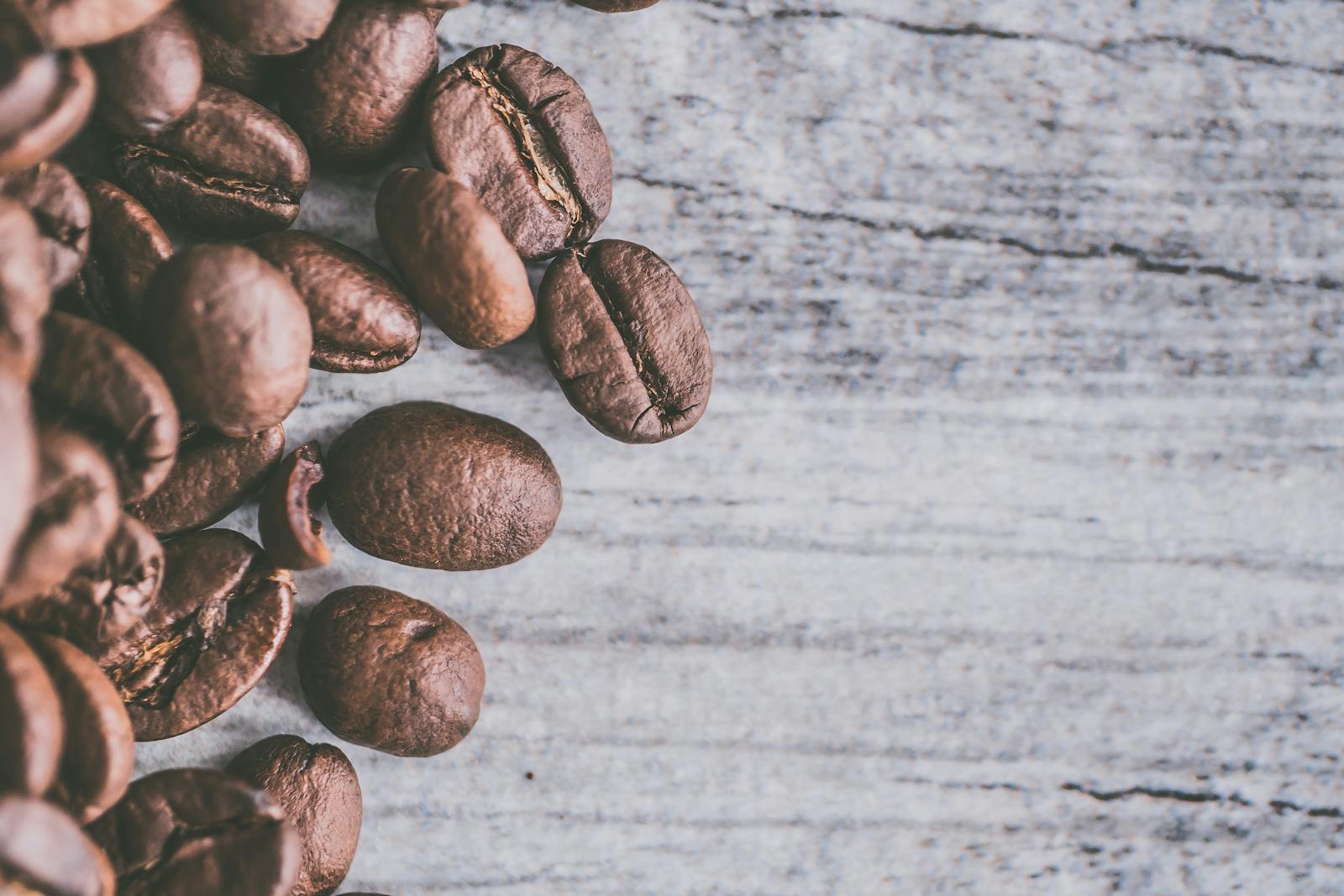
In plain terms, what is Arabica coffee? It’s coffee made from Coffea arabica (the coffee plant’s scientific name for Arabica), prized for aroma and layered flavor. The “Arabica meaning” you see on bags is basically shorthand for that style: more nuance, less harshness. Think of it as the “detail” bean—where subtle notes matter. Lavazza coffee bean guide
If Arabica tastes like “notes,” Robusta tastes like “statements.”
For many drinkers, the main Arabica coffee benefit is how enjoyable it can be without add-ins—especially if you like fruity coffee beans or a clean, sweet finish. One underrated trick: sip the coffee at two temperatures—hot and warm. Arabica tends to “open up” as it cools (more berry, citrus, or caramel), while bolder beans stay more consistent.
Acidity and sweetness (bright vs. smooth)
“Acidity” in coffee isn’t vinegar—it’s that crisp, lively sparkle you notice along the sides of your tongue. Many Arabicas have more of it, which can read as citrus, berries, or a clean snap at the finish. If you’ve ever tasted a coffee and thought, “That’s kind of like fruit,” that’s the zone Arabica often nails. If your goal is the sweetest coffee types, start with lighter-to-medium roasts and fresh beans rather than chasing labels.
Quick comfort note: If bright coffee upsets your stomach, try a medium-roast Arabica brewed slightly cooler (or shorten your brew time). Robusta-heavy blends can feel gentler for some people, but bitterness can show up faster if you over-extract.
Bitterness and body (lean vs. heavy)
Robusta’s bitterness isn’t always a flaw—it can be structure. In a milk drink, that bitterness becomes “chocolatey” and helps the coffee stay present instead of disappearing into sweetness. Arabica can absolutely do milk drinks too, but many people prefer it black because you get the delicate notes without needing sugar or cream.
If you want to taste the difference quickly, make a mini flight: brew two small cups with the same recipe, then score them on sweetness, bitterness, body, and aftertaste. You’ll learn more in five minutes than you will from ten labels.
Caffeine, crema, and why espresso blends love Robusta
Now the other side: what is Robusta coffee? It’s coffee made from Coffea canephora—a tougher coffee plant species that often carries more caffeine and stronger body. That’s basically the Robusta meaning in everyday terms: a “robust,” hardier bean that shows up when you want impact. And if you’re chasing café-style texture, Robusta can be a secret weapon. arabica acidity vs robusta
Species isn’t the same thing as quality. A great Robusta can beat a dull Arabica—especially in espresso.

Caffeine ranges and “kick” expectations
If you’re searching specifically for Arabica vs Robusta caffeine, the simple answer is: Robusta usually hits harder. Caffeine still varies by origin, roast, and brew method—so a big cold brew can out-caffeinate a small hot cup. If you mean “is Arabica coffee strong,” it depends on what you mean: Arabica can be strong in flavor when roasted darker, but Robusta is typically stronger in pure caffeine punch.
Crema, mouthfeel, and blend strategy
If you’re dialing in espresso at home, Robusta is popular because it can boost crema and keep the coffee from getting lost in milk. That’s why you’ll often see it in the best coffee beans for espresso blends. For many people, the biggest Robusta coffee benefit is performance: more body, more presence, and a cup that tastes “coffee-forward” even in sweet drinks.
- Goal: sweeter espresso → mostly Arabica
- Goal: thicker crema → add some Robusta
- Goal: café-style punch → higher Robusta blend
- Goal: milk-forward drinks → bolder blend wins
- Goal: iced coffee → avoid “watery” light roasts
- Goal: smoother cold brew → coarser grind + gentle beans
If you want espresso that tastes “bigger” without tasting burnt, adding a little Robusta is the cleanest shortcut.
Growing conditions, cost, and the “quality Robusta” comeback
A lot of price difference comes down to farming reality. Arabica is often more finicky to grow, while Robusta is typically hardier and can be easier to produce at scale—one reason it’s frequently cheaper. What’s changing is perception: more producers are pushing higher-quality Robusta as climate and market pressures squeeze coffee supply. 2025 robusta quality push
If you’ve ever wondered where do coffee beans come from, they’re actually the seeds inside coffee cherries grown on a coffee plant (genus Coffea). Coffee is widely associated with origins in Ethiopia, and from there it spread through trade and cultivation until it became the global crop we know today—grown on everything from small family farms to massive coffee plantations.
Cost drivers (why it’s priced that way)
- Farming difficulty: Arabica often needs more careful conditions
- Yield: Robusta can produce more per plant
- Demand: specialty buyers pay more for standout lots
- Processing: cleaner processing can raise any bean’s price
Taste drivers (why it hits your tongue)
- Altitude: often linked to brighter, more complex cups
- Freshness: stale beans taste flat no matter the species
- Roast style: darker = more bitterness, less nuance
- Extraction: over-brewing makes any coffee harsher
So, where is Arabica coffee grown? It’s commonly associated with higher-elevation regions (like Colombia, Ethiopia, and parts of Central America). Where is Robusta coffee grown? It’s widely grown in lower-altitude tropical zones (often linked with Vietnam and parts of Brazil). If you’re curious about the best soil for Arabica coffee, a safe rule of thumb is well-draining, nutrient-rich soil that keeps roots healthy instead of waterlogged.
If you’ve only tried cheap instant-style Robusta, “better Robusta” will surprise you—especially in espresso.
A practical way to avoid disappointment: if you’re trying Robusta for the first time, start with a blend instead of a 100% Robusta bag. You’ll get the strength and crema boost without risking a cup that feels aggressively bitter. That’s also why the best Robusta coffee for most people shows up first in well-made espresso blends, not solo.
How to pick the right bag (and blend your own)
Your “best” bean depends on two things: how you brew and how you drink it. Someone who loves pour-over black coffee will usually enjoy Arabica more. Someone who lives on iced lattes may prefer a Robusta blend that keeps its flavor. Once you know your preference, you can buy confidently—even without fancy tasting notes. 2025 brewing recommendations
“100% Arabica” is a style signal—not a guarantee your coffee will taste better.
What “100% Arabica” does (and doesn’t) mean
It usually means: more aroma, less bitterness, and a smoother cup when brewed well. It does not mean: fresh, high quality, or perfectly roasted. A stale 100% Arabica bag can taste thin and papery. A well-roasted blend can taste richer and more satisfying—especially if you’re using milk, sugar, or syrups.
You’ll sometimes see comparisons like Colombian coffee vs Arabica, but they aren’t true opposites: Colombian is an origin, and Arabica is a species. Most Colombian coffee is Arabica, and the flavor depends more on roast level, processing, and freshness than the country name alone.
If you like going deeper, Arabica also comes in many varieties (often called Arabica coffee varieties) such as coffee Typica and Bourbon. And if you spot “peaberry,” that’s not a different species—peaberry coffee vs Arabica is really a bean-shape question, since peaberries can come from Arabica lots and tend to roast a bit differently.
Beginner blend recipes (espresso / drip / cold brew)
- Everyday drip: mostly Arabica for sweetness and clarity
- Milk-friendly drip: Arabica base with a modest Robusta lift
- Cold brew: smoother beans and a slightly coarser grind
- Home espresso: blend in Robusta for crema + thickness
- Iced lattes: choose bolder beans to avoid “watery” flavor
- Low-caffeine: prioritize Arabica and smaller servings
Quick store move: If you want the best coffee to buy in store, prioritize a recent roast date and a flavor profile you actually enjoy. Freshness beats fancy wording almost every time.
- Roast date: choose the freshest bag you can find (especially for espresso)
- Brew match: “espresso” blends usually taste fuller in milk drinks
- Label realism: “100% Arabica” helps, but doesn’t guarantee quality
- Blend clue: many Robusta coffee brands highlight crema, strength, or “Italian-style” blends
- Online search tip: if you’re browsing Arabica coffee beans for sale, pick a seller who lists roast dates and storage details
Also worth knowing: Arabic coffee (often called qahwa) is a traditional preparation style—not the same thing as Arabica beans. If you’re asking what is Arabic coffee, it’s often lightly roasted coffee served with spices. What is in Arabic coffee can vary, but cardamom is common, and some versions use saffron or cloves. As for is Arabic coffee healthy, it depends on how it’s served (especially added sugar) and your caffeine tolerance.
Quick picker: weighted “Arabica vs. Robusta” decision matrix
Rate how much each factor matters to you (Weight), then adjust scores if you disagree. The tool totals everything and calls a winner.
Keyboard tip: Use Tab to move between fields and type a number (1–5).
| Factor | Weight (0–5) | Arabica score (1–5) | Robusta score (1–5) |
|---|---|---|---|
| Flavor complexity | |||
| Caffeine kick | |||
| Crema + body | |||
| Budget value |
Tip: If the result is close, that usually means a blend will make you happiest.
Bottom line: if you want coffee that’s fragrant, bright, and nuanced, start with Arabica. If you want bold, thick, and high-impact—especially for espresso or milk drinks—Robusta (or a blend) can be the smarter play.