Want the best coffee tour in Antigua Guatemala? Pick the experience that matches your pace, your curiosity, and how close you want to get to the people behind your cup—not just the prettiest tasting. If you’re building a guatemala coffee tour day into your itinerary, Antigua is one of the easiest bases to do it well.
This guide focuses on antigua guatemala coffee experiences that actually teach you the process. You’ll get a simple decision framework, a style comparison, and a printable scorecard for choosing fast.
What if the “best” coffee tour in Antigua isn’t the one with the most amenities—but the one that leaves you understanding who gets paid for the coffee you love? Some tours are basically a tasting with scenery. Others walk you through the hard parts: harvesting, processing, roasting—plus the economics that shape a farmer’s year. If you’re choosing just one tour, choose the one that changes how you order coffee afterward.
- TL;DR: Choose your tour style first (community-led, finca, workshop, or adventure).
- Look for: at least 3 real steps (processing + roasting + tasting is the sweet spot).
- Confirm: terrain, group size, language, pickup, and cancellation—before you pay.
- Best “learning” pick: a coffee farm tour that explains why each step changes flavor.
- Best “easy” pick: a classic finca tour with predictable walking and a guided tasting.
- Best “fun” pick: adventure combos—great day out, usually lighter on education.
Choosing the Best Coffee Tour in Antigua
Here’s the shortcut: pick the tour that best matches your pace, learning depth, and values. When two tours look similar, the winner is usually the one that clearly shows what you’ll do on-site (not just what you’ll “learn”).
What “best” really means
A great Antigua coffee tour typically nails at least two of these: (1) you see multiple production steps (not only a walk), (2) you taste with guidance so flavors make sense, (3) you meet the people doing the work, and (4) logistics are transparent (pickup, terrain, time, cancellation). Decide which two matter most to you, then compare tours on those first.
Quick shortlist rules
- Time: Choose 3–4 hours for meaningful process + tasting; shorter is fine if you’re optimizing for convenience.
- Terrain: Ask whether it’s steep, muddy, or rocky—especially in rainy months.
- Group size: Smaller groups usually mean more questions answered and better tasting guidance.
- Language: Confirm your preferred language for the guide, not just the booking page.
- Process depth: Look for processing + roasting + tasting (not just “walk through the farm”).
- Producer focus: Favor tours that explain who benefits and how.
- Flexibility: Check pickup points, start times, and cancellation terms before you book.
- Payoff: You should leave able to describe what you tasted—and why.
When two tours look similar, pick the one that names the people behind the coffee—and shows you at least three real production steps.
Printable Scorecard (2 minutes): Give each tour a 0–2 score per row (0 = nope, 1 = okay, 2 = nailed it). Tap/click a cell to type. Total wins. If you’re traveling with someone, score separately—then compare totals.
| Criteria | Tour A (0–2) | Tour B (0–2) | What you noticed |
|---|---|---|---|
| Process depth (processing + roasting + tasting) | 0 | 0 | |
| Producer connection (people + payoffs explained) | 0 | 0 | |
| Pace & comfort (walking, heat, stops) | 0 | 0 | |
| Logistics clarity (pickup, timing, cancellation) | 0 | 0 | |
| Value (what you get for the cost) | 0 | 0 | |
| Total (add scores) | 0 | 0 | Winner: |
Coffee Tour Styles Near Antigua
Most “best coffee tour” lists mix ethical co-ops, polished fincas, and adventure rides in one pile. Antigua sits close to coffee farms in guatemala, including classic fincas many people mean when they search antigua guatemala coffee plantation. You’ll also see the broader phrase guatemala coffee plantation used as shorthand for a finca-style visit (more structured, more predictable) versus a producer-led experience (more personal, often more impact-focused). Start by choosing a style—then pick the operator within that style that matches your comfort level and curiosity.
| Tour style | What you actually do | Best for | Watch-outs |
|---|---|---|---|
| Community-led | Farm walk + processing demo + hands-on roasting/tasting; often hosted by small producers | Travelers who want impact + learning | May involve uneven terrain; schedules can run on “local pace” |
| Classic finca | Guided walk, production explanations, curated tasting; sometimes a café or restaurant on-site | First-timers who want a smooth, easy experience | Can feel more “showcase” than “workday”; ask how much you’ll really see |
| Workshop-forward | More time on roasting, grinding, cupping; less time hiking the farm | Foodies who want skills, not steps | Less “farm” feel; confirm what’s included in the session |
| Adventure combo | Bike/ATV + viewpoints + coffee stop/tasting (sometimes minimal processing detail) | Adrenaline seekers who want a fun half-day | Often the least educational; read the itinerary closely |
Community-led farm walk + roasting
If your definition of “best” includes meeting producers and understanding how coffee becomes income, start here. De La Gente’s official overview is refreshingly specific about what’s included and how logistics work: authentic tour details.
These tours often feel less like a polished attraction and more like a guided look at real work: seeing equipment up close, learning how lots are separated, and tasting in a way that connects flavor to decisions (variety, fermentation, drying, roast level). If you want stories you’ll remember, this style delivers—especially when your guide answers the “why” questions, not just the “what.”
Classic finca tour
A finca tour is often the easiest “yes” for mixed groups (some coffee nerds, some not). It’s usually more structured and predictable—great when you want a smooth experience that still covers the basics of processing and tasting.
Adventure variants
If you keep seeing “coffee tour” bundled with bikes or ATVs, treat it as an adventure tour that includes coffee. It can be a fantastic day—just don’t expect a deep dive unless the itinerary explicitly lists processing and roasting steps.
Best for: “I want the view + the fun, and coffee is the bonus.”
Avoid if: “I want to understand processing and ask a hundred questions.”
What Happens on a Great Coffee Tour
A “best” tour isn’t about fancy equipment—it’s about whether the guide connects the dots. You should leave knowing how small choices (variety, fermentation time, drying method, roast) turn into the flavors you taste. The moment to look for is when you hear a simple explanation and think, “Oh—that’s why this tastes like cocoa or citrus.”
From coffee cherry to green bean
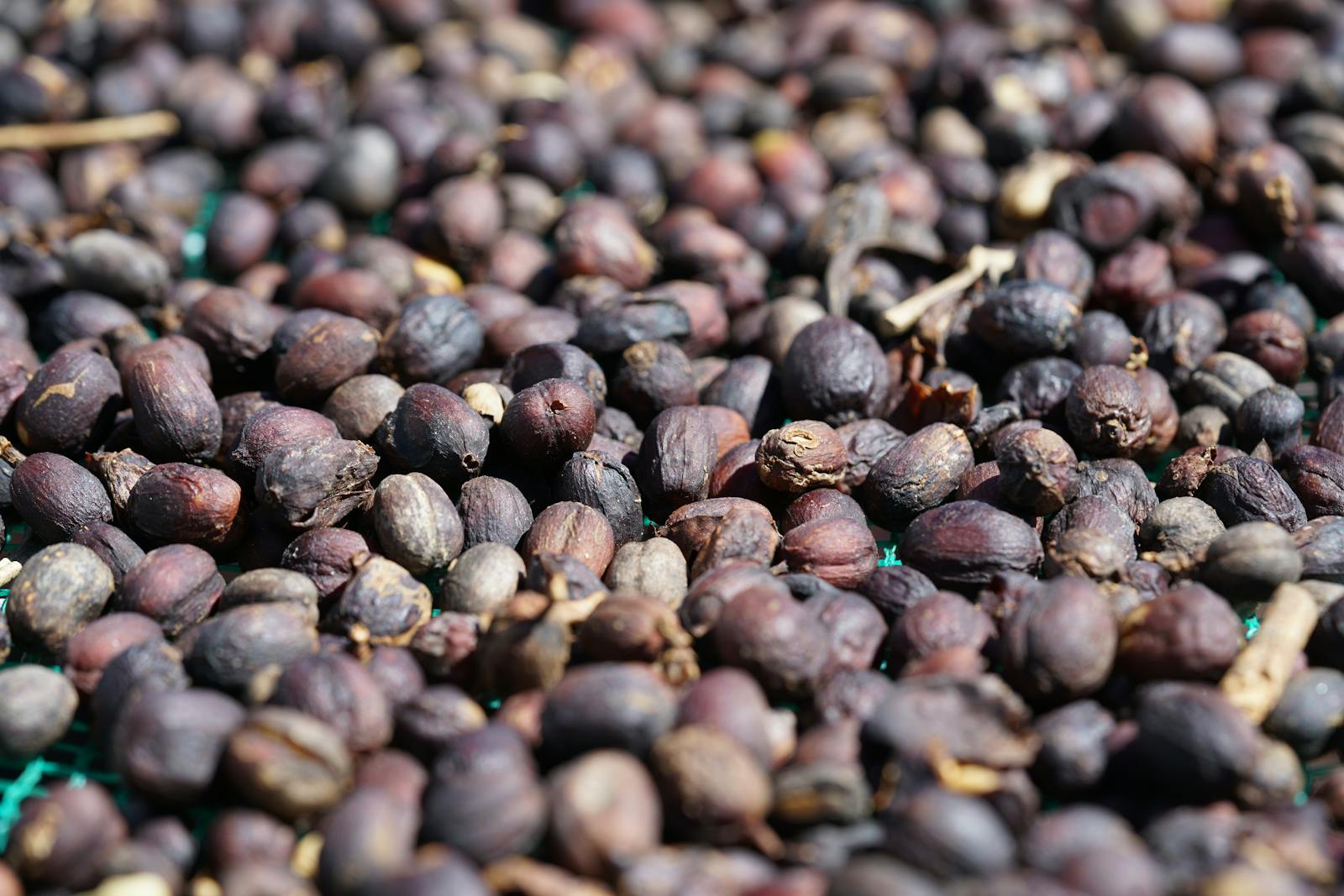
Even a short tour can cover the essentials if it’s well taught. You’ll usually see ripe cherries, then pulping (removing the fruit), fermentation/washing, then drying. Ask one question that upgrades your understanding instantly: “What changes flavor more on this farm—fermentation time or drying method?”
If you can touch parchment coffee, smell fresh mucilage, and see how defects get sorted out, you’re getting the “real” version—not just the highlight reel.
Roasting + tasting (fast, not fussy)
You don’t need barista vocabulary to taste well. Try this: smell (dry), smell (wet), sip, then pick three words—sweet, bright, heavy. If the guide links those back to processing and roast level, you’re on a tour that actually teaches.
Booking and Packing Tips
The fastest way to ruin a tour is to show up unprepared—slipping on a muddy path, forgetting water, or realizing at the meeting point that “pickup included” meant “meet us somewhere.” Use this section as your no-regrets checklist.

Antigua is a great base because you can wake up in town, tour a farm on the hillside, and still be back for lunch. That convenience also means there are lots of “coffee-ish” options—so confirm the itinerary details before you commit.
If you’re comparing two tours, scan for what you’ll do (processing? roasting? tasting?) and how much walking is involved. Those two details usually decide whether a tour feels amazing—or merely okay.
When to go (harvest vs off-season)
If you want to see harvesting, aim for the peak season your operator mentions—but don’t skip a tour just because you’re not traveling at the perfect time. A recent January trip report notes you can still learn a lot from processing, roasting, and tasting; what changes is which steps are happening live that day. January 2026 tour basics
Terrain note: Even “easy” farm paths can feel harder after rain. If anyone in your group has ankle or balance concerns, ask specifically about mud, stairs, and walking time before you book.
What to wear/bring
Plan for sun + sudden clouds: closed-toe shoes with grip, a light layer, and water. An updated Antigua roundup also emphasizes practical footwear and sun protection for farm visits. updated July 2025 guide
- Shoes: closed-toe, grippy soles (skip slick sneakers).
- Water: more than you think; altitude + sun add up.
- Sun: hat + sunscreen; shade is inconsistent on farms.
- Cash: small bills for tips or coffee purchases.
- Layer: light jacket for early starts or breezy viewpoints.
- Bug prep: a little repellent is usually enough.
- Bag: hands-free daypack; keep your phone dry.
- Notebook: jot the farm name + roast you liked for later.
Booking tips that actually matter
Use marketplaces as a quick “what exists and what’s the going rate” scan, then read the itinerary like you’re reading a contract. Antigua listings commonly show options starting around the low-$30 range, but prices move with season, group size, and what’s included (transport, tastings, meals). Antigua tour prices
- Ask: “How many people per guide?”
- Ask: “How much walking, and is it muddy/steep?”
- Ask: “Do we see processing and roasting—or mainly tasting?”
- Ask: “Where is the exact meeting point, and when?”
- Ask: “What’s the cancellation policy in plain English?”
- Ask: “Is the tour bilingual in practice, not just on paper?”
Advanced booking notes (worth 30 seconds)
Pickup: Confirm the exact meeting point and whether it’s hotel pickup or a central rendezvous. In Antigua, “pickup included” sometimes still means “pickup from a small set of locations.”
Group vibe: If you want a Q&A-heavy experience, avoid large groups. Ask, “How many people per guide?” before you pay.
Kid/older-traveler fit: Request the walking distance and whether there are seated parts during processing/tasting. A tour can be “family-friendly” and still have uneven ground.
FAQ: Antigua Coffee Tours
These are the questions people ask right before booking. Use them to sanity-check your choice—and to avoid showing up surprised by the pace, terrain, or “how much coffee content” you’re actually getting.
How long is a typical coffee tour?
Most Antigua-area tours fit into a half-day window. If you want process detail plus a guided tasting, choose a longer option; if you mainly want a scenic activity, a shorter tour can still be fun. The bigger factor than “hours” is what’s in the itinerary: farm walk, processing, roasting, tasting, and time for questions.
Is it good for kids or older travelers?
Yes—if you choose the right style. Classic finca tours tend to be easiest for mixed abilities. For hillside or community-based tours, ask about walking distance, muddy sections, and whether there are seated parts during processing and tasting. A “great” tour for your group is the one that matches the slowest walker and still gives everyone something to do.
Can I buy coffee directly from the farmers?
Often, yes—especially on tours that emphasize producer connection. Buying on-site can be a meaningful way to support the people you just met, and it’s also your chance to ask for brewing tips that match the roast and processing method you tasted. For many travelers, the best coffee in antigua guatemala is the bag you buy right after a tasting—fresh, traceable, and matched to how you brew at home.