Americano and drip coffee can look identical in a to-go cup: hot, black, and “regular.” But they’re built differently—and that shows up in flavor, texture, caffeine feel, and even how long you’ll want to sip it.
What if the “strongest coffee” on the menu isn’t the one that tastes strongest? Americanos can feel bolder because espresso brings oils, crema, and intensity. Drip can quietly out-caffeinate it because it’s usually a bigger pour—and you might top it off. If you’ve ever felt disappointed by an Americano that tasted thin, or a drip that felt harsh, it’s not you. It’s extraction.
- Fast takeaway: Americano = espresso + hot water. Drip = brewed coffee through a filter.
- Taste clue: Americano leans punchy; drip leans clean and steady.
- Caffeine clue: Size and refills often matter more than the drink name.
Americano vs Drip: The 30-Second Difference
If you only remember one thing, make it this: an Americano starts as espresso, while drip coffee starts as brewed coffee. That “first step” changes everything from mouthfeel to how the flavor opens up as it cools.
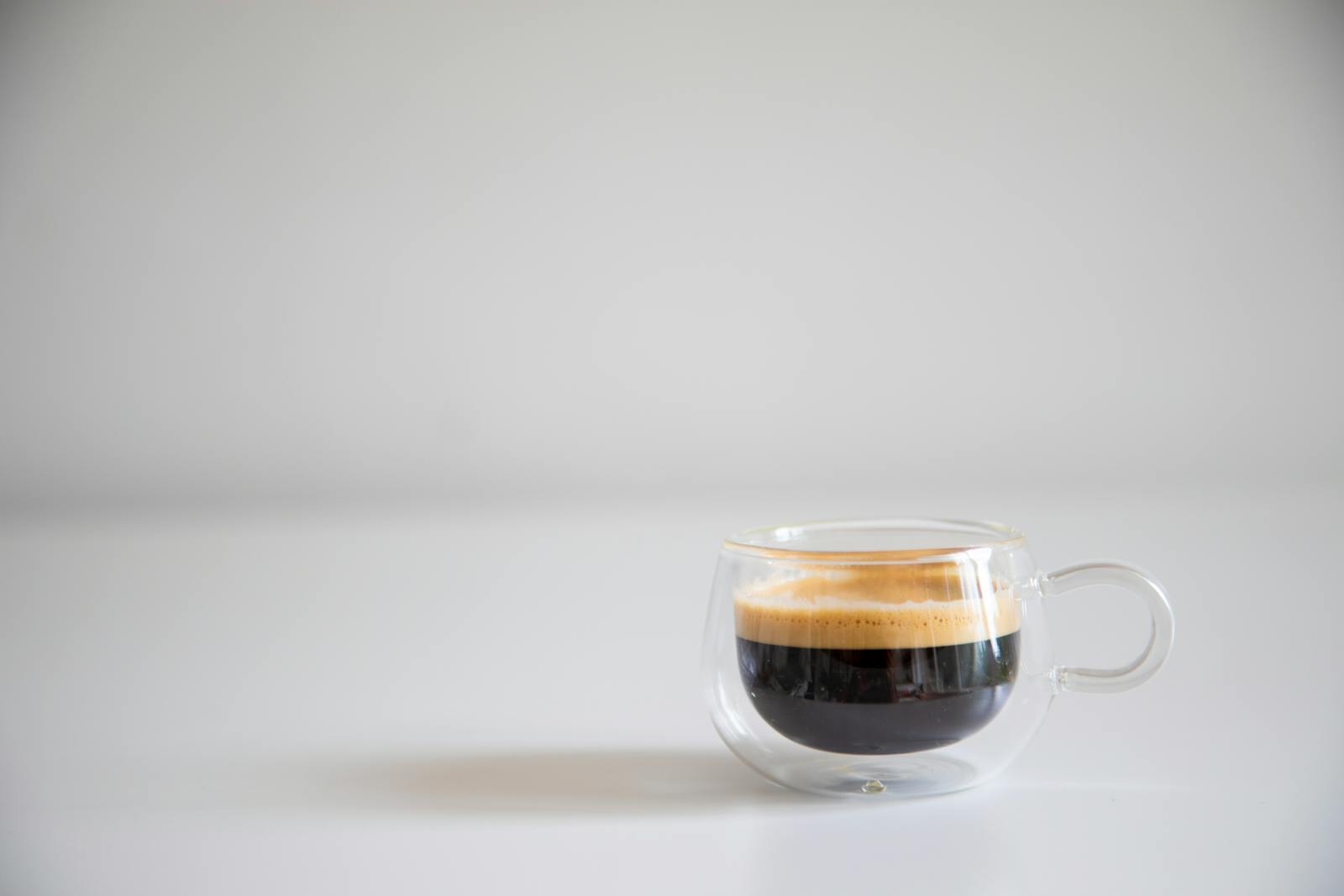
What is an americano? It’s espresso diluted with hot water. If you’re wondering what is in an americano, it’s just espresso + water—no milk unless you add it. That’s the simplest americano coffee meaning: espresso flavor, made sippable in a bigger cup.
And yes—is an americano black coffee? In most cafés, it counts as black coffee because there’s no milk by default. The difference between an Americano and “regular” black coffee is how it’s brewed: drip is filtered brewing, while an Americano is espresso stretched with water.
Americano
A shot (or two) of espresso, then hot water added to stretch it into a larger drink. The result is still espresso-led—just less intense per sip. For a quick, practical breakdown of the core differences, Breville’s comparison is a solid reference: Americano vs drip basics.
Drip coffee
Ground coffee extracted by hot water passing through it and a filter into a pot or carafe. It’s usually brewed in a bigger batch, meant for easy sipping—and often comes with refills in cafés and diners.
Why is it called an Americano?
The most common origin story says Americans in Europe diluted espresso with hot water to make it taste more like the brewed coffee they were used to. That’s the americano coffee origin people are usually referencing when they ask why is it called an americano today.
How Each One Is Made (And Why That Changes Everything)
The brewing method isn’t trivia—it’s the reason one cup tastes “clean and steady” while the other tastes “punchy and concentrated.” Pressure extraction pulls intensity fast; filtration smooths and stretches flavor over time.
Americano: Espresso, then dilution
Espresso is brewed under pressure in a short time, producing a concentrated base. Add hot water and you get a drink that’s easier to sip—but still shaped by espresso’s natural intensity. If you ever notice a faint crema ring floating on top, that’s part of the espresso signature (even after it’s “stretched”).
A tiny barista detail that can change your first sip: adding water to espresso vs adding espresso to water can slightly change the surface and opening taste. This is also the core distinction people point to in americano vs long black debates—different pour order, slightly different experience.
Drip: Hot water + grounds + filter
Drip coffee is made by letting hot water pass through grounds held in a filter, collecting brewed coffee below. The National Coffee Association puts it plainly: drip coffee definition is essentially “hot water over grounds in a filter” into a pot or carafe.
“Drip coffee means” filtered, gravity-based brewing—whether it’s an automatic machine or a manual setup. A pour-over is basically a hands-on version of drip, which is why americano vs pour over can feel like a method-versus-method comparison, not just a menu choice.
Making an Americano at home (ratios that don’t taste watery)
If you’re searching how to make americano coffee, it’s straightforward: pull espresso, then add hot water until it tastes balanced. A common espresso to water ratio americano range is roughly 1:2 to 1:4 depending on the shot strength and your preference. That’s the practical americano coffee ratio—and it’s why the same drink can taste amazing in one café and thin in another.
Wondering how much water in an americano? Think “a cup’s worth,” then adjust. If it tastes weak, reduce water or add a shot. If it tastes too sharp, add a little more water and sip it slower.
.jpg)
Brewing differences at a glance
| Trait | Americano | Drip |
|---|---|---|
| Base method | Espresso + hot water | Hot water through grounds + filter |
| Typical vibe | Espresso-forward, “snappy” | Smooth, steady, sip-friendly |
| Texture | Can feel heavier, slightly oily | Usually cleaner, lighter body |
| Main variable | Shot count + water ratio | Fresh pot + grind + brew time |
| Best use | Fast, intense flavor in a big cup | Long sipping, refills, groups |
Taste & Texture: Body, Clarity, and “Coffee Shop Bitterness”
People often describe this as “Americano tastes stronger” and “drip tastes smoother,” but those words are doing a lot of work. The real difference is how concentrated flavor hits per sip—and how filtered the cup feels.
Americano: Espresso-led and punchy
An Americano can feel bold and direct, especially when it’s made with fresh shots. You’ll often notice a more pronounced roast note and a heavier impression on the palate. If it ever tastes “thin,” that’s usually a ratio issue (too much water for the espresso dose), not the drink being “wrong.”
This is also where americano vs espresso gets misunderstood. Espresso is a concentrated shot; an Americano is that same espresso flavor spread into a larger drink. In other words, the difference between espresso and americano is mostly volume and dilution—not “coffee vs not coffee.”
Drip: Clean finish and easier origin notes
Drip coffee tends to read as clean and balanced because the filter catches a lot of solids and oils. That can make fruity or floral coffees feel more obvious—and it’s why drip is often the easiest way to actually taste what a lighter roast is trying to do.
If drip tastes unexpectedly harsh, the culprit is often freshness (a pot that’s been sitting) or over-extraction. A simple fix is ordering “a fresh cup” during slower hours, or switching to a slightly lighter roast.
And if you’re comparing methods: the difference between drip coffee and espresso is that drip is slower and filtered, while espresso is fast and pressure-based. That’s why “espresso intensity” can show up in an Americano even when it looks like a regular cup.
Quick gut-check: if you want espresso character without espresso intensity, order an Americano. If you want easy sipping that stays pleasant as it cools, go drip.
You’ll probably like an Americano if…
- Intensity — you want bold flavor without adding milk.
- Speed — you like a drink made fresh to order.
- Roast — you enjoy chocolatey, roasty notes up front.
You’ll probably like drip if…
- Clarity — you prefer a clean finish and lighter body.
- Sipping — you nurse a cup for 15–30 minutes.
- Value — refills or larger volumes matter to you.
Caffeine & Strength: The Truth Is in the Size (Not the Name)
This is where most people get tricked: a drink can taste “strong” and still deliver less caffeine than something that tastes milder. Caffeine is usually a math problem: ounces + dose + refills.
Typical ranges overlap more than you think
In the real world, drip coffee often ends up higher simply because it’s served in larger amounts. Meanwhile, an Americano’s caffeine depends on the number of shots. If you like comparing by common sizes, the Center for Science in the Public Interest has a handy reference: caffeine chart ranges.
How much caffeine in an americano? It’s usually “one or two espresso shots worth,” depending on how the café builds it. Caffeine in drip coffee can run higher in practice because drip servings are often larger—and refills are a thing. That’s why americano vs coffee caffeine doesn’t have a single winner.
Does drip coffee have more caffeine than espresso?
Often, yes by volume: a big drip can beat a single shot of espresso. But espresso catches up fast when you add more shots, which is why an Americano can match (or exceed) a smaller drip. The simplest rule is: compare ounces and dose, not the drink name.
Caffeine reality check: If you’re sensitive, pregnant, or just trying not to wreck your sleep, it helps to know the general safety guidance for daily intake. The FDA’s consumer overview is a good baseline: FDA caffeine guidance 2024.
Health & Digestion: Filtered vs Espresso-Style Drinks
For most people, both are perfectly fine choices. But if you’re dialing in how coffee feels in your body, method matters. Paper filters can reduce certain oily compounds, while espresso-style drinks keep more of them.
Paper filters can change what ends up in your cup
Drip coffee is usually filtered through paper, which can trap some oils and fine particles. That’s one reason filtered coffee often gets mentioned in “best choice” health lists. Health.com summarizes this filtered-vs-unfiltered angle in its overview of coffee types: filtered coffee health notes 2025.
Acidity perception is personal (and practical)
If you deal with reflux or a sensitive stomach, you might notice drip feels gentler—or you might find espresso-based drinks easier simply because the volume is smaller. Either way, you can improve the experience by choosing a smoother roast and avoiding super-hot, fast chugging.
Quick nutrition note: caffè americano nutrition is basically “coffee only”—so it’s typically very low-calorie unless you add milk or sweeteners. For most people, are americanos healthy? They can be, especially as a black-coffee option.
Decaf also counts: decaf americano caffeine is lower, but it isn’t always zero. If you’re very sensitive, it’s still worth treating decaf like “some caffeine,” just less.
| If you’re sensitive to… | Americano tends to work when… | Drip tends to work when… |
|---|---|---|
| Jitters | You keep it to 1–2 shots | You choose a smaller cup or half-caf |
| Bitterness | You want a cleaner espresso roast | You choose a fresher pot or lighter roast |
| Stomach discomfort | You prefer less total liquid at once | You do better with filtered, slower sipping |
Cost, Convenience, and Gear: What You’re Paying For
A lot of the “which is better?” debate disappears once you ask a simpler question: what are you trying to get out of this cup? Americano is often a freshness play; drip is often a volume play.
At a café: refills vs made-to-order
Drip is built for speed and consistency—especially in busy spots. You may also get refills, which quietly makes it a strong value when you’re camping at a table. An Americano is usually made fresh (shots pulled, water added), which is great when you want something hot and deliberate without waiting for a new pot.
At home: espresso setup vs effortless batches
Drip wins for convenience if you’re making coffee for multiple people or you want a “set it and forget it” morning. Espresso (and therefore Americanos) wins if you want café-style drinks and don’t mind dialing in grind, dose, and equipment.
If you’re choosing between cold options, here’s the clean split: difference between cold brew and americano is method. Cold brew is steeped cold for hours; an iced Americano is espresso diluted with cold water and poured over ice.
- Budget — drip generally costs less per cup.
- Workflow — drip fits routines; Americano fits cravings.
- Consistency — drip depends on freshness; espresso depends on skill.
- Social — drip scales for guests and meetings.
- Control — Americano is easy to “customize” by shot count.
- Versatility — espresso opens doors (lattes, cappuccinos, etc.).
Which Should You Order Today? (Decision Helper)
When you’re standing at the register, you don’t need a deep dive—you need a fast yes/no. Pick the one that matches how you plan to drink it: quick and bold (Americano) or slow and steady (drip).
Best choice by scenario
- Commute cup — Americano if you want “fresh and focused,” drip if you want “easy and familiar.”
- Long meetings — drip often wins because it stays pleasant and refills may exist.
- Afternoon coffee — Americano can be easier to control by shot count; drip can sneak up if you go big.
- Milk or sweetener — either works, but Americano holds its flavor well with a splash.
Two quick menu variations people ask about: iced americano is espresso + cold water over ice (crisp and simple). And caffè americano with milk is totally normal—just know that does americano have milk? Not unless you add it. Some cafés call that a “white Americano.”
Also: terms can be messy across cafés. A “dry americano” might mean less water (stronger) or a pour style that preserves more crema. If you care, it’s okay to ask for “fewer ounces” or “two shots with less water.”
Printable decision matrix (no math, no fuss)
How to use it: For each row, check the box that fits you best. Whichever column has more checks is your pick. (It prints cleanly, too.)
Order scripts you can actually use:
- Simple drip: “Small drip, black, please.”
- Americano control: “Americano—one shot hot.” (Or: “two shots hot.”)
- Smoother Americano: “Americano, but a little less water if you can.”
- Better drip timing: “Is there a fresh pot on?”
Starbucks note (quick and simple): A caffè americano at Starbucks is still espresso + hot water—just built with their sizing and shot standards. If you’re searching “what is an americano at Starbucks,” the drink concept is the same; the exact caffeine depends on size and number of shots.